

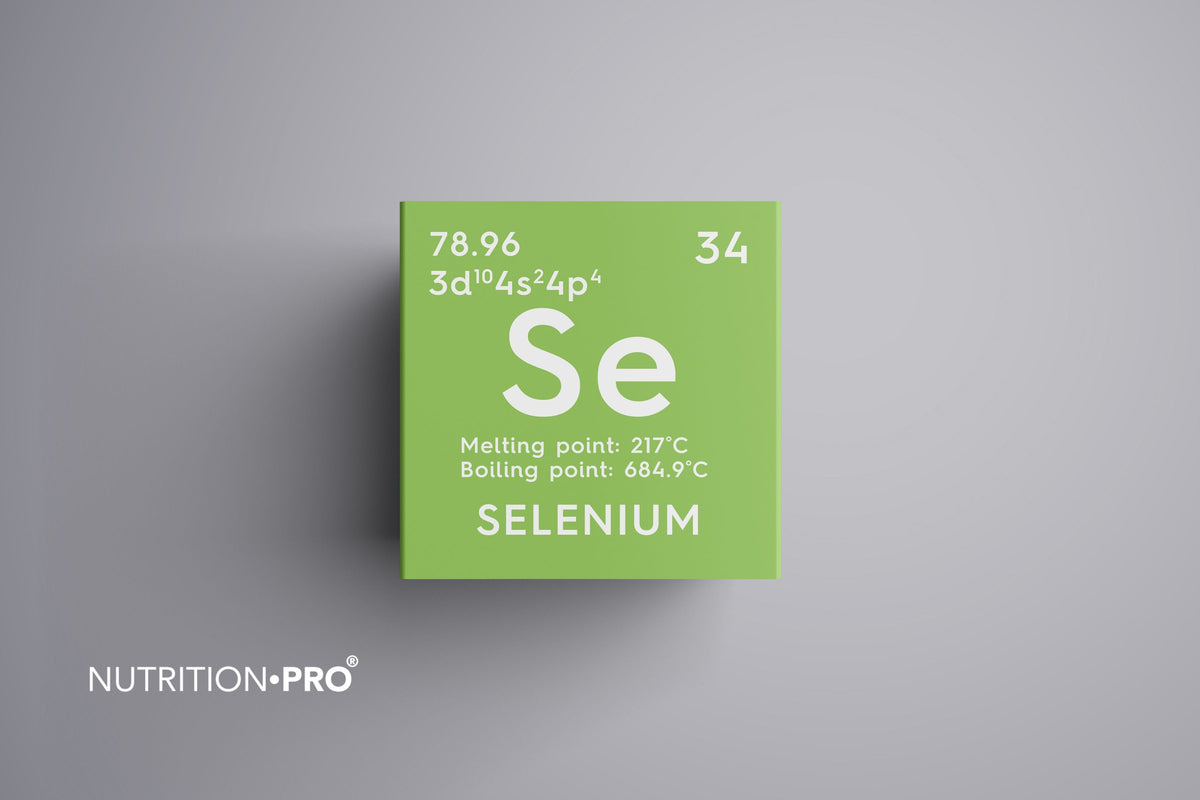
Selenium is a special case in nutrition. Most nutrients follow intuitive logic: lacking them is harmful, having enough suffices, having a bit too much changes nothing. Selenium, however, traces a U-shaped curve : deficiency increases mortality, excess does too, and the gap between the two is the narrowest of all minerals. The requirement is 70 micrograms per day, the safety limit 255. A single Brazil nut can contain 90. In other words, this mineral must be handled with a precision that no one demands of magnesium or vitamin C. This guide explains what you need to know before taking it: what selenoproteins do, what Europe authorizes claiming, where the window between requirement and danger sits, which foods provide it and why European soils change everything, what deficiency and toxicity look like, what science actually shows about the thyroid, immunity, fertility, hair and nails, why major cancer and heart trials failed, which form to choose and how long a course should last. It complements our
guide on natural antioxidants ★ Selenium 50 micrograms per day.

Glutathione 150 mg
70
- What is selenium for? Claims recognized by the EFSA
- The U-shaped curve: 70 micrograms requirement, 255 safety limit
- Selenium-rich foods (and the lottery of soils)
- Deficiency: from Keshan to discrete European deficit
- Selenium and thyroid: the best-established area
- Immunity and infections
- Male and female fertility
- Hair and nails: the paradox
- Cheveux et ongles : le paradoxe
- Cancer and heart: two failures that made history
- Selenosis: recognizing an excess
- Forms, blood dosage and treatment duration
- Choosing wisely: do you really need to supplement?
- Frequently asked questions
1. Selenium and its selenoproteins
Selenium has a bad reputation in chemistry: it is an element similar to sulfur, long known only for its toxicity in livestock grazing on selenium-rich soils. It was not until 1957 that scientists discovered it was essential for animal life, and 1973 to understand how it works. The answer is elegant: the organism creates a unique amino acid with it, the selenocysteine, considered the twenty-first amino acid, which has its own genetic code and inserts itself at specific positions in about twenty proteins. It is these selenoproteins that do the work, not free selenium.
| Family | Role | What this implies |
|---|---|---|
| Glutathione peroxydases (8 enzymes) | Neutralize hydrogen peroxide and lipid peroxides, using glutathione as fuel | This is the cell's main antioxidant defense line, and it depends on both available selenium and glutathione |
| Deiodinases (3 enzymes) | Remove an iodine atom from thyroxine (T4) to produce triiodothyronine (T3), the active form | Without selenium, the thyroid produces hormones that the body does not properly activate |
| Thioredoxin reductases (3 enzymes) | Regenerate oxidized proteins and participate in DNA synthesis | Role in cell division, repair, and inflammation control |
| Selenoprotein P | Transports selenium from the liver to other organs, particularly the brain and testes | It is the best marker of selenium status, the one that saturates when needs are met |
| Selenoprotein GPX4 | Protects membranes from oxidation, forms the mitochondrial sheath of sperm | Explains the claim regarding spermatogenesis and the link with male fertility |
Two practical consequences stem from this organization. First, needs saturate : when all selenoproteins are synthesized, providing more selenium provides nothing additional; the excess circulates in storage forms without function. Selenoprotein P reaches its plateau around 100 to 125 micrograms per day of intake; beyond that, the logic shifts from nutritional to pharmacological, with the risks that entails. Second, selenium works as a team : glutathione peroxydases need glutathione, itself dependent on cysteine, which explains why antioxidant formulas classically combine selenium, glutathione, and N-acetylcysteine rather than selenium alone.
2. What is selenium for? The claims recognized by EFSA
European regulation no. 432/2012 authorizes six claims for selenium, provided the product contains at least 15% of the NRV (8.25 micrograms) per serving. Selenium contributes to:
- normal spermatogenesis ;
- the maintenance of normal hair ;
- the maintenance of normal nails ;
- normal functioning of the immune system ;
- normal thyroid function ;
- the protection of cells against oxidative stress.
Each corresponds to an identified selenoprotein, which is rare: spermatogenesis to GPX4 in the mitochondrial sheath, the thyroid to deiodinases, cellular protection to glutathione peroxidases. The correlation between mechanism and claim is more direct here than for most nutrients.
It does not prevent cancer : the trial of 35,533 men that was supposed to demonstrate this found nothing (section 10), and no dietary supplement can claim this. It does not protect the heart : a Cochrane review concludes there is no effect on mortality and cardiovascular events. It does not cause weight loss and does not "boost metabolism": it allows the activation of thyroid hormones in those who lack it, which is not the same as accelerating a normal thyroid. And it is not more useful the more you take : it is precisely the nutrient where this intuition is most false.
3. The U-shaped curve: 70 micrograms of requirement, 255 of limit
| Profile | Reference (micrograms per day) | Source |
|---|---|---|
| Children 1 to 3 years old | 15 | EFSA |
| Children 4 to 10 years old | 20 to 35 | EFSA |
| Adolescents | 55 to 70 | EFSA |
| Adults, men and women | 70 | EFSA (adequate intake) |
| Pregnant women | 70 | EFSA |
| Breastfeeding women | 85 | EFSA |
| Labeling NRV | 55 | EU Regulation No. 1169/2011 |
| Upper safety limit | 255 (versus 300 before 2023) | EFSA |
Low selenium status has been associated with increased risk of mortality, impaired immunity, and cognitive decline. Higher status or supplementation have antiviral effects, are essential for male and female reproduction, and reduce the risk of autoimmune thyroid disease. Prospective studies have generally shown some benefit of high status on the risk of prostate, lung, colorectal, and bladder cancers, but trial results are mixed, likely highlighting the fact that supplementation only provides benefit if nutrient intake is insufficient. Supplementing individuals who already have adequate intake could increase their risk of type 2 diabetes. The crucial factor to emphasize regarding selenium's effects on health is the inextricable U-shaped relationship with status: while additional intake may benefit people with low status, those with adequate to high status could be adversely affected and should not take selenium supplements.
Rayman MP. Lancet 2012;379(9822):1256-1268. DOI: 10.1016/S0140-6736(11)61452-9
This sentence, written by the world's leading expert on the subject, should appear on every supplement box: do not supplement if you don't have a deficiency. It is counterintuitive in a universe where commercial logic drives the addition of more, and yet this is the state of the science. A more recent review by the same author goes further and describes a U-shaped association with mortality itself : people with very low intakes and those with very high intakes have higher mortality rates than those in the middle (Rayman, Hormones, 2019).
How do you know where you stand? Average French intakes are around 50 to 70 micrograms per day, therefore around the requirement, with significant variation depending on diet. A regular consumer of fish, eggs, and meat is probably well supplied; a person following a strict vegan diet, or whose diet relies on plants grown in poor soils, probably less so. In case of real doubt, plasma selenium or selenoprotein P testing resolves the question, and can be prescribed.
4. Selenium-rich foods (and the soil lottery)
| Food | Content (micrograms per 100 g) | Reference |
|---|---|---|
| Brazil nuts | 1,000 to 2,000 (highly variable) | A single nut: 50 to 90 micrograms. Two per day is sufficient, more becomes risky |
| Organ meats (kidneys, liver) | 50 to 190 | Lamb kidney is the most concentrated animal source |
| Tuna, cod, sardine, salmon | 30 to 80 | A 120 g serving generally covers the daily requirement |
| Oysters, mussels, shrimp | 30 to 60 | Also rich in zinc and iodine |
| Eggs | 20 to 30 | Two eggs: approximately 25 micrograms |
| Meat, poultry | 10 to 25 | Regular contribution rather than spectacular |
| Whole grains, bread | 3 to 15 in Europe | Three to four times less than in the United States, because of soil conditions |
| Mushrooms, garlic, onion, broccoli | 2 to 10 | The best common plant sources, but modest |
| Fruits, leafy greens | Less than 2 | Negligible contribution |
Orders of magnitude based on composition tables; for plant-based foods, the content primarily reflects the richness of the cultivation soil and therefore varies greatly depending on the origin.
It is the most selenium-concentrated food on the planet, and its content is unpredictable : depending on the region of the Amazon where the tree grew, one nut can provide 10 micrograms or 90. Impossible to know by looking at it. One to two nuts per day constitute a beneficial intake for those lacking selenium; a daily handful, or six to ten nuts, easily exceeds the safety limit of 255 micrograms. Cases of selenosis have been described in people who consumed large quantities, convinced they were benefiting their health. If you are also taking a supplement containing selenium, count both.
The role of soil deserves mention, as it explains much of selenium's geography. Plants absorb selenium from the soil, and animals eat these plants: the entire chain therefore depends on local subsoil. The soils of the North American Great Plains are rich in it, while those of Northern Europe, central China, and New Zealand are poor. Finland actually made a radical decision in the 1980s: enrich all the country's fertilizers with selenium, which increased its population's intake. In France, no such measure exists, and intakes rely on animal and marine nutrition.
5. Deficiency: From Keshan to discrete European deficit
An important distinction sets selenium apart from most nutrients: in humans, pure deficiency rarely causes disease on its own. In Keshan disease, it is the combination of very poor soil and viral infection that appears to trigger cardiac damage, with selenium deficiency favoring the virus's mutation into a more aggressive form. This mechanism, demonstrated in animals, fueled the idea that selenium modulates the severity of viral infections, which we return to in section 7.
6. Selenium and thyroid: the most well-established domain
Why the thyroid? Because it carries on dangerous chemical activity. To manufacture its hormones, it produces hydrogen peroxide, the molecule of hydrogen peroxide, necessary to fix iodine onto thyroglobulin. This peroxide is corrosive, and the gland must protect itself from it constantly: it is the glutathione peroxidases, selenium-dependent, that handle this. Then, the hormones produced are mostly T4, an inactive form, which deiodinases, also selenium-dependent, transform into active T3 in tissues. Two vital functions, two families of selenoproteins: it is hardly surprising that the thyroid concentrates more selenium per gram than any other organ.
Of 687 references analyzed, 35 unique studies were included. The meta-analysis shows that selenium supplementation decreased TSH in patients not receiving hormone replacement therapy (standardized mean difference of −0.21; 7 cohorts, 869 participants). Furthermore, anti-thyroperoxidase antibodies (−0.96; 29 cohorts, 2,358 participants) and malondialdehyde, a marker of oxidative stress (−1.16; 3 cohorts, 248 participants), decreased in patients with and without replacement therapy. Adverse effects were comparable between intervention and control groups. No significant change was observed for free T4, total T4, free T3, total T3, anti-thyroglobulin antibodies, thyroid volume, and interleukins 2 and 10. Overall, the certainty of the evidence was moderate.
Huwiler VV, Maissen-Abgottspon S, Stanga Z, et al. Thyroid 2024;34(3):295-313. DOI: 10.1089/thy.2023.0556
This result must be read with precision, because it is often overinterpreted. What selenium does: it lowers TSH in untreated patients, it reduces anti-TPO antibodies, it decreases a marker of oxidative stress, and it is well tolerated. What it does not do: it does not change either T4, T3, or thyroid volume. In other words, it acts on the autoimmune and inflammatory side of the disease, not on hormonal function itself. Lowering antibodies is an encouraging biological signal; demonstrating that this changes patients' long-term outcomes remains to be done.
Specialists on this topic support a cautious recommendation: in regions where intakes are low, a supplement of 50 to 100 micrograms per day may be appropriate in people with autoimmune thyroiditis (Hu and Rayman, Thyroid, 2017). And above all, they remind us that selenium is just one of three nutrients that matter for the thyroid, alongsideiodine, of which both excess and deficiency promote autoimmune disease, and iron, whose deficiency is common in these patients because autoimmune gastritis is associated with it, and on which thyroperoxidase depends, a heme enzyme (Rayman, Proc Nutr Soc, 2019). Correcting selenium alone while ignoring collapsed ferritin makes no sense.
In the Graves' disease, selenium has a more circumscribed but recognized role: in mild forms of orbitopathy, the condition affecting the muscles and tissues behind the eye, supplementation is part of the treatment proposed alongside artificial tears, with smoking cessation and normalization of thyroid function as absolute priorities (Eckstein, Dtsch Med Wochenschr, 2021).
The Thyroactine combines 48 micrograms of selenium in the form of enriched yeast, the organic form used in clinical trials, with L-tyrosine, a precursor of thyroid hormones, guggul, and fucus. Three capsules per day, a nutritional dose well below the safety limit.
Discover Thyroactine →To be used in agreement with your doctor if you are undergoing thyroid treatment. Also discover our thyroid.
7. Immunity and infections
The link between selenium and immunity rests on three converging observations. First, immune cells are particularly rich in selenoproteins, which they need to withstand the oxidative stress they produce themselves while fighting infectious agents. Next, deficient individuals show diminished immune response, with fewer T lymphocytes and weaker antibody response, reversible with supplementation. Finally, a mechanism discovered from Keshan disease: in deficient mice, a harmless virus mutates to a cardiotoxic form, suggesting that the deficient host favors the emergence of more virulent variants.
A review dedicated to nutrition and immunity cites selenium as a cofactor enabling a more effective response to vaccination, alongside other micronutrients such as vitamins A, C, and D (Munteanu and Schwartz, Front Nutr, 2022). This is consistent, but we must keep perspective: these studies mainly describe what happens when a deficiency is corrected. No solid data indicates that supplementation in a well-supplied person reduces the frequency or severity of common infections. For everyday immunity, documented levers remain sleep, physical activity, vitamin D in winter, and zinc in case of deficiency, subjects we address in our immunity.
8. Male and female fertility
Twenty-eight articles were included in the qualitative analysis and fifteen in the quantitative meta-analysis. Total sperm concentrations were increased by selenium, zinc, omega-3 fatty acids, and coenzyme Q10. Total sperm motility was improved by selenium (plus 3.30%), zinc, omega-3s, coenzyme Q10, and carnitines. Finally, sperm morphology was improved by selenium supplementation (plus 1.87%), omega-3s, coenzyme Q10, and carnitine. This meta-analysis suggests that certain dietary supplements could favorably modulate sperm quality parameters and influence male fertility; however, results should be interpreted with caution due to limited sample sizes and heterogeneity observed between studies.
Salas-Huetos A, Rosique-Esteban N, Becerra-Tomás N, et al. Adv Nutr 2018;9(6):833-848. DOI: 10.1093/advances/nmy057
The mechanism is particularly clear here. A selenoprotein, GPX4, fulfills a dual role in mature sperm: it protects fragile, fatty acid-rich membranes from oxidation, and it polymerizes to form the mitochondrial sheath of the midpiece, the structure surrounding the mitochondria that provides energy to the flagellum. In mice deprived of this protein, sperm have a deformed and immobile flagellum. This is what supports the European claim of contribution to normal spermatogenesis.
Two reservations, however. The most recent meta-analyses, which compare antioxidants with each other, place coenzyme Q10 and carnitine ahead of selenium on concentration and motility (Su, Adv Nutr, 2023; Chen, Aging, 2023): selenium is part of the useful group, but is not the star. And most importantly, a minimum delay of three months is necessary before any evaluation, as sperm production takes approximately 74 days. A pregnancy plan that is delayed first justifies a spermogram and medical advice for both partners, before any supplementation.
In women, data specific to selenium are more limited. It is involved in follicular development and thyroid function, and an imbalance in the latter is known to impair fertility, and low status has been associated with pregnancy complications in observational studies. This does not constitute proof of a benefit from supplementation, and high doses are not recommended during pregnancy. Our Male fertility and Female fertility formulas incorporate selenium at nutritional dose, alongside zinc and vitamin E for the former, and inositol and iron for the latter.
9. Hair and nails: the paradox
Three hundred twenty people search each month in France for "selenium hair," and the honest answer comes in two parts. Yes, selenium is necessary for the hair follicle and nail matrix: it protects rapidly dividing cells from oxidative stress, and severe deficiency is accompanied by dull, discolored hair and whitened nails. Correcting a proven deficit thus improves these signs, which justifies the European health claims.
But selenosis, chronic poisoning, manifests first and primarily by... hair loss and damaged nails. It was even described this way historically, and it's the first sign doctors look for. Excess selenium replaces sulfur in the disulfide bonds of keratin, which structurally weakens hair and nails. In the SELECT trial, conducted at 200 micrograms per day in men already well-supplied, the selenium group showed excess alopecia and dermatitis compared to placebo.
Practical consequence: if you take a "beauty" supplement rich in selenium and your hair falls out more, the first hypothesis to examine is not that there isn't enough, but that there's too much. Account for all your sources, including Brazil nuts. And for actual hair loss, the common causes remain iron, thyroid, telogen effluvium, and androgenetic alopecia, which we detail in our article on 8 proven actives against hair loss and in our biotin guide.
10. Cancer and heart: two failures that made history
Hopes were enormous. Observational studies had found fewer cancers in people with high selenium status, and a trial from the 1980s conducted in dermatology patients had reported an unexpected reduction in prostate cancers. American authorities therefore launched a trial commensurate with the stakes.
Participants were divided into four groups receiving selenium (200 micrograms per day of L-selenomethionine), vitamin E (400 international units per day), both, or placebo. Compared to placebo, in which 529 men developed prostate cancer, 620 men in the vitamin E group developed it (hazard ratio of 1.17), 575 in the selenium group (1.09, non-significant) and 555 in the selenium plus vitamin E group (1.05, non-significant). Vitamin E supplementation significantly increased prostate cancer risk in healthy men.
Klein EA, Thompson IM, Tangen CM, et al. JAMA 2011;306(14):1549-1556. DOI: 10.1001/jama.2011.1437
The trial was stopped prematurely. Selenium prevented nothing, and vitamin E did worse than nothing. The lesson is twofold. On one hand, an association observed in observational studies does not automatically translate into a benefit when supplementing: SELECT men already had adequate selenium intake, and nothing suggests that adding selenium to someone who doesn't lack it serves any purpose. On the other hand, a high-dose antioxidant is not inherently harmless.
The cardiovascular side tells the same story. A Cochrane review covering twelve trials and 19,715 participants found no significant effect of selenium supplementation on all-cause mortality, cardiovascular mortality, or fatal or non-fatal cardiovascular events. It noted a statistically non-significant increase in the risk of type 2 diabetes, as well as excess alopecia and dermatitis in SELECT. The authors conclude that available evidence does not support the use of selenium in primary prevention of cardiovascular disease (Rees, Cochrane, 2013).
This signal regarding diabetes deserves to be taken seriously, even if it doesn't reach statistical significance. It has been found in several studies, and an explanation is proposed: at high doses, certain selenoproteins interfere with insulin signaling. This is one of the most concrete arguments against the idea of prolonged high-dose supplementation in someone who doesn't need it.
11. Selenosis: recognizing excess
How much does it take to get there? The safety limit of 255 micrograms per day includes a margin: the first signs of selenosis appear rather beyond 800 to 900 micrograms per day taken over a prolonged period. But two situations dangerously approach this threshold. The first is excessive consumption of Brazil nuts : ten nuts from a rich source can provide 900 micrograms in a handful. The second is thestacking of supplements : a multivitamin, an antioxidant formula, a thyroid product and a fertility formula each contain approximately 50 micrograms, or 200 micrograms combined before even considering diet.
A note on the search " selenium and liver ", which comes up often. Selenium is not hepatotoxic at nutritional doses; it is even necessary for the liver, a major producer of selenoproteins. Liver damage only appears in severe toxicity cases, well beyond supplement doses. Conversely, chronic liver diseases are often accompanied by low selenium status, which can create confusion between cause and consequence.
Stop all sources : supplements containing selenium, including multivitamins and antioxidant formulas, hair, thyroid or fertility products, and Brazil nuts. Read the labels, cumulative intakes are frequent.
Consult if garlic breath, metallic taste, hair loss or nail abnormalities persist: a plasma selenium assay will confirm or rule out the hypothesis.
Signs regress slowly after stopping, over a few weeks to a few months, as the body eliminates its stores. Affected nails regrow in four to six months for the hands.
12. Forms, blood dosage and treatment duration
| Form | Characteristics | Usage |
|---|---|---|
| Selenomethionine | Organic form, absorbed at over 90%, is stored in body proteins and sustainably raises status | Most used in clinical trials, including SELECT; suitable for correcting status |
| Selenium-enriched yeast | Natural mixture of organic forms, predominantly selenomethionine, derived from yeasts cultivated on enriched medium | Form used in several positive thyroid trials; that of our Thyroactine |
| Sodium selenite | Mineral form, less well absorbed (50 to 60%), is not stored but enters directly into selenoprotein synthesis | Frequent in multivitamins and clinical nutrition |
| Sodium selenate | Mineral form better absorbed than selenite, but more eliminated in urine | Food and supplement fortification |
| Brazil nuts | Natural food source, predominantly in the form of selenomethionine, but with unpredictable content | One to two per day maximum; not to be combined with another supplement |
How long? This is one of the most frequently asked questions, and it deserves a clear answer: for a course at nutritional dose, two to three months, then a break. This recommendation does not stem from principle-based caution but from the logic of the U-shaped curve. Selenium does not work like vitamin D, which a French person has good reasons to take each winter: its benefit exists only if the starting status was insufficient, and prolonged intake in someone who is well-supplied tips toward the risk side. In the context of autoimmune thyroiditis followed medically, the duration is set by the doctor, often over several months, with antibody monitoring to assess.
When to test? Plasma selenium testing, or better yet selenoprotein P, is prescribed and justified in specific situations: known malabsorption, artificial nutrition, prolonged very restrictive diet, suspected excess, or before high-dose long-term supplementation. It has no value in systematic screening for someone who eats normally. And no ambiguity about timing: selenium is well absorbed at any time of day, preferably during a meal for digestive tolerance.
13. Choosing wisely: do you really need to supplement?
- The dose : 50 to 100 micrograms per day cover all needs and correspond to the doses used in positive trials. Beyond 200 micrograms continuously, you enter the zone where trials have observed unfavorable signals.
- The cumulative intake : multivitamins, antioxidant formula, thyroid product, fertility formula, Brazil nuts. Add it all up before choosing—this is the most important reflex of this article.
- The form : selenomethionine or enriched yeast preferably, the forms used in clinical trials. Selenite is also suitable at nutritional dose.
- The supporting nutrients : selenium fuels glutathione peroxidases, which consume glutathione, itself dependent on cysteine. A formula combining selenium, glutathione, N-acetylcysteine, and zinc is more coherent than selenium alone.
- The duration : two to three months, then a break. Not a supplement to take indefinitely without reason.
Glutathione peroxidases need selenium, but also glutathione, which N-acetylcysteine and alpha-lipoic acid help regenerate. Our formula Antioxidants brings together these five active ingredients with zinc, vitamin C, vitamin E, manganese, and coenzyme Q10, with 50 micrograms of selenium per day, well below the safety limit.
Discover Antioxidants →Thyroid goals? Discover Thyroactine and our collection immunity.
Choose the situation that best matches yours: the answer appears just below.
This is the area where selenium has the strongest data: a meta-analysis of 35 randomized studies shows a decrease in TSH in patients not treated with levothyroxine and a decrease in anti-TPO antibodies with or without treatment. The doses studied are around 50 to 100 micrograms per day, in organic form. This is decided with your doctor, who will also check your iron, often low in autoimmune thyroiditis, and your iodine status. Our Thyroactine provides 48 micrograms of selenium in the form of enriched yeast, with L-tyrosine. It never replaces hormone replacement therapy.
European soils are poor in selenium and the plants grown there provide three to four times less than their North American equivalents. Without fish, without eggs and without meat, intake quickly becomes marginal. Two simple solutions: one to two Brazil nuts per day, knowing that their content varies greatly, or a supplement of 50 micrograms, preferably in organic form. Don't combine both daily. If your diet has been restrictive for a long time, a comprehensive blood test is worthwhile: selenium is found alongside vitamin B12, iron, iodine and vitamin D, more often implicated.
This is the most important reflex in this article. A multivitamin, an antioxidant formula, a hair product, a thyroid or fertility formula each contain approximately 50 micrograms of selenium: four products place you at 200 micrograms before even accounting for diet, against a safety limit of 255. Get the boxes out, read the labels, add them up. Then simplify: keep the product that matches your main objective and eliminate duplicates. The logic of selenium is not about accumulation, it's about the narrow window.
Selenium carries the claim of protecting cells against oxidative stress well, and it rests on a solid mechanism: it fuels glutathione peroxidases, the cell's main line of defense. But these enzymes also need glutathione, itself dependent on cysteine, which makes a combined formula more logical than isolated selenium: this is how we've built our Antioxidants, which combine 50 micrograms of selenium with glutathione, N-acetylcysteine, alpha-lipoic acid, zinc and coenzyme Q10. Keep in mind that large high-dose prevention trials have failed: in this field, moderation is not a precautionary measure, it's the result of the research.
This test provides guidance, it does not replace a blood test or the advice of a health professional.
Frequently asked questions about selenium
What is selenium used for?
Selenium is incorporated into about twenty proteins called selenoproteins, which perform three major functions: antioxidant defense through glutathione peroxidases that neutralize peroxides, activation of thyroid hormones through deiodinases that convert T4 to T3, and repair of oxidized proteins through thioredoxin reductases. According to claims authorized by the EFSA, it contributes to normal spermatogenesis, the maintenance of normal hair and nails, normal immune system function, normal thyroid function and protection of cells against oxidative stress.
How much selenium per day?
The adequate intake is 70 micrograms per day in adults according to EFSA, and the nutritional reference value on labels is 55 micrograms. The upper safety limit was lowered to 255 micrograms per day in 2023, down from 300 previously. The gap between requirement and limit is one of the narrowest in all of nutrition, which requires counting all sources: supplements, but also Brazil nuts, a single one of which can provide up to 90 micrograms.
Which foods are rich in selenium?
Brazil nuts dominate by far, with 50 to 90 micrograms per nut depending on its origin, followed by organ meats, fish and shellfish (tuna, sardine, cod, oysters), eggs, meat and whole grains. The selenium content of plants depends entirely on soil richness: since European soils are poor in selenium, cereals grown in France provide three to four times less than those from the American Great Plains. This explains why French intakes are lower than those of North Americans.
Is selenium useful for the thyroid?
This is its most well-established domain. The thyroid is the organ richest in selenium in the body, which it uses to neutralize hydrogen peroxide produced for hormone manufacturing and to convert T4 to active T3. A meta-analysis of 35 randomized studies published in 2024 shows that supplementation lowers TSH in patients with Hashimoto's thyroiditis who are not taking levothyroxine, and decreases anti-thyroperoxidase antibodies with or without treatment, with adverse effects comparable to placebo. This is decided with a doctor, after an assessment.
What are the dangers and side effects of selenium?
Selenium is the mineral with the narrowest margin between useful and toxic. Chronic excess, called selenosis, manifests with garlic-smelling breath, metallic taste, brittle nails, striped or peeling nails, hair loss, skin rashes, digestive troubles, irritability and, in severe cases, nerve damage. More subtly, a large trial associated supplementation with an increased risk of type 2 diabetes in people whose status was already adequate. The rule is simple: supplement only if intakes are insufficient.
How long can a selenium course last?
Two to three months is a reasonable duration for a nutritional dose course, with a break afterward, unless otherwise indicated by a physician. Selenium is not a nutrient to be taken continuously year-round without reason, unlike vitamin D in winter: because the window between the requirement and the safety limit is narrow, and because the benefit only exists if the baseline status was insufficient. In the context of medically monitored autoimmune thyroiditis, the duration is determined by the physician, often over several months with antibody monitoring.
Does selenium prevent cancer?
No, and the trial that was supposed to demonstrate this concluded the opposite of what was hoped. The SELECT trial followed 35,533 men over several years: neither selenium at 200 micrograms per day, nor vitamin E, nor their combination reduced the incidence of prostate cancer, and vitamin E alone increased this risk by 17%. Previous observational studies suggested a benefit, but they involved populations with low intakes: this is the entire logic of the U-shaped curve. No dietary supplement can claim to prevent cancer.
Does selenium protect the heart?
The available data do not support it. A Cochrane review covering twelve trials and nearly 20,000 participants found no significant effect of selenium supplementation on total mortality, cardiovascular mortality, fatal or non-fatal cardiovascular events. It also noted a slight, non-significant increase in the risk of type 2 diabetes, as well as excess hair loss and dermatitis in the SELECT trial. The authors conclude that the evidence does not support the use of selenium in primary cardiovascular prevention.
Does selenium improve fertility?
In men, it is among the nutrients with favorable data. A meta-analysis of randomized trials found that under selenium, there was an increase in sperm concentration, total motility, and the proportion of normal forms. The mechanism is well known: a selenoprotein forms the sheath of the middle piece of the sperm, which contains the mitochondria and enables flagellar movement. The EFSA moreover authorizes the claim of contribution to normal spermatogenesis. The effects remain modest and studies heterogeneous: a medical evaluation remains the first step in case of infertility.
Does selenium cause hair loss or does it make it grow?
Both, depending on the dose, and this is what makes this mineral confusing. Selenium contributes to the maintenance of normal hair and nails according to European health claim standards, and its deficiency is accompanied by dull hair and fragile nails. But excess causes exactly the same signs, only worse: diffuse hair loss, striated nails, brittle or peeling nails, are among the most characteristic manifestations of chronic toxicity. Hair loss while taking a selenium-rich supplement should prompt you to count your total intakes first, rather than increase the dose.
Can you take zinc and selenium together?
Yes, the combination is common and coherent: both minerals play a role in antioxidant defense and immunity, and they are found together in many formulas. There is no notable absorption antagonism between them at nutritional doses, unlike the zinc and copper pair, where prolonged excess zinc can create copper deficiency. The rule applies to both: add up your sources, do not exceed safety limits, and do not indefinitely extend a course without reason.
What is the best form of selenium?
Organic forms, selenomethionine and selenium-enriched yeast, are better absorbed and stored in body proteins, which durably raises selenium status. Mineral forms, selenite and sodium selenate, are less well assimilated but enter more directly into the manufacture of selenoproteins. Most positive clinical trials, particularly on the thyroid, used selenomethionine or selenium-enriched yeast. What matters more than the form remains the total dose, from all sources combined.
Should you take a selenium supplement?
Only if your intakes are insufficient, which is not uncommon in Europe where soils are poor, but which is not systematic either. A diet containing fish, eggs, meat, or a few Brazil nuts generally covers requirements. Supplementation makes sense in case of restrictive diet, malabsorption, medically monitored autoimmune thyroiditis, or confirmed low status; it does not make sense in someone whose intakes are already adequate, in whom it rather exposes to a risk. In case of doubt, a blood test and medical advice are better than blind supplementation.
- Selenium
- Essential trace element, present in the body in the form of selenoproteins. Its window between the requirement (70 micrograms) and the safety limit (255) is the narrowest of all minerals.
- Selenocysteine
- Twenty-first amino acid, containing a selenium atom in place of the sulfur of cysteine. It has its own genetic codon and is inserted at specific positions in selenoproteins.
- Selenoproteins
- Family of approximately twenty proteins containing selenocysteine: glutathione peroxidases, deiodinases, thioredoxin reductases, selenoprotein P.
- Glutathione peroxidases
- Selenium-containing enzymes that neutralize hydrogen peroxide and lipid peroxides by consuming glutathione. The main antioxidant defense line of the cell.
- Deiodinases
- Selenium-containing enzymes that remove an iodine atom from thyroxine (T4) to produce triiodothyronine (T3), the active form of thyroid hormone.
- Selenoprotein P
- Protein that transports selenium from the liver to other organs. Its blood concentration is the best marker of status: it saturates when requirements are met.
- Selenosis
- Chronic selenium toxicity: garlic-scented breath, metallic taste, hair loss, striated or peeling nails, skin rashes, digestive and nervous system disorders.
- U-shaped curve
- Relationship between an intake and a risk where both low and high values are unfavorable, with the optimum in the middle. Selenium is the typical example in nutrition.
- Rayman MP. Selenium and human health. Lancet. 2012;379(9822):1256-1268. doi:10.1016/S0140-6736(11)61452-9
- Rayman MP. Selenium intake, status, and health: a complex relationship. Hormones (Athens). 2020;19(1):9-14. doi:10.1007/s42000-019-00125-5
- Huwiler VV, Maissen-Abgottspon S, Stanga Z, et al. Selenium supplementation in patients with Hashimoto thyroiditis: a systematic review and meta-analysis of randomized clinical trials. Thyroid. 2024;34(3):295-313. doi:10.1089/thy.2023.0556
- Hu S, Rayman MP. Multiple nutritional factors and the risk of Hashimoto's thyroiditis. Thyroid. 2017;27(5):597-610. doi:10.1089/thy.2016.0635
- Rayman MP. Multiple nutritional factors and thyroid disease, with particular reference to autoimmune thyroid disease. Proc Nutr Soc. 2019;78(1):34-44. doi:10.1017/S0029665118001192
- Klein EA, Thompson IM, Tangen CM, et al. Vitamin E and the risk of prostate cancer: the Selenium and Vitamin E Cancer Prevention Trial (SELECT). JAMA. 2011;306(14):1549-1556. doi:10.1001/jama.2011.1437
- Rees K, Hartley L, Day C, Flowers N, Clarke A, Stranges S. Selenium supplementation for the primary prevention of cardiovascular disease. Cochrane Database Syst Rev. 2013;(1):CD009671. doi:10.1002/14651858.CD009671.pub2
- Salas-Huetos A, Rosique-Esteban N, Becerra-Tomás N, Vizmanos B, Bulló M, Salas-Salvadó J. The effect of nutrients and dietary supplements on sperm quality parameters: a systematic review and meta-analysis of randomized clinical trials. Adv Nutr. 2018;9(6):833-848. doi:10.1093/advances/nmy057
- Su L, Qu H, Cao Y, et al. Effect of antioxidants on sperm quality parameters in subfertile men: a systematic review and network meta-analysis of randomized controlled trials. Adv Nutr. 2022;13(2):586-594. doi:10.1093/advances/nmab127
- Chen Z, Hong Z, Wang S, et al. Effectiveness of non-pharmaceutical intervention on sperm quality: a systematic review and network meta-analysis. Aging (Albany NY). 2023;15(10):4253-4268. doi:10.18632/aging.204727
- Eckstein A, Möller L, Führer D, Oeverhaus M. Graves' orbitopathy. Dtsch Med Wochenschr. 2021;146(20):1344-1351. doi:10.1055/a-1239-2792
- Munteanu C, Schwartz B. The relationship between nutrition and the immune system. Front Nutr. 2022;9:1082500. doi:10.3389/fnut.2022.1082500. EFSA NDA Panel, tolerable upper intake level for selenium, EFSA Journal 2023. ANSES, nutritional references for vitamins and minerals. Claims: regulations (EU) No. 432/2012 and No. 1169/2011.


