

Filters
4 products
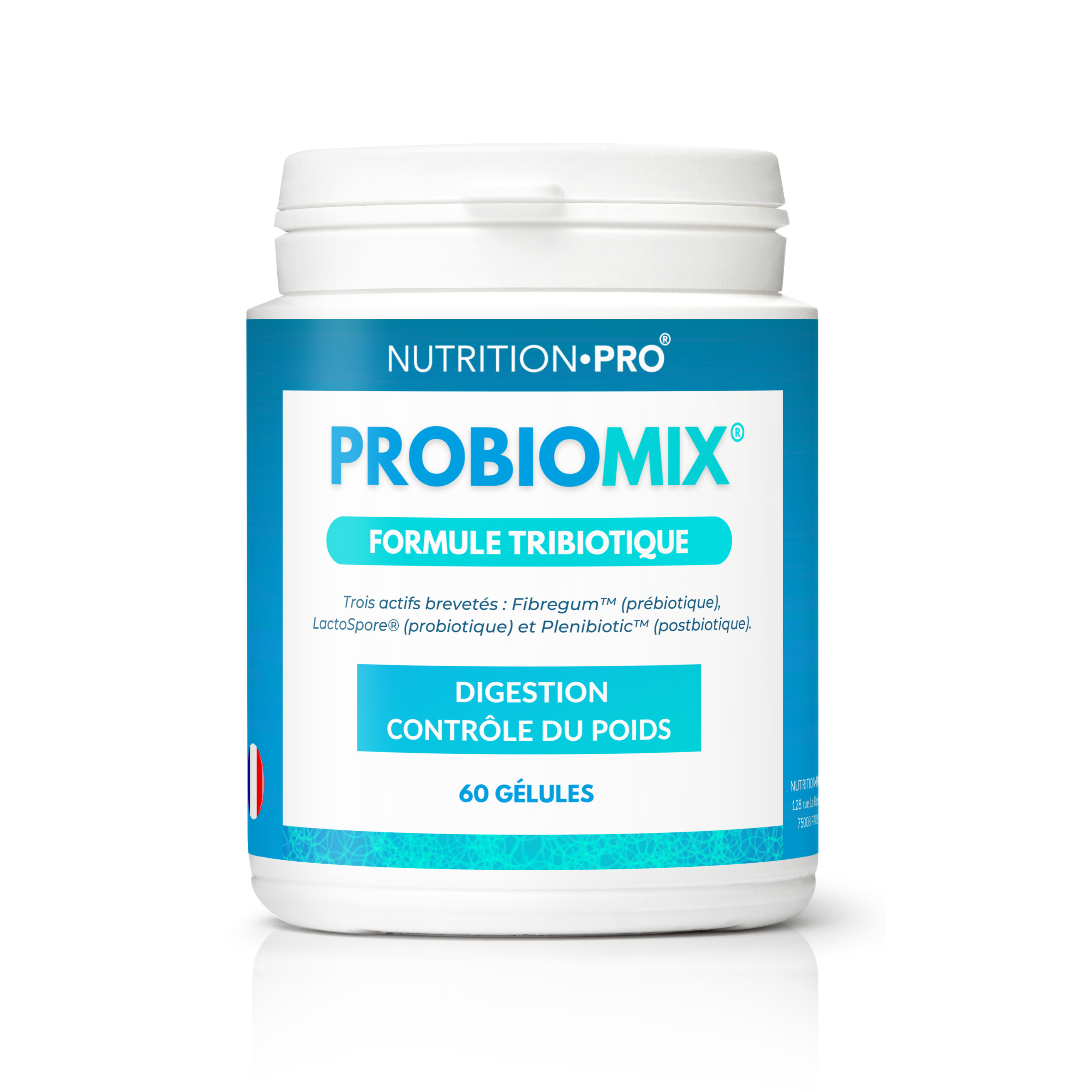
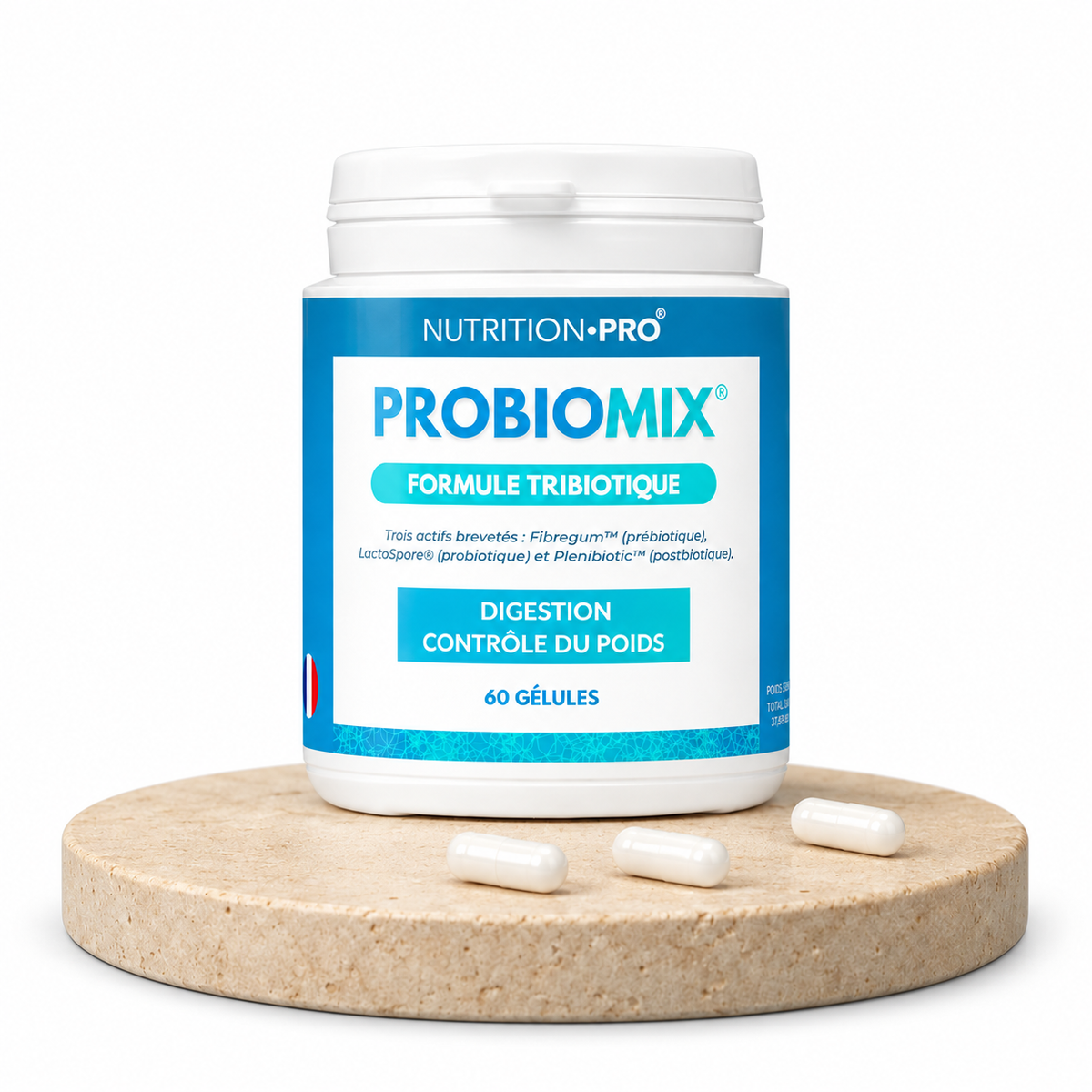

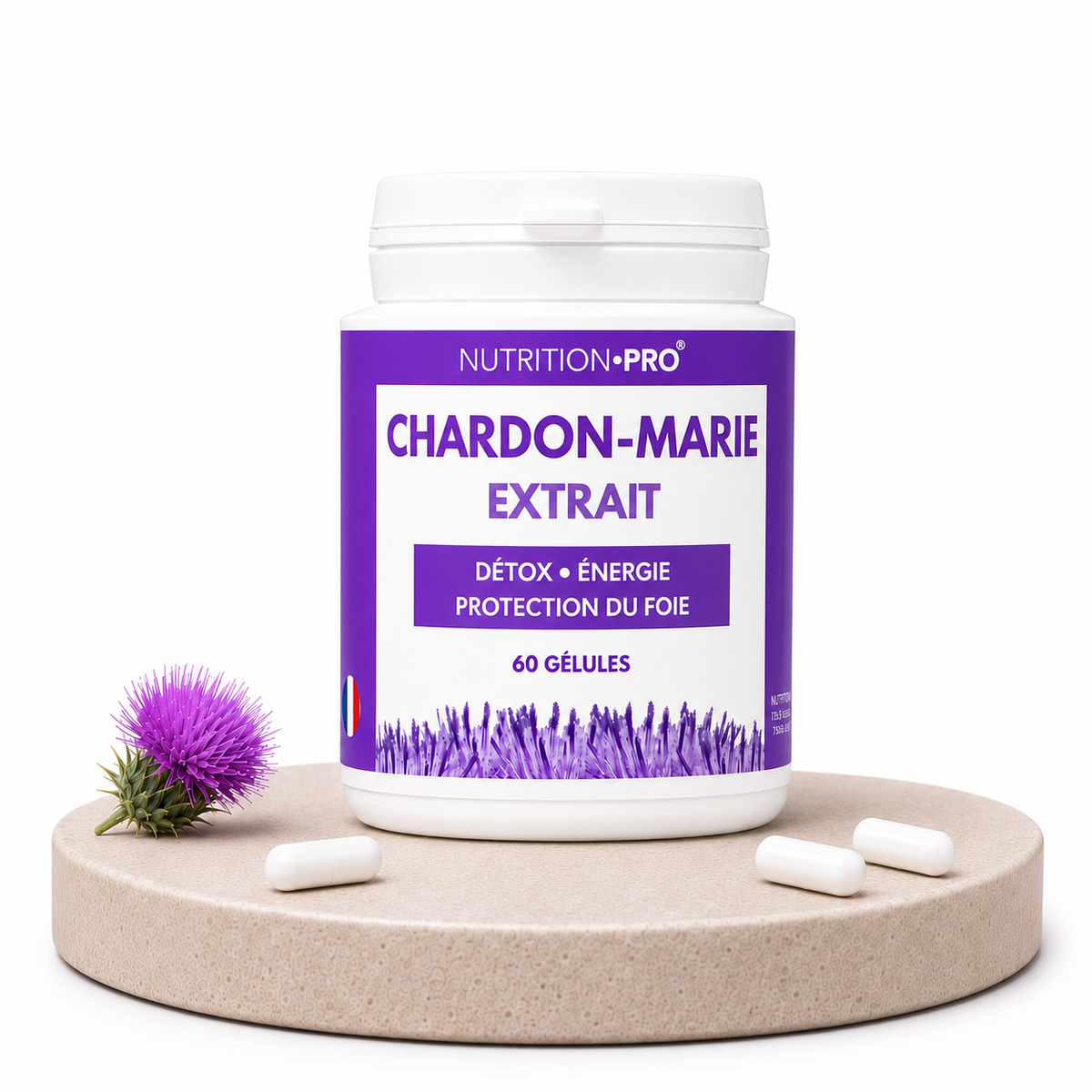
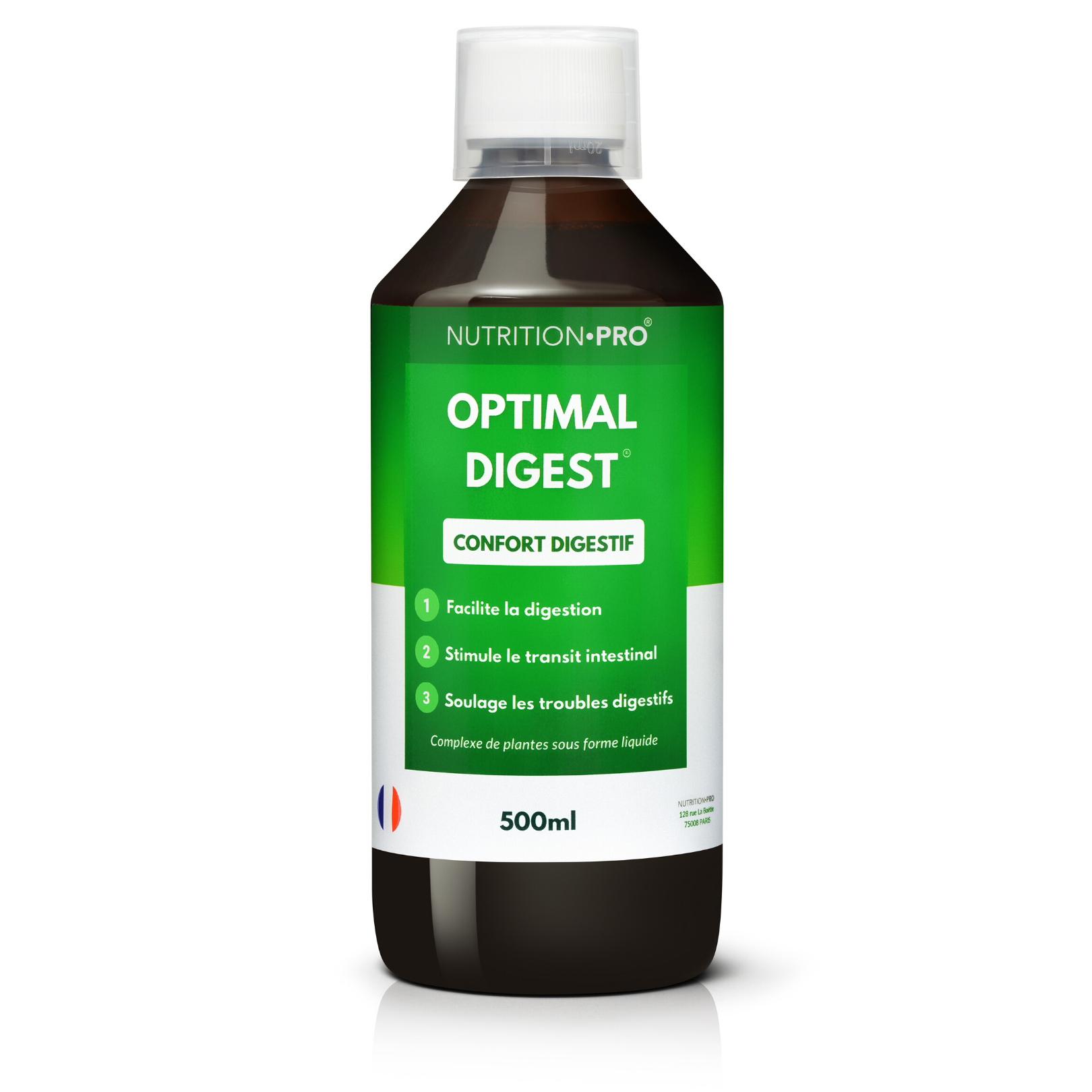
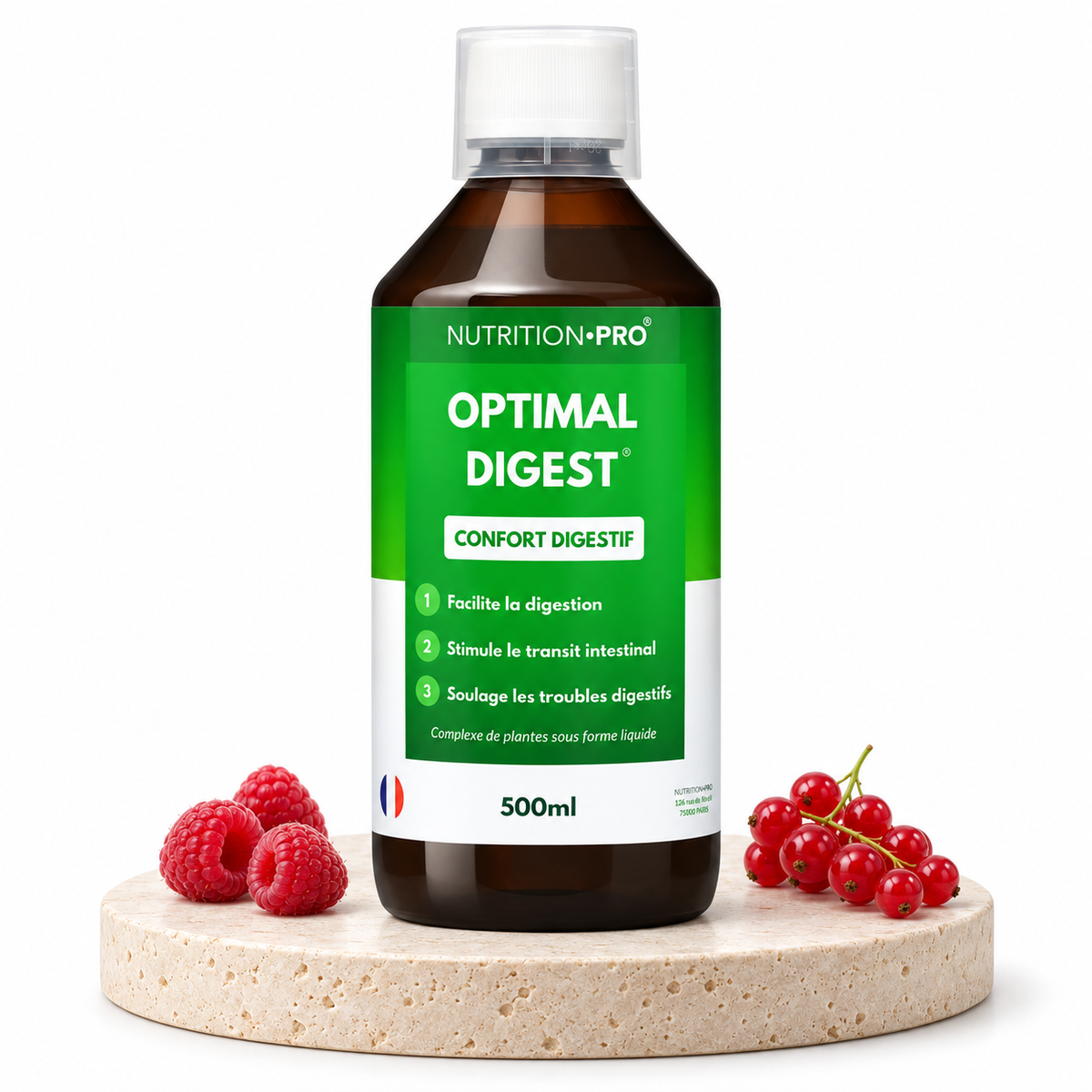
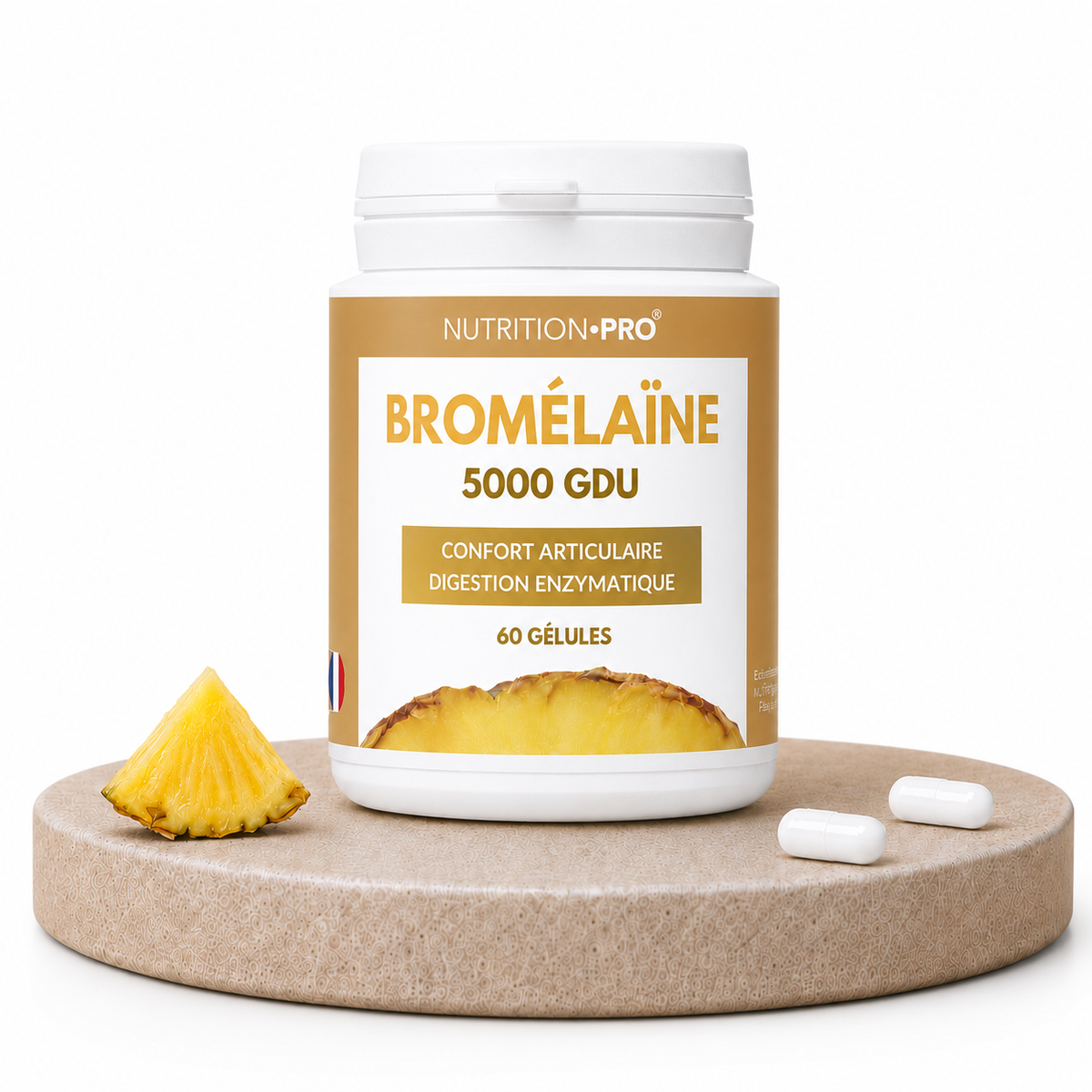
Microbiome – Probiotics & digestive health
Frequently asked questions
What is the gut microbiome?
The gut microbiome, or gut flora, refers to all the microorganisms present in the intestine. It plays a key role in digestion, immunity and the overall balance of the body.
Why take probiotics?
Probiotics are live microorganisms that help support the balance of the microbiome and may help improve digestive comfort in case of imbalance.
How can you tell if your microbiome is unbalanced?
An imbalance of the gut microbiome can manifest itself as bloating, irregular transit, digestive discomfort or difficult digestion.
Is psyllium good for the microbiome?
Blond psyllium is a soluble fiber that supports intestinal transit and acts as a substrate for certain beneficial bacteria of the microbiome.
Do probiotics help against bloating?
Certain strains of probiotics may help reduce bloating and improve digestive comfort by promoting bacterial balance.
What is the role of the liver in digestion?
The liver plays a central role in metabolism and the production of bile, which is essential for the digestion of fats. Milk Thistle, rich in silymarin, is used to support hepatic function.
When should you take probiotics?
Probiotics are generally taken as a course to provide lasting support for the gut flora, especially after a period of stress or a course of antibiotics.
Do fibers improve digestion?
Dietary fibers such as psyllium promote regular transit and contribute to the balance of the microbiome.
Can probiotics and psyllium be combined?
Combining probiotics with prebiotic fibers such as psyllium can support both bacterial diversity and intestinal transit.
How long does it take to rebalance the microbiome?
Supporting the gut microbiome generally requires several weeks of regular intake, combined with a suitable diet.
Do digestive supplements act from the meal onwards?
Some digestive support complexes can contribute to immediate digestive comfort and help digestion right from the meal.
THEY TALK ABOUT US


