

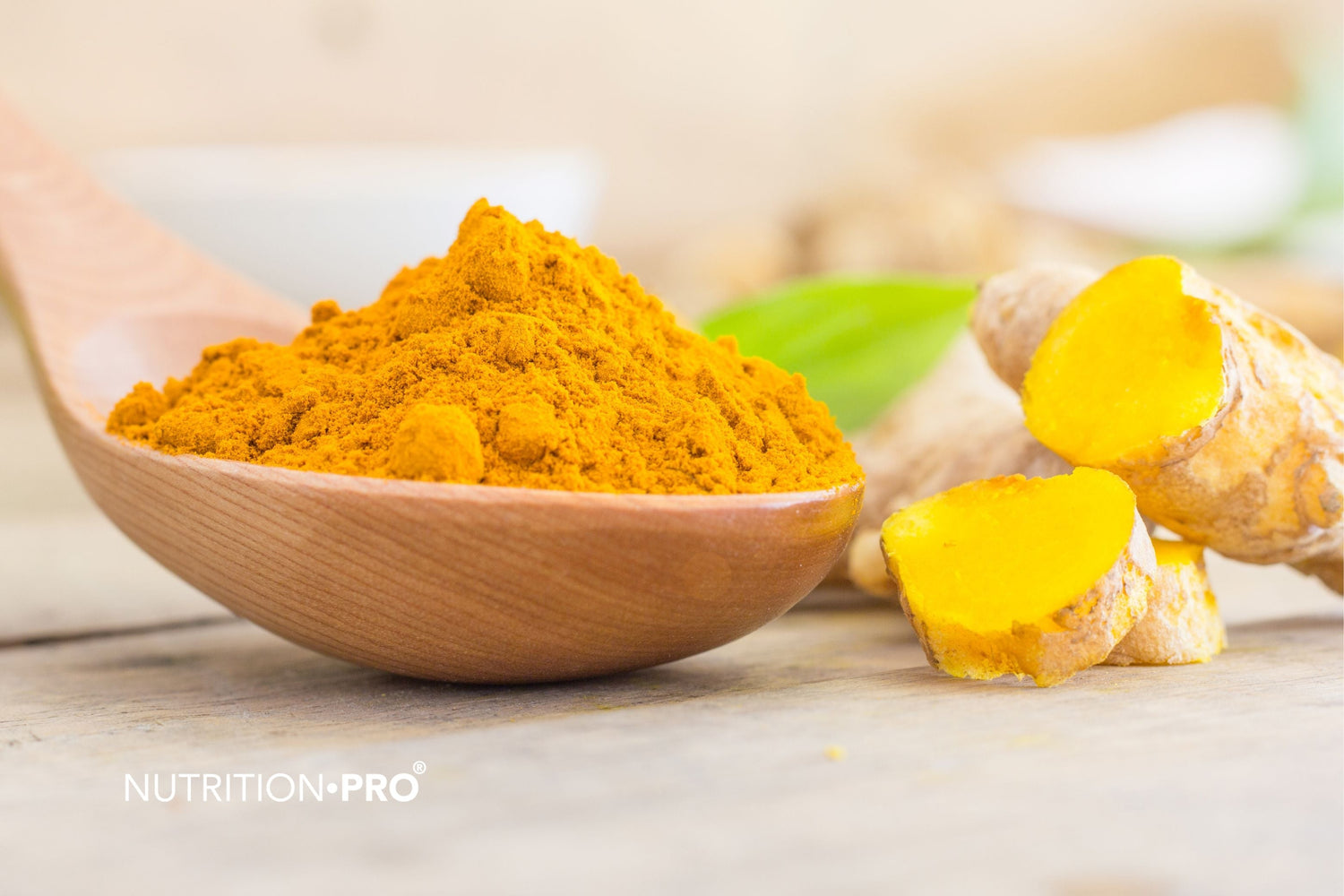
Turmeric is the most studied spice in the world: over 15,000 publications, more than 120 clinical trials, and a reputation as an anti-inflammatory, antioxidant, anticancer agent, and protector of the brain and liver. It is also one of the most disappointing molecules when subjected to double-blind trials, and since 2019, the one that has triggered the most reports of hepatitis among dietary supplements in France and Italy.
Between the two, there is a precise truth: turmeric has a real, documented benefit for osteoarthritis and inflammation; it has no proven benefit for cancer or memory; and the danger does not come from the spice but from concentrated extracts. This article sorts what is proven, promising, or false, provides dosages, explains the role of pepper, details the ANSES alert, and shows how to use it daily without risk.

Organic ground Curcuma longa rhizome, additive-free. One teaspoon per day in a golden latte, curry, soup, or roasted vegetables, with a pinch of black pepper and a fat source. The traditional dose, the one that has never sent anyone to the hospital.
Turmeric (the rhizome) contains 2 to 5% curcumin, a molecule very active in the laboratory and very poorly absorbed in humans. Its best-proven benefit is knee osteoarthritis: meta-analyses totaling over 2,000 patients show pain reduction comparable to anti-inflammatory drugs, with fewer digestive side effects. A moderate decrease in inflammation markers is documented; effects on mood, metabolism, and digestion are promising but based on small trials; promises about cancer and memory do not hold up. Black pepper multiplies absorption by 20. ANSES recorded 15 cases of hepatitis in France and Italy about twenty, all with concentrated extracts with high bioavailability (median dose 186 mg of curcumin per day), never with the spice. Best practice: half to one teaspoon of powder per day, heated in a fat source with pepper, and medical advice before any concentrated extract if you have a treatment, biliary problem, or pregnancy.
- Turmeric and curcumin: what are we talking about
- The core issue: a molecule that doesn't get absorbed
- What is proven: osteoarthritis and inflammation
- What is promising, not established
- What doesn't hold up
- Dosage: spice, powder, extracts
- Dangers: the ANSES alert and contraindications
- How to use it daily
- When to consult
- Frequently asked questions
1. Turmeric and curcumin: what are we talking about
The Curcuma longa has been cultivated in India and Southeast Asia for over 4,000 years; its dried and ground rhizome gives the yellow-orange powder of curry, ras-el-hanout, and Ayurvedic medicine. Its color and most of its effects come from curcuminoids, of which curcumin is the principal compound. The rhizome contains little of it: 2 to 5% of the powder, the rest being starch, fiber, essential oil (turmerones), and minerals.
The entire issue hinges on this concentration gap. An Indian consuming curry daily ingests 1 to 2 g of turmeric, or 30 to 100 mg of curcumin, in a fatty, spiced, cooked matrix. A capsule of "95% curcumin with enhanced bioavailability" delivers 500 mg, absorbed ten times better, representing a blood exposure one hundred times higher than that from food. The benefits seen in clinical trials were obtained with the latter; so were the liver injuries. The spice is a different story—more modest and safer.
2. The core problem: a molecule that doesn't enter the body
In a test tube, curcumin acts on dozens of targets: inflammatory enzymes, transcription factors, free radicals. This has fueled thousands of publications and hopes for a universal remedy. In humans, the pivotal 1998 trial showed that after 2 g of pure curcumin swallowed by volunteers, blood concentration was zero or barely measurable; the addition of 20 mg of piperine, the alkaloid from black pepper that blocks the degradation enzymes of the liver and intestine, increased it twenty-fold (Shoba, Planta Med, 1998). This study is the origin of all the "turmeric + pepper" products on the market. What quantity, what pepper, and practical guidelines: turmeric and pepper: how to consume turmeric.
Medicinal chemists have scrutinized curcumin and classified it both among "compounds that interfere with assays" (PAINS) and "invalid metabolic panaceas" (IMPS): an unstable, reactive, non-bioavailable molecule that produces false positives in most laboratory tests. According to the authors, no double-blind, placebo-controlled clinical trial of curcumin had, at that time, achieved unequivocal success, despite over 120 trials conducted.
Nelson KM, Dahlin JL, Bisson J, et al. J Med Chem 2017;60(5):1620-1637. DOI: 10.1021/acs.jmedchem.6b00975
This review is harsh, and it has been contested; but it imposes discipline: only retain as "proven" what has been measured in humans, in randomized trials, against placebo or against a reference medication, and replicated. This is the filtering that follows.
3. What is proven: osteoarthritis and inflammation
Patients with knee osteoarthritis received either 1,500 mg per day of turmeric extract or 1,200 mg per day of ibuprofen for 4 weeks. Improvement in pain, function, and overall WOMAC score was equivalent in both groups (non-inferiority demonstrated); abdominal pain was significantly more frequent with ibuprofen. 96 to 97% of patients reported satisfaction.
Kuptniratsaikul V, Dajpratham P, Taechaarpornkul W, et al. Clin Interv Aging 2014;9:451-458. DOI: 10.2147/CIA.S58535
Across 11 randomized trials and 1,258 patients, curcuminoids reduced knee osteoarthritis pain more than comparators, with no difference between doses below and above 1,000 mg per day, and with fewer adverse effects than anti-inflammatories (Hsiao 2021). Across 23 trials and 2,175 patients, curcumin reduced pain by 1.6 points on a 10-point scale and total WOMAC score by 19 points compared to placebo, decreased the use of rescue analgesics, and caused twice fewer adverse effects than anti-inflammatories (Zhao 2023).
Hsiao AF, et al. Complement Ther Med 2021;63:102775. DOI: 10.1016/j.ctim.2021.102775 ; Zhao J, et al. J Ethnopharmacol 2023;321:117493. DOI: 10.1016/j.jep.2023.117493
Two honest nuances. The effect is moderate: 1.6 points on a 10-point scale is what one expects from a first-line analgesic, not a disease-modifying treatment. And most of these trials are of medium quality, short-term, often industry-funded. But the convergence of 23 trials across 7 countries, direct comparison to ibuprofen, and superior tolerance make it, in our review of joint-supporting actives, one of the rare compounds whose clinical effect is reproducible. For the full picture, see naturally relieve joint pain: 10 scientific truths.
On measured inflammation, a meta-analysis of six trials in patients with rheumatoid arthritis or ulcerative colitis shows that supplementation of 250 to 1,500 mg per day for 8 to 12 weeks significantly lowers CRP and erythrocyte sedimentation rate (Ebrahimzadeh, Complement Ther Med, 2021), as a complement to treatments, never in their place.
4. What is promising, not established
| Effect | What the trials show | Level of evidence | Our assessment |
|---|---|---|---|
| Knee osteoarthritis | 23 trials, 2,175 patients, pain -1.6/10, equivalent to ibuprofen | High | Proven, moderate effect |
| Inflammation (CRP, ESR) | Significant reduction in inflammatory diseases, 250 to 1,500 mg | Moderate | Documented, as a complement to treatments |
| Depressive and anxiety symptoms | 10 trials, 531 participants, large effect as an addition to treatment (Fusar-Poli 2019) | Low to moderate | Promising; small samples, not a substitute |
| Non-alcoholic fatty liver | Ultrasound improvement and reduction of transaminases in 16 trials | Low to moderate | Paradoxical given hepatitis: only under medical supervision |
| Blood sugar, lipids, weight | Modest reductions in fasting blood glucose and cholesterol in short-term trials | Low | Marginal effect, never in place of fundamental measures |
| Muscle recovery, muscle soreness | Reduction of pain and muscle damage markers after exercise (Hewlings 2017) | Low | Plausible, small trials in athletes |
| Digestion, bloating, irritable colon | A few positive trials, often in combination with other plants | Low | Traditional use (choleretic); thin evidence |
Synthesis of meta-analyses and reviews indexed on PubMed (references at end of article). "High" = multiple concordant meta-analyses of randomized trials; "moderate" = meta-analysis of few trials or strong heterogeneity; "low" = isolated, small, or short trials.
5. What doesn't hold up
- Cancer. Curcumin kills cancer cells in culture, as do many reactive molecules. In humans, phase 1 and 2 trials showed neither tumor regression nor survival benefit. It can even interfere with certain chemotherapies (see section 7). No oncologist prescribes it.
- Alzheimer's and memory. The hypothesis came from the low prevalence of the disease in India, a fragile epidemiological argument. Randomized trials in affected patients showed no effect on cognition; curcumin crosses the blood-brain barrier very poorly.
- "Detox" and universal liver protection. Turmeric stimulates bile secretion, which is a real and traditional property, not a "detox." And concentrated supplements are precisely those that have caused hepatitis.
- Natural equivalent of corticosteroids. The measured anti-inflammatory effect is on the order of a low-dose non-steroidal anti-inflammatory drug, not a corticosteroid. Stopping a treatment to replace it with turmeric is dangerous.
- "Most powerful" antioxidant. In vitro yes; in the blood, almost absent. Our article on antioxidants and oxidative stress explains why this type of ranking means nothing.
6. Dosage: spice, powder, extracts
EFSA set an acceptable daily intake (ADI) of curcumin at 3 mg per kilogram of body weight, or 180 mg per day for a 60 kg adult; this is a safety dose for food additive E100, valid for life. Turmeric powder at culinary dose stays within this. Extracts almost always exceed it, which ANSES has emphasized, and formulations that multiply absorption (high-dose piperine, phytosomes, micelles, nanoparticles, cyclodextrins) increase exposure without the label stating it.
| Form | Usual dose | Curcuminoids | Relative absorption | Ratio to ADI (60 kg) |
|---|---|---|---|---|
| Spice in cooking | 0.5 to 1 g | 15 to 50 mg | Low, enhanced by fat and pepper | Well below |
| Rhizome powder, daily course | 1 to 3 g (½ to 1 tsp) | 30 to 150 mg | Low to moderate with pepper and fat | Below |
| Standardized 95% extract, capsules | 500 to 1,500 mg | 475 to 1,425 mg | Low without additives | 3 to 8 times above if ingested |
| Extract + piperine (5 to 20 mg) | 500 to 1,000 mg | 475 to 950 mg | x 20 | Blood exposure much higher |
| "High bioavailability" forms (phytosome, micelles, nano) | 100 to 500 mg | 20 to 400 mg | x 10 to x 100 depending on the technology | Impossible to assess on the label; forms involved in Italian hepatitis cases |
The ADI applies to the ingested quantity; absorption technologies increase actual exposure without changing the displayed dose. This is precisely the point raised by ANSES in 2022.
7. Dangers: the ANSES alert and contraindications
Between 2009 and 2021, ANSES received 120 reports of adverse effects related to turmeric or curcumin supplements, including 15 cases of hepatitis; in one case, life-threatening prognosis was involved. Affected consumers were 75% women, with a median age of 56 years, with no prior liver disease in most cases; hepatitis occurred after a median delay of two months. In 14 out of 15 cases, the product was multi-ingredient, sometimes combined with other hepatotoxic plants (green tea, Garcinia). The dose of curcumin, known in 8 cases, ranged from 10 mg to 1.2 g per day, median 186 mg. Italy had recorded about twenty cases in eight months.
Anses. Vigil'Anses no. 17, June 2022, and opinion 2019-SA-0111 (2022). vigilanses.anses.fr
The seven acute cholestatic hepatitis cases that occurred in Tuscany were all associated with high bioavailability turmeric formulations with high curcuminoid doses; discontinuation of the supplement led to recovery in most cases (positive "dechallenge"). Among the 23 cases published in the literature, most patients were taking at least one other medication and 16 recovered upon discontinuation. The authors confirm the association between Curcuma longa in supplement form and liver damage.
Lombardi N, Crescioli G, Maggini V, et al. Br J Clin Pharmacol 2021;87(3):741-753. DOI: 10.1111/bcp.14460 ; see also a biopsy-proven case: Abboud A, et al. J Brown Hosp Med 2024. DOI: 10.56305/001c.122729
The exact mechanism remains debated (idiosyncratic reaction, role of piperine which blocks liver enzymes, contaminants, co-ingredients). What is clear: no cases involve the spice itself, and formulations designed to force absorption are overrepresented. ANSES recommends that people on treatment consult their doctor or pharmacist before any turmeric supplement, and advises against turmeric for people with biliary tract disease. Details of cases, interactions, and warning signs can be found in turmeric: dangers, side effects and contraindications.
You have gallstones, obstruction, or biliary tract disease : turmeric stimulates bile secretion and can trigger colic (ANSES recommendation).
You are taking anticoagulants or antiplatelet agents (warfarin, DOACs, aspirin, clopidogrel): curcumin has an antiplatelet effect and can increase bleeding risk; should be stopped 2 weeks before surgery.
You are undergoing chemotherapy or anticancer treatment : documented interference with certain drugs (cyclophosphamide, tamoxifen, irinotecan). Your oncologist decides.
You are taking medication with a dose-sensitive profile (antidiabetics, immunosuppressants, anticonvulsants, levothyroxine): piperine modifies the absorption of many medications.
You are pregnant or breastfeeding : the spice in cooking is safe, concentrated extracts are not recommended as a precaution.
You have iron deficiency : curcumin chelates iron and can reduce its absorption; take iron supplements separately. See our iron deficiency guide.
The product combines other plants (concentrated green tea, Garcinia, Chinese cinnamon): this is the profile of the majority of declared hepatitis cases.
Mild adverse effects at high dose: nausea, diarrhea, reflux, yellow stools. Our turmeric powder carries the warning "excessive consumption may cause laxative effects." And in all cases, any liver sign (sudden fatigue, dark urine, pale stools, itching, jaundice) requires immediate discontinuation and medical consultation; these effects must be reported to nutrivigilance.
8. How to use it daily
Three kitchen techniques replace capsule technology, at their own scale: fat (curcumin is fat-soluble: oil, coconut milk, ghee, avocado), gentle heat (a few minutes of cooking increases its solubility; prolonged boiling degrades it), and black pepper (a pinch, or 1 to 2 mg of piperine, is enough for a measurable effect without supplement doses). Fresh ginger, a botanical cousin, pairs well and shares documented anti-inflammatory properties. Fresh rhizome also works very well: preparation, storage and equivalents in fresh turmeric: how to use it.
Rhizome of organic Curcuma longa, ground, with no additives or extraction. One teaspoon per day in your dishes or your golden latte, with pepper and a fat: the millennia-old use, below the acceptable daily intake, and all the pleasure of the spice.
Discover Organic Turmeric →Excessive consumption can cause laxative effects. Also discover our collections joints and digestion.
9. When to consult
Joint pain persists for more than a few weeks, wakes you at night, swells or reddens a joint, or limits movement: turmeric accompanies, it does not replace a diagnosis of osteoarthritis, tendinitis or arthritis.
You are taking a turmeric supplement and experience unusual fatigue, dark urine, itching, yellowing of the eyes : immediate discontinuation, liver panel, report to nutrivigilance.
You are considering a concentrated extract and you have a treatment, a liver or biliary disease, pregnancy or planned surgery: medical or pharmacist advice is the official recommendation of ANSES.
You're counting on turmeric to replace a treatment anti-inflammatory, antidepressant or anticancer: don't do it without talking to your doctor.
Choose the situation that fits you: the answer appears just below.
This is the best-proven use. Start with the spice daily (1 teaspoon, pepper, fat) for 8 weeks and track your pain. If you want to move to a standardized extract, choose a single-ingredient product, standardized, without high-dose piperine, for 4 to 12 weeks, and discuss it with your doctor or pharmacist, especially if you're taking other medications. The rest of the joint strategy (omega-3, collagen, activity) is in our joint pain guide.
Half to one teaspoon of organic turmeric per day, heated in a fat with pepper, in any dish. No contraindications at these doses outside of biliary disease, no documented liver risk, and full flavor. Don't look for a capsule to "do better."
Read the label: curcuminoid dose, absorption technology, other ingredients (green tea, Garcinia). Ask yourself why you're taking it and if the effect is there. And if you feel tired, dark urine, itching, stop and have your liver enzymes checked. Without a specific indication, returning to the spice is the most reasonable decision.
Biliary tract disease: turmeric is not recommended, even as a spice in large quantities. Anticoagulants, chemotherapy, liver treatment: no concentrated supplement without the prescriber's approval, this is ANSES's recommendation. The spice in cooking, at normal dose, remains possible in most cases, to be confirmed with your doctor.
This test provides guidance, it does not replace professional medical advice.
Frequently asked questions about turmeric
What are the proven benefits of turmeric?
The best-established benefit concerns knee osteoarthritis: meta-analyses of randomized trials (11 trials, 1,258 patients in 2021; 23 trials, 2,175 patients in 2023) show pain and stiffness reduction comparable to anti-inflammatories, with fewer digestive side effects. A modest decrease in inflammation markers (CRP) is also documented. The rest (mood, metabolism, digestion) is promising but based on small trials.
What's the difference between turmeric and curcumin?
Turmeric is the rhizome, consumed as powder; curcumin is its main active pigment, representing 2 to 5% of the powder. One teaspoon of turmeric (3 g) provides about 60 to 150 mg of curcuminoids. Capsule extracts concentrate 95% and provide 500 to 1,500 mg per day, often with technologies that multiply absorption: these are completely different doses.
Why is it said that curcumin is poorly absorbed?
Because it's poorly water-soluble, rapidly transformed by the liver and intestine, then eliminated. After 2 g of pure curcumin swallowed, it's almost undetectable in the blood. Hence the combinations with black pepper (piperine), a fat, or special formulations, which greatly increase its absorption.
Should you take turmeric with pepper?
Yes if you're seeking an effect beyond the plate: black pepper's piperine increased blood curcumin concentration by 20-fold in volunteers (Shoba, 1998). A pinch of freshly ground pepper is enough. But piperine also increases absorption of certain medications: be cautious if you're on treatment.
Is turmeric effective against osteoarthritis?
It's its best-documented indication. In a trial of 367 patients, a turmeric extract at 1,500 mg per day was as effective as ibuprofen at 1,200 mg for knee pain and function in 4 weeks, with fewer abdominal pains (Kuptniratsaikul, 2014). Meta-analyses confirm a moderate and real effect, at both low and high doses.
Is turmeric dangerous for the liver?
The spice in cooking, no. Concentrated supplements, sometimes: ANSES recorded 15 cases of hepatitis in France between 2009 and 2021, including one with serious prognosis, and Italy about twenty in a few months, all linked to high-bioavailability extracts and high dose, almost always in multi-ingredient products. The median dose involved was 186 mg of curcumin per day. Recovery occurs upon discontinuation.
What dose of turmeric per day?
As a spice, 1 to 3 g of powder per day (half to one teaspoon) is the traditional range, combined with black pepper and a fat. The acceptable daily intake of curcumin set by EFSA is 3 mg per kilogram, or 180 mg for 60 kg; turmeric powder stays below this, while concentrated extracts often far exceed it.
Who should not take turmeric?
As a concentrated supplement: people with biliary tract disease or gallstones (turmeric stimulates bile), those taking anticoagulants or antiplatelet agents, undergoing chemotherapy, on hepatic treatment, pregnant or breastfeeding women, and anyone on treatment without medical advice, according to ANSES. The spice used in cooking does not pose these problems at usual doses.
Is turmeric anti-inflammatory?
In vitro, massively. In humans, moderately: a meta-analysis of trials in patients with rheumatoid arthritis or ulcerative colitis shows a significant decrease in CRP and sedimentation rate at 250 to 1,500 mg per day for 8 to 12 weeks. The effect is real but is in no way comparable to a medication.
Does turmeric help with depression?
A meta-analysis of 10 trials (531 participants) finds improvement in depressive and anxious symptoms as an addition to standard treatment. The authors themselves call for caution: small samples, short trials, mostly Asian. Promising, not established; in no way a substitute for proper care.
Does turmeric cure cancer or Alzheimer's?
No. Thousands of laboratory studies, over 120 clinical trials, and not a single double-blind placebo-controlled trial has demonstrated a clinical benefit in these indications. Chemists have even classified curcumin among molecules that produce false positives in the laboratory. Any promise of this kind must be dismissed.
How to consume turmeric to benefit from it?
Heated in a fat (oil, coconut milk, ghee) with a pinch of black pepper, in a curry, soup, roasted vegetables, or a golden latte. Gentle heat and fat improve the solubility of curcumin, while pepper enhances its absorption. Half to one teaspoon per day, taken regularly, is better than a concentrated capsule taken without medical advice.
- Curcuminoids
- Active pigments of turmeric (curcumin, demethoxycurcumin, bisdemethoxycurcumin), 2 to 5% of rhizome powder.
- Bioavailability
- The fraction of an ingested substance that reaches the bloodstream; very low for curcumin alone.
- Piperine
- An alkaloid from black pepper that inhibits the degradation enzymes of the liver and intestine; multiplies the absorption of curcumin and many medications.
- ADI
- Acceptable Daily Intake: the amount that can be ingested each day, for life, without appreciable risk; 3 mg/kg for curcumin according to EFSA.
- Nutrivigilance
- An ANSES system that collects adverse effects related to dietary supplements.
- Positive dechallenge
- Recovery after stopping the suspected product, a strong argument for causality in pharmacovigilance.
- Hewlings SJ, Kalman DS. Curcumin: a review of its effects on human health. Foods. 2017;6(10):92. doi:10.3390/foods6100092
- Nelson KM, Dahlin JL, Bisson J, Graham J, Pauli GF, Walters MA. The essential medicinal chemistry of curcumin. J Med Chem. 2017;60(5):1620-1637. doi:10.1021/acs.jmedchem.6b00975
- Shoba G, Joy D, Joseph T, Majeed M, Rajendran R, Srinivas PS. Influence of piperine on the pharmacokinetics of curcumin in animals and human volunteers. Planta Med. 1998;64(4):353-356. doi:10.1055/s-2006-957450
- Kuptniratsaikul V, Dajpratham P, Taechaarpornkul W, et al. Efficacy and safety of Curcuma domestica extracts compared with ibuprofen in patients with knee osteoarthritis: a multicenter study. Clin Interv Aging. 2014;9:451-458. doi:10.2147/CIA.S58535
- Hsiao AF, Lien YC, Tzeng IS, Liu CT, Chou SH, Horng YS. The efficacy of high- and low-dose curcumin in knee osteoarthritis: a systematic review and meta-analysis. Complement Ther Med. 2021;63:102775. doi:10.1016/j.ctim.2021.102775
- Zhao J, Liang G, Zhou G, et al. Efficacy and safety of curcumin therapy for knee osteoarthritis: a Bayesian network meta-analysis. J Ethnopharmacol. 2023;321:117493. doi:10.1016/j.jep.2023.117493
- Ebrahimzadeh A, Abbasi F, Ebrahimzadeh A, Jibril AT, Milajerdi A. Effects of curcumin supplementation on inflammatory biomarkers in patients with rheumatoid arthritis and ulcerative colitis: a systematic review and meta-analysis. Complement Ther Med. 2021;61:102773. doi:10.1016/j.ctim.2021.102773
- Fusar-Poli L, Vozza L, Gabbiadini A, et al. Curcumin for depression: a meta-analysis. Crit Rev Food Sci Nutr. 2020;60(15):2643-2653. doi:10.1080/10408398.2019.1653260
- Lombardi N, Crescioli G, Maggini V, et al. Acute liver injury following turmeric use in Tuscany: an analysis of the Italian Phytovigilance database and systematic review of case reports. Br J Clin Pharmacol. 2021;87(3):741-753. doi:10.1111/bcp.14460
- Abboud A, Ullah K, Klyachman L, Huang EB, Cherala R. Turmeric-induced liver injury. J Brown Hosp Med. 2024;3(4):21-24. doi:10.56305/001c.122729
- Anses. Turmeric or curcumin in dietary supplements: cases of adverse hepatic effects. Vigil'Anses No. 17, June 2022; and Opinion on the evaluation of risks associated with the consumption of dietary supplements containing turmeric (request 2019-SA-0111), 2022. vigilanses.anses.fr
- EFSA Panel on Food Additives. Scientific opinion on the re-evaluation of curcumin (E 100) as a food additive. EFSA Journal. 2010;8(9):1679. efsa.europa.eu


