

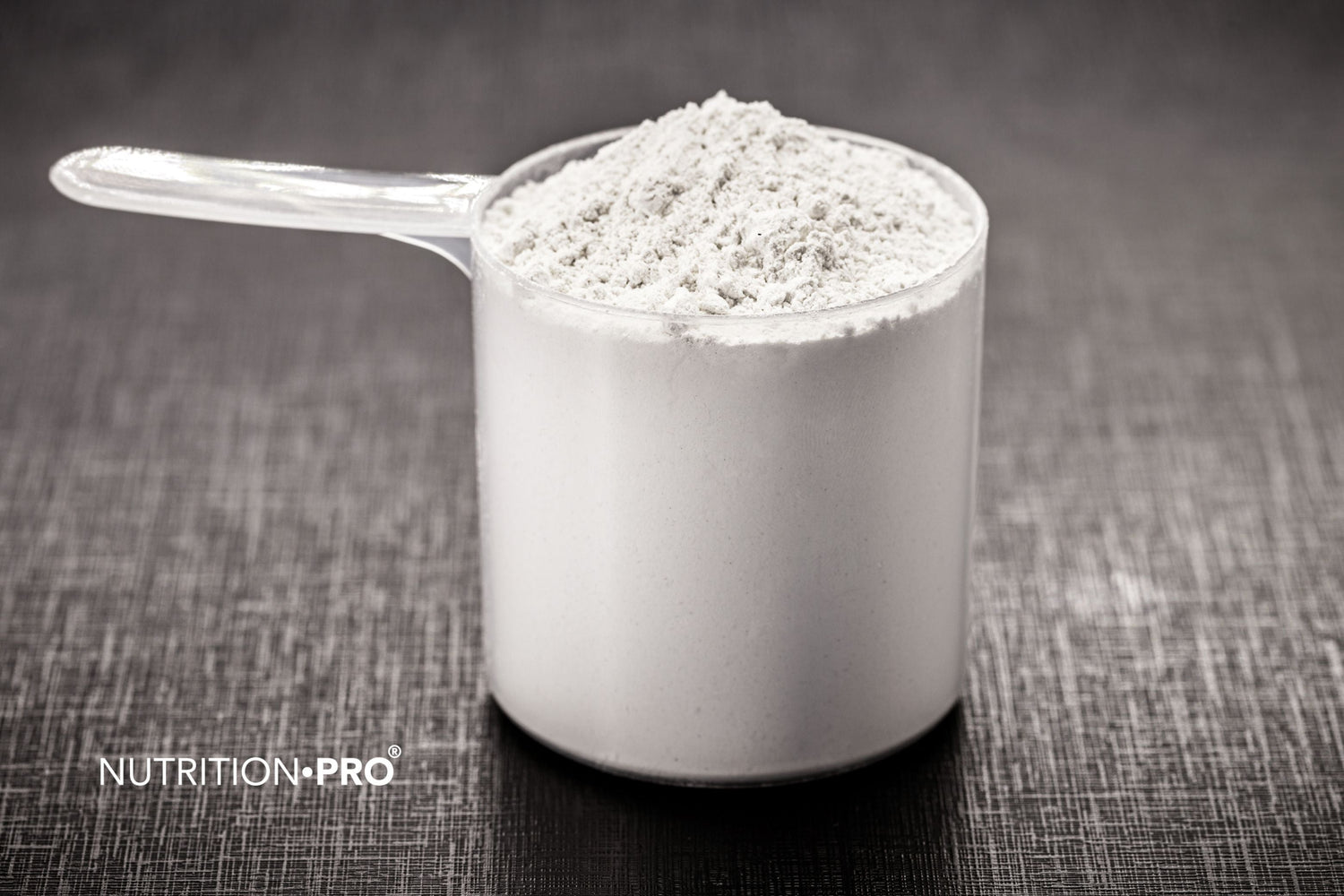
In summary: The creatine monohydrate is the most studied sports supplement in the world — over 500 clinical trials and the reference position of theISSN (International Society of Sports Nutrition). Proven effects: strength +8%, anaerobic power +14%, muscle hypertrophy, cognitive support (memory, attention), benefits for seniors and vegans. Effective dose: 3 to 5 g/day, every day, with or without training. Optional loading phase. Preferred form: Creapure® monohydrate (purity ≥ 99.9%, anti-doping certified). Completely safe for healthy adults: no documented renal, hepatic, or hormonal effects at recommended doses.
« The only truly effective supplement for strength training ". That's how many experts sum up creatine monohydrate. And for good reason: with over 500 clinical studies and a scientific consensus established since the 1990s, it is the most rigorously validated sports supplement in the world.
Yet creatine remains surrounded by persistent myths: "it damages your kidneys," "it's a form of doping," "it makes you bloat like a sponge," "you should only cycle it for 2 months maximum"... All of these misconceptions have been debunked by scientific research, yet they continue to circulate among the general public.
This comprehensive guide presents the scientific truth about creatine monohydrate: its 8 validated benefits, the effective dose, the optimal timing for intake, the comparative chart of the 6 available forms, the typical profiles that benefit most, and the debunking of the 6 most widespread myths. Whether you practice bodybuilding, competitive bodybuilding, CrossFit, sprinting, or simply occasional weight training, this guide will give you the keys to effective supplementation.
- What is creatine? Mechanism and function
- Comparative table of 6 forms of creatine
- The 8 scientifically validated benefits
- Optimal dose, intake and timing
- Which profile for which creatine?
- 6 myths debunked by science
- Synergies and winning combinations
- Powder vs capsules: how to choose?
- Complete scientific FAQ
What is creatine? Mechanism and function
The creatine is a molecule naturally present in the human body, derived from biosynthesis by the liver, kidneys and pancreas from three amino acids : the glycine,arginine and methionine. The body produces approximately 1 to 2 g per day, and we consume an additional 1 to 2 g through diet (mainly red meat and fish).
95% of the body's creatine is stored in skeletal muscle, in the form of phosphocreatine. It is this reserve that plays a key role in muscular energy — particularly during brief, intense efforts. Muscle tissue, and more specifically the muscle cell (myocyte), are its primary storage sites.
The ATP-phosphocreatine system: your explosive fuel
To contract, your muscle fibers useATP (adenosine triphosphate), the "energy currency" of cells. Each muscle fiber stores ATP reserves, but they are extremely limited : they only last 1 to 2 seconds of intense effort.
This is where phosphocreatine comes in: it regenerates ATP almost instantaneously thanks to the enzyme creatine kinase, which transfers a phosphate group to adenosine diphosphate (ADP) to reform ATP. This system supports intense efforts for an additional 5 to 15 seconds. Beyond that, the body switches to other energy systems (anaerobic glycolysis using muscle glycogen, then aerobic oxidation of glucose).
In practice : phosphocreatine is what allows you to:
- Perform 2–3 additional reps in strength training at maximum load (squat, bench press, deadlift)
- Sprint harder over the last 30 meters of a 100 m, gaining explosiveness
- Sustain explosive efforts (rugby, basketball, combat sports) for longer
- Recover faster between intense sets within the same training session
Why supplement?
The problem: muscle phosphocreatine stores are limited by the amount of creatine available in the body. The average omnivore has their stores filled to 60–80%. Creatine monohydrate supplementation allows these stores to be saturated to 90–100%, thereby increasing the muscle's capacity to sustain repeated intense efforts. The oral bioavailability of creatine monohydrate is excellent (~95%), making it a dietary supplement with reproducible efficacy.
Key takeaway: creatine is not a stimulant like caffeine. It does not provide an immediate boost. It gradually fills muscle stores over 3 to 4 weeks, and then allows you to sustain intense efforts for longer, session after session. It is a cumulative effect.
Comparative table of the 6 forms of creatine
Marketing regularly promotes "new forms" of creatine claimed to be superior to monohydrate. The science is clear: none has demonstrated any real superiority. Here is the rigorous comparison.
| Form | Clinical studies | Efficacy | Cost | Recommendation |
|---|---|---|---|---|
| Monohydrate ★ | 500+ | Absolute reference | € | Preferred choice |
| Creapure® Monohydrate | Same as monohydrate | Reference + purity | €€ | Top quality |
| Creatine HCl | ~10 | Equivalent | €€€ | Not superior |
| Kre-Alkalyn (buffered) | ~5 | Equivalent | €€€ | Marketing |
| Creatine ethyl ester | ~5 | Inferior | €€€ | To avoid |
| Tri-creatine malate | ~5 | Equivalent | €€ | Not superior |
Sources: ISSN Position Stand 2017 (Kreider et al.), Jäger et al. 2011, Eghbali et al. 2024.
Why monohydrate dominates
- 500+ clinical studies over 30 years: it is by far the most researched form
- Pure creatine content of 87.9% (the highest among all forms)
- Optimal absorption validated by dozens of studies
- Lowest cost on the market
- Excellent tolerance in the vast majority of users
Why choose Creapure® in monohydrate form
Not all creatine monohydrates are equal. The synthesis process can leave residual impurities :
- Dicyandiamide (DCD) : potentially toxic by-product
- Dihydrotriazine (DHT) : chemical impurity
- Heavy metals : depending on the manufacturing origin
The Creapure® (manufactured by AlzChem in Germany) is the only creatine in the world whose purity is guaranteed ≥ 99.9%, with HPLC testing on every batch. It benefits from advanced micronization (ultra-fine particle size) that enhances its solubility and absorption. It is used in virtually all reference scientific studies and is certified Cologne List® (anti-doping).
Why this matters: an independent study showed that 44% of commercial creatines exceed the contamination limits set by EFSA. The Creapure® label guarantees the complete absence of these contaminants — a pharmaceutical standard applied to a dietary supplement.
The 8 scientifically validated benefits
Here are the 8 documented benefits of creatine monohydrate, ranked by strength of scientific evidence.
Average increase in maximum strength of 8% with creatine supplementation vs. placebo, according to recent meta-analyses. Effects are most pronounced in heavy compound exercises (squat, bench press, deadlift).
This meta-analysis of 23 randomized clinical trials showed a significant increase in upper body strength of +4.43 kg (p < 0.001) and of lower body of +11.35 kg (p < 0.001) vs placebo, after several weeks of creatine monohydrate supplementation (3-5 g/day) combined with resistance training.
In practice : if you currently bench press 80 kg, you can expect to reach 85-90 kg within a few weeks. If you squat 100 kg, aim for 110-115 kg.
Creatine promotes significant muscle mass gain, demonstrated by direct imaging (DEXA, MRI, ultrasound). A Schoenfeld 2023 meta-analysis confirms that hypertrophy is real and structural, not solely related to water retention.
In seniors ≥ 50 years, creatine + strength training increases lean mass by +1.37 kg on average (2017 meta-analysis, 22 RCTs involving 721 participants). This is a major asset in the fight against sarcopenia (age-related muscle loss).
Three mechanisms explain hypertrophy: (1) improved training quality (greater strength = greater mechanical stimulus on muscle fibers), (2) intracellular hydration that activates anabolic signaling pathways (mTOR, IGF-1), (3) increased muscle protein synthesis and reduced catabolism. Creatine thus supports overall anabolism and long-term lean mass gain.
For all efforts that are short and intense (< 30 seconds), creatine is unbeatable. Average improvement of 10 to 20% in anaerobic performance: sprints, jumps, throws, explosive sets in weight training, combat sports.
Most relevant sports : track sprinting (100 m, 200 m), rugby, football, basketball, hockey, combat sports (boxing, MMA, judo), CrossFit, weightlifting, powerlifting. Limited effect on pure endurance sports (marathon, long-distance cycling).
A major discovery in recent years: creatine is not limited to muscles. The brain also uses phosphocreatine for its energy needs (synaptic transmission between neurons, memory, neural plasticity). The central nervous system is actually one of the largest consumers of ATP in the human body, which explains why creatine can have measurable cognitive and neurological effects.
This meta-analysis of 16 randomized clinical trials demonstrated significant improvements in memory (SMD = 0.31; p < 0.00001), of attention span (SMD = -0.31) and of information processing speed (SMD = -0.51). The benefits were more pronounced in women, seniors, and vegans/vegetarians.
Please note : as of October 2024, the EFSA has not yet validated a health claim regarding cognition (the causal link was deemed insufficient for an official claim), but independent meta-analyses confirm real cognitive effects, particularly in certain profiles.
The EFSA has validated a specific health claim: "Daily creatine consumption can enhance the effect of resistance training on muscle strength in adults over 55 years of age." (provided resistance training is performed at least 3 times per week).
Creatine isone of the most powerful tools against sarcopenia (age-related muscle loss), a major public health concern in people over 60. It also reduces the risk of falls by improving leg strength and balance. Several recent studies also suggest a positive effect on bone density and the prevention ofosteoporosis in seniors who combine creatine with resistance training.
<<<33>>> Vegans and vegetarians vegans et végétariens have muscle creatine stores 20 to 30% lower than omnivores, as their diet contains no creatine whatsoever (creatine is found exclusively in meat and fish).
As a result, they are the greatest beneficiaries of creatine supplementation, with gains in strength, muscle mass, and cognition more pronounced than in omnivores. For vegan athletes, creatine is probably the most relevant dietary supplement the most relevant to add.
Creatine accelerates the resynthesis of ATP and phosphocreatine between sets, but also between training sessions. Documented benefits:
- Reduction of muscle damage post-training (lowered creatine kinase)
- Reduction of muscle soreness (DOMS)
- Faster recovery between 2 back-to-back sessions
- Better tolerance to heavy loads in intensive programs
Particularly useful for athletes in intense periodization (competition preparation, double sessions).
Several recent studies (2024-2025) are exploring systemic benefits beyond muscle:
- Sleep : improvement in sleep quality following physical exercise (creatine + intense training)
- Mood : potential effects on depression, currently under investigation
- Cardiovascular : improved vascular dilation, support for cardiac function
- Brain trauma : clinical trials underway (U.S. Department of Defense)
Please note : these benefits are emerging and require confirmation through larger studies. However, they open up promising perspectives beyond the strictly athletic context.
Optimal dose, intake and timing
Creatine is one of the simplest supplements to use — as long as you follow a few basic rules.
Validated effective dose
The scientifically validated dose is 3 to 5 g per day of creatine monohydrate, taken daily.
- 3 g/day = dose validated by EFSA for the health claim "improvement of performance"
- 5 g/day = dose recommended by the ISSN, slightly more effective for serious athletes
- 0.1 g/kg of body weight = personalized formula (a 180 lb man = 8 g/day; a 130 lb woman = 6 g/day)
Beyond 10 g/day, no additional proven benefit for the majority of users. For larger athletes (> 90 kg) or individuals with a high training load, intake can be increased to 7-10 g/day.
Loading phase: useful or not?
Two protocols are validated:
| Protocol | Dose | Saturation duration | Tolerance |
|---|---|---|---|
| Without loading ★ | 3-5 g/day | 3-4 weeks | Excellent |
| With loading | 20 g/day for 5-7 days, then 3-5 g | 5-7 days | Possible digestive discomfort |
Recommendation : the loading phase is not necessary in the majority of cases. The end result is identical after 3-4 weeks, and a simple intake of 3-5 g/day avoids the digestive issues (bloating, nausea) sometimes observed at 20 g/day.
Exception: if you have a competition in 7-10 days and want to maximize your levels quickly, the loading phase may be relevant.
What is the best time to take creatine?
Daily consistency matters more than exact timing. You can take your creatine in the morning, at noon, or in the evening: the difference is minimal.
That said, some data suggests a slight advantage to post-workout intake, with carbohydrates and protein:
- Theinsulin secreted in response to carbohydrates facilitates the intracellular transport of creatine
- The muscle recovery is slightly improved
- The protein synthesis benefits from the combination of creatine + protein + carbohydrates
But this advantage remains modest. The key is not to forget your dose. If post-training intake isn't practical for you, taking creatine at breakfast or with any meal works just as well.
Should you cycle creatine?
Creatine should be taken every day, including rest days (the goal is to keep muscle stores saturated, not to boost a specific session).
Two protocols are possible depending on your profile:
- 3-month cycles + 1-2 month break : suitable for occasional athletes or short-term use (competition preparation)
- Year-round continuous intake : suitable for athletes training 4 times per week or more, and for seniors. No documented risk with prolonged use over several years (studies published up to 5 years)
Hydration and precautions
It is recommended to drink at least 1.5 to 2 liters of water per day when supplementing with creatine. This is not a strict medical requirement (creatine does not cause dehydration as some previously believed), but it is a good practice to optimize intracellular hydration and overall comfort.
Avoid combining with excessive caffeine consumption (> 300 mg/day, i.e. 3+ espressos): some preliminary studies suggest that caffeine may slightly reduce the benefits of creatine. Space out intake by 1-2 hours if possible.
Which profile for which creatine?
Here are the typical profiles that benefit most from creatine, along with the recommended protocols.
Profile 1 — Weightlifting / CrossFit / Bodybuilding practitioner
Primary benefit : strength, hypertrophy, muscle gain, performance.
- Creatine monohydrate powder 300g Nutrition•pro or Creapure® capsules
- 3 to 5 g/day continuously, ideally post-workout (pre-workout or post-workout according to your preferences)
- Combination with a whey isolate post-session to optimize absorption
- Visible effects from 3-4 weeks, maximum at 8-12 weeks
Profile 2 — Explosive athlete (rugby, football, basketball, sprint, combat sports)
Primary benefit : anaerobic power, explosiveness, recovery between repeated efforts.
- Creatine powder 300g to easily adjust the dose
- 5 g/day continuously, ideal intake post-workout
- Loading phase possible before major competition
- Long cycles throughout the sports season
Profile 3 — Senior 55+ (anti-sarcopenia)
Primary benefit : strength, muscle mass, fall prevention.
- Creapure® capsules (convenient format, precise dosage)
- 3 g/day continuously (EFSA health claim validated at this dose)
- Combined with strength training 3 times/week at progressive intensity
- Combination with whey isolate and vitamin D3
Profile 4 — Vegan or vegetarian
Primary benefit : compensating for the absence of dietary creatine.
- Creatine powder 300g (economical option for extended cycles)
- 5 g/day continuously to make up for dietary deficiency
- Enhanced benefits on cognition, strength and muscle mass vs omnivores
- Particularly relevant as a complement to regular training
Profile 5 — Female athlete
Primary benefit : strength, toning, cognition.
- Creapure® capsules (ideal for convenience)
- 3 to 5 g/day continuously
- No risk of "masculinization": creatine is hormonally neutral
- Cognitive benefits particularly pronounced in women (Xu 2024 meta-analysis)
Profile 6 — Knowledge worker / mental fatigue
Primary benefit : cognition, brain energy, focus.
- Creapure® capsules (3 capsules/day in the morning)
- Effects on memory and processing speed within 4-12 weeks
- Combine with our chronic fatigue guide for a comprehensive approach
- Particularly relevant for vegans, seniors, and women
6 myths debunked by science
Creatine is surrounded by persistent myths. Here are the most common ones, debunked by research.
Myth #1 — "Creatine damages your kidneys"
FALSE. Several meta-analyses (Journal of Renal Nutrition 2019, BMC Nephrology 2025) confirm that at recommended doses (3-5 g/day), creatine does not impair kidney function in healthy individuals. Studies on at-risk populations: no kidney damage even with 5-20 g/day over 24 months.
The origin of the myth : creatine is converted into creatinine (a metabolic waste product). A slight increase in serum creatinine is normal and does not reflect kidney damage. Glomerular filtration rate (GFR) remains unchanged. In cases of pre-existing kidney disease: medical advice is recommended.
Myth #2 — "Creatine is a doping substance"
FALSE. Creatine is legal in all sports and recognized as a non-doping substance by theWADA (World Anti-Doping Agency). It is even naturally present in the human body and in meat/fish.
Quality creatines such as Creapure® are certified Cologne List® (the reference anti-doping standard) and used by elite athletes. No sports federation bans creatine.
Myth #3 — "Creatine makes you bloat like a sponge"
INCOMPLETE. Creatine does promoteintracellular hydration (inside muscle cells), not subcutaneous water retention that gives a "bloated" appearance. In the first few days, a 1-2 kg gain is observed, corresponding to water in the muscles — this is the desired effect that improves performance and muscle volume.
Over the long term, any additional weight gain corresponds to lean mass (muscle), not fat.
Myth #4 — "Creatine causes hair loss"
UNESTABLISHED. No solid scientific evidence demonstrates that creatine causes hair loss in healthy individuals. Only one study from 2009 observed an increase in DHT (dihydrotestosterone) with creatine, but without demonstrating actual hair loss.
For individuals who are genetically predisposed to androgenetic alopecia, as a precaution, monitor progression during use. For others, no demonstrated risk.
Myth #5 — "You need to do 2-month cycles and then stop"
FALSE. There is no obligation to "cycle" creatine. Studies document safe use of up to 30 g/day for 5 years without adverse effects. For athletes training 4 times per week or more, continuous use is entirely acceptable.
3-month cycles with 1-2 month breaks are a valid option for occasional athletes, but it is not a physiological necessity.
Myth #6 — "Newer forms (HCl, Kre-Alkalyn) are superior"
FALSE. No solid study has demonstrated that any other form surpasses monohydrate in terms of effectiveness. Eghbali et al. 2024 directly compared HCl vs monohydrate: equivalent results. The marketing of "new forms" does not justify their significantly higher price.
Verdict : creatine monohydrate (ideally Creapure® for its purity) remains the most rational choice.
Winning synergies and combinations
Certain combinations enhance the effectiveness of creatine.
Creatine + carbohydrates + protein
The most extensively studied combination.Insulin (secreted in response to carbohydrates) facilitates the intracellular transport of creatine. Proteins provide the amino acids necessary for muscle synthesis.
Typical post-workout recipe : 5 g of creatine + 30 g of fast carbohydrates (banana, honey, dextrose) + 25 g of whey isolate. Optimal combination for recovery and muscle growth.
Creatine + Whey Isolate
Classic synergy for muscle gain and recovery. The Nutrition•pro 100% isolate whey provides the branched-chain amino acids (BCAAs) that support muscle protein synthesis while creatine optimizes cellular energy.
Creatine + Magnesium
The magnesium is a cofactor in over 300 enzymatic reactions, including those involved in muscular energy metabolism and cramp prevention. Magnesium+ bisglycinate 300-400 mg/day perfectly complements creatine for high-intensity athletes.
Creatine + Ashwagandha (KSM-66)
An interesting emerging combination: theKSM-66 ashwagandha modulates cortisol (the stress hormone that inhibits muscle anabolism) and supports testosterone levels. See our ashwagandha guide.
Nutrition•pro performance stack: Creapure® Creatine + 100% Whey Isolate + Magnesium+ bisglycinate + KSM-66 Ashwagandha. The 4 pillars of serious sports nutrition.
Powder vs capsules: how to choose?
A question that comes up often: should you take creatine in powder or in capsules ? Both forms are effective — the creatine itself is identical. The choice depends on your lifestyle and personal preferences.
| Criteria | Powder | Capsules |
|---|---|---|
| Price per gram | More economical | More expensive |
| Daily convenience | Requires a shaker | Very convenient |
| Travel convenience | Bulky | Ideal for travel |
| Dosage precision | Measuring scoop | Precise dosage |
| Mix with shake | Direct | Separate |
| Long-term cycle | Value format | OK |
Choose the powder if...
- You train regularly (4+ times/week) and do long-term cycles
- You already take whey shakes (direct mixing possible)
- You want to precisely adjust the dose according to your weight/goals
- Value for money is your priority
- You're at home most of the time
→ Go for our Creatine monohydrate powder 300g : 100-day cycle (at 3 g/day), excellent value for money for serious athletes.
Choose the capsules if...
- You travel frequently or are often away on business
- You want maximum convenience (no mixing, no shaker)
- You're new to creatine and want to try it without investing in a pro format
- Maximum purity is your priority (Creapure® guaranteed)
- You take creatine separately from your shakes
→ Go for our Creatine Creapure® 120 capsules : 40-day cycle (at 3 capsules/day), purity ≥ 99.9%, anti-doping certified.
Complete scientific FAQ
What is the effective daily dose of creatine?
The scientifically validated dose is 3 to 5 g of creatine monohydrate per day, to be taken daily (including rest days). This dose is sufficient to saturate muscle stores within 3 to 4 weeks.
A loading phase (20 g/day for 5-7 days) speeds up saturation to 5-7 days but is not necessary and may cause digestive discomfort. TheEFSA has validated the health claim for 3 g/day: "creatine improves physical performance in successive bursts of short-term, high intensity exercise."
What is the best time to take creatine?
The daily consistency matters more than exact timing. You can take your creatine in the morning, at noon, or in the evening.
On training days, taking it post-workout with carbohydrates and protein can slightly optimize absorption (insulin promotes intracellular transport of creatine). However, this difference remains modest: the key is to take your dose every day without skipping, including rest days.
Is a loading phase necessary?
No, it is not required. Two protocols are validated:
- Without a loading phase : 3 to 5 g/day for 3–4 weeks to saturate the muscles. The simplest and best-tolerated method.
- With a loading phase : 20 g/day split into 4 doses for 5–7 days, then 3–5 g/day as maintenance. Faster saturation but may cause digestive discomfort.
The final result is identical after 3–4 weeks, making it unnecessary in the majority of cases.
Should you take creatine on non-training days?
Yes, it is essential. Creatine does not work like a pre-workout: it must keep your muscle stores consistently saturated. Daily intake, including rest days, is what allows you to benefit from all its long-term effects.
Skipping days gradually depletes your stores and reduces effectiveness. Consistency is key.
How long does it take to see results?
Without a loading phase:
- 1–2 weeks : first effects on intracellular hydration (slight weight gain of 1–2 kg)
- 3–4 weeks : complete muscle saturation, first visible strength gains
- 8–12 weeks : maximum effects on strength, hypertrophy, and performance
For cognition (memory, focus): 4–12 weeks. For sarcopenia (seniors): 12–24 weeks combined with regular strength training.
Should you cycle creatine or take it continuously?
Both protocols are validated:
- 3-month cycles + 1–2 month breaks : suitable for occasional athletes
- Year-round continuous use : suitable for athletes training 4 times per week or more, and for seniors
No documented risk with prolonged use over several years (studies published up to 5 years). Mandatory "cycling" is a myth.
Does creatine cause weight gain?
Yes, but it is primarily muscle mass and beneficial intracellular hydration, not fat.
In the first few days, a gain of 1 to 2 kg occurs, corresponding to increased water in the muscle cells (a desired effect that improves performance and muscle volume). Over the long term, the increase in lean mass comes from improved training (more strength, more reps, and therefore more hypertrophy). Creatine does not cause fat gain in the traditional sense — it does not store fat.
Is creatine suitable for women?
Absolutely. Women can benefit from the same effects as men in terms of strength, muscle mass, and performance. A recent meta-analysis (Xu 2024) even shows that women respond particularly well to creatine on a cognitive level (memory, attention).
Creatine does not "bulk up" women or cause masculinization: it simply increases the energy availability of muscles. Recommended dose is the same: 3 to 5 g/day.
Is creatine useful for cardio and endurance?
The effect is limited for pure endurance. A 2023 meta-analysis (13 RCTs) confirms that creatine does not significantly improve endurance performance (SMD = -0.07, p = 0.47).
However, for mixed sports involving explosive phases (team sports, interval training, CrossFit, triathlon), creatine remains beneficial as it enhances brief, intense efforts within the overall effort. For a traditional marathon runner: limited benefit.
Does creatine really improve cognitive function?
Yes, recent meta-analyses confirm this. Xu et al. (2024, 16 RCTs on 492 participants) demonstrated significant improvements in memory, attention, and information processing speed. The effects are more pronounced in women, seniors, and vegans.
The EFSA has not yet validated a specific health claim regarding cognition (October 2024: causal link deemed insufficient for an official claim), but independent scientific data confirm real cognitive effects.
Why do vegans particularly benefit from creatine?
Vegans and vegetarians have muscle creatine stores 20 to 30% lower than omnivores, as creatine is found exclusively in meat and fish. No plant-based source contains creatine in any significant amount.
As a result: their muscles are under-saturated, and supplementation produces more significant gains in strength, muscle mass, and cognition than in omnivores. For a vegan athlete, creatine is arguably the most relevant dietary supplement to add.
Is creatine harmful to the kidneys?
No, in healthy individuals. Several meta-analyses (Journal of Renal Nutrition 2019, BMC Nephrology 2025) show no kidney damage at recommended doses (3–5 g/day), or even at high doses (up to 30 g/day for 5 years).
A slight transient increase in serum creatinine may be observed, but this is a normal metabolic effect related to creatine breakdown. Renal filtration (GFR) remains unchanged. In cases of pre-existing kidney disease: medical advice is recommended.
Is creatine a doping substance?
No, absolutely not. Creatine is legal in all sports and recognized as a non-doping substance by WADA (World Anti-Doping Agency). It is even naturally present in the human body and in food (meat, fish).
Quality creatines such as Creapure® are certified by the Cologne List® (anti-doping standard) and used by elite athletes. No sports federation prohibits creatine.
Does creatine cause hair loss?
No solid scientific evidence demonstrates that creatine causes hair loss in healthy individuals. A single 2009 study observed an increase in DHT (dihydrotestosterone) with creatine, but without demonstrating actual hair loss.
For individuals who are genetically predisposed to androgenetic alopecia, as a precaution, monitor any changes during supplementation. For others, no risk has been demonstrated by science.
Does creatine cause cramps or digestive issues?
Cramps : no evidence of any effect on cramps. On the contrary, creatine may improve heat tolerance and reduce the risk of cramps by promoting intracellular hydration.
Digestive issues : possible at high doses (loading phase at 20 g/day) or in sensitive individuals (~5-10% of users). Solutions: gradual start, taking with a meal, splitting the dose into 2-3 servings, choosing micronized creatine (better solubility).
Are there any contraindications to creatine?
At recommended doses in healthy adults, creatine is very well tolerated. However, some precautions apply:
- Pre-existing renal insufficiency : medical advice required before supplementation
- Pregnancy and breastfeeding : not recommended as a precaution (insufficient data)
- Minors : not recommended under 18 as a routine practice, except in a supervised setting
- Severe hepatic conditions : medical advice required
Which form of creatine should you choose?
The creatine monohydrate remains the gold standard: 500+ studies, proven efficacy, best value for money.
For maximum purity, opt for Creapure® (≥ 99.9% purity, anti-doping certified). Our Creapure® capsules guarantee these standards.
Other forms (HCl, Kre-Alkalyn, ethyl ester, malate) are not superior to monohydrate according to direct comparisons (Eghbali 2024). They simply cost more.
What is the difference between standard creatine and Creapure®?
Not all creatine monohydrates are equal. The synthesis process can leave residual impurities : dicyandiamide (DCD), dihydrotriazine (DHT), heavy metals.
The Creapure® (manufactured by AlzChem in Germany) guarantees a purity of ≥ 99.9% with HPLC testing on every batch. It is used in virtually all major scientific studies and is certified by the Cologne List® (anti-doping).
An independent study showed that 44% of commercial creatine products exceed the contamination limits set by EFSA. The Creapure® label eliminates this risk.
Powder or capsules: which should you choose?
Both forms contain the same creatine and are equivalent in effectiveness. The choice depends on your lifestyle:
- Powder : best value for money, ideal for longer cycles and mixing with a shake. Home-friendly format.
- Capsules : maximum convenience (easy to carry, precise dosing without measuring), ideal for travel and beginners.
Many serious athletes use both: powder at home, capsules on the go.
Creatine powder: does it need to be micronized?
Micronized creatine has finer particles, which improves solubility in water and reduces settling at the bottom of the shaker. It's more pleasant to drink, but theeffectiveness is identical to standard creatine monohydrate.
Our Creatine monohydrate powder is of optimal quality for easy dissolution in water, juice, or a protein shake.
Is creatine compatible with caffeine?
Yes, but in moderation. Several preliminary studies suggest that excessive caffeine intake (> 300 mg/day, i.e. 3+ espressos) could slightly reduce the ergogenic benefits of creatine.
If you consume a lot of caffeine, space out your intake by 1 to 2 hours (for example, coffee in the morning and creatine post-workout). For moderate consumption (1-2 coffees/day), there is no issue.
Is creatine useful without training?
The effect is limited without a training stimulus. Creatine optimizes performance and muscle hypertrophy in the presence of physical exertion that stimulates the muscles. Without strength training or physical activity, the gains are minimal.
However, it may still be of interest for non-athletic benefits: cognition (memory, focus), anti-sarcopenia in older adults (even with moderate activity), or as a dietary supplement for vegans who obtain no dietary creatine.
Can creatine be taken lifelong?
Yes, with no documented risk. The longest published studies cover intake of 5 years at 30 g/day with no adverse effects. For regular athletes (4+ sessions/week) and older adults combating sarcopenia, long-term continuous supplementation is entirely acceptable.
No evidence of habituation, tolerance, or rebound effects upon cessation. Creatine continues to work as long as it is taken daily.
Creatine and weight loss: are they compatible?
Yes, and it is even recommended during a cutting phase. Creatine helps to:
- Maintain strength and power in a caloric deficit
- Preserve lean mass (the key goal during a cut)
- Support recovery and training intensity
The initial weight gain (1-2 kg of intracellular water) does not reflect fat gain. In the long term, creatine promotes a better lean mass/fat mass ratio, which is the goal of a well-managed cutting phase.
Going further
To take advantage of the validated benefits of creatine monohydrate, you have two options at Nutrition•pro depending on your profile:
Our Creatine Monohydrate Creapure® 120 capsules is the premium choice: guaranteed purity ≥ 99.9%, manufactured in Germany by AlzChem (world reference), certified anti-doping Cologne List®. Convenient capsule format for travel and precise dosing. Ideal for active professionals, travelers, and beginners.
Our Creatine Monohydrate Powder 300g is the economical choice for serious athletes: 100-day course at 3 g/day, powder format to precisely adjust the dose according to your weight and goals, mixes directly into a shake. The best value for money for long-term courses.
For a comprehensive performance approach, creatine pairs perfectly with our 100% Isolate Whey (post-workout protein synthesis), our Magnesium+ Bisglycinate (enzymatic cofactor, cramp prevention), and our Ashwagandha KSM-66 (cortisol, testosterone, recovery).
To go further on related topics: our complete ashwagandha KSM-66 guide, our chronic fatigue guide (cellular energy, mitochondria), and our LDL cholesterol guide for cardiovascular health in athletes.
Important disclaimer: this article is intended for informational and educational purposes only. It does not replace individual medical advice. Creatine is very well tolerated in healthy adults, but in cases of chronic conditions (particularly kidney or liver insufficiency), pregnancy, breastfeeding, or medication use, medical advice is recommended before supplementation.
- Kreider RB et al. International Society of Sports Nutrition position stand: safety and efficacy of creatine supplementation in exercise, sport, and medicine. J Int Soc Sports Nutr. 2017;14:18.
- Antonio J et al. Common questions and misconceptions about creatine supplementation: what does the scientific evidence really show? J Int Soc Sports Nutr. 2021;18(1):13.
- Xu C et al. Effect of creatine supplementation on cognitive function in healthy adults: a systematic review and meta-analysis. Frontiers in Nutrition. 2024.
- Meta-analysis strength adults < 50 years, 23 RCTs, 500 participants. 2024.
- Meta-analysis seniors ≥ 50 years, 22 RCTs, 721 participants. 2017.
- Schoenfeld BJ et al. Creatine supplementation and skeletal muscle hypertrophy: a meta-analysis. 2023.
- Eghbali E et al. Creatine HCL vs creatine monohydrate. Physiological Research. 2024;73:739.
- Meta-analysis renal function, 21 studies. BMC Nephrology. 2025.
- Meta-analysis renal function, 15 studies. Journal of Renal Nutrition. 2019.
- Yang X et al. Creatine supplementation in renal disease: « Requiem for kidney failure ». 2023.
- EFSA. Creatine and contribution to improvement of cognitive function. EFSA Journal. 2024;22(11):e9100.
- EFSA. Authorized health claims: creatine and physical performance (3 g/day); creatine and muscle strength in adults > 55 years.
- Meta-analysis endurance, 13 RCTs. 2023 (SMD = -0.07, p = 0.47).
- Mujika I, Padilla S. Creatine supplementation as an ergogenic aid for sports performance in highly trained athletes. Int J Sports Med. 1997;18(7):491-496.
- Wyss M, Kaddurah-Daouk R. Creatine and creatinine metabolism. Physiol Rev. 2000;80(3):1107-1213.
- Jäger R, Purpura M, Shao A, Inoue T, Kreider RB. Analysis of the efficacy, safety, and regulatory status of novel forms of creatine. Amino Acids. 2011.


