

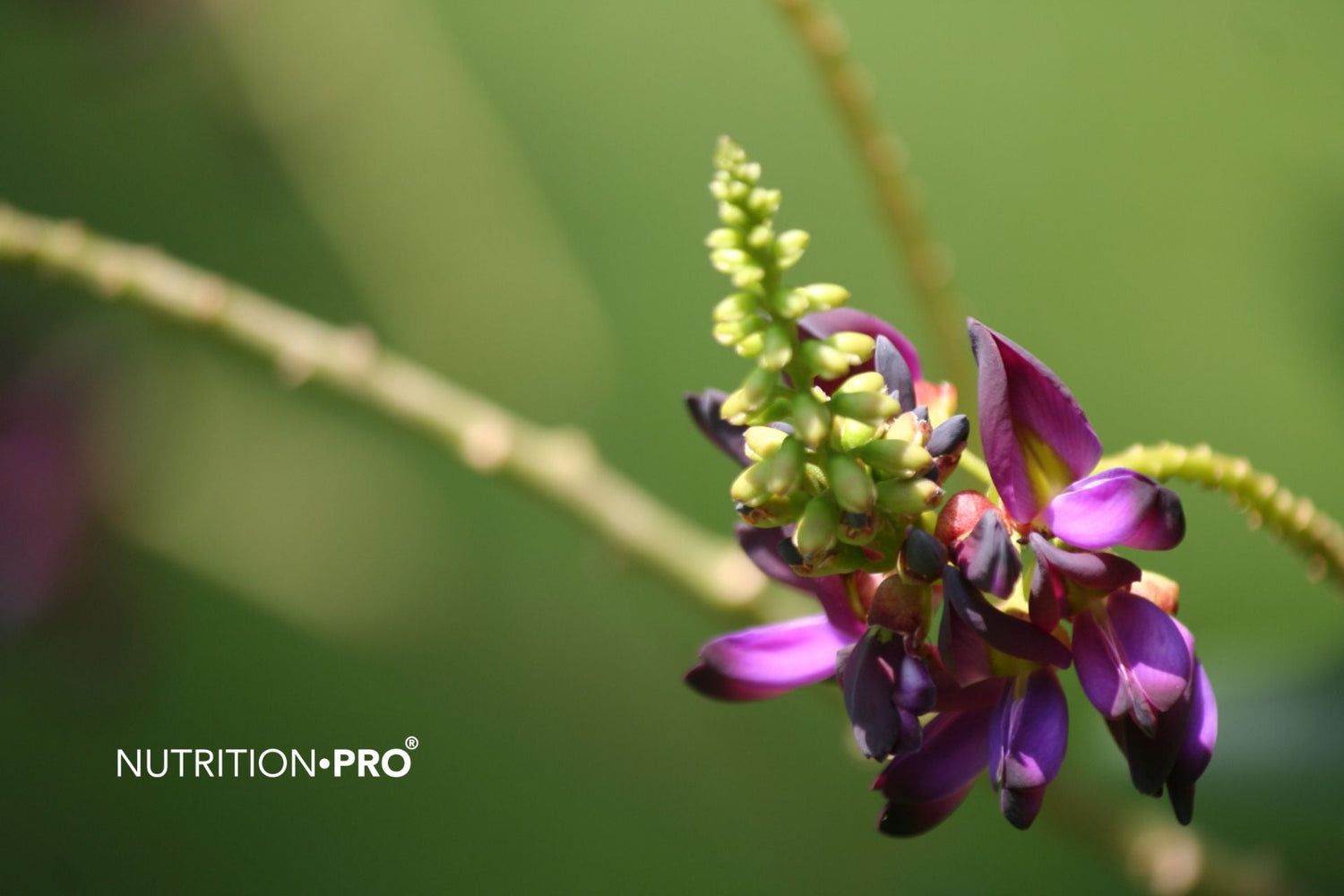
The Kudzu (Pueraria montana var. lobata) attracts attention for its documented interest in reducing alcohol consumption and its traditional use in supporting withdrawal. But before starting a course, a legitimate question arises: is kudzu dangerous? This guide answers factually, without minimizing or dramatizing. The good news: in the 4 published double-blind human clinical trials, no serious adverse effects were reported at the studied doses. The real caution: kudzu contains phytoestrogens, which formally contraindicate it in certain hormonal situations, and rare hepatic reports with concentrated extracts require simple precautionary rules. You will find here the real side effects, precise contraindications, drug interactions and signals that should stop the course. For efficacy and instructions for use, consult our complete kudzu and withdrawal guide.

Is kudzu dangerous? For the vast majority of healthy adults, no: the 4 double-blind human clinical trials (Lukas 2005, Penetar 2011 and 2012, Bracken 2011) reported no serious adverse effects at the studied doses, up to 2 g of extract per day. No sleep disturbance, no dangerous interaction with acute alcohol, no dependence described. The observed side effects are rare and mild : transitory digestive discomfort, slight drowsiness at the start of the course.
The real cautions: kudzu isoflavones are phytoestrogens, which contraindicate it in cases of history of hormone-dependent pathologies (breast, uterus, ovaries, prostate, endometriosis, fibroids), during pregnancy and breastfeeding, and in minors. Rare hepatic cases reported with concentrated extracts require respecting doses and knowing the warning signals. Finally, several chronic treatments (anticoagulants, antidiabetics, antihypertensives, antidepressants, hormone therapy) require medical advice before starting the course.
- Is kudzu dangerous? What clinical trials show
- Real side effects: rare and mild
- Phytoestrogens: the major contraindication
- Kudzu and liver: what the data really says
- Drug interactions to know about
- Who should avoid kudzu
- Self-test: do you have a contraindication?
- Safe dosage and warning signs to stop
No serious side effects reported in the 4 published human clinical trials
WITHOUT SERIOUS EFFECT
Let's start with the general context. Kudzu is among the rare weaning support plants whose tolerance has been evaluated in double-blind human clinical trials, with medical monitoring. The results are clear: in the Lukas 2005, Penetar 2011, Penetar 2012, and Bracken 2011 protocols, at doses up to 2 g of extract per day,no serious side effects were reported Three specific safety points were even directly tested:.
Sleep
- : according to Bracken et al. 2011, kudzu does not disrupt any sleep-wake cycle parameters (sleep efficiency, sleep onset latency, total sleep time, nocturnal awakenings). An important point, since degraded sleep is a major risk factor for relapse during withdrawal. Association with alcohol
- : according to Penetar et al. 2011, kudzu does not increase alcohol's intoxicating effects and does not impair postural stability or alertness compared to placebo. No sedative potentiation effect. Absence of dependence
- : no kudzu dependence has been reported, which is consistent with its mechanism, which modulates the reward circuit without stimulating it. This favorable profile does not mean universal safety. Clinical trials involved
selected adults without hormone-dependent conditions or at-risk treatments, over short durations. The following sections cover precisely the situations that fall outside this framework: that is where the real precautions lie. KEY TAKEAWAYIn healthy adults at recommended doses, kudzu presents an
(end of text)
Les effets secondaires observés avec le kudzu aux doses d'usage sont Infrequent and harmless. Here is the honest overview of what can occur, and what to do about it.
| Possible Effect | Frequency | What to Do |
|---|---|---|
| Digestive Discomfort (mild nausea, bloating) | Rare, at start of treatment | Take capsules with meals, transient effect |
| Mild Drowsiness | Rare, at start of treatment | Take in the evening, exercise caution while driving the first few days |
| Headaches | Very rare | Check hydration, discontinue if persistent |
| Allergic Reaction (rash, itching) | Exceptional | Immediate discontinuation and medical advice |
| Hepatic Signs (see section 4) | Rare cases reported, concentrated extracts | Immediate discontinuation and prompt consultation |
Two simple rules further reduce these side effects: start the treatment on a day without major obligations to observe your own tolerance, and never exceed the dosage in the pill organizer, which is 2 capsules per day. Efficacy does not improve beyond the studied doses.
Phytoestrogens: the major contraindication of kudzu
This is the most important safety point in this article. The isoflavones in kudzu (puerarin, daidzein, genistein) are phytoestrogens : their structure closely resembles human estrogens, allowing them to bind to estrogenic receptors, with an activity 1000 to 10000 times weaker than natural hormones, but measurable.
This property underlies the interest in kudzu for certain women in hormonal transition, detailed in our article kudzu and menopause. It also underlies, conversely, absolute exclusions :
- Personal or family history of breast cancer
- Hormone-dependent cancers : uterus, ovaries, prostate
- Endometriosis
- Uterine fibroids
- Mastopathies to monitor: medical advice before any use
In these situations, the rule is not caution but abstention, except with explicit agreement from the oncologist or gynecologist. The same logic applies to hormone-targeted treatments : tamoxifen and anti-cancer hormone therapies (theoretical estrogenic interaction, mandatory oncological advice), menopausal hormone treatment, hormonal contraception (weak but discussed interaction, medical advice recommended).
These precautions are clearly stated on the labeling of our Kudzu, as required by responsible labeling. A kudzu supplement sold without this mention should raise concerns about the manufacturer's overall credibility.
Kudzu and the liver: rare reports, simple guidelines
The liver question deserves a precise answer, as it circulates widely. State of the data: no hepatic toxicity has been observed in published clinical trials at the studied doses, and animal toxicology studies show significant safety margins. However, rare cases of liver disorders have been reported in the literature with concentrated extracts, without a systematic causal link being established. The pharmacovigilance of dietary supplements (ANSES nutrivigilance system in France) calls for proportionate caution rather than alarm.
What this concretely means:
- Strictly respect dosages : 2 capsules per day, never more. Reports concern concentrated extracts, not pure root at standard doses.
- Prefer identified pure root to ultra-concentrated extracts of uncertain origin. Our Kudzu is pure root of Pueraria montana var. lobata, 750 mg per day, with batch traceability.
- Prior medical advice in case of known liver disease (hepatitis, fatty liver, cirrhosis) or significant and regular alcohol consumption, a situation frequently seen precisely in people interested in kudzu. A liver already stressed by alcohol requires oversight.
- Avoid combining with other known hepatotoxic substances (paracetamol at repeated doses, certain medications, other plants with hepatic risk).
Hepatic warning signs that require immediate discontinuation of the treatment and prompt consultation: unusual and marked fatigue, persistent nausea, pain under the ribs on the right, dark urine, pale stools, yellowing of the skin or whites of the eyes, widespread itching. These signs are rare, but knowing them is part of responsible use.
Drug interactions: associations requiring oversight
Kudzu may interact with several classes of medications, most often in a theoretical or additive manner. The general rule: any chronic treatment requires medical or pharmaceutical advice before starting the treatment. Here is the reference table.
| Current treatment | Nature of the interaction | Recommended course of action |
|---|---|---|
| Anticoagulants (warfarin, DOACs) | Theoretical enhancement of anticoagulant effect | Avoid, or enhanced INR monitoring with medical approval |
| Antidiabetic agents (insulin, metformin) | Possible additive hypoglycemic effect | Medical advice, close glycemic monitoring |
| Antihypertensive agents | Potentiated hypotensive effect (mild vasodilation) | Medical advice, blood pressure monitoring |
| Antidepressants, anxiolytics | Theoretical interaction on neurotransmission | Prescriber approval before treatment course |
| Tamoxifen, hormone therapy | Theoretical estrogenic interaction | Mandatory oncology consultation, abstention by default |
| HRT, hormonal contraception | Weak, discussed hormonal interaction | Medical advice recommended |
| Methotrexate | Theoretical interaction | Avoid combination |
| Withdrawal medications (naltrexone, acamprosate, baclofen, nicotine replacement therapies) | Partially similar mechanisms, no known dangerous interaction | Compatible in principle, with addiction specialist approval |
Reassuring point validated clinically: occasional concurrent use with alcohol is not dangerous (Penetar 2011), which is consistent with kudzu's actual use during reduction periods.
Who should avoid kudzu
Summary of exclusion or strong precaution situations:
- Pregnant or breastfeeding women : exclusion as a precautionary principle, insufficient data and presence of phytoestrogens
- Minors : supplement reserved for adults
- Hormone-dependent medical history personal or family (breast, uterus, ovaries, prostate), endometriosis, fibroids : exclusion except with explicit medical approval
- Liver disease known or significant and regular alcohol consumption: prior medical advice mandatory
- Severe kidney insufficiency : caution, medical advice
- Severe alcohol dependence with physical signs (morning tremors, need to drink upon waking): the subject is no longer kudzu but medically supervised withdrawal, absolute priority
- Chronic treatments listed in the previous section: prescriber's advice before any treatment course
Self-test: do you have a contraindication to kudzu?
SAFETY SELF-TEST: CAN I TAKE KUDZU?
Check the items that correspond to your current situation. The result displays automatically and indicates what to do before any treatment course.
Safe dosage and signals requiring immediate discontinuation
WITH A BLISTER PACK OF 60 CAPSULES
Safe use of kudzu comes down to a few rules:
- Dosage : 2 capsules per day (750 mg of pure root), with a large glass of water, taken regularly at fixed times. Never more.
- Duration : treatment courses of 4 to 12 weeks during the active withdrawal period, then a minimum 4-week break before any possible maintenance course. No long-term continuous use.
- Framework : kudzu supports a structured withdrawal approach, ideally with a professional. The approach makes the result.
Three situations require immediate discontinuation of the course :
- Liver signs : unusual marked fatigue, dark urine, pale stools, jaundice, pain under the right ribs. Stop and seek prompt medical advice.
- Allergic reaction : rash, widespread itching, swelling. Stop and seek medical attention, urgently if breathing difficulty.
- Persistent unusual effect : any new symptom lasting beyond a few days. Stop, and possible reporting to your doctor or pharmacist, who can report it to the nutrivigilance system.
Kudzu is a well-tolerated plant in healthy adults, with a safety profile documented by clinical trials. The true limitations are clear: hormone-dependent conditions, pregnancy and breastfeeding, compromised liver, chronic treatments, severe addiction requiring medical supervision. If you recognize yourself in one of these situations, the right decision is not to give up your withdrawal, but to build it with a professional. Free resources are available: Alcohol Info Service 0980 980 930, Tobacco Info Service 39 89, your general practitioner, your pharmacist. A supplement is taken with confidence when the framework is in place.
Frequently asked questions about kudzu safety
Is kudzu dangerous for health?
No, not for the vast majority of healthy adults at recommended doses. In the 4 published double-blind human clinical trials (Lukas 2005, Penetar 2011 and 2012, Bracken 2011), no serious adverse effects were reported at the studied doses, up to 2 g of extract per day. Kudzu does not disrupt sleep and has no dangerous interaction with acute alcohol. The real concerns relate to specific profiles: history of hormone-dependent pathologies (phytoestrogens), pregnancy and breastfeeding, chronic medication treatments, and liver disease. For these profiles, medical advice is necessary before any course.
Is kudzu dangerous for the liver?
At usage doses, kudzu is generally well tolerated and no hepatic toxicity has been observed in published clinical trials. Rare cases of liver disorders have nonetheless been reported in the literature with concentrated extracts. As a precaution: strictly respect doses, seek medical advice if known liver disease or significant and regular alcohol consumption, and stop the course if unusual signs appear such as marked fatigue, dark urine, pale stools, or yellowing of the skin or eyes, then consult promptly.
What are the contraindications of kudzu?
Strict contraindications are: pregnancy and breastfeeding, minors, and personal or family history of hormone-dependent pathologies due to kudzu's phytoestrogens: breast, uterine, ovarian, or prostate cancer, endometriosis, uterine fibroids. Situations requiring prior medical advice: anticoagulant, antidiabetic, antihypertensive, antidepressant treatment, hormone therapy (tamoxifen, HRT, hormonal contraception), methotrexate, hepatic or renal disease, severe alcohol addiction requiring supervised withdrawal.
What are the side effects of kudzu?
Side effects of kudzu are rare and generally mild: transient digestive discomfort at the start of treatment (mild nausea, bloating), which often subsides when taking capsules with meals, and possible mild drowsiness in some users, related to the plant's calming effect. No serious side effects were reported in clinical trials at the studied doses. No dependence on kudzu has been described. If an unusual effect appears and persists, stop the course and seek professional advice.
Can you take kudzu while pregnant or breastfeeding?
No. Kudzu is not recommended during pregnancy and breastfeeding as a precaution. Its isoflavones are phytoestrogens, compounds with weak but real hormonal activity, and safety data in pregnant or breastfeeding women are insufficient. This exclusion appears on the labeling of serious kudzu supplements. For support with smoking cessation during pregnancy, talk to your doctor or midwife: validated solutions compatible with pregnancy exist, particularly nicotine substitutes on prescription.
Can kudzu be combined with antidepressants?
Only with your doctor's approval. Kudzu modulates neurotransmitter systems (GABA, dopamine, serotonin indirectly) and a theoretical interaction with antidepressant or anxiolytic treatments cannot be ruled out. The rule is simple: any ongoing psychotropic treatment requires medical advice before adding kudzu. Never modify your treatment on your own. Withdrawal from a substance in a person being treated for depression or anxiety must in any case be supervised by the prescriber.
Can you drink alcohol while taking kudzu?
Occasional combined use is not dangerous: the Penetar 2011 trial, specifically designed for this question, shows that kudzu does not increase the intoxicating effects of alcohol, nor does it impair psychomotor function or alertness compared to placebo. This is indeed the entire interest of kudzu in reducing consumption: it is used during periods when one is still drinking, to help drink less. However, in case of severe alcohol dependence, the issue is not the interaction with kudzu but the need for medically supervised withdrawal.
Does kudzu lower blood pressure?
Kudzu is not used for blood pressure and no effect is claimed in this area. Some data suggest a mild vasodilatory effect of puerarin, which justifies a simple precaution: if you are on antihypertensive or cardiovascular treatment, seek your doctor's advice before the course and monitor your blood pressure as usual. This is the basic safety rule for any dietary supplement associated with chronic treatment, not a signal of danger specific to kudzu.
What happens in case of kudzu overdose?
The safety margins of kudzu are significant: animal toxicology studies place the lethal dose at levels corresponding to hundreds of times the recommended human dose. A single overdose mainly exposes one to digestive upset and drowsiness. This does not, however, justify exceeding doses: the rare hepatic reports concern concentrated extracts, and efficacy does not improve beyond clinically studied doses. Respect the dosage on the bottle, which is 2 capsules per day.
Can you take kudzu long-term?
Published clinical trials cover short durations, and reasonable use is organized in courses: 4 to 12 weeks during the active withdrawal period, then a minimum 4-week break before any possible maintenance course. This rhythm preserves physiological relevance and avoids undocumented long-term use. The medium-term tolerance profile is excellent, with no described dependence and no sleep disruption (Bracken 2011). If the need for support extends beyond a few months, it is a sign that professional support for withdrawal should be reinforced.
Glossary
- Phytoestrogen
- A plant compound whose structure resembles human estrogens and which can bind to estrogenic receptors, with activity 1000 to 10000 times weaker.
- Hormone-dependent pathology
- Disease whose progression is influenced by sex hormones: breast, uterine, ovarian, and prostate cancers, endometriosis, fibroids.
- Isoflavones
- Family of plant polyphenols from kudzu (puerarin, daidzein, genistein), responsible for both its effects and its hormonal precautions.
- Nutrivigilance
- National surveillance system for adverse effects of dietary supplements, coordinated by ANSES. Any healthcare professional can report an incident.
- RCT (Randomized Controlled Trial)
- Highest scientific standard: random allocation between treatment and placebo, double-blind. The 4 RCTs of kudzu also document its safety profile.
- Delirium Tremens
- Potentially fatal severe alcohol withdrawal syndrome that requires medically supervised withdrawal in dependent individuals.
Scientific Sources
- Lukas SE, Penetar D, Berko J, et al. An extract of the Chinese herbal root kudzu reduces alcohol drinking by heavy drinkers in a naturalistic setting. Alcoholism: Clinical and Experimental Research. 2005;29(5):756-762. DOI : 10.1097/01.alc.0000163499.64347.92
- Penetar DM, Maclean RR, McNeil JF, Lukas SE. Kudzu extract treatment does not increase the intoxicating effects of acute alcohol in human volunteers. Alcoholism: Clinical and Experimental Research. 2011;35(4):726-734. DOI : 10.1111/j.1530-0277.2010.01390.x
- Penetar DM, Toto LH, Farmer SL, et al. The isoflavone puerarin reduces alcohol intake in heavy drinkers: a pilot study. Drug and Alcohol Dependence. 2012;126(1-2):251-256. DOI : 10.1016/j.drugalcdep.2012.04.012
- Bracken BK, Penetar DM, Maclean RR, Lukas SE. Kudzu root extract does not perturb the sleep/wake cycle of moderate drinkers. Journal of Alternative and Complementary Medicine. 2011;17(10):961-966. DOI : 10.1089/acm.2010.0540
- Jung SH, Lee YH, Lee EK, et al. Effects of Plant-Based Extract Mixture on Alcohol Metabolism and Hangover Improvement in Humans: A Randomized, Double-Blind, Parallel, Placebo-Controlled Clinical Trial. Journal of Clinical Medicine. 2023;12(16):5244. DOI : 10.3390/jcm12165244


