

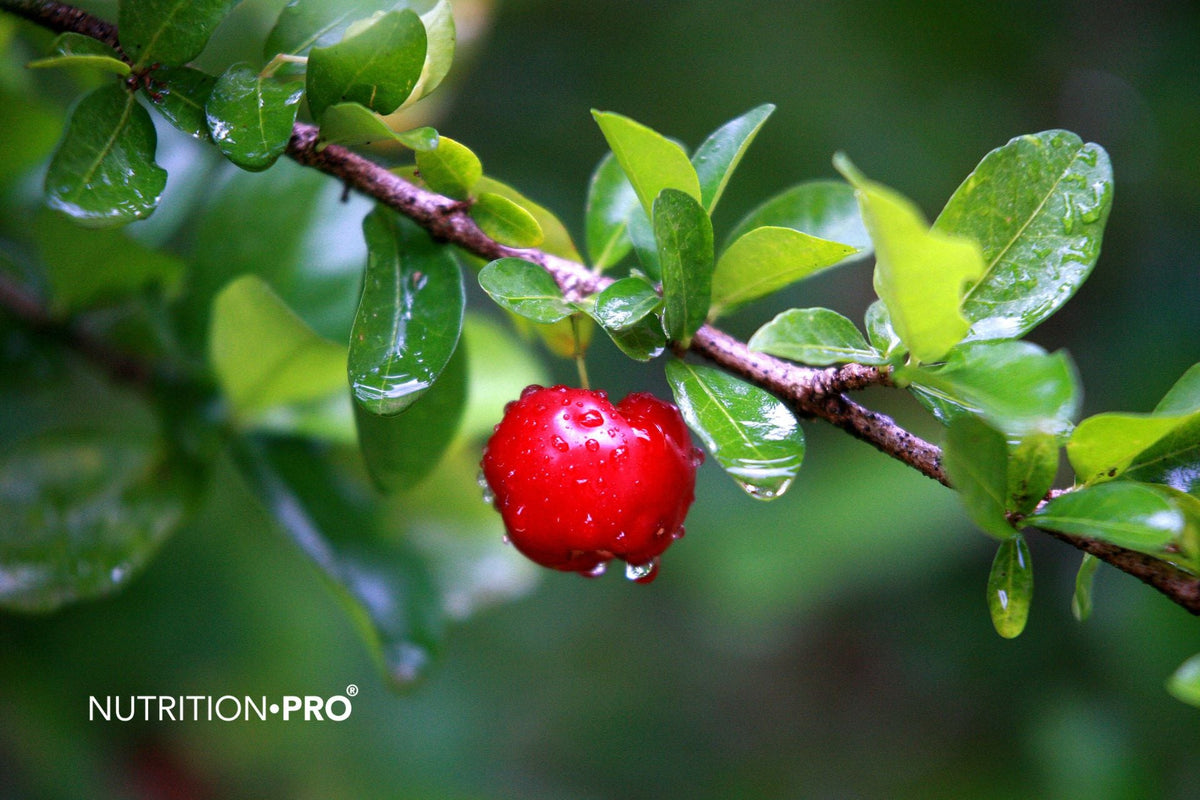
In the supplements aisle, vitamin C comes in dozens of versions: synthetic ascorbic acid, acerola, camu-camu, liposomal, powder, tablets... Enough to get lost. And one question keeps coming up: should you prefer a natural vitamin C ?
This guide sorts it out, without marketing. It explains the real difference between natural and synthetic vitamin C, the best natural sources, what vitamin C really does for you, and how to choose it well based on your needs. All backed by scientific references.

Chemically, natural vitamin C and synthetic (ascorbic acid) are the same molecule: the body uses them the same way. The benefit of natural lies in the cofactors (bioflavonoids) of the fruit, organic quality, and tolerance. The richest natural sources are acerola, camu-camu, and rosehip, far ahead of orange. Vitamin C supportsimmunity, skin, iron, and fights fatigue. Daily need: approximately 110 mg/day (ANSES), more for smokers or in case of infection. To choose: prioritize an organic, standardized source, in the form (powder, tablets) that suits you.
Natural or synthetic vitamin C: the real difference
This is the most misunderstood point, so let's be clear and honest. Chemically speaking, the vitamin C is vitamin C : whether it comes from a laboratory (ascorbic acid) or from an acerola cherry, it's the same molecule, and your body makes no difference in terms of absorption. Claiming that natural vitamin C would be "better assimilated" is, at an equivalent dose, a marketing shortcut.
So, does natural have no interest? Yes it does, but elsewhere than in the molecule itself. The natural sources offer three real advantages:
- Cofactors. In a fruit like acerola, vitamin C is naturally accompanied by bioflavonoids and other antioxidants, which are absent from isolated ascorbic acid. These compounds have their own benefits and act synergistically.
- Tolerance. At high doses, pure ascorbic acid can be somewhat acidic for the stomach. Natural or buffered forms are often better tolerated.
- Overall quality. Choosing a natural vitamin C organicalso means choosing a controlled source, without unnecessary additives, in a minimally processed food philosophy.
In summary: don't choose natural believing in a "superior" molecule, but for the complete package (cofactors, tolerance, quality). It's a coherent choice, provided you don't oversell it.
The best natural sources of vitamin C
Good news: vitamin C is found in many everyday foods. But when looking for a concentrated dose as a supplement, certain plants are unbeatable.
On your plate
Contrary to popular belief, the orange is not the champion. More vitamin C is found in the red bell pepper, the kiwi, the parsley, the broccoli and berries (blackcurrant leading the way). A diet rich in fresh fruits and vegetables already covers a good portion of your needs, provided you consume them raw or lightly cooked, as vitamin C is fragile when exposed to heat.
Concentrated sources for supplementation
When you want a high dose of natural vitamin C in a small volume, three fruits stand out, presented here equally:
- Acerola. This small cherry from South America is one of the most concentrated sources of vitamin C in the world, far surpassing the orange. It is one of the reference ingredients in natural vitamin C supplements.
- Camu-camu. This Amazonian fruit rivals acerola for the title of fruit richest in vitamin C, with an interesting antioxidant profile.
- Rosehip (dog rose). The fruit of the dog rose, traditionally used as a herbal tea, is also very rich in vitamin C and cofactors.
These three sources are excellent choices. Acerola has the advantage of being one of the most documented and most available in quality supplements. Our organic acerola powder allows you to provide, for example, a concentrated dose of natural vitamin C, accompanied by its cofactors, in a simple beverage or yogurt.
What is vitamin C used for?
Vitamin C is not just a "winter fatigue fighter." It is a versatile nutrient, involved in many functions, with effects officially recognized by the EFSA (therefore far from simple marketing claims).
Immunity. This is its most well-known role. Vitamin C contributes to normal functioning of the immune system. According to PubMed, a review by Carr and Maggini 2017 published in Nutrients details how it supports immune cells and the skin barrier, and specifies that intakes of 100 to 200 mg per day allow optimal plasma levels to be achieved for this function (DOI : 10.3390/nu9111211).
Collagen formation. Vitamin C is essential for collagen synthesis, the structural protein of skin, blood vessels, bones, cartilage and gums. This is why a deficiency weakens the gums and slows wound healing.
Antioxidant protection. A powerful antioxidant, it contributes to protecting cells against oxidative stress, making it an ally against cellular aging.
Reduction of fatigue. Vitamin C contributes to reducing fatigue and to the normal functioning of the nervous system: hence its value during energy slumps, particularly in winter.
Iron absorption. It improves theabsorption of plant-based iron (non-heme). Pairing a source of vitamin C with a meal rich in plant-based iron is a valuable tip, particularly for vegetarians or those prone to iron deficiency. On this subject, see our article on forms of iron.
Signs of vitamin C deficiency
Since vitamin C is involved in so many functions, a deficiency manifests itself in several ways. These signs are non-specific, but their combination should raise concern.
Certain people are more exposed: smokers (tobacco significantly increases requirements), people consuming little fresh fruits and vegetables, elderly people, and those under stress or infection. The nutritional reference is approximately 110 mg per day for an adult (ANSES), a threshold that a varied diet normally covers, but which supplementation can secure during periods of increased need.
How to choose your vitamin C wisely
Once you understand there is no "magical" molecule, the choice comes down to concrete criteria. Here are the three that matter.
The source and quality
Prefer natural and organic vitamin C (acerola, camu-camu, rosehip) to benefit from cofactors and a controlled source. Check the standardization (actual vitamin C content) and the absence of unnecessary additives.
The form suited to your needs
<<<35>>> Powder poudre (such as acerola) allows you to adjust the dose and add it to a drink or yogurt. Tablets and capsules are convenient and precisely dosed for on-the-go use. All three are effective: choose based on your lifestyle.
The right time and right dose
Vitamin C is water-soluble : excess is eliminated in urine, so there's no need to overdose. Aim for your needs (around 110 mg/day, more if increased needs), spread out if the dose is high, and take it preferably in the morning or during the day (it is slightly stimulating).
Beyond vitamin C alone, it fits into a holistic approach to immunity and vitality, alongside vitamin D (the other great pillar of winter) and natural antioxidants. Discover also our immunity.
View organic acerola →
Frequently Asked Questions
Is natural vitamin C better than synthetic vitamin C?
Chemically, synthetic vitamin C (ascorbic acid) and natural vitamin C are the same molecule, and your body uses them identically. The benefit of natural vitamin C (acerola, camu-camu, rosehip) therefore lies not in the molecule itself, but in the fact that it is accompanied by cofactors (bioflavonoids, antioxidants) naturally present in the fruit, and it is often better tolerated and sourced from an organic source. It's a choice of overall quality rather than chemical superiority.
What are the best natural sources of vitamin C?
Among common foods: bell pepper, kiwi, citrus fruits, berries, parsley, broccoli. Among concentrated sources used in supplements: acerola, camu-camu and rosehip (wild rose) are among the richest in vitamin C in the world, far ahead of orange. These extracts allow you to obtain a high dose of natural vitamin C in a small volume, ideal for a cure.
How much vitamin C per day?
The nutritional reference for the adult population is approximately 110 mg per day according to ANSES. According to a 2017 review by Carr and Maggini, intakes of 100 to 200 mg per day allow optimal plasma levels to be achieved to support immune function. Needs increase in smokers, in cases of infection or stress. Since vitamin C is water-soluble, excess is eliminated in urine.
What are the signs of vitamin C deficiency?
A lack of vitamin C can result in fatigue, reduced resistance to infections, bleeding gums, slow wound healing, dry skin and easy bruising. Severe and prolonged deficiency causes scurvy, which is now rare. Since vitamin C participates in many functions, regular intake through diet or supplementation helps maintain good status.
Vitamin C in powder, tablets or capsules: what to choose?
All three forms are effective; the choice depends on convenience. Powder (for example acerola) allows you to adjust the dose and add it to a drink or yogurt. Tablets and capsules are convenient for on-the-go and measured intake. The important thing is to choose a quality source, ideally organic and standardized for vitamin C content, and to take it preferably in the morning or during the day.
- Vitamin C
- Essential water-soluble vitamin (ascorbic acid), involved in immunity, collagen, antioxidant protection, and iron absorption.
- Ascorbic Acid
- Chemical name for vitamin C. The synthetic form is identical to the natural form at the molecular level.
- Acerola
- Small cherry from South America, among the fruits richest in vitamin C in the world.
- Bioflavonoids
- Natural antioxidant compounds naturally present with vitamin C in fruits, absent from isolated ascorbic acid.
- Water-Soluble
- Soluble in water: unused vitamin C is eliminated in the urine, which limits the risk of accumulation.
- Scurvy
- Disease caused by severe and prolonged vitamin C deficiency, rare today.
- Carr AC, Maggini S. Vitamin C and Immune Function. Nutrients. 2017;9(11):1211. doi:10.3390/nu9111211
- EFSA Panel on Dietetic Products, Nutrition and Allergies. Authorized health claims related to vitamin C (immunity, collagen, fatigue, cell protection, iron absorption). EFSA Journal.
- ANSES. Nutritional References for Vitamin C (approximately 110 mg/day in adults).
About This Article Written by the Nutrition•pro Team based on ANSES and EFSA references and a PubMed-indexed review. This article is informational and does not replace medical advice. If you experience persistent fatigue or have questions about your intake, consult a healthcare professional. Discover our editorial methodology.


