

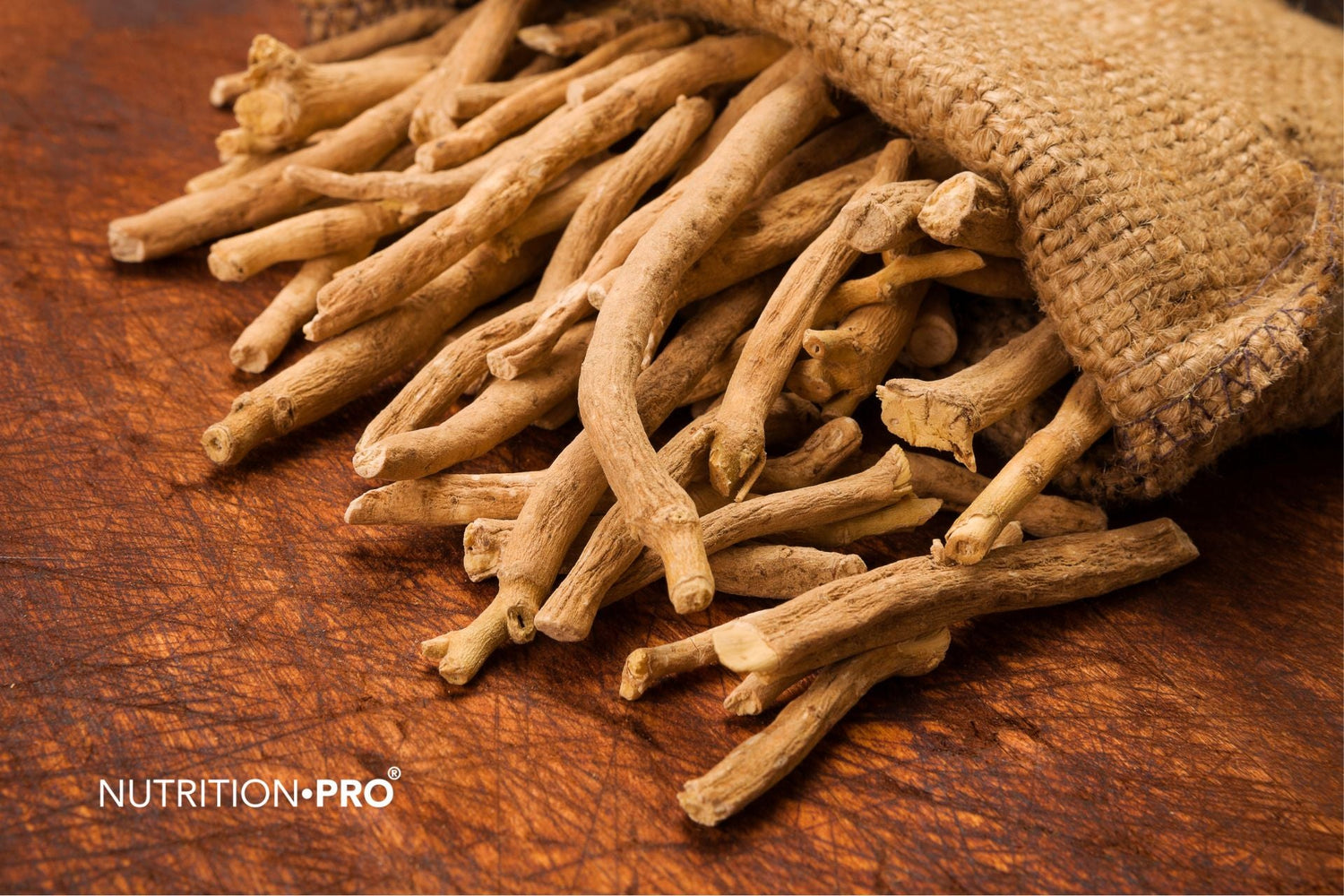
In summary: Theashwagandha (Withania somnifera) is the most scientifically studied adaptogenic plant. The patented form KSM-66®, validated by over 24 clinical trials, delivers the best results: –27% cortisol, +14% testosterone, significant improvement in sleep and physical performance. Effective dose: 600 mg/day in 2 doses for 8 to 12 weeks. Sensoril® and Shoden® are interesting alternatives, less well-documented. Avoid in cases of hyperthyroidism, pregnancy, or immunosuppressive therapy.
You type " ashwagandha " into Google, and you find yourself in an ocean of vague articles touting its "adaptogenic properties" without ever explaining the differences between market extracts. Yet the gaps are enormous: a standard root extract and a KSM-66® have neither the same concentration of active compounds, nor the same number of clinical studies behind them, nor the same measurable results.
This comprehensive guide reviews everything you need to know about ashwagandha in 2026: its 3000-year Ayurvedic history, its 5 science-backed benefits (stress, sleep, testosterone, performance, cognition), and above all a rigorous comparison of the 5 patented forms on the market — KSM-66, Sensoril, Shoden, Witholytin, and standard extract. Including: precise dosages, cited studies, real contraindications, and advice for choosing the right form based on your profile.
- What is ashwagandha? Origins and active compounds
- The 5 scientifically validated benefits
- KSM-66, Sensoril, Shoden: comparative table of extracts
- Top 5 ashwagandha forms in detail
- How to choose your ashwagandha based on your profile?
- Dosage, how to take it and time to effect
- Precautions, contraindications and interactions
- What to combine ashwagandha with?
- Complete scientific FAQ
What is ashwagandha? Origins and active compounds
Theashwagandha (Withania somnifera), nicknamed the " Indian ginseng " or "winter cherry," is a shrub from the Solanaceae family (the same as tomato or potato) that grows naturally in India, the Middle East and Africa. Its Sanskrit name, ashwagandha, literally means " horse's odor " — a reference to the distinctive smell of its fresh roots, but also, in Ayurvedic tradition, to the promise of transmitting the strength and vitality of a stallion to those who consume it.
3000 years of Ayurvedic use
Ashwagandha is mentioned in the foundational Ayurvedic texts (Charaka Samhita, Sushruta Samhita) as a Rasayana — that is, a general tonic intended to extend life, restore vitality, improve memory and calm the mind. It was traditionally prescribed to combat " aggravated Vata " (the Ayurvedic equivalent of nervous exhaustion and chronic stress).
Today, ashwagandha is one of India's most exported medicinal plants. Its popularity has exploded in the West since 2018, driven by science finally validating its traditional uses through rigorous clinical trials.
Withanolides: the secret to effectiveness
The withanolides are the major active compounds of ashwagandha. These are a family of steroidal lactones (structurally similar to human steroid hormones), of which the main ones are withaferin A, the withanolide A, the sitoindoside and withanone. They act on multiple targets:
- HPA axis (hypothalamus-pituitary-adrenal) : cortisol modulation
- GABA-A receptors : anxiolytic effect and sleep-promoting action
- NF-κB signaling pathways : anti-inflammatory effect
- Gonadotropic axis : testosterone support
- Mitochondria : improved cellular energy production
A quality ashwagandha extract must be standardized in withanolides (typically 2.5% to 5% for root extracts, up to 35% for concentrated leaf+root extracts). Below 2.5%, efficacy is unpredictable.
Practical advice: beware of non-standardized ashwagandha powders sold in bulk. The withanolide concentration can vary from 0.1% to 4% depending on plant origin, terroir, and cultivation method, making effects completely unpredictable. Always prioritize patented and standardized extracts.
The 5 scientifically validated benefits
Ashwagandha is today one of the most well-documented adaptogenic plants in the world. Multiple meta-analyses published between 2021 and 2025 confirm 5 major areas of efficacy.
1. Stress and cortisol reduction — benefit #1 most validated
This is the most documented benefit of ashwagandha. A meta-analysis published in the Journal of Ethnopharmacology (2022) pooling 12 randomized clinical trials (1,002 participants) showed a highly significant reduction in stress and anxiety, with a large effect size (SMD = -1.75) — one of the most marked ever observed for a plant.
This pivotal clinical trial, randomized double-blind versus placebo, included 64 adults suffering from chronic stress. The ashwagandha group (300 mg of KSM-66® twice daily for 60 days) showed a reduction of 27.9% in serum cortisol (p = 0.0006) and improvement in all anxiety scores (P < 0.0001) versus placebo. Adverse effects were comparable to placebo.
Mechanism — Ashwagandha modulates theHPA axis (hypothalamus-pituitary-adrenal), responsible for cortisol release. In cases of chronic stress, this axis is in permanent hyperactivity, which exhausts the adrenal glands and disrupts sleep, mood, libido, memory, and metabolism. Ashwagandha acts as a "regulator": it does not lower cortisol in normal subjects, but brings it back to normal in subjects experiencing chronic stress.
2. Improved sleep quality
A 2021 meta-analysis (PLoS ONE) pooling 5 randomized clinical trials (400 participants) confirmed a significant effect of ashwagandha on sleep, particularly marked in subjects suffering from insomnia, at a dose of 600 mg/day for at least 8 weeks.
The improved parameters are:
- Sleep onset latency reduced (–28% on average)
- Overall sleep quality (PSQI score) improved
- Morning alertness upon waking
- Nocturnal anxiety decreased
Why? The Latin name somnifera literally means " that induces sleep ". Withanolides activate GABA-A receptors — the same target as benzodiazepines — but without dependence or daytime drowsiness. The modulation of nocturnal cortisol (often elevated in chronic insomniacs) also plays a central role.
3. Support for testosterone and male fertility
Several randomized clinical trials show an average increase of 14 to 22% in total testosterone in men taking 600 mg/day of KSM-66® for 8 to 16 weeks. A study by Lopresti et al. (2019, Medicine) even observed a 14.7% increase in testosterone in 43 overweight men.
The effects are more pronounced in:
- Men over 40 years old (physiological testosterone decline)
- Men who are overweight or stressed
- Men with elevated cortisol (which inhibits the gonadotropic axis)
Fertility bonus — A study (Ambiye et al., 2013) on 46 infertile men demonstrated an increase of +167% in sperm concentration, +53% in seminal volume, and +57% in motility after 90 days of KSM-66 at 675 mg/day.
Important note for women: Effects on female testosterone are null or very modest (studies show no significant increase). Ashwagandha remains nonetheless highly beneficial for women on stress, sleep, libido, and overall energy levels, with no risk of virilization.
4. Physical performance and recovery
A 2021 meta-analysis synthesized 12 studies (615 athletic participants) and concluded with a significant effect of ashwagandha on:
- Maximum strength : +74% in 1RM (squat and bench press) in certain studies
- VO2 max : improvement in cardiorespiratory endurance
- Muscle recovery : reduction in muscle damage markers (creatine kinase)
- Body composition : increase in lean mass, decrease in fat percentage
These effects result from both the increase in testosterone, the reduction of post-exercise cortisol, and a direct effect on mitochondrial ATP production.
5. Cognition, memory, and mental performance
Clinical trials (Choudhary et al., 2017; Pingali et al., 2014) demonstrated that KSM-66 at 300 mg twice daily for 8 weeks significantly improves:
- Immediate and delayed memory (logical, semantic)
- Sustainedattention and information processing speed
- Executive functions (planning, flexibility)
- Mental alertness and clarity
The mechanism involves a neuroprotective effect (reduction in neuronal oxidative stress), stimulation of hippocampal neurogenesis, and improved cholinergic transmission.
KSM-66, Sensoril, Shoden: comparative table of extracts
The ashwagandha market is dominated by 3 major patented extracts which stand out for their used part (root alone vs root + leaves), their withanolide concentration, their extraction process, and the number of available clinical studies.
| Extract | Used part | Withanolides | Clinical studies | Evidence level | Primary indication |
|---|---|---|---|---|---|
| KSM-66® ★ | 100% Root | 5% | 24+ RCTs | Very high | Stress, testosterone, sports |
| Sensoril® | Root + leaves | 10% | 12+ RCTs | High | Sleep, anxiety |
| Shoden® | Root + leaves | 35% | 5-7 RCTs | Moderate | Deep sleep |
| Witholytin® | 100% Root | 2-5% | 2-3 RCTs | Low | Men aged 40-75 |
| Standard extract | Variable | 0.5-2.5% | Variable | Low | Budget course |
RCT = Randomized Clinical Trials. KSM-66® remains the most studied and most reproducible extract.
⚠ Why withaferin A raises questions: ashwagandha leaves contain Withaferin A at high concentrations. However, this compound, although studied for its anticancer properties in vitro, is also cytotoxic at high doses. Extracts using leaves (Sensoril, Shoden) must therefore be subject to strict quality control. KSM-66®, extracted solely from the root, contains negligible levels of withaferin A — this is one of its major safety arguments.
Top 5 ashwagandha forms in detail
Developed by Ixoreal Biomed after more than 14 years of research, KSM-66® is the most widely used and most studied ashwagandha extract in the world. It benefits from more than 24 randomized clinical trials published (with extension to over 50 studies by 2025) involving nearly 900 participants, making it the reference standard in modern phytotherapy.
Unique process — KSM-66 extraction uses a patented process based on milk, without chemical solvents or alcohol. This "green chemistry" process preserves the full spectrum of natural withanolides (full-spectrum) while achieving the highest concentration worldwide for a 100% root.
extract. Why no leaves? Ashwagandha leaves contain withaferin A at potentially cytotoxic doses. KSM-66 uses only the root — the part traditionally used in Ayurveda — to guarantee optimal safety profile over the long term.
- Most well-documented (24+ RCTs, 50+ studies)
- Optimal safety profile (root only)
- Most comprehensive effect (stress + testosterone + sports)
- Chemical solvent-free extraction process
- Reproducible 5% withanolide standardization
- Higher cost than standard extracts
- Withanolide concentration "modest" (5%)
- Sleep effect slightly less pronounced than Sensoril
Chronic stress, anxiety, mental overload, testosterone support in men, athletic performance, muscle recovery, male fertility, cognitive function, physical and mental fatigue.
600 mg/day in 2 doses (300 mg morning and 300 mg evening with meals), for a minimum of 8 to 12 weeks. This is the dose used in the majority of published clinical studies. Our Ashwagandha KSM-66® organic Nutrition•pro respects exactly this dosage: 1 capsule morning and 1 capsule evening to reach the 600 mg daily scientifically validated, with organic certification.
The Sensoril®, developed by Natreon, is extracted from both the root AND leaves of ashwagandha. This particularity gives it a higher concentration of withanolides (10%), but also introduces withaférine A in significant amounts. Sensoril is praised for its more pronounced sedative effect, making it particularly suitable for evening intake.
Clinical profile — Approximately 12 published clinical trials. Effects validated on sleep quality, reduction of anxiety and cognitive fatigue. Effects on testosterone less studied than for KSM-66.
Insomnia, generalized anxiety, mental fatigue, premenstrual syndrome. Best taken as a single dose in the evening.
250 to 500 mg/day, ideally in the evening 30 to 60 minutes before bedtime.
The Shoden®, developed by Arjuna Natural, is the most concentrated ashwagandha extract on the market: 35% withanolides, 7 times more than KSM-66. It is obtained from the root AND leaves via dual water-ethanol extraction. This extreme concentration allows for the use of very low doses (60 to 200 mg/day) for equivalent effect.
Clinical Profile — Still limited studies (5-7 RCTs), but promising results on deep sleep and testosterone at very low doses. One study (Salve et al., 2019) demonstrated a 72% improvement in sleep quality with only 120 mg/day over 6 weeks.
Deep sleep, sleep onset disorders, men 40+ seeking minimal-dose testosterone support.
60 to 200 mg/day, typically 120 mg in the evening.
The Witholytin® is a newer extract (2023), positioned specifically for the male population aged 40-75 with overweight or andropause. A 12-week clinical trial (200 mg twice daily) reported significant improvements in stress, fatigue, and sexual hormone markers in aging men.
Data Still Limited — Only 2 to 3 published clinical trials. The form remains promising but requires more independent validation to match the evidence level of KSM-66®.
200 to 400 mg/day, in 2 doses with meals.
Non-patented ashwagandha extracts, sold as raw powder or in generic capsules, present significant quality variability. Withanolide concentration is random (0.1 to 2.5%), plant part unspecified, extraction process unknown, variable quality control.
When Can They Be Suitable? For an introductory course at very low cost, or in traditional Ayurvedic infusion with warm milk (the " moon milk "). But do not expect the reproducible effects documented in clinical studies.
⚠ Warning: some standard extracts from poorly controlled sources may contain pesticide residues, heavy metals, or microbial contaminants. Always prefer products certified organic and manufactured according to GMP (Good Manufacturing Practice) standards.
How to choose your ashwagandha based on your profile?
The "best" form of ashwagandha is not universal: it depends on your primary objective, your age, your gender, and your lifestyle. Here is a practical guide to help orient your choice.
If your objective is stress and anxiety management
→ KSM-66® at 600 mg/day in 2 doses is the optimal choice. It's the most documented use with a 27% reduction in serum cortisol in 60 days. If you also have sleep problems, add a 3rde dose in the evening, or opt for Sensoril as a supplement.
If your objective is sleep improvement
→ Sensoril® (250-500 mg in the evening) or Shoden® (120 mg in the evening) are better targeted. KSM-66 also works very well, especially if insomnia is stress-related. Time to effect: 4 to 8 weeks.
If you are a man seeking to support your testosterone
→ KSM-66® remains the reference with the most solid clinical data (+14% testosterone at 600 mg/day for 8 weeks). The effect is more pronounced if you are overweight, stressed, or over 40 years old. Interesting synergy with zinc and vitamin D.
If you are an athlete
→ KSM-66® at 600 mg/day is the consensus choice. Improves strength, VO2 max, lean mass, and recovery. Take 30-60 minutes before training for a post-exercise anti-cortisol effect, or morning and evening for a foundational effect.
If you are a woman who is stressed or fatigued
→ KSM-66® at 600 mg/day without risk of virilization (no significant testosterone increase in women). Beneficial effect on stress, fatigue, libido, and sleep. Avoid during pregnancy or breastfeeding.
If you have a tight budget
→ Rather than a standard extract of uncertain quality, prefer a reliable French brand KSM-66® in a shorter course (1-2 months). Better to have a short course with a proven product than a long course with a questionable one.
Dosage, method of intake, and time to effect
The effectiveness of ashwagandha depends as much on the form as on the intake protocol. Here are the rules to know to optimize your results.
Effective dose according to extract
- KSM-66® : 600 mg/day in 2 doses of 300 mg (morning and evening, with meals)
- Sensoril® : 250 to 500 mg/day, ideally in the evening
- Shoden® : 60 to 200 mg/day, generally 120 mg in the evening
- Witholytin® : 200 to 400 mg/day in 2 doses
- Traditional powder : 3 to 6 g/day (variable effect)
When should you take ashwagandha?
With meals — ashwagandha contains fat-soluble compounds (withanolides); taking it during a meal containing fats optimizes absorption.
Morning AND evening for KSM-66 — the majority of studies use 2 doses (300 mg morning + 300 mg evening). This allows stable exposure to withanolides over 24 hours and provides daytime anti-stress effects as well as nighttime sleep benefits.
Evening only for Sensoril/Shoden — their more pronounced sedative effect makes them better suited for a single evening dose.
Time to action: how long before the first effects?
- Stress and anxiety : subjective improvement within 2-4 weeks, maximum effect at 8-12 weeks
- Sleep : progressive improvement over 4 to 8 weeks
- Testosterone : measurable biological changes after 8 weeks minimum
- Physical performance : visible effect after 8 to 12 weeks
- Cognition : improvement in scores after 8 weeks
Practical tip: keep a treatment journal during the first 12 weeks: sleep quality out of 10, stress level out of 10, energy level out of 10. This allows you to objectively track the changes (often gradual) that memory alone might miss.
Duration of treatment and therapeutic windows
A typical treatment course lasts 2 to 3 months, with an evaluation of effects at 6 and 12 weeks. KSM-66 was the subject of a safety study over 12 consecutive months (191 adults) which showed no significant adverse effects on liver, kidney, or thyroid function.
For very long-term use, a therapeutic window 1 to 2 weeks every 3 months may be performed to assess the persistence of the effect.
Precautions, contraindications and interactions
Ashwagandha is generally very well tolerated, but a few situations require caution or avoidance.
Absolute contraindications
⚠ Do not take ashwagandha if you have:
Pregnancy — ashwagandha is traditionally not recommended during pregnancy (theoretical abortive effect at very high traditional doses).
Breastfeeding — insufficient data on passage into breast milk.
Hyperthyroidism or Graves' disease — ashwagandha may stimulate thyroid hormone production (T3/T4) and worsen hyperthyroidism. Conversely, it may help in cases of moderate hypothyroidism.
Active autoimmune diseases (lupus, rheumatoid arthritis, multiple sclerosis) — possible immune stimulation.
Immunosuppressive treatment (post-transplant, biotherapies) — risk of antagonism.
Solanaceae allergy (tomato, potato, eggplant).
Drug interactions
Sedatives and sleeping aids (benzodiazepines, zolpidem, melatonin): additive effect, possible excessive drowsiness.
Thyroid hormones (levothyroxine): possible interaction, monitor TSH levels.
Antihypertensives : slight blood pressure-lowering effect possible, monitor blood pressure.
Antidiabetics : slight hypoglycemic effect, monitor blood glucose.
Anxiolytics and antidepressants : possible interaction, seek medical advice.
Possible side effects
Side effects reported in clinical studies are rare and mild:
- Mild digestive disturbances (5-10% of subjects): nausea, loose stools, heartburn
- Daytime drowsiness (rare, especially at high doses)
- Headaches at the start of treatment (generally transient)
- Transient elevation of liver enzymes (rare cases, mainly with non-standardized or contaminated extracts)
⚠ Medical warning: This article is for informational purposes. It does not replace individual medical advice. If you are taking chronic medication, are pregnant, breastfeeding, or have a particular health condition, systematically consult your doctor or pharmacist before starting ashwagandha supplementation.
What should you combine ashwagandha with?
Ashwagandha fits into a comprehensive strategy for stress management and hormonal health. Several synergies are particularly interesting depending on your objective.
For chronic stress: ashwagandha + magnesium + rhodiola
<<<8>>> Magnesium magnésium modulates sympathetic activation and stress response. Over 75% of French people have a deficiency. Rhodiola, another adaptogen, works synergistically on the HPA axis. This trio addresses the nervous, hormonal, and mineral aspects of stress.
→ Our Magnesium+ bisglycinate and our Rhodiola extract perfectly complement KSM-66® ashwagandha.
For sleep: ashwagandha + magnesium + valerian
A classic anti-insomnia combination. Ashwagandha acts on nighttime cortisol, magnesium relaxes muscles, valerian facilitates sleep onset through GABA receptors.
For testosterone (men 40+): ashwagandha + zinc + vitamin D
<<<21>>> Zinc zinc is an essential cofactor in testicular steroidogenesis. Vitamin D is correlated with testosterone levels. A deficiency in either one = ashwagandha less effective.
→ Our Zinc bisglycinate and our Plant-based Vitamin D3 are ideal supplements.
For athletic performance: ashwagandha + creatine + whey
Ashwagandha increases strength and lean mass via cortisol/testosterone, creatine improves maximum power output, whey provides amino acids for protein synthesis.
→ Our Creapure® creatine monohydrate and our Whey 100% Isolate form the winning trio for athletes.
For cognition: ashwagandha + omega-3 + bacopa monnieri
Nootropic synergy: ashwagandha protects the brain from oxidative stress, omega-3s omega-3 (DHA) are structural components of neuronal membranes, bacopa bacopa improves memory retention.
→ Our Premium Omega-3 EPA/DHA provide 2-3 g of EPA+DHA in ideal cognitive synergy.
Complete scientific FAQ on ashwagandha
What is the best form of ashwagandha?
KSM-66® KSM-66® is the most scientifically documented ashwagandha extract, with over 24 published clinical studies on nearly 900 participants. It is extracted exclusively from roots (without leaves), standardized to 5% withanolides, and obtained through a patented milk-based extraction process without chemical solvents.
It is the reference standard for stress management, testosterone support, and physical performance. Sensoril® and Shoden® are interesting alternatives (particularly for sleep), but with a lower level of evidence.
Why does KSM-66 use only the root?
Three main reasons. 1. Ayurvedic tradition — for 3,000 years, ashwagandha root has been used in traditional Indian medicine. 2. Safety — leaves contain withaferin A at potentially cytotoxic concentrations at repeated doses. The root contains negligible amounts. 3. Efficacy profile — the root concentrates the most beneficial withanolides (withanolide A, sitoindosides), while leaves concentrate more withaferin A.
Should you choose organic ashwagandha?
Yes, strongly recommended. Since ashwagandha is cultivated primarily in India, where phytosanitary regulations are more permissive than in Europe, non-organic extracts may contain pesticide residues, heavy metals (lead, cadmium, mercury), or microbial contaminants.
A product certified organic (AB label or equivalent European standard) guarantees the absence of synthetic chemical pesticides. Ideally, also choose a product manufactured in France or Europe according to GMP standards with documented quality controls.
What is the difference between ashwagandha powder and capsules?
Capsules containing a standardized extract gélules contenant un extrait standardisé (KSM-66 at 5% for example) guarantee a precise and reproducible dose of withanolides with each intake. This is what is used in clinical studies.
Traditional powder (dried and ground root) is less concentrated and more variable in quality, but is suitable for traditional uses (moon milk type beverages moon milk) or as a supplementary dietary supplement. Dosages: 3 to 6 g/day of powder = approximately 60-150 mg of withanolides depending on quality.
How do I know if my ashwagandha is good quality?
Check 5 criteria on the label:
- Patented form indicated (KSM-66®, Sensoril®, Shoden®...)
- Percentage of withanolides specified (minimum 2.5%, ideally 5% for root)
- Part used specified (ideally "100% root")
- Organic certification (AB, Ecocert, or equivalent)
- Country of manufacture and GMP compliance
If any of these points is missing, the product is probably of questionable quality.
How long does it take to feel the effects of ashwagandha?
Initial effects are generally noticed after 2 to 4 weeks of daily intake. Maximum benefits on stress, cortisol, and sleep appear after 8 to 12 weeks. Clinical studies on KSM-66® show a significant cortisol reduction of 27% in 60 days at a dose of 600 mg/day.
For testosterone and physical performance, effects are measurable after a minimum of 8 weeks. Consistency is more important than dosage: 600 mg/day for 12 weeks is better than 1200 mg for 4 weeks.
What dose of ashwagandha KSM-66 should I take?
The effective dose validated by the majority of clinical studies is 600 mg/day of KSM-66®, ideally split into 2 doses (300 mg morning and evening with meals). This dose is used in trials showing a 27% reduction in cortisol and a 14% increase in testosterone.
For beginners or sensitive individuals, start with 300 mg/day for 1 to 2 weeks before moving to the full dose. Beyond 1200 mg/day, no additional benefit is demonstrated.
Should ashwagandha be taken in the morning or evening?
Ashwagandha can be taken morning and evening, ideally divided into 2 doses with meals to optimize absorption. Evening intake promotes restorative sleep, morning intake provides a daytime anti-stress effect.
For people sensitive to the mild stimulating effect (rare with KSM-66®), take both capsules in the morning. For those seeking primarily a sleep benefit, a single evening dose is sufficient. Avoid a single late dose (after 10 p.m.) if you are sensitive to energy fluctuations.
Can you take ashwagandha for life?
A safety study over 12 consecutive months (Salve et al., 2025, 191 adults) with KSM-66® showed no significant adverse effects on liver, kidney, or thyroid function, and even observed improved quality of life among participants.
For the majority of users, treatment courses of 2 to 6 months with therapeutic breaks of 1-2 weeks every 3 months represent a reasonable approach. Annual medical monitoring recommended for prolonged use: thyroid panel (TSH), liver function tests (transaminases).
Should you take ashwagandha on an empty stomach or with a meal?
With a meal, ideally containing fats. Withanolides are fat-soluble compounds (steroidal lactones); their absorption is improved in the presence of dietary fats. Taking on an empty stomach can also cause mild digestive upset in sensitive individuals.
Can you exceed 600 mg/day of KSM-66®?
Yes, some studies have used up to 1250 mg/day without major adverse effects. However, beyond 1200 mg/day, additional benefits are marginal according to dose-response meta-analyses. The optimal benefit-to-cost ratio sits at 600 mg/day. There is no need to overdose.
Does ashwagandha really increase testosterone?
Yes, several randomized clinical studies show an average increase of 14 to 22% in testosterone levels in men after 8 to 16 weeks of KSM-66® at 600 mg/day. A study by Lopresti et al. (2019) observed +14.7% in 43 overweight men.
The effects are more pronounced in men who are overweight, stressed, or over 40 years old. Mechanism: cortisol reduction (which inhibits steroidogenesis) + direct action on the gonadotropic axis. Effect is more modest in women, with no impact on female testosterone levels.
Does ashwagandha really help with sleep?
Yes. A meta-analysis of 5 randomized clinical trials (400 participants) confirms a significant effect of ashwagandha on sleep. Benefits are more pronounced at 600 mg/day for at least 8 weeks, and in people suffering from insomnia.
Ashwagandha improves overall sleep quality (PSQI score), reduces time to fall asleep (–28% on average), and increases the feeling of refreshment upon waking. Mechanism: modulation of nocturnal cortisol and activation of GABA-A receptors.
Does ashwagandha build muscle?
Yes, moderately. A study by Wankhede et al. (2015) showed that 600 mg/day of KSM-66® for 8 weeks, combined with a strength training program, significantly increases squat strength (+19.5 kg) and bench press (+8.3 kg), as well as lean mass, compared to placebo.
Mechanisms: increased testosterone, reduced post-exercise cortisol, improved mitochondrial recovery. Real but modest effect, to be combined with appropriate nutrition and structured training.
Does ashwagandha cause weight loss?
Not directly, but it can facilitate weight loss in people with chronic stress. Elevated cortisol promotes abdominal fat storage ("stress fat") and sweet cravings. By reducing cortisol, ashwagandha can indirectly help lose this visceral fat.
A study (Choudhary et al., 2017) observed a reduction in weight and BMI in 52 stressed subjects under KSM-66® vs placebo. A modest but real effect as an adjunct to a comprehensive approach.
Does ashwagandha improve memory?
Yes. A clinical study (Choudhary et al., 2017) on 50 adults showed thatafter 8 weeks of KSM-66® at 600 mg/day, performance in immediate and delayed memory, sustained attention, and information processing speed were significantly improved.
Mechanisms: neuroprotective effect (reduction of neuronal oxidative stress), stimulation of hippocampal neurogenesis, improvement of cholinergic transmission. Particularly interesting in seniors and people experiencing mental overload.
Does ashwagandha increase libido?
Yes, in both men and women. In men, the effect occurs primarily through increased testosterone and reduced cortisol. In women, a study (Dongre et al., 2015) demonstrated a significant improvement in FSFI score (Female Sexual Function Index) after 8 weeks of KSM-66® at 600 mg/day.
This effect on female libido does not occur through sexual hormones (which remain unchanged), but through reduction of anxiety and fatigue, two major inhibitors of desire.
Does ashwagandha help with depression?
Effect modest but real on mild to moderate depressive symptoms according to several clinical trials. A study by Chandrasekhar et al. (2012) showed improvement in depression scores on the DASS-21 scale in stressed subjects.
Ashwagandha does not replace antidepressant treatment in severe depression. However, it can be an interesting adjunct, upon psychiatric advice, in mild depressive states with an anxiety component, or to prevent relapse after stabilization.
What are the side effects of ashwagandha?
Ashwagandha is generally very well tolerated. The most frequent side effects are minor: mild digestive disorders (nausea, loose stools), daytime drowsiness (rare), headaches at the start of treatment. Very rare cases of transient elevation of liver enzymes reported (mainly with poor quality or contaminated extracts).
A 12-month safety study (191 adults) confirms the absence of significant adverse effects on liver, kidney, or thyroid function with KSM-66®.
Is ashwagandha dangerous for the liver?
A few isolated cases ofhepatotoxicity have been reported in the literature, mainly with non-standardized or contaminated extracts. With patented, quality extracts (KSM-66®, Sensoril®, Shoden®), no signal of major hepatic risk has been detected in controlled studies.
As a precaution, in case of prolonged use (> 6 months) or pre-existing liver disease, annual transaminase monitoring is recommended. Stop immediately if abdominal pain, unusual fatigue, jaundice, or dark urine appear.
Is ashwagandha contraindicated in hyperthyroidism?
Yes, as a precaution. Ashwagandha can stimulate the production of thyroid hormones (T3, T4) and aggravate hyperthyroidism or Graves' disease. Conversely, it may be useful in case of mild hypothyroidism (early Hashimoto's), always under strict medical supervision.
If you have a thyroid condition, consult your endocrinologist before any supplementation. TSH/Free T4 monitoring is recommended at 3 and 6 months.
Can you take ashwagandha during pregnancy or breastfeeding?
No. Ashwagandha is traditionally contraindicated during pregnancy due to a theoretical abortive effect at very high traditional doses (> 5 g/day of powder). No clinical safety studies have been conducted in pregnant women with modern extracts.
Forbreastfeeding, insufficient data on the passage of withanolides into breast milk. As a precautionary measure, to be avoided during these two periods.
Does ashwagandha interact with medications?
Yes, several notable interactions:
- Sedatives and sleeping aids : additive effect, possible excessive drowsiness
- Thyroid hormones (levothyroxine): monitor TSH levels
- Antihypertensives : possible mild blood pressure-lowering effect
- Antidiabetic agents : mild blood sugar-lowering effect
- Immunosuppressants : possible antagonism
- Anxiolytics/antidepressants : possible interaction
Always inform your doctor and pharmacist of any herbal supplements you are taking.
Can ashwagandha and alcohol be combined?
It is better to limit or avoid alcohol during an ashwagandha course. Alcohol increases cortisol, disrupts sleep, and stresses the liver — effects opposite to those sought. Occasionally (1-2 drinks with a meal), no particular documented interaction risk, but the effectiveness of the treatment will be diminished.
Is ashwagandha suitable for women?
Yes, absolutely. The benefits on stress, sleep, fatigue, libido, cognition, and energy are equivalent in men and women. No risk of virilization: the testosterone increase observed in men has not been observed in women.
Ashwagandha may even help alleviate certain symptoms of premenstrual syndrome (irritability, fatigue, sleep disturbances) and perimenopause. To be avoided during pregnancy and breastfeeding.
Can ashwagandha be given to children?
Not recommended before age 18 in the absence of clinical safety studies in this population. The few trials conducted in adolescents (ADHD, anxiety) showed promising results but at adjusted doses (250-500 mg/day) and under strict medical supervision.
For a stressed child or adolescent, prioritize non-medicinal approaches (sufficient sleep, physical activity, sophrology, balanced diet) and pediatric consultation.
Is ashwagandha suitable for seniors?
Yes, very much so. A long-term safety study (12 months, 191 adults aged 18-65) even found that the benefits were more pronounced in subjects aged 50 and over : 68.7% overall clinical improvement vs general population.
Particularly beneficial for seniors for: sleep, fatigue, testosterone support (men), cognition and memory, overall vitality. Monitor for frequent drug interactions in this age group (anticoagulants, antihypertensives, antidiabetics).
What synergy with magnesium?
Excellent anti-stress synergy. Theashwagandha modulates the HPA axis and cortisol, while magnesium acts on sympathetic discharge and muscle relaxation. More than 75% of French people have magnesium deficiency.
Classic combination: KSM-66 600 mg/day + Magnesium bisglycinate 300-400 mg/day. Visible effects on sleep, anxiety and muscle tension within 4-6 weeks.
Can ashwagandha and rhodiola be combined?
Yes, but with caution. Both are adaptogens that modulate the stress axis; their combination is traditional in modern phytotherapy. However, some very sensitive individuals may experience excessive stimulation.
Recommended practice: Rhodiola in the morning (mild stimulating effect for the day) + Ashwagandha in the evening (anti-stress effect and sleep-promoting). Start each plant separately for 2 weeks before combining.
Ashwagandha vs ginseng: which to choose?
Choice depends on your profile. Asian ginseng (Panax ginseng): more stimulating, ideal for fatigued individuals, those with low blood pressure, in recovery. However, can worsen anxiety and insomnia in stressed individuals.
Ashwagandha : more calming, ideal for stressed, anxious, insomniac individuals. Also improves vitality and libido without marked stimulating effect. For most modern Westerners (chronically over-stressed), ashwagandha is more relevant than ginseng.
Ashwagandha vs CBD: what are the differences?
Complementary approaches. CBD (cannabidiol) acts on the endocannabinoid system and has rapid anti-anxiety effects (within hours), but less lasting.Ashwagandha acts on the HPA axis and cortisol, with a progressive foundational effect over 8-12 weeks.
Can be combined: ashwagandha as a foundational course, CBD for occasional anxiety spikes. CBD regulatory status still varies by country.
To go further
To fully benefit from ashwagandha's validated benefits, extract choice is decisive. Our Organic Ashwagandha KSM-66® Nutrition•pro provides the most studied form in the world — 24+ clinical trials on 900 participants — at the scientifically validated dosage of 600 mg/day, with organic certification. The choice of rigor and efficacy.
Ashwagandha pairs particularly well with other anti-stress and energizing actives. Our Magnesium+ bisglycinate addresses the deficiency present in more than 75% of French people and amplifies the calming action. Our Standardized Rhodiola Extract offers a complementary adaptogenic effect to boost resistance to daytime stress.
For men seeking to naturally support their testosterone, ashwagandha benefits from being combined with our Zinc Bisglycinate and our Plant-Based Vitamin D3. For athletes, the triad ashwagandha + creatine + whey isolate is validated for increasing strength, lean mass, and recovery.
⚠ Important Reminder: this article is for informational and educational purposes. It does not replace individual medical advice. Always consult a healthcare professional before introducing a dietary supplement, particularly in case of chronic illness, medication use, pregnancy, or breastfeeding. Ashwagandha is not a medication and does not replace prescribed treatment.
- Chandrasekhar K, Kapoor J, Anishetty S. A prospective, randomized double-blind, placebo-controlled study of safety and efficacy of a high-concentration full-spectrum extract of ashwagandha root in reducing stress and anxiety in adults. Indian Journal of Psychological Medicine. 2012;34(3):255-262.
- Akhgarjand C, Asoudeh F, Bagheri A, et al. Does Ashwagandha supplementation have a beneficial effect on the management of anxiety and stress? A systematic review and meta-analysis of randomized controlled trials. Phytotherapy Research. 2022;36(11):4115-4124.
- Cheah KL, Norhayati MN, Husniati Yaacob L, Abdul Rahman R. Effect of Ashwagandha (Withania somnifera) extract on sleep: A systematic review and meta-analysis. PLoS ONE. 2021;16(9):e0257843.
- Lopresti AL, Smith SJ, Malvi H, Kodgule R. An investigation into the stress-relieving and pharmacological actions of an ashwagandha (Withania somnifera) extract: A randomized, double-blind, placebo-controlled study. Medicine (Baltimore). 2019;98(37):e17186.
- Salve J, Pate S, Debnath K, Langade D. Adaptogenic and Anxiolytic Effects of Ashwagandha Root Extract in Healthy Adults: A Double-blind, Randomized, Placebo-controlled Clinical Study. Cureus. 2019;11(12):e6466.
- Wankhede S, Langade D, Joshi K, et al. Examining the effect of Withania somnifera supplementation on muscle strength and recovery: a randomized controlled trial. Journal of the International Society of Sports Nutrition. 2015;12:43.
- Choudhary D, Bhattacharyya S, Bose S. Efficacy and Safety of Ashwagandha (Withania somnifera) Root Extract in Improving Memory and Cognitive Functions. Journal of Dietary Supplements. 2017;14(6):599-612.
- Ambiye VR, Langade D, Dongre S, Aptikar P, Kulkarni M, Dongre A. Clinical Evaluation of the Spermatogenic Activity of the Root Extract of Ashwagandha (Withania somnifera) in Oligospermic Males: A Pilot Study. Evidence-Based Complementary and Alternative Medicine. 2013;2013:571420.
- Dongre S, Langade D, Bhattacharyya S. Efficacy and Safety of Ashwagandha (Withania somnifera) Root Extract in Improving Sexual Function in Women: A Pilot Study. BioMed Research International. 2015;2015:284154.
- Bonilla DA, Moreno Y, Gho C, Petro JL, Odriozola-Martínez A, Kreider RB. Effects of Ashwagandha (Withania somnifera) on Physical Performance: Systematic Review and Bayesian Meta-Analysis. Journal of Functional Morphology and Kinesiology. 2021;6(1):20.
- Salve J, Kale S, Prajapati BL, et al. Safety of 12-Months Administration of Ashwagandha (Withania somnifera) Standardized Root Extract in Healthy Adults: A Prospective, Observational Study. Journal of Dietary Supplements. 2025.
- National Institutes of Health (NIH). Office of Dietary Supplements - Ashwagandha: Is it helpful for stress, anxiety, or sleep? Health Professional Fact Sheet. 2025.
- Mishra LC, Singh BB, Dagenais S. Scientific basis for the therapeutic use of Withania somnifera (ashwagandha): a review. Alternative Medicine Review. 2000;5(4):334-346.
- Speers AB, Cabey KA, Soumyanath A, Wright KM. Effects of Withania somnifera (Ashwagandha) on Stress and the Stress-Related Neuropsychiatric Disorders Anxiety, Depression, and Insomnia. Current Neuropharmacology. 2021;19(9):1468-1495.
- Verma N, Gupta SK, Tiwari S, Mishra AK. Safety of Ashwagandha Root Extract: A Randomized, Placebo-Controlled, Study in Healthy Volunteers. Complementary Therapies in Medicine. 2021;57:102642.


