

Info

Adrenal Fatigue: The Diagnosis That Doesn't Exist, and What's Really Draining You
A systematic review of 58 studies concludes that adrenal fatigue is a myth: no endocrinology society recognizes it. Exhaustion, however, is real. What a doctor is truly looking for behind persisten...
Cortisol: What It Really Is, What Disrupts It, and What Studies Show
"Cortisol face" doesn't exist: the puffy face associated with cortisol is actually a symptom of a disease affecting 2 to 8 people per million. What stress truly disrupts is your cortisol rhythm, an...
Griffonia (5-HTP): Benefits, Dosage and Precautions, What the Research Really Shows
Griffonia owes everything to the 5-HTP from its seeds, the direct precursor of serotonin. Forty years of clinical trials: mood (a 2020 meta-analysis and a trial against fluoxetine), sleep (12-week ...

5-HTP, Sleep and Mood: What the Studies Really Show
Griffonia's 5-HTP is the direct precursor of serotonin, which itself is a precursor of melatonin. A 12-week trial in seniors, a double-blind trial against fluoxetine, a meta-analysis: what the tria...
Griffonia (5-HTP): Dangers, Side Effects and Interactions
Dose-dependent nausea, serotonin syndrome, pregnancy, combination with carbidopa, historical contaminants: the true safety profile of 5-HTP, what clinical trials say, published cases and tolerance ...
Ashwagandha and Danger: What Studies Really Say (Liver, Thyroid, Contraindications)
Eight reports in fourteen years, more than two thousand trial participants, thirteen hepatic cases worldwide. We sell this plant, and here is exactly who should not take it.
Magnesium: Everything Science Proves (and Debunks) in 2026
Anti-stress, anti-cramps, anti-fatigue: of the three promises driving the magnesium market, two don't hold up to scrutiny. Twelve meta-analyses reviewed.
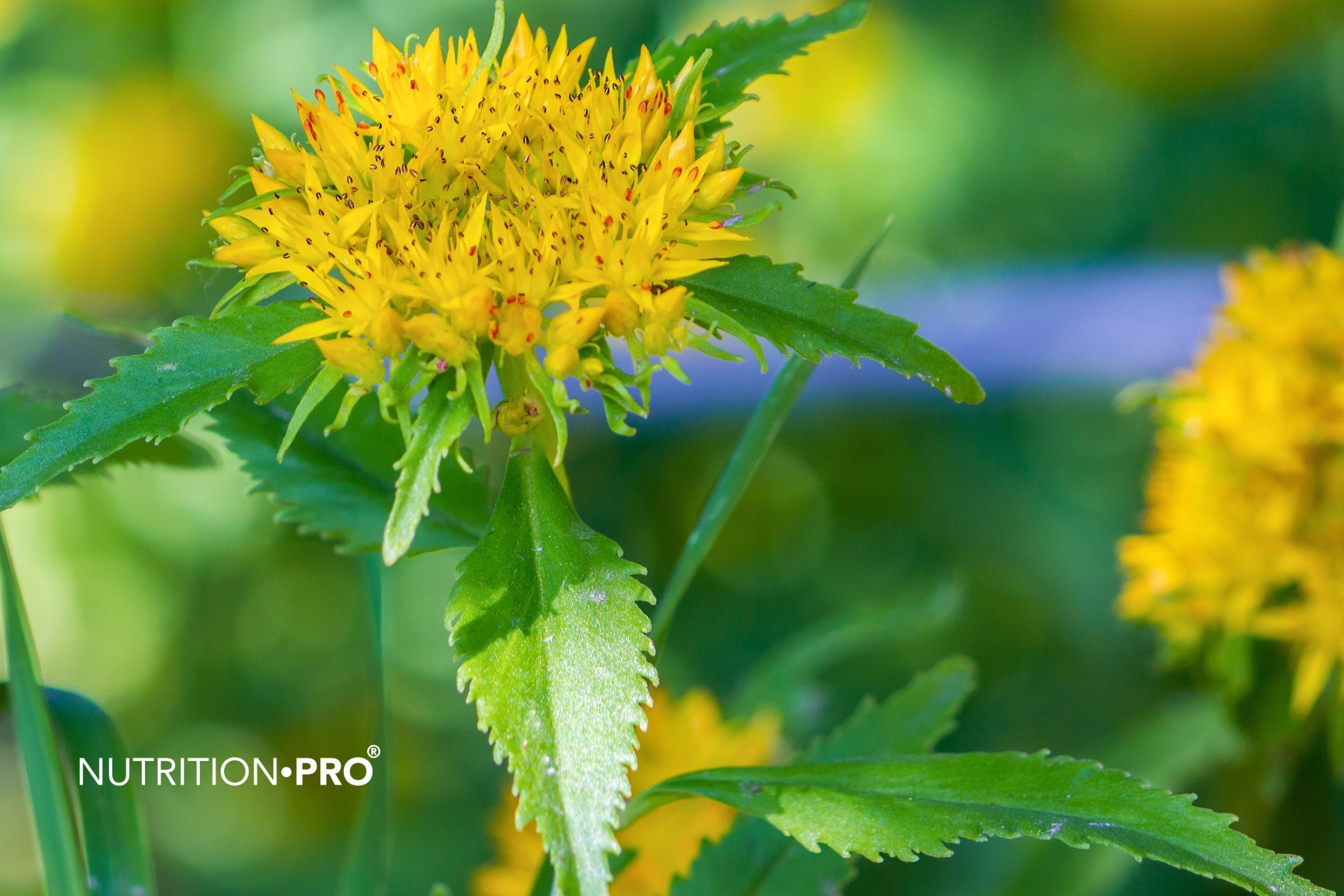
Rhodiola: Precise Dosage, Side Effects and Contraindications (Drug Interactions)
Rhodiola: exact dosage (200-600 mg/day), documented side effects, contraindications (bipolar disorder, SSRIs, pregnancy, hypertension), drug interactions with 6 classes. Medical advice before suppl...
Rhodiola and Sport: What 13 Clinical Trials Really Say (Acute vs Chronic)
Rhodiola and sport: 13 RCTs analyzed. Acute (1-3 hours before exercise) = endurance + perceived exertion. Chronic = anaerobic performance + muscle damage. Precise protocols according to your discip...
Rhodiola vs Ashwagandha: Differences, Profiles and How to Choose
Rhodiola or ashwagandha: opposite profiles. Rhodiola tonic for the tired and energetic. Ashwagandha soothing for the anxious and exhausted. Honest scientific comparison, without commercial bias.
Rhodiola, Chronic Stress and Burnout: What Science Really Says (And What It Doesn't)
Rhodiola and chronic stress: documented effects but significant limitations. Tonic paradox (may worsen anxiety), profiles to avoid, true place within a comprehensive anti-stress strategy.
Rhodiola Rosea: Scientific Benefits, Dosage and Uses
Rhodiola rosea: 7 scientifically documented benefits (stress, mental fatigue, mild depression, sports performance). Mechanism, dosage 200-680 mg, dosage and safety.
Saffron and Sleep: What a Study Really Changes
Saffron and sleep: 4 clinical studies decoded, new mechanism via endogenous melatonin (Lopresti 2021), comparison vs melatonin and Optimal Sleep, dosage and limitations.
Saffron: Side Effects, Contraindications and Precautions (The Real Breakdown)
Saffron and danger: documented adverse effects, maximum dose, pregnancy contraindication (Moallem 2013), SSRI/anticoagulant interactions, fraudulent market. 5 PubMed studies.
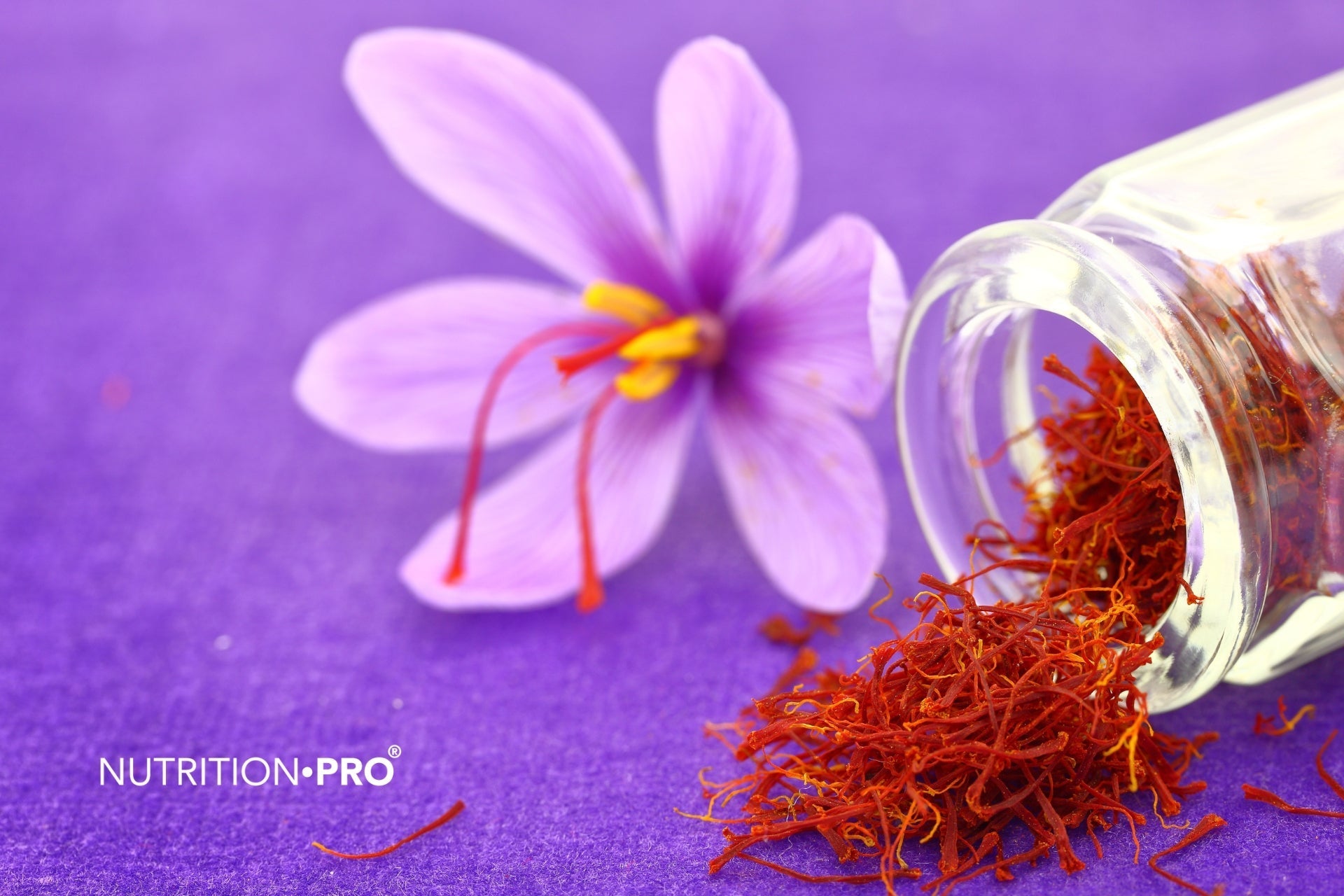
Saffron: Proven Benefits, Dosage, Quality
5 clinically proven benefits (mood, anxiety, sleep, cognition, PMS), 30 mg/day dosage, Safr'Inside® vs standard extracts, precautions. 8 published clinical studies.
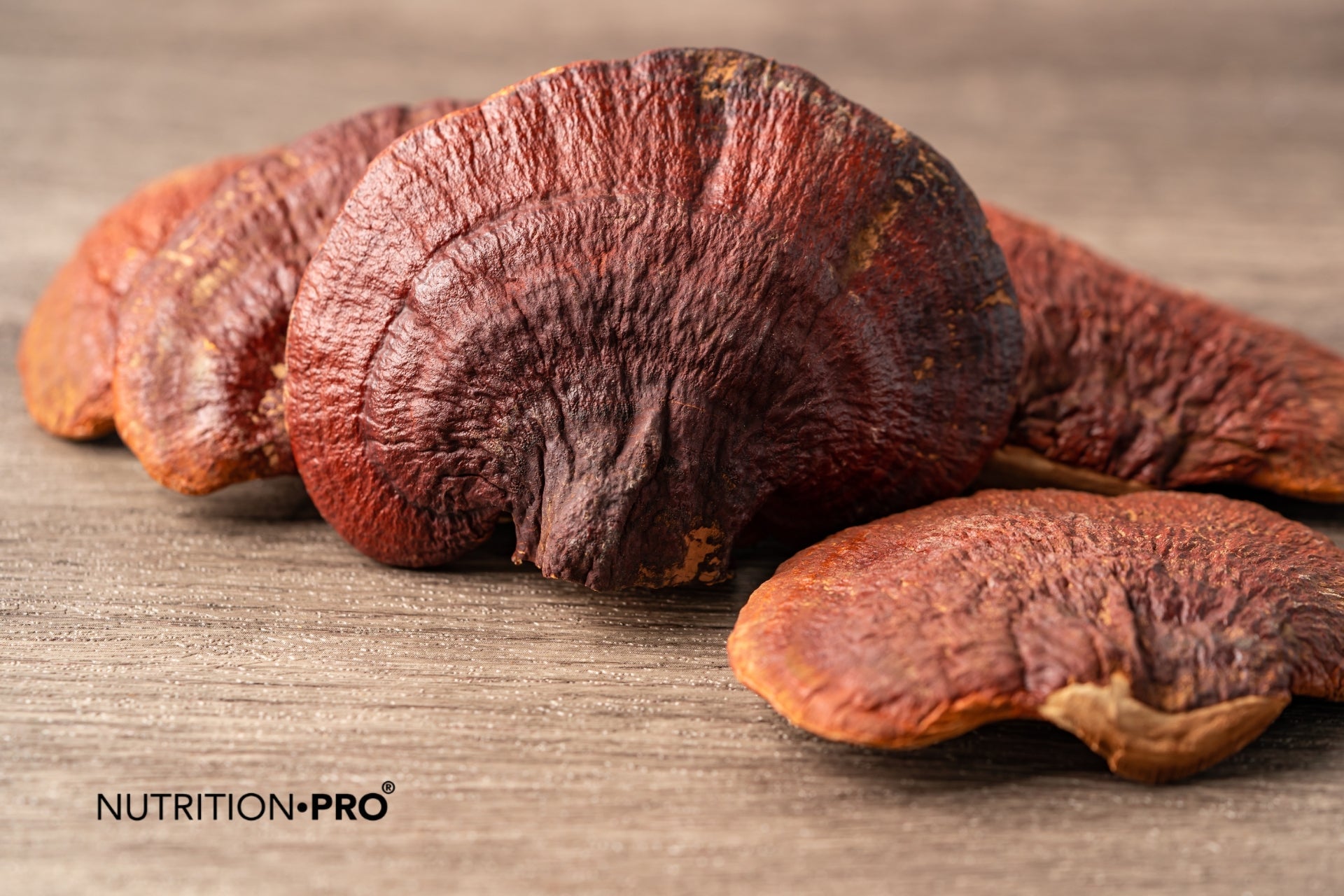
Reishi: 6 Proven Benefits for Stress, Sleep, and Immunity
Reishi (Ganoderma lucidum): what RCTs say about fatigue, sleep, immunity — complete guide, dosage, triterpenes and polysaccharides.
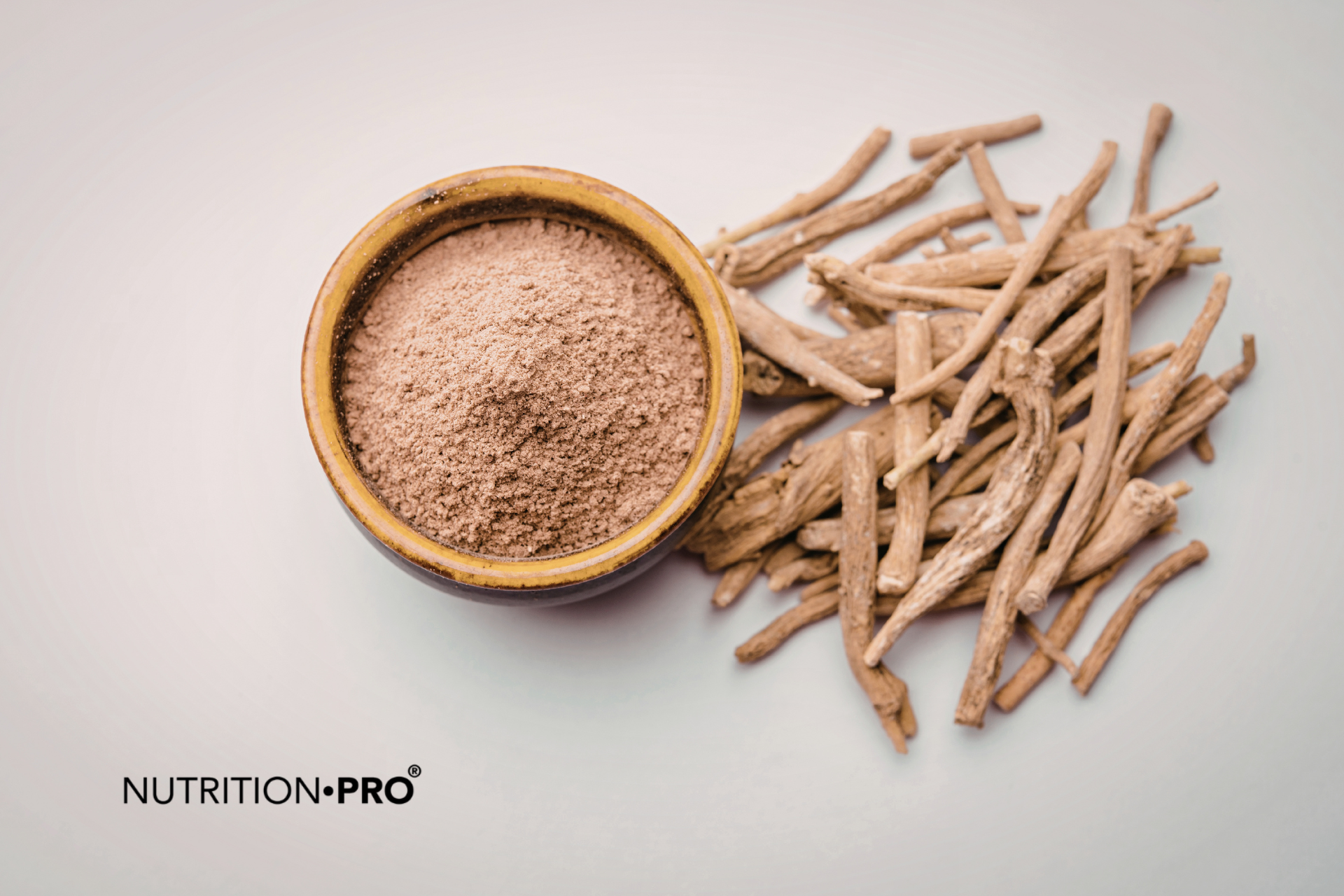
Ashwagandha: 10 Science-Proven Benefits
Ashwagandha: 10 Benefits Proven by Meta-Analyses 2021-2024. Stress, Cortisol, Sleep, Testosterone, Memory, and Muscle Strength.
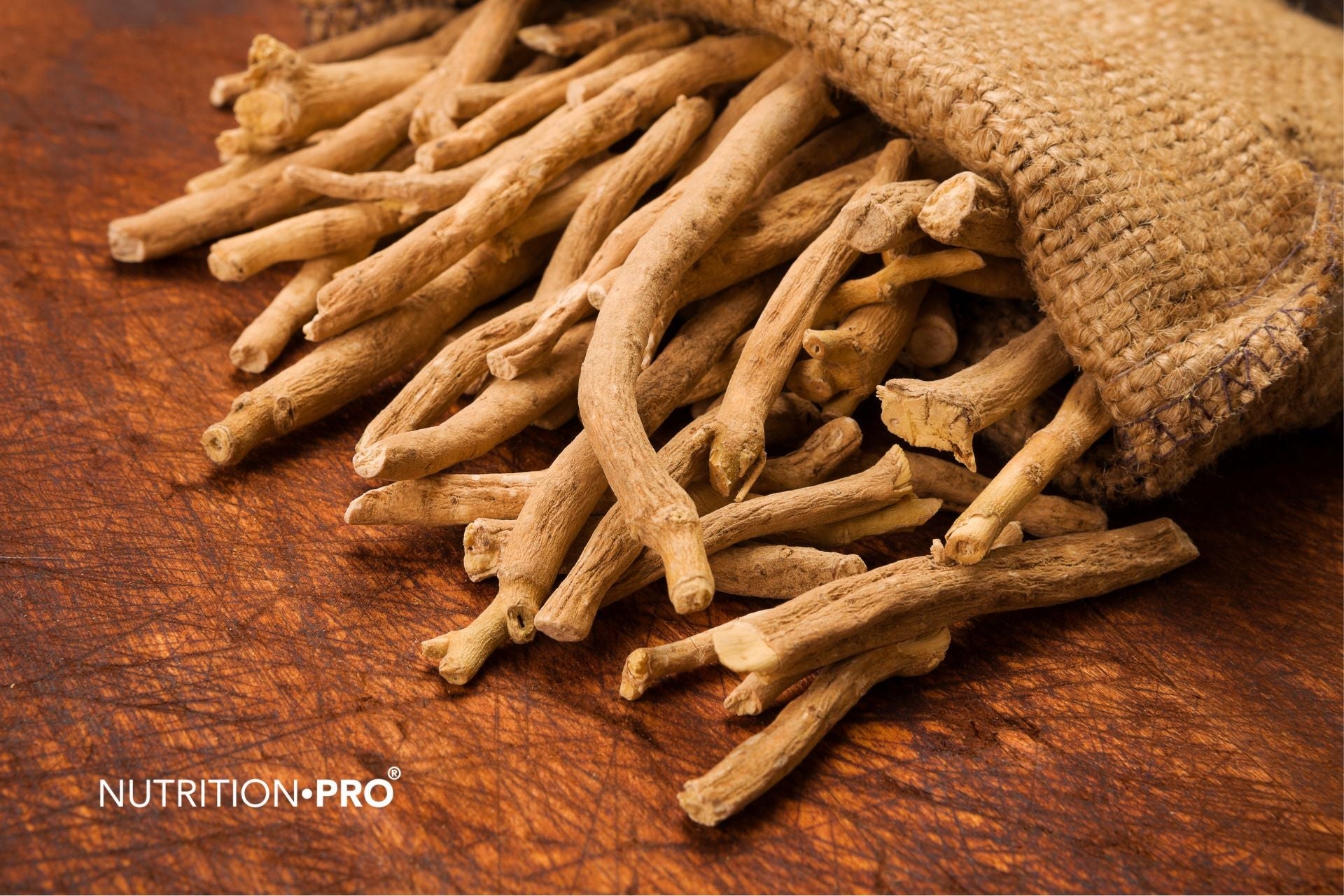
KSM-66 vs Sensoril vs Shoden: Which Ashwagandha Should You Choose?
Comparatif des 5 formes brevetées d'ashwagandha (KSM-66, Sensoril, Shoden, Witholytin) : concentration, études cliniques, dosage. Le guide d'achat 2026.
Kudzu and Addictions: A Scientifically Proven Natural Remedy?
The Kudzu (Pueraria lobata) is receiving growing interest to support alcohol, tobacco, and food-related withdrawal withdrawals. But between commercial promises and scientific reality, the g...
 Études indépendantes
Ce que dit la science sur les compléments alimentaires, les régimes et le déficit calorique
Nous avons épluché la littérature scientifique pour apporter de vraies réponses sur ces sujets saturés de promesses. L'objectif est simple : offrir une vision objective, chiffrée et vérifiable, plutôt que des certitudes marketing.
- 01 Shilajit in France in 2026: Price, Transparency and Demand, the First Market StudyFirst French market study on shilajit: 1.8 million searches analyzed, price benchmark across 13 brands, and transparency audit of certificates of analysis. Data collected August 2026.
- 02 Semaglutide (Ozempic, Wegovy) vs Glucomannan (Konjac): A Scientific ComparisonRigorous comparison between semaglutide (Ozempic, Wegovy) and glucomannan (Konjac): efficacy, safety, cost, sustainability. Two tools for two audiences: medication for confirmed obesity, supplement to help maintain an ordinary caloric deficit.
- 03 Top 10 Dietary Supplements for Weight Loss: Summary of 18 Meta-AnalysesObjective ranking of 10 dietary supplements for weight loss based on 18 meta-analyses. Net effect vs placebo, GRADE evidence level, tolerance and overall score. Glucomannan, green tea and caffeine rank at the top.
- 04 How Much Does Each Diet Cost? Comparative Analysis of 14 Popular DietsEconomic analysis of 14 dietary regimens in France: weekly cost, annual cost increase, and cost per kilogram lost. Based on average prices from major retailers and cross-referenced with efficacy measured in scientific literature.
- 05 Meta-analysis of 14 Diets: Synthesis of 12 Major Meta-analysesComparative synthesis of 14 popular diets (Mediterranean, ketogenic, DASH, Dukan, low-carb, intermittent fasting...) based on 12 meta-analyses published between 2010 and 2024. Weight loss, metabolic markers, dropout rates, and long-term benefits, compared objectively.
- 06 Weight Loss Supplements vs Calorie Deficit: How Many Calories Do You Need to Burn to Lose a Kilogram?Rigorous comparison of the effectiveness of simple caloric deficit versus the most popular weight loss supplements, based on scientific literature. Synthesis of 10 meta-analyses and kinetic modeling by the NIH.
THEY TALK ABOUT US


