

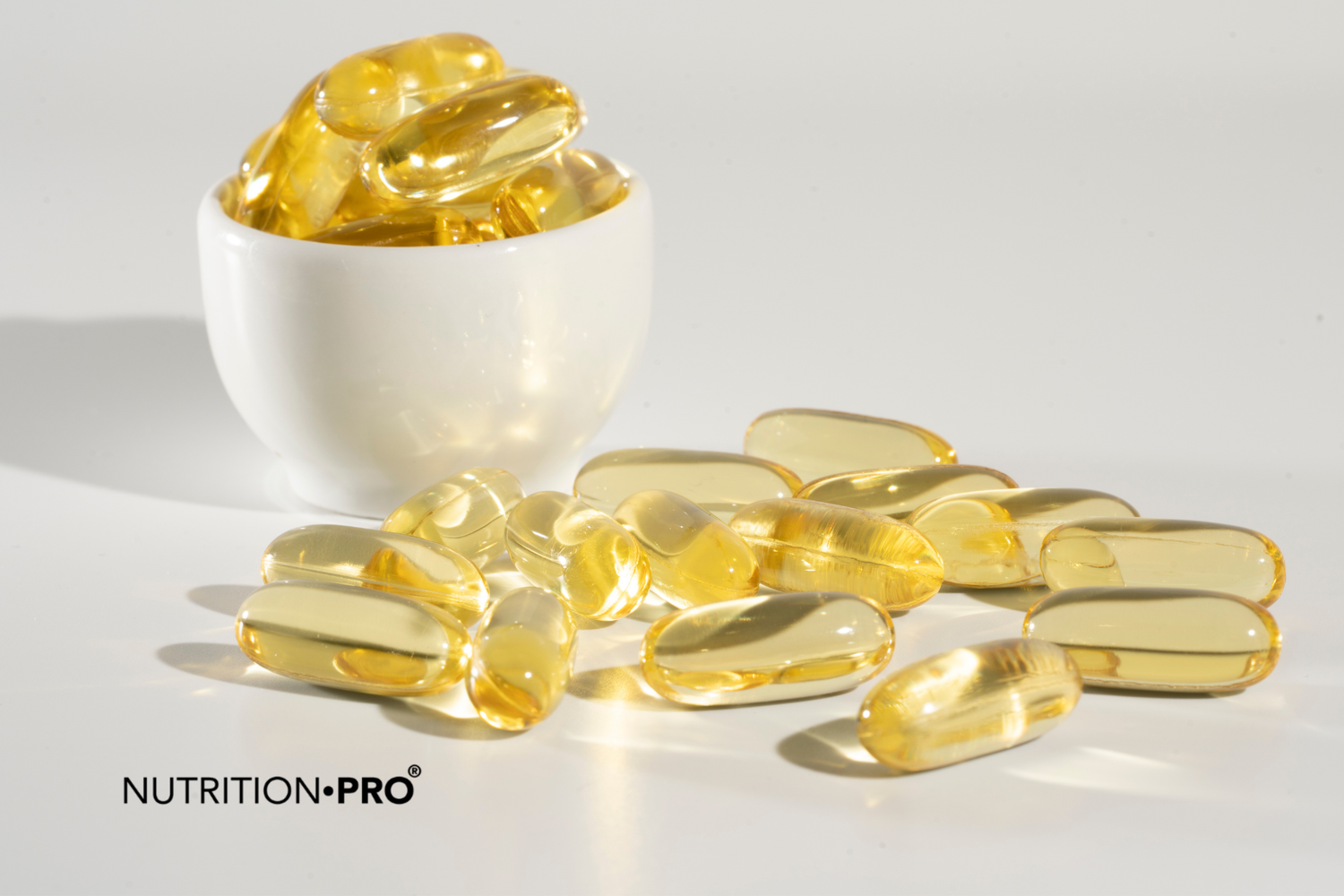
Buying an quality omega 3 in 2026 means knowing how to read beyond the label. Between the molecular forms (TG, EE, rTG, phospholipids), the extraction quality labels (Omegavie®, EPAX®, Qualitysilver®), the sustainable fishing certifications (Friends of the Sea®, IFOS, MSC) and theTOTOX index which measures freshness, there are numerous parameters. According to Pasini et al. 2022 in Biomolecules (study of 20 supplements on the French market), quality varies considerably between products, and serious brands are recognized by precise and verifiable criteria. Here is the complete 2026 comparative guide to make an informed choice.

In brief: 5 criteria distinguish a quality omega 3: (1) Molecular form : TG or rTG > EE for bioavailability (according to Backes et al. 2016 in Lipids in Health and Disease, carboxylic forms are 4× more bioavailable than EE). (2) Extraction quality label : Omegavie® (Polaris France), EPAX® (Norway), Qualitysilver® (patented anti-oxidation process). (3) Sustainable fishing certification : Friends of the Sea®, MSC, IFFO RS. (4) Finished product certification : IFOS (5 stars ideal). (5) TOTOX Index : maximum 26 according to GOED, but premium < 10 and top < 6.
Concrete action: For optimal supplementation, prioritize the combination TG + premium label + Friends of the Sea® + TOTOX < 6 + French or European manufacturing. TheOmega 3 (Omegavie®) Nutrition•pro meets all these criteria: Omegavie® oil from Polaris (France), Qualitysilver® process, Friends of the Sea® certification, TOTOX < 6, cold-pressed without solvents. Optimal intake: 1000-2000 mg/day of combined EPA+DHA, in 2 capsules during a main meal. Minimum 3-month course for cardiovascular and anti-inflammatory effects.
- The 5 quality criteria for a serious omega 3 in 2026
- Molecular forms: TG, EE, rTG, phospholipids compared
- Extraction labels: Omegavie®, EPAX®, Qualitysilver® detailed
- Sustainable fishing certifications: Friends of the Sea®, MSC, IFFO RS
- TOTOX index: why it's the decisive freshness criterion
- Compared sources: fish, krill, algae, cod liver
- EPA vs DHA: which composition based on health objective
- User profiles: cardio, brain, joints, pregnancy, sports
- Myths (gummies, opened capsules, homeopathic dosages, krill > fish)
- The winning combo: Omegavie® + Qualitysilver® + Friends of the Sea® + TOTOX < 6
1. The 5 quality criteria for a serious omega 3 in 2026
The reading framework that distinguishes a premium supplement from a low-cost product
FOR A PREMIUM PRODUCT
Choosing a quality omega 3 is not done by price or bottle design. The parameters that determine real effectiveness are precise, technical, and verifiable on the label. According to Jairoun et al. 2020 in PLoS One (study on 44 omega 3 supplements), quality varies considerably, with an average TOTOX of 23.8 (close to the GOED limit of 26) — in other words, many commercial products are flirting with maximum tolerated oxidation.
The 5 criteria of the 2026 reading framework
Criterion 1: Molecular form of omega 3. Three major forms exist in supplements: natural triglycerides (TG), ethyl esters (EE), re-esterified triglycerides (rTG). According to Backes et al. 2016 in Lipids in Health and Disease, bioavailability varies significantly: free carboxylic forms and TG/rTG are up to 4 times better absorbed than EE. EE are cheaper to produce (easy industrial concentration) but absolutely require pancreatic lipase to be absorbed.
Criterion 2: Extraction quality label. Patented omega 3 oils guarantee a controlled and reproducible process: Omegavie® (Polaris Nutritional Lipids, France), EPAX® (Norwegian group Pelagia), Qualitysilver® (Polaris patented anti-oxidation process). These labels display their traceability, extraction process (ideally cold-pressed without solvents), and purity levels.
Criterion 3: Sustainable fishing certification. Friends of the Sea® (FOS), MSC (Marine Stewardship Council), IFFO RS are the main certifications attesting that fish come from non-overexploited fisheries, using low-impact methods. This is a major ethical and environmental criterion in 2026, but also a guarantee of raw material quality.
Criterion 4: TOTOX index (total oxidation). This is the most decisive criterion and the least displayed by low-cost brands. TOTOX combines peroxides (PV) and anisidine (AV) to measure the total freshness of the oil. GOED standard maximum: 26. Premium: < 10. Omegavie® top level: < 6.
Criterion 5: Manufacturing and origin. French or European manufacturing guarantees compliance with the strictest purity standards (absence of PCBs, heavy metals, dioxins, pesticides). The origin of fish (small wild blue fish such as anchovies, sardines, mackerel) is preferable to large fish (salmon, tuna) which accumulate more contaminants through bioaccumulation.
2. Molecular forms: TG, EE, rTG, phospholipids compared
Chemical structure directly influences intestinal absorption
FREE FORM VS EE
The molecular form the form in which omega 3s are formulated in a supplement directly determines their intestinal absorption and therefore their actual effectiveness. This is probably the most important and most misunderstood technical criterion by the general public.
The 4 molecular forms you will find on the market
| Molecular Form | Bioavailability | EPA+DHA Concentration | Typical Source |
|---|---|---|---|
| TG (Natural Triglycerides) | Excellent (100% reference) | 30-60% | Omegavie® natural oil, cod liver oil |
| rTG (Re-esterified Triglycerides) | Excellent (~100% or higher) | 50-90% (concentrated) | EPAX® concentrated oils, Omegavie® concentrated |
| EE (Ethyl Esters) | 30-50% lower | 60-90% | Low-cost supplements, some concentrated EPAX® |
| Phospholipids | Comparable or slightly higher than TG | 10-15% | Krill oil (Antarctic), omega 3-rich eggs |
Why TG/rTG are superior to EE
<<<33>>> Triglycerides (TG) triglycérides (TG) are the natural form in which omega 3s are found in fish: three fatty acids (including EPA and DHA) attached to a glycerol. Our digestive system is biologically adapted to digest them efficiently via pancreatic and lingual lipases. No rate-limiting step, near-optimal absorption, transport via chylomicrons then fluid tissue distribution.
Ethyl esters (EE) are a modified synthetic form where the fatty acid is attached to an ethanol molecule. This structure allows for higher concentration of EPA and DHA (up to 90%) during the industrial molecular distillation process, which reduces production costs. BUT : absorption only via pancreatic lipase (rate-limiting step), loss of 30-50% efficacy, requirement to take during a meal rich in fats to optimize absorption.
Re-esterified triglycerides (rTG) are the best of both worlds : starting from natural oil, EPA+DHA is concentrated through industrial process, then re-esterified concentrated fatty acids onto natural glycerol. High concentration (50-90%) + optimal bioavailability (equivalent to or superior to natural TG). It's the most premium form on the market.
The particular case of krill phospholipids
Krilloil (extracted from Antarctic krill Euphausia superba) offers a unique molecular form: omega-3s are linked to phospholipids (notably phosphatidylcholine), which gives them bioavailability comparable to or slightly superior to TG. Advantages: naturally containsastaxanthin (antioxidant carotenoid that protects the oil from oxidation), no oil reflux at meals. Disadvantages: very low EPA+DHA concentration (typically 10-15%, vs 60% for Omegavie®), much higher cost per mg of active omega-3, sometimes opaque traceability, fishing in Antarctic waters with discussed environmental impact.
For the majority of users, the TG (natural triglycerides) or rTG (concentrated re-esterified triglycerides) form offers the best bioavailability/concentration/cost ratio. This is precisely what the Omegavie® label from Polaris offers (natural or concentrated TG form depending on versions). Avoid ethyl esters (EE) as much as possible if the goal is maximum efficacy, except when very high concentration is desired and systematic intake during a fatty meal is ensured. Krill remains a niche premium option for those who tolerate fish oil capsules poorly.
3. Extraction labels: Omegavie®, EPAX®, Qualitysilver® analyzed
Registered trademarks that guarantee a controlled extraction process
Behind every omega-3 supplement is always an oil supplier (the dietary supplement manufacturer purchases the purified raw oil and encapsulates it). These specialized suppliers have developed proprietary labels which guarantee a precise and reproducible extraction and purification process. Knowing these labels makes it possible to differentiate serious supplements from low-cost products whose oil origin is never mentioned.
Omegavie® : the French premium standard (Polaris)
Omegavie® is the registered trademark of Polaris Nutritional Lipids, the leading French specialist in specialty omega 3 oils, based in Quimper in Brittany. Technical specifications: (1) Raw material : small wild blue fish (anchovies, sardines, mackerel) from Friends of the Sea® certified fishing. (2) Extraction process : cold-pressed without solvents, preserving original freshness. (3) Purification : elimination of contaminants (PCBs, dioxins, heavy metals, pesticides) below the strictest regulatory thresholds. (4) Molecular form : available in TG (Omegavie® DHA Algae or concentrated TG) or EE depending on versions. (5) Guaranteed TOTOX : below 6 (international premium standard).
Qualitysilver® : the patented anti-oxidation process
Qualitysilver® is a patented technological process by Polaris (and not an oil in itself). It is an antioxidant protection technique applied throughout the production chain: preservation, encapsulation, storage. The process preserves the exceptional freshness of the oil by limiting its contact with oxygen and light, two major oxidation factors. Result: a very low TOTOX and lasting, even after several months of shelf storage. It's the winning combination: Omegavie® oil + Qualitysilver® process = maximum quality from start to finish.
EPAX® : the historic Norwegian competitor
EPAX® is the registered trademark of the Norwegian group Pelagia AS (historic world leader in marine omega 3 oils). Characteristics: (1) Norwegian or Peruvian origin depending on versions. (2) Process of molecular distillation which allows very high concentrations of EPA and DHA (up to 90% combined). (3) Available mainly in EE and rTG (the premium versions). (4) Numerous certifications: Friends of the Sea®, IFFO RS, IFOS 5 stars. (5) Quality recognized worldwide, but often in EE form which raises the question of bioavailability (the rTG version, more expensive, solves this problem).
Direct comparison Omegavie® vs EPAX®
| Criterion | Omegavie® (Polaris, France) | EPAX® (Pelagia, Norway) |
|---|---|---|
| Origin | Sustainable fishing (anchovies, sardines, mackerel) | Sustainable fishing Norway/Peru |
| Extraction | Cold pressing without solvents | Molecular distillation |
| Primary molecular form | Natural TG or concentrated rTG | Predominant EE, premium rTG |
| Anti-oxidation process | Patented Qualitysilver® | Standard antioxidant stabilization |
| EPA+DHA concentration | 30-70% depending on versions | 60-90% (concentrated versions) |
| Typical TOTOX | < 6 (premium) | < 10 (premium) |
| Certifications | Friends of the Sea®, IFFO RS | Friends of the Sea®, IFFO RS, IFOS |
| Manufacturing origin | Brittany, France | Norway |
Both labels are premium and reliable. The choice between Omegavie® and EPAX® depends on your priorities: Prefer Omegavie® for natural TG form, French manufacturing, Qualitysilver® anti-oxidation process, and particularly low TOTOX. Prefer EPAX® for very high concentrations if your target dose is significant (for example 3-4 g/day of EPA+DHA for severe hypertriglyceridemia).
4. Sustainable fishing certifications: Friends of the Sea®, MSC, IFFO RS, IFOS
Four complementary certifications for traceability and finished product quality
Environmental and quality certifications are more than just a marketing argument: they constitute an independent third-party guarantee that the production chain complies with precise standards. Four certifications dominate the omega 3 market in 2026, each with a specific scope.
Friends of the Sea® (FOS): eco-responsible fishing
Friends of the Sea® is an independent international certification (based in Milan) that guarantees fishing products come from non-overexploited fish stocks, captured using methods respectful of the marine ecosystem. Criteria: (1) Non-threatened species (annual stock verification). (2) Low-impact fishing methods (limitation of bycatch, no destructive seabed practices). (3) Respect for marine protected areas. (4) Complete traceability from catch to processing. Widely used for marine omega-3 oils (Omegavie®, EPAX®, and many others).
MSC (Marine Stewardship Council): the reference certification
MSC is the most globally recognized sustainable fishing certification, created in 1997 by WWF and Unilever. Stricter than Friends of the Sea® in some areas (particularly on-site audits of vessels), it is rarer on omega-3 supplements because its cost and administrative complexity deter many suppliers. Primarily present on food products (fresh fish, canned goods). On a supplement, the MSC logo is an excellent guarantee of environmental quality.
IFFO RS: the certification for oil manufacturers
IFFO RS (International Fishmeal and Fish Oil Organisation Responsible Supply) is the certification specific to fish oil and meal producers. It evaluates the entire production chain: responsible sourcing, complete traceability, food safety, compliance with environmental and social standards. It is a more technical certification that complements Friends of the Sea® or MSC: FOS/MSC certifies the fishing, IFFO RS certifies the industrial processing that follows. Suppliers such as Polaris (Omegavie®) and Pelagia (EPAX®) are systematically certified IFFO RS.
IFOS (International Fish Oil Standards): the finished product certification
IFOS is different from the other three: it is an independent laboratory testing program that evaluates the finished product (capsules or oils sold to consumers). Tests include: (1) Actual EPA/DHA content vs. label claims. (2) Oxidation level (TOTOX, PV, AV). (3) Environmental contaminants (heavy metals: mercury, lead, cadmium; PCBs; dioxins; pesticides). (4) Final rating on 5 stars. A 5/5 IFOS score means the product exceeds all international quality standards. It is the most reassuring certification for consumers, as it tests the product that will actually be consumed.
The ideal: a supplement that combines multiple complementary certifications. Friends of the Sea® OR MSC for sustainable fishing + IFFO RS for processing quality + IFOS for finished product testing = winning trio. Note that a complete absence of certification should raise an alert: a manufacturer that does not submit their product to third-party controls often has something to hide (low-grade raw materials, high oxidation, tolerated contaminants). TheOmega 3 Omegavie® Nutrition•pro benefits from Polaris's Omegavie® oil, certified Friends of the Sea® and IFFO RS.
5. TOTOX index: why it's the decisive freshness criterion
An oxidized oil loses its effectiveness and can generate an inverse inflammatory effect
FOR NON-OXIDIZED OIL
TheTOTOX index (TOTal OXidation value) is probably the most important technical criterion for evaluating the quality of an omega-3 supplement, and paradoxically the most rarely displayed by low-cost brands. For good reason: displaying a high TOTOX would immediately reveal low-quality oil or poorly stored oil.
How TOTOX is calculated
TOTOX is calculated according to the formula: TOTOX = (2 × PV) + AV, where:
- PV (Peroxide Value) : measures theprimary oxidation (formation of lipid peroxides, first products of oxidative degradation). GOED maximum standard: 5 meq/kg.
- AV (Anisidine Value) : measures thesecondary oxidation (formation of aldehydes after peroxide degradation). GOED maximum standard: 20.
The GOED maximum threshold for TOTOX is 26. Beyond this, the oil is considered oxidized and unfit for consumption. But this threshold is already very lenient : truly fresh oils display a TOTOX well below this.
TOTOX quality tiers
| TOTOX | Quality | Practical interpretation |
|---|---|---|
| < 6 | Excellent (premium) | Exceptional freshness: Omegavie® Qualitysilver®, top of the market |
| 6-10 | Very good | Premium standards: EPAX® concentrate, other high-end oils |
| 10-20 | Acceptable | Average quality: mainstream supplements, standard marketing |
| 20-26 | Borderline | Close to GOED threshold, often low-cost or prolonged storage |
| > 26 | Non-compliant | Oxidized, to be absolutely avoided (beyond regulatory threshold) |
Why oxidized oil is counterproductive
An oxidized omega-3 oil loses its benefits and can generate reverse effects. Lipid peroxides and secondary aldehydes (from oxidation) are pro-oxidant compounds that: (1) Increase cellular oxidative stress (instead of reducing it). (2) Can generate an inflammatory response (opposite to the sought anti-inflammatory effect). (3) Cause the famous fish burps (belching, unpleasant oily taste), direct sign of oxidation. (4) Reduce shelf life beyond the displayed date. Buying an omega-3 with high TOTOX therefore amounts to paying for an effect potentially contrary to the one sought.
How to verify a product's TOTOX
Three possible sources of information: (1) Product label : rare but exists on premium brands (Nutrition•pro displays TOTOX < 6 for Omegavie® Omega 3). (2) Manufacturer's website : serious brands publish the analysis report by batch. (3) IFOS certification : if present with 5 stars, the TOTOX has been independently tested and complies with premium standards. If no mention of TOTOX anywhere, it's generally a bad sign — don't hesitate to ask the manufacturer by email, their refusal or silence is telling.
6. Compared sources: fish, krill, algae, cod liver
Four natural sources of marine omega-3, very different profiles
| Source | Typical EPA+DHA | Molecular form | Relative price | Target audience |
|---|---|---|---|---|
| Fish oil (anchovies, sardines, mackerel) | 30-70% | TG, rTG, EE | €€ (benchmark) | General public, optimal efficacy/price ratio |
| Krill oil (Antarctic) | 10-15% | Phospholipids | €€€€ | Sensitive to fish burps, premium niche |
| Algae oil (Schizochytrium) | DHA alone predominant (10-40%) | TG | €€€ | Vegetarians, vegans, vegan pregnancy |
| Cod liver oil | 10-20% | Natural TG | € | Traditional approach, rich in vitamins A and D |
Fish oil: the scientific standard
Thefish oil derived from small wild blue fish (anchovies, sardines, mackerel, herrings) is the most studied source in scientific literature and offers optimal efficacy-to-price ratio. All major cardiovascular meta-analyses (Khan 2021, Abdelhamid 2020) use essentially fish oil as the intervention. Advantages: EPA+DHA concentration adjustable according to processing methods (30-90%), varied molecular forms available (TG, rTG, EE), reasonable price, well-established traceability via Friends of the Sea® and MSC. It is the recommended choice for the majority of users.
Krill oil: the premium niche
Thekrill oil (extracted from Antarctic krill Euphausia superba) offers omega-3s in the form of phospholipids (notably phosphatidylcholine), a form that may be slightly better absorbed than TG according to some studies. Also naturally containsastaxanthin, an antioxidant carotenoid that protects the oil against oxidation. Frequent claim: no oil reflux after meals, which is appreciated by sensitive individuals. However : the EPA+DHA concentration is very low (10-15% vs 60% for Omegavie®), so you need to take 5 to 8 capsules per day to reach clinical doses, and the cost per mg of active omega-3 is 3 to 5 times higher than fish oil. Fishing in Antarctica with debated environmental impact.
Algae oil: the only vegan option
Thealgae oil (microalgae Schizochytrium primarily) is the only vegan/vegetarian source long-chain marine omega-3s. Particularity: rich especially in DHA, low in EPA. Perfectly suited for vegan profiles, particularly during pregnancy and breastfeeding (DHA needs for baby's brain development). Disadvantages : high cost, variable concentration depending on manufacturers, low in EPA (needs to be supplemented for cardiovascular goals which depend mainly on EPA).
Cod liver oil: tradition revisited
<<<6>>> Cod liver oilhuile de foie de morue is the historical source of omega-3 (recommended to children since the 19th century for rickets). Advantages: naturally rich in vitamin A and vitamin D in addition to omega-3s, making it a versatile supplement. Disadvantages: modest EPA+DHA concentration (10-20%), pronounced fish taste and odor (except modern deodorized products), risk of vitamin A accumulation at high doses over the long term (potential liver toxicity if chronic overdose). Best used as an occasional course or in winter for vitamin D supplementation, not as continuous year-round routine.
7. EPA vs DHA: which composition according to health objective
Two complementary fatty acids with different tissue actions
EPA and DHA are the two main long-chain marine omega-3s, but they have complementary actions that sometimes justify orienting the EPA/DHA ratio according to the target objective.
EPA (eicosapentaenoic acid): the cardiovascular anti-inflammatory
<<<28>>> EPAEPA is the main actor in the anti-inflammatory and cardiovascular effect of omega-3s. Mechanisms: precursor of resolvins of the E series (E1, E2, E3), signaling molecules that orchestrate the resolution of inflammation. Reduces synthesis of pro-inflammatory leukotriene B4 (LTB4). Significantly decreases circulating triglycerides (-15 to -25% at doses ≥ 2 g/day). Improves blood fluidity and reduces platelet aggregation. According to Khan 2021, EPA as monotherapy (icosapent ethyl, Vascepa® medication) is more effective than the EPA+DHA combination for cardiovascular mortality.
DHA (docosahexaenoic acid): the constituent of the brain and retina
The DHA is the major structural fatty acid of the nervous system: it represents 40 to 60% of brain fats and 60% of retinal fats. Essential for neuronal development during pregnancy, childhood, and adolescence. Roles: maintenance of fluidity of neuronal membranes, synaptic plasticity, protection against age-related cognitive decline, visual health. For pregnant and nursing women: a minimum intake of 200 mg/day of DHA is recommended by EFSA to support the baby's brain and visual development. ANSES (France) even recommends 250 mg/day of DHA in routine adult use.
Choose your EPA/DHA ratio according to your objective
| Primary objective | Recommended ratio | Typical dose |
|---|---|---|
| Cardiovascular prevention | EPA predominant or EPA/DHA 2/1 | 1000-2000 mg EPA+DHA/day |
| Hypertriglyceridemia | EPA predominant | 2000-4000 mg EPA+DHA/day |
| Anti-inflammatory (joint pain) | EPA predominant or 2/1 | 2000-3000 mg EPA+DHA/day |
| Adult cognition / decline prevention | EPA/DHA 1/1 or DHA predominant | 1500-2000 mg/day |
| Pregnancy and nursing | DHA predominant | Minimum 200 mg DHA/day |
| Vision and eye health | DHA predominant | 500-1000 mg DHA/day |
| General versatility (balance) | EPA/DHA 2/1 (standard) | 1000-2000 mg/day |
TheOmega 3 (Omegavie®) Nutrition•pro offers a balanced EPA/DHA ratio suited to most versatile objectives (cardiovascular, general anti-inflammatory, cognitive), with a concentration 3× higher than standard formulas to achieve clinical doses in just 2 capsules per day.
User Profiles: Which omega 3 for whom?
5 user profiles and their specific recommendations
Profile 1: Adult 40+, general cardiovascular prevention
Most common and best-documented profile. Characteristics: 40-65 years old, sedentary or moderately active, diet low in fatty fish (< 2 servings/week), sometimes cardiovascular risk factors (overweight, smoking, stress, family history). Recommendations: Omega 3 Omegavie® with balanced EPA/DHA ratio, 1000-2000 mg EPA+DHA/day, or 2 capsules per day with a meal. Continuous supplementation throughout the year. Expected benefits according to Khan 2021: reduction in cardiovascular mortality (-7%), coronary events (-9%), triglycerides (-15%). Combine with physical activity and Mediterranean diet.
Profile 2: Moderate to severe hypertriglyceridemia
Specific medical profile. Characteristics: fasting triglycerides > 1.5 g/L (moderate) to > 5 g/L (severe), often associated with metabolic syndrome. Recommendations: high doses of omega 3 (2-4 g EPA+DHA/day) with EPA predominant, under medical supervision. According to Abdelhamid 2020 (Cochrane), dose-dependent triglyceride reduction of approximately 15% per g/day of omega 3. Cardiology consultation essential before high-dose supplementation, particularly if currently taking statins, anticoagulants, or fibrates. Concentrated rTG form (concentrated EPAX®) or concentrated Omegavie® TG is preferable here to achieve doses without multiplying capsules.
Profile 3: Pregnant or breastfeeding woman
Profile with very specific DHA requirements. Characteristics: current pregnancy or breastfeeding, increased needs for baby's brain and visual development. Recommendations: minimum 200 mg DHA/day (EFSA) to 250 mg DHA/day (ANSES) from the 3rd month of pregnancy through the end of breastfeeding. Prioritize a supplement with DHA predominant (vegan-compatible algae or fish oil type Omegavie® DHA Algae). Verify absolute absence of contaminants (mercury, PCB, dioxins) — this is where IFOS certification proves its full value. Obstetric consultation recommended before supplementation.
Profile 4: Athlete and adult with joint pain
Profile increasingly common with regular sports practice. Characteristics: 30-55 years old, sports 3-6h/week, post-exercise joint pain, sometimes early arthritis in older individuals. The anti-inflammatory effect of omega 3 is the major argument here. Recommendations: 2000-3000 mg EPA+DHA/day with EPA predominant for its anti-inflammatory action via E-series resolvins. Minimum 12-week course for measurable joint effect. Synergies: can be combined with marine collagen Naticol® for complete joint action (matrix + anti-inflammatory).
Profile 5: Senior 65+ years old, cognitive decline prevention
Emerging profile with growing scientific evidence. Characteristics: 65-85 years old, early memory complaints, family history of neurodegenerative diseases, mild cognitive decline. Recommendations: omega 3 with predominant DHA or 1/1 ratio, 1500-2000 mg EPA+DHA/day. Continuous treatment throughout the year. Expected effect: maintenance of cognitive function, neuronal protection via membrane fluidity and resolution of brain inflammation. Combine with vitamin D3, cognitive physical activity (reading, games), and Mediterranean diet for maximum synergy.
Profile: Male, 58 years old, senior executive, BMI 28 (overweight), disrupted blood work: triglycerides at 2.4 g/L (normal < 1.5), total cholesterol 2.3 g/L, LDL 1.4 g/L, fasting blood glucose 1.07 g/L (high-normal), BP 138/85 mmHg, no smoking, unbalanced diet (little fish, many prepared meals). Family history: father's myocardial infarction at age 62.
Approach proposed by the cardiologist: Lifestyle modification first (Mediterranean diet, 45-minute walks/day, weight loss of 5-8 kg). Supplementation with omega 3 Omegavie® at 2000 mg EPA+DHA/day in 4 capsules during meals. Statin not started immediately, follow-up at 3 months. No concurrent anticoagulant use.
Results at 3 months: Triglycerides at 1.3 g/L (-46%, normalized), LDL at 1.25 g/L (-11%), HDL increased from 0.38 to 0.45 g/L, weight loss of 4.5 kg, BP 128/78 mmHg. At 6 months: results maintained, statin avoided in agreement with cardiologist, continuation of omega 3 at maintenance dose 1000 mg EPA+DHA/day. Summary : primary objective achieved without chronic medication thanks to the combination of lifestyle modification + quality omega 3 at effective dose.
Myths and misconceptions about omega 3
5 false ideas that lead to buying ineffective or unsuitable supplements
Myth 1: "Omega 3 gummies are a convenient alternative"
FALSE, they are virtually ineffective. Omega 3 gummies typically contain 50 to 150 mg of EPA+DHA per gummy, which is 10 to 20 times less than recommended intake (1000-2000 mg/day). Even eating 4-6 gummies per day, you remain far below the clinical threshold. Add to this: added sugars (bad for the lipid profile you're trying to improve), artificial flavors that mask often oxidized raw material, cost per mg of active omega 3 that is absurd. A fun format but misleading marketing. To avoid for any serious treatment.
Myth 2: "Krill is always better than fish oil"
FALSE, questionable premium marketing. Krill has real advantages (phospholipids, astaxanthin, no fish oil aftertaste) but also major drawbacks: very low EPA+DHA concentration (10-15% vs 60% for concentrated Omegavie®), so you need to take 5-8 capsules per day to reach the effective dose, cost 3-5× higher per mg of active omega 3, fishing in Antarctica with discussed environmental impact. For 95% of users, a quality Omegavie® fish oil remains a better choice in terms of efficacy/price/sustainability. Krill retains relevance as a niche for people very sensitive to traditional fish oil aftertaste.
Myth 3: "Opening capsules to mix the oil into food is risk-free"
FALSE, it's a common mistake. Theencapsulation of omega 3 has a precise technical function: protect the oil from oxygen during storage, transport and intake. Opening a capsule immediately exposes the oil to air, which triggers oxidation within minutes, particularly at room temperature. The oil "released" that you mix into your yogurt no longer has the TOTOX of the encapsulated oil — it oxidizes rapidly. Worse: if you heat the preparation (warm smoothie, cooked dish), you further accelerate oxidation. Always swallow the capsules intact. For those who really cannot swallow them, prefer an oil sold in a bottle with a dropper (Omegavie® liquid exists), designed from the start not to be encapsulated, with integrated antioxidants.
Myth 4: "The more concentrated in EPA+DHA, the better"
FALSE, it's more nuanced. The concentration has an obvious practical advantage (fewer capsules to take for the same dose), but it's not everything: a supplement at 90% EPA+DHA in EE form will be less bioavailable than a supplement at 60% in TG/rTG form. What matters is the dose actually absorbed and utilized by the body, not the concentration displayed on the label. Extreme concentration is useful for medical cases requiring 3-4 g/day (severe hypertriglyceridemia), not for the average user aiming for 1-2 g/day. Always prioritize bioavailability (TG/rTG form) + quality (low TOTOX) over raw concentration.
Myth 5: "Plant-based omega-3s (flax, chia) are sufficient"
FALSE, very limited conversion. Plant oils (flax, chia, walnuts, canola) are rich in ALA (alpha-linolenic acid), a short-chain omega-3. To be useful, ALA must be converted by the body into EPA and DHA. But this conversion is very inefficient : less than 5-10% of ALA is converted to EPA, and less than 0.5% to DHA (even less in men). Consequence: to obtain 200 mg of DHA through conversion, you would need to consume approximately 40 g of ALA per day, which is unrealistic. According to Abdelhamid 2020 (Cochrane), ALA slightly reduces the risk of cardiac arrhythmias but does not have the documented effect of marine EPA+DHA on cardiovascular mortality and triglycerides. Plant oils are a good nutritional foundation, but do not replace genuine marine omega-3 supplementation.
The winning combo: Omegavie® + Qualitysilver® + Friends of the Sea® + TOTOX < 6
Four quality brands combined in a single premium supplement
PREMIUM STANDARD 2026
After this comprehensive overview of labels, forms and certifications, the ideal omega-3 supplement in 2026 checks the following 5 boxes: bioavailable TG/rTG form, patented extraction label (Omegavie® or EPAX® rTG), anti-oxidation process (Qualitysilver® ideal), sustainable fishing certification (Friends of the Sea® or MSC), TOTOX < 10 (ideally < 6), French or European manufacturing. Very few products on the market meet all 5 criteria simultaneously.
Decision based on your objective
Anticoagulants and antiplatelet agents : omega 3s have a mild blood-thinning effect. At high doses (> 2 g/day) combined with warfarin, aspirin, clopidogrel, or direct oral anticoagulants (DOACs), increased bleeding risk. Medical advice essential. Scheduled surgery : stop omega 3s at least 7-10 days before major surgical procedure (standard surgical recommendation). Fish or shellfish allergy : absolute contraindication to fish and krill oils (prefer algae oil if supplementation is essential). Pregnancy and breastfeeding : compatible and even recommended if DHA is predominant and purity is guaranteed (IFOS certification), obstetric advice recommended for dosage. Uncontrolled high blood pressure : omega 3s may slightly lower blood pressure, which is generally beneficial but should be monitored in those with low blood pressure.
Frequently asked questions about omega 3s
What is the best form of omega 3?
Natural triglyceride (TG) and re-esterified triglyceride (rTG) forms are the best absorbed and most stable. According to Backes et al. 2016 in Lipids in Health and Disease, the bioavailability of omega 3 in free carboxylic acid form (CA) is up to 4 times higher than that of ethyl esters (EE), the least well-absorbed form. The Omegavie® label from French laboratory Polaris produces omega 3 in natural TG form, with the patented Qualitysilver® process that guarantees a very low TOTOX oxidation index (< 6), a mark of exceptional freshness.
What is the Omegavie® label?
Omegavie® is a registered trademark of Polaris Nutritional Lipids (French group based in Brittany), a global specialist in specialty omega 3 oils. Omegavie® oils are obtained from small wild fish (anchovies, sardines, mackerel) from certified sustainable fishing Friends of the Sea®, extracted by cold pressing without solvents, then purified by the patented Qualitysilver®process. This unique process produces ultra-pure oils with a very low TOTOX oxidation index (< 6), exceptional freshness, and without unpleasant fish taste or odor.
What is the TOTOX index?
The TOTOX (TOTal OXidation value) is the overall oxidation index of an oil, calculated according to the formula TOTOX = (2 × PV) + AV, where PV is the peroxide value (primary oxidation) and AV is the anisidine value (secondary oxidation). According to GOED (Global Organization for EPA and DHA Omega-3s) standards, the maximum tolerated TOTOX is 26. According to Pasini et al. 2022 in Biomolecules (study of 20 supplements on the French market), quality oils display a TOTOX below 10, premium oils such as Omegavie® below 6. An oxidized oil loses its effectiveness and can generate an inflammatory effect opposite to that sought.
What is the difference between triglycerides (TG) and ethyl esters (EE)?
Major difference in intestinal absorption. Triglycerides (TG) are the natural form in which omega 3s are found in fish. Ethyl esters (EE) are a synthetic modified form used to concentrate EPA and DHA in industry. According to Backes et al. 2016 in Lipids in Health and Disease, EE requires pancreatic enzyme activity (lipase) to be absorbed, unlike natural forms. The bioavailability of EE is lower by 30 to 50% to that of TGs, and requires intake during a fatty meal to optimize absorption. The rTG (re-esterified triglycerides) combine high concentration + optimal bioavailability.
What is Friends of the Sea® certification?
Friends of the Sea® (FOS) is an independent international certification that guarantees fishing products come from non-overfished fish stocks, caught using methods that respect the marine ecosystem (low impact on non-target species, absence of destructive seabed practices). For omega 3 supplements, this certification attests to an eco-responsible approach throughout the supply chain. Omegavie® Omegavie® oils from Polaris are certified Friends of the Sea®. Other equivalent certifications: MSC (Marine Stewardship Council), IFFO RS (environmental responsibility).
What is IFOS certification?
IFOS (International Fish Oil Standards) is an independent third-party certification program that tests the quality, purity, and freshness of fish oils. Tests include: actual vs. declared EPA/DHA content, oxidation level (TOTOX, PV, AV), environmental contaminants (heavy metals, PCBs, dioxins), pesticides. Rating on 5 stars. It is a reference standard for evaluating an omega 3 supplement. Difference from Friends of the Sea®: IFOS tests the finished product in the laboratory, FOS certifies fishing and traceability upstream. Both are complementary.
EPA or DHA: what's the difference for health?
EPA (eicosapentaenoic acid) and DHA (docosahexaenoic acid) are the two main marine omega 3s, with complementary actions. EPA : predominant anti-inflammatory action, cardiovascular support and triglyceride reduction. According to Khan et al. 2021 in EClinicalMedicine (meta-analysis 38 RCTs, 149,051 participants), EPA monotherapy reduces cardiovascular mortality more effectively than the EPA+DHA combination. DHA : major component of the brain (60% of brain fats), retina, essential for neuronal development (pregnancy, childhood) and maintenance of cognitive function. A good supplement contains both in a variable ratio depending on the objective (typically EPA/DHA 2/1 or 3/2).
What omega 3 dosage should I take per day?
Recommendations vary depending on the objective. Recommended Dietary Allowance (ANSES France) : 250 mg/day of EPA + 250 mg/day of DHA for prevention. General anti-inflammatory objective: 1000-2000 mg/day of EPA + DHA. Hypertriglyceridemia: 2000-4000 mg/day. Pregnancy: minimum 200 mg/day of DHA. According to Abdelhamid et al. 2020 (Cochrane Database, 86 RCTs, 162,796 participants), long-chain omega 3 intake reduces triglycerides by approximately 15% in a dose-dependent manner. The majority of French people consume less than 100 mg/day of EPA+DHA, well below recommendations.
Fish oil, krill oil or algae oil: which is the best?
Three sources with different profiles. Fish oil (the most studied): high concentration in EPA+DHA, TG or EE forms, reasonable price, numerous certifications (Friends of the Sea®, IFOS, MSC). Krill oil : EPA/DHA in phospholipid form (slightly superior bioavailability according to some studies), naturally contains antioxidant astaxanthin, but EPA+DHA concentration often lower (10-15% vs 30-60% for fish) and significantly higher cost. Algae oil (microalgae Schizochytrium): only vegan/vegetarian source, rich especially in DHA (little EPA), ideal for vegetarian pregnancy and vegan audience, high price. The choice depends on profile and ethical constraints.
Should omega 3s be taken during a meal?
Yes, strongly recommended. Omega 3s are lipids: their intestinal absorption is optimized when consumed during a meal containing fats, which stimulate the secretion of bile and pancreatic lipase necessary for their digestion. Particularly crucial for ethyl-ester (EE) forms which require lipase activity to be absorbed (without a fatty meal, absorption divided by 3). For natural triglyceride (TG) forms like Omegavie®, absorption remains possible on an empty stomach but sub-optimal. Practical advice: take capsules at the beginning of the main meal (lunch or dinner).
Why do some omega 3 supplements have an unpleasant fishy taste?
This is typically a sign of oxidized oil or poor extraction quality. Fresh, well-purified oil like Omegavie® obtained by Qualitysilver® process has no unpleasant taste or odor (TOTOX < 6). Fishy taste in the mouth, unpleasant burps, or worse oily acid reflux, indicate advanced oxidation or residual contaminants. According to Pasini et al. 2022 in Biomolecules, extraction and purification quality vary considerably between manufacturers. Choosing certified oils (low TOTOX) avoids these drawbacks and guarantees efficacy.
Do omega 3s really reduce cardiovascular risk?
Yes, modestly but significantly. According to Khan et al. 2021 in EClinicalMedicine (meta-analysis of 38 randomized clinical trials, 149,051 participants), omega 3s significantly reduce cardiovascular mortality (-7%), non-fatal myocardial infarction (-13%), coronary events (-9%) and major cardiovascular events (-5%). EPA as monotherapy shows even more marked reductions (up to -18% cardiovascular mortality). Benefits proportional to dose, duration, and product quality used.
How to recognize quality omega 3 at the supermarket?
Five criteria to check on the label: (1) Precise EPA+DHA content per capsule (not "total omega 3" which can include ALA with no benefit). (2) Molecular form mentioned (TG, rTG, EE, phospholipids). (3) Extraction quality label (Omegavie®, EPAX®, Qualitysilver®). (4) Sustainable fishing certification (Friends of the Sea®, MSC, IFFO RS). (5) TOTOX index displayed (ideally < 10, premium < 6). Be wary of: supplements without any of these criteria, very low prices (< €10 for 60 capsules) suggesting low-quality raw material, vague mentions like "marine omega 3" without detail.
How much does a quality omega 3 cost per day?
A premium quality omega 3 supplement (Omegavie® or EPAX® label, Friends of the Sea® or MSC certification, TOTOX < 10, TG or rTG form, French or European manufacturing) costs between €0.30 to €0.80/day for recommended intake (1000-2000 mg EPA+DHA/day). TheOmega 3 (Omegavie®) Nutrition•pro at €29.99 for 120 capsules at 2 capsules/day comes to €0.50/day, or €15/month, for a product meeting all quality criteria. Far less expensive than fresh fish 2× per week.
Can you take omega 3 year-round without breaks?
Yes, it's even recommended to benefit from long-term effects. Omega 3s are not stimulants; they create neither habituation nor dependence. No significant adverse effects have been documented in 12-month or longer courses at standard doses (1-2 g/day). On the contrary, cardiovascular and anti-inflammatory benefits require continuous tissue saturation which takes several months to establish. Taking breaks of several months would lose part of this saturation. For athletic or cardio-focused individuals, consider instead maintaining continuous routine, possibly with a slight dose reduction in summer if your diet becomes richer in fresh fatty fish.
Glossary
- EPA (eicosapentaenoic acid)
- Marine omega 3 fatty acid with 20 carbon atoms. Precursor of E-series resolvins (anti-inflammatory) and series 3 prostaglandins (weakly pro-inflammatory). Primary driver of the cardiovascular and anti-triglyceridemic effect of omega 3s.
- DHA (docosahexaenoic acid)
- Marine omega 3 fatty acid with 22 carbon atoms. Major structural component of the nervous system (40-60% of brain fats, 60% of the retina). Essential for neuronal development (pregnancy, childhood) and cognitive function.
- ALA (alpha-linolenic acid)
- Plant-based omega 3 fatty acid (flax, chia, walnuts, rapeseed) with 18 carbon atoms. Must be converted to EPA then DHA by the body, but this conversion is highly inefficient (< 10% to EPA, < 0.5% to DHA).
- TG (Triglycerides)
- Natural molecular form of fats: 3 fatty acids attached to a glycerol. Excellent bioavailability (reference standard). The form in which omega 3s are found in wild fish.
- EE (Ethyl-Esters)
- Synthetic molecular form of omega 3 obtained by esterification with ethanol. Allows high EPA+DHA concentration but reduced bioavailability (30-50% lower than TG). Requires pancreatic lipase for absorption.
- rTG (Re-esterified Triglycerides)
- Premium form: concentrated EE then re-esterified onto natural glycerol. Combines high concentration + optimal bioavailability equivalent to natural TG. The highest-end form on the market.
- TOTOX (TOTal OXidation)
- Overall oxidation index of an oil, calculated by TOTOX = (2 × PV) + AV. GOED maximum threshold: 26. Premium: < 10. Top level Omegavie® Qualitysilver®: < 6.
- GOED (Global Organization for EPA and DHA Omega-3s)
- International association that establishes voluntary quality standards for the omega 3 industry (oxidation limits, purity, contaminants). World reference cited in scientific studies.
- Friends of the Sea® (FOS)
- Independent international certification for sustainable fishing, verifying non-overexploitation of stocks and compliance with low ecological impact methods. Present on Omegavie® and EPAX® oils.
- IFOS (International Fish Oil Standards)
- Third-party independent testing program for finished omega 3 product. Evaluates actual EPA/DHA content, oxidation (TOTOX), contaminants. Rated on 5 stars, with 5/5 being the premium standard.
Scientific sources
- Pasini F, Gómez-Caravaca AM, Blasco T, Cvejić J, Caboni MF, Verardo V. Assessment of Lipid Quality in Commercial Omega-3 Supplements Sold in the French Market. Biomolecules 2022;12(10):1361. DOI : 10.3390/biom12101361
- Jairoun AA, Shahwan M, Zyoud SH. Fish oil supplements, oxidative status, and compliance behaviour: Regulatory challenges and opportunities. PLoS One 2020;15(12):e0244688. DOI : 10.1371/journal.pone.0244688
- Bannenberg G, Mallon C, Edwards H, et al. Omega-3 Long-Chain Polyunsaturated Fatty Acid Content and Oxidation State of Fish Oil Supplements in New Zealand. Sci Rep 2017;7(1):1488. DOI : 10.1038/s41598-017-01470-4
- Backes J, Anzalone D, Hilleman D, Catini J. The clinical relevance of omega-3 fatty acids in the management of hypertriglyceridemia. Lipids Health Dis 2016;15(1):118. DOI : 10.1186/s12944-016-0286-4
- Khan SU, Lone AN, Khan MS, et al. Effect of omega-3 fatty acids on cardiovascular outcomes: A systematic review and meta-analysis. EClinicalMedicine 2021;38:100997. DOI : 10.1016/j.eclinm.2021.100997


