In summary: Water retention affects approximately 20 to 30% of the adult population and causes swelling, a feeling of heaviness, and rapid weight gain. This guide offers you a complete self-test in 12 signs to determine if you are affected, practical tests you can do at home (pitting edema test, morning/evening weighing, sock test), and clear explanations to differentiate water retention, cellulite, and excess weight. You'll also find the 8 most common causes, the warning signs that require medical consultation, and the first validated natural solutions if your test is positive.
Are your ankles swelling by the end of the day? Do your rings feel tight some mornings? Does your scale show +2 kg in 48 hours for no apparent reason? Do your socks leave lasting marks on your calves? You may be wondering if you suffer from water retention — and it's probably the case. This extremely common condition affects approximately 1 in 4 people, with a higher prevalence in women.
The problem is that water retention is often confused with cellulite, being overweight, or simple bloating. Yet each requires a different approach. Before investing in solutions, you must first get the right diagnosis.
This article was designed as a true self-assessment tool. You'll find a complete test in 12 signs, several practical tests to perform at home in just a few minutes (the famous pitting edema test, the weighing test, observation of skin marks), a comparative table to differentiate water retention, cellulite, and excess weight, and the warning signs that should prompt you to consult without delay.

Diuretin — 120 capsules
Natural draining formula based on traditionally used diuretic plants (dandelion, orthosiphon, cherry stem) combined with potassium and magnesium to support hydroelectrolyte balance. Designed to support profiles affected by water retention as part of a holistic approach (nutrition, movement, hydration). Recommended course: 1 to 2 months.
View product →- What exactly is water retention?
- The quick test: 12 signs to check off
- The body areas that reveal water retention
- The pitting sign test (to perform at home)
- The morning/evening weight test
- Differentiating water retention, cellulite, and excess weight
- The 8 most common causes
- When to consult a doctor without delay
- 8 typical profiles: which one are you?
- What to do if your test is positive?
- FAQ: your questions about water retention
What exactly is water retention?
Water retention, medically called edema, designates an abnormal accumulation of fluid in the interstitial tissues — that is, the space between the cells of our body.
Our body is composed of approximately 60% water, distributed between:
- <<<8>>> intracellular watereau intracellulaire (within cells): 40% of body weight
- <<<11>>> extracellular watereau extracellulaire (in blood vessels and between cells): 20% of body weight
Normally, the body maintains a dynamic balance between the water that enters the blood capillaries and that which exits toward the tissues, then is reabsorbed by the lymphatic system. When this balance is disrupted, water accumulates where it shouldn't — this is water retention.
The mechanisms at play
Several mechanisms can cause this accumulation:
- Increased hydrostatic pressure in capillaries (venous insufficiency, prolonged standing)
- Decreased oncotic pressure (deficit in plasma proteins)
- Increased capillary permeability (inflammation, allergy, heat)
- (sedentary lifestyle, clothing compression) (sédentarité, compression vestimentaire)
- Renal sodium retention (excess dietary salt, hormones)
Benign vs pathological: the essential distinction
Important: there is a major difference between benign water retention (linked to lifestyle, hormones, heat, salt, sedentary behavior) which responds well to lifestyle and dietary measures, andpathological edema which may signal heart disease, kidney disease, liver disease, thyroid disease, or venous disease. This guide helps identify the former — for the latter, only a doctor can make the diagnosis.
The quick test: 12 signs to check
Here is the self-assessment test the most comprehensive for identifying water retention. Check each box that corresponds to your current situation, then count your total at the end.
→ 0 to 2 signs : it is unlikely that you suffer from water retention. Your symptoms probably have another origin.
→ 3 to 5 signs : mild water retention is probable. A few lifestyle adjustments should suffice.
→ 6 to 9 signs : moderate to marked water retention. A structured approach is recommended.
→ 10 signs or more : significant water retention. If it persists despite dietary and hygiene measures, consult a doctor.
This test is indicative and educational. It does not replace medical advice, especially if you have doubts or if your symptoms are marked. But it gives you a first reliable framework to understand your situation.
The body areas that reveal water retention
Water retention does not localize randomly. Gravity plays a major role: water accumulates preferentially in the lowest areas during the day, and may shift toward the upper body at night. Here are the areas to observe as a priority.
The ankles are the first area to observe. They typically swell at the end of the day, after prolonged standing or long periods sitting (plane, train, office). The characteristic sign: the sock marks that indent the skin and persist several minutes after removing your shoes.
The feet can also swell, making shoes tighter by the end of the day. If you change shoe size between morning and evening, that's a sign.
The legs are the second preferred area for water retention. The typical symptom is the sensation of heavy legs, often associated with a feeling of diffuse swelling, tingling, or difficult venous circulation.
To learn more about this specific point, consult our complete guide to heavy legs.
Your rings are valuable indicators. If they tighten at times (morning, premenstrual period, after a salty meal) and return to normal afterward, that's typical of water retention. Fingers can appear puffy, stiff upon waking, or visibly swollen.
The face swells preferentially at night, when lying down. Upon waking, you may notice swollen eyelids, a puffy face, bloated features. The swelling gradually subsides during the morning as you move and gravity pulls the fluids down.
Late consumption of salty foods, alcohol, or poor sleep aggravate this phenomenon.
Water retention can create an impression of swollen belly, especially by the end of the day. Be careful of the common confusion with digestive bloating (intestinal gas), which has a different cause. If your belly is bloated with gurgling sounds, belching, or a sensation of gas, it's more digestive in nature.
For the digestive cause, see our flat belly guide.
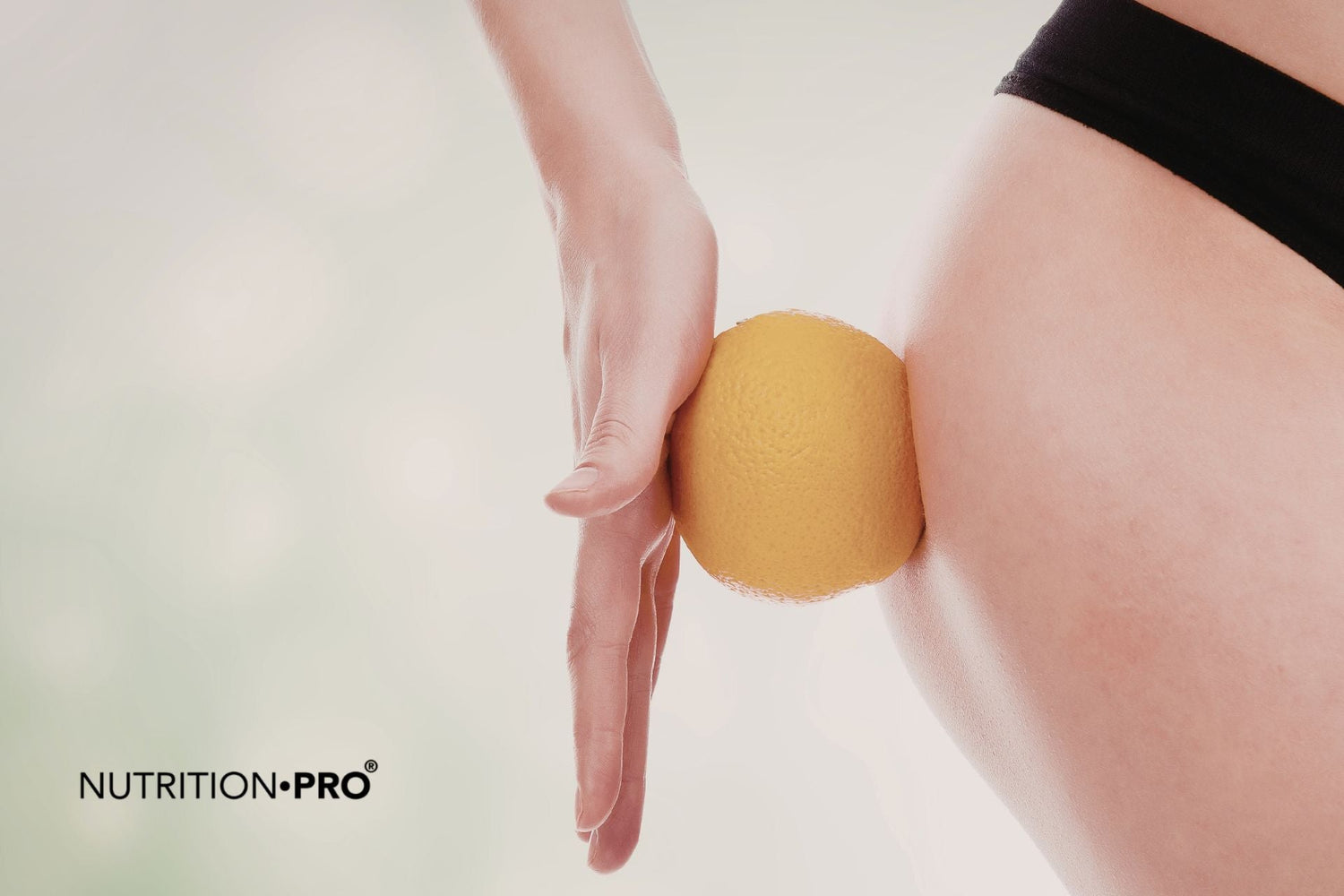
Water retention can develop in the thighs and hips, where it frequently associates with aqueous cellulite (different from classic adipose cellulite). The skin may appear duller, local circulation slowed, and the orange peel appearance more pronounced.
The pitting edema test (do it at home)
Here is THE reference medical test to confirm water retention. It's called the pitting edema sign (or "pitting edema" in English) and is performed in just a few seconds. It's the test that doctors use in consultation.
Step 1. Sit down, leg extended, and locate the front of your tibia (the bone located at the front of the calf, where there is no muscle).
Step 2. With your thumb, press firmly on the tibia, approximately 10 cm above the ankle. Maintain the pressure for 5 to 10 seconds.
Step 3. Release and observe the skin immediately.
- No visible mark : no notable water retention in that area.
- Light mark that disappears in less than 5 seconds : very slight water retention or normal variation.
- Hollow mark that persists 5 to 15 seconds : mild to moderate water retention (positive pitting, level 1 to 2).
- Deep hollow mark that persists more than 15 seconds : marked water retention (positive pitting, level 3 to 4). Medical consultation is recommended.
Good to know: the test can also be performed on the top of the foot, on the inner ankle, or on the sacrum (lower back) in bedridden individuals. However, the most reliable area remains the tibia, where the skin is directly on the bone without muscle to absorb the pressure.
The morning/evening weight test
Another simple and revealing test: the variation in your body weight between morning and evening, or from one day to the next.
The protocol
For 3 to 7 consecutive days, weigh yourself:
- In the morning upon waking, on an empty stomach, after using the bathroom, without heavy clothing
- In the evening before bed, under the same conditions (on an empty stomach or at least 2 hours after dinner)
Record each measurement and observe the variation.
How to interpret the results
| Variation | Interpretation | Recommended action |
|---|---|---|
| 0 to 500 g | Normal | No notable water retention |
| 500 g to 1 kg | Moderate | Normal physiological variation |
| 1 to 1.5 kg | Significant | Likely mild water retention |
| 1.5 to 2.5 kg | Substantial | Marked water retention |
| More than 2.5 kg | Abnormal | Consult a doctor |
A weight variation greater than 1 kg in 24 hours without dietary changes cannot be explained by real fat gain or loss (this takes much longer). It is therefore necessarily water retention fluctuations.
The menstrual cycle tracking test (women)
For women, tracking your weight over a complete menstrual cycle (approximately 28 days) is very informative. You will likely notice:
- Lower weight in the first half of the cycle (follicular phase, after menstruation)
- Progressive weight gain in the second half of the cycle (luteal phase)
- A peak just before menstruation (up to 1-3 kg additional)
- A rapid return to normal in the first few days of the next cycle
This cyclical variation is typically hormonal and results from the effects of progesterone (which promotes sodium retention) and estrogen. No need to worry: it's physiological.
Differentiating water retention, cellulite, and excess weight
One of the most common confusions among people who feel bloated: not knowing whether they have water retention, cellulite, or simply a few extra pounds. These three phenomena require very different approaches — which is why it's important to distinguish them well.
| Criterion | Water retention | Cellulite | Excess weight |
|---|---|---|---|
| Nature | Accumulated liquid | Fibrous fats | Body fat |
| Rapid variation | Yes | No | No |
| Dimple sign | Positive | Negative | Negative |
| Orange peel appearance | Possible | Characteristic | Possible |
| Visible when pinched | No | Yes | Yes |
| High BMI | Not necessarily | Not necessarily | Yes |
| Therapeutic target | Drainage | Lipolysis + drainage | Caloric deficit |
The pinch test
To distinguish water retention and cellulite: pinch the skin firmly on your thigh or buttock between your thumb and index finger.
- If the skin takes on an orange peel appearance with small indentations and bumps → cellulite.
- If the skin remains smooth and the area is just "puffy" to the touch → more likely water retention.
- If you have both → this is common, we then speak of aqueous cellulite (cellulite + water retention combined).
Tip: these phenomena can coexist. One person can simultaneously have water retention, cellulite, and slight excess weight. Identifying the dominant component allows you to adapt your strategy. For cellulite specifically, see our Cellulip supplement.
The 8 most frequent causes
Once water retention is confirmed, identifying its cause is essential to treat it sustainably. Here are the 8 most frequent causes, in order of frequency.
Sodium retains water in the body. The more salt you eat, the more water your body stores to maintain osmotic balance. Yet the French consume on average 9 to 10 g of salt per day , while the WHO recommends not exceeding5 g/day The main culprits: bread, cured meats, cheeses, ready-made meals, industrial soups, sauces, canned goods, appetizer crackers..
Hormonal fluctuations (women)
strongly influence water retention. The most marked periods: Before menstruation (premenstrual syndrome): water weight gain of 1-3 kg is frequent
- Pregnancy : normal physiological retention in the final months
- Pre-menopause and menopause : hormonal imbalance that promotes retention
- Oral contraceptive and hormone replacement therapy: variable effect
- Sedentary lifestyle and prolonged static positioning Desk work, travel, standing still
, venous and lymphatic return is compromised. Water accumulates in the legs through gravity. At-risk profiles: Desk work (8+ hours sitting per day)Static standing jobs (sales staff, hairdressers, dentists, surgeons)
- Long travels (plane, train, car)
- Métiers debout statique (vendeurs, coiffeurs, dentistes, chirurgiens)
- Voyages longs (avion, train, voiture)
- Elderly people with limited mobility
The heat dilates blood vessels, slows venous return and increases capillary permeability. This is why so many people experience swelling in their legs during summer or in hot countries. The phenomenon is worsened by dehydration, which paradoxically causes the body to retain more water.
Counterintuitive but well-established: drinking too little promotes water retention. When the body detects dehydration, it triggers a water storage mechanism to preserve its vital reserves. Result: water accumulates.
The recommended water intake is 1.5 to 2 liters per day, water and herbal infusions included (excluding sugary and alcoholic beverages which have the opposite effect).
Certain medications can cause water retention as a side effect:
- Corticosteroids (prednisone, prednisolone)
- Non-steroidal anti-inflammatory drugs (NSAIDs)
- Certain antihypertensives (calcium channel blockers in particular)
- Antidepressants (some)
- Hormones (birth control pill, hormone replacement therapy)
- Certain antidiabetic medications
Never stop a treatment without medical advice, but discuss it with your doctor if you suspect a water retention side effect.
Chronicvenous insufficiency (varicose veins, heavy legs, sensation of swelling) results from poor venous return of blood from the legs to the heart. Water and waste then accumulate in the lower tissues.
If your legs feel heavy, are painful, with visible varicosities or prominent veins, consult a doctor. Also see our Lymphaline supplement specifically formulated for this.
Persistent, severe, or unexplained water retention may reveal an underlying medical condition that requires diagnosis:
- Heart failure (edema of the lower limbs, shortness of breath)
- Kidney failure (diffuse edema, abnormal urine)
- Liver failure (ascites, edema)
- Hypothyroidism (myxedema, fatigue)
- Allergies (localized edema)
- Phlebitis (acute unilateral swelling, warm, painful)
The 5 most common mistakes when dealing with water retention
Before taking action, it's best to avoid the common pitfalls that waste time or worsen the situation. Here are the 5 most common mistakes that we observe.
Mistake #1 — Drinking less to "reduce bloating"
This is the most widespread and most counterproductive mistake. Reducing water intake worsens water retention because the body detects dehydration as a threat and activates storage mechanisms. Conversely, drinking 1.5 to 2 liters of water per day helps eliminate excess sodium and promotes kidney drainage.
Mistake #2 — Taking pharmaceutical diuretics through self-medication
Pharmaceutical diuretics (furosemide, hydrochlorothiazide…) are not suitable for mild water retention. They can cause severe electrolyte imbalances (hypokalemia, hyponatremia), dehydration, and create dependency. These medications are reserved for specific medical indications under medical supervision.
Mistake #3 — Confusing all causes of swelling
Bloated belly can be water retention, digestive bloating, or both. Swollen leg can be benign or pathological (phlebitis). Weight gain can be water or fat-related. Without differentiated diagnosis, you sometimes treat the wrong problem — which is why the tests in this article are so important.
Mistake #4 — Not seeking the cause
Many people take drainage supplements for months without ever identifying the real cause of their water retention (overly salty diet, sedentary lifestyle, hormones, medication). Temporary drainage masks the symptom but doesn't solve the problem. Identifying the cause is always the first effective step.
Error #5 — Giving Up Too Soon
A structured approach requires 4 to 8 weeks to show its lasting effects. Many people give up after 1-2 weeks without allowing time for physiological mechanisms to rebalance. Consistency trumps intensity.
Diet: Foods to Avoid and Prioritize
Diet is the most powerful and fastest lever against water retention. Here's a practical guide to adapt your meals.
Foods to Limit or Avoid
| Category | Examples | Why Limit |
|---|---|---|
| Cured Meats | Cooked ham, cured sausage, pâté, bacon bits | Very high in added salt |
| Aged Cheeses | Roquefort, parmesan, feta, comté | High sodium concentration |
| Ready-Made Meals | Pizzas, lasagnas, packet soups | Hidden salt in massive quantities |
| Industrial Bread | Sandwich bread, industrial white bread | Major source of daily salt |
| Salty Snacks | Chips, cheese crackers, salted peanuts | Salt + fats + additives |
| Sauces and Condiments | Soy sauce, ketchup, mayonnaise, mustard | High salt concentration |
| Canned Foods | Canned vegetables, canned fish | Salty brine for preservation |
| Alcohol | Beer, wine, spirits | Dehydration and inflammation |
| Simple Sugars | Sodas, candy, industrial pastries | Insulin spike promotes water retention |
Foods to Prioritize
| Category | Examples | Why prioritize |
|---|---|---|
| Potassium-rich fruits | Banana, apricot, melon, watermelon, kiwi | Potassium = sodium antagonist |
| Green vegetables | Spinach, zucchini, broccoli, asparagus | Rich in water, potassium, fiber |
| Diuretic fruits | Cucumber, pineapple, grapefruit, lemon | Natural draining effect |
| Draining herbal teas | Cherry stem, dandelion, birch, nettle | Traditional gentle diuretics |
| Mineral waters | Low-sodium waters (< 20 mg/L sodium) | Hydration without sodium load |
| Legumes | Lentils, chickpeas, beans | Rich in magnesium and potassium |
| Unsalted nuts and seeds | Almonds, walnuts, hazelnuts | Magnesium, without sodium load |
| Fresh fish | Salmon, mackerel, fresh sardine | Anti-inflammatory omega-3s |
| Herbs and spices | Parsley, basil, cilantro, turmeric | Flavor without salt + draining properties |
The parsley trick: Fresh parsley is one of the most effective and most accessible diuretic plants. 2-3 tablespoons per day in your dishes provide a gentle and natural draining effect, plus an interesting contribution of vitamin C, iron, and potassium. Best used fresh.
When to consult a doctor without delay
Benign water retention can be managed with lifestyle and dietary measures and natural solutions. But certain warning signs require prompt medical consultation, or even emergency care.
⚠️ Consult a doctor within 24-48 hours if:
- The swelling is asymmetrical (one leg only, for example)
- It is accompanied by pain, redness or local heat (suspected phlebitis)
- You have shortness of breath during exertion or at rest
- You notice foamy urine or very dark urine
- The swelling occurs suddenly and is marked
- You have rapid weight gain (> 2 kg in 48-72 hours without dietary changes)
- The swelling is accompanied by unusual fatigue or heart palpitations
- You have medical history of heart, kidney or liver disease
- You are pregnant and have marked swelling (risk of preeclampsia)
Also consult in case of chronic water retention
If your water retention persists for more than 2-3 weeks despite lifestyle adjustments (diet, movement, hydration), a medical consultation is recommended to rule out an underlying medical cause. Your doctor may prescribe:
- A blood test (CBC, electrolytes, creatinine, albumin, TSH, BNP, liver enzymes)
- A urinalysis
- A cardiac ultrasound or venous duplex ultrasound depending on the case
- A referral to a cardiologist, nephrologist, endocrinologist, or phlebologist
8 typical profiles: which one are you?
The causes and solutions vary by profile. Identify yours to adapt your strategy.
Profile 1 — Woman with marked premenstrual syndrome
Characteristics : marked swelling 7-10 days before menstruation, water weight gain, tender breasts, bloated abdomen, irritability. Everything disappears in the first days of the next cycle.
Strategy : low-salt diet in the second half of the cycle, magnesium supplementation course, daily walking. Bisglycinate magnesium and targeted drainage course. Also see our feminine wellness collection.
Profile 2 — Postpartum woman
Characteristics : persistent fluid retention after childbirth, heavy legs, ankle swelling, sometimes associated with weight that doesn't come off. Very common in the 3-6 months postpartum.
Strategy : hydration, progressive walking, leg elevation, gentle drainage compatible with breastfeeding (medical advice essential), gentle return to exercise.
Profile 3 — Woman in perimenopause / menopause
Characteristics : water retention that appears or worsens with hormonal changes, heavy legs, progressive weight gain, sensation of diffuse bloating.
Strategy : holistic approach (diet, exercise, stress management, drainage). See our specific Menopause supplement.
Profile 4 — Sedentary office worker
Characteristics : swollen ankles at end of day, sensation of heavy legs, sock marks, sometimes bloated abdomen. Exercise is insufficient or absent.
Strategy : move every hour (stand up 5 minutes), compression stockings, walk 30 min/day minimum, drainage course. Diurétine as a supplement.
Profile 5 — Frequent traveler (plane, car)
Characteristics : leg swelling during and after long journeys, thickened ankles, sometimes pain.
Strategy : compression stockings for long flights, hydration during travel, ankle movements every 30 min, walking upon arrival. Post-travel drainage.
Profile 6 — Overweight person with water retention
Characteristics : combination of overweight + water retention + often cellulite. Difficulty losing weight because part of the "excess weight" is actually accumulated water.
Strategy : combined weight loss + drainage approach. Salt reduction, potassium-rich diet, regular exercise, drainage treatment course. See our weight loss collection and our complete water retention guide.
Profile 7 — Intense athlete in cutting phase
Characteristics : paradoxical water retention in athletic individuals, often during cutting or caloric restriction phase. Related to decreased protein intake, stress, or elevated cortisol.
Strategy : maintain adequate protein intake, stress management, proper hydration, quality sleep. Whey isolate for protein maintenance.
Profile 8 — Elderly person with venous insufficiency
Characteristics : chronic heavy legs, visible varicose veins, marked ankle swelling, fragile skin.
Strategy : medical follow-up essential (phlebologist), compression stockings, gentle walking, leg elevation at night. Supplements as support on medical advice: Lymphaline.
What to do if your test is positive?
Have you identified signs of water retention? Here are the first actions to implement, in order of effectiveness.
1. Reduce salt (and increase potassium)
This is the most effective and fastest measure. Aim for less than 5 g of salt per day (equivalent to 2 g of sodium). In practice:
- Limit bread, cured meats, cheeses, processed foods
- Cook at home as much as possible
- Taste before salting
- Read labels (sodium content)
- Increase foods rich in potassium : bananas, potatoes, spinach, avocados, lentils, dried apricots
Potassium acts as an antagonist to sodium and promotes the elimination of excess water.
2. Drink enough water
Paradoxical but vital: drink more to retain less. Aim for 1.5 to 2 liters per day. Prefer plain water, draining herbal teas (cherry stems), tisanes. Limit sugary drinks, alcohol and excessive coffee.
3. Move (movement = drainage)
Muscle movement is essential: the contraction of the calf muscles acts as a "pump" that propels water and blood toward the heart. Recommendations:
- 30 minutes of walking per day minimum
- Get up every hour at the office
- Gentle activities: swimming, cycling, yoga, pilates
- Elevate your legs for 15 minutes at the end of the day
4. Targeted natural drainage
Several natural approaches have proven effective in drainage and reducing mild water retention:
- Traditional diuretic plants: dandelion, cherry stem, parsley, green tea, nettle
- Manual lymphatic drainage by a professional
- Light compression socks or tights (10-15 mmHg)
- Cold shower on the legs at the end of the day
- Dietary supplements such as Diurétine, 4-in-1 Drainer or Lymphaline
5. Learn more with the right articles
To learn more, here are our complete guides on the subject:
- 📚 The complete scientific guide to water retention (validated plants and nutrients)
- 📚 7 simple ways to reduce water retention (quick daily actions)
- 📚 Heavy legs: validated natural remedies (related issue)
FAQ: your questions about water retention
How can I know for sure if I have water retention?
The most reliable test is the pitting sign : press for 5-10 seconds with your thumb on the front of your shin. If a hollow indent persists more than 5 seconds after releasing, it's a positive sign of water retention.
Combine this test with: morning/evening weighing (variation > 1 kg suspicious), observing sock marks, the 12-sign self-test above. If several indicators are positive, you likely have water retention.
Is the pitting sign 100% reliable?
The pitting sign is very reliable for confirming active water retention. If the indent persists after pressure, there is indeed fluid accumulation in the tissues. It's the test doctors use in consultation.
However, a negative pitting sign doesn't completely rule out mild water retention that may not be visible at a given moment. Retest at different times (morning, end of day, during premenstrual period, etc.).
How often should I do these tests?
For an initial diagnosis : perform the tests over 3-7 consecutive days to get a reliable picture. Record your results.
For follow-up : if you start a drainage treatment or dietary changes, retest once a week to measure progress. Clear improvement in 2-4 weeks confirms your approach is effective.
Why does my weight vary so much in 24 hours?
A weight variation of more than 1 kg in 24 hours is never due to fat (losing or gaining 1 kg of fat requires a minimum of several days). It's necessarily from water fluctuations, digestion, or transit changes.
A variation > 1 kg regularly is a sign of probable water retention. A variation > 2.5 kg warrants a medical consultation to rule out cardiac or kidney issues.
What's the difference between water retention and cellulite?
These two phenomena are distinct but can coexist:
- Water retention = fluid accumulated in tissues, rapid fluctuations, positive pitting sign, smooth but swollen skin
- Cellulite = subcutaneous fat with fibrosis, orange peel texture visible when pinched, stable over time
When the two are combined, it's called aqueous cellulite — this is the most common case in women.
Can water retention and bloating be confused?
Yes, it's a frequent confusion when the belly seems swollen. To distinguish them:
- Digestive bloating = gas, gurgling, relieved by burping/flatulence, linked to meals
- Abdominal water retention = diffuse swelling, possible pitting edema sign, varies with salt and hydration
If your belly swells after meals and is relieved by bowel transit, it's likely digestive. If swelling varies with your hormonal cycle, salt, or heat, it's likely water retention.
How do I know if it's fat or water?
Several signs allow you to differentiate:
- Water : variable swelling throughout the day, positive pitting edema sign, visible marks, rapid loss possible (1-3 kg in a few days)
- Fat : stable over time, no pitting edema sign, slow loss (0.5 kg/week maximum)
If you lose 2 kg in 3 days by reducing salt, it's water. If you lose 2 kg in 4 weeks with a caloric deficit, it's fat.
Why do I retain water just before my period?
It's physiological and common. In the 7-10 days before your period, progesterone levels increase significantly, which promotes sodium and water retention. Estrogens amplify the phenomenon.
Result: water weight gain of 1-3 kg, breast tenderness, bloated belly, sometimes swollen hands and face. Everything resolves naturally in the first few days of the next cycle.
To limit this: reduce salt during this period, increase magnesium, walk daily.
Does coffee cause water retention?
On the contrary, coffee has a mild diuretic effect in the short term. However, in excess (more than 4-5 cups per day), it can contribute to chronic dehydration which paradoxically causes the body to retain water.
The ideal: 2-3 coffees maximum, spaced out, and compensate with water. A sugary coffee with pastries (sugar + hidden salt) causes more problems than the coffee itself.
Why do I swell in summer or in hot weather?
Heat dilates blood vessels, slows venous return and increases capillary permeability. Water accumulates more easily in the legs and ankles.
Summer solutions: cool showers on the legs, light compression socks, walking in seawater, elevate legs in the evening, increased hydration, diet rich in fruits and vegetables (potassium).
Can my medication cause water retention?
Yes, several drug classes can cause water retention as a side effect: corticosteroids, NSAIDs, certain antihypertensives (calcium channel blockers), antidepressants, hormones (birth control, HRT), certain antidiabetics.
Never stop a treatment on your own initiative. Talk to your doctor who can adjust the treatment, change it if possible, or reassure you about the acceptability of this side effect.
How long will it take to see results?
This depends on the severity and cause:
- Salt-related water retention : improvement within 24-72 hours after reducing salt
- Premenstrual Retention : resolves naturally with menstruation
- Hormonal Retention (menopause, pregnancy) : progressive improvement in 4-8 weeks with a comprehensive approach
- Retention Related to Sedentary Lifestyle : improvement in 1-2 weeks with regular physical activity
- Drainage Treatment with Supplements : visible effects in 2-4 weeks
For lasting results, allow for 4 to 8 weeks of combined comprehensive approach.
Which foods should you avoid in case of water retention?
Limit foods high in salt and additives: industrial bread, processed meats, aged cheeses, prepared meals, commercial soups, sauces, crackers, fast food, canned goods.
Also limit simple sugars andalcohol which promote retention. Prefer fresh, minimally processed foods rich in potassium (fruits, leafy vegetables, legumes).
Are prescription diuretics a good solution?
Prescription diuretics (furosemide, spironolactone, etc.) are reserved for specific medical indications (heart failure, hypertension, certain conditions). They are not recommended for self-treatment for mild water retention as they can cause serious electrolyte imbalances (potassium, sodium).
For mild retention, favor gentle plant diuretics (dandelion, cherry stem, green tea) which work while respecting hydroelectrolyte balance.
Should I drink less water if I have retention?
No, it's the opposite. Drinking less worsens water retention because the body detects dehydration and activates storage mechanisms. Aim for 1.5 to 2 liters per day, prioritizing plain water and drainage-promoting herbal teas.
The common mistake is to restrict water intake to "reduce bloating." This is counterproductive. It's rather the SALT you need to reduce, not the water.
Are compression stockings effective?
Yes, especially for retention related to sedentary lifestyle, prolonged standing, or venous insufficiency. Compression stockings provide graduated pressure which aids venous and lymphatic return.
For daily prevention: light compression (10-15 mmHg). For long trips or in case of venous insufficiency: moderate compression (15-20 mmHg, on medical prescription). Put on in the morning before getting up.
What physical activity is most effective?
The best activities to combat water retention are those that activate the calf venous pump :
- Walking (minimum 30 min/day) — the most accessible
- Swimming — excellent because water pressure promotes venous return
- Cycling — good for the legs
- Yoga, pilates — beneficial as complementary practices
- Aquagym, aquabike — combine water and movement
Avoid sports with repeated intense impact if you have marked venous insufficiency.
Do draining dietary supplements really work?
Traditional diuretic plants (dandelion, cherry stem, green tea, parsley, nettle) are recognized in phytotherapy and can effectively support a drainage approach. They do not act as a medication but support the body's natural elimination functions.
For optimal results: 4–8 week course, combined with low-salt diet and regular physical activity. See our Diuretin supplement specifically formulated.
Can you do a drainage course continuously?
It is preferable to cycle your courses : 4 to 8 weeks of treatment, then 2–4 weeks off. This prevents habituation and allows the body to rebalance.
For chronic retention linked to lifestyle or hormonal cycle, you can do 2 to 3 courses per year, synchronized with periods of need (spring, summer, periods of stress).
Water retention during pregnancy: what should you do?
Water retention is physiological and normal during pregnancy, especially in the final months. It can reach 5–7 kg over the entire pregnancy.
Recommended measures: gentle walking, leg elevation, appropriate compression stockings, low-salt diet, proper hydration. No draining supplement without advice from your doctor or midwife.
Seek urgent care if: sudden and marked swelling (face, hands), severe headaches, vision disturbances, abdominal pain — these signs may suggest preeclampsia.
Water retention at menopause: why and how to manage?
The drop in estrogen and hormonal imbalance promote water retention and water weight gain at menopause. This is very common.
Approach: low-salt diet, regular exercise (walking, swimming, yoga), stress management, hydration, drainage course. Our Menopause supplement can also support this period.
Can men experience water retention?
Yes, although it is less frequent (approximately 3 times less than in women). In men, water retention is more often linked to: excess salt, sedentary lifestyle, overweight, alcohol, certain medications, or cardiac/kidney/liver conditions.
Persistent water retention in men should prompt investigation of a medical cause more systematically than in young women.
In summary: your action plan
To identify and manage water retention, follow this structured approach:
- Take the 12-sign test above to assess your situation
- Confirm with the pitting test and morning/evening weigh-ins over several days
- Differentiate water retention, cellulite and excess weight according to the chart
- Identify likely causes in your lifestyle
- Check the warning signs that require medical consultation
- Identify your profile to adapt your strategy
- Implement the right measures (salt ↓, water ↑, movement, drainage)
- Retake the test 4 weeks later to measure your progress
If your symptoms persist despite a structured approach for 4-6 weeks, or if you present warning signs, consult your doctor to rule out an underlying medical cause.
To learn more:
- Our complete scientific guide on plants and nutrients proven against water retention
- Our guide to 7 simple daily actions
- Our heavy legs guide
- Our Diurétine supplement specific for water retention
- Our Lymphaline for venous circulation
- Our Cellulip for aqueous cellulite associated with
- Our 4-in-1 Drainage in liquid formula
- Our cherry stem infusion in gentle treatment
- Our water retention collection and our circulation and tension collection
Important reminder: this article is informational and educational in nature. The suggested tests are indicative and do not replace medical consultation. If in doubt, experiencing marked or persistent symptoms, or if you notice any of the warning signs mentioned, consult your doctor. Dietary supplements do not replace a varied and balanced diet and a healthy lifestyle. They are not recommended for pregnant or breastfeeding women without medical advice, nor for persons taking diuretic medication or presenting with kidney, heart, or liver disease.
- WHO - Recommendations on salt consumption for adults. 2023.
- ANSES - Recommended dietary intakes for the French population. 2024.
- HAS - Recommendations on the management of chronic venous insufficiency of the lower limbs.
- EFSA Panel on Dietetic Products. Scientific opinions on health claims related to potassium and water balance. EFSA Journal.
- Stanhewicz AE, Kenney WL. Determinants of water and sodium intake and output. Nutr Rev 2015;73 Suppl 2:73-82. DOI : 10.1093/nutrit/nuv033
- Stookey JD. Negative, Null and Beneficial Effects of Drinking Water on Energy Intake, Energy Expenditure, Fat Oxidation and Weight Change in Randomized Trials: A Qualitative Review. Nutrients 2016;8(1):19. DOI : 10.3390/nu8010019
- Trayes KP, Studdiford JS, Pickle S, Tully AS. Edema: diagnosis and management. Am Fam Physician 2013;88(2):102-110.
- Cho S, Atwood JE. Peripheral edema. Am J Med 2002;113(7):580-586.
- French Society of Phlebology - Clinical recommendations on lower limb edemas.
- VIDAL - Pharmacological documentation on medication side effects and edemas.