

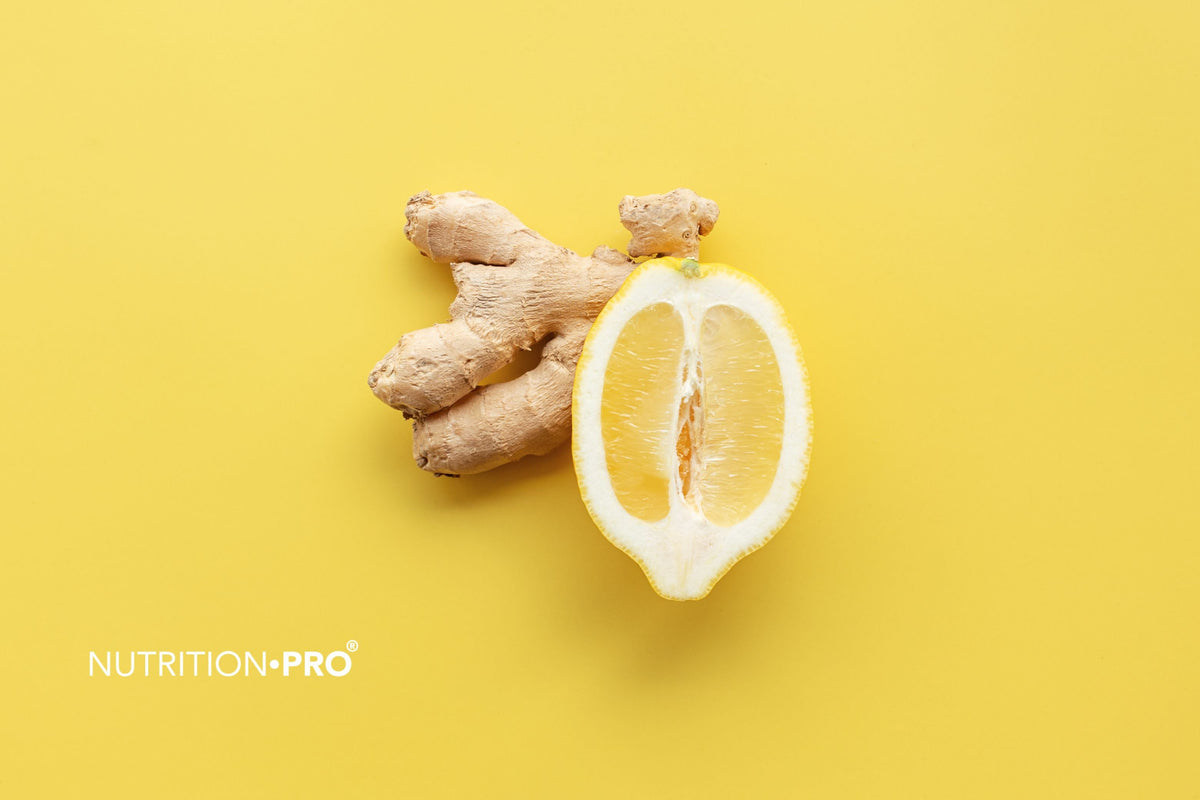
Ginger infusion is the most improvised health beverage there is: a piece of rhizome tossed into boiling water, two minutes of waiting, and a barely flavored cup of water you sweeten to console yourself. The result bears little resemblance to what the same root can produce when you slice it thinly, infuse it covered, and add lemon at just the right moment.
This article provides the reference method, the powder version, the shot, cold ginger water, six variations, the mistakes that ruin everything, what an infusion truly delivers (and cannot deliver), and the precautions. The scientific background on ginger, its dosages, and contraindications is in our guide ginger: proven benefits, dosage, risks.

Infusion for pleasure and ritual, capsules for dosage: 3 capsules deliver 1.2 g of organic rhizome powder, the dose used in studies on digestion and painful periods, without the pungency. The two complement each other very well.
The perfect ginger infusion: 2 to 3 cm of fresh rhizome (10 g) sliced thinly, 10 minutes covered in 300 mL of gently simmering water, never at a rolling boil, then lemon and honey added off heat to preserve vitamin C and aromas. Powder version: half a teaspoon whisked directly, more pungent and no straining needed. A cup dosed this way provides approximately 1 g of powder equivalent, the lower range of doses studied for nausea, digestion, and painful periods. The shot concentrates the same thing in 40 mL that awakens; cold ginger water is its gentler summer version. What the infusion does: nausea, post-meal digestion, menstrual comfort, caffeine-free hydration. What it doesn't do: promote weight loss, boost immunity. 1 to 3 cups per day; pregnancy 1 g maximum on medical advice; caution with anticoagulants and reflux.
1. The reference recipe, fresh or powder
Ginger's gingerols pass into water, but slowly and all the better the greater the contact surface: thin slices or grated ginger extract several times more than a whole chunk. The lid retains the volatile compounds that create the aroma and some of the pungency. And the finish matters as much as the beginning: lemon's vitamin C is heat-sensitive, honey loses its aromas above 40°C; adding them to a cup that has cooled for a minute changes the taste and preserves what they bring.
2. The ginger shot
The shot is to infusion what espresso is to long black coffee: the same thing, faster and stronger. With a juice extractor: 40 g of ginger, one peeled lemon, one apple, for 4 shots to keep 48 hours in the refrigerator in a small bottle. With a blender: same ingredients blended with 100 mL of water then strained through cloth. The pungency in the mouth comes from gingerols, and the "energy boost" effect is mostly sensory: nothing shows that a shot "boosts" immunity or metabolism, as explained in the overhyped section of our ginger guide. It is, however, an effective way to consume a real dose of ginger in ten seconds, for example before travel. Sensitive stomachs: after a meal, not on an empty stomach.
3. Cold ginger water
Cold infusion extracts fewer gingerols than heat, and that's precisely what makes it drinkable in large quantities: barely pungent water, fresh, that pleasantly replaces sugary summer drinks. Recipe: 4 to 5 cm of ginger in thin slices in one liter of water, overnight in the cold, with your choice of half a lemon in rounds, a few mint leaves or cucumber slices. If the goal is hydration and sugar reduction, it's the perfect tool; if it's a digestive or anti-nausea effect, hot infusion or dosed capsules work better.
4. Six variations
Lemon honey, the reference
The basic recipe above. The balance of pungent, acidic, sweet that went around the world. A zest of organic lemon in the infusion (not just the juice after) adds citrus essential oils.
Ginger mint, after the meal
Steep the ginger for 10 minutes, add a fresh mint sprig for the last 3 minutes. The perfect duo for heavy meals; however, mint should be avoided in case of reflux, which it can worsen.
Ginger turmeric, the cousins
Add ½ teaspoon of turmeric powder, a pinch of black pepper and a splash of whole milk or one tablespoon of coconut oil: curcumin, for its part, needs fat and pepper to pass through. Halfway between infusion and golden latte.
Ginger cinnamon clove
A cinnamon stick and 2 cloves steeped with ginger: the comforting cup for cold evenings. It warms and hydrates; it does not prevent a cold, no beverage does.
Iced lime
Classic hot infusion, cooled then poured over ice cubes with lime and mint. Prepare in the morning for the afternoon; keep refrigerated for up to 24 hours.
Version for painful periods
2 to 3 well-dosed cups per day (10 g fresh or ½ teaspoon powder each), from the day before your period through the 3rd or 4th day: this is the window for positive results. For the exact study dose without the taste, capsules do the same job.
5. The mistakes that spoil the infusion
The whole piece "to go faster"
An uncut piece releases only a fraction of its active compounds and flavor. Thin slices or grated, always.
Two minutes, uncovered
Extracting gingerols requires time; volatile aromas escape with the steam. Ten minutes, covered.
Prolonged rolling boils
Vigorous boiling evaporates aromatic compounds and intensifies bitterness. A gentle simmer, not a geyser.
Honey in boiling water
Above 40°C, honey loses its aromas and enzymes and becomes just sugar. Wait one minute, then add the honey.
The industrial sachet sitting for two years
Many "ginger lemon" sachets contain flavorings and little ginger, and stale ginger brings nothing. Fresh, or recently powdered and stored in the dark.
Compensating with sugar
Three teaspoons of sugar turn the herbal tea into hot soda. If the infusion needs rescuing, it's ginger that's missing, not sugar.
6. What it truly provides
A properly dosed cup is not symbolic hot water: 10 g fresh equals approximately 1 g powder, which reaches the lower range of clinical trials. In pregnant women, doses of this order improved nausea across 12 trials and 1,278 participants with no safety signals (Viljoen, Nutr J, 2014); 1.2 g powder accelerates gastric emptying in people with dyspepsia (Hu, World J Gastroenterol, 2011); and 750 to 2,000 mg daily during the first days of the cycle reduces period pain (Daily, Pain Med, 2015). Two to three serious cups per day place you within these ranges; a light cup remains a useful pleasure, especially for replacing late coffee and sugary drinks.
What no infusion will do: help you lose weight (ginger's effects on weight are negligible), "detoxify," or prevent a cold. And to reach the exact study dose each day without the bite, capsules remain the simplest tool.
120 capsules of organic Zingiber officinale rhizome, no additives. 3 capsules daily deliver 1.2 g powder, the dose from digestion and period pain studies, without the bite and without a pot. 40-day course, subscription available at -25%.
Discover Organic Ginger →Rated 4.8/5 by our customers. Not recommended without medical advice if taking anticoagulants, with gallstones, or during pregnancy.
7. When to drink it, how much per day
8. Precautions
Reflux, heartburn : the spiciness can worsen symptoms; dose lightly, drink after meals, avoid the mint variety.
Anticoagulants, antiplatelet agents, surgery within two weeks : beyond 2 to 3 well-measured cups per day, you enter supplement doses; medical advice, as with capsules.
Gallstones : ginger stimulates bile; medical advice before significant daily consumption.
Pregnancy : ginger is the best-studied option against nausea, but the rule remains 1 g equivalent per day maximum, short duration, and midwife's approval.
Treated diabetes : concentrated daily consumption can add to the effect of treatments; monitoring and prescriber's advice.
Children : a light infusion is suitable from age 6; no honey before 1 year; no shots.
Choose the situation that matches yours: the answer appears just below.
The reference recipe in triple dose in the morning, filtered into a thermos: hot as desired throughout the day, iced in summer. Caffeine-free, 5 kcal without honey, it replaces any soda. Cold ginger water in a carafe completes your hydration.
A real cup (10 g fresh, 10 minutes covered) at the end of a meal for digestion, or 30 to 60 minutes before departure for travel; the shot does the same job faster. If needed daily, 3 capsules per day provide the dose from the reference study without preparation.
2 to 3 well-dosed cups per day from the day before your period through the 4th day, or 750 to 2,000 mg powder equivalent: the range of studies that place ginger on equal footing with an anti-inflammatory. The capsules guarantee the dose without depending on taste. Disabling pain or very heavy periods: consult a professional, and read our files on endometriosis and iron.
The pungency is the price of the infusion, not that of ginger: 3 capsules per day provide 1.2 g of powder with no taste at all. You can also sweeten the infusion: less ginger, more lemon and honey, or the cold water version, naturally milder.
This test provides guidance; it does not replace professional medical advice.
Frequently asked questions about ginger infusion
How do you make a ginger infusion?
Thinly slice 2 to 3 cm of fresh ginger (about 10 g), infuse for 10 minutes covered in 300 mL of simmering water, strain, then add lemon and honey off the heat. With powder: half a teaspoon whisked into hot water, no straining needed. Thin slicing and covering are the two steps that make all the difference.
What are the benefits of ginger infusion?
Those of ginger at moderate dose: relief from nausea (its most proven effect), a boost to digestion after a heavy meal, comfort during painful periods, hot hydration without caffeine. A 10 g fresh infusion provides about 1 g powder equivalent, in the lower range of studied doses.
Ginger infusion: fresh or powdered?
Fresh produces a clear, lemony infusion to strain; powder creates a cloudier, more pungent drink, no straining needed, and more concentrated at equal volume (gingerols are partially converted to shogaols, which are more biting). Both work: it's a matter of taste and cupboard space.
How many ginger infusions per day?
1 to 3 cups per day stay within food doses (the usual limit is 4 g powder equivalent per day). During pregnancy: 1 to 2 light cups maximum, about 1 g, on your midwife's advice. If you have a sensitive stomach, start with a lightly dosed cup.
When should you drink ginger infusion?
Depending on your goal: 30 to 60 minutes before travel for motion sickness; after a large meal for digestion; from the day before your period through the first 3 to 4 days of your cycle for menstrual pain; in the morning as a coffee replacement (it contains no caffeine); in the evening with no sleep issues.
Do you need to peel ginger for infusion?
No if the rhizome is organic and well washed: the skin is thin and also contains active compounds. Scrape it with the back of a spoon if damaged, peel if the ginger is not organic. The key is to slice thinly or grate to maximize extraction surface.
Is ginger shot effective?
A homemade shot (fresh ginger pressed or blended with lemon and possibly apple) provides a real dose of ginger, about 5 to 15 g fresh depending on the recipe, in concentrated and quick form. It's invigorating and pungent, but it doesn't "boost" immunity and doesn't burn fat: they're the same active compounds as infusion, more intense and more irritating on an empty stomach for sensitive stomachs.
What is ginger water?
A cold infusion: a few slices of ginger in a carafe of water, overnight in the refrigerator, possibly with lemon, cucumber or mint. Milder and less pungent than hot infusion, it extracts fewer active compounds but encourages more drinking. Perfect for summer; consume within 24 to 48 hours.
Does ginger lemon infusion make you lose weight?
No. No drink causes weight loss by itself; ginger's effects on weight are negligible in studies. However, replacing a soda or sweetened coffee with a 5 kcal infusion helps mechanically, and a hot drink at the end of a meal can limit snacking. It's a good hydration tool, not a fat burner.
Does ginger infusion have contraindications?
At reasonable doses, few: the pungency can worsen reflux and heartburn in sensitive individuals. Caution is needed beyond 2 to 3 well-dosed cups per day if you're on anticoagulant treatment, have gallstones, or are pregnant (1 g per day maximum, on medical advice). Concentrated capsules call for the same precautions, detailed in our ginger guide.
- Gingerols
- Pungent and active compounds in fresh ginger, partially soluble in hot water.
- Shogaols
- Dried forms of gingerols, more pungent, dominant in powder.
- Cold infusion
- Slow extraction in cold water (several hours), milder and less complete than hot infusion.
- Simmering
- Water just below boiling (small bubbles), the ideal temperature for steeping without degrading.
- Viljoen E, Visser J, Koen N, Musekiwa A. A systematic review and meta-analysis of the effect and safety of ginger in the treatment of pregnancy-associated nausea and vomiting. Nutr J. 2014;13:20. doi:10.1186/1475-2891-13-20
- Hu ML, Rayner CK, Wu KL, et al. Effect of ginger on gastric motility and symptoms of functional dyspepsia. World J Gastroenterol. 2011;17(1):105-110. doi:10.3748/wjg.v17.i1.105
- Daily JW, Zhang X, Kim DS, Park S. Efficacy of ginger for alleviating the symptoms of primary dysmenorrhea: a systematic review and meta-analysis of randomized clinical trials. Pain Med. 2015;16(12):2243-2255. doi:10.1111/pme.12853


