

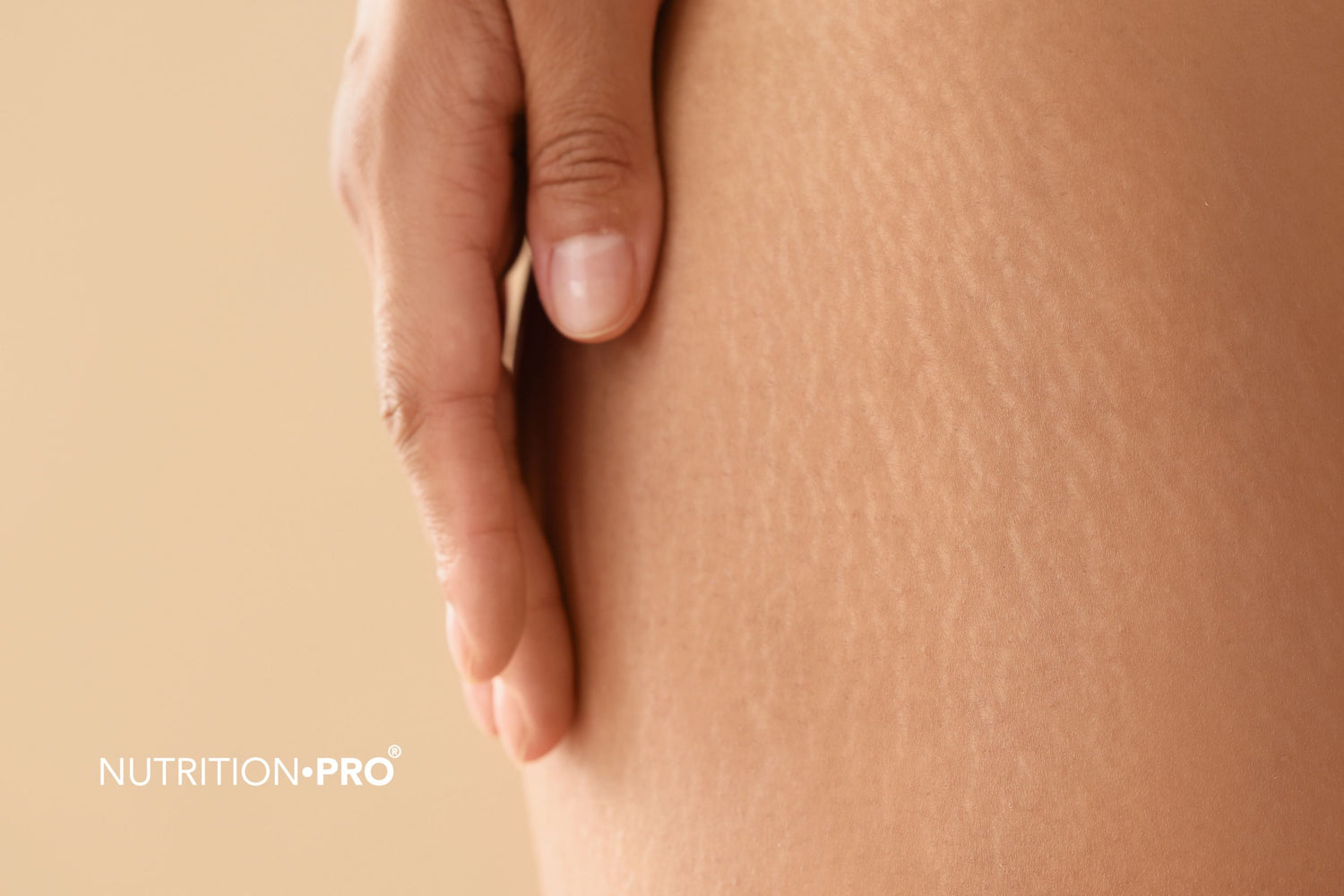
In summary: Heavy legs affect 57% of women and 25% of men in France. Caused by early venous insufficiency (poor blood return to the heart), they manifest as a sensation of heaviness at the end of the day, swollen ankles, tingling, and sometimes varicose veins. 11 scientifically validated natural remedies can relieve them: horse chestnut (aescin, Cochrane meta-analysis), red vine, butcher's broom, witch hazel, ginkgo, grape OPC, hesperidin, rutoside, vitamin E, magnesium, and compression stockings. First results in 2 to 4 weeks, optimal at 8-12 weeks of regular treatment.
You come home from work. Barely through the door, you collapse on the couch, legs up against the wall. Your ankles are swollen, marked by your socks. Your calves feel like a ton. You have the impression your legs are made of lead. If this scene rings a bell, you're among the 57% of French women and 25% of French men who suffer from heavy legs — this seemingly minor symptom that often masks an early venous insufficiency.
The good news? Heavy legs are almost never serious, and they respond very well to natural solutions. Over 30 years of scientific research have identified the most effective venotonics, with solid clinical studies: Cochrane meta-analysis on horse chestnut, Lancet study showing equivalence with compression stockings, research on butcher's broom and red vine.
This comprehensive guide presents the 11 most effective natural remedies for heavy legs, based on available scientific data. You'll also discover the main causes, the 15 symptoms to recognize, 6 typical profiles with their tailored protocol, and the 5 mistakes to avoid in your daily routine.
Heavy legs: what is it really?
Heavy legs are the earliest and most common manifestation ofchronic venous insufficiency, a condition affecting nearly 18 million French people. To understand why your legs feel heavy at the end of the day, you must first understand how your venous return.
works
The venous return challenge: pumping against gravity Arterial blood flows easily toward the feet, propelled by the heart and aided by gravity. But venous blood must travel the opposite route:flow back from the foot to the heart, against gravity
- , over nearly a meter. This is a major physiological challenge that mobilizes several mechanisms: The calf muscle pump
- : with each step, the calf muscles compress the deep veins and propel blood upward. This is the main mechanism of venous return. Venous valves
- : these small one-way flaps prevent blood from flowing backward. When they fail, blood stagnates and backflows. The venous wall
- : sufficient venous tone maintains their diameter and facilitates circulation. The abdominal and thoracic pump
: breathing creates a suction effect that aids venous return.
When the system malfunctions: venous insufficiency
- When one or more of these mechanisms fail, blood stagnates in the leg veins. Consequences: in the lower limbs
- Capillary dilation, which become more permeable
- Water and protein leakage into tissues = edema and heaviness
- Local inflammation which worsens capillary permeability
- Vicious cycle which can progress to varicose veins and venous ulcers
Key point: heavy legs are not just a temporary inevitability. They are the early warning signal of developing venous insufficiency. Managed early with venotonic plants, compression stockings and good habits, you can stop the progression and prevent complications (varicose veins, spider veins, ulcers).
The 4 stages of venous insufficiency (CEAP classification)
The international medical classification CEAP distinguishes several stages of severity:
| Stage | Manifestations | Suitable solutions |
|---|---|---|
| C0 — No visible signs | Heaviness, fatigue, tingling | Venotonics + lifestyle |
| C1 — Spider veins | Small visible red/blue veins | Venotonics + Class 1 stockings |
| C2 — Varicose veins | Dilated, protruding veins | Class 2 stockings + medical advice |
| C3 — Persistent edema | Chronic swelling | Medical management |
| C4-C6 — Skin complications | Eczema, venous ulcers | Vascular medicine |
This article mainly concerns stages C0 and C1, which respond excellently to natural solutions. From stage C3 onwards, a specialized medical consultation (phlebologist, vascular medicine doctor) is recommended.
15 symptoms to recognize (self-test)
Heavy legs are not just a simple temporary fatigue. Here are the 15 signs that reveal early venous insufficiency. If you check 4 or more, natural treatment is necessary.
- Sensation of heaviness at the end of the day
- Swollen ankles in the evening
- Persistent sock marks
- Tingling in the legs
- Unexplained itching on the calves
- Nighttime cramps
- Painful legs at rest
- Varicosities (small visible veins)
- Cold or bluish feet
- Worsening with heat
- Relief with legs elevated
- Symptoms increased before menstruation
- Difficulty standing for long periods
- Sensation of tension in the calves
- Appearance of varicose veins or pre-varicose veins
Good to know: women are 2 to 3 times more affected than men by venous insufficiency, due to hormones (estrogen), successive pregnancies, and the greater thinness of their venous wall. But men are also affected, particularly after age 50.
7 main causes
Identifying the cause of your heavy legs is essential to choose the right strategy. Here are the 7 causes most common, in order of importance.
1. Heredity and genetic predisposition
Venous insufficiency is strongly hereditary. If your parents or grandparents have varicose veins or circulatory problems, your risk is multiplied by 2 to 3. Genetic predisposition influences the quality of the connective tissue of the veins and their natural tone. You don't choose your genes, but you can act on the other factors to compensate.
2. Sedentary lifestyle and prolonged standing
It is one of the most common causes in the workplace. Prolonged sitting (office work, remote work, long-haul air travel) or static standing position (hairdresser, nurse, restaurateur, sales assistant, flight attendant): both situations are unfavorable to venous return. The calf muscle pump does not function, blood stagnates, and edema appears.
3. Heat (summer, air conditioning, sauna, underfloor heating)
Heat causes vasodilation : blood vessels dilate to evacuate body heat, which slows venous return. This is why heavy legs worsen in summer, in saunas, on airplanes (cabin heating), or with underfloor heating. Nearly 40% of venous consultations take place between June and September.
4. Female hormones (cycle, pregnancy, menopause, birth control pill)
Estrogens and progesterone have a direct impact on venous tone: they relax the smooth muscle fibers of the veins. Consequences: worsening of heavy legs in the second half of the cycle (PMS), during pregnancy (which multiplies the risk of varicose veins by 4), at menopause (sudden hormonal drop), and with certain combined oral contraceptives. 5. Overweight and obesity
Excess weight
increases intra-abdominal pressure, which compresses the deep veins of the legs and impairs venous return. A weight loss of 5 to 10 kg may be enough to significantly improve heavy leg symptoms. It is one of the factors that can be effectively addressed.6. Smoking Tobacco
damages the walls of veins and impairs microcirculation. It significantly worsens venous insufficiency and increases the risk of complications (thrombosis, ulcers). Quitting smoking is one of the most powerful levers to improve venous health.
7. Deficiency in flavonoids and vitamin P Flavonoids (rutin, hesperidin, anthocyanins) are essential for capillary and venous tone. A diet low in colorful fruits and vegetables can promote venous insufficiency. Rich food sources: citrus fruits (white pith), red berries, black grapes, onions, buckwheat, green tea.
Top 11 validated natural remedies
Here are the 11 most effective natural remedies for heavy legs, ranked by strength of scientific evidence.
Horse Chestnut (Aesculus hippocastanum)
The absolute reference, backed by Cochrane meta-analysis ★★★ venotonic
escin (or aescine), a saponin compound with powerful vasculotropic properties. Mechanism Escin acts on 3 simultaneous mechanisms: (1)venous tonethrough contraction of the smooth muscle fibers of the veins, (2) reduction of capillary permeability
L'escine agit sur 3 mécanismes simultanés : (1) tonus veineux par contraction des fibres musculaires lisses des veines, (2) réduction de la perméabilité capillaire which limits water leakage into tissues, (3) anti-inflammatory action which reduces edema. Coumarins (esculoside) strengthen the vitamin P effect on capillaries.
This landmark meta-analysis included 17 randomized clinical trials on horse chestnut seed extract standardized for aescin. The results show a significant improvement in symptoms of chronic venous insufficiency: reduction of leg volume, of edema, of pain and of itching, compared to placebo.
This landmark study published in The Lancet compared horse chestnut extract to compression stockings in 240 patients suffering from chronic venous insufficiency. After 12 weeks, the volume of the lower leg had decreased by 46.7 mm with compression stockings and by 43.8 mm with horse chestnut extract (difference not significant). Patients under placebo showed instead an increase of 9.8 mm. Researchers' conclusion: horse chestnut extract constitutes a replacement for compression for patients suffering from edema due to chronic venous insufficiency.
Effective dose : 50 to 150 mg of aescin per day (standardized extract). Visible effects from 2-4 weeks, optimal at 8-12 weeks.
The Red vine is the historic French plant for venous return. Its leaves, which turn an intense red color in autumn, are rich in anthocyanosides, pigments with powerful vascular properties.
The anthocyanosides, flavonoids and condensed tannins of red vine have a "vitamin P" action: they strengthen capillary resistance, reduce their permeability and improve microcirculation. Effect documented on the quality of venous and capillary walls.
This clinical study evaluated the standardized red vine leaf extract AS 195 in patients suffering fromchronic venous insufficiency. Results: significant improvement in symptoms (heavy legs, pain, sensation of tension) and reduction in leg volume vs placebo, with excellent tolerability.
Effective dose : 360 to 720 mg of dry extract per day (equivalent to 7.5-15 mg of OPC). Remarkable synergy with horse chestnut.
The butcher's broom (or ruscus) is one of the most solid French references in venotonic phytotherapy. Its rhizome (underground organ) contains ruscogenins, steroidal saponins with powerful vasoactive properties.
The ruscogenins stimulate alpha-adrenergic receptors of the veins, causing direct venous vasoconstriction . Immediate effect on venous tone and blood return to the heart. Complementary action to the aescin from horse chestnut.
This meta-analysis evaluated the efficacy of Cyclo 3 Fort (combination of butcher's broom + hesperidin + ascorbic acid) in more than 10,000 patients. Results: significant improvement in symptoms of heavy legs, pain, swelling and cramps, with an excellent safety profile.
Effective dose : 150 to 300 mg of dry rhizome extract per day, often combined with hesperidin for optimal synergy.
<<<25>>> Witch hazelhamamélis, nicknamed the "witch's hazelnut," is traditionally used in phytotherapy for vascular health and microcirculation. Its leaves are rich in compounds beneficial for blood vessels.
Witch hazel contains tannins (hamamelitannin), flavonoids and proanthocyanidols with astringent and vasoconstrictorproperties. Complementary action to red grape vine on capillaries and microvessels.
- Strengthening of the microvessel walls
- Improved microcirculation
- Relief from heavy leg sensations
- Excellent tolerability, few adverse effects
Effective Dose : 200 to 400 mg of leaf extract per day. Classic synergy with red grape + horse chestnut + butcher's broom.
The Ginkgo biloba is better known for its cognitive effects, but it is also an excellent activator of microcirculation. Its leaves are rich in flavonoglycosides and in terpenelactones.
The active compounds of ginkgo (ginkgolides, bilobalide) improve blood fluidity, reduce platelet aggregation and stimulate peripheral microcirculation. Complementary action to other venotonics, particularly interesting for profiles with cold extremities.
- Improved peripheral microcirculation
- Effect on cold and bluish feet
- Support for blood fluidity
- Powerful antioxidant action
Caution : not recommended in case of taking anticoagulants or aspirin at anti-aggregating doses (possible potentiation).
The OPC (procyanidin oligomers) extracted from grape seeds and maritime pine bark are among the most powerful antioxidants identified to date. They have a particular affinity for vascular tissues.
OPCs bind to collagen andelastin in vascular walls, strengthening and protecting them from oxidative stress. Documented effect on capillary resistance and vascular permeability. Considered 50 times more powerful than vitamin E against oxidation of vascular lipids.
- Antioxidant protection of blood vessels
- Strengthening of vascular collagen
- Improvement in capillary resistance
- Synergy with vitamin C (vitamin P effect)
<<<20>>> Hesperidinhespéridine is a flavonoid abundant in citrus fruits (white pith, especially orange and lemon). It is the main active compound in many reference venotonic medications (Daflon, Diosmin).
Hesperidin, often combined with diosmin (derived flavonoid), exerts a "vitamin P" action: it increases capillary resistance, reduces permeability, improves venous tone. Documented effect on chronic venous insufficiency with numerous clinical studies.
- Capillary strengthening
- Reduction of edema
- Improvement of heavy leg symptoms
- Validated by decades of clinical use
Food source : white pith of citrus fruits, buckwheat, red onion.
Ruthin routine (or rutoside) is a flavonoid present in large quantities in buckwheat, Sophora japonica and certain draining plants (meadowsweet). It perfectly complements the action of hesperidin.
Like all vascular flavonoids, ruthin works by strengthening capillary walls and by reducing their permeability. "Vitamin P" effect documented on capillary resistance and edema prevention.
Often integrated into venotonic formulas alongside red vine, horse chestnut and witch hazel.
Vitamin E (in the form of tocopherols and tocotrienols) is a fat-soluble antioxidant essential for vascular health. It protects the cell membranes of blood vessels from oxidative stress. Mechanism
free radicals that damage venous and capillary walls. It also improves blood fluidity by reducing platelet aggregation (mild anticoagulant effect). Food sources
- Vegetable oils (sunflower, olive, rapeseed)
- Almonds, hazelnuts, sunflower seeds
- Avocado, spinach
- Recommended intake
: 12-15 mg/day. Caution in case of anticoagulant use. 10
The magnesium plays a key role in venous tone and prevention of nocturnal cramps, frequently associated with heavy legs. Its deficiency (affecting 75% of French adults) significantly aggravates symptoms.
Magnesium is a cofactor in more than 300 enzymatic reactions, including those involved in muscle relaxation and venous tone. It also modulates low-grade inflammation that worsens capillary permeability. The bisglycinate form is the most absorbable and best tolerated digestively.
- Reduction of nocturnal cramps (highly effective)
- Improved muscle tone in the calves
- Stress modulation (cortisol → vasoconstriction)
- Synergy with phlebotonic plants
Compression stockings (or medical compression stockings) are not a dietary supplement, but they are one of the reference treatments for venous insufficiency. Including them in this top 11 is essential: their efficacy is solidly validated by clinical data. Mechanism
graduated pressure : strong at the ankle (15 to 30 mmHg depending on the class), lighter toward the top. This pressure mechanically aids venous return , reduces the diameter of superficial veins and limits fluid leakage into tissues., réduit le diamètre des veines superficielles et limite la fuite d'eau vers les tissus.
- Class 1 (15-20 mmHg) : prevention, early heavy legs, air travel
- Class 2 (20-30 mmHg) : marked venous insufficiency, varicose veins, post-pregnancy
- Class 3 (30-40 mmHg) : severe venous insufficiency, medical prescription
- Class 4 (>40 mmHg) : lymphedema, venous ulcers
Key takeaway : use compression stockings as a complement to venotonic plants, not as an alternative. Ideal combination: Lymphaline + Class 1 or 2 stockings depending on severity.
Comparative table of 11 remedies
Here is a synthetic summary of the 11 remedies according to their primary mechanism of action, scientific evidence level, and ideal target profile.
| Remedy | Mechanism | Level of evidence | Ideal profile |
|---|---|---|---|
| Horse chestnut ★ | Venous tone + escin | Cochrane meta-analysis | All profiles |
| Red vine ★ | Capillaries (vitamin P) | Clinical studies | Diffuse heaviness |
| Butcher's broom ★ | Venous vasoconstriction | Meta-analysis | Marked venous insufficiency |
| Witch hazel | Microcirculation + tannins | Validated use | Red vine complement |
| Ginkgo biloba | Microcirculation + fluidity | Clinical studies | Cold/bluish feet |
| Grape OPC | Vascular antioxidant | Clinical studies | Oxidative profiles |
| Hesperidin | Vitamin P (capillaries) | Reference medication | Venous insufficiency |
| Rutin | Vitamin P (capillaries) | Clinical studies | Hesperidin supplement |
| Vitamin E | Vascular antioxidant | Solid evidence | All profiles (daily intake) |
| Magnesium bisglycinate | Tone + cramps | Essential cofactor | Nocturnal cramps |
| Compression stockings ★ | Mechanical compression | Medical reference | All profiles |
6 typical profiles and adapted protocols
Here are the 6 typical profiles the most frequent ones with their optimal protocol.
Profile 1 — Executive / remote work / prolonged sitting position
Characteristics : 8-10 hours sitting per day, heavy legs at end of day, swollen ankles especially in afternoon, possible early varicosities, worsened by air conditioning.
- Priority solution : Lymphaline for a 2-3 month course
- Class 1 compression stockings at the office
- Active break every hour (2-3 minutes of walking, ankle flexion-extension)
- Elevate feet 5-10 cm under the desk
Profile 2 — Standing profession (hairdresser, nurse, restaurateur, sales associate)
Characteristics : 8-10 hours standing, prolonged station without breaks, very heavy legs at end of shift, very swollen ankles, early venous insufficiency, muscle pain, sometimes marked varicosities.
- Optimal stack : Lymphaline + Magnesium+ continuously
- Class 2 compression stockings essential for work
- Elevate legs 15-20 min when arriving home in the evening
- Cool shower on the legs at the end of the day
Profile 3 — Pregnant or postpartum woman
Characteristics : edema of the lower limbs related to pregnancy, uterine pressure on abdominal veins, progesterone hormones that relax venous walls, increased risk of permanent varicose veins.
- During pregnancy : SUPPLEMENTATION NOT RECOMMENDED without strict medical advice (most venotonic plants are contraindicated as a precaution)
- Class 2 compression stockings from the 2nd trimester (on medical prescription)
- Daily walking, swimming, legs elevated
- Postpartum (excluding breastfeeding) : Lymphaline in a course to restore venous tone
Profile 4 — Senior 60+ with established venous insufficiency
Characteristics : visible varicose veins, chronic heavy legs, sometimes associated medical treatments, thinner and more fragile skin, risk of complications (stasis eczema, venous ulcers). Worsening in summer.
- Priority solution : Lymphaline in extended courses (3-4 months)
- Class 2 compression stockings continuously (or class 3 on prescription)
- Precaution : medical advice mandatory if currently taking medications (anticoagulants, antihypertensives)
- Daily gentle physical activity (30 min walking, swimming)
- Annual follow-up with a vascular medicine doctor or phlebologist
Profile 5 — Athlete with heavy legs post-workout
Characteristics : regular athlete (running, fitness, team sports), heavy legs after intense training, difficult recovery, sometimes nighttime cramps after sessions.
- Recovery stack : Lymphaline + Magnesium+
- Maximum hydration (3+ L/day) for athletes
- Active recovery (stretching, light walking the next day)
- Contrast showers hot-cold on the legs
- View our creatine guide for muscle recovery
Profile 6 — Frequent Traveler (plane, train, long car rides)
Characteristics : frequent travel, long-haul flights, prolonged sitting, very heavy legs during and after trips, severely swollen ankles, increased risk of thrombosis.
- Preventive Treatment : Lymphaline 1 week before the trip, during, and 3-4 days after
- Class 1 Compression socks MANDATORY on all flights > 4 hours
- Constant hydration, walk in the aisle every 1-2 hours
- Ankle flexion-extension every 30 minutes
- Avoid alcohol and sleeping pills during flight (dehydration, immobility)
5 lifestyle tips for heavy legs relief
Beyond dietary supplements, these 5 levers make a major difference in daily life.
1. Move every day (the calf muscle pump)
Physical activity is lever #1. The contraction of calf muscles with each step mechanically pushes venous blood toward the heart. Recommended Sports :
- Walking : 30 minutes/day minimum, ideally 1 hour. It's the foundation.
- Swimming and water aerobics : exceptional, water pressure massages the legs
- Aquabike, aquajogging : combine effort and water drainage
- Cycling : regular movement without impact
- Yoga : inverted postures (legs up the wall) very beneficial
2. Elevate your legs in the evening
15 to 20 minutes a day, legs against a wall or on pillows, 30-45° above heart level. Immediate and powerful effect on venous return. Best done in the evening before bed. Bonus: slightly elevate the foot of the bed (5-10 cm) at night for profiles with marked edema.
3. Cool showers on the legs (cold water jet)
End each shower with a cold water jet on the legs, moving upward from feet to thighs (always in the direction of venous return). Cold causes venous vasoconstriction that tones the veins. Immediate effect on the sensation of heavy legs. Do morning and evening if possible.
4. Adapt your diet (flavonoids + hydration)
Prioritize flavonoid-rich foods (vitamin P):
- Citrus fruits with their white pith (orange, lemon, grapefruit)
- Red berries (blueberries, blackberries, black currants, strawberries)
- Black grapes (and their juice, rich in anthocyanosides)
- Buckwheat (rich in rutin)
- Red onion, shallot (quercetin)
- Green tea (catechins)
- Parsley, broccoli (vitamin C which enhances flavonoid effectiveness)
Hydration : 1.5 to 2 liters of water per day. Limit excessive alcohol and coffee.
5. Adapt your wardrobe
Certain clothing worsens venous insufficiency. To avoid:
- Socks or stockings too tight at the top (tourniquet effect)
- Pants too tight at the groin (block venous return)
- Shoes with excessively high heels (>5 cm) worn continuously
- Completely flat shoes worn continuously (no muscle pump action)
Prefer : comfortable shoes with a 2-3 cm heel, loose-fitting clothing, properly fitted compression socks.
5 mistakes to avoid daily
Here are the 5 most common mistakes that worsen heavy legs without you even realizing it.
Mistake #1 — Crossing your legs while sitting
This posture compresses superficial veins and blocks venous return. Prefer legs parallel, feet flat on the ground, or even slightly elevated on a footrest. If you work at a computer, check your workstation ergonomics.
Mistake #2 — Exposing your legs to the sun for too long
Tanning while lying down for hours with legs in the sun = maximum vasodilation = worsening of heavy legs for days afterward. Prefer shade, sea bathing (draining effect) or regular cool showers.
Mistake #3 — Ignoring the first symptoms
Many people think that heavy legs are just a minor inconvenience. This is false : it is a warning sign of beginning venous insufficiency. If managed early (stage C0-C1), the prognosis is excellent. Left untreated, symptoms can progress to varicose veins, stasis eczema, or even venous ulcers.
Mistake #4 — Having too frequent sauna or hammam sessions
Extreme heat causes massive vasodilation that is very unfavorable to venous return. If you love hammam or sauna, always finish with an intense cold shower on the legs and limit to 1 session/week in case of venous insufficiency.
Mistake #5 — Confusing venotonics with anticoagulants
Venotonic plants (red vine, horse chestnut, butcher's broom) are not anticoagulants and do not prevent deep vein thrombosis. If you have thromboembolic risk factors (personal or family history, immobilization, surgery), consult your doctor for specific management.
When to see a doctor?
Functional heavy legs are benign in most cases. However, certain warning signs require prompt medical consultation:
⚠ Seek emergency care if:
- Intense, sudden, one-sided pain in one leg (suspected deep vein thrombosis)
- Redness, warmth, hardening along the course of a vein
- One-sided swelling that appeared suddenly
- Sudden shortness of breath, chest pain (suspected pulmonary embolism)
- Appearance of an ulcer on the leg
- Stasis eczema (brown, dry, itchy skin around the ankle)
- Very prominent varicose veins with bleeding from minor trauma
Scheduled consultation recommended if: persistent symptoms despite 3 months of natural management, rapidly evolving visible varicose veins, significant family history of venous disorders, pregnancy planning with personal history.
Complete scientific FAQ
Which plant is most effective against heavy legs?
Horse chestnut (seeds) is the most scientifically studied plant against heavy legs. The 2012 Cochrane meta-analysis (17 randomized clinical trials) demonstrated its effectiveness on chronic venous insufficiency: reduction in leg volume, edema, pain, and itching. (17 essais cliniques randomisés) a démontré son efficacité sur l'insuffisance veineuse chronique : réduction du volume des jambes, des œdèmes, des douleurs et des démangeaisons.
The Diehm 1996 study published in The Lancet even showed that an extract standardized in escin was almost as effective as compression stockings. Red vine and butcher's broom (ruscus) are the two other solid scientific references. For optimal results, the ideal is to combine these 3 complementary plants.
How long does it take to see the effects of a natural venotonic?
The first effects on heavy legs are visible in 2 to 4 weeks : sensation of lighter legs, reduction of ankle swelling at the end of the day, reduction of tingling. Maximum effect is achieved in 8 to 12 weeks of regular use.
For lasting results, we recommend treatments of 2-3 months, particularly in spring and summer when heat aggravates symptoms.
Red vine or horse chestnut: which to choose?
The two plants are complementary rather than competitive. Red vine acts mainly on capillaries (reduced permeability) thanks to its anthocyanosides: ideal for diffuse heaviness sensations and evening edema.
Horse chestnut acts on the veins themselves (venous tone) thanks to escin: more powerful on marked venous insufficiency. The combination red vine + horse chestnut + butcher's broom is the "French venotonic trio" validated by decades of clinical use.
Can Lymphaline and Diurétine be combined?
Yes, it's even the recommended combination for profiles combining heavy legs and water retention. The two products act on complementary mechanisms:
- Lymphaline : venous return and capillary tone
- Diurétine : renal drainage and water elimination
Ideal for profiles combining venous insufficiency and seasonal water retention. See our complete water retention guide.
Can veinotonics be taken during pregnancy?
No, it is not recommended without strict medical advice. Most venotonic plants (horse chestnut, butcher's broom, ginkgo) are contraindicated as a precaution during pregnancy and breastfeeding.
Solutions compatible with pregnancy: class 2 compression stockings (on medical prescription, from the 2nd trimester), daily walking, swimming, legs elevated, cool showers. Resumption of natural supplements possible after breastfeeding.
Should veinotonics be taken continuously or in cycles?
It depends on the severity of your venous insufficiency:
- Seasonal heavy legs (especially summer): treatments of 2-3 months from April to September
- Mild venous insufficiency (stage C1-C2): long treatments 3-4 months, renewable 2-3 times/year
- Established venous insufficiency (with varicose veins): continuous use, ideally with medical monitoring
No habituation or rebound effect documented with venotonic plants used in accordance with recommended dosages.
What are the first signs of venous insufficiency?
The first signs of early-stage venous insufficiency are: sensation of heavy legs at the end of the day, legs that swell in the heat, persistent sock marks on the calves, tingling, unexplained itching on the legs, appearance of varicosities (small red veins on the surface), nighttime cramps.
If you recognize 3 or more symptoms, you are likely experiencing early-stage venous insufficiency. Early management with venotonic plants and compression stockings can prevent worsening.
Why are my legs heavier in summer?
Summer heat is one of the major aggravating factors of heavy legs. It causes vasodilation (blood vessels dilate to evacuate body heat), which slows venous return. Blood stagnates more in the legs, pressure in the capillaries increases, and edema worsens.
Summer solutions: cold showers on the legs (at the end of showering), preventive course of Lymphaline from April to September, frequent swimming, avoid prolonged sun exposure on the legs.
What is the difference between heavy legs and phlebitis?
Heavy legs are a chronic manifestation of venous insufficiency: diffuse sensation, bilateral, variable throughout the day, without intense pain or localized redness.
Phlebitis (deep vein thrombosis) is a medical emergency : sudden intense pain, usually asymmetric (one leg only), with redness, warmth and induration along the course of a vein. If you suspect phlebitis, seek emergency care (risk of pulmonary embolism). My feet are cold and bluish, is this venous insufficiency?
Not necessarily. Cold
and bluish feet may suggest rather a disorder of peripheral microcirculation or Raynaud's syndrome, more than classic venous insufficiency. The solutions are different: For cold feet:
- Ginkgo biloba , vitamin E, magnesium, regular exerciseFor heavy legs: horse chestnut, red vine, butcher's broom
- If you have both symptoms, a combined formula (Lymphaline) covers everything.
Lifestyle and prevention
The best sports for heavy legs are those that activate the
Les meilleurs sports pour les jambes lourdes sont ceux qui activent la calf muscle pump without causing impact: walking (30 min/day minimum), swimming and aquatic exercise (water pressure massages the legs, immediate draining effect), cycling (regular movement without impact), yoga (inverted poses).
To avoid in case of marked venous insufficiency: intense running on pavement (impact), heavy leg weight training in standing position, sports with jerky movements (squash, intensive tennis). On the other hand,aquabike andaquajogging are the most effective exercises.
Are compression stockings really useful?
Yes, compression stockings are one of the reference treatments for heavy legs and venous insufficiency. They exert graduated pressure (strong at the ankle, lighter toward the top) which mechanically promotes venous return.
Indications : standing or sedentary profession, long plane trips, prolonged remote work, pregnancy (on medical advice), early-stage venous insufficiency. Classes : class 1 (15-20 mmHg) for prevention, class 2 (20-30 mmHg) for marked symptoms. To be used as a complement, not as an alternative, to venotonic plants.
Cold water on the legs, really effective?
Yes, it's one of the most effective and simplest gestures! Cold causes venous vasoconstriction which tones the veins and immediately relieves the sensation of heavy legs.
Optimal protocol: end each shower with 30 seconds to 2 minutes of cool water spray on the legs, moving upward from the feet toward the thighs (always in the direction of venous return). Ideally morning and evening. Visible effect from the first application.
How to prepare for a long plane trip?
Prevention protocol for flights > 4 hours:
- 1 week before : start a course of Lymphaline
- On flight day : wear class 1 compression stockings MANDATORY
- During the flight : 200-300 ml of water per hour, walk in the aisle every 1-2 hours, perform ankle flexion-extension every 30 minutes
- To avoid : alcohol, sleeping pills, prolonged immobility, heavy luggage on the knees
- After the flight : continue the treatment 3-4 days, cool showers on the legs
Are there any contraindications to natural venotonic supplements?
Yes, certain situations require caution or medical consultation:
- Pregnancy and breastfeeding : not recommended without medical advice
- Anticoagulants or antiplatelet agents : risk of potentiation (ginkgo, horse chestnut)
- Hepatic or renal insufficiency : medical advice recommended
- Salicylate allergies : caution with certain plants
If in doubt, ask your doctor or pharmacist for advice.
Can venotonic supplements make varicose veins disappear?
No, unfortunately. Already established varicose veins cannot regress with natural venotonic plants alone. However, venotonic supplements can:
- Relieve associated symptoms (heaviness, pain, swelling)
- Slow the progression and prevent the appearance of new varicose veins
- Delay the need for medical intervention (sclerotherapy, surgery)
To eliminate visible varicose veins, only medical techniques (endovenous laser, sclerotherapy, surgery) are effective. Consult a phlebologist.
How long can I wear compression stockings?
Without limit. Compression stockings can be worn daily and long-term without habituation or side effects. It is even recommended for at-risk profiles.
Practical tips: remove stockings for sleeping (unless medically indicated), replace them every 4-6 months (elasticity decreases over time), wash them properly at 40°C in a mesh bag. Available at pharmacies on prescription (possible reimbursement by social security).
Are essential oils effective for heavy legs?
Yes, applied topically, certain essential oils have an immediate cooling and toning effect on heavy legs. The most effective: peppermint (intense cooling effect), cypress (vasoconstrictor), Italian helichrysum (anti-edema), mastic tree (venous tone).
Application: dilute 5-10% in a vegetable oil (calophyllum, hazelnut), massage from the ankles toward the thighs (always in the direction of venous return), 1-2 times per day. Precautions: avoid in pregnant women, nursing mothers, children, and in cases of epilepsy. Essential oils are a complement to oral venotonic supplements, not a substitute.
How do you perform a draining self-massage at home?
Draining self-massage is very effective. Simple protocol:
- Position : sitting on the couch, leg slightly elevated
- Direction : always from the ankles toward the thighs (venous return)
- Pressure : gentle and steady (no strong pressure on varicose veins)
- Movements : long effleurage strokes, circular movements on the calves, manual drainage under the knee (popliteal fossa)
- Duration : 5-10 min per leg, 2-3 times per week
Bonus: use a cold heavy legs gel or a gel based on horse chestnut extracts to enhance the effect. Immediate soothing effect.
Which foods are most beneficial for circulation?
Dietary flavonoids are the best allies for venous health:
- Citrus fruits with their white pith (orange, lemon, grapefruit): hesperidin and naringin
- Red berries (blueberries, blackberries, blackcurrants): powerful anthocyanosides
- Black grapes and their juice: OPC and resveratrol
- Buckwheat : the best natural source of rutin
- Red onion, garlic : quercetin and sulfur
- Green tea : catechins
- Blackcurrant (leaf as an infusion) : vascular anti-inflammatory
- Black garlic and onion : see also our black garlic for overall cardiovascular health
The ideal: 5 servings per day of colorful fruits and vegetables.
Is there a link between diet and venous insufficiency?
Yes, several dietary factors influence venous health:
- Excess salt : worsens edema (WHO limit < 5g/day)
- Refined sugars : maintain vascular inflammation
- Flavonoid deficiency : weakens capillaries
- Insufficient water intake : worsens venous stagnation
- Chronic constipation : increases abdominal pressure (varicose veins)
Favorable diet: Mediterranean (vegetables, fruits, fatty fish, olive oil), rich in fiber and flavonoids, low in salt and added sugars. It is one of the pillars of venous prevention.
How many courses of Lymphaline per year?
The ideal frequency depends on your profile:
- Seasonal heavy legs : 1-2 courses of 2-3 months (spring + summer)
- Mild venous insufficiency : 3-4 courses of 2-3 months per year
- At-risk profession (standing/sedentary): more continuous intake, alternating with other venotonics
- Frequent traveler : preventive courses around long trips
No habituation or rebound effect. Regular use is more effective than occasional doses.
Lymphaline and alcohol, are they compatible?
No direct contraindication between Lymphaline and alcohol, butalcohol worsens heavy legs through 3 mechanisms: (1) it dehydrates (thus thickens the blood), (2) it dilates blood vessels (vasodilation = venous stagnation), (3) it strains the liver which is connected to the portal circulation.
To optimize the effects of Lymphaline and any venotonic: limit alcohol to 1-2 glasses maximum per day, or avoid it during intensive courses. Maximum hydration (1.5-2 L of water) in parallel.
To learn more
Heavy legs are not inevitable. With the right combination of venotonic plants, compression stockings, and adapted lifestyle habits, you can regain light legs in a few weeks.
Our Lymphaline is the reference formula from Nutrition•pro for venous comfort: it brings together the most scientifically studied venotonic plants (red vine, horse chestnut, butcher's broom) in an optimized synergy. 3-4 week course, to be renewed based on your needs (spring, summer, travel).
For a complete approach, combine it with our Magnesium+ bisglycinate if you experience nighttime cramps or stress-related issues, and with our Diuretin if you combine heavy legs and seasonal water retention.
To learn more on related topics: our complete guide to water retention (12 draining plants), our guide to blood pressure-lowering plants (cardiovascular health), and our chronic fatigue guide (cellular energy and drainage).
Important reminder: this article is for informational and educational purposes. It does not substitute for individual medical advice. If you experience persistent symptoms, asymmetrical symptoms, accompanied by intense pain, redness or localized heat, consult your doctor or a phlebologist. Dietary supplements are not recommended during pregnancy and breastfeeding without medical advice.
- Pittler MH, Ernst E. Horse chestnut seed extract for chronic venous insufficiency. Cochrane Database Syst Rev. 2012;(11):CD003230.
- Diehm C, Trampisch HJ, Lange S, Schmidt C. Comparison of leg compression stocking and oral horse-chestnut seed extract therapy in patients with chronic venous insufficiency. Lancet. 1996;347(8997):292-294.
- Boyle P, Diehm C, Robertson C. Meta-analysis of clinical trials of Cyclo 3 Fort in the treatment of chronic venous insufficiency. Int Angiol. 2003;22(3):250-262.
- Kiesewetter H, Koscielny J, Kalus U et al. Efficacy of orally administered extract of red vine leaf AS 195 (folia vitis viniferae) in chronic venous insufficiency. Arzneimittelforschung. 2000;50(2):109-117.
- Gallelli L. Escin: a review of its anti-edematous, anti-inflammatory, and venotonic properties. Drug Des Devel Ther. 2019;13:3425-3437.
- Siebert U, Brach M, Sroczynski G, Berla K. Efficacy, routine effectiveness, and safety of horsechestnut seed extract in the treatment of chronic venous insufficiency. Int Angiol. 2002;21(4):305-315.
- Suter A, Bommer S, Rechner J. Treatment of patients with venous insufficiency with fresh plant horse chestnut seed extract: a review of 5 clinical studies. Adv Ther. 2006;23(1):179-190.
- Ottillinger B, Greeske K. Rational therapy of chronic venous insufficiency. BMC Cardiovasc Disord. 2001;1:5.
- Mansilha A, Sousa J. Pathophysiological mechanisms of chronic venous disease and implications for venoactive drug therapy. Int J Mol Sci. 2018;19(6):1669.
- Nicolaides AN. From symptoms to leg edema: efficacy of Daflon 500 mg. Angiology. 2003;54 Suppl 1:S33-44.
- EMA (European Medicines Agency). Community herbal monograph on Aesculus hippocastanum L., semen. 2010.
- EMA. Community herbal monograph on Ruscus aculeatus L., rhizoma. 2008.
- EMA. Community herbal monograph on Vitis vinifera L., folium. 2010.
- EMA. Community herbal monograph on Hamamelis virginiana L., folium. 2010.
- Eberhardt RT, Raffetto JD. Chronic venous insufficiency. Circulation. 2014;130(4):333-346.
- French Society of Phlebology. Recommendations for clinical practice on chronic venous insufficiency. 2020.


