

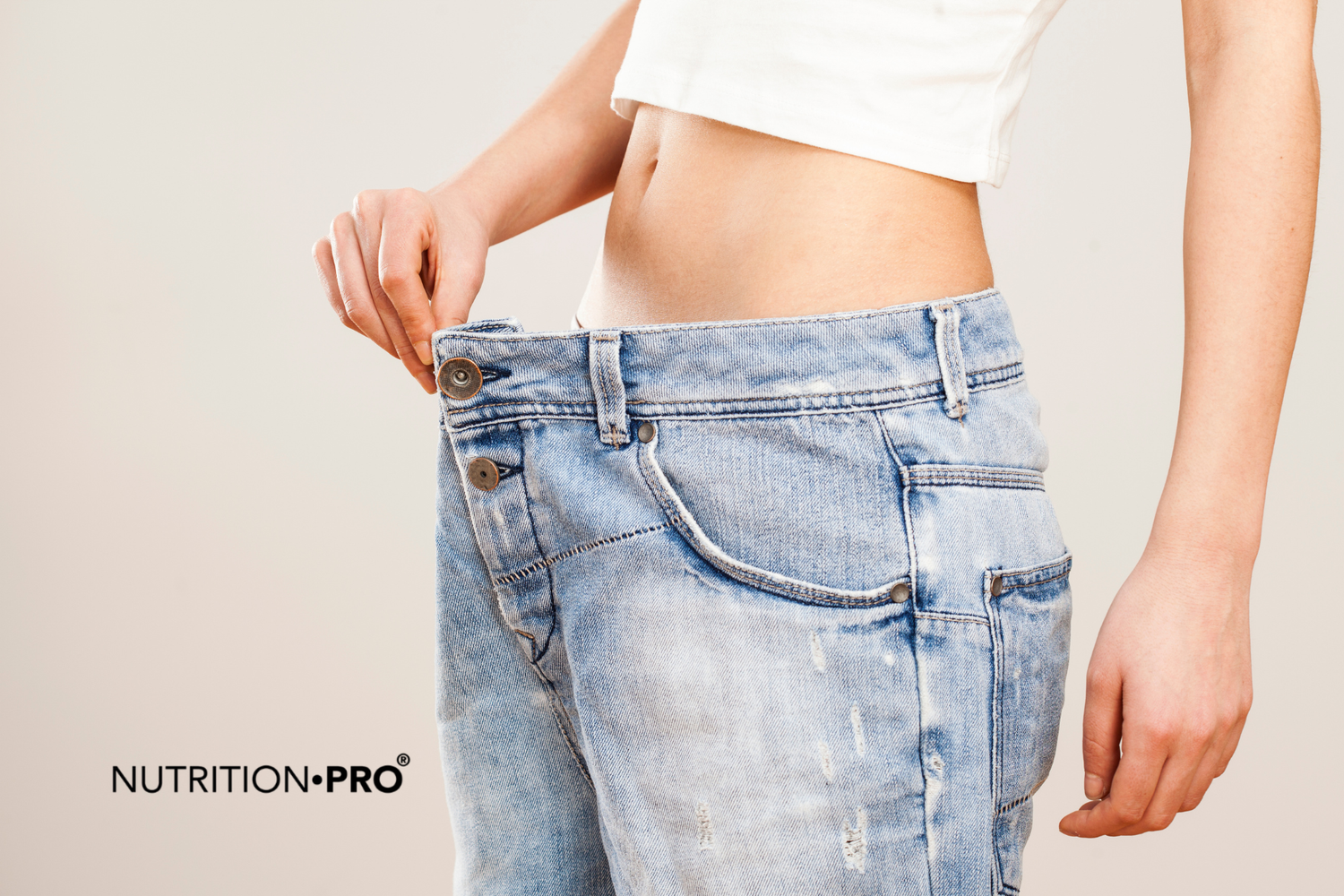
The world of weight loss is awash with myths and “miracle” tips that have no evidence behind them. Yet over the years, research has identified strategies that genuinely work: nothing spectacular, but solid levers that have been measured in studies.
Here are 27 weight-loss tips, sifted to keep only those grounded in scientific data. We have grouped them into four families (food, drinks, activity, lifestyle), and the best-demonstrated pillars come with their sources. The aim: to give you concrete actions, with no overblown promises.

A weight-loss supplement designed to support your weight-loss efforts, alongside good everyday habits. The fundamentals come first; the supplement is there to back them up.
Lasting weight loss rests on a moderate calorie deficit, not on a miracle trick. The best-proven levers: eating more protein (satiety, muscle preservation), more fiber, vegetables and fruit, cutting out liquid calories (sodas, juices), sleeping well (short sleep raises the risk of obesity by around 38%), and combining cardio and strength training. Restrictive diets, by contrast, often fail over time: you are better off rebalancing your diet in a way you can sustain. A supplement can support these basics, never replace them.
1. Food: what really matters
Eat more protein
The best-demonstrated lever.
Protein increases satiety, preserves muscle and reduces cravings. A source of protein at every meal is one of the changes that pays off most (see the science section).
Have protein at breakfast
Eggs or another quality source.
Starting the day with protein rather than sugary cereal helps you eat less later on. Eggs, plain yogurt, quark: the format matters little; the protein content does.
Eat more fiber
Viscous fiber in particular.
Viscous fibers form a gel that slows digestion and prolongs satiety. That is the principle behind glucomannan (konjac) and psyllium.
Eat more vegetables and fruit
Lots of water and fiber, few calories.
Their low energy density makes them very filling. People who eat them regularly tend to weigh less, and they are excellent for overall health.
Cut back on added sugar
Read the labels, even on “health foods.”
Added sugar is strongly associated with obesity and metabolic disease. It hides everywhere, including in products marketed as healthy.
Limit refined carbs
White bread, white pasta, pastries.
Stripped of their fiber, they send your blood sugar soaring, and hunger follows a few hours later. Choose whole-grain versions, with their fiber intact.
Eat whole foods
Single-ingredient, minimally processed.
Whole foods are self-limiting: it is hard to overeat eggs or vegetables. Ultra-processed foods, on the other hand, are all too easy to overconsume.
Keep healthy snacks within reach
So you don't cave in to junk food.
Fruit, nuts, plain yogurt, hard-boiled eggs: having a healthy option on hand prevents impulsive choices when a craving strikes.
Try supplementing with protein if needed
When diet alone is not enough.
If you struggle to reach your protein target, a high-protein snack can help you stay full without giving in to sugary snacking.
Consider viscous fiber (konjac)
A helping hand for satiety.
Konjac glucomannan absorbs water and swells in the stomach, which strengthens the feeling of fullness. A possible aid, in addition to the fiber in your diet.
2. Drinks: the liquid-calorie trap
Drink water, especially before meals
Simple, free, effective.
Drinking water before a meal can help you eat a little less. And swapping a sugary drink for water removes “empty” calories effortlessly.
Cut back on sodas and fruit juices
Liquid sugar is the worst kind.
Sugary drinks promote weight gain (see the science section). And a fruit juice, even a 100% pure one, is still as sugary as a soda. Choose the whole fruit instead.
Black coffee, no sugar
A calorie-free drink, rich in antioxidants.
Plain coffee can be part of your weight-loss efforts, provided you don't load it with sugar and syrups that cancel out the benefit.
Green tea or matcha
A calorie-free drink to enjoy.
Green tea is a pleasant, sugar-free antioxidant drink that fits easily into a routine. Drink it plain, with no added sugar.
3. Physical activity: moving with purpose
Do strength training
The best defense against “muscle wasting.”
Lifting weights (or working with your own body weight) preserves muscle while you slim down and keeps your metabolism up. Essential for a toned body.
Do cardio
Good for burning energy and for your health.
Aerobic exercise helps you burn energy and acts particularly on abdominal fat, the kind most closely linked to metabolic risks.
Don't overestimate the calories you burn
Exercise is not a license to eat.
We greatly overestimate how much a workout burns, then compensate by eating more. Exercise is valuable, but it is not the “calorie furnace” people think it is.
Stay consistent, without overdoing it
Consistency beats occasional intensity.
Regular, sustainable activity is better than punishing overtraining that leads to stress and giving up. Find what you can keep up.
4. Lifestyle and mindset
Sleep 7 to 8 hours
Hugely underrated.
Too little sleep is a major risk factor for obesity (see the science section). Taking care of your sleep directly supports weight loss.
Manage your portions
Smaller plates, an eye on quantities.
Cutting portions, or using smaller plates, helps some people eat less without feeling deprived. Try it and see whether it works for you.
Track what you eat
A food diary for a few days.
Writing down your meals (or photographing them) reveals blind spots and helps you keep your intake realistic. Eating “healthily” does not guarantee a deficit.
Eat slowly and mindfully
Give your brain time to register fullness.
Chewing more slowly helps you eat less and feel fullness more clearly. Mindful eating reduces overeating.
Have realistic expectations
Aim for ~10% of your body weight over a year.
Outsized expectations lead to discouragement and giving up. A modest, gradual goal protects your motivation.
Deal with any food addiction
If the cravings are uncontrollable.
If you experience irresistible urges to eat, asking a professional for help is the right step. Trying to lose weight without addressing this first is very difficult.
Don't go on a diet: rebalance the way you eat
Diets often fail over the long run.
Restrictive diets are often a predictor of weight regain. Aim for a change of habits you can sustain rather than temporary deprivation.
Be patient and consistent
Results come with time.
Lasting changes take time. Modest adjustments you maintain are better than extreme efforts you abandon.
Manage stress
Chronic stress undermines your efforts.
Poorly managed stress encourages compulsive eating and disrupts hormones. Sleep, activity and time to recover help keep it in check.
5. What science backs most clearly
Compared with a standard low-calorie diet, a higher-protein low-calorie diet produces greater loss of weight and fat mass, and better preserves muscle mass and resting metabolism.
According to PubMed, Wycherley TP et al. 2012, American Journal of Clinical Nutrition (24 trials, 1063 participants). DOI: 10.3945/ajcn.112.044321
The mechanism is documented: according to PubMed, Weigle DS et al. 2005 (American Journal of Clinical Nutrition) observed that raising protein from 15% to 30% of calories spontaneously reduced intake by about 441 kcal per day, with significant weight loss (DOI: 10.1093/ajcn.82.1.41).
As for fiber, according to PubMed, a review of intervention studies (Ho IHH et al. 2015, International Journal of Food Sciences and Nutrition) confirms that viscous fibers reduce appetite, food intake and/or weight (DOI: 10.3109/09637486.2015.1034252). That is the rationale behind konjac glucomannan.
Sleep is an underrated pillar: according to PubMed, a meta-analysis covering more than 5.1 million people (Itani O et al. 2017, Sleep Medicine) links short sleep to an increase of around 38% in the risk of obesity, on top of other health risks (DOI: 10.1016/j.sleep.2016.08.006).
Finally, sugary drinks: according to PubMed, a meta-analysis of 32 studies (Malik VS et al. 2013, American Journal of Clinical Nutrition) shows that drinking them promotes weight gain in children and adults alike (DOI: 10.3945/ajcn.113.058362). Cutting out liquid sugar is one of the most rewarding steps you can take.
6. Supporting your efforts
If you were to remember just one message: no product does the work for you. The hierarchy is clear: a moderate calorie deficit, protein, fiber, sleep, consistency. These 27 tips all revolve around those basics.
By way of support, some approaches make sense: a satiety fiber such as konjac or blond psyllium, a diet-rebalancing program to give structure to your plate, or high-protein snacks for satiety. For an enjoyable sugar-free drink, there is organic matcha tea. The remaining question is how much this support really counts for: we worked out what each kilo lost costs, with and without a supplement, which comes to roughly 1.4 kg more over twelve weeks for about a dozen euros a month.
And to dig deeper into specific points, see our dedicated guides: how to lose weight in a month (the complete plan), the 15 mistakes that keep you from losing weight (the other side of the coin), and how to cut back on sugar for good. Take a look at our Slimming collection too.
Frequently asked questions
What is the most effective tip for losing weight?
No single tip does it all: weight loss rests on a sustained calorie deficit. But if we had to single out one priority, it would be eating more protein. According to a meta-analysis of 24 trials (Wycherley 2012, American Journal of Clinical Nutrition), a higher-protein low-calorie diet improves loss of weight and fat mass and better preserves muscle. Protein also increases satiety.
Does lack of sleep make you gain weight?
Sleep is an underrated factor. According to a large meta-analysis covering more than 5 million people (Itani 2017, Sleep Medicine), short sleep is associated with an increase of around 38% in the risk of obesity, on top of other health risks. Aiming for 7 to 8 hours of good-quality sleep supports your weight-loss efforts.
Do sugary drinks and fruit juices make you gain weight?
Yes. According to a meta-analysis of 32 studies (Malik 2013, American Journal of Clinical Nutrition), drinking sugary beverages promotes weight gain in children and adults. Fruit juices, even 100% pure ones, contain as much sugar as a soda, and liquid calories do little to fill you up. Whole fruit and water are the better choice.
Do you have to go on a diet to lose weight?
Restrictive diets rarely work in the long term and often lead to weight regain. The most sustainable approach is to rebalance your diet: eating better rather than depriving yourself, with enough protein and fiber, while keeping a moderate calorie deficit. Consistency matters more than strictness.
Does fiber help you lose weight?
Fiber, especially viscous fiber, increases satiety. According to a review of studies (Ho 2015, International Journal of Food Sciences and Nutrition), viscous fibers such as glucomannan reduce appetite and food intake. They form a gel that slows digestion and prolongs the feeling of fullness. That is the principle behind a fiber like konjac.
Is exercise enough to lose weight?
Exercise alone is rarely enough: diet remains the main lever. Exercise, especially strength training, serves to preserve muscle mass and keep your metabolism up while you lose weight. Cardio helps you burn energy. But we often overestimate the calories burned, so exercise complements diet without replacing it.
Can a supplement replace these tips?
No. No supplement replaces the fundamentals: calorie deficit, protein, fiber, sleep, activity. Certain active ingredients can support your efforts (satiety fibers, for example), but only in a supporting role. Expecting a product to work magic is the most common mistake of all.
- Calorie deficit
- Burning more calories than you consume, a necessary condition for weight loss.
- Satiety
- The feeling of fullness that reduces the desire to eat.
- Viscous fiber
- A soluble fiber that forms a gel, slowing digestion and prolonging satiety (e.g. glucomannan, psyllium).
- Refined carbohydrates
- Carbohydrates stripped of their fiber (white bread, white pasta), which send blood sugar soaring.
- Energy density
- The number of calories per gram of food; foods rich in water and fiber have a low density.
- Dietary rebalancing
- A lasting change in eating habits, as opposed to a temporary restrictive diet.
Information drawn from PubMed. The data describe the state of the research and do not constitute health claims attributed to any product.
- Wycherley TP, Moran LJ, Clifton PM, Noakes M, Brinkworth GD. Effects of energy-restricted high-protein, low-fat compared with standard-protein, low-fat diets: a meta-analysis of RCTs. Am J Clin Nutr 2012;96(6):1281-98. DOI: 10.3945/ajcn.112.044321
- Weigle DS, Breen PA, Matthys CC, et al. A high-protein diet induces sustained reductions in appetite, ad libitum caloric intake, and body weight. Am J Clin Nutr 2005;82(1):41-8. DOI: 10.1093/ajcn.82.1.41
- Ho IHH, Matia-Merino L, Huffman LM. Use of viscous fibres in beverages for appetite control: a review of studies. Int J Food Sci Nutr 2015;66(5):479-90. DOI: 10.3109/09637486.2015.1034252
- Itani O, Jike M, Watanabe N, Kaneita Y. Short sleep duration and health outcomes: a systematic review, meta-analysis, and meta-regression. Sleep Med 2017;32:246-256. DOI: 10.1016/j.sleep.2016.08.006
- Malik VS, Pan A, Willett WC, Hu FB. Sugar-sweetened beverages and weight gain in children and adults: a systematic review and meta-analysis. Am J Clin Nutr 2013;98(4):1084-102. DOI: 10.3945/ajcn.113.058362


