

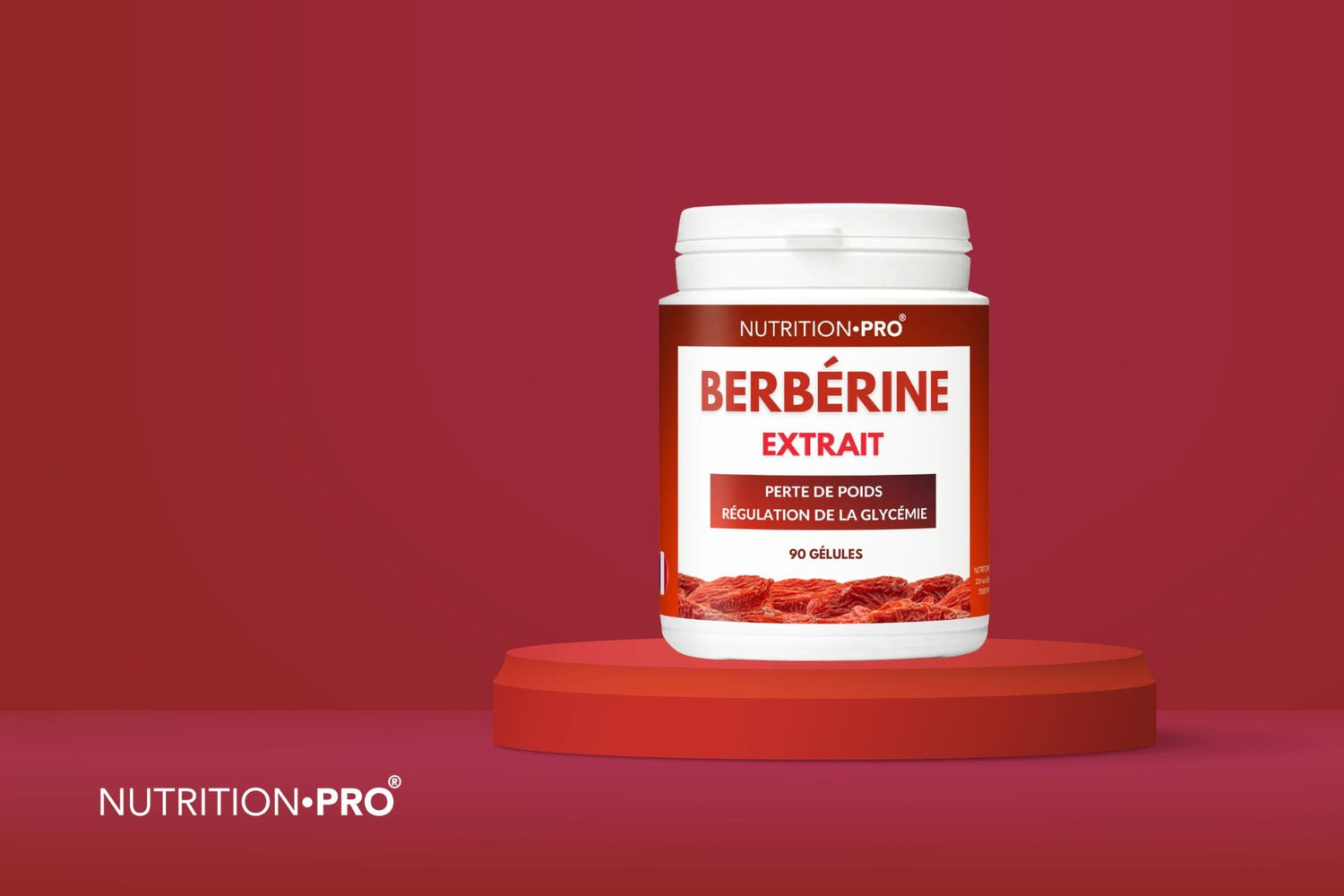
In summary: Berberine is a plant alkaloid used for 3000 years in traditional Chinese and Ayurvedic medicine, whose metabolic effects are now documented by numerous clinical studies. Its proven benefits: blood sugar reduction (effect similar to metformin in several studies), LDL cholesterol reduction (up to –20 to –25% depending on protocols), action on intestinal microbiota, liver support, and weight loss support in metabolic profiles. Nicknamed "natural ozempic," it actually works through a different mechanism: the activation of AMPK, the master metabolic switch. Effective dose:900 to 1500 mg/day in 2-3 doses before meals. 8-12 week courses with medical monitoring in case of chronic disease or medication use. Natural ozempic at €30
« !" On TikTok and Instagram, berberine has experienced explosive popularity since 2023. Behind this highly reductive marketing nickname lies a remarkable molecule: a plant alkaloid used for over 3000 years in traditional Chinese and Ayurvedic medicine, whose pharmacological effects are now documented by numerous modern clinical studies — including a reference meta-analysis of 27 randomized trials and 2569 patients (Lan et al., 2015). Berberine is not a dubious fad, but it's also not the "miracle fat burner" of TikTok promises. It's a powerful and serious
metabolic active ingredient, whose real benefits — blood sugar, cholesterol, microbiota, liver, inflammation — deserve to be well understood to be used intelligently. This comprehensive guide presents the6 scientifically validated benefits
, the 5 available forms, the optimal intake protocol, the profiles that benefit most and the essential precautions to know. 3000years of use in Chinese
Note: Berberine is a powerful metabolic active. Its use should be part of a thoughtful approach, ideally with the advice of a healthcare professional in case of medication or chronic disease. Standard contraindications (pregnancy, breastfeeding, children) are detailed further down in the article.
- What is berberine? Origin and AMPK mechanism
- Berberine vs Ozempic: what you need to know
- The 6 scientifically validated benefits
- The 5 forms of berberine: HCl, dihydro, phytosome…
- Dosage, method of use and time to effect
- Precautions, risks and contraindications
- Which strategy according to your profile?
- Recommended synergies
- Complete scientific FAQ
What is berberine? Origin and AMPK mechanism
Berberine is an isoquinoline alkaloid (natural nitrogen-containing compound) extracted from several medicinal plants. Its intense yellow color led to its use as a natural dye for centuries, before its pharmacological potency was recognized by modern science.
Main natural sources
Berberine is found in several medicinal plants used in traditional medicine:
- Berberis vulgaris (European barberry): 0.5 to 5% berberine in the roots
- Hydrastis canadensis (Goldenseal, Canadian hydrastis): traditional Native American use
- Coptis chinensis (Chinese coptis): cornerstone of traditional Chinese medicine for 3000 years
- Phellodendron amurense (Chinese cork tree): bark
- Mahonia aquifolium (Oregon grape)
3000 years of use in traditional medicine
In traditional Chinese medicine, berberine (known as Huang Lian) has been used for over 3000 years to treat digestive disorders, infectious diarrhea, inflammation, and internal heat. In Ayurvedic medicine, berberis (Daruharidra) is prescribed for metabolic disorders, liver, and skin conditions. This age-old use offers valuable empirical evidence that few modern molecules possess.
The AMPK mechanism: "the master metabolic switch"
What distinguishes berberine from other alkaloids is its action onAMPK (AMP-activated protein kinase) — an enzyme sometimes nicknamed the "master metabolic switch." AMPK is naturally activated during fasting,physical exercise , or cellular energy deficit. When it activates, it triggers a cascade of beneficial effects:
- Stimulation of glucose uptake by muscles and liver (without insulin)
- Inhibition of hepatic glucose production (gluconeogenesis)
- Increase in fat oxidation (mitochondrial β-oxidation)
- Inhibition of the mTOR pathway (promotes autophagy and cellular longevity)
- Increase in hepatic LDL receptors (cholesterol uptake)
It is this action on AMPK that brings berberine closer to metformin (reference antidiabetic medication), but via a slightly different mechanism. Metformin inhibits mitochondrial complex I to activate AMPK; berberine activates AMPK more directly.
Key takeaway: berberine is not an ordinary nutrient or supplement. It is a pharmacologically active molecule that acts on fundamental metabolic pathways. Use with discernment and ideally under medical supervision.
Berberine vs Ozempic: what you need to know
Since 2023, berberine has been widely presented on social media as the " natural ozempic ". While this nickname has the merit of having popularized an otherwise little-known active ingredient in the West, it poorly summarizes what berberine actually does — which really has its own specific benefits.
Two different metabolic approaches
Ozempic(semaglutide, prescription medication) and berberine (dietary supplement) work through completely different mechanisms. Comparing the two as if they were the same product doesn't make much sense: they are two complementary tools, with distinct indications and benefits.Criterion
| Ozempic (semaglutide) | Berberine | Mechanism |
|---|---|---|
| GLP-1 agonist | AMPK activator | Appetite suppressant effect |
| Very powerful | Almost none | Delayed gastric emptying |
| Yes (major effect) | No | Average weight loss |
| 10-15% in 6-12 months | 1-3 kg in 12 weeks | Blood sugar effect |
| Very powerful | Significant | Route of administration |
| Weekly injection | Oral capsules 2-3×/day | Regulatory status |
| Prescription medication | Dietary supplement | Monthly cost |
| €200-300 | €20-40 | Berberine's specific benefits |
Where Ozempic acts primarily as an appetite suppressant, berberine offers a broader and more
systemic approach large et systémique of metabolism:
- Improves insulin sensitivity (effect similar to metformin in several studies)
- Reduces fasting blood glucose (–24 mg/dL on average, Lan 2015 meta-analysis)
- Decreases LDL cholesterol and triglycerides more markedly than GLP-1 agonists
- Favorably modulates intestinal microbiota (prebiotic and selective antibacterial effect documented)
- Supports liver function in non-alcoholic fatty liver disease (NAFLD)
- Reduceschronic low-grade inflammation (CRP, IL-6, TNF-α)
- Effect on gradual weight loss (1-3 kg in 12 weeks), particularly pronounced in metabolic syndrome profiles
- No prescription required, oral route, at a much more affordable cost (~€30/month vs €200-300)
Its limitations compared to Ozempic
- No direct appetite suppression — berberine does not act on brain satiety centers
- No delayed gastric emptying
- No dramatic weight loss — for massive weight loss, Ozempic remains more powerful
- Not a substitute for prescribed antidiabetic treatment
The right positioning: berberine is not a natural Ozempic, it is an exceptional metabolic active ingredient in its own right. Where Ozempic is a tool targeted at satiety and weight, berberine is a global metabolic regulator with multiple documented benefits. The two can even complement each other in certain medical protocols.
The 6 scientifically validated benefits
Here are the 6 truly documented benefits of berberine, ranked by level of evidence.
1. Blood Sugar Regulation — benefit #1 with the strongest evidence
It is the most robust benefit of berberine. Several clinical studies and meta-analyses confirm a blood sugar-lowering effect comparable to metformin, the reference medication for type 2 diabetes.
This study (36 type 2 diabetic patients, 3-month duration) compared berberine (500 mg 3×/day) to metformin (500 mg 3×/day). Results: 25-30% reduction in fasting blood glucose, 0.9% reduction in HbA1c, and significant improvement in insulin sensitivity. Effect comparable to metformin in this study. Small-scale study requiring confirmation in larger trials, but results replicated in several subsequent studies.
A meta-analysis by Lan et al. 2015 (27 clinical trials, 2,569 patients, covering diabetes, hyperlipidemia and hypertension combined) confirms:
- Fasting blood glucose: –24 mg/dL on average
- HbA1c (glycated hemoglobin, 3-month marker): –0.71%
- Postprandial blood glucose: –43 mg/dL
- Effect comparable to metformin and rosiglitazone in direct comparisons
2. LDL Cholesterol and Triglyceride Reduction
Strong lipid-lowering effect: berberine reduces LDL by 15 to 25% and triglycerides by 15 to 25% depending on the studies, at 900-1500 mg/day for 12 weeks. The Koppen 2017 meta-analysis (5 trials, 230 patients) confirms an average LDL reduction of 20% vs. placebo. Bonus: moderate increase in HDL.
Mechanism — AMPK activation + increased expression of hepatic LDL receptors (which capture circulating LDL) + PCSK9 inhibition (the same target as modern lipid-lowering drugs like evolocumab, but with lesser potency).
To learn more on this topic, consult our comprehensive guide to LDL cholesterol-lowering plants.
3. Support for Intestinal Microbiota
An often-overlooked but important effect. Berberine exerts a selective antibacterial action which eliminates pathogenic bacteria (E. coli, Salmonella, Helicobacter) while preserving beneficial microbiota. Prebiotic effect: promotes the growth of bacteria that produce butyrate (short-chain fatty acid essential for intestinal barrier function).
Benefits: improvement in diarrhea, in IBS (irritable bowel syndrome), reduction of intestinal permeability ("leaky gut"), and indirectly an effect on chronic inflammation.
4. Anti-inflammatory effect
Berberine reduces several markers of chronic inflammation: CRP (C-reactive protein), TNF-α, IL-6, IL-1β, with variable effects depending on studies (typically –15 to –30% on CRP). Beneficial long-term for cardiovascular, metabolic, and cognitive prevention (low-grade chronic inflammation is involved in almost all modern chronic diseases).
5. Hepatic support and hepatic steatosis (fatty liver)
Several studies show an improvement in non-alcoholic fatty liver disease (NASH/NAFLD) with berberine: reduction in hepatic fat measured by MRI, improvement in ALT/AST transaminases, decrease in fibrosis markers. Particularly beneficial in subjects with metabolic syndrome.
6. Support for weight loss and body composition
Berberine supports weight loss through an indirect but well-documented mechanism. Rather than suppressing appetite (the mechanism of Ozempic), it acts deeply on energy metabolism: improvement in insulin sensitivity, stabilization of blood sugar (which reduces reactive cravings), increased fat oxidation via AMPK.
Meta-analyses show:
- Average weight loss: 1 to 3 kg in 12 weeks
- Reduction in waist circumference of 2-3 cm
- Improvement in lean mass / fat mass ratio
- Effect more pronounced in metabolic profiles : insulin resistance, metabolic syndrome, abdominal overweight
Berberine is therefore an excellent support in a comprehensive weight management approach — combined with balanced nutrition and physical activity — particularly for individuals with an unfavorable metabolic profile. It does not replace the fundamentals; it strengthens them.
The 5 forms of berberine: HCl, dihydro, phytosome…
Not all berberines are equal. Here is a comparison of the forms available on the market.
The berberine HCl (berberine hydrochloride) is the reference form used in over 95% of published clinical studies. It is the form that demonstrated effects on blood glucose, cholesterol, and the microbiome. Its oral bioavailability is limited (~5%), but this is sufficient to achieve effective concentrations at recommended doses (900-1500 mg/day).
- Most studied form (27+ RCTs)
- Proven and reproducible clinical effects
- Excellent value for money
- Wide availability
- Low oral bioavailability (~5%)
- High doses required (900-1500 mg/day)
- Possible digestive issues at the start of treatment
- 3 doses/day for optimal effect
Our Berberine HCl Nutrition•pro is dosed to achieve the concentrations validated by clinical meta-analyses. It is the historic form, the best documented, with the best efficacy/cost ratio.
The dihydroberberine (DHB) is a natural metabolite of berberine, formed in the intestine by bacterial action. It is 5 times better absorbed than berberine HCl, which allows the use of lower doses (200-400 mg/day vs 1000-1500 mg/day) with equivalent or superior effect.
Particularly interesting for people who experience digestive issues with standard berberine HCl, or for long-term protocols at moderate doses.
Fewer clinical studies than with HCl (newer form). Higher cost. Better digestive tolerance.
The Berberine Phytosome® (Indena) is a patented form where berberine is complexed with sunflower phospholipids (lecithin), which significantly increases its intestinal absorption (up to 10×). Allows the use of very low doses (200-300 mg/day) with maintained efficacy.
Major advantage: excellent digestive tolerance, ideal for sensitive individuals. Drawback: significantly higher cost.
Besides HCl, berberine exists in other salt forms: sulfate, citrate, palmitate. All are effective, with slightly variable bioavailability. The sulfate is the 2nd most studied form after HCl. The citrate is better tolerated digestively by certain individuals.
No major superiority demonstrated compared to HCl. Prioritize HCl for clinical validation guarantee.
Total plant extracts (berberis, goldenseal, coptis) contain berberine at variable concentrations (2-12 %), accompanied by other alkaloids (palmatine, jatrorrhizine, hydrastine). A more traditional approach, but less reproducible in terms of dose and efficacy.
To be preferred for classical phytotherapy use, but to be avoided if the objective is to reach validated clinical doses (900-1500 mg of pure berberine/day).
Dosage, method of intake and time to effect
Berberine is one of the supplements where the intake protocol matters as much as the total dose.
Validated effective dose
- Berberine HCl : 900 to 1500 mg/day, in 2-3 doses of 500 mg before meals
- Dihydroberberine : 200-400 mg 2-3×/day
- Berberine Phytosome® : 200-300 mg 1-2×/day
When to take berberine?
Before meals — berberine acts primarily on postprandial blood sugar (after meals). Taking it 15-30 minutes before main meals (breakfast, lunch, dinner) maximizes its effect on blood sugar spikes.
Short half-life — berberine HCl has a half-life of approximately 4 hours, which justifies 2-3 daily doses. A single morning dose is less effective.
Gradual start mandatory
To minimize digestive issues (constipation, diarrhea, bloating), start gradually:
- Week 1 : 500 mg/day (1 dose at midday meal)
- Week 2 : 1000 mg/day (500 mg morning and midday)
- Week 3+ : 1500 mg/day if well tolerated (3 doses of 500 mg)
Treatment duration and therapeutic windows
Typical course: 8 to 12 weeks, followed by a therapeutic window of 1-2 weeks. For prolonged use (> 6 months), implement more marked windows (2-4 weeks every 3 months) and regular biological monitoring (transaminases, blood glucose, lipid panel).
Time to action based on desired benefit
- Blood sugar : visible effects within 2-4 weeks, maximum at 12 weeks
- LDL cholesterol : 4-12 weeks for maximum effect
- Microbiome, digestion : 2-4 weeks
- Weight loss : minimum 8-12 weeks, progressive effect
- Inflammatory markers : 6-12 weeks
Practical tip: have a blood test before and after the treatment course to objectively measure the effects: fasting blood glucose + HbA1c, complete lipid panel, liver enzymes (ALT/AST), CRP. This is the only way to know if berberine works for you and if it is well tolerated by your liver.
Precautions, risks and contraindications
Berberine is pharmacologically active. This means it can interact with many medications and present adverse effects.
Regulatory framework and position of authorities
Like any potent active ingredient, berberine is subject to regulatory monitoring in Europe. In France, it is sold over-the-counter as a dietary supplement, but theANSES (National Food Safety Authority) published in 2019 an opinion calling for caution: at a dose of 400 mg, berberine can have pharmacological effects comparable to a medication. The agency recommends against its use in certain populations (see contraindications below). This regulation is reassuring: it guarantees serious oversight of a product with marked metabolic effects.
Absolute contraindications
⚠ Do not take berberine in case of:
Pregnancy and breastfeeding : berberine crosses the placental barrier and passes into breast milk. Risk of teratogenic effects and neonatal toxicity.
Children and adolescents : not recommended before age 18 (insufficient safety data).
Diabetes under treatment (insulin, metformin, sulfonylureas): risk of severe hypoglycemia due to additive effect. Except under strict medical advice with dose adjustment.
Liver or kidney insufficiency : impaired elimination, risk of toxic accumulation.
Heart disease with arrhythmias : risk of arrhythmia (effect on cardiac conduction).
Hypotension : berberine lowers blood pressure, risk of fainting.
Most frequent side effects
- Digestive disorders (15-30% of subjects): constipation, diarrhea, nausea, bloating, abdominal pain — especially at the beginning of treatment or at high doses
- Headaches (rare)
- Hypoglycemia in sensitive subjects (dizziness, sweating, hunger)
- Low Blood Pressure Mild
- Bitter taste in mouth
Major drug interactions
Berberine inhibits the enzyme CYP3A4 in the liver, which metabolizes over 50% of medications. Consequence: it increases blood concentration and the effects of many treatments. Documented interactions:
- Antibiotics : azithromycin, clarithromycin, erythromycin
- Anticoagulants : warfarin (hemorrhage risk)
- Antidiabetic agents : metformin, insulin, sulfonylureas (hypoglycemia risk)
- Antihypertensive agents : additive effect
- Tamoxifen : interaction with metabolism
- Verapamil, cyclosporine : increased effects
- High-dose statins : increased risk of myopathy
- Sedatives and anxiolytics : additive effect
⚠ Advice: if you are taking any chronic medication, consult your doctor and pharmacist before starting a berberine regimen. This molecule is not a benign dietary supplement.
Which strategy for your profile?
Here are the typical protocols based on your primary objective. To be adapted with your doctor.
Profile 1 — Prediabetes or insulin resistance
Ideal target for berberine. Strategy:
- Berberine HCl Nutrition•pro 500 mg 3×/day before meals, for 12 weeks
- Magnesium bisglycinate 300-400 mg/day (insulin cofactor)
- Low glycemic index diet, 150 min/week physical activity
- Biological assessment: HbA1c, fasting blood glucose, insulin levels at 3 months
Profile 2 — High LDL Cholesterol
Complementary approach:
- Cholisine Nutrition•pro (red rice yeast formula + guggul + garlic + policosanol)
- Berberine HCl 1000-1500 mg/day as second-line option if LDL persists
- Omega-3 Premium for triglycerides and inflammation
- See our complete LDL cholesterol guide
Profile 3 — Metabolic Syndrome (waist circumference + TG + low HDL)
Most relevant indication:
- Berberine HCl 1500 mg/day
- Omega-3 Premium 3 g EPA+DHA/day
- Magnesium bisglycinate 400 mg/day
- Lifestyle restructuring (weight, activity, nutrition)
- Medical follow-up with complete assessment at 3 months
Profile 4 — Moderate Overweight with no associated pathology
Beware of unrealistic promises:
- Berberine alone will not cause 10 kg weight loss
- Berberine HCl 1000-1500 mg/day as adjuvant to a comprehensive program
- The major effect will come from moderate caloric deficit + physical activity + sleep
- Expect 1-3 additional kg lost in 12 weeks, primarily from abdominal fat
Profile 5 — Digestive troubles and unbalanced microbiota
Selective prebiotic and antibacterial action:
- Berberine HCl at moderate dose (500-1000 mg/day)
- Course of 4-6 weeks, not to exceed
- Combine with probiotics after the course to restore flora
Recommended synergies
Certain combinations strengthen berberine's effectiveness on specific targets.
For blood sugar: berberine + cinnamon + chromium
The cinnamon (Cinnamomum verum) improves insulin sensitivity through a different mechanism. The chromium is a cofactor of insulin. Powerful trio for glycemic regulation in pre-diabetics.
For cholesterol: berberine + Cholisine
Multi-mechanism approach: Cholisine (red rice yeast + guggul + garlic + policosanol) acts on hepatic synthesis, berberine enhances via AMPK and LDL receptors. Combination to be used only at moderate doses and under medical supervision.
For overall metabolism: berberine + magnesium + omega-3
Magnesium bisglycinate 400 mg/day (enzymatic cofactor of insulin) + Premium Omega-3 2-3 g EPA+DHA/day (vascular anti-inflammatory). Cardioprotective metabolic stack.
Combinations to avoid
⚠ Do not combine:
Berberine + metformin without medical supervision: risk of severe hypoglycemia.
Berberine + high-dose statin : risk of myopathy.
Berberine + St. John's Wort : hepatic interactions.
Berberine + grapefruit juice : increased blood concentration and toxicity.
Complete scientific FAQ
Is berberine really the natural Ozempic?
The nickname is commercial but reductive. Berberine and Ozempic work through different mechanisms:
- Ozempic = GLP-1 agonist, suppresses appetite, delays gastric emptying
- Berberine = AMPK activator, acts deeply on glucose-lipid metabolism
However, berberine offers a broader metabolic approach : documented action on LDL cholesterol, gut microbiota and liver, where Ozempic is primarily focused on satiety. Rather than an alternative to Ozempic, it is a fully-fledged complementary metabolic active ingredient, whose effects are documented by numerous clinical studies.
How does berberine work in the body?
Berberine activatesAMPK (AMP-activated protein kinase), nicknamed the "master metabolic switch." This enzyme normally activates during fasting or physical exercise. When berberine activates it, it triggers:
- Increased glucose uptake by muscles (without insulin)
- Inhibition of hepatic glucose production
- Increased fat oxidation
- Inhibition of the mTOR pathway (promotes longevity)
- Increased hepatic LDL receptors
This is a mechanism similar to metformin.
Which plants contain berberine?
Several medicinal plants: Berberis vulgaris (European barberry), Coptis chinensis (Chinese coptis, cornerstone of traditional Chinese medicine), Hydrastis canadensis (goldenseal), Phellodendron amurense (Chinese cork tree), Mahonia aquifolium (Oregon grape).
Berberine concentration varies from 0.5 to 12% depending on the plant and the part used (roots, bark). To achieve validated clinical doses, standardized extracts at 97% (berberine HCl) are used rather than raw plants.
What are the true benefits of berberine proven by science?
Benefits scientifically validated by meta-analyses:
- Blood sugar : –24 mg/dL on average, –0.7% HbA1c (effect similar to metformin, Lan 2015 meta-analysis)
- LDL cholesterol : –15 to –25% depending on studies (Koppen 2017)
- Triglycerides : –15 to –25%
- Gut microbiota : prebiotic and selective antibacterial effect
- Chronic inflammation : reduction in CRP, IL-6, TNF-α
- Fatty liver disease : improvement in liver markers (NAFLD)
- Weight loss : 1-3 kg in 12 weeks, particularly in metabolic profiles
Clinical doses of 900-1500 mg/day divided into 2-3 doses before meals.
Does berberine really make you lose weight?
Yes, but through an indirect mechanism. Berberine doesn't suppress appetite like Ozempic does: it works deep in energy metabolism by improving insulin sensitivity and increasing fat oxidation.
Clinical meta-analyses show a weight loss of 1 to 3 kg in 12 weeks, particularly pronounced in people with insulin resistance or metabolic syndrome (difficult metabolic conditions where weight resists conventional diets). It's a powerful metabolic support that fits into a comprehensive approach (nutrition, physical activity).
To optimize the effect: 900-1500 mg/day divided before meals, 12-week course.
Is berberine as effective as metformin?
Several direct comparative studies (Yin et al. 2008 on 36 patients, and subsequent meta-analyses) show efficacy comparable on fasting blood glucose, HbA1c, and insulin sensitivity. Study sizes remain modest compared to metformin trials.
Metformin remains the reference medication prescribed for type 2 diabetes, with decades of experience and health insurance coverage. Berberine is complementary but does not replace antidiabetic treatment without strict medical advice.
Does berberine really lower cholesterol?
Yes, the effect is documented. The Koppen 2017 meta-analysis (5 randomized clinical trials) confirms LDL reduction of 15 to 25% depending on studies, at a dose of 500-1500 mg/day for 12 weeks. Additive effect with statins.
Mechanism: AMPK activation + increased hepatic LDL receptors + PCSK9 inhibition (the same target as modern PCSK9 inhibitors, but with less potency). Particularly interesting in statin-intolerant patients (myalgias). See our LDL cholesterol guide.
Is berberine good for the liver?
Yes, in non-alcoholic fatty liver disease (NAFLD/NASH). Several clinical studies show improvement in liver fat measured by MRI, a decrease in liver enzymes ALT/AST and reduced fibrosis markers after 8-12 weeks of berberine 900-1500 mg/day.
Caution : at high doses or prolonged use, berberine may conversely temporarily elevate liver enzymes. Biological monitoring recommended. Contraindicated in severe liver insufficiency.
Is berberine anti-aging?
Potential effect but not demonstrated in humans. Berberine inhibits the mTOR pathway (involved in cellular aging) and activatesautophagy (cellular recycling). In animal models, it extends lifespan.
No human study has yet demonstrated an effect on actual longevity. Berberine is among the molecules studied by geroscience research, alongside metformin, rapamycin, and NAD+.
What is the effective dose of berberine?
The dose validated by clinical meta-analyses is 900 to 1500 mg/day, divided into 2-3 doses of 500 mg before meals. Start gradually:
- Week 1: 500 mg/day
- Week 2: 1000 mg/day
- Week 3+: 1500 mg/day if well tolerated
A course typically lasts 8 to 12 weeks with a therapeutic window of 1-2 weeks every 3 months. Prefer berberine HCl or phytosome forms with enhanced bioavailability.
When should you take berberine?
Before meals, 15-30 minutes before. Berberine acts primarily on postprandial blood sugar, so taking it just before the meal optimizes its effect on the blood sugar spike.
The short half-life (~4 h) justifies 2-3 daily doses. A single morning dose is less effective. Never take all capsules in a single dose (digestive upset).
Should you take berberine on an empty stomach or with a meal?
Before the meal, but not on a completely empty stomach. Ideally 15-30 minutes before the meal. On a completely empty stomach, it can cause more digestive issues (nausea, heartburn) without additional benefit.
If you have a sensitive stomach, taking at the beginning of the meal is an acceptable alternative, without significant reduction in effect.
How long to see results?
- Blood sugar : effects within 2-4 weeks, maximum at 12 weeks
- LDL cholesterol : 4-12 weeks
- Weight loss : 8-12 weeks, modest effect (1-3 kg)
- Digestion and microbiota : 2-4 weeks
- Inflammation : 6-12 weeks
Consistency is essential: missing doses or reducing intake significantly diminishes effectiveness. At least 8 weeks of complete treatment are necessary to evaluate the real effect.
Can you take berberine continuously all year round?
Not recommended. Clinical studies have rarely exceeded 6 months of continuous use. For prolonged use, implement therapeutic windows of 2-4 weeks every 3 months, and a Regular biological monitoring (liver enzymes, blood glucose, lipid panel every 3-6 months).
This precaution helps prevent tolerance buildup, monitor liver tolerance, and maintain efficacy over time.
Is berberine dangerous?
At recommended doses in healthy adults, berberine is generally well tolerated. Its pharmacological potency simply requires following a few common-sense rules.
Possible side effects at the start of treatment: digestive disturbances (which subside in 1-2 weeks with gradual initiation), bitter taste in mouth. To be avoided in case of pregnancy, breastfeeding, children, severe liver or kidney disease. People taking medications (antidiabetics, anticoagulants, certain antibiotics) must inform their doctor before use.
It's a serious active ingredient to use intelligently, not a trivial supplement — but it's not a dangerous product.
What are the side effects of berberine?
The most common:
- Digestive disturbances (15-30%): constipation, diarrhea, nausea, bloating
- Headaches (rare)
- Hypoglycemia in sensitive subjects or treated diabetics
- Hypotension mild
- Bitter taste in mouth
Most digestive effects occur at the start of treatment and gradually subside. To minimize them: gradual initiation, taking with meals if very sensitive.
Can you take berberine with your medications?
With caution and mandatory medical advice. Berberine presents numerous documented interactions:
- Antidiabetics: risk of severe hypoglycemia
- Anticoagulants (warfarin): hemorrhage risk
- Antibiotics: azithromycin, clarithromycin
- Tamoxifen, verapamil, cyclosporine
- High-dose statins
It inhibits the CYP3A4 enzyme which metabolizes over 50% of medications. Always inform your doctor and pharmacist of berberine intake before any other treatment.
Is berberine compatible with pregnancy?
No, formally contraindicated. Berberine crosses the placental barrier and can cause neonatal hyperbilirubinemia (severe jaundice) in newborns. Possible abortive effect at high traditional doses. Strictly avoid throughout pregnancy and breastfeeding (passage into breast milk).
Can berberine damage the liver?
Variable effect. At moderate clinical doses (900-1500 mg/day) over 8-12 weeks, berberine is generally well tolerated and may even improve hepatic steatosis (non-alcoholic fatty liver).
À At high doses or with prolonged use, it may elevate transaminases (ALT/AST). Biological monitoring recommended at 6-8 weeks then every 3 months in case of prolonged treatment. Contraindicated in case of pre-existing liver insufficiency.
Which form of berberine should you choose?
Berberine HCl (hydrochloride): the reference form, used in 95% of clinical studies. Excellent value for money. Our Berberine HCl is part of this category.
Dihydroberberine (DHB) : 5× better absorbed, lower doses, ideal in case of digestive disorders.
Berberine Phytosome® : 10× better absorbed, very low doses, but high cost.
Total plant extracts (barberry, goldenseal): less reproducible, to be avoided to achieve validated clinical doses.
How to choose a quality berberine?
Check 4 criteria on the label:
- Specified form (HCl, dihydroberberine, phytosome) — avoid unspecified "plant extract"
- Dose per capsule indicated (ideally 500 mg)
- Purity ≥ 97% mentioned
- GMP manufacturing and purity tests (absence of heavy metals, citrinin)
Favor French or European brands with public laboratory analyses.
Berberine or metformin: which one to choose?
It depends on your medical status:
- Confirmed type 2 diabetes : metformin prescribed and covered. Berberine may possibly be used as a complement, under strict medical supervision.
- Pre-diabetes or insulin resistance without diabetes: berberine is an interesting natural alternative (no prescription required, but not reimbursed).
- Metabolic Syndrome : berberine is particularly well-suited for its multi-target action (glucose + lipids + inflammation).
Always discuss this with your doctor.
Learn More
To benefit from berberine's validated benefits without falling into unrealistic marketing promises, our Berberine HCl Nutrition•pro is dosed to achieve the concentrations used in reference clinical studies. The HCl form remains the most studied and most reproducible, with documented effects on blood glucose, cholesterol, and metabolism.
For a comprehensive metabolic approach, berberine pairs particularly well with our Cholisine (synergistic cholesterol formula with red rice yeast + guggul + garlic + policosanol), our Omega-3 Premium EPA/DHA (action on triglycerides and inflammation), and our Magnesium+ bisglycinate (insulin cofactor and stress-relief).
To learn more about related topics, consult our complete LDL cholesterol guide (berberine is featured there as well), our chronic fatigue guide and our ashwagandha guide for stress management (which also impacts metabolism).
Note: this article is for informational and educational purposes. Berberine is a powerful active ingredient that deserves thoughtful use—as part of a comprehensive approach and ideally with the advice of a healthcare professional in cases of chronic disease or medication use. Standard contraindications (pregnancy, breastfeeding, children) must be strictly observed.
- Yin J, Xing H, Ye J. Efficacy of berberine in patients with type 2 diabetes mellitus. Metabolism. 2008;57(5):712-717.
- Lan J, Zhao Y, Dong F, et al. Meta-analysis of the effect and safety of berberine in the treatment of type 2 diabetes mellitus, hyperlipemia and hypertension. Journal of Ethnopharmacology. 2015;161:69-81.
- Koppen LM, Whitaker A, Rosene A, Beckett RD. Efficacy of Berberine Alone and in Combination for the Treatment of Hyperlipidemia: A Systematic Review. Journal of Evidence-Based Complementary & Alternative Medicine. 2017;22(4):956-968.
- Dong H, Wang N, Zhao L, Lu F. Berberine in the Treatment of Type 2 Diabetes Mellitus: A Systemic Review and Meta-Analysis. Evidence-Based Complementary and Alternative Medicine. 2012;2012:591654.
- Kong W, Wei J, Abidi P, et al. Berberine is a novel cholesterol-lowering drug working through a unique mechanism distinct from statins. Nature Medicine. 2004;10(12):1344-1351.
- Wei X, Wang C, Hao S, Song H, Yang L. The Therapeutic Effect of Berberine in the Treatment of Nonalcoholic Fatty Liver Disease: A Meta-Analysis. Evidence-Based Complementary and Alternative Medicine. 2016;2016:3593951.
- Habtemariam S. Berberine pharmacology and the gut microbiota. Pharmacological Research. 2020;155:104722.
- ANSES. Opinion regarding risks associated with the consumption of dietary supplements containing berberine. 2019.
- Belwal T, Bisht A, Devkota HP, et al. Phytopharmacology and clinical updates of Berberis species against diabetes and other metabolic diseases. Frontiers in Pharmacology. 2020;11:41.
- Cao C, Su M. Effects of berberine on glucose-lipid metabolism, inflammatory factors and insulin resistance in patients with metabolic syndrome. Experimental and Therapeutic Medicine. 2019;17(4):3009-3014.
- Spinozzi S, Colliva C, Camborata C, et al. Berberine and its metabolites: relationship between physicochemical properties and plasma levels after administration to human subjects. Journal of Natural Products. 2014;77(4):766-772.
- Yang J, Yin J, Gao H, et al. Berberine improves insulin sensitivity by inhibiting fat store and adjusting adipokines profile in human preadipocytes and metabolic syndrome patients. Evidence-Based Complementary and Alternative Medicine. 2012;2012:363845.
- EFSA Journal. Scientific Opinion on the safety of monacolins from red yeast rice and the position on berberine in food supplements. Technical Reports.


