

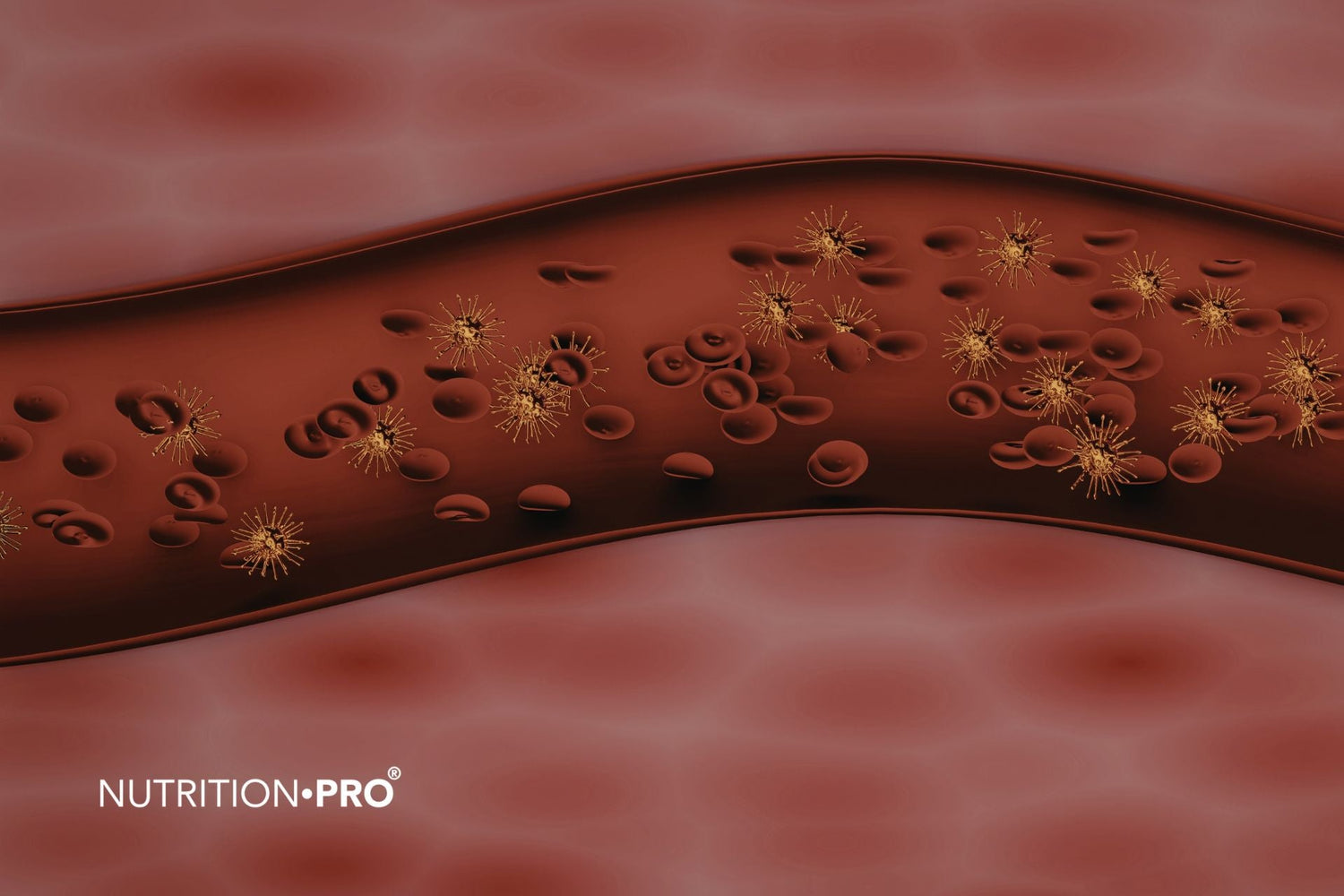
In summary: High LDL cholesterol affects nearly 30% of French adults. The 11 best-validated natural active ingredients: red yeast rice, phytosterols, omega-3, garlic, berberine, policosanol, guggul, bergamot, niacin, soluble fiber, coenzyme Q10. Red yeast rice remains the #1 active ingredient (-22 to -34% LDL proven), but a synergistic approach combining 4 mechanisms (synthesis, elimination, regulation, vascular protection) delivers the best results. Always under medical supervision in cases of confirmed high cholesterol.
"Your cholesterol is too high." Millions of French people hear this sentence every year after their annual blood work. And immediately, two options present themselves: turn to pharmaceutical statins with their known side effects (muscle pain, liver dysfunction), or explore natural solutions. But which ones really work? Which are validated by science? And which ones might disappoint you?
This article reviews the 11 plants and nutrients with the strongest scientific documentation against high LDL cholesterol, with their evidence levels, effective doses, precautions for use, and synergistic combinations. With one guiding principle: no supplement replaces medical supervision in cases of confirmed high cholesterol — certain situations absolutely require pharmaceutical treatment.
⚠ Medical warning: this article is for informational purposes only and does not replace individual medical advice. Any high cholesterol requires medical supervision with regular lipid panel testing. Never stop statin treatment without medical advice; never combine red yeast rice with pharmaceutical statins. Dietary supplements are contraindicated during pregnancy, breastfeeding, liver/kidney/muscle disease, or in those over 70 years old.
- Understanding Cholesterol: LDL, HDL, Triglycerides
- What are the target values to achieve?
- Comparative table of 11 validated active ingredients
- The 11 plants and nutrients in detail
- Which strategy according to your lipid profile?
- Synergistic combinations and those to avoid
- Lifestyle habits: the 5 anti-cholesterol pillars
- When to consult a doctor without delay
- Complete scientific FAQ
Understanding Cholesterol: LDL, HDL, Triglycerides
Before wanting to "lower your cholesterol," it's important to understand that cholesterol is essential to life : it makes up cell membranes, is used to produce steroid hormones (testosterone, estrogen, cortisol), vitamin D, and bile salts necessary for digestion. The problem is never cholesterol itself, but its imbalance.
LDL: the "bad cholesterol" (but it's more nuanced than that)
<<<18>>> LDL LDL (Low Density Lipoproteins) transport cholesterol from the liver to organs. When present in excess, theyoxidize and accumulate in artery walls, forming atherosclerotic plaques that progressively narrow blood vessels. Possible consequences: heart attack, stroke (CVA), peripheral artery disease.
Important nuance : it's not so much the total LDL that matters, but its oxidized fraction and the particle size. Small dense particles ("small dense LDL") are significantly more atherogenic than large particles. "High" LDL with large particles is less risky than "moderate" LDL with small dense particles.
HDL: the "good cholesterol"
<<<33>>> HDL HDL (High Density Lipoproteins) travel the opposite route: they return cholesterol from organs to the liver for elimination. The higher the HDL, the better. Low HDL (< 0.40 g/L men, < 0.50 g/L women) is a major cardiovascular risk factor, sometimes more important than slightly elevated LDL.
Triglycerides: often overlooked but crucial
<<<38>>> Triglycerides triglycérides are circulating fats derived mainly from simple sugars, fromalcohol and dietary fats. Excess (> 1.50 g/L) increases cardiovascular risk and promotes the formation of small dense LDL particles. Dietary changes are more effective than supplements here.
The atherogenic ratio: the true indicator
Rather than looking solely at total cholesterol or isolated LDL, cardiologists now examine the total cholesterol / HDL ratio (ideally < 4) or the LDL/HDL ratio (ideally < 3.5). It is a predictive marker far more reliable for cardiovascular risk than isolated LDL.
Practical advice: ask your doctor for a comprehensive lipid panel with: total cholesterol, LDL, HDL, triglycerides, and ideally apolipoprotein B (apoB) which assesses risk better than LDL alone. An apoB < 0.90 g/L is the ideal target for an adult without major risk.
What are the target values to achieve?
The target values are not absolute: they depend on your individual cardiovascular risk, which combines age, sex, smoking, hypertension, diabetes, family history, overweight, and HDL.
Target values according to your risk profile
| Risk profile | Target LDL | Target total | Target HDL | Target TG |
|---|---|---|---|---|
| No risk factors | < 1.60 g/L | < 2.40 g/L | > 0.40 (M) / 0.50 (F) | < 1.50 g/L |
| 1-2 risk factors | < 1.30 g/L | < 2.00 g/L | > 0.40 / 0.50 | < 1.50 g/L |
| High risk (diabetes…) | < 1.00 g/L | < 1.80 g/L | > 0.45 / 0.55 | < 1.30 g/L |
| Very high risk (post-MI) | < 0.55 g/L | < 1.40 g/L | > 0.45 / 0.55 | < 1.00 g/L |
Sources: ESC/EAS 2019 guidelines and HAS 2017. To be interpreted with your physician according to your overall health profile.
Cardiovascular risk factors to know
- Age : ≥ 50 years (men) or ≥ 60 years (women)
- Family history of early myocardial infarction (< 55 years father, < 65 years mother)
- Active smoking or quit less than 3 years ago
- High blood pressure (BP ≥ 140/90 mmHg or treated)
- Diabetes type 1 or 2
- Low HDL (< 0.40 g/L men, < 0.50 g/L women)
- Abdominal obesity (waist circumference > 94 cm men, > 80 cm women)
- Sedentary lifestyle
Comparative table of 11 validated active ingredients
Here is a summary of the 11 best-documented plants and nutrients against LDL cholesterol, ranked by level of scientific evidence and measured impact on LDL.
| Active ingredient | Mechanism | LDL effect | Evidence level | Time to action |
|---|---|---|---|---|
| Red yeast rice ★ | Inhibition of hepatic synthesis | –22 to –34 % | Very High | 4-12 weeks |
| Phytosterols ★ | Intestinal absorption inhibition | –8 to –12 % | Very High | 4-8 weeks |
| Omega-3 EPA/DHA ★ | Triglyceride reduction especially | –5 to –10 % | Very High | 6-12 weeks |
| Berberine | AMPK activation + LDL receptors | –20 to –25 % | High | 8-12 weeks |
| Black garlic / extract | Multi-mechanism vascular action | –7 to –10 % | High | 8-12 weeks |
| Policosanol | Hepatic synthesis inhibition | –10 to –15 % | High | 4-8 weeks |
| Guggul | Hepatic farnesoid receptors | –8 to –12 % | Moderate | 8-12 weeks |
| Bergamot (BPF) | HMG-CoA + AMPK inhibition | –15 to –24 % | High | 8-12 weeks |
| Niacin (B3) | VLDL reduction, HDL ↑ | –5 to –10 % | High | 4-8 weeks |
| Soluble fiber (psyllium, β-glucans) | Biliary elimination | –7 to –10% | Very high | 4-6 weeks |
| Coenzyme Q10 | Myocyte protection (statins/RYR) | No direct effect | High (as a supplement) | 4-8 weeks |
Note: percentages vary depending on dose, duration, and baseline lipid profile. Data from recent meta-analyses (2018-2024).
The 11 plants and nutrients in detail
The order below corresponds to a ranking by potency of action on LDL and overall level of evidence, with a progressive educational approach from major active compounds to synergistic supplements.
Red yeast rice (Monascus purpureus) has been cultivated in China for over 2000 years on fermented rice. It contains monacolins, including monacoline K, structurally identical to lovastatin (pharmaceutical statin). It is the most effective natural active compound against LDL cholesterol.
A comprehensive meta-analysis confirmed an average LDL reduction of 1.02 mmol/L (39.4 mg/dL) after 2 to 24 months of treatment. The lipid-lowering effect of red yeast rice is comparable to moderate doses of statins (pravastatin 40 mg or lovastatin 20 mg). A review by Li et al. (2022) of 15 randomized clinical trials confirmed efficacy at doses of 200 to 4800 mg/day.
Mechanism — Monacoline K inhibitsHMG-CoA reductase, the key enzyme in cholesterol synthesis in the liver. The liver, lacking cholesterol, then increases the uptake of circulating LDL → decrease in blood LDL. Proven reduction: 22 to 34% of LDL in 8 to 12 weeks.
- The most powerful natural active ingredient (-22 to -34% LDL)
- EFSA-validated claim
- Effect also on total cholesterol and triglycerides
- Well tolerated at recommended doses
- Same side effects as statins
- Contraindicated in pregnancy, > 70 years old, liver/kidney issues
- Numerous drug interactions
- Variable quality depending on brands
⚠ 2022 Regulation: as of June 18, 2022, the European Union has limited the maximum dose of monacolin K to 3 mg/day in dietary supplements (EU Regulation 2022/860). Previously the authorized dose was 10 mg/day. This reduction aims to prevent reported muscle and liver adverse effects. Always check the monacolin K dose on the product label before purchase.
To avoid : pregnancy, breastfeeding, under 18 years old, over 70 years old, liver or kidney disease, muscle disease, hypothyroidism. Interactions : statins (toxic cumulative effect), anticoagulants, antifungals, macrolide antibiotics, antiretrovirals, grapefruit juice. Always inform your doctor about red rice yeast intake.
Phytosterols (β-sitosterol, campesterol, stigmasterol) are plant compounds structurally similar to human cholesterol. They compete with cholesterol at the intestinal level and block its absorption. Naturally present in vegetable oils, legumes, and oilseeds. Approved by EFSA with an official claim. Documented effect
— A daily dose of 1.5 to 3 g of phytosterols reduces LDL by 8 to 12% in 4 to 8 weeks. Additive effect to any other strategy (statins, red rice yeast, diet). réduit le LDL de 8 à 12 % en 4 à 8 semaines. Effet additif à toute autre stratégie (statines, levure de riz rouge, régime).
Fortified foods (margarines, yogurts like Pro-Activ®), nuts and seeds (30 g/day of almonds or walnuts), sunflower seeds, sesame, extra virgin olive oil, legumes. Supplements : 1.5 to 3 g/day with meals (phytosterols require fats to work).
Marine omega-3s (EPA + DHA) are among the most studied nutrients in cardiology. Modest effect on LDL (–5 to –10 %), but major effect on triglycerides (–20 to –30 %), vascularinflammation, blood pressure and heart rate.
REDUCE-IT pivotal study (2018): 4 g/day of EPA over 5 years in 8,000 high-risk cardiovascular patients = 25 % reduction in major cardiovascular events . Strong data in secondary prevention.
2 to 3 g/day of combined EPA + DHA in cases of elevated cholesterol. Prioritize ultra-purified omega-3s (re-esterified triglyceride form), with a low TOTOX index (< 10) guaranteeing absence of oxidation. Our Premium Omega-3 EPA/DHA meets these quality standards with 800 mg EPA + 600 mg DHA per dose.
The Berberine is an alkaloid extracted from several plants (barberry, goldenseal, mahonia). Used for over 3,000 years in traditional Chinese medicine, it has been the subject of numerous modern studies confirming its lipid-lowering effect through a mechanism different from statins : activation ofAMPK (metabolic kinase) and increased hepatic LDL receptors.
Recent meta-analysis (2020, 27 trials, 2,569 patients): berberine at 500-1,500 mg/day reduces LDL by 20 to 25%, with a cumulative effect with statins. Bonus: improved blood glucose and insulin sensitivity.
500 mg 2 to 3 times/day (before meals), for 8 to 12 weeks. Preferred form: Berberine HCl or complex with enhanced bioavailability (Berberine Phytosome®). Our Berberine HCl Nutrition•pro is dosed to achieve the dosages validated by clinical meta-analyses. Precautions: do not combine with high-dose statins without monitoring, not recommended during pregnancy.
<<<30>>> Garlicail (Allium sativum) is one of the most studied medicinal foods in the world. The aged black garlic form (AGE — Aged Garlic Extract) is particularly interesting because it concentrates stable sulfur compounds (S-allyl-cysteine in particular) without the odor or digestive effects of fresh garlic.
Modest effect on LDL (–7 to –10%) but garlic offers comprehensive vascular benefits : reduction in systolic blood pressure of 5-10 mmHg, antiplatelet effect, antioxidant, and vascular anti-inflammatory action. Ideal synergy with red yeast rice.
Aged black garlic (AGE) : 600 to 1200 mg/day. Fresh garlic : 4 g/day (1-2 cloves). Standardized allicin extract : 600 to 900 mg/day. Our Black garlic extract Nutrition•pro is concentrated in S-allyl-cysteine for optimal efficacy, odorless.
<<<19>>> Policosanol policosanol is a blend oflong-chain fatty alcohols (octacosanol, triacontanol) extracted mainly from Cuban sugarcane wax . Discovered in the 1990s in Cuba, it has been the subject of numerous studies (sometimes debated) showing a cholesterol-lowering effect.
Proposed mechanism: HMG-CoA reductase inhibition through a different pathway than statins, increased expression of hepatic LDL receptors. LDL reduction of 10 to 15% at a dose of 10 to 20 mg/day for 8 weeks.
The most convincing studies come from Cuba (product origin), with results sometimes less reproducible in other centers. Additive effect with other cholesterol-lowering actives. Policosanol 95% is one of the 4 synergistic actives in our Cholisine formula.
<<<39>>> Guggul guggul (Commiphora mukul) is a resin derived from an Indian tree, used for over 3000 years in Ayurvedic medicine. Its active compounds, the guggulsterones (E and Z), modulate the farnesoid hepatic receptors (FXR) involved in cholesterol metabolism.
Effect on LDL: –8 to –12% at a dose of 75 mg/day of guggulsterones. Bonus: effect on triglycerides and mild thyroid-stimulating effect useful in cases of subclinical hypothyroidism with associated dyslipidemia.
Western studies are less conclusive than traditional Indian studies, suggesting a possible cultural bias or raw material quality issue. Guggul remains nonetheless an interesting active ingredient, particularly in synergy with other compounds. Present in our Cholisine as a complement to red yeast rice.
The bergamot (Citrus bergamia) is a citrus fruit cultivated essentially in Calabria (Italy). Its standardized extract BPF (Bergamot Polyphenolic Fraction) contains unique flavonoids (brutieridine, melitidine) that inhibitHMG-CoA reductase and activateAMPK, two complementary mechanisms.
2019 meta-analysis: at a dose of 500-1000 mg/day of BPF, LDL reduction of 15 to 24%, total cholesterol reduction of 20-30%, HDL increase of 15-20%. Particularly interesting in statin-intolerant patients (muscle pain).
500 to 1000 mg/day of standardized BPF extract (38% polyphenols), for 8 to 12 weeks. Well tolerated, few side effects reported.
The niacin (vitamin B3) at high doses was once prescribed as a cholesterol-lowering medication. It reduces LDL by 5 to 10%, but especially increases HDL by 15 to 25% (the most significant effect among all available actives) and reduces triglycerides by 20 to 30%.
⚠ Important precautions: high doses of niacin (1-3 g/day) cause flushing (redness, itching) sometimes uncomfortable, and may cause elevation of liver enzymes and blood glucose. The niacinamide form does not have the lipid-lowering effect. Use at high doses only under strict medical supervision.
At high doses (1-3 g/day) by prescription. At nutritional dose (16-18 mg/day, in a multivitamin), no effect on cholesterol.
Soluble fibers form a gel in the intestine that captures bile salts (rich in cholesterol) and promotes their elimination in stools. The liver compensates by using blood cholesterol to synthesize new bile salts → LDL reduction.
Main sources :
- Beta-glucans from oats and barley : 3 g/day reduces LDL by 5-7% (validated EFSA claim)
- Blonde psyllium (Plantago ovata): 7-15 g/day = –10% LDL
- Pectins (apples, citrus), guar gum, chia seeds, flaxseed
Aim for 5-10 g of soluble fiber/day through diet: oat flakes at breakfast, legumes 3-4 times/week, fruits with skin, ground chia or flax seeds. Additive effect with lipid-lowering supplements.
Coenzyme Q10 does not have a direct effect on LDL, but plays a crucial role: statins (and high-dose red yeast rice) decrease endogenous CoQ10 production, which can cause fatigue, muscle pain (myalgias), weakness.
CoQ10 supplementation (100-200 mg/day) alongside a red yeast rice course or statin treatment significantly reduces muscle-related side effects and fatigue, without impacting the lipid-lowering efficacy.
Ubiquinol (reduced form, better absorbed in those over 40): 100 to 200 mg/day. Ubiquinone : 200 to 300 mg/day. Take with a lipid-rich meal to optimize absorption.
Which strategy according to your lipid profile?
Not all hypercholesterolemias are the same. Here are the typical protocols according to your precise lipid profile. To be adapted with your doctor.
Profile 1 — Moderately elevated LDL (1.30-1.90 g/L) without risk factors
Progressive approach over 3 months:
- Lifestyle habits as priority: Mediterranean diet, 150 min/week physical activity, 5% weight loss if overweight
- Cholisine Nutrition•pro 2 capsules/day (synergic formula: red yeast rice + guggul + garlic + policosanol)
- Premium Omega-3 2-3 g EPA+DHA/day
- Dietary phytosterols: 30 g/day almonds, extra virgin olive oil
- Lipid panel check at 3 months
Profile 2 — Elevated LDL (1.90-2.40 g/L) with risk factors
Medical + complementary approach:
- Medical consultation mandatory : statin or red yeast rice decision based on profile
- If supplement choice: Cholisine under medical supervision
- Omega-3 Premium 3 g EPA+DHA/day (overall cardioprotective effect)
- Black garlic extract for associated vascular benefit
- Smoking cessation essential if smoker
- Follow-up assessment at 2-3 months, then every 6 months
Profile 3 — Elevated Triglycerides (> 2 g/L)
Often linked to diet (sugars, alcohol) and overweight:
- Drastic reduction in simple sugars and alcohol
- Omega-3 Premium at high dose: 3-4 g EPA+DHA/day (major effect on triglycerides)
- Berberine HCl Nutrition•pro 500 mg 3 times/day (overall metabolic effect)
- Regular physical activity
Profile 4 — Statin-intolerant patient (myalgias)
Specific approach with muscle protection:
- Medical discussion on discontinuation and replacement
- Bergamot BPF 1000 mg/day (well-tolerated alternative)
- Coenzyme Q10 (ubiquinol) 100-200 mg/day systematic
- Berberine HCl 500-1500 mg/day (-25% LDL through mechanism different from statins)
- Close monitoring: lipid panel + CPK at 6 weeks
Profile 5 — Familial Hypercholesterolemia
Severe genetic form, not treated solely by supplements:
- Cardiac follow-up mandatory, most often statin + ezetimibe + sometimes PCSK9 inhibitors
- Supplements as adjuvant only under strict medical validation
- Systematic family screening (siblings, children)
Synergistic combinations and interactions to avoid
Certain combinations dramatically increase efficacy, others should be avoided due to interactions.
✓ Recommended synergies
Synergy 4 mechanisms (our Cholisine formula) : Red yeast rice (synthesis) + Guggul (hepatic receptors) + Garlic (vascular) + Policosanol (complementary synthesis). 4 different pathways for a more complete effect than a single active ingredient.
Cholisine + Omega-3 : covers LDL AND triglycerides AND vascular inflammation. Our Cholisine + Premium Omega-3 = optimal cardioprotective combination.
Red rice yeast + Coenzyme Q10 : protection against muscle pain. Should be systematically considered in those over 50 or in case of prolonged treatment (> 3 months).
Phytosterols + any cholesterol-lowering active ingredient : additive effect without interaction.
✗ Combinations to avoid
⚠ NEVER combine:
Red rice yeast + pharmaceutical statin = cumulative toxicity, risk of rhabdomyolysis.
Red rice yeast + grapefruit juice = increased toxicity (×2 to ×5).
Red rice yeast + macrolide antibiotics, azole antifungals, antiretrovirals = severe interactions.
Berberine + high-dose statin without medical supervision = increased risk of myopathy.
High-dose niacin + alcohol = increased risk of liver damage.
Lifestyle habits: the 5 anti-cholesterol pillars
No supplement replaces the fundamentals. Here are the 5 levers most scientifically validated.
1. Mediterranean diet (–15% LDL in 3 months)
The most studied diet worldwide for cardiovascular health (PREDIMED study). Components: extra virgin olive oil (3 tablespoons/day), vegetables 5/day, fruits 2-3/day, legumes 3 times/week, fish 2-3 times/week, nuts 30 g/day, whole grains, moderate red wine, limited red meat, ultra-processed foods avoided.
2. Regular physical activity
150 minutes/week of moderate activity (brisk walking, cycling, swimming) or 75 minutes intense + 2 strength training sessions. Effect: –5 to –10% LDL, +5 to +10% HDL, –20 to –30% TG, lower blood pressure. Physical activity is more effective than most supplements for HDL.
3. Smoking cessation
Tobacco decreases HDL by 5-10%, oxidizes LDL and damages vascular endothelium. Quitting = +5 to +10% HDL in 6 months, cardiovascular risk normalization in 3-5 years.
4. Weight loss if overweight
A loss of 5 to 10% of initial body weight dramatically improves the lipid profile: –10 to –15% LDL, –20 to –30% triglycerides, +5 to +10% HDL. Method: moderate caloric deficit + physical activity, no drastic dieting.
5. Stress management and sleep
Chronic stress elevates cortisol which disrupts lipid metabolism and promotes vascular inflammation. Sleep < 6 hours/night = +20% cardiovascular risk. Heart rate variability, meditation, 7-9 hours sleep/night, stress management (see our ashwagandha guide).
When to consult a doctor without delay
⚠ Cardiovascular warning signs:
Seek emergency care if you experience: constrictive chest pain, unusual shortness of breath with exertion, malaise with cold sweats, heart palpitations, syncope, sudden paralysis or speech disturbances (signs of stroke).
Consult promptly if: LDL > 1.90 g/L on testing, family history of early heart attack, muscle pain with statins or red yeast rice, dark urine, unusual fatigue.
Tests to request
- Complete fasting lipid panel : total cholesterol, LDL, HDL, triglycerides
- Apolipoprotein B (apoB) : better predictive marker than LDL alone
- Lipoprotein(a) [Lp(a)]: genetic marker of cardiovascular risk
- Fasting blood glucose + HbA1c (latent diabetes)
- TSH (hypothyroidism increases LDL)
- Liver function panel : ALT/AST transaminases
- CPK : muscle marker (with statins/red yeast rice)
Complete scientific FAQ
At what level is LDL cholesterol considered elevated?
Target values depend on individual cardiovascular risk. For a person with no risk factors: LDL < 1.60 g/L (4.1 mmol/L). With 1-2 risk factors (smoking, hypertension, diabetes, family history): < 1.30 g/L. High cardiovascular risk: < 1.00 g/L. Very high risk (post-heart attack): < 0.55 g/L.
The ideal LDL for a healthy adult is around 1.00–1.30 g/L. Always interpret results with your doctor based on your overall profile.
What's the difference between total cholesterol, LDL, and HDL?
The total cholesterol is the sum of all cholesterol fractions in the blood. The LDL ("bad cholesterol") carries cholesterol from the liver to organs — excess deposits in the arteries. The HDL ("good cholesterol") does the opposite — it returns cholesterol to the liver for elimination.
More important than isolated values: total cholesterol / HDL ratio (ideally < 4) or LDL / HDL (ideally < 3.5). These ratios are better indicators of cardiovascular risk.
Why is my cholesterol high when I eat a balanced diet?
Several possible reasons:
- Genetics : 70-80% of cholesterol is synthesized by the liver independently of diet. Familial hypercholesterolemia is possible.
- Chronic stress : elevated cortisol disrupts lipid metabolism
- Latent hypothyroidism (to be screened via TSH)
- Hidden refined sugars in processed foods
- Sedentary lifestyle which maintains elevated LDL even with good nutrition
- Medications : corticosteroids, certain contraceptives, beta-blockers
A comprehensive assessment with your doctor will help identify the exact cause.
Is dietary cholesterol (eggs, butter) really dangerous?
Science has evolved on this point. Recent guidelines (American Heart Association 2019, dietary guidelines 2020) no longer set strict limits on dietary cholesterol. Dietary cholesterol has a modest influence on blood cholesterol in the majority of people (60-70% of people are less sensitive).
What really matters: saturated and trans fats (processed meats, fried foods, ultra-processed products), refined sugars, and overall balance. Eating 1-2 eggs/day does not significantly raise LDL in most people.
What is the most effective plant against LDL cholesterol?
Red yeast rice is the natural ingredient with the best scientific validation. Its est l'actif naturel le mieux validé scientifiquement. Sa monacolins K, structurally identical to lovastatin, can reduce LDL by 22 to 34% in 8 to 12 weeks according to meta-analyses.
Since 2022, the authorized dose in Europe is limited to 3 mg of monacolin K/day. For a more comprehensive approach, combining guggul, garlic and policosanol (synergistic formula like our Cholisine) delivers superior results compared to a single active ingredient.
Is red yeast rice dangerous?
Red yeast rice contains monacolins, structurally identical to pharmaceutical statins. It can therefore cause the same side effects : muscle pain, elevated liver enzymes, digestive disorders.
Since 2022, the maximum authorized dose in Europe is 3 mg of monacolin K/day (vs 10 mg previously). Should be avoided in people over 70 years old, pregnant/nursing women, those with liver or kidney disease, and intensive athletes (promotes muscle effects).
Can you replace your statins with red yeast rice?
Not without medical advice. Pharmaceutical statins are prescribed when cardiovascular risk is high, and red yeast rice cannot replace them in cases of confirmed cardiovascular disease, post-infarction, or familial hypercholesterolemia.
For moderate hypercholesterolemia without major risk factors, some people may consider a supplement approach in agreement with their doctor. NEVER stop your statins without medical validation, and never combine red yeast rice + pharmaceutical statin (cumulative toxic effects).
Why combine red yeast rice, guggul, garlic and policosanol?
Because these 4 active ingredients work through 4 complementary mechanisms :
- Red yeast rice : inhibits hepatic cholesterol synthesis
- Guggul : modulates hepatic farnesoid receptors
- Garlic : protects arteries and improves blood flow
- Policosanol : inhibits hepatic synthesis via complementary pathway
A clinical study on 240 patients showed that this combination reduced LDL by 29% in 4 months, which is more than a single active ingredient. This is the principle behind our Cholisine formula.
Do omega-3s lower cholesterol?
Modest effect on LDL (–5 to –10%), but major effect on triglycerides (–20 to –30% at high dose), and vascularinflammation, the blood pressure and heart rate.
The REDUCE-IT study (2018) on 8,000 high-risk patients demonstrated that at a dose of 4 g/day of EPA over 5 years, omega-3s reduce major cardiovascular events by 25%. Omega-3s are therefore essential in a comprehensive cardioprotective strategy, but not as first-line therapy to reduce LDL alone.
What is berberine and is it effective?
<<<10>>> Berberine berbérine is an alkaloid extracted from plants (barberry, goldenseal). Used for 3,000 years in traditional Chinese medicine, it acts through a different mechanism than statins : AMPK activation and increased hepatic LDL receptors.
A recent meta-analysis of 27 clinical trials (2,569 patients) confirms LDL reduction of 20 to 25% at a dose of 500-1,500 mg/day. Bonus: improved blood glucose and insulin sensitivity. Interesting for statin-intolerant patients.
How long does it take to naturally lower cholesterol?
Initial results are visible after 3 to 6 weeks of regular use, and maximum benefits after 8 to 12 weeks. Red yeast rice shows LDL reduction of 22 to 34% at 12 weeks (2022 meta-analysis).
Phytosterols work within 4 to 8 weeks. Omega-3s primarily reduce triglycerides within 6 to 12 weeks. Consistency is essential : stopping supplementation leads to a return to baseline values within 4 to 6 weeks.
Should I take supplements in cycles or continuously?
It depends on the situation. For supplements containing red yeast rice, we recommend cycles of 2 to 3 months with a 1-month break, in order to monitor tolerance and prevent accumulation.
For omega-3s and phytosterols, continuous use is possible. Soluble fiber is integrated into daily diet. Always have a biological check at 2-3 months after starting any cholesterol-lowering supplementation: lipid panel + liver enzymes (ALT/AST) + muscle CPK.
When should I stop treatment if my cholesterol has returned to normal?
Always discuss this with your doctor. A normalization of LDL does not mean the problem is solved : the underlying factors (genetics, diet, sedentary lifestyle, stress) often remain present and LDL rises quickly upon discontinuation.
Standard strategy: maintain the supplement + progressive improvement of lifestyle habits over 6-12 months, then attempt dose reduction or discontinuation with biological monitoring 6-8 weeks later. If significant increase: resume the supplement.
Can you take Cholisine for prevention without having elevated cholesterol?
No, this is not the recommended use. Cholisine contains red yeast rice with monacoline K, a compound related to statins. Use in a person with normal cholesterol is unnecessary (nothing to correct), may be counterproductive and potentially risky.
For cardiovascular prevention in a person without elevated cholesterol: Mediterranean diet, physical activity, omega-3s (which act on inflammation and triglycerides), stress management.
What are the best foods to lower cholesterol?
The most effective foods are:
- Oats and barley (beta-glucans): –7% LDL in 4 weeks
- Legumes (lentils, beans, chickpeas)
- Tree nuts (almonds, walnuts, black walnuts): 30 g/day = –5% LDL
- Fatty fish 2-3 times/week (salmon, mackerel, sardines)
- Extra virgin olive oil (Mediterranean diet)
- Avocado, chia seeds, flaxseeds
- Foods enriched with phytosterols
À limit : fatty meats, processed meats, full-fat cheeses, industrial pastries, fried foods, refined sugars, excessive alcohol.
What are the side effects of red yeast rice?
Same effects as pharmaceutical statins (since monacoline K = lovastatin):
- Muscle pain (myalgias) : 5-10% of subjects
- Elevated liver enzymes (transaminases): to be monitored
- Digestive disorders mild
- Fatigue, headaches, dizziness (rare)
- Very rare cases of rhabdomyolysis (severe muscle damage)
Recommended monitoring: ALAT/ASAT and CPK at 6-8 weeks then every 3-6 months.
Why is red yeast rice not recommended after age 70?
After age 70, the risk ofmuscle-related side effects (myopathy, rhabdomyolysis) increases significantly with statins and therefore with red rice yeast. Health authorities (ANSES in France) recommend avoiding it as a precaution after this age, especially in cases of frequent polypharmacy in this age group.
For seniors with hypercholesterolemia, management is done in consultation with the physician, who assesses individual benefit-risk.
Can I take red rice yeast for prevention if I don't have elevated cholesterol?
No. Red rice yeast is an active supplement, comparable to a medication. It should only be taken if there is a confirmed lipid imbalance to correct, under medical supervision. Taking it "for prevention" without indication provides no benefit and unnecessarily exposes you to side effects.
Does grapefruit really interact with red rice yeast?
Yes, and it's important. The grapefruit juice inhibits the CYP3A4 enzyme that metabolizes monacolin K. Result: blood concentration of monacolin can increase 2 to 5 times, multiplying side effects (muscle pain, liver damage).
Strictly avoid throughout the entire duration of red rice yeast or Cholisine treatment. Also applies to direct grapefruit consumption (fresh, juice, or jam).
When should you consult a doctor about your cholesterol?
Consult if:
- LDL > 1.90 g/L (very high)
- Family history of early heart attack (< 55 years men, < 65 years women)
- Active smoking, diabetes, uncontrolled hypertension, significant overweight
- Chest pain, shortness of breath during exertion
- Physical signs (xanthomas, corneal arcus before age 50)
- Muscle pain under statins or red rice yeast
A complete lipid panel is recommended every 5 years after age 35, and every 1-2 years in case of risk factors or use of cholesterol-lowering supplements.
Cholesterol and alcohol: what's the impact?
Alcohol has a complex effect: at moderate doses (1 glass/day women, 2 glasses/day men), it slightly increases HDL. But at higher doses, it raises triglycerides significantly and can cause hepatic steatosis which worsens dyslipidemia.
In case of hypercholesterolemia or hypertriglyceridemia, drastic reduction of alcohol recommended, or complete abstinence if triglycerides > 4 g/L.
Does coffee raise cholesterol?
It depends on the preparation method. Unfiltered coffee (French press, Turkish coffee, high-volume espresso) contains diterpenes (cafestol, kahweol) which can increase LDL by 5-10% in heavy consumers (> 5 cups/day).
Coffee filtered (paper filter) contains virtually no diterpenes and has no significant impact on cholesterol. For espresso lovers with high cholesterol: limit to 2-3 cups/day.
Does stress raise cholesterol?
Yes, indirectly. Elevated cortisol (chronic stress hormone) disrupts lipid metabolism, promotes insulin resistance and abdominal fat storage. Multiple studies demonstrate a correlation between chronic stress and hypercholesterolemia.
Mechanisms: cortisol stimulates lipolysis (fatty acid release), increases hepatic VLDL synthesis and disrupts overall lipid profile. Stress management (sleep, meditation, ashwagandha) = essential component of a complete cardioprotective approach.
Cholesterol and hypothyroidism: what's the connection?
<<<10>>> Hypothyroidismhypothyroïdie (even subclinical with slightly elevated TSH) is a frequent and often underdiagnosed cause of hypercholesterolemia. Thyroid hormones regulate the expression of hepatic LDL receptors. When they are low, LDL accumulates.
Always check TSH in cases of unexplained elevated cholesterol, especially in women over 40. Correcting hypothyroidism may be sufficient to normalize lipid panel without any other treatment.
For further information
To effectively target your LDL cholesterol, our Cholisine Nutrition•pro combines the 4 major validated active ingredients (red yeast rice + guggul + garlic + policosanol) in a unique synergistic formula. It's the most comprehensive strategy available: 4 complementary mechanisms, dosage compliant with 2022 European regulation (3 mg of monacolin K), 2-month course per bottle.
For a comprehensive cardioprotective approach, our Premium Omega-3 EPA/DHA cover complementary pathways (triglycerides, vascular inflammation, blood pressure), and our Black Garlic Extract strengthens vascular action with maximum bioavailability in S-allyl-cysteine.
For patients intolerant to statins or seeking a complementary alternative, our Berberine HCl 90 capsules works through a different mechanism (AMPK activation) with a documented effect of –20 to –25% on LDL and a metabolic bonus on blood glucose.
For further information on related topics: our complete guide to blood pressure-lowering plants (12 plants for blood pressure), our ashwagandha guide for stress management (which impacts cholesterol), and our chronic fatigue guide.
⚠ Important reminder: this article is for informational and educational purposes. It does not replace individual medical advice. Any hypercholesterolemia warrants medical supervision with regular lipid panel monitoring. Dietary supplements are contraindicated in pregnancy, breastfeeding, hepatic/renal/muscular disease, or in people over 70. Never stop statin therapy without medical advice, never combine red yeast rice and pharmaceutical statin.
- Gerard PD et al. Red yeast rice for hypercholesterolemia: a meta-analysis of randomized controlled trials. Atherosclerosis. Multiple references.
- Li Y et al. Effects of red yeast rice on cholesterol parameters: A systematic review and meta-analysis. Frontiers in Pharmacology. 2022.
- Becker DJ et al. Red yeast rice for dyslipidemia in statin-intolerant patients. Annals of Internal Medicine. 2009;150:830-839.
- EFSA Panel. Scientific Opinion on the substantiation of a health claim related to monacolin K from red yeast rice and maintenance of normal blood LDL-cholesterol concentrations. EFSA Journal. 2011;9(7):2304.
- Commission Regulation (EU) 2022/860 of 1 June 2022 amending Annex III of Regulation (EC) No 1925/2006 concerning monacolins from red yeast rice.
- Bhatt DL et al. (REDUCE-IT). Cardiovascular Risk Reduction with Icosapent Ethyl for Hypertriglyceridemia. New England Journal of Medicine. 2019;380(1):11-22.
- Ras RT et al. LDL-cholesterol-lowering effect of plant sterols and stanols across different dose ranges: a meta-analysis. British Journal of Nutrition. 2014;112(2):214-219.
- Koppen LM et al. Efficacy of Berberine Alone and in Combination for the Treatment of Hyperlipidemia: A Systematic Review. Journal of Evidence-Based Complementary & Alternative Medicine. 2017;22(4):956-968.
- Ried K et al. Aged garlic extract reduces blood pressure in hypertensives: a dose-response trial. European Journal of Clinical Nutrition. 2013;67(1):64-70.
- Mollace V et al. Hypolipemic and hypoglycaemic activity of bergamot polyphenols. Fitoterapia. 2011;82(3):309-316.
- Sahebkar A et al. Effect of policosanol on plasma lipid concentrations: A meta-analysis. British Journal of Clinical Pharmacology. 2016.
- Banach M et al. The role of nutraceuticals in statin-intolerant patients. Journal of the American College of Cardiology. 2018;72(1):96-118.
- Mach F et al. (ESC/EAS Guidelines). 2019 ESC/EAS Guidelines for the management of dyslipidaemias. European Heart Journal. 2020;41(1):111-188.
- Anses. Opinion on risks associated with the consumption of dietary supplements containing red yeast rice. 2014.
- French High Authority for Health (HAS). Main dyslipidaemias: management strategies. 2017.


