

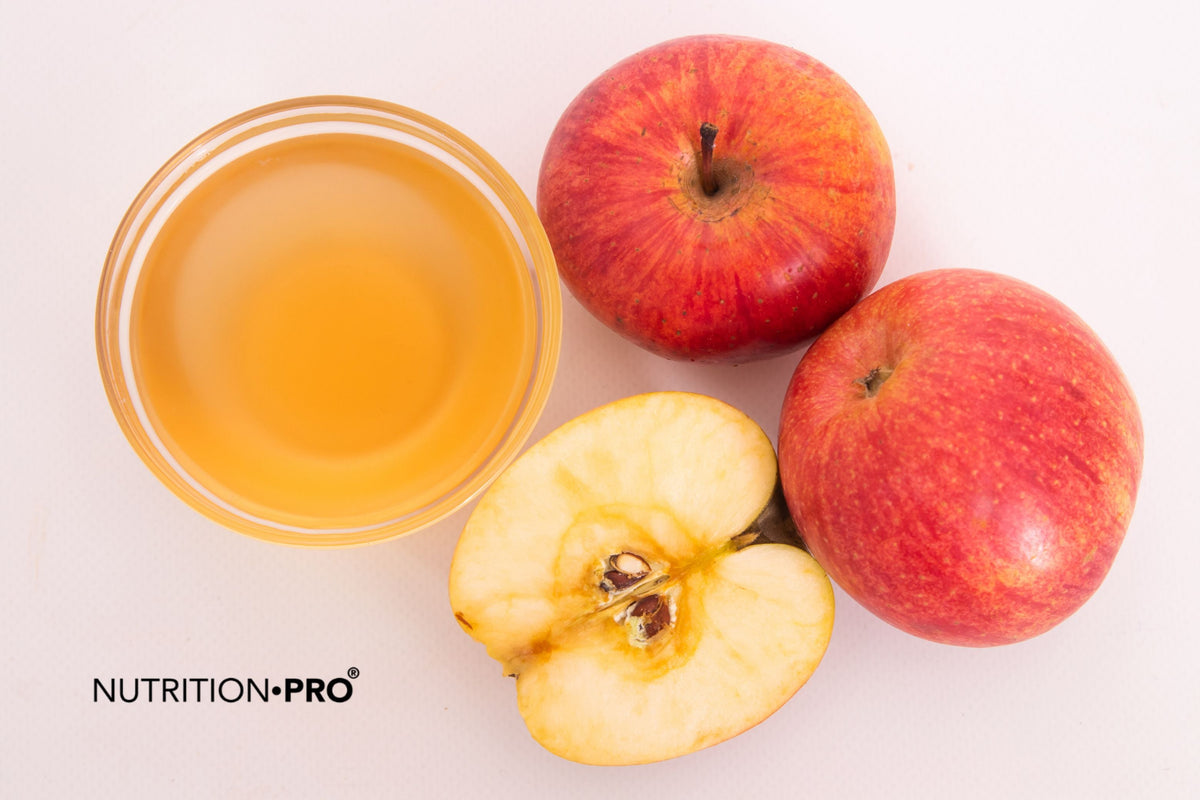
Apple cider vinegar is a useful product poorly used: undiluted shots from social media damage enamel, morning empty-stomach doses have no scientific basis, and sugary gummies combine the worst of both worlds. Meanwhile, the correct approach—a diluted dose before meals—takes ten seconds and aligns perfectly with clinical trials.
This practical guide covers everything: dilution, recipes that work well, the right time of day, four steps that protect your teeth, mistakes to avoid, and when capsules are simply the best choice. For the scientific background (what vinegar does and doesn't do), see our complete apple cider vinegar guide.
The golden rule: never undiluted. The right amount: 1 to 2 tablespoons (15 to 30 ml, the clinical trial dose) diluted in a large glass of water of at least 200-250 ml. The right time: before or at the start of main meals, where satiety and blood sugar smoothing work; not on an empty stomach in the morning, not just before bed. Tooth protection comes down to four steps: dilution, straw, water rinse after, and brushing delayed by 30 minutes. Recipes that work well: fresh sparkling water, warm water with honey, cooled infusion, or simply vinaigrette on your meal. The pitfalls: undiluted shots, under-dosed sugary gummies, hot beverages. And if taste, teeth, or stomach are a problem, capsules deliver the same acetic acid with no acid contact: the solution for consistency.
1. The golden rule: dilution
It all starts with one fact: undiluted vinegar has a pH between 2 and 3, in the acidity range that demineralizes tooth enamel and irritates mucous membranes with repeated contact. The solution is straightforward: dilution. A large glass of water (200 to 250 ml minimum) for 1 to 2 tablespoons significantly raises the pH of the drink while delivering exactly the acetic acid dose from clinical trials, 15 to 30 ml per day—the reference trial dose for weight (Kondo, Biosci Biotechnol Biochem, 2009) and the effective range from the meta-analysis (Hadi, BMC Complement Med Ther, 2021).
Important point: diluting does not dilute the effect. What matters for satiety and blood sugar is the total amount of acetic acid consumed with the meal, not its concentration in the glass. The Swedish dose-response trial shows this clearly: the effect follows the total acetic acid dose (Ostman, Eur J Clin Nutr, 2005). The concentrated shot therefore provides strictly nothing more, only the assault.
2. Recipes that work well
The first obstacle to apple cider vinegar is not scientific; it's gustatory. Four ways to make it drinkable, from the simplest to the most elaborate. Vinaigrette, first of all, a solution that everyone forgets: one to two tablespoons on the salad or raw vegetables of your meal deliver the same acetic acid, at the same time, without any drinking ritual; it's the method closest to traditional food use. Well-chilled sparkling water next: the carbonation and cold remarkably mask the acidity, like dry lemonade. Lukewarm water with a hint of honey for those who want a gentle routine, keeping a light hand on the honey. And cooled infusion (verbena, chamomile) as a neutral vehicle for an evening habit, taken before dinner.
Two additions to avoid: lemon, a frequent reflex that stacks a second source of acidity on top of the first, and any scalding hot beverage, which combines thermal and chemical aggression to the mucous membranes without adding anything to the acetic acid.
3. The right time of day
4. The 4 gestures that save your enamel
Tooth erosion is the number one risk of daily use, and it is entirely avoidable. Gesture 1: the dilution, already mentioned, which does most of the work. Gesture 2: the straw, which passes the beverage behind the teeth rather than over them; acidic contact drops drastically for a gesture that costs nothing. Gesture 3: the rinse with clear water just after, which evacuates residual acid and restarts neutralization by saliva. Gesture 4, the least known: wait 30 minutes before brushing your teeth. Acid temporarily softens the enamel surface; brushing at that moment is like sanding a soft surface. The half-hour allows saliva to remineralize before the toothbrush passes over.
Warning signs to watch for if you've been consuming vinegar for a long time: new sensitivity to heat, cold, or sugar, teeth turning yellow (thinned enamel reveals dentin), edges of incisors becoming translucent. In this case, suspend the liquid, switch to capsules, and discuss it with your dentist at your next checkup.
5. Mistakes to stop making
The pure shot "like on social media"
Spectacular on screen, damaging to enamel and esophagus, and strictly without additional benefit: the effect follows the acetic acid dose, not its concentration. This is the habit to unlearn first.
Sweet gummies
Often under-dosed in acetic acid and coated with sugar or glucose syrup, they stick to teeth by combining acidity and sugar: the worst dental profile on the shelf. If the taste of the liquid is off-putting, capsules do the job without the sugar.
The XXL dose "to go faster"
Beyond 30 ml per day, no additional benefit demonstrated in trials, but digestive and dental risks climb. The winning variable is not the dose, it's consistency over 8 to 12 weeks.
Vinegar as a license to excess
Smoothing the glycemic spike doesn't cancel out the calories of an overindulgent meal. Using vinegar to "compensate" reverses its logic: it serves to help a dietary framework hold, not to absolve it. More details in our article apple cider vinegar for weight loss.
6. The case where capsules win
Let's be practical: the majority of apple cider vinegar abandonment doesn't come from a lack of effect but from the ritual, a taste you end up dreading, a dilution you skip every other evening, an acidity your teeth or stomach demand you stop. Yet the metabolic effects from trials play out over 8 to 12 weeks of consistency: the dosage form is therefore a genuine efficacy variable, not a comfort detail.
This is exactly the niche for our apple cider vinegar in capsules : the equivalent of several teaspoons of vinegar per daily dose, swallowed in three seconds before meals, zero taste, zero acid contact with enamel and esophagus, vegan-compatible. The liquid remains perfect for those who enjoy the ritual and vinaigrettes; capsules are the solution for those who want the active ingredient without the ritual. A caveat common to both forms: in case of gastritis, ulcer, or severe reflux, acid also acts in the stomach, and abstention with medical advice remains the rule.
The correct gesture in three seconds: the dose before meals, no taste, no dilution, no acid contact with teeth. The form that makes the 8 to 12 weeks from trials genuinely sustainable. 120 capsules, 30-day course, vegan-compatible, subscription at -25%.
See Apple cider vinegar in capsules →Not recommended for pregnant or breastfeeding women and those under 18. Medical advice if taking antidiabetic or diuretic treatment.
Choose the situation that fits you: the answer displays just below.
Good news: by correcting your gesture, you lose nothing. Dilute (15-30 ml in a large glass of water), move your intake from waking to the start of meals (that's where the effects work), and add a straw + rinsing. Your enamel will thank you in ten years, and effectiveness will be better, not worse.
Try in order: vinaigrette on your meal (zero drinking ritual), ice-cold sparkling water (the fizz masks a lot), then capsules if nothing works. Acetic acid is the same in all three cases: the best form is the one you'll forget you're taking.
For teeth, capsules solve everything: zero acid contact. For the stomach, they eliminate esophageal irritation, but acid still acts in the stomach: in cases of gastritis, ulcer, or severe diagnosed reflux, abstaining with medical advice remains the rule, regardless of the form.
15 ml diluted in a large glass of water (or a dose of capsules) at the start of lunch and dinner, prioritizing carbohydrate-rich meals; straw, rinsing, brush 30 minutes later; assessment at 8-12 weeks on cravings and waistline. That's all, and it's exactly the trial protocol.
This test provides guidance, it does not replace professional medical advice.
Frequently asked questions about taking apple cider vinegar.
How do you dilute apple cider vinegar to drink it?
The rule: 1 to 2 tablespoons (15 to 30 ml) in a large glass of 200 to 250 ml minimum of water, never undiluted. This dilution brings acidity to a tolerable level for enamel and esophagus while preserving the acetic acid dose from clinical trials. Flat, sparkling, or lukewarm water (not hot): your choice.
When should you drink apple cider vinegar during the day?
Before or at the very start of main meals, especially those rich in carbohydrates: this is the trial timing, the one that leverages the satiety effect and smooths the blood sugar spike. Avoid: on an empty stomach upon waking (acidity with no proven benefit) and just before bed (reflux favored in a lying position, saliva reduced at night so enamel less protected).
Can you drink apple cider vinegar undiluted?
No, never. With a pH between 2 and 3, undiluted vinegar attacks tooth enamel with each exposure and can irritate the esophagus; cases of esophageal burns have been described with repeated undiluted doses. The undiluted shot from social media is exactly the gesture you should not copy: dilution does not reduce effectiveness, it reduces damage.
How do you protect your teeth when drinking apple cider vinegar?
Four steps: always dilute, drink through a straw to limit contact with teeth, rinse your mouth with plain water right after, and wait 30 minutes before brushing (enamel temporarily softened by acid abrades under the brush). Or switch to capsules, which eliminate all acid contact.
What can you mix apple cider vinegar with for taste?
Mixtures that work well: ice-cold sparkling water (fizz masks acidity), lukewarm water with a touch of honey, or a cooled infusion. And the simplest approach remains culinary: as a vinaigrette on your meal, vinegar delivers the same acetic acid at the same time, without a drinking ritual. Avoid adding lemon, which compounds acidity.
Apple cider vinegar in the evening: good or bad idea?
Before dinner: yes, it's actually one of the two most useful doses. Just before bed: no. In a lying position, acidity promotes reflux, and saliva production drops at night, depriving your enamel of its natural protection. Keep at least 2 to 3 hours between your last dose and bedtime.
Are apple cider vinegar gummies effective?
It's the shelf's paradox: most gummies deliver a low dose of acetic acid, coated in sugar or glucose syrup, and stick to teeth, combining acidity and sugar on enamel. For regular use, diluted liquid or dosed capsules are choices more consistent with studies and with your teeth.
How many times a day should you drink apple cider vinegar?
One to two doses per day are sufficient, timed with main meals, for a total of 15 to 30 ml: this is the range of positive trials. Multiplying doses does not increase demonstrated benefits but multiplies acid contacts. Consistency over 8 to 12 weeks matters more than daily frequency.
Can you put apple cider vinegar in a hot drink?
Lukewarm, yes; hot, no. A very hot and acidic drink compounds two assaults on enamel and mucous membranes, and heat adds nothing to acetic acid. A cooled infusion at drinkable temperature is a good vehicle if you're looking for a comforting routine.
What should you do if apple cider vinegar burns your stomach?
First check the dilution (many burns come from a mixture that's too concentrated) and take the dose at the start of the meal rather than apart from it. If discomfort persists despite proper dilution, two options: switch to capsules, which eliminate acid contact with the esophagus, or abstain, particularly in cases of gastritis, ulcer, or known reflux, situations where vinegar is inadvisable anyway.
- Acetic acid
- The active ingredient in vinegar (4 to 6% of the liquid); the effect depends on the total dose ingested, not the concentration in the glass.
- Tooth erosion
- Progressive dissolution of enamel by acids; irreversible, but entirely preventable with proper technique.
- Remineralization
- Natural repair of the enamel surface by saliva; takes approximately 30 minutes after acid exposure, which is why delayed brushing is recommended.
- Gastroesophageal Reflux
- Acidic backflow from the stomach to the esophagus, promoted by lying down after consuming acidic substances.
- Ostman E, Granfeldt Y, Persson L, Björck I. Vinegar supplementation lowers glucose and insulin responses and increases satiety after a bread meal in healthy subjects. Eur J Clin Nutr. 2005;59(9):983-988. doi:10.1038/sj.ejcn.1602197
- Kondo T, Kishi M, Fushimi T, et al. Vinegar intake reduces body weight, body fat mass, and serum triglyceride levels in obese Japanese subjects. Biosci Biotechnol Biochem. 2009;73(8):1837-1843. doi:10.1271/bbb.90231
- Hadi A, Pourmasoumi M, Najafgholizadeh A, et al. The effect of apple cider vinegar on lipid profiles and glycemic parameters: a systematic review and meta-analysis of randomized clinical trials. BMC Complement Med Ther. 2021;21(1):179. doi:10.1186/s12906-021-03351-w


