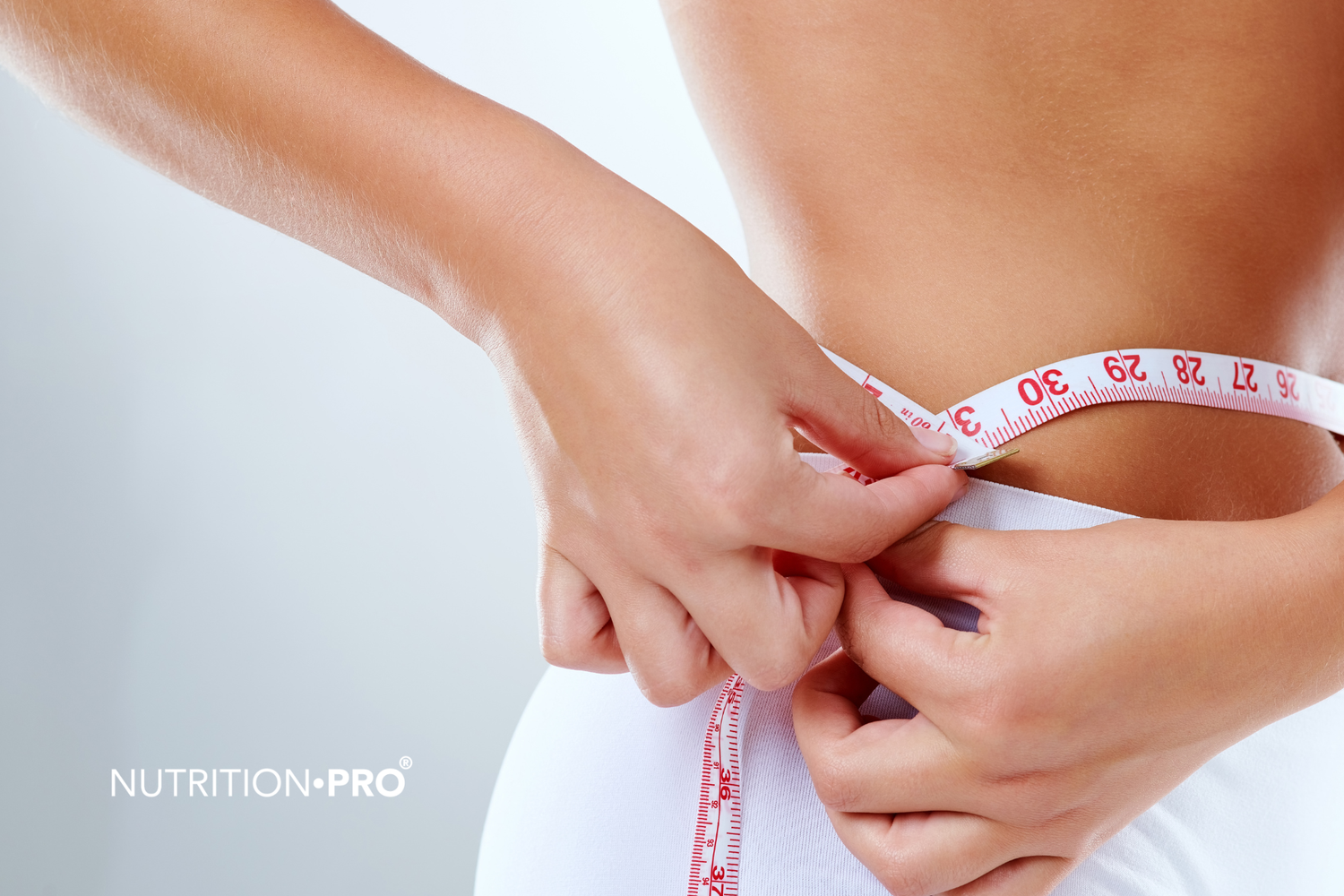
Contrary to popular belief, having a flat belly does not depend solely on your physical activity.
In fact, eating healthily and adopting good lifestyle habits could have an even more important effect than the physical aspect and losing belly fat!
If your goal is to achieve tighter abdominals and a stronger core, try spending time toning your stomach with a few key exercises, then complement your workout with healthy eating to reduce some of the fat around your belly but also thanks to a few supplements that will accelerate your weight loss.

DISCOVER ACTIFMINCEUR®: THE NEW NATURAL FAT BURNER
What causes a bloated belly?
Having a bloated belly can be uncomfortable and concerning.
Here are 5 common causes that may explain this phenomenon:
- Poor diet : Excessive consumption of carbonated beverages, foods high in sodium and sugars, as well as processed products, can lead to bloating. These foods can cause water retention and gas, thereby increasing the feeling of bloating.
- Food intolerances : Food intolerances, such as lactose or gluten intolerance, can cause bloating. When someone with an intolerance consumes these foods, it can lead to gas, abdominal pain, and a bloated belly.
- Stress and anxiety : Stress and anxiety can affect digestion and lead to bloating. Stress can alter intestinal motility and the production of digestive enzymes, thus causing bloating and abdominal discomfort.
- Irritable bowel syndrome (IBS) : Irritable bowel syndrome is a common condition that causes abdominal pain, bloating, and changes in bowel habits. People with IBS may experience frequent bloating, particularly after meals.
- Constipation : Constipation can lead to belly bloating due to the accumulation of stool in the intestines. A diet low in fiber, insufficient hydration, and lack of exercise can contribute to constipation and bloating.
Understanding these causes can help identify potential triggers and take measures to reduce abdominal bloating.
If symptoms persist, it is recommended to consult a healthcare professional for proper diagnosis and treatment.
How to get a flat belly?
Having a flat belly is a common goal for many people seeking to improve their appearance and overall health.
Follow these science-based tips to help you achieve this goal:
1. Eat more healthily
What to eat to lose belly fat?
There is no real secret when it comes to having a diet suited for a flat belly - you simply need to change your eating habits by adopting a balanced diet eating more healthy foods like fruits, vegetables and whole grains, and reduce junk food, such as candies, chips and fast food.
Just by making this simple change, you will quickly see the difference in appearance it will make and also notice the pounds dropping.
However, it is not recommended to opt solely for chicken breast and random fruits and vegetables - try to introduce yourself to healthy eating by slowly but systematically replacing the bad with the good.
Respective supplements (fat burners and appetite suppressants) can also be of valuable help in losing belly fat and more generally.
Here are some simple changes you can make:
- Eat plenty of lean protein. Beans, nuts and lean meat are good for you.
- Eat whole grains. Look for labels that indicate "100% whole grains" or "100% whole wheat" and not just "wheat flour". Whole grains provide good carbohydrates that keep you fuller longer, which can help you lose weight and achieve a flat stomach.
- Eat low-fat dairy products. Good dairy options include milk, yogurt, and cottage cheese. Avoid high-fat products like ice cream and hard cheeses.
- Eat healthy fats. Not all fats are bad, you know! Monounsaturated fats found in avocados, nuts, olive oil, and fish oil are actually very good for your health, as are polyunsaturated fats found in seed oils. These can help you lose weight. Just stay away from trans fats found in processed foods and baked goods.
- Reduce your sodium intake. Sodium causes your body to retain water, which makes you appear bloated, particularly around your abdominal area. Whenever possible, try to replace high-sodium foods with healthier options. Replace ordinary table salt with sea salt or kosher salt, which contains less sodium. Some high-sodium foods include soy sauce, restaurant meals, MSG, processed meats like pepperoni and salami, ham, bacon, sauces, and snacks.
2. Don't eat anything for two to three hours before sleep
Your body slows down when you sleep, which will prevent your body from properly digesting food in your stomach.
- You are also much less active in the evening and at night, which means your body is more likely to store the calories you consume late at night as fat, rather than burning them as energy.
- Try not to eat anything at least two to three hours before bed, or follow the "daylight eating diet," which only allows you to eat during daylight hours.
3. Reduce your portion sizes
Rather than eating the wrong types of foods, many people simply eat too much of the right foods. You should eat just enough until you feel satisfied, then stop. If you regularly eat healthy snacks throughout the day, this shouldn't leave you hungry.
A calorie deficit is essential for weight loss.
- A good tip is to use smaller plates when eating. That way, your plate will look full of food, but you're actually eating less than usual. Try to also fill at least half your plate with vegetables.
- Try to chew more slowly and thoroughly when eating. Chewing your food well aids the digestion process in your stomach, leaving you less bloated and gassy. You should chew each bite until it reaches the consistency of applesauce.
- Take small breaks between each bite of food when eating. The extra time will give your stomach a chance to realize it's full, preventing you from overeating.
- Raw, unsalted nuts and seeds are particularly good to snack on when consumed in moderation, as they will keep you satisfied. Don't eat more than a handful at a time as they can be high in calories.
4. Eat low glycemic index foods
These items take longer to digest, so you feel full longer. Your body will absorb nutrients slowly, thus avoiding spikes or dips in your blood sugar until your next meal. Some of the best low GI foods are:
- Cabbage, carrots, cauliflower, celery, cucumbers, zucchini, curly lettuce, onions, pears, tomatoes, watercress, broccoli, bananas, apples, and berries are all good foods to eat.
5. Try to reduce sugar in your diet as much as possible
In addition to being full of empty calories, having less sugar in your system will help reduce your insulin levels.
- Use artificial sweeteners with caution. Although they may help reduce calorie intake, there is also evidence suggesting they trigger an increase in hunger that leads to weight gain.
- Beware of beverages such as sodas, alcohol, fruit juices, and specialty coffee drinks. These often contain high levels of sugar.
6. Eat a protein-rich snack between 3 and 4 p.m.
According to experts, eating a protein-rich snack at the magic hour between three and four in the afternoon will boost your metabolism and balance your blood sugar.
- A protein bar or shake, a handful of almonds or pumpkin seeds, or a piece of low-fat cheese are good options.
- Having balanced blood sugar reduces the amount of insulin in your system, which is good because insulin can cause you to store fat around your belly.
7. Eat small, frequent meals
Replace your usual system of eating three large meals a day with smaller, more regular meals.
To slim down, many people make the mistake of eating nothing at all between breakfast, lunch, and dinner, especially when trying to lose weight.
- However, this type of diet will have a negative effect on blood sugar and will cause you to eat more due to hunger, making weight loss more difficult.
- Having a small healthy snack every three to four hours and not feeling hungry is a much healthier and more effective system.
8. Eat more fiber-rich foods, especially soluble fiber
Soluble fiber absorbs large amounts of water and slows the passage of food through the digestive tract.
It has been shown that this delays stomach emptying, causing stomach distension and a feeling of fullness.
Furthermore, soluble fiber can decrease the number of calories your body is able to absorb from food.
By eating soluble fiber , you are also less likely to accumulate fat around your organs, which reduces your waist circumference and the risk of several diseases.
An observational study showed that every 10-gram increase in daily soluble fiber intake reduced fat gain around the midsection by 3.7% over five years.
Good sources of soluble fiber include oats, flax seeds, avocados, legumes, Brussels sprouts, and blackberries.
9. Do cardio
Doing cardio or aerobic exercise is an excellent way to burn fat and calories while improving your overall health.
Moreover, studies have shown it is very effective for strengthening your abdominal muscles and reducing your waist circumference.
If you want to get a flat belly, go for it!
Studies generally recommend doing 150 to 300 minutes of moderate to high-intensity aerobic exercise per week, which translates to approximately 20 to 40 minutes per day.
Examples of cardio include running, brisk walking, cycling, and rowing.
Strength training is also very effective for losing fat.
10. Drink protein beverages
Protein shakes are an easy way to add extra protein to your diet.
Getting enough protein in your diet can boost your metabolism, reduce your appetite and aid in fat loss, particularly from your abdomen.
Furthermore, studies have suggested that adding protein beverages to your weight loss diet can be particularly effective for reduce your waistline.
11. Walk at least 30 minutes per day
In the absence of vigorous exercise, a combination of diet and exercise is probably the most effective way to lose weight and improve your overall health.
Interestingly, studies have shown that it is not necessary to exercise vigorously to reap health benefits.
It has been demonstrated that regular and brisk walks effectively reduce total body fat and fat located around your abdomen.
In fact, walking briskly for 30 to 40 minutes (approximately 7,500 steps) per day has been associated with significant reduction of abdominal fat dangerous and a slimmer waistline.
12. Avoid liquid calories
Sugary sodas, fruit juices, and energy drinks are typically loaded with sugar and liquid calories.
It is also very easy to drink large quantities at once, which results in an abundance of empty calories.
The problem with liquid calories is that your brain does not register them the way it registers solid calories. As a result, you will end up consuming these calories in addition to everything you eat or drink while risking an increase in your visceral fat rate.
A study showed that each daily serving of a sugary beverage increased the risk of obesity by 60% in children.
These drinks are also typically loaded with fructose, which has been directly linked to abdominal fat gain.
13. Drink water
There are at least three ways in which <<<26>>> watereau can help you achieve a flat belly.
First, water can help you lose weight by temporarily increasing your metabolic rate.
In fact, drinking water can increase your total energy expenditure by up to 100 calories per day.
Second, drinking water before meals can make you feel full, so you will end up eating fewer calories.
Third, water can help relieve constipation and reduce belly bloating.
Try drinking a large glass of water before each meal. This can help you achieve your goal.
14. Avoid chewing gum and limit carbonated beverages
Carbonated drinks such as sodas constitute the largest source of gas in the diet.
The bubbles it contains include carbon dioxide, which is released from the liquid in your stomach. This can cause stomach distension or bloating.
This can also occur when you chew gum-gum , drink through a straw or talk while eating.
Eating in silence, drinking from a glass and swapping sugary drinks for water can help you achieve a flatter belly.
15. Practice high-intensity workouts
A popular way to do a high-intensity interval training (HIIT) workout is to perform intervals of very intense activity, such as sprinting, rowing or jumping, with short breaks in between.
This way of exercising allows your body to burn more fat and increase your metabolic rate, even long after your workout ends.
High-intensity training has been shown to have superior effects on fat burning, compared to other types of exercise, HIIT increases your endurance and is particularly effective for trimming your waistline.
Moreover, this type of exercise takes much less time than other types of exercise, as it can typically be done in 10 to 20 minutes. and is known as the best way to lose fat quickly.
16. Get enough sleep
Getting enough sleep is very important for weight loss.
Studies have repeatedly shown that sleeping less than five hours per night for adults and less than 10 hours for children is linked to an increased risk of weight gain.
In women, short sleep duration is consistently linked to an increase in waist circumference, compared to those who get a good night's sleep.
Similarly, sleep-deprived people are up to 55% more likely to become obese.
Fortunately, it has been shown that increasing sleep duration from shorter periods to healthier lengths helped eliminate these effects.
17. Drink unsweetened coffee or green tea
Unsweetened coffee and green tea are among the healthiest beverages in the world.
Coffee consumption has been shown to increase the number of calories you burn by approximately 3 to 11%.
Similarly, drinking green tea or taking green tea extract supplements increases fat burning by up to 17% and calorie expenditure by 4%.
This includes green tea, black tea and oolong tea.
Most importantly, studies in animals and humans have shown that coffee and tea consumption can reduce the risk of abdominal fat accumulation, helping you reduce your waist circumference.
18. Don't drink too much alcohol
Alcohol contains seven calories per gram, which partly explains why alcoholic beverages tend to be loaded with sugars and liquid calories.
Beer contains a similar calorie count to a sugary soft drink, while red wine in contains twice as much.
While moderate alcohol consumption is unlikely to affect weight gain, excessive alcohol consumption is linked to increased weight gain, particularly around your abdomen.
If you want a flat belly, you should consider reducing or avoiding alcoholic beverages.
19. Take probiotics
Probiotics are live bacteria that play an important role in weight loss and weight maintenance.
It has been shown that overweight and obese individuals have a different composition of gut bacteria than those of normal weight, which can influence weight gain and fat distribution.
Regular intake of probiotics can shift the balance toward beneficial intestinal flora, reducing the risk of weight gain and fat accumulation in your abdominal cavity.
Certain probiotic strains have proven to be particularly effective for a flat belly and reducing belly fat :
- Lactobacillus fermentum
- Lactobacillus rhamnosus
- Lactobacillus gasseri
Probiotic foods include certain types of yogurt, kefir, tempeh, kimchi, and pickles.
There is also a wide variety of probiotic supplements available. However, these supplements typically contain multiple bacterial strains, so make sure to choose one that contains at least one of the strains mentioned above.
20. Replace dietary fats with coconut oil
Coconut oil contains a unique combination of fatty acids. It is one of the rare foods rich in medium-chain triglycerides (MCT).
Studies have shown that replacing certain dietary fats with MCTs can increase energy expenditure and make you feel fuller.
Moreover, it has been shown that coconut oil reduces waist circumference more effectively than other types of fat).
Keep in mind that coconut oil is still fat with 9 calories per gram. Therefore, it is important not to simply add coconut oil to your diet, but rather to replace other sources of fat with it.
The best exercises for a flat belly
If you're wondering what physical exercises are best for losing belly fat, there are many that you can do to burn fat, build your muscles, and define your abs.
In addition to the tips above, these exercises can accelerate the process and help you eliminate belly fat and love handles.
If endless lists of abdominal exercises to flatten your stomach leave you puzzled, we have just what you need:
- The plank (core engagement). Lie on your stomach and place your forearms on the ground. Then, press with your forearms and push yourself upward—using your toes for support—until your head, neck, back, and legs are all in a straight line.
- The bicycle crunch. This exercise is essential if you want a flat stomach and want to work your obliques. To begin the bicycle crunch, lie on your back. Place your palms under your head and lift your legs until they are positioned at a 90-degree angle. Keeping your right hand on your head, rotate your body by bringing your right elbow toward your left knee. Alternate your limbs by bringing your left elbow toward your right knee. For optimal results, this exercise should be performed slowly.
- Jump rope. Simply lift your feet a few centimeters off the ground with each rope pass and ensure your heels don't touch the ground. Also make sure to turn the rope with your wrists, rather than using your entire arms.
- Mountain climbers. To perform this exercise, place both hands on the ground in front of you, approximately shoulder-width apart (as if you were about to finish a push-up). Then, using your toes to push, pull your right leg forward and extend your left leg back. Stay alert throughout the exercise, alternating between each leg for your desired number of repetitions. Your upper body should not move during the exercise.
- The boat pose. If you want to try a challenging flat stomach exercise, you should introduce the boat pose into your workout routine. Doing this yoga pose regularly will help you quickly reach your goal of a flat stomach. To begin, sit on the floor with your knees bent. Lean slightly backward, then lift your legs and straighten them until your body forms a V shape. Your arms should be extended and parallel to each other. Keep your palms facing inward. Remember to engage your abdominal muscles while doing this exercise and keep your stomach relaxed and flat.
In conclusion
As you can see, there are many strategies that can help you slim down and achieve your goal of having a flat stomach.
By incorporating some of the tips mentioned above into your daily routine, you will be able to lose belly fat, develop abs, and perhaps glimpse your six-pack sooner than expected.
Keep in mind that this may take time and effort, but it will all be worth it in the end!
FAQ: Frequently Asked Questions About Belly Fat Loss
1. Is it possible to lose belly fat by doing abdominal exercises alone?
No, doing abdominal exercises alone is not sufficient to lose belly fat. While they strengthen and tone muscles, a balanced diet and cardiovascular exercise are essential to reduce abdominal fat.
2. Are supplements necessary to lose belly fat?
Supplements can play an important role in belly fat loss. They can accelerate metabolism, reduce appetite, and help burn fat more efficiently. Combined with a healthy diet rich in protein and fiber and low in sugar, as well as regular physical activity, supplements can maximize your belly fat loss efforts. However, it is recommended to consult a healthcare professional before starting any supplement.
3. Why is it important to reduce sugar consumption to lose belly fat?
Sugar, particularly fructose, is often stored as abdominal fat. Reducing sugar consumption helps lower insulin levels, which promotes fat loss, including at the abdominal level.
4. How long does it take to see results when trying to lose belly fat?
The time needed to see results varies from person to person depending on various factors such as age, metabolism, physical activity level, and eating habits. Generally, with a balanced diet and regular exercise, visible results can appear within a few weeks.
5. Can stress affect belly fat loss?
Yes, stress can increase cortisol levels, a hormone linked to abdominal fat storage. Stress management techniques such as meditation, yoga, or regular physical activity can help reduce stress and promote weight loss.
6. Are sugar-free carbonated drinks a good alternative for losing belly fat?
Even sugar-free carbonated drinks can cause bloating due to the carbon dioxide they contain. Water, herbal teas, and unsweetened infusions are better alternatives.
7. Does genetics play a role in abdominal fat accumulation?
Yes, genetics can influence how fat is distributed in the body. Some people are more predisposed to accumulate fat around the abdomen. However, a healthy lifestyle can help overcome these genetic predispositions.
8. Is it true that drinking water helps lose belly fat?
Yes, drinking water can help with weight loss in several ways. It can temporarily increase metabolism, reduce appetite if consumed before meals, and help prevent water retention, thereby reducing bloating.
9. Is intermittent fasting effective for losing belly fat?
Intermittent fasting can be effective for some people by helping reduce overall caloric intake and improve insulin regulation. However, it is not suitable for everyone, and it is important to consult a healthcare professional before starting.
10. Can you lose belly fat without exercising?
It is possible to lose weight, including abdominal fat, by changing your diet alone. However, combining a healthy diet with physical activity provides better results and improves overall health.