

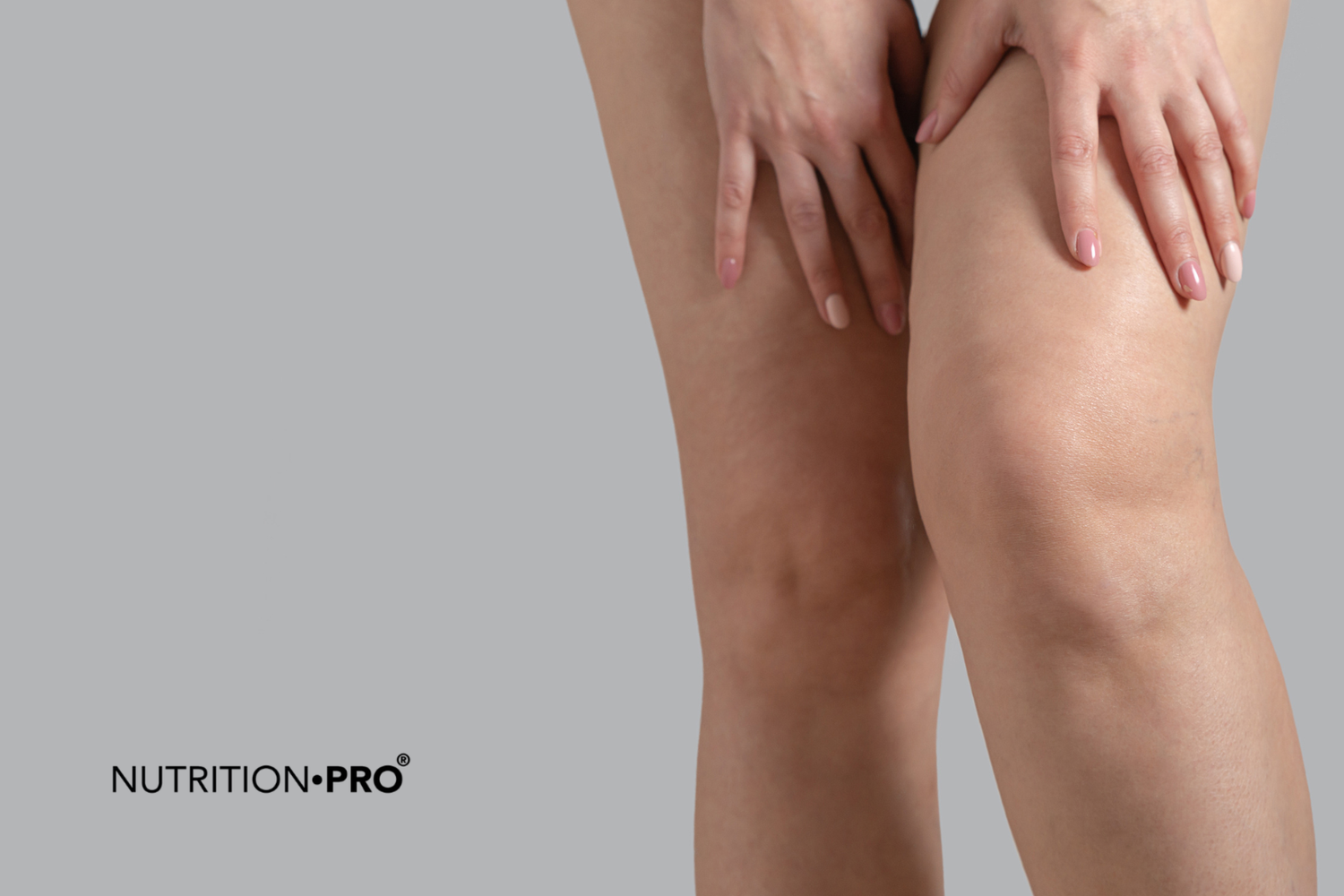
What is water retention?
Your body is composed mainly of water.
Airplane flights, hormonal changes, and too much salt can all cause your body to retain excess water.
When your hydration level is not balanced, your body tends to hold onto this water. Usually, water retention can make you feel heavier than normal and less agile or active.
It can also cause:
- Bloating
- Swelling
Water retention is a common health issue and can occur daily. A number of factors can cause it, including:
- Your diet
- Menstrual cycles
- Genetics
You can combat water retention by modifying your lifestyle or by taking adequate dietary supplements such as the one below:

Discover Cellulip®, a dietary supplement natural, draining and diuretic by clicking here
What are the symptoms of water retention
Symptoms of water retention can include:
- Bloating, particularly in the abdominal region
- Swollen legs, feet, and ankles
- Swelling of the abdomen, face, and hips
- Stiff joints
- Weight fluctuations
- Indentations in the skin, similar to what you see on your fingers when you've been in the bath or shower for a long time
What causes water retention?
A number of factors can cause water retention, including:
- Flying by airplane : changes in cabin pressure and prolonged sitting can cause your body to retain water.
- Standing or sitting for too long : gravity holds blood in your lower limbs. It is important to get up and move often to maintain blood circulation. If you have a sedentary job, schedule time to get up and take a walk.
- Menstrual changes and hormonal fluctuations
- Eating too much sodium : You can consume too much sodium by using a lot of table salt or by ingesting processed foods and soft drinks.
- Medications : Certain medications have water retention as a side effect. These include:
- Chemotherapy treatments
- Over-the-counter (OTC) pain relievers
- Blood pressure medications
- Antidepressants
- A weak heart : A weak heart that cannot pump blood properly can lead to water retention in the body.
- Deep vein thrombosis (DVT) : Leg swelling can be caused by DVT, which is a blood clot in a vein.
- Pregnancy : Weight changes during pregnancy can lead to water retention in the legs if you don't move regularly.
Can persistent water retention lead to complications?
Persistent water retention can be a symptom of a serious condition such as:
- Deep vein thrombosis
- Pulmonary edema or fluid accumulation in your lungs
- Fibroids in women
If your body does not naturally return to its balanced state, you should consult a doctor. Your doctor can determine if you need any of the following products to relieve your water retention:
- Diuretics
- Special supplements
- Certain birth control pills
Eight effective remedies for water retention
1. Follow a low-salt diet
Try to limit your sodium intake to no more than 2,300 milligrams per day. This means shopping around the perimeter of the grocery store and avoiding processed and packaged foods. Try adding spices instead of salt to flavor vegetables and lean proteins.
2. Add potassium and magnesium-rich foods
They will help you balance your sodium levels. Options include:
- Bananas
- Avocados
- Tomatoes
- Sweet potatoes
- Leafy vegetables, such as spinach
3. Take a vitamin B-6 supplement
According to a study published in the Journal of Mutual Aid Sciences, vitamin B-6 significantly helped with premenstrual symptoms such as water retention.
4. Eat protein
Protein attracts water and keeps your body in balance. A special protein called albumin maintains fluid in the bloodstream and prevents it from leaking out and causing swelling.
5. Keep your feet elevated
Elevating your feet can help move water upward and away from your lower limbs.
6. Wear compression socks or leggings
Compression socks are becoming increasingly popular and easier to find. They are available in sports clothing stores and many online sites.
Compression socks are designed to fit snugly. They may even feel slightly uncomfortable at first. The purpose of compression garments is to tighten your legs and prevent fluid buildup.
7. Seek help from your doctor if your problem persists
Your doctor may prescribe a diuretic medication to make you urinate more.
8. Use our dietary supplements Cellulip and Magnesium+
Our dietary supplements can help you reduce your water retention issues, provided you adapt your diet and habits to the advice given above.
Outlook
You can live a healthy life if you naturally retain water. It is a common health problem. Its side effects are generally little more than the impression that you have gained weight and your clothes fit tighter than usual. If your symptoms concern you, consult your doctor.
Prevention
It is best to follow a healthy diet and limit foods high in sodium. Keep a journal of what you do and eat when you feel you are retaining more water. This will help you identify the causes. Then, you can make appropriate lifestyle changes to help prevent water retention.
In conclusion
Water retention is a common health problem that can be caused by a number of factors, including diet, menstrual cycles, and genetics. You can help relieve water retention by making changes to your lifestyle. If your water retention persists, consult your doctor who may prescribe medication for you.


