

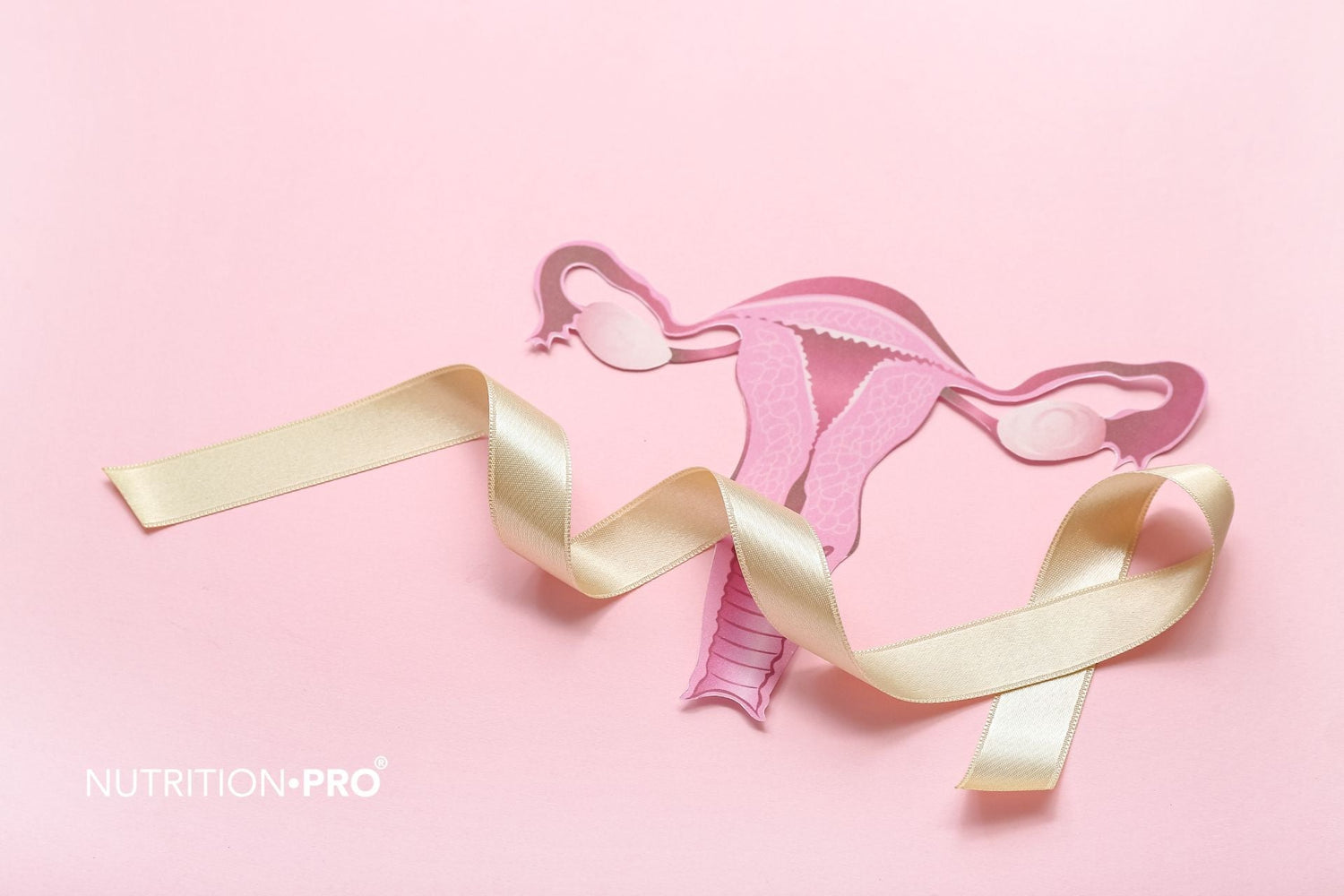
Endometriosis affects approximately one in ten women of reproductive age. Yet it often remains diagnosed late, poorly understood, and surrounded by misconceptions. Intense pain, fatigue, impact on daily life: it is a very real chronic disease that deserves serious information.
This article clarifies the key points: what endometriosis is, its symptoms, its diagnosis and medical treatments, then the role that diet, lifestyle habits and certain supplements can play in supporting daily comfort. One thing upfront, in all honesty: none of this cures endometriosis. It comes as a complement to medical care, never as a replacement.

Important information. Endometriosis is a chronic disease that requires medical diagnosis and follow-up. No dietary supplement, no diet treats, cures or heals endometriosis. The approaches presented here are intended solely to support comfort and well-being, as a complement, never as a replacement, for medical treatment. Consult your doctor or gynecologist.
Endometriosis is an inflammatory chronic disease where tissue similar to the uterine lining develops outside the uterus, causing pain and sometimes infertility. It requires medical follow-up (gynecologist, hormonal treatments, sometimes surgery). As a complement, certain approaches can support comfort: an anti-inflammatory diet, omega-3s, good lifestyle habits, stress management. The evidence remains at a moderate level of proof. A supplement like Endométrine can support women's comfort, without ever replacing a treatment.
- What is endometriosis
- Symptoms to know
- Diagnosis: why it is often delayed
- Medical treatments
- Endometriosis and fertility
- Impact on quality of life
- Inflammation and diet: the connection
- Nutrition that can support comfort
- Lifestyle habits and well-being
- Physical activity and physiotherapy
- The role of supplements
- What no natural approach can do
- Frequently asked questions
What is endometriosis?
Endometriosis is a chronic gynecological disease characterized by the presence, outside the uterus, of tissue similar to theendometrium (the uterine lining). These lesions can develop on the ovaries, fallopian tubes, peritoneum, and sometimes other organs. With each cycle, under the influence of hormones, this tissue reacts like the uterine lining, which maintains a chronic inflammation and can cause pain and adhesions.
It is a common disease, affecting approximately one in ten women of reproductive age, but its manifestations vary greatly from person to person. Some women experience debilitating pain, while others have very few symptoms. Its origin is not fully understood, and to date there is no treatment that cures it permanently, which makes management primarily focused on symptoms and quality of life.
Symptoms to know
The symptoms of endometriosis are variable, but some should raise concern, especially if they are intense or recurring. The primary symptom is pain, often linked to the menstrual cycle.
- Very painful periods (dysmenorrhea), to the point of interfering with daily activities, sometimes resistant to common pain relievers.
- Chronic pelvic pain, sometimes outside of menstruation.
- Pain during intercourse (dyspareunia).
- Digestive or urinary disorders that occur cyclically (pain during bowel movements, bloating, symptoms sometimes confused with irritable bowel syndrome).
- Significant fatigue , which frequently appears in patient accounts.
- Difficulty conceiving : endometriosis is one of the common causes of infertility.
Period pain that forces you to stop, to miss work or school, is not "normal". If you recognize yourself in these symptoms, talking to a doctor is the first step, without delay.
Key takeaway: very painful periods or persistent pelvic pain should not be dismissed. They warrant a medical consultation. Only a healthcare professional can make a diagnosis.
Diagnosis: why it is often delayed
One of the major problems with endometriosis is the delayed diagnosis. A delay of several years between first symptoms and diagnosis is often cited. Several reasons: the normalization of period pain, the variability of symptoms, and the fact that the disease is not always visible on initial examinations.
The diagnostic pathway relies on a detailed pain history, clinical examination, then imaging tests such asspecialized pelvic ultrasound andMRI. In some cases, surgical exploration (laparoscopy) may be recommended. This pathway is the responsibility of the doctor and gynecologist: no supplement, no at-home test replaces this diagnosis.
Medical treatments
The management of endometriosis is individualized and decided with the medical team, based on symptoms, their intensity, desire for pregnancy, and the extent of lesions. Without going into medical detail, which is your doctor's domain, the main approaches include:
- Pain management (analgesics, specialized follow-up).
- Hormonal treatments, which aim to put lesions at rest by acting on the cycle.
- Surgery in certain situations, to remove lesions. Support
- for fertilitywhen a pregnancy project is involved. These decisions belong to the medical profession. The objective of this article is not to replace them, but to clarify what can,
in addition , support comfort and quality of life in daily life.Endometriosis and fertility
It is one of the major concerns of affected women: endometriosis is one of the
frequent causes of infertility . Lesions and inflammation can impair ovarian function, fallopian tubes, or implantation. It is important to state this clearly, as it is a reality.But it is equally important to recall another truth, which is reassuring:
endometriosis does not mean automatic infertility . Many affected women conceive naturally. And when fertility is impaired, medical solutions exist (specialized care, assisted reproductive technology), with real results. If you have a pregnancy plan, this topic should be discussed with your gynecologist, who can assess your situation. No dietary supplement, no diet "restores fertility": that would be a false promise.Quick answer:
This is often overlooked: endometriosis is not limited to physical pain. Living with a chronic, painful disease, sometimes invisible to those around you, has a strong
psychological and social impact . Fatigue, recurring pain, diagnostic delay, impact on intimate life, professional life, and pregnancy plans: all of this weighs heavily.. Fatigue, douleurs récurrentes, errance diagnostique, impact sur la vie intime, professionnelle et sur le projet de grossesse : tout cela pèse.
Anxiety, low mood, and feelings of confusion are common and perfectly legitimate. Recognizing them is part of managing the condition. A psychological support, the support of loved ones, or talking with other affected women (patient associations) can really help improve quality of life with the disease. Seeking this support is not a luxury—it's an important part of care. If mood is persistently affected, speaking with a healthcare professional is essential.
Inflammation and diet: the connection
Since endometriosis is a disease with a strong inflammatorycomponent, the idea of addressing inflammation through diet is being studied. According to articles found on PubMed, several processes involved in endometriosis (inflammation, hormonal activity, prostaglandin metabolism) can be partially modulated by diet, which opens the door to nutritional support.
According to Oszajca and Adamus 2024 in Current Nutrition Reports, various food components with anti-inflammatory, antioxidant, and analgesic properties are being studied in endometriosis, although research on dietary treatment remains limited. See the review. According to Hu et al. 2023 in PLoS One, based on NHANES data, a diet with high inflammatory potential is associated with increased prevalence of endometriosis, an association that does not, however, prove a causal link. See the study.
We must remain measured: these findings suggest interest, but with a moderate level of evidence, and the authors themselves call for more rigorous trials. In other words, diet is a reasonable supportive approach, not a proven treatment.
Diet that can support comfort
Based on these studies, certain dietary approaches frequently emerge as strategies to support comfort. None is a miracle cure, but they fit within overall healthy eating, which is beneficial in other ways as well.
| Dietary approach | What the research suggests |
|---|---|
| Omega-3 (fatty fish) | Potential effect on pro-inflammatory prostaglandins and pain |
| Fruits and vegetables, antioxidants | Supply of vitamins C, D, E with antioxidant properties |
| Limit pro-inflammatory foods | Reduce high dietary inflammatory potential |
| Low FODMAP diet (if associated IBS) | Can reduce digestive symptoms when endometriosis and irritable bowel coexist |
According to Habib et al. 2022 in Przegląd Menopauzalny, fish oil (omega-3) could have a favorable effect on endometriosis-related pain via prostaglandins, as could antioxidant vitamins C, D, and E; a low FODMAP diet also shows promise in women with both endometriosis and irritable bowel syndrome. See the review. Again, these approaches support comfort, they do not replace treatment.
Good to know: an anti-inflammatory diet (rich in plant foods, omega-3, low in ultra-processed foods) is beneficial for overall health. Adopting it in endometriosis is reasonable, provided you don't expect it to cure the disease.
Lifestyle and well-being
Beyond diet, several lifestyle strategies are often mentioned to support quality of life, always as supportive measures.
- Gentle physical activity: walking, yoga, stretching can help with well-being and stress management, adjusted to pain levels.
- Stress management: chronic pain and stress reinforce each other. Relaxation, breathing exercises, and psychological support can help improve quality of life with the disease.
- Sleep: quality sleep supports recovery and pain tolerance.
- Local heat: A heating pad and heat are simple and recognized means to relieve pelvic pain on a daily basis.
- Support and information: Being well-informed and supported (patient associations, healthcare professionals) significantly changes how the disease is experienced.
Physical activity and physiotherapy
Among non-pharmacological approaches, adapted physical activity and physiotherapy are among the best-studied, with encouraging results on pain and quality of life, always as a complement to medical follow-up.
According to Abril-Coello et al. 2023 in International Journal of Gynaecology and Obstetrics, a meta-analysis concluded that non-pharmacological conservative therapies (including exercise and physiotherapy) can improve pain intensity and physical function in women with endometriosis. See the meta-analysis. According to Artacho-Cordón et al. 2023 in Archives of Physical Medicine and Rehabilitation, a 9-week supervised exercise program improved quality of life and pain, including in women not responding to conventional treatment. See the trial.
Concretely, regular physical activity adapted to your pain levels (walking, yoga, gentle strengthening, lower back and pelvic stretches), ideally guided by a physiotherapist, can be part of a useful support strategy. The important thing is to adapt the effort to what your body tolerates, without pushing during painful periods.
The role of dietary supplements
Let's be clear and honest, it's essential on such a subject: no dietary supplement treats endometriosis. None reverses lesions or replaces treatment. What some supplements can do is support comfort and provide micronutrients, as part of a comprehensive approach validated with your doctor.
It is in this spirit that our formula was designed Endométrine, without therapeutic intent. It combines plant extracts traditionally used for feminine comfort and cycle comfort (turmeric, boswellia, ginger, saffron, vitex, dioscorea) and micronutrients with recognized roles.
Let's be straightforward: Endométrine is not a medication. It is a dietary supplement, which has neither the purpose nor the capacity to treat, cure, or reverse endometriosis. And this is not a magic solution either : it will not eliminate pain or lesions, and it does not replace any treatment prescribed by your doctor.
What it can do, more modestly, is support feminine comfort on a daily basis and provide useful micronutrients. On the regulatory level, recognized benefits relate to these micronutrients: zinc and selenium contribute to protecting cells against oxidative stress, and zinc, selenium, and vitamin D3 participate in the normal functioning of the immune system. Plant extracts (turmeric, boswellia, ginger, saffron, vitex, dioscorea) are traditionally associated with feminine comfort, without this constituting a promise of results.
In summary: genuine comfort support, honest about its limitations, to consider as a complement of your medical follow-up and ideally after discussing it with your doctor, never as a substitute for medical care.
What no natural approach can do
Out of respect for affected women, we must be direct about the limitations. Beware of any discourse, online or elsewhere, that promises to "cure endometriosis naturally." This is false, and potentially dangerous if it diverts you from medical follow-up.
- No diet cures endometriosis nor does it make lesions disappear.
- No supplement replaces hormonal, pain-relieving, or surgical treatment.
- No plant is a substitute for gynecological follow-up.
- Stopping medical treatment in favor of a "natural" approach can worsen the situation.
The honest approach is one of complementarity : medical follow-up on one side, and on the other everything that can support comfort and quality of life (nutrition, lifestyle, support, possibly a comfort supplement). Both together, never one against the other.
The right reflex: talk to your doctor or gynecologist about any support approach (nutrition, supplement). They can verify consistency with your treatment and your situation.
Frequently Asked Questions
Can endometriosis be cured?
There is currently no treatment that definitively cures endometriosis. Management aims to relieve pain, slow the disease, and preserve quality of life and fertility through individualized medical follow-up. Beware of promises of "natural" cure: they are unfounded.
What are the main symptoms of endometriosis?
The most common is pain: very painful periods, chronic pelvic pain, pain during intercourse, sometimes cyclical digestive or urinary issues. Fatigue and difficulty conceiving are also frequently reported. Periods that force you to stop are not normal and warrant a consultation.
How is endometriosis diagnosed?
By a doctor and gynecologist, based on a discussion of symptoms, clinical examination, and imaging tests such as specialized pelvic ultrasound and MRI, sometimes laparoscopy. No home test or supplement replaces this diagnosis. When faced with suggestive symptoms, consulting early helps shorten the diagnostic delay.
Can diet help with endometriosis?
It can support comfort, without treating the disease. According to articles found on PubMed (Habib 2022, Oszajca 2024), an anti-inflammatory diet, rich in omega-3s and antioxidants, is a promising avenue with moderate level of evidence. A low FODMAP diet may help if irritable bowel syndrome is present. Discuss with your doctor.
Do omega-3s help with pain?
According to Habib 2022, fish oil (omega-3s) could have a favorable effect on endometriosis-related pain through its action on prostaglandins. This is an encouraging support avenue but with moderate level of evidence, which does not replace pain management by your doctor.
What supplements to support endometriosis?
No supplement treats endometriosis. Some can support women's comfort and provide micronutrients (such as zinc, selenium, and vitamin D3, which support immunity and protection against oxidative stress). Our Endométrine formula follows this support approach, without therapeutic intent and as a complement to medical follow-up.
Can you replace your treatment with natural solutions?
No, never. Stopping or replacing medical treatment with a "natural" approach can worsen the situation. Natural approaches (nutrition, lifestyle, comfort supplement) complement medical follow-up, never replace it. Always discuss this with your doctor.
Does Endométrine treat endometriosis?
No. Endométrine is a dietary supplement with no therapeutic purpose: it is not intended to treat, cure or heal endometriosis. It is designed to support feminine comfort and cycle comfort, in addition to medical care. In case of illness, treatment or pregnancy, consult your doctor.
Learn more
- Endometrium
- Lining that covers the inside of the uterus and renews itself with each cycle.
- Endometriosis
- Presence of tissue similar to the endometrium outside the uterus, a source of inflammation and pain.
- Dysmenorrhea
- Painful periods, a frequent symptom of endometriosis.
- Prostaglandins
- Substances involved in inflammation and pain, partially modifiable through diet.
- FODMAP
- Fermentable carbohydrates whose reduction can relieve certain digestive disorders.
- Laparoscopy
- Minimally invasive surgical exploration sometimes used for diagnosis or treatment.
Important reminder: this article is for informational purposes and does not replace individual medical advice. If you experience symptoms suggestive of endometriosis, or have any questions about your medical care, consult your doctor or gynecologist.
- Habib N, Buzzaccarini G, Centini G, et al. Impact of lifestyle and diet on endometriosis: a fresh look to a busy corner. Prz Menopauzalny. 2022;21(2):124-132. doi:10.5114/pm.2022.116437
- Oszajca K, Adamus A. Diet in Prevention and Treatment of Endometriosis: Current State of Knowledge. Curr Nutr Rep. 2024;13(1):49-58. doi:10.1007/s13668-024-00518-y
- Hu PW, Yang BR, Zhang XL, et al. The association between dietary inflammatory index with endometriosis: NHANES 2001-2006. PLoS One. 2023;18(4):e0283216. doi:10.1371/journal.pone.0283216
- Abril-Coello R, Correyero-León M, Ceballos-Laita L, Jiménez-Barrio S. Benefits of physical therapy in improving quality of life and pain associated with endometriosis: A systematic review and meta-analysis. Int J Gynaecol Obstet. 2023;162(1):233-243. doi:10.1002/ijgo.14645
- Artacho-Cordón F, Salinas-Asensio MDM, Galiano-Castillo N, et al. Effect of a Multimodal Supervised Therapeutic Exercise Program on Quality of Life, Pain, and Lumbopelvic Impairments in Women With Endometriosis. Arch Phys Med Rehabil. 2023;104(11):1785-1795. doi:10.1016/j.apmr.2023.06.020


