

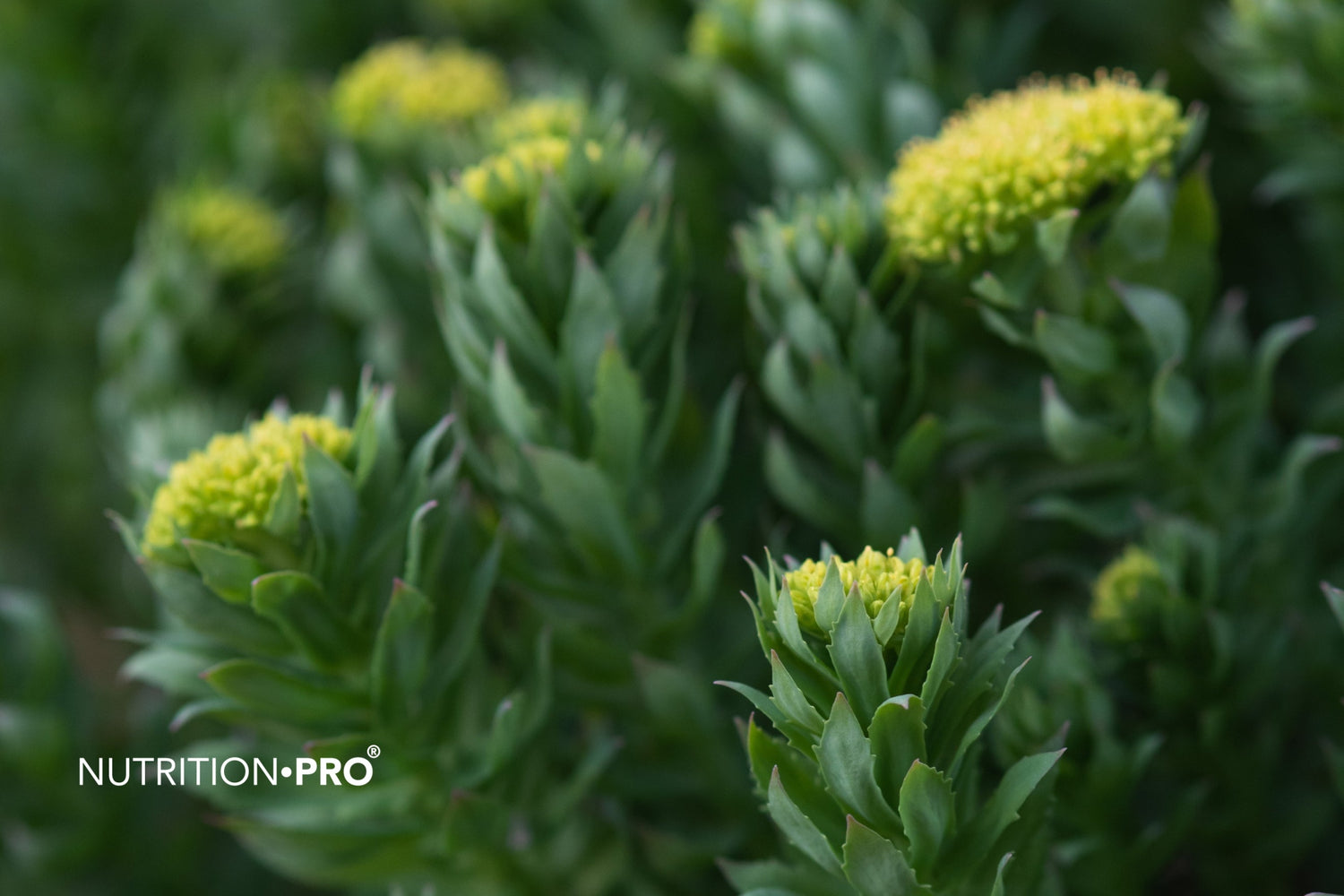
Rhodiola is often presented as "the" natural remedy for chronic stress and burnout. The scientific reality is more nuanced. Yes, recent clinical trials show positive effects on stress resilience and mental fatigue. But rhodiola is a tonic and stimulating plant, which creates a rarely mentioned paradox:it can worsen anxiety and insomnia in certain individuals. And when facing established burnout, it is never sufficient on its own. This article honestly breaks down what rhodiola can truly offer, for whom, and where its limitations lie. ★ OUR RHODIOLA (EXTRACT)

(1) Rhodiola has documented but modest effects on chronic stress. According to Noah et al. 2022 in Nutrients , a combination of magnesium + B + rhodiola + L-theanine reduces the DASS-42 stress score in 28 days. (2) According to Ivanova Stojcheva and Quintela 2022 inMolecules , clinical review, the evidence is qualified asencouraging , notsolid . (3)Stimulating paradox : rhodiola can worsen anxiety, agitation and insomnia in certain sensitive profiles. (4) When facing established burnout, rhodiola alone is insufficient : medical and psychological intervention is a priority. Health information.
1. HPA axis mechanism: what rhodiola really does
What science says (without extrapolation)
The scientific literature on rhodiola mechanisms is essentially preclinical (studies on cells and animals). In humans, clinical trials mainly measure subjective scores (DASS-42, Hamilton, PSS scales) and fatigue markers, more than hormone levels. This does not mean that the proposed mechanisms (HPA modulation, neurotransmitters) are wrong, but rather that they are still under validation in humans.
Honestly, rhodiola is not a direct "anti-cortisol" in the way a glucocorticoid-inhibiting medication would be. It acts more as a "stabilizer" of the stress response, helping the body better handle stressors without exhaustion, without suppressing the physiological stress response (which remains necessary in the short term).
2. Clinical evidence: encouraging but modest
This study is the most robust on chronic stress. However, note that: (1) it is a combination of 4 active ingredients, not rhodiola alone, (2) the effect size of 0.29 is classified as "small" statistically (a "medium" effect would be 0.5, a "large" effect 0.8), (3) the methodology involved Sanofi laboratory. This does not invalidate the results but requires interpreting them with appropriate caution.
The key word here is "encouraging" (encouraging), not "demonstrated" or "established." This reflects the actual state of science: converging positive signals, but still requiring larger, independent clinical trials to reach a high level of evidence.
According to Sarris et al. 2013 in CNS Drugs, a review of anxiolytic plants, rhodiola is among the plants with clinical data on anxiety disorders, but conclusions must be tempered due to methodological limitations: small sample sizes, brief intervention periods, lack of replication. Rhodiola is not an anxiolytic in the medical sense and does not replace specialized care for established anxiety disorders.
3. The stimulant paradox: when rhodiola worsens the problem
If you experience any of these signs after a few days of taking rhodiola, reduce the dose, take it exclusively in the morning before 9am, or discontinue : agitation, irritability, palpitations, sleep-onset insomnia, sensation of overstimulation or increased nervousness, headaches, increased anxiety. These effects particularly affect individuals with a naturally nervous temperament, hypersensitivity, or dysregulated autonomic nervous system.
If these signs persist despite these adjustments, rhodiola is not suitable for your profile. Prioritize thenashwagandha (soothing effect) or magnesium bisglycinate.
Why this paradox?
Rhodiola modulates monoaminergic neurotransmitters : serotonin (mood), dopamine (motivation, focus) and especially noradrenaline (alertness, energy). It is this noradrenergic action that explains its tonic effect and the improvement in cognitive performance. But in people whose sympathetic nervous system is already hyperactivated by chronic stress (racing heart at rest, restless sleep, muscle tension), adding rhodiola amounts to "accelerating an engine already overheating".
Risk profiles for poor tolerance
- Naturally nervous or anxious temperament : high baseline sensitivity to the sympathetic nervous system.
- Recent intense acute stress (bereavement, separation, traumatic event) : nervous system in phasic hyperactivation.
- Sleep onset insomnia : sign of nocturnal sympathetic hyperactivation.
- Caffeine sensitivity (1 coffee and palpitations) : predictable intolerance to stimulants in general.
- Uncontrolled hyperthyroidism : potential additive overstimulation.
- Bipolar disorder : theoretical risk of manic episode (formal contraindication).
4. Established burn-out: why rhodiola alone is not enough
Burn-out phases and the place of rhodiola
(energy present but mental fatigue)
6-8 week course + lifestyle habits
(rumination, irritability, fragmented sleep)
rhodiola as possible morning supplement
(deep fatigue, severe sleep disorders)
supplements for support only
(anhedonia, tearfulness, loss of meaning)
rhodiola alone is insufficient
(after care, in convalescence)
under medical supervision
The common mistake is wanting to "replace rest with a supplement". No adaptogen, however powerful, can compensate for lost sleep hours, nutritional imbalances, lack of physical activity, or unresolved chronic stress factors. Rhodiola can support a comprehensive approach, not replace it.
5. Who is rhodiola really indicated for?
Profiles where rhodiola is generally well tolerated
- Overworked executive/manager during intense periods: projects, deadlines, high mental load. Cognitive fatigue but physical energy present.
- Student during exam periods : need for sustained concentration and memory support. Without marked anxiety history.
- Athlete in overtraining or in competition: see our dedicated article on rhodiola and sport.
- Winter period and reduced light exposure : seasonal fatigue with decreased daytime energy.
- Recovery phase after resolved intense period : to support gradual energy recovery.
Self-assessment: is rhodiola right for your profile?
If you checked at least one of the last 4 boxes (warnings ▲) : rhodiola is probably not the right choice for your current profile. Prioritize medical consultation and/or more calming actives such asashwagandha or magnesium bisglycinate. If you checked the first 3 without warning : rhodiola may be relevant at moderate doses (200-400 mg/day in the morning). Always start with 100-200 mg to assess tolerance.
6. Multimodal strategy: rhodiola as a piece of a puzzle
The 5 priority levers (before supplementation)
Lever 1: Sleep. 7 to 9 hours per night are non-negotiable for nervous system recovery. All supplementation is useless if this lever is not addressed. Identify the barriers (late screens, caffeine after 2 pm, irregular schedules, evening stress).
Lever 2: Physical activity. 150 to 300 minutes of moderate activity per week (brisk walking, cycling, swimming) plus 2 strength training sessions. Exercise is the most powerful scientifically documented anti-stress tool, superior to most supplements.
Lever 3: Active stress management. Regular practices: heart coherence breathing (5-10 min/day), mindfulness meditation, yoga, time in nature. Not optional for established chronic stress.
Lever 4: Nutrition. Rich in magnesium (green vegetables, nuts and seeds, legumes, dark chocolate), omega-3s (fatty fish, flaxseeds), reduce refined sugars and alcohol. Magnesium is the #1 cofactor for stress regulation.
Lever 5: Human support. Social connections, emotional expression, and if necessary professional psychological support (psychotherapy, cognitive behavioral therapy, EMDR as indicated). Often the most effective but most neglected lever.
According to Noah et al. 2022 in Nutrients, the combination magnesium + B vitamins + rhodiola + L-theanine showed the strongest evidence level for chronic stress. Each brings a complementary benefit: magnesium for neuromuscular regulation and sleep, B vitamins for energy metabolism, rhodiola for stress adaptation, L-theanine for mental calm without drowsiness. Rhodiola alone has less clinical evidence than this combination.
Frequently asked questions
Is rhodiola truly effective against chronic stress?
The evidence is encouraging but modest. According to Noah et al. 2022 in Nutrients, a combination of magnesium + B + rhodiola + L-theanine reduced DASS-42 stress in 28 days. According to Ivanova Stojcheva and Quintela 2022 in Molecules, the evidence is qualified as " encouraging " not "robust". Rhodiola alone has fewer studies than combinations. It does not replace comprehensive management.
Can rhodiola worsen anxiety?
Yes. Rhodiola is toning and stimulating. In people already nervous, anxious, or in sympathetic hyperactivation (palpitations, agitation, insomnia), it may worsen symptoms. Signs of intolerance: agitation, palpitations, irritability, insomnia. For these profiles,ashwagandha is better tolerated as it is calming.
Rhodiola and established burnout: indicated?
No as monotherapy. Established burnout requires priority medical and psychological management. Rhodiola may possibly intervene in early recovery phase , but never as primary treatment. Burnout is not simple fatigue.
What is the best time to take rhodiola?
In the morning, ideally on an empty stomach or at the start of breakfast, between 7am and 9am. Maximum 2 doses: morning and noon. Never after 2pm as its toning effect may disrupt sleep onset.
How long before observing an effect on stress?
First effects on energy: 3 to 7 days. Effects on stress perception: 2 to 4 weeks. According to Noah et al. 2022, DASS-42 significantly decreased as early as Day 14, significant at Day 28 and Day 56. Recommended course: 6 to 12 weeks.
Does rhodiola lower cortisol?
It's more nuanced. Rhodiola modulates the HPA axis in a bidirectional manner: it can reduce excessive peaks without causing collapse. Studies measuring cortisol directly remain limited and heterogeneous. Consider rhodiola as a regulator, not as a pure cortisol-lowering agent.
Can rhodiola, magnesium, and theanine be combined?
Yes, it's the best-documented combination. According to Noah et al. 2022 (NCT04391452), magnesium + B6/B9/B12 + rhodiola + L-theanine significantly reduced DASS-42 stress. Physiological rationale: magnesium for neuromuscular regulation, B vitamins for energy metabolism, rhodiola for stress adaptation, theanine for mental calm.
Rhodiola or ashwagandha for stress?
Different profiles. Rhodiola : still energetic profiles, cognitive fatigue, daytime rumination. Tonic. Ashwagandha : exhausted and tense profiles, anxiety, disrupted sleep. Calming. In case of doubt (anxious + fatigued), ashwagandha is better tolerated. See our detailed comparative article.
Can rhodiola disrupt sleep?
Yes in sensitive individuals, especially if taken late. Tonic effect that can prolong sleep onset latency. Rule: exclusive morning intake for 2 weeks to assess tolerance. If persistent insomnia, reduce or discontinue.
What if I'm taking an antidepressant?
Do not start rhodiola without formal medical advice. Rhodiola modulates serotonin: theoretical risk of serotonin syndrome with SSRIs, MAOIs. According to Gao et al. 2020, the combination of rhodiola + sertraline showed benefit in major depression, but only under strict medical supervision. Discuss with your prescriber.
Glossary
- Adaptogen
- A substance that helps the body better manage stressors without disrupting its functions. Strict definition: non-specific action, bidirectional normalizing effect, safety at therapeutic doses.
- HPA axis (hypothalamic-pituitary-adrenal)
- The primary hormonal pathway of stress response, regulating cortisol release by the adrenal glands. Dysregulated in cases of chronic stress.
- DASS-42 (Depression Anxiety Stress Scale)
- A validated psychometric scale with 42 items measuring three dimensions: depression, anxiety, and stress. Reference tool in clinical trials on stress.
- Sympathetic hyperactivation
- A state where the sympathetic nervous system (the body's "accelerator") is dominant: heart palpitations at rest, agitation, sleep onset insomnia, muscle tension. Characteristic of chronic stress and anxiety.
- Serotonin syndrome
- A potentially serious adverse effect due to excess serotonin in the central nervous system, which can occur when combining serotonergic substances (SSRIs, MAOIs, rhodiola, St. John's Wort). Symptoms: agitation, confusion, tachycardia, sweating, tremors.
- Burnout
- A syndrome of occupational exhaustion recognized by the WHO, characterized by: emotional exhaustion, depersonalization, and a sense of lack of personal accomplishment. Requires medical and psychological intervention.
Scientific sources
- Noah L, Morel V, Bertin C, et al. Effect of a Combination of Magnesium, B Vitamins, Rhodiola, and Green Tea (L-Theanine) on Chronically Stressed Healthy Individuals - A Randomized, Placebo-Controlled Study. Nutrients 2022;14(9):1863. DOI : 10.3390/nu14091863
- Ivanova Stojcheva E, Quintela JC. The Effectiveness of Rhodiola rosea L. Preparations in Alleviating Various Aspects of Life-Stress Symptoms and Stress-Induced Conditions - Encouraging Clinical Evidence. Molecules 2022;27(12):3902. DOI : 10.3390/molecules27123902
- Sarris J, McIntyre E, Camfield DA. Plant-based medicines for anxiety disorders, part 2: a review of clinical studies with supporting preclinical evidence. CNS Drugs 2013;27(4):301-19. DOI : 10.1007/s40263-013-0059-9
- HAS (French National Authority for Health). Clinical identification and management of occupational burnout syndrome or burnout. has-sante.fr


