

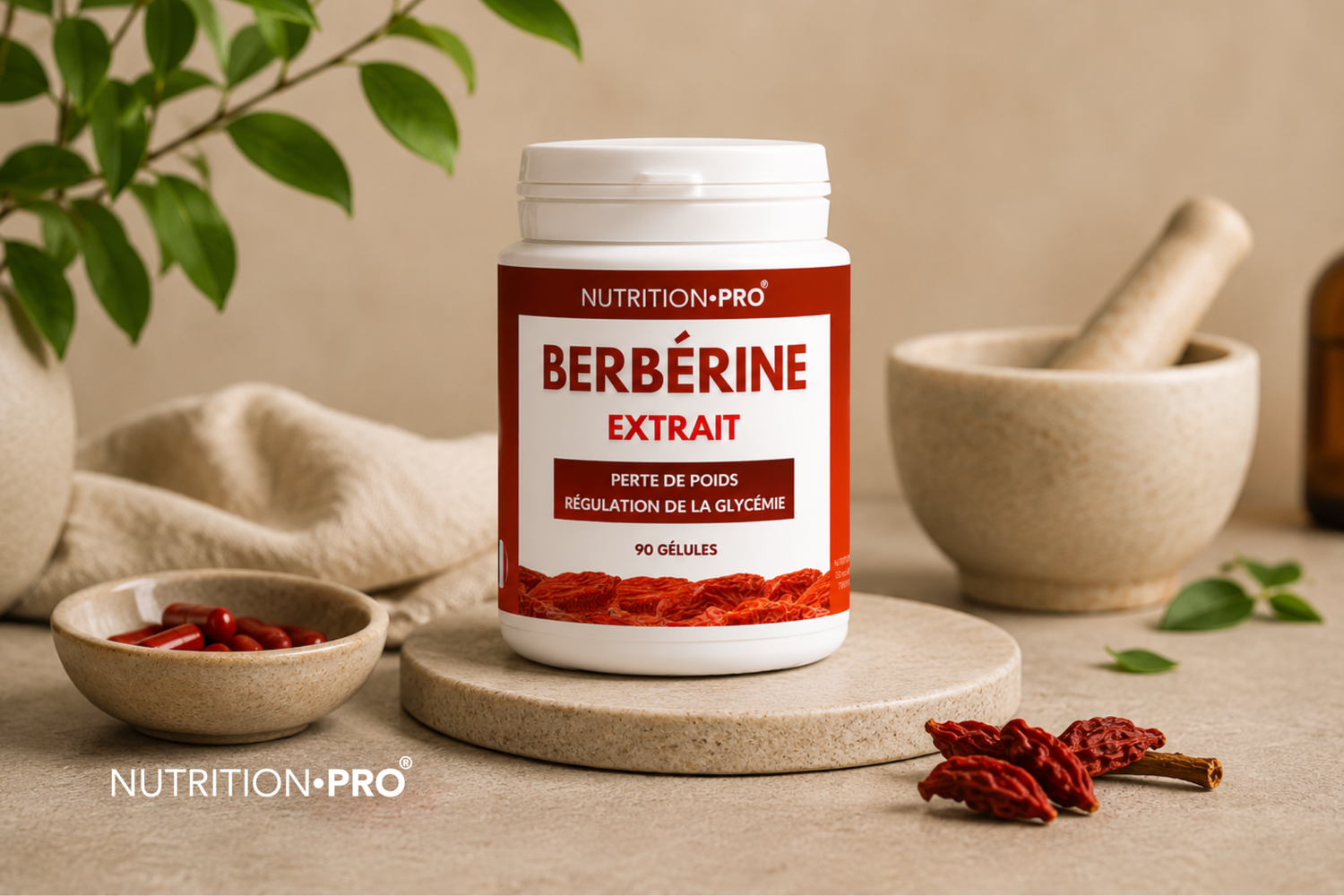
Berberine berberine has become one of the most studied natural active ingredients worldwide for weight loss and metabolic health. According to Elahi Vahed et al. 2025 in International Journal of Obesity (meta-analysis of 23 randomized clinical trials), it significantly reduces body weight by 0.88 kg, BMI by 0.48 and waist circumference by 1.32 cm vs placebo. Unlike conventional fat burners, it acts deeply through the activation ofAMPK, the "metabolic switch" enzyme. Here's what science truly validates, without approximation.

In brief: Berberine is a natural alkaloid derived from medicinal plants (Berberis aristata, Coptis chinensis) that activatesAMPK, the "metabolic switch" enzyme. According to Elahi Vahed et al. 2025 in International Journal of Obesity, meta-analysis of 23 RCTs: −0.88 kg body weight, −0.48 BMI, −1.32 cm waist circumference. According to Qiu et al. 2021 in Asian Journal of Psychiatry, 900 mg/day for 8 weeks: −1.10 kg vs +1.45 kg placebo. Effect more pronounced in insulin-resistant individuals, metabolic syndrome and NAFLD.
Concrete Action: 500 mg of berberine HCl standardized 97% 2 to 3 times daily with meals. Progressive introduction over 2 weeks for digestive comfort. Treatment duration of minimum 12 weeks, ideally 3-6 months, to be integrated into a multimodal strategy (balanced nutrition, physical activity). Follow-up every 4-6 weeks: weight, waist circumference, energy, digestive comfort. Medical consultation mandatory if taking antidiabetic, anticoagulant medications or with hepatic/renal condition.
- Berberine: the "metabolic switch" alkaloid
- AMPK mechanism: why it works at a deep level
- Elahi Vahed meta-analysis 2025: 23 RCT, validated figures
- Gut microbiota: the underestimated pathway
- Blood glucose and insulin sensitivity: the overall effect
- Blood lipids: bonus cardiovascular benefits
- Responder profiles (insulin resistance, NAFLD, metabolic syndrome)
- Myths (berberine vs metformin, vs Ozempic, vs fat-burners)
- Dosage and quality supplement selection
- Precautions, contraindications and interactions
1. Berberine: the "metabolic switch" alkaloid
An ancient plant active ingredient rediscovered by modern science
SINCE THE YEAR 2000
Berberine is a natural alkaloid of intense yellow color, found in several medicinal plants. The three main sources are: Berberis aristata (Indian barberry), Coptis chinensis (Chinese goldthread) and Hydrastis canadensis (goldenseal). Used for over 3,000 years in traditional Chinese and Ayurvedic medicine for intestinal infections and metabolic disorders, it has been rediscovered by modern science with over 5,000 PubMed publications since 2000.
A unique chemical structure for multi-targeted action
What distinguishes berberine from other plant compounds is its multi-target systemic activity. According to Ilyas et al. 2020 in Biomedicine & Pharmacotherapy (systematic review), it acts simultaneously on 6 key metabolic pathways: blood sugar regulation, lipid metabolism, fatty acid oxidation, intestinal microbiota modulation, low-grade chronic inflammation, and oxidative stress. This multi-faceted action explains why it generates so much interest in biomedical research, particularly in the context of obesity and metabolic syndrome.
Why berberine is not a fat burner
Unlike supplements called "fat burners" that work through nervous system stimulation (caffeine, synephrine, capsicum), berberine does not increase heart rate or thermogenesis significantly. Its action is silent and deep : it reprograms the cell from within. This difference is crucial because it explains two things: (1) its favorable safety profile (no exciting cardiovascular effects), (2) its progressive action which requires a minimum of 8 to 12 weeks to manifest on visible weight.
2. AMPK mechanism: why it works at a deep level
AMPK activation reprograms cellular energy utilization
EFFECTS VIA AMPK ACTIVATION
<<<33>>> AMPK (AMP-activated protein kinase)AMPK (AMP-activated protein kinase) is an enzyme present in all cells of the body. It acts as an energy sentinel : when the cell lacks energy, AMPK activates and triggers a program for production and utilization of energy substrates. According to Cheng et al. 2023 in Food and Chemical Toxicology, berberine activates AMPK via an increase in the intracellular AMP/ATP ratio, with regulation of the AMPD1 and ADSL enzymes involved in nucleotide metabolism.
The 4 Major Cellular Effects of AMPK Activation
Effect 1: Increased Fatty Acid Oxidation. When AMPK is activated, it stimulates β-oxidation of lipids in muscle and liver. In practical terms, the cell "burns" more fat to produce ATP, rather than storing it in adipose tissue. This is one of the major mechanisms underlying documented fat mass loss.
Effect 2: Brake on Hepatic Lipogenesis. AMPK inhibits two key enzymes in new lipid synthesis: ACC (acetyl-CoA carboxylase) and SREBP-1c. Consequence: fewer newly created triglycerides, less accumulation in the liver (relevant for hepatic steatosis), less peripheral adipose storage.
Effect 3: Increased Muscle Glucose Uptake. AMPK activation promotes translocation of GLUT4 transporters to the muscle cell membrane. Result: muscle absorbs blood glucose more efficiently, contributing to lower blood sugar without requiring increased insulin. This is exactly the mechanism sought in cases of insulin resistance.
Effect 4: Reduced Hepatic Gluconeogenesis. The liver produces glucose between meals (gluconeogenesis). In subjects with metabolic syndrome, this production is often excessive, contributing to fasting hyperglycemia. AMPK activation by berberine slows this hepatic glucose production—a mechanism identical to that of metformin.
Researchers identified that berberine and metformin share a converging mechanism of action on AMPK and hepatic gluconeogenesis. This convergence is not coincidental: both molecules were developed independently but affect the same biological pathway. Some clinical trials even report glycemic results comparable at equivalent efficacy doses. Important : this does not mean berberine can replace metformin. Metformin is a medication with complete regulatory documentation; berberine remains a dietary supplement whose use should be discussed with your physician if antidiabetic treatment is already in place.
3. Elahi Vahed 2025 Meta-analysis: 23 RCTs, Validated Data
The most recent and most comprehensive scientific synthesis on berberine
INT J OBESITY
The reference meta-analysis on berberine and weight loss is that byElahi Vahed et al. 2025, published in International Journal of Obesity (Nature group). It aggregates 23 randomized controlled clinical trials versus placebo, rigorously selected after literature review through 2024 (with Cochrane RoB 2 bias risk analysis). This is the most comprehensive and most recent synthesis available.
Clinical interpretation of the figures
The weight loss of 0.88 kg on average may seem modest, but it must be interpreted correctly: this is the average difference vs placebo, after controlling for confounding factors. In the real world, participants in both groups often adopt improved lifestyle habits, which "masks" part of the observed effect. The absolute weight loss in responders in individual trials commonly ranges from 1.5 to 4 kg over 12 weeks. According to Qiu et al. 2021 in Asian Journal of Psychiatry, in a specific subgroup (patients on antipsychotics), 900 mg/day for 8 weeks resulted in −1.10 kg in the berberine group vs +1.45 kg in placebo, for a differential of 2.55 kg in just 2 months.
Waist circumference reduction: a particularly interesting marker
The 1.32 cm reduction in waist circumference is particularly significant because it reflects visceral fat loss, the most harmful from a cardiometabolic perspective. This abdominal fat is more metabolically active than peripheral fat: it secretes pro-inflammatory cytokines (TNF-α, IL-6, CRP) that worsen insulin resistance and cardiovascular risk. The fact that berberine preferentially targets this visceral fat (rather than storage peripheral fat) makes it a particularly interesting active ingredient for cardiometabolic risk profiles.
Factors that modulate the response
| Factor | Observed effect | Recommendation |
|---|---|---|
| Daily dose | 1000-1500 mg = optimal | Start at 500, increase gradually |
| Treatment duration | ≥ 12 weeks = better | 3 months minimum |
| Starting BMI | Overweight/obesity = responders | Modest effect when BMI < 25 |
| Insulin resistance | Present = enhanced effect | HOMA-IR > 2.5 = good profile |
| Associated lifestyle habits | Diet + exercise = ×2 effect | Essential combination |
| Consistency of intake | Daily = optimal | Pill organizer + reminders |
4. Intestinal microbiota: the underestimated pathway
Berberine reprograms the intestinal ecosystem in favor of metabolism
Here's an interesting scientific paradox: berberine has very low systemic bioavailability (less than 5% of the absorbed dose enters the bloodstream). Yet it produces major metabolic effects. The recent explanation: a large part of its action goes through the intestinal microbiota. According to Ilyas et al. 2020 in Biomedicine & Pharmacotherapy, berberine modulates microbial composition starting at 100 mg/kg/day in animals and 500 mg/day in humans.
The 3 axes of action on the microbiota
Axis 1: Modulation of bacterial strains. Berberine promotes the growth of strains associated with a better metabolic profile (Akkermansia muciniphila, Bacteroides, Lactobacillus) while reducing pro-inflammatory strains (certain Proteobacteria). This relative enrichment is associated in the literature with better metabolic efficiency and reduced intestinal inflammation.
Axis 2: Production of short-chain fatty acids (SCFA). Beneficial bacteria produce butyrate, propionate andacetate, metabolites that: nourish intestinal wall cells, modulate satiety (via GLP-1 and PYY hormones), improve insulin sensitivity, and reduce systemic inflammation. More intestinal butyrate = fewer cravings and more stable metabolism.
Axis 3: Strengthening of the intestinal barrier. Berberine strengthens the tight junctions of the intestinal epithelium, limiting the passage of bacterial lipopolysaccharides (LPS) into the bloodstream. This is important because these LPS are major triggers oflow-grade chronic inflammation that worsens insulin resistance and weight gain. Less LPS = less inflammation = better metabolic sensitivity.
Short-chain fatty acids produced by a balanced microbiome stimulate the release of GLP-1 (glucagon-like peptide-1) and PYY (peptide YY) by enteroendocrine cells. These hormones, which also act on the brain via the vagus nerve, regulate satiety and reduce food intake. This is exactly the pathway targeted by recent GLP-1 analogues (Ozempic, Wegovy), but here in a physiological and gradual manner. Berberine does not have the potency of a GLP-1 medication, but it acts on the same biological pathway in a gentler and more natural way.
5. Blood sugar and insulin sensitivity: the global effect
Carbohydrate regulation that indirectly facilitates weight loss
IN META-ANALYSIS
Beyond weight, berberine exerts a documented blood sugar-lowering action. Several meta-analyses show a significant decrease in fasting blood glucose, inglycated hemoglobin (HbA1c) and postprandial spikes in overweight individuals or those with metabolic syndrome. This glycemic effect indirectly facilitates weight loss through several complementary mechanisms.
Why good blood sugar control promotes weight loss
Repeated blood sugar spikes (typical of a diet high in simple sugars) lead to insulin spikes. Insulin is the hormone of storage par excellence: it drives cells to uptake glucose and store excess as fat. The more blood sugar spikes you have, the more you store. The more you store, the more insulin resistant you become. The more insulin resistant you are, the more insulin your body secretes for the same effect... A vicious cycle.
By stabilizing blood sugar, berberine breaks this vicious cycle. Measurable consequences: (1) reduction in cravings and compulsive snacking (which often follow reactive hypoglycemia), (2) prolonged satiety between meals, (3) less de novo fat storage , (4) progressive improvement in insulin sensitivity, which itself reduces resistance to fat mobilization.
Profiles where the glycemic effect is most pronounced
Clinical trials show that the best responders on the glycemic front are: (1) individuals with prediabetes (fasting blood glucose 1.10-1.25 g/L), (2) patients with metabolic syndrome diagnosed, (3) women with PCOS (polycystic ovary syndrome, strongly linked to insulin resistance), (4) individuals with NAFLD (non-alcoholic fatty liver disease), often associated with carbohydrate metabolism disruptions.
6. Blood Lipids: Bonus Cardiovascular Benefits
Triglycerides, LDL cholesterol: berberine improves overall lipid profile
Berberine also exerts a documented lipid-lowering action which constitutes a bonus cardiovascular benefit. The main observations in meta-analyses include: significant reduction in total cholesterol and LDL-cholesterol, reduction of circulating triglycerides, and sometimes modest elevation of HDL-cholesterol (the "good" cholesterol).
A hepatic mechanism distinct from statins
Unlike statins (which inhibit HMG-CoA reductase and thus cholesterol synthesis), berberine acts downstream : it increases the expression of LDL receptors on the surface of hepatocytes, which allows the liver to capture and eliminate more circulating LDL-cholesterol. This unique mechanism makes it a complementary approach to conventional strategies, particularly interesting for moderate dyslipidemia profiles that do not yet require statins but wish to act naturally.
Particular interest in case of NAFLD
<<<32>>> Non-alcoholic fatty liver disease (NAFLD) stéatose hépatique non alcoolique (NAFLD) affects 25-30% of Western adults, often linked to excess weight and insulin resistance. Berberine is particularly interesting in this context because it acts on the three mechanisms involved: (1) reduction of hepatic fat accumulation (brake on lipogenesis), (2) improvement of liver enzymes (ALT, AST), (3) attenuation of hepatic oxidative stress markers. The benefits observed in moderate NAFLD are often more pronounced than weight loss alone.
Responder Profiles: Who Benefits Most from Berberine?
4 typical profiles where berberine is particularly indicated
Profile 1: Overweight with early insulin resistance
This is the preferred profile for berberine. Characteristics: BMI 25-30, elevated waist circumference (> 94 cm men, > 80 cm women), HOMA-IR > 2.5, fasting blood sugar at upper limit (1.00-1.10 g/L), sometimes HbA1c in prediabetic range. Recommendations: berberine 1000-1500 mg/day in 2-3 doses during meals, 3-6 month course with biological monitoring at 3 months (blood sugar, HbA1c, lipid panel, ALT/AST, waist circumference). Combine with dietary hygiene (reduction of simple sugars, more fiber and protein) and daily 30-45 min walking. Expected results: −2 to −4 kg, blood sugar reduction 0.10-0.15 g/L, progressive HOMA-IR normalization.
Profile 2: Confirmed metabolic syndrome
The metabolic syndrome associates at least 3 criteria among: abdominal obesity, hyperglycemia, hypertriglyceridemia, low HDL-cholesterol, hypertension. This profile has multiple dysfunctions which berberine simultaneously addresses 3-4 of them. Prior medical consultation essential, particularly if currently on treatment. Progressive dosage: 500 mg/day week 1, 1000 mg/day weeks 2-3, then 1500 mg/day divided. Minimum 6-month course, with quarterly biological monitoring (blood sugar, HbA1c, complete lipid panel, liver function). Option to combine with Konjac (appetite suppressant) and Omega 3 (triglycerides) for a multimodal approach.
Profile 3: NAFLD or early hepatic steatosis
Non-alcoholic fatty liver disease (NAFLD) is often silent: discovered incidentally on ultrasound or during abnormal liver tests (slightly elevated ALT). Berberine is particularly suited: direct action on the liver (inhibits lipogenesis, reduces intra-hepatic triglycerides) and systemic action (weight loss, insulin sensitivity). Dosage: 1000-1500 mg/day in 3 doses, 3-6 month course. Medical follow-up recommended : liver function tests every 3 months, possibly control ultrasound at 6-12 months. Combine with reduction of added sugars and alcohol, targeted weight loss 5-10%.
Profile 4: PCOS and female insulin resistance
Polycystic ovary syndrome (PCOS) affects 5-10% of women of reproductive age and is frequently accompanied by insulin resistance, overweight and metabolic disturbances. Berberine has been studied in this context with encouraging results on glycemic regulation and weight loss. Prior gynecological consultation essential in case of pregnancy planning (berberine is contraindicated during pregnancy). Standard dosage 1000-1500 mg/day in 3-6 month course, to be integrated into a comprehensive approach (low glycemic index diet, physical activity, stress management).
Profile: Woman, 47 years old, administrative executive, BMI 29 (overweight), waist circumference 92 cm. Symptoms: 8 kg weight gain over 5 years, marked postprandial fatigue, sugar cravings late in the day, sleep disturbances. Laboratory results: fasting blood sugar 1.06 g/L (upper limit), HbA1c 5.9% (prediabetic), HOMA-IR 3.2 (insulin resistance), triglycerides 1.68 g/L (upper limit), mild hepatic steatosis on ultrasound.
Approach proposed by the physician: Berberine 500 mg week 1, then 1000 mg/day weeks 2-3, then 1500 mg/day in 3 doses during meals (morning, noon, evening). 6-month course. Diet: Mediterranean diet, reduction of simple sugars, +20 g fiber/day. Activity: 40 min minimum daily walking + 2 resistance training sessions/week.
Results at 3 months: waist circumference at 87 cm (−5 cm), weight −4.2 kg, fasting blood sugar at 0.98 g/L (normalized), HOMA-IR at 2.1 (improved insulin resistance), triglycerides at 1.32 g/L (−21%), sugar cravings practically disappeared, energy significantly improved. At 6 months: consolidation, −6.8 kg total, HbA1c at 5.4% (normal), follow-up with berberine 1000 mg/day in 3-month courses renewed according to progression.
Myths and misconceptions about berberine
5 false ideas circulating since the TikTok buzz 2023
Myth 1: "Berberine is the natural Ozempic"
FALSE, this is a misleading comparison. The 2023 TikTok buzz popularized this appealing but inaccurate comparison. Ozempic (semaglutide) is a GLP-1 analog with major pharmacological potency: it typically results in −10 to −15% of body weight in 12 months under treatment. Berberine, according to Elahi Vahed 2025, leads to an average −0.88 kg vs placebo in meta-analysis, which is a 10-fold weaker effect. The mechanisms partially overlap (indirect action on GLP-1 via the microbiome) but the potency is completely different. Consider berberine as moderate metabolic support, not as a medical substitute.
Myth 2: "Berberine can replace metformin"
FALSE in medical practice. Certainly, the mechanisms converge on AMPK and certain trials show comparable glycemic effects. But metformin is a drug with a complete regulatory dossier, standardized dosing, decades of clinical experience, and medical oversight. Berberine is a dietary supplement with greater quality variability and less strict regulation. Never discontinue metformin to replace it with berberine without formal medical advice. However, in certain non-diabetic cases, berberine can be a relevant alternative to discuss with your doctor.
Myth 3: "Berberine is just another fat burner"
FALSE, its mechanism is radically different. Classical fat burners (caffeine, synephrine, capsicum, garcinia cambogia) act through stimulation of the sympathetic nervous system, increased thermogenesis and heart rate. Berberine has none of these effects: it acts silently via AMPK activation and microbiome modulation. This explains its favorable safety profile (no stimulating cardiovascular effects) and its more lasting action. Completely different profile.
Myth 4: "You must take berberine on an empty stomach for it to be effective"
FALSE, it's the opposite. Several studies show that taking it with meals is preferable for two reasons: (1) it accompanies postprandial glycemic peaks, which is exactly when metabolic action is most useful, (2) it significantly improves digestive tolerance. On an empty stomach, berberine can cause nausea and discomfort that leads people to discontinue. Practical recommendation: 1 capsule at the start of each main meal (breakfast, lunch, dinner).
Myth 5: "The higher the dose, the more effective it is"
FALSE, it's even counterproductive beyond a certain threshold. Clinical trials show an efficacy plateau around 1500 mg/day. Beyond that, beneficial effects no longer increase but digestive side effects increase significantly, leading people to discontinue. The golden rule: the best dose is the effective dose best tolerated. For most people, 1000-1500 mg/day divided into 2-3 doses with meals is more than sufficient.
7. Dosage and choosing a quality supplement
Optimal protocol: progressive initiation, divided dosing, and extract quality
RECOMMENDED MINIMUM
The optimal dosing protocol over 12 weeks
| Week | Daily dose | Divided dosing |
|---|---|---|
| Week 1 | 500 mg | 1 dose at midday with meals |
| Week 2 | 1000 mg | 2 doses (midday + evening with meals) |
| Weeks 3-12+ | 1500 mg | 3 doses (morning + midday + evening with meals) |
| Maintenance (beyond) | 1000-1500 mg | 2-3 doses, cyclic courses possible |
This 2-week progression minimizes initial digestive discomfort (which affects 15-20% of users with rapid initiation). Once the target dose is reached, maintain it for at least 10 weeks to measure the effect on weight and markers. Evaluation at 12 weeks: weight, waist circumference, energy, digestive comfort, biological assessment if relevant.
Choose a quality supplement: the 4 criteria
Criterion 1: Standardized extract at high concentration. Prefer an extract at 97% berberine HCl, the concentration most commonly used in clinical trials. An extract at 10% or 30% will require 3 to 10 times more capsules for the same active dose, with more excipients and costs.
Criterion 2: Proven pharmaceutical form. Berberine HCl is the most studied form in clinical trials. Phytosomal forms (with phospholipids) aim for better bioavailability but comparative data remain heterogeneous. Extended-release forms may improve digestive tolerance by smoothing absorption peaks. Criterion 3: Clearly indicated dose per capsule.
Transparent label displaying the exact amount of pure berberine (no vague equivalent extract). Ideal: 500 mg of 97% berberine HCl per capsule, allowing practical dosing (1 to 3 capsules/day). Criterion 4: Traceability and quality testing.
Prefer supplements tested by independent third party (purity, absence of heavy metals, microbiological contaminants). Traceable raw material origin (India for Berberis aristata Berberis aristata, China for Coptis chinensis). French or European manufacturing ideally.
8. Precautions, contraindications and interactions
A safe active ingredient but with drug interactions to be aware of
Possible side effects (generally transient)
Berberine is generally well tolerated in clinical trials. The most frequent adverse effects are digestive and dose-dependent : bloating, mild abdominal cramps, nausea (especially if taken on an empty stomach), changes in bowel transit (diarrhea or constipation). These effects affect 10-20% of users at the start and generally disappear within a few weeks with dose progression and intake with meals. Rare effects: mild headaches, transient fatigue sensation.
The 3 major classes of drug interactions
| Drug class | Type of interaction | Course of action |
|---|---|---|
| Antidiabetics (metformin, sulfonylureas, DPP-4) | Additive effect on blood sugar → hypoglycemia risk | Medical advice essential, blood sugar monitoring |
| Anticoagulants (warfarin, DOACs) and antiplatelet agents | Possible modification of coagulation | Medical advice, INR monitoring if warfarin |
| Macrolide antibiotics (erythromycin, clarithromycin) | Slowing of berberine hepatic metabolism | Space out doses, medical advice |
| Immunosuppressants (cyclosporine) | Possible increase in blood levels | Avoid or seek specialist advice |
| Statins | Generally compatible combination | Medical advice, lipid panel monitoring |
Absolute and relative contraindications
Absolute contraindications : pregnancy (insufficient data, precaution advised), breastfeeding (possible passage into breast milk), children and adolescents (lack of robust clinical evaluation), known allergy to berberine or parent plants.
Relative contraindications requiring prior medical advice: liver disease (cirrhosis, active hepatitis, liver failure), moderate to severe kidney insufficiency, heart disorders (significant bradycardia, conduction disorders), bipolar disorder on lithium (limited data but caution advised). In all these cases, do not self-supplement; consult a healthcare professional.
Stop immediately and consult if: severe or persistent abdominal pain, repeated vomiting, jaundice (icterus), unusual fatigue that persists, signs of hypoglycemia (tremors, cold sweats, dizziness, confusion) especially if taking antidiabetic medication. Persistent digestive intolerance beyond 4 weeks of treatment despite dose progression and taking with meals should lead to dose reduction or treatment discontinuation. Berberine is not an active ingredient to "force": find the well-tolerated and sustainable effective dose well tolerated and sustainable.
Frequently asked questions about berberine
Does berberine really cause weight loss?
Yes, but in a gradual and moderate manner. According to Elahi Vahed et al. 2025 in International Journal of Obesity (meta-analysis of 23 randomized clinical trials), berberine significantly reduces body weight by 0.88 kg, BMI by 0.48 kg/m² and waist circumference by 1.32 cm vs placebo. The effect is more pronounced in overweight individuals with insulin resistance or metabolic syndrome. It is not a rapid fat burner, but a fundamental metabolic regulator that acts over a minimum of 12-16 weeks.
How does berberine work for weight loss?
Berberine activatesAMPK (AMP-activated protein kinase), an enzyme nicknamed the "metabolic switch" that regulates the use of fats and glucose. According to Ilyas et al. 2020 in Biomedicine & Pharmacotherapy, AMPK activation by berberine leads to: increased fatty acid oxidation, inhibition of lipogenesis, increased muscle glucose uptake, reduced hepatic glucose production, modulation of gut microbiota and decreased chronic low-grade inflammation.
What is the effective dosage of berberine?
Clinical trials generally use 500 to 1500 mg/day, divided into 2 to 3 doses with meals. Gradual start recommended: 500 mg/day the first week, then +500 mg every 7 days until the target dose of 1000-1500 mg/day. This progression prevents common initial digestive discomfort. Minimum 12-week course to measure effects on weight and metabolic markers.
How long to see results?
The first metabolic effects (more stable blood sugar, energy, improved satiety) appear after 4 to 6 weeks of regular intake. Visible changes in weight typically occur between 8 and 12 weeks. According to Qiu et al. 2021 in Asian Journal of Psychiatry, 900 mg/day for 8 weeks resulted in a loss of 1.10 kg vs +1.45 kg in the placebo group. Consistency and associated lifestyle habits are key for stable results.
What are the side effects of berberine?
Berberine is generally well tolerated. The most common adverse effects are digestive and temporary : bloating, abdominal cramps, nausea, changes in bowel movements (diarrhea or constipation). They are dose-dependent and diminish by dividing doses and starting gradually. Taking with meals (never on an empty stomach) significantly reduces these discomforts. Persistent intolerance should lead to dose reduction or discontinuation.
Can berberine and metformin be combined?
Possible but only under medical supervision. Both substances share converging mechanisms of action on AMPK and hepatic gluconeogenesis. Their combination requires blood sugar monitoring to avoid excessive hypoglycemia, particularly in type 2 diabetics on antidiabetic treatment. According to Ilyas et al. 2020, some trials even compare berberine alone to metformin with similar results on blood sugar at equivalent efficacy doses.
Is berberine really the natural Ozempic?
No, it's a misleading media shortcut. The 2023 TikTok buzz popularized this comparison, but it's inaccurate. Ozempic (semaglutide) typically results in −10 to −15% of body weight in 12 months under treatment. Berberine results on average in −0.88 kg vs placebo in meta-analysis, representing an effect 10 times lower. The mechanisms partially overlap (indirect GLP-1 action via microbiota) but the potency is not comparable. Should be considered moderate metabolic support, not a medical substitute.
How long can berberine be taken?
Clinical studies generally evaluate courses of 8 to 16 weeks. For prolonged use, one can consider cycles : 12 weeks of intake then 4 weeks off, to be repeated based on weight progress and metabolic markers. Trials show good tolerance up to 6 months of continuous use. Beyond that, medical follow-up with blood work (liver, blood sugar) every 3-6 months is recommended.
Is berberine suitable for everyone?
No. It is not recommended during pregnancy and breastfeeding (insufficient data available), in children and adolescents, as well as in case of takingantidiabetic, anticoagulant, or macrolide antibiotic medications without medical advice. People suffering from liver or kidney disorders should consult before use. Ideal responder profiles: overweight or moderate obesity, insulin resistance, metabolic syndrome, non-alcoholic fatty liver disease (NAFLD), prediabetes.
Which berberine extract to choose?
Prioritize a standardized extract at high concentration of berberine (ideally 97% minimum), derived from medicinal plants (Berberis aristata, Coptis chinensis). The form most studied in clinical trials is berberine HCl. Quality criteria: standardized extract with dosage per capsule clearly displayed, purity tests (heavy metals, contaminants), traceability of raw materials. The Berberine Extract 97% Nutrition•pro meets these pharmaceutical quality standards.
Why take berberine during meals and not on an empty stomach?
Two reasons: (1) Metabolic efficacy : taking it at the beginning of a meal accompanies the postprandial glycemic peak, which is precisely when berberine's action on blood sugar is most beneficial. (2) Digestive tolerance : on an empty stomach, berberine can cause nausea and discomfort that lead people to discontinue the treatment. During meals, food buffers the local effect on the gastric lining. Recommendation: 1 capsule at the beginning of each main meal.
How much does a berberine course cost?
The Berberine Extract 97% Nutrition•pro costs €34.99 for 90 capsules at 500 mg of pure berberine, approximately 1 month of treatment at optimal dosage (3 capsules/day). For a complete 3-month course (minimum recommended duration), expect approximately €105, or €1.17/day. This is a moderate investment for a scientifically documented active ingredient, with a favorable safety profile, as a complement to adapted lifestyle habits.
Glossary
- Berberine
- Natural yellow-colored alkaloid derived from medicinal plants (Berberis aristata, Coptis chinensis, Hydrastis canadensis). Used for 3,000 years in traditional Chinese and Ayurvedic medicine. Natural AMPK activator.
- AMPK (AMP-activated protein kinase)
- "Energy sentinel" enzyme present in all cells. Activated by cellular energy deficit, it triggers a program for energy substrate production and utilization (fat oxidation, glucose uptake).
- Insulin resistance
- Decreased sensitivity of cells to insulin action. Characterized by HOMA-IR > 2.5. Precursor to prediabetes and type 2 diabetes. Often associated with overweight, visceral fat, and chronic inflammation.
- HOMA-IR
- Mathematical index of insulin resistance calculated from fasting blood glucose and insulinemia. Normal values < 2.0. Beyond 2.5, significant insulin resistance.
- NAFLD (Non-Alcoholic Fatty Liver Disease)
- Non-alcoholic fatty liver disease. Excessive fat accumulation in the liver in the absence of excessive alcohol consumption. Affects 25-30% of Western adults. Often associated with insulin resistance and metabolic syndrome.
- Metabolic syndrome
- Association of at least 3 criteria among: abdominal obesity (waist circumference > 94 cm men, > 80 cm women), hyperglycemia, hypertriglyceridemia, low HDL-cholesterol, hypertension. Major cardiovascular risk factor.
- Gut microbiota
- Ensemble of microorganisms (bacteria, archaea, fungi, viruses) present in the digestive tract, mainly the colon. Composed of 10¹³-10¹⁴ cells, its balance influences metabolism, immunity, and inflammation.
- Short-chain fatty acids (SCFA)
- Metabolites produced by intestinal bacteria during the fermentation of dietary fiber. Main types: butyrate, propionate, acetate. Beneficial effects on satiety (via GLP-1, PYY), insulin sensitivity, and inflammation.
Scientific sources
- Elahi Vahed I, Shahir-Roudi E, Nojumi S, et al. The effect of berberine on obesity indices: a systematic review and meta-analysis. Int J Obes (Lond) 2025;50(1):53-73. DOI : 10.1038/s41366-025-01943-x
- Ilyas Z, Perna S, Al-Thawadi S, et al. The effect of Berberine on weight loss in order to prevent obesity: A systematic review. Biomed Pharmacother 2020;127:110137. DOI : 10.1016/j.biopha.2020.110137
- Amini MR, Sheikhhossein F, Naghshi S, et al. Effects of berberine and barberry on anthropometric measures: A systematic review and meta-analysis of randomized controlled trials. Complement Ther Med 2020;49:102337. DOI : 10.1016/j.ctim.2020.102337
- Qiu Y, Li M, Zhang Y, et al. Berberine treatment for weight gain in patients with schizophrenia by regulating leptin rather than adiponectin. Asian J Psychiatr 2021;67:102896. DOI : 10.1016/j.ajp.2021.102896
- Cheng J, Ma X, Yan G, et al. High fructose-induced skeletal muscle insulin resistance could be alleviated by berberine via AMPD1 and ADSL. Food Chem Toxicol 2023;175:113731. DOI : 10.1016/j.fct.2023.113731


