

Creatine is no longer just a bodybuilder's supplement. Since 2023, a wave of meta-analyses and clinical studies has shifted scientific perception: creatine also acts in the brain, on memory, mental fatigue, and certain cognitive functions.
But between the social media hype ("creatine makes you smarter!") and the caution of researchers ("modest effect, yet to be confirmed"), it's becoming difficult to know what creatine actually does for the brain. This article breaks down the 7 most important studies from 2017 to 2024 — including those that show creatine does not do what it's claimed to do.

Creatine Creapure® — 120 capsules
The world's leading patented creatine monohydrate, in a convenient format for daily use. Purity ≥ 99.99%, Kölner Liste® certified.
View Creapure® →
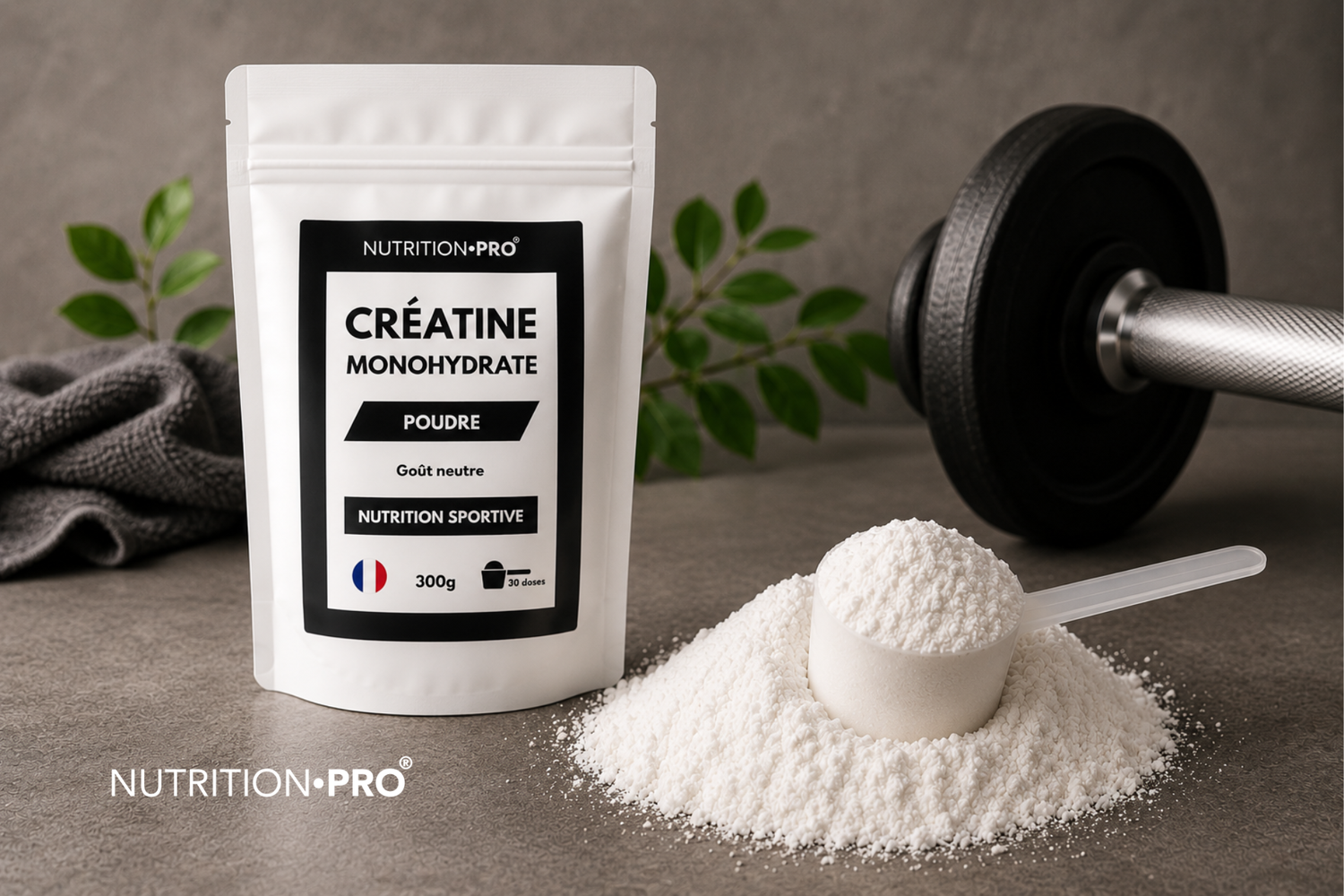
Creatine Powder — 300 g
Pure creatine monohydrate in powder form, with flexible dosing suited to vegetarian profiles and personalized protocols. Best value for money.
View the powder →Proven memory effect: according to Xu et al. 2024 in Frontiers in Nutrition (16 RCTs, 492 participants), creatine significantly improves memory (SMD +0.31, moderate GRADE certainty).
Pronounced effect in older adults: according to Prokopidis et al. 2023 in Nutrition Reviews, the effect is particularly significant in adults aged 66–76 (SMD +0.88), and absent in young adults (SMD +0.03, non-significant).
Acute mental fatigue: according to Gordji-Nejad et al. 2024 in Scientific Reports (Nature), a single dose of 0.35 g/kg restores cognitive performance during 21 hours of sleep deprivation.
What creatine does not do: according to Attia et al. 2017 (3 RCTs, 1,935 patients), no neuroprotective effect on Parkinson's disease. Creatine supports healthy cognition, not established neurodegenerative diseases.
- Creatine in the brain: 20% of the body's energy in constant demand
- Memory: what the Xu 2024 meta-analysis confirms (16 RCTs, 492 participants)
- Mental fatigue and sleep deprivation: the Gordji-Nejad 2024 revelation
- Seniors 66-76 years old: +0.88 SMD in memory (Prokopidis 2023)
- Depression: the Sherpa 2024 pilot study on 100 participants
- Parkinson's: what creatine does NOT do (Attia 2017, 1,935 patients)
- Athletes and concussions: neuroprotection protocol (Conti 2024)
- Practical protocol: dosage, duration, brain synergies, profiles
- Self-assessment: can creatine help your brain?
- Personalized decision table
- FAQ — All your questions
Creatine in the brain: 20% of the body's energy in constant demand
The brain is a permanent energy drain — here's why creatine plays a key role in it.
The brain accounts for only 2% of body weight yet consumes approximately 20% of total energy expenditure at rest. Like muscles, neurons useATP as their energy currency — and like muscles, they possess reserves of phosphocreatine. It is these reserves that supplementation can increase, particularly in situations where the brain's energy demand is high or natural reserves are low.
The brain is, proportionally, the most energy-intensive organ in the human body. To function — thinking, memorizing, processing information, managing emotions, maintaining consciousness — it requires a constant and massive flow ofATP (adenosine triphosphate), the molecule that transports energy in all living cells.
Neurons produce their ATP primarily from glucose and oxygen, via mitochondrial respiration. But this process, while highly efficient, has one limitation: it takes time. When intense neural activity occurs suddenly — a quick decision, a prolonged concentration effort, a complex mental calculation — neurons needimmediately available ATP.
The role of cerebral phosphocreatine
This is where phosphocreatine. Stored in neurons, it can donate its phosphate group to ADP to instantly regenerate ATP — in less than one second. This reserve acts as an energy buffer that absorbs peaks in cerebral demand, before mitochondrial production takes over.
When brain creatine stores are low (insufficient sleep, aging, a meat-poor diet, metabolic stress), this buffer becomes less effective. Mental fatigue, cognitive slowing, and memory difficulties can set in more quickly.
Why the brain absorbs creatine less efficiently than muscles
Unlike muscles, the brain is protected by the blood-brain barrier, a cellular structure that strictly filters what can pass from the blood into nerve tissue. Creatine crosses this barrier, but more slowly and with less efficiency than in skeletal muscle.
This is why the cognitive effects of creatine generally require 4 to 6 weeks of continuous supplementation before they become measurable — whereas muscular effects appear within 1 to 3 weeks. This kinetic difference also explains why individuals whose brain stores are lowest benefit most rapidly from supplementation: seniors, vegetarians, sleep-deprived individuals, and those under chronic metabolic stress.
This information, seemingly simple, is crucial in deciding whether supplementation is worth trying. If your brain stores are already well stocked (young adult, omnivore, well-rested), the additional effect of creatine on cognition will be modest. If they are low, the effect will be significantly more noticeable — which is exactly what meta-analyses confirm, as we will see in the following sections.
Memory: what the Xu 2024 meta-analysis confirms (16 RCTs, 492 participants)
A recent meta-analysis, moderate GRADE certainty — solid evidence but modest effect.
According to Xu et al. 2024 in Frontiers in Nutrition, a rigorous meta-analysis of 16 randomized controlled trials including 492 participants aged 20 to 76 years confirms a beneficial effect of creatine monohydrate on memory (SMD +0.31, 95% CI: 0.18–0.44), on attention span and on information processing speed. The certainty of evidence for memory is rated as moderate according to the GRADE assessment.
The meta-analysis reports a significant positive effect on memory (SMD +0.31, 95% CI 0.18–0.44), a beneficial effect on attention span and processing speed. The authors note that the certainty of evidence for memory is rated as moderate according to the GRADE assessment — a reasonable but improvable level of evidence.
Xu C, Bi S, Zhang W, Luo L. Frontiers in Nutrition 2024;11:1424972. DOI : 10.3389/fnut.2024.1424972
What the SMD +0.31 actually measures
The SMD (standardized mean difference) of +0.31 corresponds to a small to moderate effect according to statistical conventions (Cohen). In practical terms, this means that individuals supplemented with creatine score better on average on memory tests than placebo groups, but the improvement remains modest — not a dramatic leap.
This is an important distinction to keep in mind: creatine is not a miracle nootropic. It won't transform a "normal" brain into a genius brain. It delivers a measurable but moderate improvement, particularly useful for optimizing cognitive functions that are already working properly, or for supporting a brain whose energy reserves are running low.
The subgroups that benefit most
Xu 2024 conducted subgroup analyses that reveal where creatine makes the biggest difference:
Individuals with a medical condition
Amplified cognitive effect in patients with conditions that impact brain function.
Metabolic, early-stage neurodegenerative, or inflammatory conditions deplete the brain's energy reserves. Supplementation fills an existing deficit more effectively than it optimizes an already well-supplied brain.
Women
Significantly greater cognitive benefits compared to men, according to subgroup analyses.
Women generally have slightly lower dietary creatine intakes (lower meat consumption on average) and hormonal fluctuations that can modulate cerebral energy metabolism. They often respond more quickly to supplementation.
Adults aged 18–60
Detectable benefits on memory and information processing speed.
This age group combines high cognitive demands (work, studies, parenthood) with often sub-optimal brain reserves linked to chronic stress and lack of sleep. Supplementation provides meaningful cerebral energy support.
Intervention duration: short vs. long term
An important finding from Xu 2024: no significant difference was observed between short-term interventions (less than 4 weeks) and long-term ones (≥ 4 weeks) for overall cognitive improvement. This means that the cognitive effects of creatine take hold relatively quickly — generally within the first few weeks — but do not continue to grow indefinitely with very prolonged supplementation.
In practical terms: if you notice no subjective effect after 4 to 6 weeks of supplementation at 3–5 g/day, it is unlikely that continuing the regimen for months will change the outcome on a cognitive level. It is better to assess whether your profile matches the responding subgroups (older adults, women, those with a medical condition, vegetarians) before continuing.
Mental fatigue and sleep deprivation: the Gordji-Nejad 2024 revelation
A single high dose can restore cognitive performance during 21 hours of sleep deprivation — published in Scientific Reports (Nature).
According to Gordji-Nejad et al. 2024 in Scientific Reports, a single high dose of 0.35 g/kg of creatine monohydrate (approximately 25 g for a 70 kg adult) administered during a period of 21 hours of sleep deprivation was shown to maintain cognitive performance and processing speed, as well as prevent the drop in cerebral pH and the degradation of high-energy phosphates. This is the first study to demonstrate a measurable acute effect of creatine on the human brain.
This study, published in Scientific Reports (Nature group) in February 2024, quickly went viral in the biohacking community and shifted the scientific perception of creatine as an acute cognitive tool, not merely as a chronic supplement.
The authors report that creatine modifies PCr/Pi ratios, cerebral ATP, and tCr/tNAA, prevents the drop in cerebral pH, and improves cognitive performance as well as processing speed. Conclusion: a single high dose of creatine can partially reverse the metabolic alterations and cognitive deterioration associated with sleep deprivation.
Gordji-Nejad A, Matusch A, Kleedörfer S, et al. Scientific Reports 2024;14(1):4937. DOI: 10.1038/s41598-024-54249-9
Why this study is a game changer
Before Gordji-Nejad 2024, the scientific consensus was clear: creatine only acts on the brain after several weeks of continuous supplementation, as cerebral stores gradually build up across the blood-brain barrier. The idea of an acute effect (within a matter of hours) seemed physiologically implausible.
The hypothesis put forward by researchers from Jülich (Germany) was bold: extreme cerebral energy demand (prolonged sleep deprivation) combined with very high plasma concentrations (a single massive dose of 0.35 g/kg) could temporarily increase cerebral uptake of creatine beyond normal levels.
The results, measured using phosphorus and proton magnetic resonance spectroscopy (¹H-MRS and ³¹P-MRS — cutting-edge metabolic brain imaging techniques), confirmed this hypothesis: measurable changes in the PCr/Pi ratio (phosphocreatine to inorganic phosphate), maintenance of cerebral ATP, and prevention of pH decline. And most notably, cognitive tests showed measurable improvement in performance and processing speed.
Important limitations to be aware of
This study is groundbreaking yet preliminary. Several precautions should be taken before adopting it as a routine practice:
Limited sample size
The study involves a small number of participants — results need to be confirmed by larger trials.
The observed effects are statistically significant in this group, but generalizing to the entire population requires independent replications. This is the first study — not yet definitive proof.
Very high and unusual dose
25 g in a single serving — that's the equivalent of a full loading phase condensed into one dose.
This dosage may cause digestive discomfort (bloating, mild diarrhea) in some individuals. It is not suited for daily use and remains an experimental protocol, not to be replicated without prior consideration.
Specific context
The acute effect was tested under sleep deprivation — not in ordinary mental fatigue.
There is no evidence that a single massive dose will have the same effect in a well-rested individual. The acute effect appears to be linked to a state of extreme cerebral energy demand — not to a brain that is already functioning properly.
Practical implications
For the vast majority of users, the recommended approach remains chronic supplementation at 3-5 g/day, which progressively saturates brain reserves over 4 to 6 weeks. This is the strategy validated by all meta-analyses (Xu 2024, Prokopidis 2023), with an excellent safety profile.
For exceptional situations (emergency all-nighter, critical cognitive performance under sleep deprivation, exam or presentation after a bad night's sleep), the high single-dose strategy could potentially have some merit — but it still requires further studies before being widely recommended.
Seniors 66-76 years: +0.88 SMD on memory (Prokopidis 2023)
The subgroup where creatine makes the greatest cognitive difference — an effect considered "large" according to Cohen's standards.
According to Prokopidis et al. 2023 in Nutrition Reviews, a systematic review of 10 randomized controlled trials (of which 8 were included in the meta-analysis) on memory in healthy adults shows a modest overall effect (SMD +0.29, 95% CI 0.04-0.53), but markedly different depending on age: SMD +0.88 in seniors aged 66-76 years (a "large" effect according to Cohen) and SMD +0.03 in young adults aged 11-31 years (non-significant). It is in cognitive senescence that creatine shows its most pronounced potential.
The meta-analysis reports that creatine improves memory measures vs. placebo (SMD +0.29, 95% CI 0.04-0.53). Subgroup analyses reveal a significantly more pronounced effect in seniors aged 66-76 years (SMD +0.88, 95% CI 0.22-1.55) compared to young adults aged 11-31 years (SMD +0.03, 95% CI -0.14 to 0.20).
Prokopidis K, Giannos P, Triantafyllidis KK, Kechagias KS, Forbes SC, Candow DG. Nutrition Reviews 2023;81(4):416-427. DOI: 10.1093/nutrit/nuac064
Why such a pronounced effect in seniors
The SMD +0.88 is, according to Cohen's statistical conventions, a large effect — of the same order of magnitude as what is observed with intensive cognitive interventions (intensive cognitive training, certain nootropic medications). Three biological mechanisms explain this unusual magnitude:
1. Natural decline in cerebral creatine stores with age. Brain phosphocreatine stores gradually decrease after age 60, partly due to reduced endogenous synthesis (the liver and kidneys produce less creatine) and less efficient cerebral uptake. Supplementation more effectively addresses a deficit than it optimizes an already saturated brain.
2. Decline in dietary intake. With age, meat consumption tends to decrease (dental problems, reduced appetite, medically restricted diets). Yet red meat is the primary dietary source of creatine — a 200 g raw steak contains approximately 0.6 to 1 g, but cooking converts 10 to 30% of it into creatinine (the inactive form). In practice, a cooked 200 g steak provides around 0.4 to 0.8 g of effective creatine. Omnivorous seniors often consume less dietary creatine than younger adults.
3. Relatively higher cerebral energy demand. With aging, brain metabolism becomes less efficient (reduced mitochondrial performance, low-grade chronic inflammation). Phosphocreatine, as a rapid energy reserve, becomes proportionally more valuable in compensating for this decline in mitochondrial efficiency.
Why no effect in young adults?
The SMD of +0.03 in young adults (non-significant) is equally telling. A healthy, omnivorous young adult who gets enough sleep typically has brain creatine stores already close to their maximum. Adding creatine cannot increase what is already saturated.
This is an important finding for setting realistic expectations: if you are a student or a young healthy professional, do not expect a dramatic cognitive effect from creatine. Your stores are likely already well topped up. Any effect, if it exists at all, will be marginal — except in specific situations (sleep deprivation, acute metabolic stress, strict vegetarianism).
Implications for seniors and their families
For adults aged 60 and over who are concerned about age-related cognitive decline, creatine becomes a reasonable supplement to consider, under several conditions:
First, it should be part of a comprehensive strategy that includes regular physical activity (the combination of creatine + resistance training maximizes both muscular and cognitive benefits), quality sleep, a balanced diet, and cognitive stimulation (reading, learning, social engagement). Creatine alone cannot compensate for an unhealthy lifestyle.
Second, it should be used at a standard dose (3–5 g/day) of creatine monohydrate, taken continuously, with no loading phase required. Creapure® is a particularly well-suited choice here: maximum purity (99.99%), raw material certified by the Kölner Liste®, German traceability. To discover other supplements that support brain and muscle aging, see the Anti-aging collection and the Brain • Cognition collection.
Finally, in the event of kidney disease, diabetes, or use of medications (particularly psychotropic drugs), a discussion with a physician is recommended before starting supplementation.
Depression: the Sherpa 2024 pilot study on 100 participants
Promising but preliminary data — a complement to therapy, never a substitute for medical supervision.
According to Sherpa et al. 2024 in European Neuropsychopharmacology, a randomized double-blind pilot trial involving 100 participants with depression (50 creatine + cognitive behavioral therapy, 50 placebo + cognitive behavioral therapy) shows a reduction significantly greater reduction in depressive symptoms in the creatine group after 8 weeks (mean difference -5.12 points on the PHQ-9 scale). Tolerability and safety comparable to placebo. Promising but preliminary data, to be confirmed by larger trials.
At 8 weeks, PHQ-9 scores decreased in both arms of the study, but significantly more so in participants taking creatine (mean difference -5.12 points). Treatment discontinuations (all causes combined and related to adverse effects) and the frequency of side effects were comparable between the two groups. The authors describe their trial as a "hypothesis-generating" study, suggesting that creatine could be a useful and safe adjunct to CBT in depression.
Sherpa NN, De Giorgi R, Ostinelli EG, et al. European Neuropsychopharmacology 2024;90:28-35. DOI: 10.1016/j.euroneuro.2024.10.004
The link between brain metabolism and depression
Over the past fifteen years or so, several brain imaging studies (magnetic resonance spectroscopy) have revealed a cerebral energy deficit in certain forms of major depression: decreased PCr/Pi ratio in key regions such as the prefrontal cortex and hippocampus, and mitochondrial metabolism abnormalities. This metabolic avenue has driven the hypothesis that creatine, by improving cerebral energy availability, could have a complementary antidepressant effect.
The Sherpa 2024 study, conducted as part of a partnership between the University of Oxford and a mental health center in northern India, rigorously tested this hypothesis: a randomized, double-blind, placebo-controlled trial, carried out in a resource-limited area where access to antidepressants remains difficult.
Conditions to be observed
Always as a complement, never as a replacement
Creatine supports — it does not treat depression on its own.
The Sherpa 2024 study examined creatine as an add-on to cognitive behavioral therapy, not as a replacement. Depression requires psychotherapeutic and/or pharmacological support in accordance with clinical guidelines. No dietary supplement replaces medical supervision.
Preliminary data
Pilot hypothesis-generating trial — larger studies are needed to confirm.
The authors themselves describe their study as a "hypothesis-generating trial." This means that the results are encouraging enough to justify larger trials, but not sufficient to establish creatine as a validated treatment for depression.
Speak to your doctor
Especially if you are currently undergoing antidepressant treatment.
Creatine has no known major interactions with common antidepressants (SSRIs, SNRIs), but any supplementation in a person being treated for a psychiatric disorder must be approved by the prescribing physician, who has full knowledge of the patient's medical history.
Parkinson's: what creatine does NOT do (Attia 2017, 1,935 patients)
A rigorous meta-analysis dismantles a false hope — creatine does not slow the progression of Parkinson's disease.
According to Attia et al. 2017 in CNS & Neurological Disorders Drug Targets, a rigorous meta-analysis of 3 randomized controlled trials including 1,935 patients with Parkinson's disease shows NO beneficial effect of creatine on disease progression (total UPDRS scale and sub-scores I, II, III). This information is essential to avoid creating false hope: creatine supports healthy cognition, it does not treat established neurodegenerative diseases.
Three randomized controlled trials (n=1,935 patients) were included in this meta-analysis. The overall effect favored neither group (creatine vs placebo) in terms of total UPDRS score, nor on the UPDRS III sub-scores (motor), UPDRS II (daily activities), or UPDRS I (mental state). Authors' conclusion: current evidence does not support the use of creatine as a neuroprotective agent against Parkinson's disease.
Attia A, Ahmed H, Gadelkarim M, et al. CNS & Neurological Disorders Drug Targets 2017;16(2):169-175. DOI: 10.2174/1871527315666161104161855
Why include this section in an article promoting creatine?
Because scientific integrity requires presenting all the data, including data that contradicts the expected effect. Much of the online content about creatine and the brain presents only positive studies, creating an illusion of omnipotence that ultimately does a disservice to the consumer.
The story of creatine and Parkinson's disease is instructive. In the early 2000s, preclinical studies (on cells and animals) had suggested that creatine might be neuroprotective against the dopaminergic degeneration characteristic of Parkinson's disease. The NIH (National Institute of Neurological Disorders and Stroke) had even selected creatine as a serious candidate for a large-scale clinical trial on disease modification.
The results of these rigorous clinical trials were negative. Across 1,935 patients followed in 3 large randomized controlled trials, no improvement on the UPDRS scale (Unified Parkinson's Disease Rating Scale, the reference scale for measuring disease progression) was observed vs placebo, neither on the total score nor on the motor sub-score (UPDRS III), daily activities (UPDRS II), or mental state (UPDRS I).
The lesson to be learned
Preclinical effects (cells, animals) do not systematically translate into clinical effects in humans. This is a general rule in pharmacology: the majority of promising laboratory candidates fail to demonstrate measurable clinical benefit.
Practical implication: if you take creatine to support your daily cognition, this is a reasonable strategy based on moderate evidence (Xu 2024, Prokopidis 2023, Gordji-Nejad 2024). If you are hoping it will slow a diagnosed neurodegenerative disease, current evidence does not support this use. For Alzheimer's and other dementias, the data remains at the preclinical stage and does not allow for any clinical conclusions to be drawn.
This does not mean that creatine should be ruled out in cases of neurodegenerative disease — its safety profile remains excellent and it may support muscle function, which often deteriorates in parallel (sarcopenia associated with Parkinson's disease, for example). But it should be taken without expecting any curative effect, in agreement with the medical team, and as part of a comprehensive approach.
Athletes and concussions: neuroprotection protocol (Conti 2024)
Creatine + omega-3 to buffer inflammation and support neuronal recovery after traumatic brain injury.
According to Conti et al. 2024 in Nutrients, a comprehensive narrative review on nutritional protocols following traumatic brain injury (TBI) and concussion, creatine monohydrate and omega-3 fatty acids (EPA/DHA) are the two best-documented nutrients for reducing neuronal inflammation, limiting cellular damage and maintaining cerebral energy supply following trauma. This synergy is particularly relevant for contact sport athletes (rugby, American football, MMA, boxing, hockey).
The authors report that creatine monohydrate and omega-3 fatty acids (DHA and EPA) help reduce inflammation, decrease neural damage, and maintain adequate energy supply to the brain following traumatic brain injury. This synergy is documented as particularly relevant for concussions and head trauma in athletes and military personnel.
Conti F, McCue JJ, DiTuro P, Galpin AJ, Wood TR. Nutrients 2024;16(15):2430. DOI: 10.3390/nu16152430
The mechanisms of neuroprotection
A brain injury, even a mild one (concussion), triggers a precise biological cascade in the hours and days that follow: a sudden drop in neuronal ATP, increased oxidative stress, release of excitatory neurotransmitters in excess (glutamate), neuronal inflammation. It is this cascade — known as "metabolic mismatch" — that causes a large proportion of medium-term cognitive consequences (headaches, difficulty concentrating, persistent mental fatigue).
Creatine acts on two levels: it maintains neuronal ATP via the phosphocreatine buffer and it reduces excitatory glutamate release according to preclinical models. Omega-3 EPA/DHA, in turn, modulate neuronal inflammation through their resolving metabolites (resolvins, protectins, maresins). The combination of the two appears synergistic: energetic + anti-inflammatory.
Who is this synergy relevant for?
Conti 2024 focuses on individuals at high risk of concussion and traumatic brain injury, as well as individuals who have already experienced a TBI. In the medical literature, these at-risk populations classically include contact sport athletes (rugby, American football, MMA, hockey, boxing), military personnel exposed to repeated impacts, and victims of recent head trauma. For these populations, preventive or recovery-focused supplementation with creatine 3–5 g/day + omega-3 EPA/DHA 2–3 g/day is among the emerging nutritional protocols evaluated in the review.
For athletes not exposed to impacts (running, cycling, swimming, fitness), this synergy remains relevant for a different reason: it supports both muscular performance (creatine) and general anti-inflammatory recovery (omega-3). To explore this synergy, see our Omega-3 OmegaVie® EPA/DHA and the supplements from the Energy and Performance collection.
Practical protocol: dosage, duration, brain synergies, profiles
The actionable summary for optimizing creatine for cognition based on your situation.
Dosage validated by all meta-analyses: 3 to 5 g/day of creatine monohydrate, continuously, taken every day for a minimum of 4 to 6 weeks to assess the cognitive effect. For seniors, vegetarians, and individuals with chronic sleep deprivation: more pronounced effects are expected. Documented brain synergies: omega-3 EPA/DHA (neuroinflammation), magnesium bisglycinate (sleep and synaptic function), Lion's Mane (BDNF, neuroplasticity), ashwagandha (cortisol and sleep quality).
Standard dosage
Dose: 3 to 5 g of creatine monohydrate per day. The same dose as for muscular effects. The loading phase (20 g/day × 5–7 days) is not necessary for cognitive effects and does not significantly accelerate brain benefits.
Form: creatine monohydrate exclusively, ideally Creapure® (capsules) for maximum purity or monohydrate powder for dosing flexibility and the best quantity/price ratio. Alternative forms (HCL, ethyl ester, Kre-Alkalyn®) provide no proven superior cognitive benefit.
Timing: irrelevant. Take with a meal to benefit from the insulin spike that promotes absorption, but exact timing has no significant impact on long-term cognitive benefits.
Duration: minimum 4 to 6 weeks to assess cognitive effect. Supplementation can be continued for years with no documented risk.
Validated brain synergies
Omega-3 EPA/DHA (priority #1)
The best-documented synergy — anti-neuroinflammation and neuronal membrane support.
Omega-3 EPA/DHA make up 30% of the brain's phospholipids and modulate inflammation through their resolving metabolites. Combined with creatine (brain energy), they cover both pillars: structure + energy. Dose: 2-3 g EPA+DHA/day, taken with a fatty meal.
Magnesium bisglycinate (sleep and synapses)
Essential cofactor for over 300 brain enzymes, including those that regenerate ATP.
Magnesium is essential for cerebral energy metabolism (ATP production) and modulates NMDA receptors involved in learning and memory. The bisglycinate form is better absorbed and promotes restorative sleep, during which memory consolidation occurs. Dose: 300-400 mg/day, in the evening.
Lion's Mane (neuroplasticity, BDNF)
Adaptogenic mushroom that stimulates the production of neuronal growth factors.
Lion's Mane (Hericium erinaceus) contains hericenones and erinacines documented to stimulate the production of NGF (Nerve Growth Factor) — a neuron growth factor. A valuable supplement for long-term neuroplasticity and learning memory. Different cognitive profile from creatine, making it a relevant synergy.
Ashwagandha KSM-66® (stress, cortisol, sleep)
Adaptogen that modulates cortisol — creatine works better in a less stressed brain.
Chronic stress raises cortisol, which impairs memory function (particularly hippocampal) and disrupts sleep. Ashwagandha KSM-66® reduces cortisol and improves sleep quality. Synergistic with creatine on the cognition + nighttime recovery axis. Dose: 600 mg/day KSM-66®.
Rhodiola (mental fatigue)
Adaptogen for acute mental fatigue and cognitive performance under pressure.
Rhodiola is documented to reduce mental fatigue and improve cognitive performance under acute stress conditions (exams, presentations, decision-making under pressure). A valuable occasional supplement — creatine covers baseline performance, rhodiola covers peak cognitive effort.
Organic Ginkgo (cerebral microcirculation)
Traditional plant for cerebral circulatory support and senior cognition.
Ginkgo biloba supports cerebral microcirculation and provides antioxidant flavonoids. Particularly relevant as a complement to creatine in seniors, for whom cerebral blood flow may be less efficient. Complementary approach: creatine (energy) + ginkgo (oxygenation).
Athletes and students
For a young student or cognitive worker, the effect of creatine remains modest if reserves are already saturated (omnivore, well-rested). The main benefit is to build a cerebral energy buffer for periods of intense cognitive stress (revision periods, deadlines, exams) — particularly when combined with insufficient sleep. Dose: 3-5 g/day, starting 4 weeks before the critical period.
For an athlete, creatine combines muscular benefits (strength, mass, recovery) and cognitive benefits (focus, decision-making, resistance to mental fatigue at the end of effort). It is the supplement that offers the best return on investment for this population. See the complete creatine guide for details on physical performance.
Self-test: can creatine help your brain?
Check the statements that apply to you. Based on the dominant profile that emerges, you will receive a personalized recommendation on the potential benefits of creatine for your cognition.
Personalized decision table
IF/THEN summary based on the 7 studies in this file — to help you decide quickly based on your profile.
FAQ — All your questions about creatine and the brain
Does creatine really improve memory?
Yes, modestly, based on moderate-certainty evidence. The Xu 2024 meta-analysis (16 RCTs, 492 participants, Frontiers in Nutrition) shows a significant effect on memory (SMD +0.31, 95% confidence interval: 0.18–0.44, GRADE moderate certainty). The effect is more pronounced in seniors aged 66–76 (Prokopidis 2023, SMD +0.88) and in individuals with naturally low reserves (vegetarians, those who are ill, chronic sleep deprivation).
How long before noticing a cognitive effect?
For baseline memory and cognition: a minimum of 4 to 6 weeks at 3–5 g/day. Brain creatine stores build up more slowly than muscle stores due to the blood-brain barrier.
For acute mental fatigue related to sleep deprivation: a single high dose of 0.35 g/kg may produce an effect within a few hours according to Gordji-Nejad 2024 (Scientific Reports), but this dosage remains experimental and is not suitable for routine use.
What is the best form of creatine for the brain?
<<<28>>> Creatine monohydrate créatine monohydrate is the only form tested across all cognitive meta-analyses (Xu 2024, Prokopidis 2023). Alternative forms (HCL, ethyl ester, Kre-Alkalyn®, magnesium creatine chelate) have no evidence of cognitive superiority and are often more expensive.
For maximum purity and traceability (particularly useful for seniors and sensitive individuals), Creapure® is the global benchmark (≥ 99.99% purity). For dosing flexibility and the best quantity-to-price ratio, powdered creatine monohydrate is the ideal choice.
Can creatine help with depression?
Promising but preliminary data. The Sherpa 2024 pilot study (European Neuropsychopharmacology, 100 participants) suggests that creatine as an add-on to cognitive behavioral therapy further reduces depressive symptoms (-5.12 PHQ-9 points vs. placebo+CBT) at 8 weeks.
Important: creatine is a supplement, never a substitute for medical supervision in cases of depression. If you are experiencing depressive symptoms, consult a healthcare professional. National suicide prevention helpline: 988 (free, 24/7).
Does creatine prevent Alzheimer's or slow Parkinson's?
Not demonstrated for Parkinson's. The Attia 2017 meta-analysis (3 RCTs, 1,935 patients, CNS Neurol Disord Drug Targets) shows no beneficial effect of creatine on the progression of Parkinson's disease (total UPDRS scale and motor, ADL, and mental state subscores).
For Alzheimer's and other dementias, the data remains at the preclinical stage. Scientific honesty: creatine supports healthy cognition — it does not treat established neurodegenerative diseases. It may nevertheless be used as a supplement, without expecting any curative effect, in agreement with the medical team.
What dose of creatine is needed for cognitive effects?
Standard dose 3 to 5 g/day of creatine monohydrate, every day, on a continuous basis. This is the same dose as for muscular effects. The loading phase (20 g/day × 5–7 days) is not necessary for cognitive effects.
For individuals weighing over 90 kg, 5 g/day may be preferable. For lighter or older individuals, 3 g/day is generally sufficient.
Should creatine be taken in the morning or evening for the brain?
The exact timing has no significant impact on long-term cognitive benefits. Creatine accumulates gradually in brain stores, regardless of when it is taken.
In practice: take it with a meal (the post-meal insulin spike slightly enhances absorption). Avoid taking it on an empty stomach, as this can occasionally cause digestive discomfort in some individuals.
Should creatine be cycled or taken with breaks?
No. Breaks are not necessary and will even cause the accumulated benefits to be lost. Brain stores deplete within 4 to 6 weeks after stopping, which gradually erases the cognitive effects.
Continuous supplementation has been validated over periods of several years with no documented risk. The only reasons to stop are digestive intolerance, a medical contraindication, or a personal decision.
What synergies exist with creatine for the brain?
Three particularly well-documented synergies:
Omega-3 EPA/DHA (synergy #1): anti-neuroinflammation + neuronal membrane structure. See our Omega-3 OmegaVie®. 2–3 g EPA+DHA/day.
Magnesium bisglycinate : cofactor in cerebral energy metabolism and improves sleep, during which memory consolidation takes place. See our Magnésium+. 300–400 mg/day in the evening.
Lion's Mane : stimulates the production of NGF (Nerve Growth Factor), a neuronal growth factor documented for neuroplasticity. See Lion's Mane Hericium. A valuable complement for long-term neuroplasticity.
Is creatine safe for the brain over the long term?
Yes. Creatine monohydrate is one of the most extensively studied dietary supplements in the world, with an excellent safety profile documented over periods of up to 5 years. No detrimental effects on renal, hepatic, or cerebral function have been demonstrated in healthy adults at recommended doses (3–5 g/day).
Precautions: if you have a pre-existing kidney condition, poorly controlled diabetes, or are taking nephrotoxic medications, consult your doctor before starting supplementation.
Why does creatine work better in women?
According to the subgroup analysis by Xu 2024, women show a more pronounced cognitive response to creatine than men. Two main hypotheses:
Lower dietary intake : on average, women consume less red meat than men (DGCCRF, ANSES study). Yet meat is the primary dietary source of creatine. Brain stores are therefore on average slightly lower, and supplementation more effectively fills this deficit.
Hormonal modulations : fluctuations in estrogen levels (menstrual cycle, perimenopause, menopause) influence cerebral energy metabolism. Creatine, by stabilizing energy availability, may help buffer these hormonal variations.
Creatine and coffee: do you have to choose?
An old myth claims that caffeine cancels out the effects of creatine. It stems from a single 1996 study that showed interference with muscular performance. Since then, several studies have failed to replicate this effect, and taking creatine and coffee together is now considered to have no problematic interaction in most users.
For cognitive effects: there is no reason to separate creatine and coffee. The two act on different mechanisms (creatine = energy reserves, caffeine = adenosine receptor blockade) and are compatible.
When should you consult a doctor before taking creatine?
Consult before starting if you have: a kidney condition, serious liver disease, poorly controlled diabetes, an ongoing pregnancy or breastfeeding, chronic medication use (particularly nephrotoxic drugs, long-term NSAIDs, certain antibiotics), or if you are a minor.
Also consult your doctor if you are taking creatine for a cognitive or psychiatric disorder: creatine is not a substitute for medical monitoring, and it is important that your doctor is aware of all your dietary supplements in order to adapt your care accordingly.
How long do the effects last after stopping?
Brain creatine stores gradually decline after stopping supplementation, over approximately 4 to 6 weeks (a similar timeline to the "loading" phase at the start of supplementation). During this period, cognitive effects gradually fade.
Beyond 6 to 8 weeks after stopping, the brain returns to its endogenous creatine level (without supplementation), comparable to your state before the course. No negative rebound effect has been documented.
Can creatine help with attention and concentration (ADHD)?
Available meta-analyses (Xu 2024) show a modest effect of creatine on attention span (SMD -0.31 on reaction time, in favor of creatine). However, no specific study has evaluated creatine in ADHD (attention deficit disorder with or without hyperactivity).
If you have been diagnosed with ADHD or suspect this condition in yourself or someone close to you, consult a specialized healthcare professional. Creatine is not a substitute for a diagnostic assessment or appropriate treatment.
- Phosphocreatine (PCr)
- Ultra-fast cellular energy reserve found in muscles and neurons. It can donate its phosphate group to ADP to instantly regenerate ATP, in less than one second. It acts as the brain's energy "buffer" during peak demand periods.
- Brain ATP
- Adenosine triphosphate. The universal molecule that transports energy in all living cells. Neurons consume approximately 20% of the body's total energy expenditure, despite accounting for only 2% of body weight.
- Blood-brain barrier
- A cellular structure that strictly filters the passage of molecules between the blood and brain tissue. It protects the brain but slows the uptake of certain nutrients such as creatine, which explains why cognitive effects require 4 to 6 weeks of continuous supplementation.
- BDNF (Brain-Derived Neurotrophic Factor)
- A neuronal growth factor essential to neuroplasticity (the brain's ability to form new connections) and learning memory. Regular physical exercise stimulates its production. Lion's Mane, on the other hand, primarily stimulates another neuronal growth factor, NGF (Nerve Growth Factor).
- SMD (Standardized Mean Difference)
- Standardized mean difference. A statistical measure used to compare results across studies using different scales. Cohen's benchmarks: 0.2 = small effect, 0.5 = medium effect, 0.8 = large effect. A meta-analysis often expresses its results in SMD.
- GRADE certainty
- A system for evaluating the quality of scientific evidence used in meta-analyses. Four levels: high, moderate, low, very low. The Xu 2024 meta-analysis concludes with "moderate" certainty for creatine's memory effect, which represents an adequate but non-maximal level of evidence.
- Neuroplasticity
- The brain's ability to reorganize itself, form new synapses, and adapt its neural circuits based on experience and learning. It persists throughout life, even in older adults, and can be supported by certain supplements (Lion's Mane, omega-3s, creatine indirectly).
- Xu C, Bi S, Zhang W, Luo L. The effects of creatine supplementation on cognitive function in adults: a systematic review and meta-analysis. Frontiers in Nutrition 2024;11:1424972. DOI: 10.3389/fnut.2024.1424972
- Prokopidis K, Giannos P, Triantafyllidis KK, et al. Effects of creatine supplementation on memory in healthy individuals: a systematic review and meta-analysis of randomized controlled trials. Nutrition Reviews 2023;81(4):416-427. DOI: 10.1093/nutrit/nuac064
- Gordji-Nejad A, Matusch A, Kleedörfer S, Patel HJ, Drzezga A, Elmenhorst D, Binkofski F, Bauer A. Single dose creatine improves cognitive performance and induces changes in cerebral high energy phosphates during sleep deprivation. Scientific Reports 2024;14(1):4937. DOI: 10.1038/s41598-024-54249-9
- Sherpa NN, De Giorgi R, Ostinelli EG, Choudhury A, Dolma T, Dorjee S. Efficacy and safety profile of oral creatine monohydrate in add-on to cognitive-behavioural therapy in depression: An 8-week pilot, double-blind, randomised, placebo-controlled feasibility and exploratory trial in an under-resourced area. European Neuropsychopharmacology 2024;90:28-35. DOI: 10.1016/j.euroneuro.2024.10.004
- Attia A, Ahmed H, Gadelkarim M, Morsi M, Awad K, Elnenny M, Ghanem E, El-Jaafary S, Negida A. Meta-Analysis of Creatine for Neuroprotection Against Parkinson's Disease. CNS & Neurological Disorders Drug Targets 2017;16(2):169-175. DOI: 10.2174/1871527315666161104161855
- Conti F, McCue JJ, DiTuro P, Galpin AJ, Wood TR. Mitigating Traumatic Brain Injury: A Narrative Review of Supplementation and Dietary Protocols. Nutrients 2024;16(15):2430. DOI: 10.3390/nu16152430
- Forbes SC, Cordingley DM, Cornish SM, Gualano B, Roschel H, Ostojic SM, Rawson ES, Roy BD, Prokopidis K, Giannos P, Candow DG. Effects of Creatine Supplementation on Brain Function and Health. Nutrients 2022;14(5):921. DOI: 10.3390/nu14050921


