

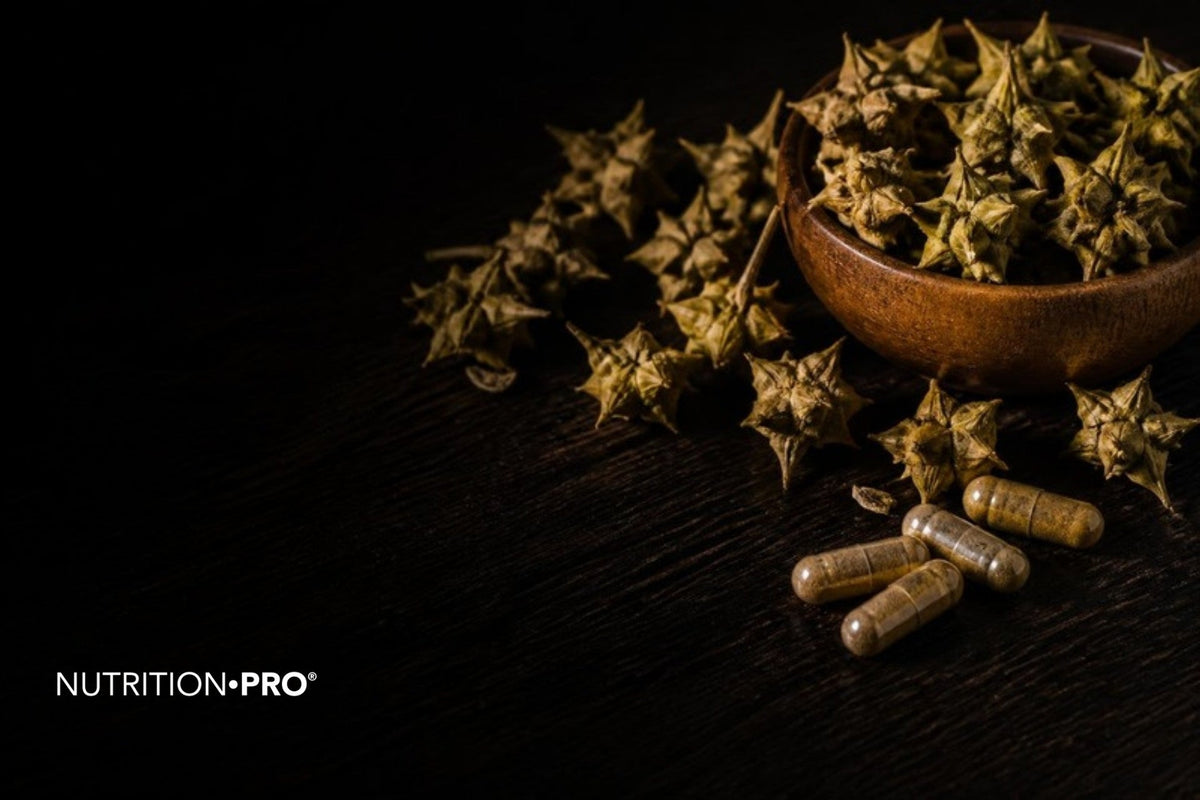
In the largest randomized trial dedicated to tribulus, 180 men took a standardized extract or placebo for 12 weeks: the incidence of adverse effects did not differ between the two groups, with no serious adverse effects related to treatment. At the same time, a handful of published cases describe liver and kidney damage, one severe enough to require dialysis. Both findings are true, and their proper proportion answers the question "is tribulus dangerous?"
This guide brings together what studies identified via PubMed show: the tolerability measured in trials on libido, erectile function, fertility and sports, isolated published cases (kidneys, liver, priapism, gynecomastia, muscles), toxicity in sheep grazing on the plant, the misconception about testosterone, anti-doping controls, product quality, contraindications and interactions. Each risk is classified as established, rare, theoretical or misconception, and the article concludes with practical safety rules.

What is established : in randomized trials, conducted over 4 weeks to 4 months in men and women, the adverse effects of tribulus are no more frequent than with placebo. In sheep that graze on large quantities of it, the plant damages the liver and nervous system, a well-documented phenomenon. At supplement doses, only a few isolated human cases suggest comparable lesions.
What is rare, theoretical or false : a few isolated cases of liver and kidney damage, priapism, gynecomastia or rhabdomyolysis have been published, without formally established causality. A decrease in blood glucose and blood pressure measured in trials requires caution under treatment. The increase in testosterone in men is a misconception; as for doping, the risk comes from contaminated products.
- Is tribulus dangerous? A review of the trials
- Side effects measured, trial by trial
- Kidneys and liver: published cases
- Priapism, gynecomastia, muscles: other isolated cases
- Tribulosin: why the plant intoxicates sheep
- Testosterone and hormones: the misconception
- Tribulus and doping: what testing shows
- Product quality: composition and contamination
- Contraindications and interactions
- Formulas that already contain tribulus: do not combine
- Risk summary table
- Safety rules and warning signs
- Frequently Asked Questions
Is tribulus dangerous? The evidence summary
The Tribulus terrestris is a creeping plant from warm regions, whose spiny fruit is rich in steroidal saponins, such as protodioscin. It is sold for libido, erectile function, and athletic performance. In a 2024 survey conducted in Italian gyms, 7.8% of the 510 respondents were taking it at the time of the study, and those seeking performance primarily consumed it significantly more often (adjusted odds ratio of approximately 18.5).
To assess danger, the best source remains the randomized controlled trial against placebo, and those on tribulus are consistent. A recent meta-analysis combined 8 studies on erectile dysfunction: erectile function score improved more than with placebo, total testosterone did not differ between groups, and neither did the incidence of adverse effects.
In 180 men aged 18 to 65 with mild to moderate erectile dysfunction, some hypertensive, diabetic, or with metabolic syndrome, a dry extract of tribulus aerial parts standardized to furostanolic saponins (250 mg tablets, 3 doses of 2 tablets per day after meals, i.e., 1,500 mg per day) was compared to placebo for 12 weeks. The erectile function score improved by 2.70 points more than with placebo. The incidence of adverse effects did not differ between the two groups, and no serious adverse effects related to treatment were observed. The tested product was a herbal medicinal product of Bulgarian origin.
Kamenov Z, Fileva S, Kalinov K, et al. Maturitas 2017;99:20-26. DOI: 10.1016/j.maturitas.2017.01.011
A 2025 systematic review devoted to men goes in the same direction. Out of 10 studies, 483 participants aged 16 to 70, with 400 mg to 12 g per day for 4 weeks to 3 months, none reported any side effects or abnormalities in lipid or liver function tests, but half were of low quality. In women, a review of 5 randomized trials, 279 participants treated for 1 to 3 months, found no serious adverse effects, with certainty of evidence judged as very low.
Several hundred participants followed for at most 4 months detect frequent effects, not very rare reactions, the domain of isolated cases described below. Trials also often excluded pregnancy, hormone-dependent cancers, and serious diseases.
Measured side effects, trial by trial
In 67 non-menopausal women treated for 4 weeks with a leaf extract syrup, adverse effects were systematically sought at 1, 2, and 4 weeks: only one participant reported a grade 1 abdominal cramp, the mildest level. In 60 menopausal women treated for 90 days, the frequency of adverse effects did not differ from placebo.
A trial conducted in 45 menopausal women, with 750 mg per day for 120 days, is the most transparent on dropouts: 3 participants from each group, tribulus as well as placebo, were excluded due to side effects. This identical figure suggests effects not specific to the plant.
In men, a trial conducted in 70 aging men with partial androgen deficiency, treated for 3 months, noted small biological variations in the tribulus group: the liver enzyme ASAT increased on average from 26.5 to 27.8, and total PSA, a marker monitored for the prostate, from 1.4 to 1.7, without worsening of urinary symptoms. These variations are small, but should be reported to one's doctor if PSA monitoring is being done.
| Trial and population | Dose and duration | Reported tolerance | Study |
|---|---|---|---|
| 180 men, erectile dysfunction | Standardized extract, 6 tablets of 250 mg per day, i.e. 1,500 mg, 12 weeks | No difference in adverse effects compared to placebo, none serious related to treatment | Kamenov, 2017 |
| 67 women non-menopausal | Leaf extract syrup, 4 weeks | One grade 1 abdominal cramp | Akhtari, 2014 |
| 45 women menopausal | 750 mg per day, 120 days | 3 exclusions due to adverse effects in each group | de Souza, 2016 |
| 60 women menopausal | 90 days | No difference compared to placebo | Postigo, 2016 |
| 70 men aging, androgen deficiency | 3 doses per day, 3 months | AST from 26.5 to 27.8, PSA from 1.4 to 1.7 on average, urinary symptoms stable | GamalEl Din, 2019 |
Our Tribulus terrestris provides 471 mg of fruit extract per day in 3 capsules. The trials used 400 to 1,500 mg of extract per day; the largest, in 180 men, 1,500 mg of an aerial parts extract. The comparison ends there: the extracts tested came from different plant parts and regions, with saponin standardizations ranging from 40 to 60% in the male studies, while ours is standardized at 90%. For efficacy, our analysis tribulus and libido details the results trial by trial.
Kidneys and liver: published cases
On the kidney side, published cases are real, few in number but sometimes severe. A review of cases of renal toxicity related to plants and supplements, published from 1966 to 2016, classifies tribulus among approximately 7 plants associated with kidney damage.
The 2010 Iranian case. A 28-year-old man drank a tribulus preparation for 2 days to prevent kidney stones. He experienced seizures, very elevated transaminases and creatinine, which improved upon discontinuation. It was a "water" prepared from the plant, taken at high dose according to a 2014 review.
The case of 2015. A young, healthy man taking tribulus as a sports supplement developed severe jaundice followed by acute kidney failure; biopsy showed necrosis of kidney tubules with bile casts, an injury linked to excess bilirubin.
A 46-year-old athletic man took tribulus supplements purchased online for 2 months, then stopped them 3 weeks before consulting for jaundice. His bilirubin peaked at 48 mg/dL and creatinine at 7.1 mg/dL, requiring hemodialysis; liver biopsy concluded drug-induced injury. He was placed on a liver transplant list before plasma exchanges allowed recovery. After 3 plasma exchange sessions, bilirubin dropped from 41 to 11.6 mg/dL, and two months after hospitalization, bilirubin and creatinine had returned to 1.1 and 1.3 mg/dL. The patient was also taking lamotrigine long-term, initially suspected and discontinued.
Mohy-Ud-Din N, Jonassaint N. ACG Case Rep J 2024;11(2):e01267. DOI: 10.14309/crj.0000000000001267
The 2024 authors summarize an earlier case, very likely the 2015 one: a 30-year-old man taking tribulus tablets as part of a bodybuilding program, with bilirubin at 39 mg/dL and creatinine at 3.1 mg/dL, returning to 4.4 and 1.2 mg/dL six weeks after discontinuation.
These cases are rare : a few publications for a plant consumed worldwide. The causality is not established : a 2020 review emphasizes that the supplements in question were not analyzed and no clinical trial reported this type of effect, and a medication was associated in the 2024 case. It is not ruled out either: improvement upon discontinuation in the 2010 and 2015 cases argues for a link; in the 2024 case, the injury persisted and only regressed after plasma exchanges. The liver and kidney lesions also resemble those observed in animals. Jaundice or dark urine with tribulus requires immediate discontinuation and evaluation.
Priapism, gynecomastia, muscles: other isolated cases
Priapism. In 2015, Italian urologists described a 36-year-old man who experienced a prolonged erection of 72 hours after taking a tribulus-based supplement. Surgical shunting was necessary, with sequelae to sexual function. The supplement was not analyzed, and the 2020 review judges that no conclusion can be drawn from it. Painful erection lasting more than 4 hours is a medical emergency, regardless of the cause.
Gynecomastia. In 2004, a British team reported gynecomastia, that is, breast gland development, in a young bodybuilding practitioner taking a plant-based tablet containing tribulus as an alternative to steroids. Unique case, product not analyzed.
Rhabdomyolysis with a statin. In 2024, a 71-year-old man treated for 6 years with atorvastatin 40 mg daily started a tribulus capsule at 500 mg daily. Two weeks later, he arrived at the emergency department with muscle pain: his CPK, the enzyme released by damaged muscle, peaked at 11,972 IU/L on the fourth day, with elevated transaminases (ASAT at 542 IU/L) but without kidney involvement. The authors hypothesize an interaction through CYP3A4 enzyme inhibition, which degrades atorvastatin: a hypothesis, not a demonstration.
Tribulosin: why the plant poisons sheep
For livestock farmers, tribulus is a well-known toxic plant. A systematic review of 166 reports of poisoning by photosensitization in livestock, published in 20 countries, places Tribulus terrestris among the three most frequent causes of hepatic-origin photosensitization worldwide, along with two forage grasses. In this form, the most frequent (68.5% of diagnoses), it is liver damage that makes the skin abnormally sensitive to sunlight.
Six sheep fed a ration composed of 80% tribulus showed signs of hepatic-origin photosensitization from the eleventh day onwards: redness and crusting on the muzzle, ears and eyelids, lethargy, weight loss, jaundice, yellow urine. At autopsy, researchers found crystals in bile ducts and kidney tubules, liver degeneration, necrosis of kidney tubules and foci of cardiac muscle necrosis.
Aslani MR, Movassaghi AR, Mohri M, et al. Vet Res Commun 2003;27(1):53-62. DOI: 10.1023/a:1022010707704
There is a second, neurological form: sheep that graze on tribulus for long periods can develop asymmetric motor impairment of the hind legs, described in 28 sheep in Australia. A 2020 review attributes it to the plant's beta-carbolines; the mechanism remains debated.
Should this be transposed to humans? Not directly: an intoxicated sheep consumes the whole plant, up to 80% of its diet, for days, when a supplement provides only a few hundred milligrams of extract. These observations nonetheless identify the organs to monitor, liver and kidneys: we therefore classify this risk as rare but real.
Testosterone and hormones: the misconception
Tribulus is often sold as a "testosterone booster," which also raises concerns about hormonal effects. Studies confirm neither one nor the other. In 21 men aged 20 to 36, 10 or 20 mg of extract per kilogram per day for 4 weeks did not modify neither testosterone, nor androstenedione, nor LH hormone, all remaining within normal range. In 30 men aged 40 and older suffering from erectile dysfunction, 800 mg daily for 30 days performed no better than placebo, neither on erection nor on testosterone. In 30 infertile men, 750 mg daily for 3 months did not modify hormones or sperm count.
The reviews confirm this. A 2014 systematic review concludes that tribulus does not increase testosterone in men, with increases only appearing when it is part of a mixture of ingredients. A 2024 review of 27 "testosterone boosters" does not rank it among the rare effective exceptions. The most recent 2025 review counts 8 studies out of 10 without change in androgenic profile; the two exceptions, of poor quality, concerned men with low testosterone, with a modest increase of 60 to 70 ng/dL.
Two Brazilian trials measured an increase in free and bioavailable testosterone in women treated for decreased libido, both before and after menopause. This is another argument for avoiding it in cases of hormonally-dependent cancer history.
In men, the absence of measurable hormonal effect makes adverse effects specific to androgens unlikely. If your goal is testosterone, our guides for naturally increasing testosterone and on testosterone boosters detail what really works.
Tribulus and doping: what testing shows
Two questions arise: does the plant modify testing markers, and can a supplement contain a banned substance? On the first, studies are reassuring. In 22 elite rugby players, 450 mg of extract per day for 5 weeks did not modify the urinary testosterone to epitestosterone ratio, the hormonal marker monitored during testing. In a study conducted by a Swiss anti-doping laboratory, two athletes who tested positive claimed to have taken tribulus; two volunteers then took 500 mg three times daily for 2 days, with no significant variation in steroid profile or isotopic analysis. In 2025, a pilot study conducted in 8 men and 7 women taking an extract daily for 2 months found no significant modification of urinary steroid profile.
According to this journal, whose first author belongs to the anti-doping research department of the Warsaw Institute of Sport, taking uncontaminated tribulus did not result in a positive test in studies conducted in athletes. However, an anti-doping study found five anabolic steroids in tribulus-based products, including 4-androstene-3,17-dione and 19-nor-4-androstene-3,17-dione, absent from the label. The extract alone improved neither androgenic status nor athletic performance.
Pokrywka A, Obmiński Z, Malczewska-Lenczowska J, et al. J Hum Kinet 2014;41:99-105. DOI: 10.2478/hukin-2014-0037
The risk for a tested athlete therefore does not come from the plant but from contamination. On the performance side, in rugby players, strength gains were identical with placebo. Our guide on doping and banned substances details precautions to take, and our analysis of pre-workouts lists ingredients with measured effects.
Product quality: composition and contamination
Tribulus is not a single substance. Its composition varies depending on harvest region, season, plant part, and extraction method: a 2020 review reported for example that protodioscin, the major saponin in European plants, was absent from samples harvested in Vietnam and India. Therefore, a trial result cannot be transposed from one extract to another.
Researchers analyzed by mass spectrometry 27 supplements presented as containing tribulus, manufactured in Europe, the United Kingdom, and the United States, with declared saponin standardization ranging from 20 to 95%. Three contained green tea markers, including caffeine, and three citrus compounds, including synephrine at 7 to 90 ppm, undeclared. Seven showed a marker of possible saponin degradation, attributed to storage or manufacturing. No anabolic steroids were detected in these products.
Gođevac D, Jeremić JS, Cvetković M, et al. Food Chem X 2025;27:102476. DOI: 10.1016/j.fochx.2025.102476
On this panel: no steroids, but 6 products out of 27 with ingredients absent from the label. The authors note that green tea extracts have been associated with hepatitis cases. In our view, this complicates interpretation of hepatic cases attributed to tribulus when the product has not been analyzed.
In the 2024 hepatic case, supplements had been purchased online; in the Italian investigation, rare admissions of steroid use went hand-in-hand with online purchases from potentially uncontrolled sources. In practice, favor a product that clearly indicates extract dose, plant part, and standardization, and beware of spectacular promises.
Contraindications and interactions
Diabetes and antidiabetic medications. In 98 women with type 2 diabetes, 1,000 mg daily of a hydroalcoholic extract for 3 months lowered blood glucose more than placebo, as well as total cholesterol and LDL. With antidiabetic medication, the effect could be additive: no cases have been published, the risk is theoretical but is based on a measured effect in humans. Our guide on High blood sugar presents the other options studied.
Blood Pressure and Antihypertensive Medications. In adults with borderline blood pressure, 6 g per day of dried fruit powder for 2 months reduced systolic pressure by 7.7 mmHg and diastolic pressure by 5.5 mmHg, compared to 1.9 and 0.2 mmHg under placebo. This was fruit powder, not an extract. With antihypertensive medication, the additive effect is theoretical but plausible.
Statins and Other Medications. The case of rhabdomyolysis under atorvastatin remains isolated. A 2020 review adds two theoretical leads: saponins could increase the absorption of other compounds, and tribulus alkaloids inhibit monoamine oxidase, hence caution with MAOI antidepressants. For lithium, we found neither study nor case: the precaution is based solely on the traditional use of tribulus as a diuretic.
Pregnancy and Breastfeeding. No human data exists: trials excluded pregnant women. In pregnant ewes fed dried tribulus late in gestation, the pregnancy outcome was not modified, but fetal respiratory movements were less frequent, a possible sign of an effect on fetal brain development according to the authors. Due to lack of data, it is best avoided during pregnancy and breastfeeding.
Hormone-Dependent Cancers. In the laboratory, on yeast, an aqueous extract of the whole plant showed estrogenic activity starting at 27 µg/mL, whereas methanol and chloroform extracts were anti-estrogenic. This in vitro signal, combined with increased free testosterone measured in women, justifies avoiding tribulus in case of personal or family history of hormone-dependent cancer. The risk remains theoretical.
| Situation | Available Data | Level of Evidence | Practical Recommendations |
|---|---|---|---|
| Pregnancy, breastfeeding | No human data; effect on sheep fetuses | Unknown | To be avoided |
| History of hormone-dependent cancer | Estrogenic activity in vitro, increased free testosterone in women | Theoretical | To be avoided |
| Antidiabetic treatment | Blood sugar lowered in a trial of 98 women | Theoretical, measured effect | Medical advice, avoid self-medication |
| Antihypertensive treatment | Blood pressure lowered with 6 g of fruit powder | Theoretical, measured effect | Medical advice, avoid self-medication |
| Statin | One case of rhabdomyolysis under atorvastatin | Rare | Medical advice |
| MAOI antidepressant | Monoamine oxidase inhibitor alkaloids | Theoretical | Medical advice |
| Lithium | No published studies or cases | Not documented | Medical advice as a precaution |
| Liver or kidney disease | Isolated cases of damage, animal toxicity | Rare | To be avoided |
| Children, adolescents | No trials in this population | Unknown | To be avoided |
These precautions are those of our Tribulus terrestris, not recommended for pregnant and breastfeeding women, women with personal or family history of breast cancer, children and adolescents, and in case of antihypertensive or antidiabetic treatment. For blood pressure, our guide to naturally regulate your blood pressure presents the studied approaches.
Formulas that already contain tribulus: do not combine
Tribulus appears in many formulas for libido, vitality, or muscle building. A systematic review catalogued the ingredients of the best-selling men's supplements online in the United States: tribulus was one of the most frequent, and no complete product had undergone a published trial. The concrete risk: taking a tribulus supplement and a formula that already contains it, and adding up the saponins. This combination has not been studied, the only study at 12 g per day cited by the 2025 review is of poor quality, and published cases set no threshold. The practical rule is therefore to take only one source of tribulus at a time and to read the composition of each formula.

Our formula Male Libido itself contains 285 mg of tribulus. Combining it with our Tribulus terrestris would add up the tribulus saponins from both products, approximately 680 mg per day: this should not be done. Choose one or the other. Male Libido is not recommended for adolescents and in case of antihypertensive or antidiabetic treatment, and it contains ginseng, which has its own precautions. Our comparison maca, tribulus and ginseng summarizes the trials conducted with each of these plants.
The risk table
"Established" designates a solid finding, "rare" isolated cases in humans, "theoretical" a risk deduced from a mechanism or measured effect with no published cases, "misconception" an assertion that studies contradict.
| Risk | What the data shows | Level |
|---|---|---|
| Common adverse effects | No more frequent than placebo in trials lasting 4 weeks to 4 months | Established: good short-term tolerability |
| Digestive disorders | Mild abdominal cramping in a trial of 67 women | Rare and mild |
| Liver and kidney damage | Several published cases, including one requiring dialysis; products not analyzed | Rare, serious, causality not established |
| Priapism, gynecomastia, rhabdomyolysis | One published case each | Rare, causality not established |
| Livestock toxicity | Liver damage, photosensitization, motor disorders in sheep | Established in animals at massive doses |
| Drop in blood sugar or blood pressure under treatment | Effects measured in trials, no published cases of interaction | Theoretical |
| Hormone-dependent cancers | Estrogenic activity in vitro, no human studies | Theoretical |
| Pregnancy | No human data | Unknown, to be avoided |
| Contaminated product | Undeclared steroids in products; undeclared green tea or citrus in 6 out of 27 supplements | Established for certain products |
| Tribulus boosts testosterone | 8 out of 10 studies with no change in men | Misconception |
| Tribulus alone tests positive in controls | No change in urinary markers in 3 studies | Misconception |
Safety guidelines and warning signs
Doses and durations come from trials; the rest falls under practical caution.
Jaundice, yellowing of the whites of the eyes, dark urine, pale stools, widespread itching, intense fatigue or unusual nausea: possible signs of liver damage. Muscle pain widespread with brown urine, especially on statins: possible sign of rhabdomyolysis. Marked decrease in urine: possible sign of kidney damage. Painful erection lasting more than 4 hours : emergency. Discomfort under diabetes or blood pressure treatment, breast swelling in men: discontinue and seek medical advice.
If the goal is libido or erectile function, other options exist. A meta-analysis of 14 trials conducted in 1,227 men with erectile dysfunction found an effect of saffron and ginseng, and judged evidence still insufficient for other plants such as maca. A 2022 review places sleep, physical activity and weight loss in case of obesity before any supplement, and cites zinc, as well as vitamin D in case of deficiency, among the rare promising nutrients in men with low testosterone. Our Zinc provides 14.16 mg of zinc and 2 mg of vitamin B6 per 2 capsules, and our Plant-based Vitamin D3 1,000 IU per drop; a blood test can determine if you're deficient. Our article on male fertility details this information. Finally, persistent erectile dysfunction warrants a consultation: effective treatments exist.
An extract of Tribulus terrestris fruit standardized to 90% saponins, in vegetable capsules. Three capsules per day, with a large glass of water and preferably with meals, provide 471 mg of extract, or 424 mg of saponins. Not recommended during pregnancy and breastfeeding, in case of personal or family history of breast cancer, for those under 18 years old and under antihypertensive or antidiabetic treatment.
View TribulusDo you prefer a formula combining several plants? Discover our Male Libido, which already contains tribulus: one or the other, never both.
Frequently Asked Questions
Is tribulus dangerous?
At the doses studied, 400 to 1,500 mg of extract per day for 1 to 3 months, it is well tolerated: in randomized trials, adverse effects are no more frequent than with placebo. A few isolated and serious cases of liver and kidney damage have been published, without demonstrated causality.
What are the side effects of tribulus?
In trials, they are rare, mild, and no more frequent than with placebo. Isolated cases describe liver and kidney damage, priapism, gynecomastia, and rhabdomyolysis under statin therapy.
Is tribulus bad for the kidneys?
No effects of this type have been reported in trials. A few cases of acute kidney failure have been published, often following severe jaundice, including one requiring dialysis before recovery. In case of kidney disease or kidney stones, it is better to avoid it.
Is tribulus dangerous for the liver?
The risk is rare but real: a few cases of severe cholestasis have been described; one required dialysis and plasma exchanges, and a liver transplant was considered before recovery. Jaundice or dark urine requires immediate discontinuation and medical consultation.
What are the contraindications of tribulus?
Pregnancy, breastfeeding, under 18 years of age, history of breast cancer or other hormone-dependent cancer, liver or kidney disease. Medical advice is necessary with antidiabetic, antihypertensive, statin, or MAOI antidepressant medications.
Does tribulus increase testosterone?
In men, no in the vast majority of studies: 8 out of 10 in a 2025 review. The two exceptions, of low quality, involved men with low testosterone.
Is tribulus considered a doping agent?
On its own, it did not alter urinary markers monitored during screening in three studies. The risk comes from contamination: undeclared steroids have been found in tribulus-based products.
Can tribulus be taken with blood pressure or diabetes medication?
Not without medical advice: in trials, it lowered blood glucose and blood pressure, and the effect could add to that of the medication.
Can a woman take tribulus?
Yes, outside of pregnancy, breastfeeding, personal or family history of breast cancer or hormone-dependent cancer, liver or kidney disease, and treatment for blood pressure or diabetes: several trials in women found no more adverse effects than with placebo.
How long can tribulus be taken?
Trials cover 4 weeks to 4 months. Beyond that, tolerance has not been studied: consult your doctor.
Can tribulus be combined with another libido formula?
Only if it does not already contain tribulus: otherwise, the saponins add up (from 424 to approximately 680 mg per day with our two products), a combination that no trial has evaluated.
Sources
The studies cited below were identified via PubMed.
- Kamenov Z, Fileva S, Kalinov K, Jannini EA. Evaluation of the efficacy and tolerability of Tribulus terrestris in male sexual dysfunction: a prospective, randomized, double-blind, placebo-controlled clinical trial. Maturitas, 2017;99:20-26. DOI
- Minutillo A, Taoussi O, Pichini S, et al. Knowledge and risk behaviors related to Tribulus terrestris, dietary supplements, and anabolic steroids: an Italian questionnaire survey. Nutrients, 2026;18(2):253. DOI
- Suharyani S, Amanda B, Angellee J, et al. Tribulus terrestris in the management of erectile dysfunction: a systematic review and meta-analysis of randomized trials. International Journal of Impotence Research, 2026;38(1):11-18. DOI
- Vilar Neto JO, de Moraes WMAM, Pinto DV, et al. Effects of Tribulus supplementation on erectile dysfunction and testosterone in men: a systematic review of clinical trials. Nutrients, 2025;17(7):1275. DOI
- Martimbianco ALC, Pacheco RL, Vilarino FL, et al. Tribulus terrestris in female sexual dysfunction: a systematic review. Revista Brasileira de Ginecologia e Obstetrícia, 2020;42(7):427-435. DOI
- Akhtari E, Raisi F, Keshavarz M, et al. Tribulus terrestris in the treatment of female sexual dysfunction: a randomized, double-blind, placebo-controlled study. Daru: Journal of Faculty of Pharmacy, Tehran University of Medical Sciences, 2014;22(1):40. DOI
- Postigo S, Lima SMRR, Yamada SS, et al. Evaluation of the effects of Tribulus terrestris on sexual function in postmenopausal women. Revista Brasileira de Ginecologia e Obstetrícia, 2016;38(3):140-146. DOI
- de Souza KZ, Vale FB, Geber S. Efficacy of Tribulus terrestris in hypoactive sexual desire disorder in postmenopausal women: a randomized, double-blind, placebo-controlled trial. Menopause, 2016;23(11):1252-1256. DOI
- GamalEl Din SF, Abdel Salam MA, Mohamed MS, et al. Tribulus terrestris versus placebo in erectile dysfunction and lower urinary tract symptoms in patients with late-onset hypogonadism: a placebo-controlled study. Urologia, 2019;86(2):74-78. DOI
- Rogerson S, Riches CJ, Jennings C, et al. Effect of five weeks of Tribulus terrestris supplementation on muscle strength and body composition during preparation for elite-level rugby players. Journal of Strength and Conditioning Research, 2007;21(2):348-353. DOI
- Brown AC. Plant- and supplement-related nephrotoxicity: an online table of published cases, part 3 of a 5-part series. Food and Chemical Toxicology, 2017;107(Pt A):502-519. DOI
- Talasaz AH, Abbasi MR, Abkhiz S, Dashti-Khavidaki S. Severe nephrotoxicity induced by Tribulus terrestris in a healthy young man. Nephrology Dialysis Transplantation, 2010;25(11):3792-3793. DOI
- Ryan M, Lazar I, Nadasdy GM, et al. Acute renal failure and hyperbilirubinemia in a young man after ingestion of Tribulus terrestris. Clinical Nephrology, 2015;83(3):177-183. DOI
- Mohy-Ud-Din N, Jonassaint N. Severe hepatic and renal impairment associated with Tribulus terrestris. ACG Case Reports Journal, 2024;11(2):e01267. DOI
- Ștefănescu R, Tero-Vescan A, Negroiu A, et al. Comprehensive review of phytochemical, pharmacological, and toxicological properties of Tribulus terrestris L. Biomolecules, 2020;10(5):752. DOI
- Campanelli M, De Thomasis R, Tenaglia RL. Priapism caused by Tribulus terrestris. International Journal of Impotence Research, 2016;28(1):39-40. DOI
- Jameel JKA, Kneeshaw PJ, Rao VSR, Drew PJ. Gynecomastia and Tribulus terrestris herbal product. The Breast, 2004;13(5):428-430. DOI
- Huff R, Karpinska-Leydier K, Maddineni G, Begosh-Mayne D. Rhabdomyolysis risk: the dangers of Tribulus terrestris, an over-the-counter supplement. American Journal of Case Reports, 2024;25:e943492. DOI
- Chen Y, Quinn JC, Weston LA, Loukopoulos P. Etiology, prevalence, and morbidity of photosensitization episodes in livestock: a review. PLoS One, 2019;14(2):e0211625. DOI
- Aslani MR, Movassaghi AR, Mohri M, et al. Experimental poisoning of sheep by Tribulus terrestris: clinical, biochemical, and pathological findings. Veterinary Research Communications, 2003;27(1):53-62. DOI
- Bourke CA. Abnormal rotational behavior, GABAergic inhibition, and astrocyte degeneration in Tribulus terrestris-related ovine motor neuron disease. Australian Veterinary Journal, 2006;84(1-2):53-58. DOI
- Neychev VK, Mitev VI. The aphrodisiac plant Tribulus terrestris does not influence androgen production in young men. Journal of Ethnopharmacology, 2005;101(1-3):319-323. DOI
- Santos CA, Reis LO, Destro-Saade R, et al. Tribulus terrestris versus placebo in the treatment of erectile dysfunction: a prospective, randomized, double-blind study. Actas Urológicas Españolas, 2014;38(4):244-248. DOI
- Roaiah MF, Elkhayat YI, Abd El Salam MA, GamalEl Din SF. Prospective analysis of the effect of Tribulus terrestris on testosterone and spermatogram in men with unexplained infertility. Journal of Dietary Supplements, 2017;14(1):25-31. DOI
- Qureshi A, Naughton DP, Petroczi A. Systematic review on Tribulus terrestris extract and the origins of its supposed aphrodisiac and ergogenic effects. Journal of Dietary Supplements, 2014;11(1):64-79. DOI
- Morgado A, Tsampoukas G, Sokolakis I, et al. Do "testosterone boosters" really increase total testosterone? A systematic review. International Journal of Impotence Research, 2024;36(4):348-364. DOI
- Vale FBC, Zanolla Dias de Souza K, Rezende CR, Geber S. Efficacy of Tribulus terrestris in hypoactive sexual desire disorder in non-menopausal women: a randomized, double-blind, placebo-controlled trial. Gynecological Endocrinology, 2018;34(5):442-445. DOI
- Saudan C, Baume N, Emery C, et al. Short-term impact of Tribulus terrestris intake on endogenous steroid anti-doping analysis. Forensic Science International, 2008;178(1):e7-e10. DOI
- Minotti L, Marchei E, Biava M, et al. Impact of Tribulus terrestris supplementation on urinary steroid profile: a short-term pilot study. Journal of Pharmaceutical and Biomedical Analysis, 2025;267:117160. DOI
- Pokrywka A, Obmiński Z, Malczewska-Lenczowska J, et al. Insight into Tribulus terrestris-based supplements used by athletes. Journal of Human Kinetics, 2014;41:99-105. DOI
- Gođevac D, Jeremić JS, Cvetković M, et al. LC-MS metabolomics to detect adulteration of dietary supplements derived from Tribulus terrestris. Food Chemistry: X, 2025;27:102476. DOI
- Samani NB, Jokar A, Soveid M, et al. Efficacy of hydroalcoholic extract of Tribulus terrestris on blood glucose and lipid profile in diabetic women: a randomized, double-blind, placebo-controlled trial. Journal of Evidence-Based Complementary and Alternative Medicine, 2016;21(4):NP91-NP97. DOI
- Siddiqui MA, Itrat M, Mobeen A, Khan MI. Efficacy of Khār-i-khasak (Tribulus terrestris) in prehypertension: a randomized, double-blind, placebo-controlled trial. Journal of Complementary and Integrative Medicine, 2021;18(4):783-789. DOI
- Walker D, Bird A, Flora T, O'Sullivan B. Effects of ingestion of Tribulus terrestris, Ipomoea lonchophylla and Abelmoschus ficulneus seeds on fetal development and gestational outcome in ewes. Reproduction, Fertility and Development, 1992;4(2):135-144. DOI
- Abudayyak M, Jannuzzi AT, Özhan G, Alpertunga B. Study of the toxic potential of Tribulus terrestris in vitro. Pharmaceutical Biology, 2015;53(4):469-476. DOI
- Kuchakulla M, Narasimman M, Soni Y, et al. Systematic review and evidence analysis of ingredients in popular male supplements for testosterone and erectile dysfunction. International Journal of Impotence Research, 2021;33(3):311-317. DOI
- Ho CY, Hsu CH, Chien TJ. Herbal dietary supplements in erectile dysfunction: systematic review and meta-analysis of randomized controlled trials. Journal of Traditional and Complementary Medicine, 2026;16(1):109-120. DOI
- Santos HO, Cadegiani FA, Forbes SC. Non-pharmacological interventions for testosterone and spermatic parameter management: a scoping review. Clinical Therapeutics, 2022;44(8):1129-1149. DOI


