

Cure pas finie, bon produit je valide
 MADE IN FRANCE
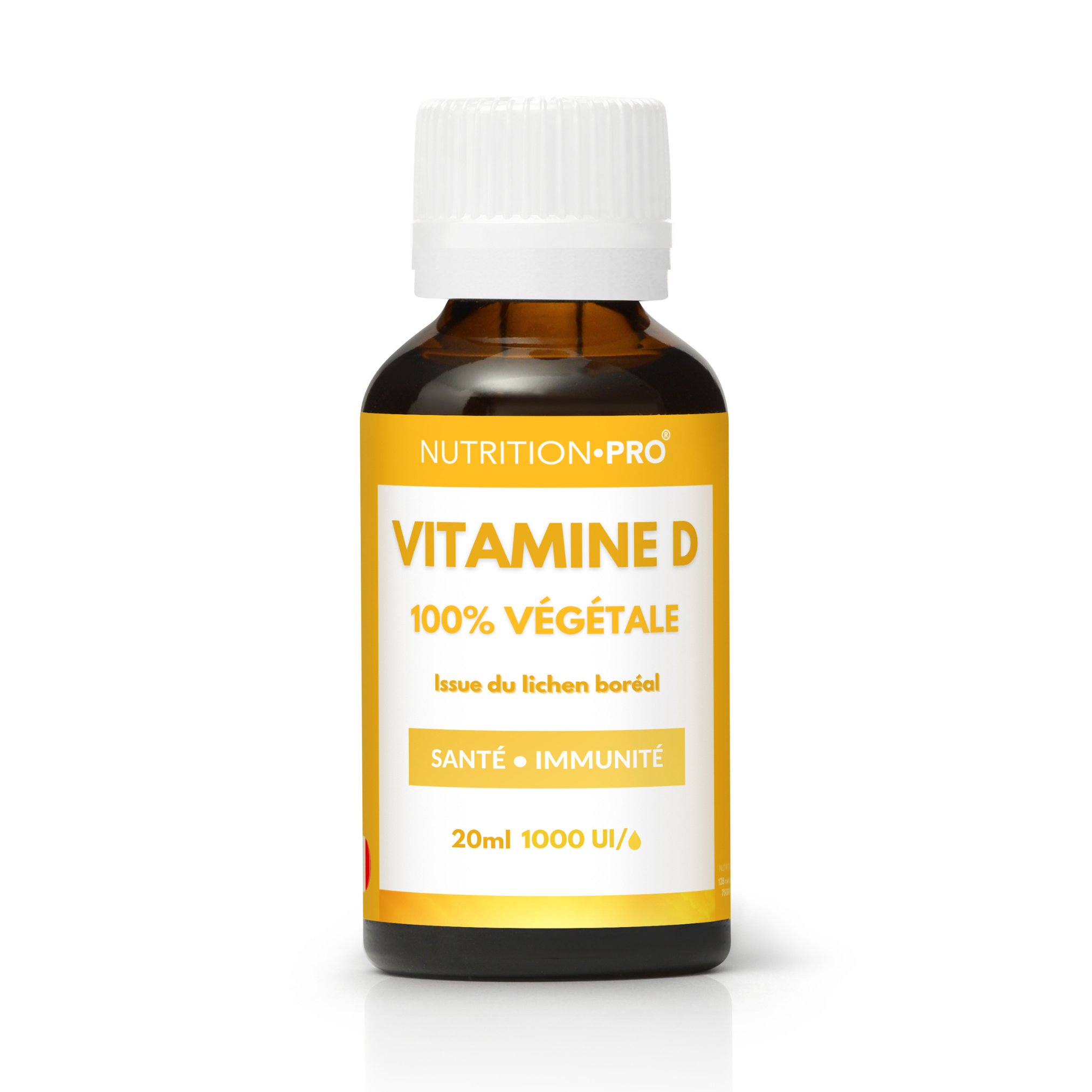
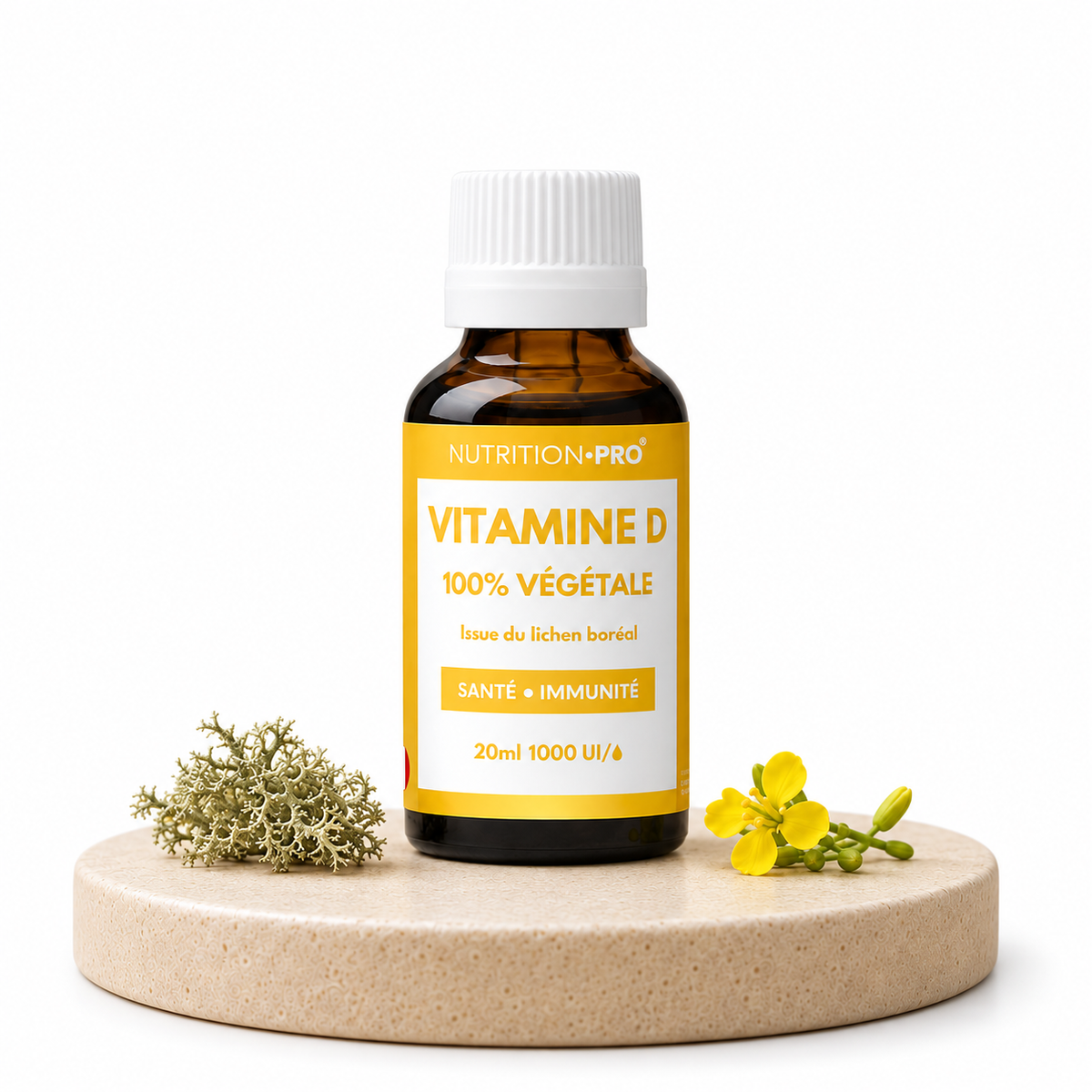
LIQUID VITAMIN D3 100% PLANT-BASED - 20ML
Plant-based D3High absorption
29,99 €
- Supports muscle function
- Reduces fatigue linked to deficiency
- Strengthens immune defenses
- Contributes to bone and teeth health
Pay in 3 — interest-free – available with

Delivery in 1 to 3 business days

FRANCE
100%
NATURAL
NATURAL
PROVEN
EFFICIENCY
EFFICIENCY
LIQUID VITAMIN D3 100% PLANT-BASED - 20ML
Sale price29,99 €
Description
The most effective plant-based vitamin D for your health.
Our premium natural Vitamin D3 is extracted from boreal lichen, a highly absorbable plant source recognized by the scientific community. It has been specifically formulated to address vitamin D deficiencies and support the body's essential functions.
It helps maintain strong immunity, preserve the health of bones, teeth and muscles, while reducing fatigue linked to vitamin D deficiency. Its liquid form, enriched with organic rapeseed oil, ensures optimal absorption, far superior to traditional vitamin D ampoules and tablets.
Practical and precise, the dropper bottle presentation makes it easy to adjust the dosage and integrate this vitamin D3 food supplement into your daily routine. Each intake becomes a simple gesture to protect your wellbeing and strengthen your vitality.
100% plant-based and sourced from boreal lichen, our liquid vitamin D3 is perfectly suited for vegetarians and vegans. Free from controversial additives and designed to offer the best bioavailability, it represents a safe and effective choice for anyone wishing to address a vitamin D3 deficiency or maintain optimal levels throughout the year, particularly during periods of low sunlight.
Choosing our natural Vitamin D3 means opting for a highly absorbable, practical and effective solution, designed to ensure health, energy and ease of use.
How to use
Nutritional information
Ingredients per 1 drop:
| Ingredients | Composition | NRV** |
|---|---|---|
| Vitamin D3 1,000 IU*/drop | 25 µg | 500% |
*International Units — **Nutritional Reference Value
Precautions
The most effective plant-based vitamin D for your health.
Our premium natural Vitamin D3 is extracted from boreal lichen, a highly absorbable plant source recognized by the scientific community. It has been specifically formulated to address vitamin D deficiencies and support the body's essential functions.
It helps maintain strong immunity, preserve the health of bones, teeth and muscles, while reducing fatigue linked to vitamin D deficiency. Its liquid form, enriched with organic rapeseed oil, ensures optimal absorption, far superior to traditional vitamin D ampoules and tablets.
Practical and precise, the dropper bottle presentation makes it easy to adjust the dosage and integrate this vitamin D3 food supplement into your daily routine. Each intake becomes a simple gesture to protect your wellbeing and strengthen your vitality.
100% plant-based and sourced from boreal lichen, our liquid vitamin D3 is perfectly suited for vegetarians and vegans. Free from controversial additives and designed to offer the best bioavailability, it represents a safe and effective choice for anyone wishing to address a vitamin D3 deficiency or maintain optimal levels throughout the year, particularly during periods of low sunlight.
Choosing our natural Vitamin D3 means opting for a highly absorbable, practical and effective solution, designed to ensure health, energy and ease of use.
Ingredients per 1 drop:
| Ingredients | Composition | NRV** |
|---|---|---|
| Vitamin D3 1,000 IU*/drop | 25 µg | 500% |
*International Units — **Nutritional Reference Value
THE BENEFITS OFVITAMIN D3
- Preserves bone health
- Supports muscle function
- Boosts the immune system
- Liquid form with optimal absorption
- 100% plant-based (from boreal lichen)
- Reduces fatigue from vitamin D deficiency
Efficacy supported by scientific data
Results observed in publications on vitamin D3 (cholecalciferol), its role in the maintenance of normal bone structure, the normal functioning of the immune system and muscle function.
Sources: Sources: EFSA Health Claims (vit D3) • Holick, 2007 (NEJM) • Bouillon et al., 2019 (Endocr Rev) • Pludowski et al., 2013 • Martineau et al., 2017 (BMJ)
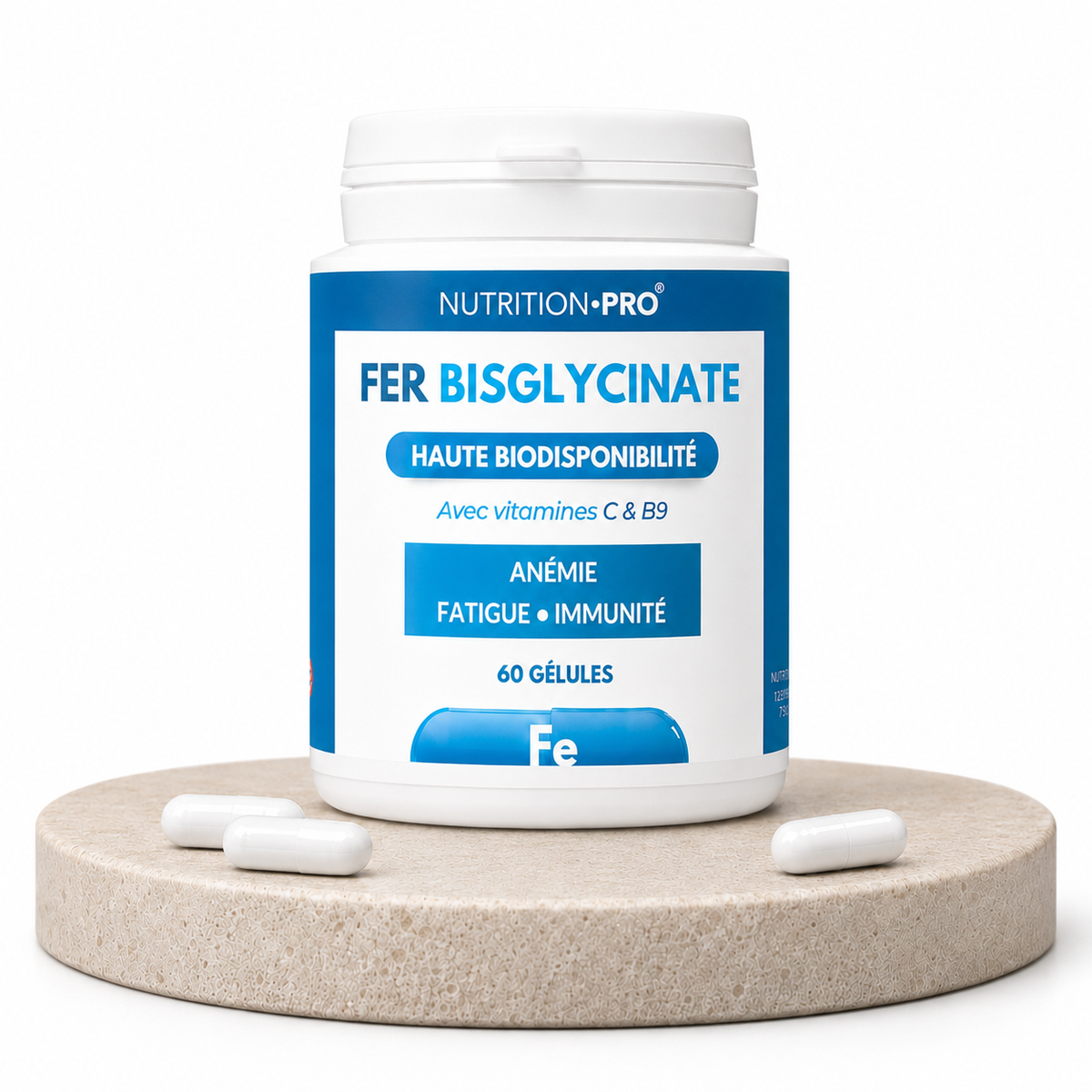
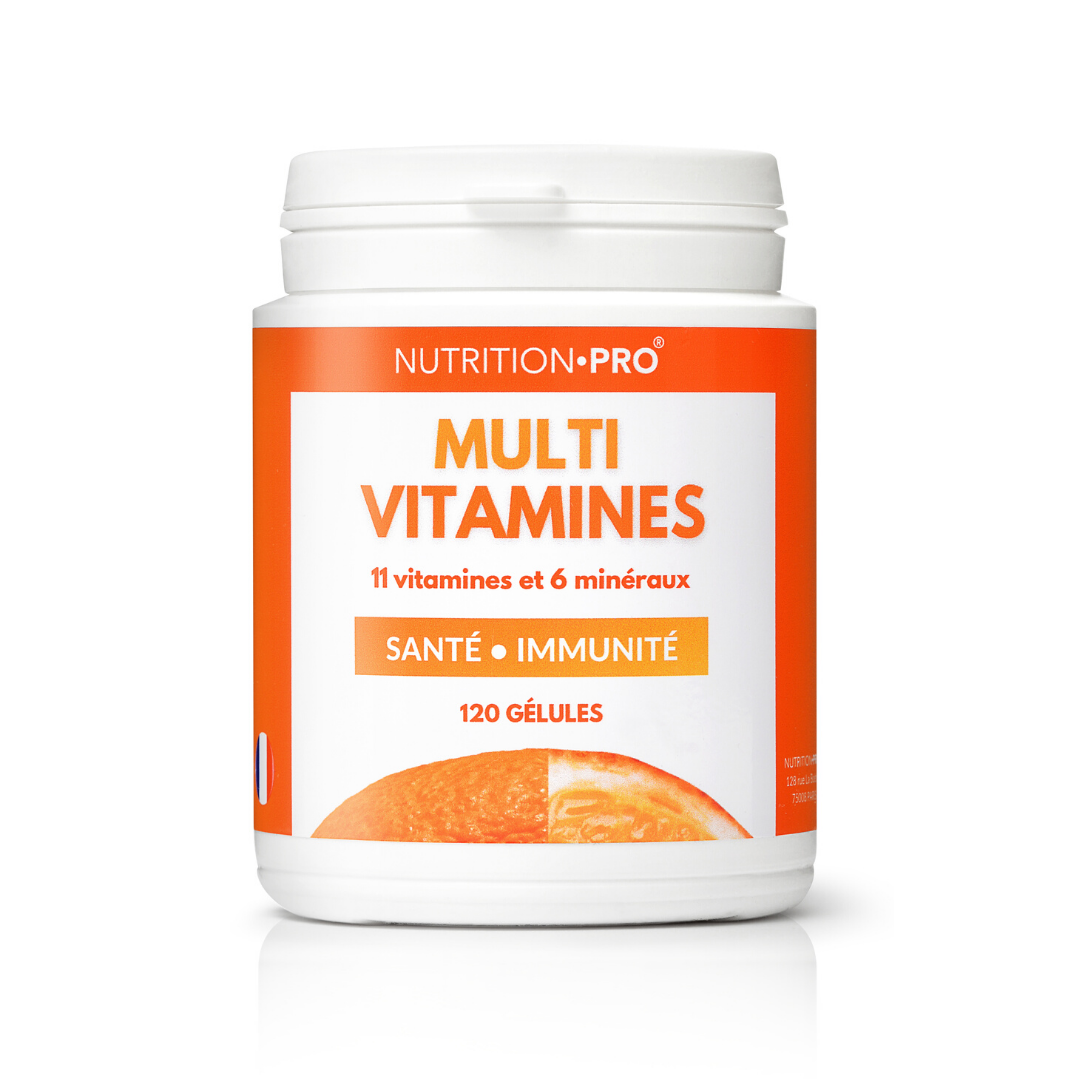
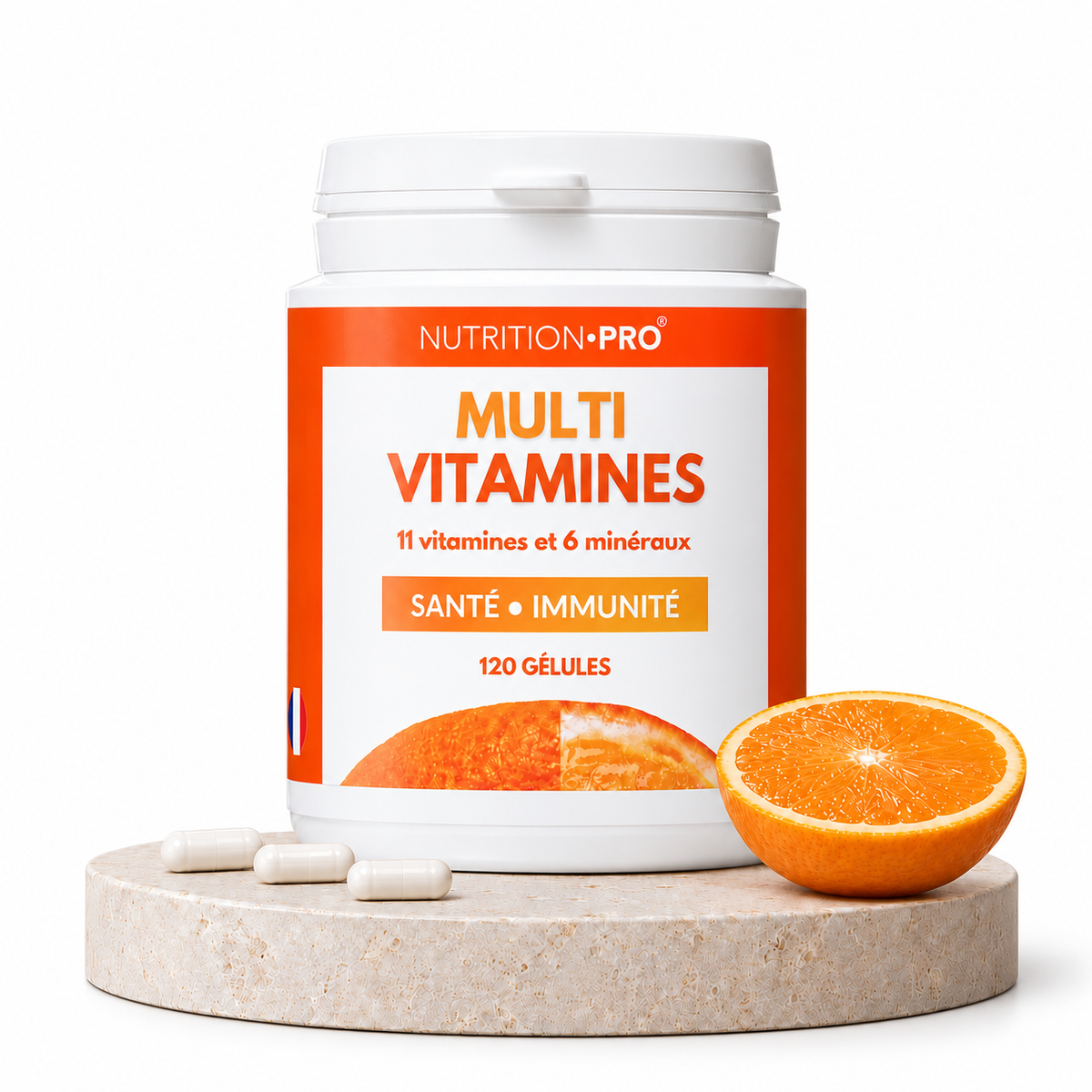
Cures associated with Vitamin D:

Frequently asked questions
What is vitamin D and what is it for?
Vitamin D is a fat-soluble vitamin essential for the proper functioning of the body. Unlike other vitamins, it can be produced by our body when exposed to the sun's UVB rays. This is why it is often called the "sunshine vitamin." However, in many countries and particularly in Europe, sunshine is insufficient for much of the year, which is why a large majority of the population suffers from vitamin D deficiency.
The main function of vitamin D is to promote the absorption of calcium and phosphorus, two essential minerals for maintaining strong bones and healthy teeth. But its benefits don't stop there. Many scientific studies have shown that vitamin D plays a key role in the functioning of the immune system, thus contributing to better resistance to infections, seasonal viruses and chronic diseases. It also participates in proper muscle function, making it an essential vitamin for athletes, seniors and anyone wishing to maintain energy and mobility.
An adequate level of vitamin D also helps reduce fatigue, improve mood and protect long-term health. Conversely, a lack of vitamin D can lead to bone fragility (osteoporosis, rickets), joint pain, muscle weakness, decreased immunity, persistent fatigue, or even mood disorders.
There are several forms of vitamin D, but the most important for humans is vitamin D3 (cholecalciferol), which is the best assimilated and most effective for increasing and stabilizing blood vitamin D levels. Today, it is found in different forms of food supplements: liquid vitamin D3, drops, tablets, capsules or ampoules. Among these, liquid plant-based vitamin D3 from lichen is particularly recommended, as it combines naturalness, efficacy and excellent absorption.
In summary, vitamin D is much more than just a vitamin: it is a true pillar of overall health, supporting immunity, the strength of bones and teeth, muscle strength and general wellbeing.
What's the difference between vitamin D and vitamin D3?
The term vitamin D is a generic name that actually refers to a group of molecules called calciferols. The two main forms found in food and supplements are vitamin D2 (ergocalciferol) and vitamin D3 (cholecalciferol). These two forms do not have the same efficacy or bioavailability in the body.
Vitamin D2 is of plant origin (mushrooms, yeasts) and can be useful, but it is much less well absorbed. Several studies have shown that vitamin D3 is approximately twice as effective as D2 in increasing and maintaining a good blood level of vitamin D. This is why most specialists recommend supplementation with vitamin D3 rather than D2.
Vitamin D3 exists in two different origins:
- Animal vitamin D3, obtained from lanolin (sheep wool grease) or fish oil.
- Plant-based vitamin D3, extracted from boreal lichen, a rare plant capable of naturally producing cholecalciferol. The latter is ideal for vegetarians and vegans, but also for anyone looking for a natural and environmentally friendly supplement.
D3 is considered the most active form of vitamin D: it is transformed in the body into calcitriol, the active hormone that regulates the absorption of calcium and phosphorus, supports the immune system and protects the health of bones and muscles.
In practice, when you see the term "vitamin D" on a website or in a Google search, it most often refers to supplements based on vitamin D3. This is the preferred form in the vast majority of food supplements (whether in drops, ampoules, tablets or capsules) because it guarantees the best results.
In summary: vitamin D2 exists, but it is less effective. Vitamin D3, particularly in liquid plant-based form from lichen, is the most effective and most natural solution to address a deficiency and maintain optimal health.
Why choose plant-based vitamin D3 from lichen?
The majority of vitamin D3 food supplements on the market are made from lanolin (a substance extracted from sheep wool) or fish oil. These sources are effective, but they are not suitable for people following a vegetarian or vegan diet, and they do not always meet the expectations of those looking for a more natural, ethical and sustainable solution.
Plant-based vitamin D3 from boreal lichen is an innovative and premium alternative. Lichen is a small, robust plant that grows in the cold and sunny regions of the North. Its peculiarity is that it naturally produces cholecalciferol (D3), the same biologically active form as that of animal origin.
Here's why it is considered the most interesting choice:
- 100% plant-based and vegan: suitable for all diets, including vegetarians and vegans.
- Proven efficacy: D3 from lichen is identical to animal D3 and therefore perfectly assimilated by the body.
- Environmentally friendly: unlike lanolin or fish oil, its extraction is more sustainable and does not depend on intensive farming or fishing.
- Premium quality: used in high-end formulations, it is recognized for its purity and absence of allergens.
In addition, when presented in liquid form and combined with an organic plant oil (such as rapeseed oil), plant-based vitamin D3 from lichen ensures optimal absorption. It is therefore the ideal solution for people looking for a natural, well-tolerated, highly effective supplement that respects their dietary values.
In summary, choosing plant-based vitamin D3 from lichen allows you to benefit from all the benefits of vitamin D (immunity, bones, muscles, vitality) while having the guarantee of a natural, ethical and highly bioavailable product.
Liquid vitamin D, tablets or ampoules: which is the best form?
Vitamin D exists in different forms of food supplements: liquid drops, tablets or capsules, and oral ampoules.
Each has its advantages, but they are not all equal in terms of absorption, practicality and digestive tolerance.
- Liquid vitamin D in drops: this is the most bioavailable form. Combined with a plant oil (such as organic rapeseed oil), it guarantees optimal assimilation because vitamin D is fat-soluble. The dropper allows for precise and flexible dosing, which is ideal for the whole family (adults, children, seniors). It is also better tolerated than tablets, especially in people with digestive disorders.
- Vitamin D3 tablets or capsules: they are convenient to carry and easy to integrate into a supplement routine. However, their absorption strongly depends on food intake and their bioavailability is often lower than that of liquid formulas. In addition, some capsules may contain undesirable excipients or additives.
- Vitamin D ampoules: often prescribed in a very high single dose (100,000 IU), they provide a one-off "boost" but do not guarantee a regular and homogeneous intake. Some people tolerate these high doses poorly (headaches, digestive disorders). For most users, a progressive and daily supplementation in drops is more suitable and better accepted by the body.
In summary, if you are looking for the most effective, practical and well-tolerated form, liquid plant-based vitamin D3 is by far the best option. It combines optimal absorption, ease of dosing and naturalness, while being suitable for vegetarians and vegans.
What are the benefits of vitamin D and vitamin D3?
Vitamin D is much more than just a vitamin: it acts as a real regulatory hormone in the body. Its benefits are multiple and scientifically documented.
Vitamin D3 (cholecalciferol) is the most active form and the best assimilated by the body, making it the reference food supplement.
Here are its main benefits:
- Strengthening of the immune system
Vitamin D3 stimulates the production of immune cells and helps to better defend against infections, seasonal viruses and certain chronic diseases. Many studies have shown that a good level of vitamin D reduces the frequency of colds and flu-like states. - Bone and teeth health
Vitamin D promotes the absorption of calcium and phosphorus, two minerals essential for the strength of bones and teeth. It prevents osteoporosis in seniors, promotes good bone growth in children and limits the risk of fractures. - Muscle function and energy
Adequate intake of vitamin D3 helps maintain muscle strength, improves recovery after exercise and reduces the risk of falls in the elderly. It also plays a role in reducing chronic fatigue linked to deficiency. - Mental wellbeing and mood
Nicknamed the "sunshine vitamin," vitamin D has an impact on the regulation of serotonin, the happiness hormone. An adequate level contributes to better mood, helps prevent seasonal depression and supports emotional balance. - Prevention of certain pathologies
Vitamin D deficiency is associated with an increased risk of cardiovascular diseases, type 2 diabetes, autoimmune disorders and cognitive decline. Although it does not replace medical treatment, regular supplementation helps to reduce these risks.
In summary, the benefits of vitamin D and vitamin D3 are essential for immunity, bone strength, muscle strength, energy and mental wellbeing. The liquid plant-based form from lichen, highly absorbable, is today the most effective solution to address deficiencies and fully enjoy these benefits.
Who needs vitamin D supplementation?
Vitamin D supplementation is now widely recommended by health experts, as a large part of the population is deficient without knowing it.
In Europe, nearly 70% of adults have a vitamin D deficiency during autumn and winter. Some categories of people are particularly at risk and benefit from a complementary intake of vitamin D3, the most effective form.
1. People with little exposure to the sun
Vitamin D is synthesized by the skin thanks to UVB rays. If you work indoors, live in a region with little sunshine or often wear covering clothing, the risk of deficiency is high.
2. Seniors
With age, the skin's ability to produce vitamin D decreases significantly. Seniors are therefore very exposed to deficiencies, which weakens their bones, muscles and immunity. Supplementation with liquid vitamin D3 is particularly recommended to maintain vitality and mobility.
3. Pregnant and breastfeeding women
During pregnancy and breastfeeding, vitamin D needs increase to protect the mother's health and ensure optimal baby development. Natural vitamin D3 is then recommended, under medical supervision.
4. Infants and children
Babies often receive a systematic prescription of vitamin D to support bone growth and prevent rickets. In older children, supplementation can also be useful in case of low sun exposure.
5. People with dark skin
Melanin limits the skin's ability to produce vitamin D from the sun. People with dark skin must therefore be particularly vigilant about their vitamin D status.
6. Athletes
Optimal vitamin D level improves muscle strength, promotes recovery and reduces the risk of injury. Many athletes use liquid vitamin D3 as natural support for performance.
7. Vegetarians and vegans
Vitamin D is naturally found mainly in foods of animal origin (fatty fish, egg yolk, liver). People following a vegetarian or vegan diet are therefore at increased risk of deficiency, unless they choose plant-based vitamin D3 from lichen.
In summary, almost everyone can benefit from vitamin D3 supplementation, particularly in autumn and winter. Liquid vitamin D3 food supplements are today the most practical, effective and suitable form for all profiles.
What are the signs of vitamin D deficiency?
A vitamin D deficiency is very common, particularly in Europe where sunshine is limited several months of the year. Many people suffer from it without knowing it, as symptoms can be subtle at first.
However, prolonged deficiency can have serious health consequences.
Here are the most common signs of vitamin D deficiency:
1. Persistent fatigue and decreased energy
One of the first symptoms is a feeling of chronic fatigue, even after a good night's sleep. Vitamin D participates in energy metabolism and a deficiency can lead to a lack of vitality.
2. Muscle weakness and pain
Vitamin D3 contributes to normal muscle function. A deficiency can cause diffuse muscle pain, cramps or unusual physical weakness.
3. Bone fragility and joint pain
Without vitamin D, calcium absorption is reduced. This weakens bones, promotes osteoporosis, fractures, and in children, rickets. Adults may experience joint or back pain.
4. Decreased immune defenses
A vitamin D deficiency weakens the immune system, which results in increased sensitivity to infections, recurring colds or seasonal flu.
5. Hair loss and skin problems
Vitamin D deficiency is sometimes associated with excessive hair loss and certain skin disorders (dryness, psoriasis, eczema).
6. Mood disorders
Low vitamin D levels can influence the regulation of serotonin, the happiness hormone. This can promote depressive mood, anxiety or seasonal depression.
7. Concentration and memory problems
Some studies associate vitamin D deficiency with faster cognitive decline and difficulty concentrating.
WARNING: If several of these symptoms are present, it is recommended to have a blood test to measure vitamin D levels. In most cases, liquid vitamin D3 supplementation can quickly correct the deficiency and improve energy, immunity and joint comfort.
How to take liquid vitamin D3?
Liquid vitamin D3 is one of the most practical and effective forms of supplementation. It is generally presented in a dropper bottle, which allows for precise dosing of the necessary quantity according to your needs.
Instructions for use:
- Shake the bottle gently before use.
- Place the recommended number of drops directly under the tongue (sublingual route) or on a food (yogurt, compote, smoothie).
- As vitamin D is fat-soluble, it is recommended to take it with a meal containing some fat to promote optimal absorption.
Advantages of the liquid form:
- Precise and flexible dosing: you can easily adjust the dosage, whether for an adult, a child or an elderly person.
- Superior assimilation: vitamin D3 being dissolved in an organic oil (such as rapeseed oil), it is better absorbed than in tablet or ampoule form.
- Ease of use: a few drops are enough, without the need for water or capsules sometimes difficult to swallow.
- Digestive tolerance: unlike tablets, liquid vitamin D3 is generally better tolerated by people with digestive sensitivity.
When to take it?
Vitamin D can be taken at any time of the day, but many specialists recommend consuming it at mealtime to improve its bioavailability. The important thing is to be regular and integrate it into your daily routine.
In summary, liquid vitamin D3 in drops is the simplest, most precise and effective solution to address a deficiency and maintain an optimal vitamin D level throughout the year.
What is the recommended dose of vitamin D3?
The recommended dose of vitamin D3 varies according to age, health status, sun exposure and the specific needs of each person. As vitamin D is naturally produced by the skin thanks to UVB rays, recommendations differ depending on whether you are exposed a lot or very little to the sun.
General recommendations in Europe:
- Healthy adults: between 800 and 2000 IU per day (20 to 50 µg).
- Seniors: often towards the upper range (1000 to 2000 IU/day), as cutaneous synthesis decreases with age.
- Pregnant or breastfeeding women: generally 1000 to 2000 IU/day, according to medical advice, to cover increased needs.
- Children: infants often receive supplementation prescribed by the pediatrician (400 to 800 IU/day). Older children may require an intake similar to adults, especially in winter.
- Deficient people: a higher dose may be necessary (up to 4000 IU/day temporarily), but only under medical supervision.
Daily vitamin D3 or single-dose ampoule?
Two approaches exist:
- Daily intake in liquid vitamin D3 drops, which ensures regular, stable intake and is better tolerated by the body.
- High-dose vitamin D3 ampoules, prescribed by some doctors, which provide a massive dose at once (50,000 or 100,000 IU). While they allow rapid replenishment of a deficiency, they often create significant variations in blood levels and are not always suitable in the long term.
Why is the liquid form preferable?
Liquid vitamin D3 combined with an organic oil (rapeseed, olive, sunflower) allows for optimal assimilation. The dropper makes the dosage simple, precise and adaptable to everyone, whether for an adult, a child or an elderly person.
WARNING: It is recommended to check your vitamin D status by a blood test (25(OH)D dosage) if you suspect a significant deficiency. In all cases, regular supplementation in the recommended doses is safe and beneficial.
In summary: for a healthy adult, the most common dose is 1000 IU to 2000 IU of liquid vitamin D3 per day. This dosage ensures optimal intake, especially in autumn and winter, when the sun is no longer enough.
Can you take vitamin D every day?
Yes, it is not only possible but often recommended to take vitamin D3 every day. Vitamin D is a fat-soluble vitamin that the body only synthesizes effectively with sufficient sun exposure. However, in the majority of European countries, sunshine is insufficient several months a year, and supplementation then becomes essential.
Why prefer daily intake?
- Liquid vitamin D3 in drops allows for regular, precise intake that is better assimilated by the body.
- Daily supplementation more faithfully reproduces the natural production of vitamin D by the skin.
- Studies show that fractionated intake (daily or weekly) is more effective at maintaining a stable blood level than a massive single dose (100,000 IU ampoule).
What are the advantages of daily intake of liquid vitamin D3?
- Optimal absorption thanks to its dissolution in an organic oil (rapeseed, olive, sunflower).
- Superior digestive tolerance compared to tablets or high-dose ampoules.
- Practicality and flexibility: the dropper bottle makes it easy to adapt the dose according to needs (adults, children, seniors).
- Safety: the recommended doses (800 to 2000 IU/day) are safe and suitable for long-term use.
Should you take breaks?
Contrary to some preconceived ideas, it is not necessary to take short "cures." Regular vitamin D3 supplementation is safe and beneficial, especially in autumn and winter. The only precaution concerns very high doses (more than 4000 IU/day), which must always be validated by a doctor.
In summary: yes, you can take liquid vitamin D3 every day, and it is even the best way to ensure constant intake, avoid deficiencies and fully enjoy its benefits on immunity, bones, muscles and energy.
Should vitamin D be taken with food?
Yes, it is strongly recommended to take vitamin D at the same time as a meal. Indeed, vitamin D is a fat-soluble vitamin, which means it needs fats to be properly absorbed by the body.
Why is taking it with a meal important?
When vitamin D is consumed on an empty stomach or without fats, a significant part of the dose may not be assimilated. Conversely, taken with a meal containing lipids (for example olive oil, avocado, fatty fish, nuts), the bioavailability of vitamin D is greatly improved.
Advantage of liquid formulas enriched with oil:
Liquid vitamin D3 is generally dissolved in a plant oil (organic rapeseed oil, olive oil, sunflower oil). This allows for optimal absorption, even if the meal is low in fat. This characteristic explains why vitamin D3 drop supplements are considered the most effective and practical form for daily use.
Concretely, how to take it?
- Place the drops directly under the tongue for rapid sublingual assimilation, or on a food.
- Take them preferably at mealtime (breakfast or lunch) containing a minimum of lipids.
- If you use a liquid vitamin D3 already in oil, absorption will be optimal even with a light meal.
In summary, to take full advantage of your supplementation, it is preferable to consume liquid vitamin D3 with a meal. Its formulation based on organic oil guarantees maximum assimilation and superior efficacy compared to dry tablets or high-dose ampoules.
Is vitamin D3 compatible with pregnancy and breastfeeding?
Yes, vitamin D3 is not only compatible, but it is strongly recommended during pregnancy and breastfeeding. Vitamin D needs increase during these periods, as it contributes to the mother's health while supporting the harmonious development of the baby.
Vitamin D3 and pregnancy:
- Vitamin D promotes proper mineralization of the fetus's bones and teeth.
- It plays an essential role in the functioning of the future mother's immune system and helps reduce the risk of complications related to deficiency (gestational hypertension, gestational diabetes).
- Health experts generally recommend an intake of 1000 to 2000 IU of vitamin D3 per day for pregnant women, except for specific medical indications.
Vitamin D3 and breastfeeding:
- During breastfeeding, the mother's vitamin D is transmitted to the infant via breast milk. Sufficient intake therefore partially covers the baby's needs.
- In case of maternal deficiency, the infant can quickly present a deficit, hence the importance of suitable supplementation.
- Liquid vitamin D3 in drops is particularly practical because it ensures precise and well-tolerated daily dosing.
Why choose liquid vitamin D3 from lichen?
- It is 100% plant-based, natural and perfectly suited for women who wish to avoid supplements of animal origin.
- Dissolved in an organic oil, it guarantees optimal assimilation without digestive constraint.
- Its dropper format makes it easy to integrate into a daily routine.
WARNING: It is always advisable for pregnant and breastfeeding women to ask their doctor or midwife for advice before starting or adapting vitamin D3 supplementation, in order to ensure the most appropriate dosage for their situation.
In summary, liquid plant-based vitamin D3 represents a safe, effective and natural solution to support pregnancy and breastfeeding, by protecting the mother's health and supporting the child's development.
What's the difference between natural vitamin D and synthetic vitamin D?
Vitamin D exists in two main forms when offered as a food supplement: natural vitamin D and synthetic vitamin D. These two types do not have the same origin or the same value in terms of quality and bioavailability.
Natural vitamin D:
- It is extracted from living sources: fish oil, lanolin (sheep wool grease) or boreal lichen.
- Plant-based vitamin D3 from lichen is 100% natural, vegan and environmentally friendly. It is biologically identical to animal vitamin D3 and therefore perfectly assimilated by the body.
- It offers a premium solution, without controversial ingredients, and suitable for everyone, including vegetarians and vegans.
Synthetic vitamin D:
- It is manufactured in laboratories, often from chemical derivatives.
- Less expensive to produce, it is sometimes used in low-end supplements.
- Although it can increase blood vitamin D levels, it is generally considered less pure and less qualitative than natural sources.
- Some synthetic forms are vitamin D2, which is less well assimilated than natural vitamin D3.
Why prefer natural vitamin D3 from lichen?
- Because it combines efficacy, naturalness and vegan compatibility.
- Because it is already combined with an organic oil in liquid formulas, which guarantees optimal absorption.
- Because it meets the expectations of consumers looking for healthy, ethical and environmentally friendly products.
In summary, while synthetic vitamin D can help out, natural vitamin D3 from lichen remains the safest, most effective and most suitable choice for daily supplementation. It combines maximum bioavailability, digestive tolerance and naturalness.
Can you take too much vitamin D3?
Yes, as with any fat-soluble vitamin, it is possible to take too much vitamin D3, but this only concerns very high doses, well above the recommendations. At common dosages (between 800 and 2000 IU per day for an adult), vitamin D3 is perfectly safe and beneficial.
What are the risks of an excess of vitamin D3?
Prolonged overdose can lead to hypercalcemia, that is, an excess of calcium in the blood. Possible symptoms include:
- Nausea and vomiting.
- Loss of appetite.
- Unusual fatigue.
- Excessive thirst and frequent urge to urinate.
- In extreme cases, kidney disorders.
WARNING: These adverse effects only appear at very high doses, generally above 10,000 IU per day for several months, which is very far from a classic supplementation.
Why is liquid vitamin D3 in drops safer?
- The dropper bottle allows for precise dosing on a daily basis, without risk of accidental excess.
- The regular and moderate intake of liquid vitamin D3 better reproduces the body's natural production than high-dose ampoules, which can cause sudden variations.
- By respecting the recommendations (800 to 2000 IU/day), supplementation is safe and effective for maintaining an optimal level.
How to avoid overdose?
- Respect the doses indicated on the supplement label.
- Seek medical advice if you are considering higher doses (e.g. 4000 IU/day).
- Have your blood vitamin D level (25(OH)D) checked if you take high or prolonged doses.
In summary, it is extremely rare to take too much vitamin D3 by following a classic daily supplementation. At the recommended doses, liquid vitamin D3 is safe, effective and essential to address deficiencies and support health.
When to buy a vitamin D3 supplement?
Many people wonder when to buy and start a vitamin D3 cure. The reality is that supplementation can be useful year-round, but some times are particularly strategic to avoid deficiency.
1. In autumn and winter
This is the most critical period. In Europe, the lack of sunshine makes the cutaneous synthesis of vitamin D almost impossible. This is why experts recommend that the majority of the population take vitamin D3 from October to March.
2. In spring and summer (depending on exposure)
Even in summer, some people are not sufficiently exposed to the sun (indoor work, sun protection, dark skin). In these cases, continuing to take a liquid vitamin D3 supplement is recommended to maintain an optimal level.
3. In specific situations
- Pregnancy and breastfeeding: needs are increased, so it is recommended to buy a suitable supplement.
- Children and infants: supplementation is often prescribed from birth.
- Seniors: cutaneous synthesis capacity decreases significantly with age, making supplementation almost essential year-round.
- Athletes: to support muscle recovery and prevent injuries.
- Tired, often sick or deficient people: a vitamin D3 supplement can help regain energy and immune defenses.
4. After a blood test
If a medical assessment reveals a deficiency (25(OH)D level too low), it is essential to quickly buy a liquid vitamin D3 supplement to correct the deficit.
Why prefer liquid vitamin D3 in drops?
Because it is easy to use, highly absorbable and precisely dosable. Unlike high-dose ampoules, it allows for regular and safe supplementation, ideal for the whole family.
In summary, the best time to buy a liquid plant-based vitamin D3 supplement is now, as soon as you wish to protect your bones, muscles and immune defenses. Regularity, more than the season, is the key to staying healthy.
Vitamin D and immunity: what's the link?
Vitamin D is now recognized as a key element of the immune system. It is not limited to its well-known role in bone health: it acts as a real immune modulator, capable of improving natural defenses and reducing vulnerability to infections.
How does vitamin D act on immunity?
- It stimulates the production of first-line immune cells (macrophages, T lymphocytes), which help fight bacteria and viruses.
- It regulates the immune response to avoid inflammatory excesses, a key factor in many chronic diseases.
- It participates in the synthesis of antimicrobial peptides (cathelicidins, defensins), real "natural antibiotics" produced by the body.
What do studies say?
- Several scientific works have shown that a good level of vitamin D reduces the frequency of respiratory infections, particularly in winter.
- People deficient in vitamin D are statistically more prone to colds, flu and other seasonal infections.
- Regular supplementation, particularly with liquid vitamin D3, helps maintain a stable and protective level.
Why prefer liquid vitamin D3 for immunity?
- Because it ensures optimal absorption thanks to its combination with an organic oil.
- Because it allows for a regular daily intake, more effective than a massive single dose in ampoule.
- Because it is suitable for everyone: children, adults, seniors, pregnant women and vegans.
In summary, sufficient intake of vitamin D3 is essential to support your natural defenses throughout the year. The liquid drop form, plant-based and highly absorbable, is the ideal solution to strengthen immunity simply, safely and effectively.
THEY TALK ABOUT US


