

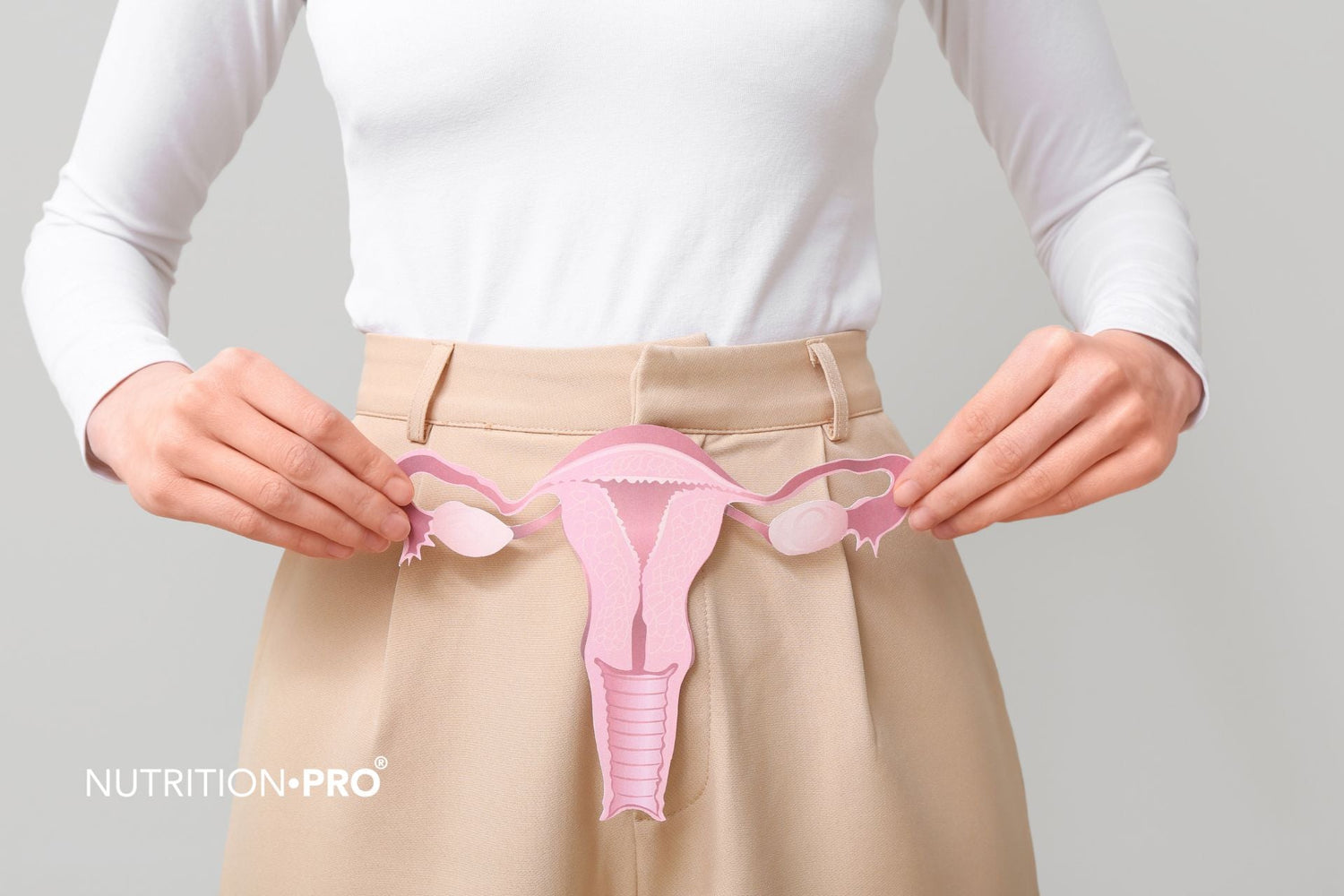
« What to eat when you have endometriosis? » This is one of the most frequently asked questions, and rightfully so: diet is one of the few levers you can control yourself, on a daily basis. That said, you need practical advice, not generalities.
Here is a practical approach to an anti-inflammatory plate in endometriosis: foods to prioritize, those to limit, a typical day, and what science really says, with its limitations. One thing right away: no diet cures endometriosis. The goal is to support comfort, as a complement to your medical care.

Important information. No diet treats, cures or heals endometriosis. The advice below aims to support comfort and well-being, as a complement to medical care. The level of evidence on diet and endometriosis remains moderate. Consult your doctor and a dietitian for a personalized plan.
An anti-inflammatory plate can support comfort in endometriosis, without curing it. To prioritize : omega-3s (fatty fish), fruits and vegetables rich in antioxidants, fiber and minimally processed foods. To limit : trans fatty acids and ultra-processed products, associated with increased risk in certain studies. In case of associated irritable bowel syndrome, a low FODMAP structured diet may help. The level of evidence remains moderate: it is a support, not a treatment.
Why diet matters in endometriosis
Endometriosis is a disease with a strong inflammatory component. Now diet influences inflammation in the body: certain foods tend to fuel it, while others help calm it. The idea of an anti-inflammatory diet is therefore to act, marginally but sustainably, on a factor that plays a role in the disease.
According to articles found on PubMed, several processes involved in endometriosis (inflammation, prostaglandin metabolism, hormonal status) can be partially modulated by diet. According to Hu et al. 2023 in PLoS One, based on NHANES data, a diet with high inflammatory potential is associated with increased endometriosis prevalence. View the study. This is an association, not proof of causation, but it suggests the importance of ensuring overall diet quality.
Foods to prioritize
Here are the food groups that scientific research encourages highlighting. Good news: these are the foundations of healthy eating, beneficial far beyond endometriosis.
Omega-3s (fatty fish)
These are the stars of the anti-inflammatory diet. According to Hansen and Knudsen 2013 in the European Journal of Obstetrics & Gynecology, a review of 23 studies found lower endometriosis risk with increased long-chain omega-3 consumption, and fish oil appears to reduce dysmenorrhea (painful periods). View the review. According to Habib et al. 2022 in Przegląd Menopauzalny, omega-3s could act favorably on pain through prostaglandins. View the review.
In practice: fatty fish (sardine, mackerel, herring, salmon) two to three times per week, oils rich in omega-3 (rapeseed, flaxseed, walnut), seeds (flaxseed, chia) and nuts.
Fruits and vegetables rich in antioxidants
According to Habib 2022, antioxidant vitamins C, D, and E are promising avenues for comfort. Colorful fruits and vegetables are the best sources: berries, citrus fruits, leafy greens, peppers, cruciferous vegetables (broccoli, cabbage). Aim for variety and color on your plate at each meal. To learn more, see our article on natural antioxidants.
Fiber and minimally processed foods
Fiber (vegetables, legumes, whole grains) supports digestion and intestinal balance, often compromised in endometriosis. Generally prioritize whole or minimally processed foods, the foundation of a diet with low inflammatory potential.
| Category | Concrete examples | Indicative frequency |
|---|---|---|
| Fatty fish (omega-3) | Sardine, mackerel, salmon, herring | 2 to 3 times per week |
| Omega-3 oils and seeds | Canola, flax, walnuts, chia seeds | Every day |
| Colorful fruits and vegetables | Berries, citrus fruits, leafy greens, cruciferous vegetables | At each meal |
| Fiber | Legumes, whole grains | Daily, according to digestive tolerance |
Foods to limit
Conversely, certain foods are associated, in studies, with a more inflammatory state or increased risk. The idea is to limitthem, not necessarily to eliminate them entirely, as the goal is not to fall into anxious restriction.
- Trans fatty acids: according to Hansen and Knudsen 2013, high consumption of trans fatty acids is associated with endometriosis. They are found mainly in certain industrial products, fried foods and processed pastries.
- Ultra-processed products: rich in additives, sugars and lower-quality fats, they push nutrition toward a higher inflammatory potential (consistent with Hu 2023).
- Excess simple sugars: to be moderated, in a logic of overall balance.
- Alcohol and excess caffeine: often cited as needing to be limited, even though the data remains debated.
General approach: this is not a strict diet or absolute prohibitions, but rather shifting toward a whole foods plate, more plant-based and richer in omega-3. Consistency over time matters more than perfection.
The case of FODMAP and irritable bowel syndrome
Many women with endometriosis also suffer from digestive disorders, sometimes similar to irritable bowel syndrome (bloating, pain, disrupted transit). In this specific case, a targeted approach exists.
According to Habib et al. 2022, a low FODMAP diet shows benefit in reducing digestive symptoms in women with both endometriosis and irritable bowel. See the review. However, be aware: a low FODMAP diet is restrictive and technical, to be followed temporarily and ideally guided by a dietitian, not undertaken independently for extended periods. It only applies to profiles with marked digestive disorders.
A typical day of anti-inflammatory eating
To make this concrete, here's an example of a day. This is not a prescription, just an illustration to adapt to your tastes, tolerance, and needs.
A few simple habits that make the difference: cook at home rather than buy processed foods, season with omega-3 rich oils, add colorful vegetables to every plate, and incorporate spices with interesting profiles like turmeric (with a bit of pepper) and ginger, traditionally associated with comfort.
The role of a dietary supplement
A well-constructed plate remains the foundation, and no supplement can replace it. That said, certain supplements can provide, in addition, active ingredients that are precisely part of this anti-inflammatory and comfort-focused approach.
This is the case with our formula Endométrine, which combines notably turmeric and ginger (traditionally linked to comfort), saffron, as well as micronutrients. From a regulatory standpoint, the recognized benefits focus on these micronutrients: zinc and selenium help protect cells against oxidative stress, and zinc, selenium, and vitamin D3 support the immune system.
Let's be clear: Endométrine is not a medication and is nothing magical. It does not treat endometriosis and does not replace either a good diet or your treatment. It can, more simply, support feminine comfort as a complement to an adapted diet and medical follow-up. To be considered after discussing it with your doctor.
What diet cannot do
For honesty's sake, and out of respect for the women concerned, the limits must be stated clearly.
- Diet does not cure endometriosis and does not make lesions disappear.
- It does not replace any medical, hormonal, or surgical treatment.
- The level of evidence remains moderate: studies exist but are often limited, and researchers are calling for more rigorous research.
- Responses are individual: what relieves one person does not necessarily help another.
The right approach is one of complementarity : an anti-inflammatory plate is a lever for comfort and overall health, to be combined with medical follow-up, never opposed to it. For a plan tailored to your situation, a dietitian is the right person to consult.
Important: do not radically change your diet or start a restrictive diet (such as low-FODMAP) without professional advice, especially in case of illness, pregnancy, or treatment. An overly restrictive diet can harm nutritional balance.
Frequently asked questions
Which foods should be prioritized in case of endometriosis?
Omega-3s (fatty fish, rapeseed and flax oils, nuts, seeds), colorful fruits and vegetables rich in antioxidants, fiber and minimally processed foods. According to Hansen and Knudsen 2013, omega-3s are associated with lower risk and fish oil appears to reduce painful periods. This is comfort support, not a treatment.
Which foods should be limited?
Trans fats (associated with endometriosis according to Hansen 2013), ultra-processed products, excess simple sugars, and in some cases alcohol and excessive coffee. The idea is not to ban but to shift toward a more whole, plant-based plate rich in omega-3s.
Can diet reduce pain?
It can support comfort. According to Habib 2022 and Hansen 2013, omega-3s and fish oil could have a favorable effect on menstrual pain through prostaglandins. The level of evidence remains moderate, and this does not replace medical pain management.
Is a low-FODMAP diet helpful?
According to Habib 2022, it can reduce digestive symptoms in women with both endometriosis and irritable bowel syndrome. But it is a restrictive and technical diet, to be followed temporarily and supervised by a dietitian, not on a prolonged independent basis. It only applies to profiles with marked digestive disorders.
Should gluten or dairy products be eliminated?
There is no solid evidence requiring all women with endometriosis to eliminate gluten or dairy. Some find relief from it, others do not: responses are individual. Avoid strict exclusions without reason or guidance, as they can unbalance your diet. Speak with a professional.
Can a supplement replace good nutrition?
No. No supplement replaces a balanced diet or treatment. Some, like Endométrine, can provide supporting active ingredients (turmeric, ginger) and micronutrients (zinc, selenium, vitamin D3). Endométrine is not a medication and does not treat endometriosis: it is comfort support, in addition to medical follow-up.
Can diet cure endometriosis?
No. No diet cures endometriosis or makes lesions disappear. The level of evidence on diet remains moderate. An anti-inflammatory plate is a lever for comfort and overall health, to be combined with medical follow-up, never opposed to it.
Learn more
- Anti-inflammatory (diet)
- Eating approach that tends to reduce body inflammation, rich in plant-based foods and omega-3s.
- Omega-3
- Fatty acids (fatty fish, flax, canola, walnuts) with beneficial properties for inflammation.
- Trans fatty acids
- Transformed fats present in certain industrial products, associated with unfavorable conditions.
- Antioxidants
- Compounds (vitamins C, D, E, polyphenols) that protect cells from oxidative stress.
- FODMAP
- Fermentable carbohydrates whose reduction can relieve certain digestive disorders.
- Prostaglandins
- Substances involved in inflammation and pain, partially modifiable through diet.
Important reminder: this article is for informational purposes and does not replace individual medical advice. For a comprehensive overview, consult our complete guide on endometriosis, and request a personalized meal plan from a registered dietitian.
- Hansen SO, Knudsen UB. Endometriosis, dysmenorrhoea and diet. Eur J Obstet Gynecol Reprod Biol. 2013;169(2):162-171. doi:10.1016/j.ejogrb.2013.03.028
- Habib N, Buzzaccarini G, Centini G, et al. Impact of lifestyle and diet on endometriosis: a fresh look to a busy corner. Prz Menopauzalny. 2022;21(2):124-132. doi:10.5114/pm.2022.116437
- Oszajca K, Adamus A. Diet in Prevention and Treatment of Endometriosis: Current State of Knowledge. Curr Nutr Rep. 2024;13(1):49-58. doi:10.1007/s13668-024-00518-y
- Hu PW, Yang BR, Zhang XL, et al. The association between dietary inflammatory index with endometriosis: NHANES 2001-2006. PLoS One. 2023;18(4):e0283216. doi:10.1371/journal.pone.0283216


