

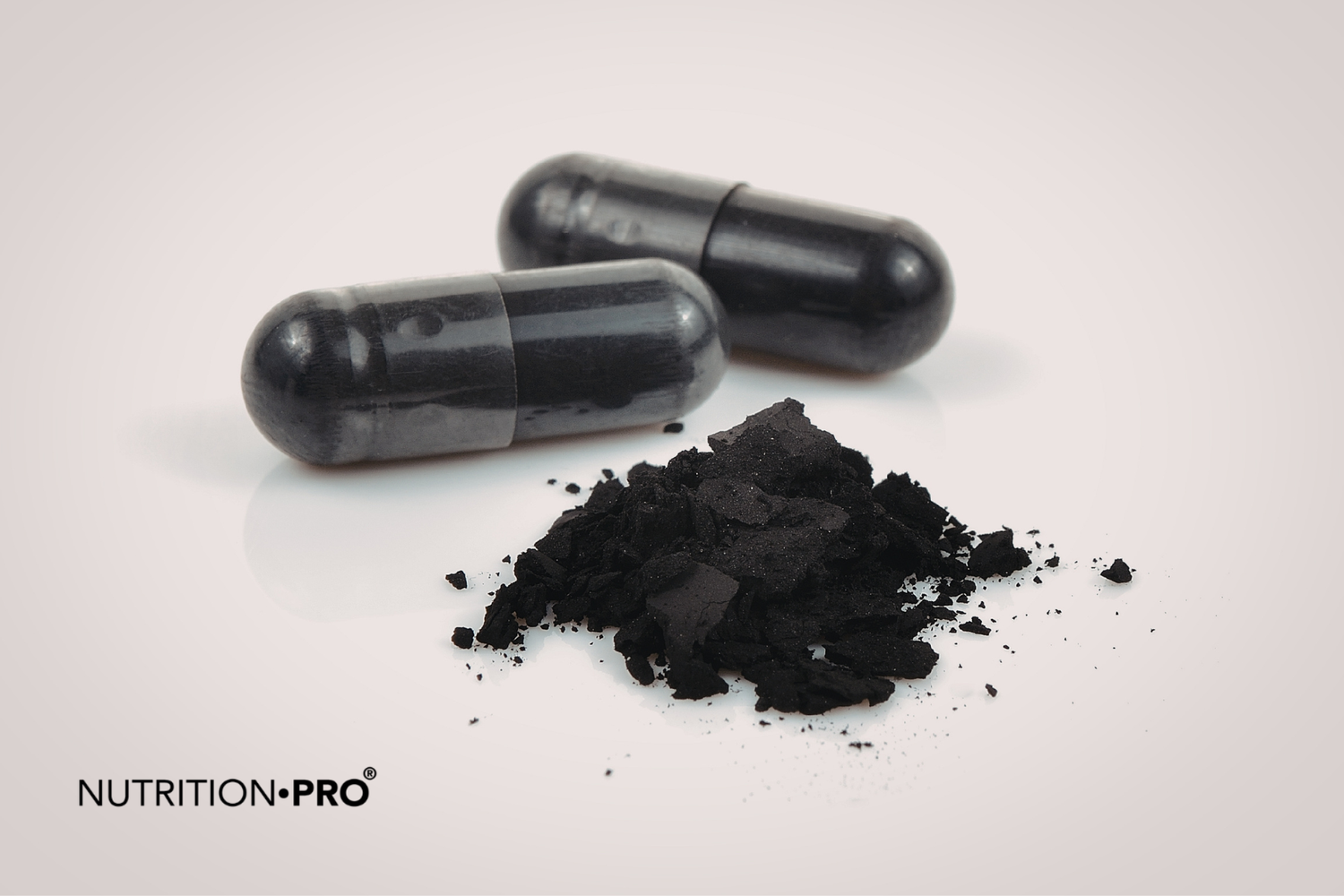
Griffonia is a plant that people buy for one specific molecule. Its seeds contain 6 to 20% of 5-hydroxytryptophan, 5-HTP, that is, the exact intermediate that the body produces itself between dietary tryptophan and serotonin. Nothing comparable exists anywhere else in the plant world, and this is what has made 5-HTP, since the 1970s, one of the most studied supplements in psychiatry, nutrition, and neurology.
This guide does what few pages do: it reads the trials, not the promises. A 2020 meta-analysis and a Cochrane review on mood, a double-blind trial against fluoxetine, a randomized trial of 12 weeks on sleep, the Rome and Pavia trials on appetite, laboratory-induced panic, fibromyalgia, migraine. Then the trials that failed, because they show where 5-HTP reaches its limits. The exact doses, timing of intake, and the red line of interactions.

The molecule. 5-HTP is the direct precursor of serotonin, absorbed without competition from other amino acids, and it freely crosses the blood-brain barrier. It bypasses the rate-limiting step of serotonin synthesis, which tryptophan does not. Mood. 2020 meta-analysis: remission in 65% of cases, large effect size, but studies of unequal quality. Trial against fluoxetine: 73% response rate versus 80%, with no significant difference, from the second week onward.
Sleep. 100 mg over 12 weeks improve sleep in poor sleepers aged 66, but not in good sleepers. Appetite. The most consistent body of evidence: 750 to 900 mg reduce caloric intake, carbohydrates, and weight in obese or diabetic adults; a griffonia spray increases satiety in overweight women. Panic. 200 mg block a panic attack provoked by CO2 in panic disorder patients. The limitations. Fibromyalgia and migraine are based on older trials; fatigue in IBD, migraine in children, and experimental pain did not respond. The bottom line: Never with an antidepressant or other serotonergic agent without medical advice.
- The plant, the molecule, and why 5-HTP is different
- Mood: the meta-analysis, Cochrane, and the trial versus fluoxetine
- Sleep: the 12-week trial and what it really shows
- Appetite and weight: the Rome and Pavia trials
- Stress, anxiety, panic
- Pain: fibromyalgia and migraine
- Where 5-HTP did not work
- Dosage, forms, and timing
- Safety: the essentials before the details
- Frequently asked questions
The plant, the molecule, and why 5-HTP is different
Griffonia simplicifolia is a climbing shrub from the Fabaceae family, found in Ghana, Ivory Coast, Togo, Liberia, and Nigeria, whose seeds are harvested in the wild. Their singularity: a content of 5-HTP of 6 to 20% of fresh weight, with no known equivalent, making it the only commercial plant-based source of this molecule. Chemical analysis of the seeds identifies 5-HTP as the dominant compound, accompanied by small quantities of alkaloids including griffonine, and unsaturated fatty acids. Supplements are standardized seed extracts, most often at 30% 5-HTP.
Why this molecule matters: in the body, dietary tryptophan is converted to 5-HTP by the enzyme tryptophan hydroxylase, then 5-HTP is decarboxylated into serotonin, itself converted at night into melatonin. The first step is the slowest: it is the rate-limiting step. Providing 5-HTP amounts to entering the chain after the bottleneck.
| Criterion | Tryptophan | 5-HTP |
|---|---|---|
| Rate-limiting step | Must pass through tryptophan hydroxylase | Already bypassed |
| Entry into the brain | Transporter shared with other amino acids, in competition | Freely crosses the blood-brain barrier |
| Possible diversion | Towards proteins, niacin, the kynurenine pathway | None: it is only used to make serotonin |
| Oral absorption | Reduced by a protein meal | Approximately 70% of the dose, with or without food |
| Doses used in trials | 1 to 6 g per day | 50 to 900 mg per day |
Two pharmacological characteristics explain its strengths and its limitations. The half-life is short, from 2 to 7 hours according to kinetic studies, which supports divided doses. And peripheral conversion is significant: some of the 5-HTP becomes serotonin in the intestine before reaching the brain, which explains dose-dependent nausea and led researchers to combine it, in certain trials, with carbidopa, an inhibitor of this peripheral conversion reserved for medical use. A Duke team showed in mice that an extended-release form corrects these defects, and proposes this principle as a future adjunctive medication to antidepressants.
Mood: the meta-analysis, Cochrane, and the trial versus fluoxetine
Of 13 studies included in the systematic review and 7 in the meta-analysis, 5-HTP is associated with a depression remission rate of 0.65 (confidence interval 0.55 to 0.78) and a large effect size on questionnaires (Hedges' g 1.11). The authors note high heterogeneity linked to durations, types of depression and doses, and judge the overall methodological quality as poor, with few studies including a placebo group.
Javelle F, Lampit A, Bloch W, et al. Nutr Rev 2020;78(1):77-88. DOI: 10.1093/nutrit/nuz039
The Cochrane review from 2002, stricter in its criteria, retained only two trials out of 108 identified, totaling 64 patients: 5-HTP and tryptophan were superior to placebo (odds ratio 4.1), but the authors concluded that the evidence remained insufficient to recommend their widespread use. Twenty years later, the 2020 meta-analysis broadens the base and confirms the direction of the effect, without addressing the quality concerns.
Sixty patients in their first depressive episode received either L-5-HTP or fluoxetine for 8 weeks. Both groups showed a significant and nearly identical reduction in Hamilton score from the second week, continuing through the eighth. At the end of the trial, 73.3% of patients on 5-HTP and 80% on fluoxetine responded to treatment, with no significant difference, and the effect was present across all severity levels.
Jangid P, Malik P, Singh P, Sharma M, Gulia AKD. Asian J Psychiatr 2013;6(1):29-34. DOI: 10.1016/j.ajp.2012.05.011
Three other trials outline the picture. In 25 Parkinsonian patients, 50 mg of 5-HTP for 4 weeks in a crossover design against placebo significantly improved depressive symptoms on the Hamilton scale, with no effect on apathy. In 30 adults aged 66 years in Singapore, 100 mg for 12 weeks improved geriatric depression score from the eighth week, increased serum serotonin and gained one point on the MoCA cognitive test, in a single-blind trial with small sample size. Finally, in 15 women whose depression was resistant to an SSRI or SNRI, the addition of 100 mg of 5-HTP twice daily and 5 g of creatine, in an open-label design, reduced the Hamilton score from 18.9 to 7.5 in 8 weeks, a 60% drop, with no serious adverse effects; an encouraging result that calls for a controlled trial, and which is strictly a psychiatric decision.
5-HTP has a measured and reproducible effect on mood, comparable in one trial to that of a reference antidepressant, with action beginning in two weeks. That's not nothing. But the trials are small, often older, and persistently low mood is a reason to consult a doctor, not for self-medication. Griffonia has its place for low spirits, a period of stress or a bout of moral fatigue; it is not intended to replace a treatment, nor to be added to one without a prescription.
Sleep: the 12-week trial and what it really shows
Thirty adults with an average age of 66 received or did not receive 100 mg of 5-HTP per day for 12 weeks. Sleep was measured by questionnaire (Pittsburgh) and actigraphy every 4 weeks. In poor sleepers, overall sleep score significantly improved at 12 weeks, with an increase in serum serotonin, intestinal microbiota diversity and short-chain fatty acid-producing bacteria. In good sleepers, no change.
Sutanto CN, Xia X, Heng CW, et al. Clin Nutr 2024;43(3):593-602. DOI: 10.1016/j.clnu.2024.01.010
This result is consistent with biology: serotonin is the precursor of melatonin, and an already sufficient serotonergic system has nothing to gain from additional intake. This is also what the double-blind crossover trial shows in 18 Parkinsonian patients suffering from REM sleep behavior disorder: 50 mg of 5-HTP for 4 weeks increased the proportion of REM sleep without increasing disorder episodes, with a tendency toward fewer nocturnal awakenings and improvement in daily motor activities.
Two smaller trials complete the picture. A combination of amino acids containing GABA and 5-HTP showed, in 18 insomniac patients , a reduction in sleep onset time from 32 to 19 minutes and an increase in sleep duration from 5 to 6.8 hours, with improved nighttime heart rate variability; the sample is tiny and the formula combined, which prevents attributing the effect to 5-HTP alone. In 45 children suffering from night terrors, 2 mg/kg of 5-HTP at bedtime for 20 days eliminated episodes in 93.5% at one month and 83.9% at six months, compared to 28.6% without treatment, in an open-label trial: a pediatric finding that is for the doctor, not self-medication.
Our overall reading and the place of 5-HTP among other tools, glycine, magnesium, saffron, are in 5-HTP, sleep and mood: what the trials really show.
Appetite and weight: the Rome and Pavia trials
Twenty obese patients received 900 mg of 5-HTP per day or placebo during two consecutive 6-week periods, without prescribed diet first, then with a 1,200 kcal diet. Significant weight loss was observed with 5-HTP in both periods, accompanied by reduced carbohydrate consumption and consistent early satiety, with good tolerance.
Cangiano C, Ceci F, Cascino A, et al. Am J Clin Nutr 1992;56(5):863-867. DOI: 10.1093/ajcn/56.5.863
The same Roman team replicated the result in 25 type 2 diabetics who were overweight: 750 mg per day for two weeks, without dietary restriction, significantly reduced energy intake, especially in carbohydrates and lipids, and weight, while brain tryptophan availability was low in these patients compared to healthy controls. The mechanism is serotonin acting on satiety receptors: 5-HTP is not an appetite suppressant in the sense of stimulants, it advances the moment when one feels satisfied and shifts cravings away from sugar.
In 27 overweight women, a sublingual spray of plant extracts rich in 5-HTP, five times daily for 8 weeks, significantly increased the sensation of satiety compared to placebo, both fasting and over the entire period, with a decrease in BMI, skin folds and hip circumference. In 20 other women, a spray of Griffonia simplicifolia extract for 4 weeks with a low-calorie diet increased urinary excretion of 5-HIAA, proof of absorption, reduced hunger score and BMI.
Rondanelli M, et al. Int J Obes 2009;33(10):1174-1182. DOI: 10.1038/ijo.2009.155 ; Rondanelli M, et al. Eat Weight Disord 2012;17(1):e22-e28. DOI: 10.3275/8165
More recently, a preliminary 8-week trial in 48 trained adults tested 100 mg of 5-HTP per day: fat mass decreased significantly in the 5-HTP group and not under placebo, with no change in reported food intake or lean mass. The effect is modest, the trial small, but it suggests that a low dose already acts on body composition. In our ranking of natural appetite suppressants, 5-HTP is among the few active ingredients whose effect on satiety has been measured in double-blind.
Stress, anxiety, panic
Twenty-four patients with panic disorder and 24 healthy volunteers inhaled a 35% CO2 mixture, a test that triggers an attack in patients, after 200 mg of L-5-HTP or placebo. In patients, 5-HTP significantly reduced subjective anxiety, panic symptom score and the number of attacks compared to placebo. No effect in healthy volunteers.
Schruers K, van Diest R, Overbeek T, Griez E. Psychiatry Res 2002;113(3):237-243. DOI: 10.1016/s0165-1781(02)00262-7
A second trial, with another panic trigger (cholecystokinin-4) in 32 healthy volunteers, found a trend in the same direction, 19% of attacks with 5-HTP versus 44% with placebo, not significant overall but significant in women. Older, a double-blind trial from 1987 in 45 anxious patients showed moderate symptom reduction with 5-HTP, less than clomipramine, and no effect on the depressive component. Finally, an open trial in 15 young adults in romantic distress, with a griffonia extract providing 12.8 mg of 5-HTP twice daily, reduced stress score at 3 weeks and increased BDNF and platelet serotonin at 6 weeks: small, without placebo, but interesting for the low dose.
The same logic as for sleep: 5-HTP acts where the serotonergic system is under stress or deficient, not in balanced individuals. To position griffonia against adaptogens, our comparison rhodiola or ashwagandha describes the profiles; griffonia distinguishes itself by an action on serotonin itself, where rhodiola acts on stress fatigue and ashwagandha on cortisol.
Pain: fibromyalgia and migraine
Fifty patients with primary fibromyalgia received 5-HTP at 100 mg three times daily or placebo. All clinical parameters studied, number of tender points, pain intensity, morning stiffness, sleep quality, anxiety and fatigue, were significantly improved with 5-HTP, with mild and transient adverse effects. The authors call for further controlled trials.
Caruso I, Sarzi Puttini P, Cazzola M, Azzolini V. J Int Med Res 1990;18(3):201-209. DOI: 10.1177/030006059001800304
This trial remains, thirty-five years later, the sole reference for 5-HTP in fibromyalgia, which is both its merit and its limitation. The Cochrane review on drug combinations in fibromyalgia cites one trial combining MAOI and 5-HTP in 200 patients, judged to have very weak evidence level. The rationale is solid, a serotonergic flow deficit being documented in fibromyalgia, but clinical evidence has not been renewed.
One hundred twenty-four migraine sufferers were randomly treated with either 5-HTP or methysergide, a prophylactic medication. Significant improvement was observed in 75% of patients on methysergide and 71% on 5-HTP. The effect of 5-HTP was primarily on the intensity and duration of attacks rather than their frequency, and adverse effects were more frequent with methysergide.
Titus F, Dávalos A, Alom J, Codina A. Eur Neurol 1986;25(5):327-329. DOI: 10.1159/000116030
Against propranolol, in a 4-month double-blind trial of 39 patients, both treatments significantly reduced attack frequency, with propranolol additionally reducing their duration and analgesic consumption: 5-HTP is described here as a possible alternative, not as an equivalent. In chronic tension headache, 300 mg daily for 8 weeks in 78 patients did not reduce the number of headache days during treatment, but did reduce analgesic consumption, and the number of days dropped in the two weeks following discontinuation. In children with migraines, a crossover trial and Cochrane review find no efficacy on attack frequency. For migraines, the best-established nutrients remain magnesium, riboflavin, and coenzyme Q10, detailed in migraine: the 3 validated nutrients.
Where 5-HTP didn't work
Belgian multicenter trial, 166 patients in remission but fatigued, 100 mg twice daily for 8 weeks in crossover design. Blood serotonin and 5-HTP increased, but fatigue did not improve: 35.6% responders on 5-HTP, 37.6% on placebo. A well-conducted trial, published in Gastroenterology, showing that increasing peripheral serotonin is insufficient when the cause lies elsewhere.
Australian 8-week trial in 158 patients: SAMe, folinic acid, omega-3, 5-HTP, zinc and cofactors versus placebo. Placebo performed as well or slightly better, with 51% response versus 40%. The authors conclude against the "shotgun" approach. We cannot infer from this the ineffectiveness of 5-HTP alone, but the trial reminds us that multiplying active ingredients does not add effects.
Double-blind crossover trial from 2026, 18 volunteers, 100 mg of griffonia daily for 28 days. No effect on pain perception, thermal or mechanical thresholds, or pain modulation; the only difference was a slightly enlarged zone of mechanical allodynia. 5-HTP is not an analgesic in people without pain.
Crossover trial in 21 children ages 6 to 12 at 5 mg/kg: placebo performed equally well. The Cochrane review on pediatric migraine prophylaxis classifies 5-HTP among molecules with no demonstrated efficacy.
The common thread in these failures: 5-HTP works when the serotonergic system is the weak link. Inflammatory fatigue, pain in a healthy body, or depression treated by an accumulation of active ingredients do not fall under this mechanism. This is also why positive trials involve poor sleepers, panicky patients, obese individuals with low brain tryptophan, or depressed individuals.
Dosage, forms and timing of intake
| Objective | Trial dose | Duration | Population |
|---|---|---|---|
| Mood, Parkinson's | 50 mg daily | 4 weeks | 25 Parkinsonian patients |
| Sleep, mood, cognition | 100 mg daily | 12 weeks | Adults age 66 |
| Panic | 200 mg in single dose | Acute test | Anxious patients |
| Fibromyalgia | 300 mg per day, in 3 doses | 30 days | 50 patients |
| Migraine, headaches | 300 to 400 mg per day | 2 to 4 months | Adults |
| Appetite, weight | 750 to 900 mg per day | 2 to 12 weeks | Obese or diabetic adults, under medical supervision |
| Body composition | 100 mg per day | 8 weeks | Athletes |
Reading a label. A griffonia extract at 30% dosed at 300 mg per capsule provides 90 mg of 5-HTP. One capsule thus falls within the window of trials on sleep and mood in seniors; four capsules, 360 mg, cover fibromyalgia and migraine; the doses from weight trials, 750 to 900 mg, exceed what a supplement alone provides and were administered under medical supervision. What matters is the quantity of 5-HTP, not the weight of extract: 300 mg of extract at 30% is not 300 mg of 5-HTP.
The timing. In the evening, 30 to 60 minutes before bedtime, for sleep, since the serotonin then melatonin pathway is the nighttime route. Twenty to thirty minutes before meals for satiety, as in Rome trials. Divided into two or three doses for mood, given the short half-life. With or without food: unlike tryptophan, 5-HTP absorption is not hindered by other amino acids in a meal.
The titration. Nausea is the first adverse effect and it is dose-dependent: in a trial with carbidopa, 6.6% discontinuations at 100 mg and 45.5% at 300 mg. Without carbidopa tolerance is better, but the rule remains to start with one capsule and increase gradually over one to two weeks.
Safety: the essentials before the details
You are taking an antidepressant (SSRI, SNRI, tricyclic, MAOI) or another serotonergic agent: tramadol, triptans, lithium, linezolid, dextromethorphan, St. John's Wort. The combination poses a risk of serotonin syndrome, and one case has been published with linezolid. A trial showed that fluoxetine amplifies the hormonal response to 5-HTP.
You are pregnant or breastfeeding : absence of safety data, and a cohort of 1,115 women associates high maternal 5-HTP levels in the first trimester with reduced fetal growth.
You are taking carbidopa or levodopa (Parkinson's): carbidopa increases 5-HTP exposure 15-fold, and a disease resembling scleroderma has been described with this combination.
It concerns a child : pediatric data exist but fall under prescription guidelines.
At trial doses, adverse effects are mainly digestive and transient. Two historical cases merit attention: the case of eosinophilia-myalgia syndrome from 1994 linked to a contaminated batch, and the identification of a contaminant, the "peak X," in certain commercial 5-HTP in the late 1990s, making extract quality a safety criterion. Massive overdose, ten times the dose, caused transient amnesia in a 44-year-old man. All of this, along with detailed interactions and a checklist, is in Griffonia (5-HTP): dangers, side effects and interactions.
What to do in practice
120 capsules of seed extract from Griffonia simplicifolia standardized to 30% 5-HTP, 300 mg per capsule, i.e. 90 mg of 5-HTPOne capsule for the sleep and mood trial window, up to four for doses in fibromyalgia and headache trials. Vegetable capsule, additive-free, 30-day course, available by subscription.
See Griffonia (5-HTP)Rated 4.6/5 by our customers. Not recommended for pregnant or breastfeeding women and persons taking antidepressant medication.
Choose the situation that fits you: the answer appears just below.
One capsule (90 mg) in the evening, 30 to 60 minutes before bedtime, for 12 weeks: this is the protocol that improved sleep in poor sleepers in the 2024 trial. Glycine and magnesium in the evening work well together. Sleep that has been deteriorating for months also deserves medical advice.
5-HTP advances satiety and reduces sugar cravings, this is the most reproduced result. One to two capsules 20 to 30 minutes before meals where you tend to overindulge, supported by a plate richer in protein and fiber. The doses of 750 to 900 mg from obesity trials require medical supervision; at 100 mg, one trial already measured a decrease in fat mass.
One to two capsules spread throughout the day, 8 weeks: trials measure an effect from the second week onward. Saffron and rhodiola are other documented options. But if mood has been low for more than two weeks without relief, if there are dark thoughts or loss of interest in everything, it's no longer a supplement you need: talk to a doctor.
Antidepressant, tramadol, triptan, lithium, levodopa: combining with 5-HTP exposes you to serotonin syndrome. This is not a formality concern; one case was published with just an antibiotic, linezolid. Show this article to your doctor or pharmacist; the decision is theirs.
This test provides guidance; it does not replace professional medical advice.
Frequently asked questions
Understanding
What is griffonia?
Griffonia simplicifolia is a climbing shrub from West Africa (Ghana, Ivory Coast, Togo) whose seeds contain 6 to 20% of 5-hydroxytryptophan, or 5-HTP. It is the only commercial plant source of this molecule, and griffonia supplements are seed extracts standardized to 5-HTP, most often at 30%.
What is 5-HTP and what does it do in the body?
5-HTP is the intermediate between dietary tryptophan and serotonin. The body produces it itself via the enzyme tryptophan hydroxylase, the rate-limiting step in serotonin synthesis, then converts it to serotonin by decarboxylation. Serotonin is then converted to melatonin at night. Providing 5-HTP bypasses the rate-limiting step.
Griffonia or tryptophan: what's the difference?
Tryptophan must first pass through the rate-limiting step of tryptophan hydroxylase, competes with other amino acids to enter the brain, and can be diverted toward protein or niacin production. 5-HTP has already passed the rate-limiting step, is absorbed without a competing transporter, and passes freely across the blood-brain barrier. Approximately 70% of an oral dose reaches circulation. This is why effective doses of 5-HTP are ten times lower than those of tryptophan.
The effects
Does griffonia improve mood?
A 2020 meta-analysis of 13 studies and 7 in quantitative analysis finds a remission rate of 65% and a large effect size (Hedges' g 1.11), but judges the overall quality of studies as low, with few placebo groups. A 2013 randomized double-blind trial in 60 patients with first-episode depression finds a response at 8 weeks in 73% on 5-HTP versus 80% on fluoxetine, with no significant difference. The 2002 Cochrane review concludes superiority over placebo but insufficient evidence. The signal is real, the certainty modest.
Does griffonia help with sleep?
A 12-week randomized trial in 30 adults averaging 66 years of age, at 100 mg per day, improved overall sleep scores in poor sleepers, increased blood serotonin and gut microbiota diversity; good sleepers showed no change. In Parkinsonian patients, 50 mg increased the proportion of REM sleep. A GABA and 5-HTP combination reduced time to sleep onset from 32 to 19 minutes in a small trial. Effects are measured in people who sleep poorly, not in those who already sleep well.
Does griffonia suppress appetite?
It is one of its best-documented effects. In 20 obese adults, 900 mg per day of 5-HTP for 12 weeks produced significant weight loss, early satiety, and reduced carbohydrate consumption, with and without prescribed diet. In 25 overweight type 2 diabetics, 750 mg for two weeks reduced caloric intake and weight. Two trials with griffonia spray in overweight women increased satiety and reduced BMI.
Does 5-HTP act on stress and anxiety?
In 24 patients with panic disorder, 200 mg of 5-HTP reduced anxiety, symptoms, and the number of attacks triggered by 35% CO2 inhalation, with no effect in healthy volunteers. In a 1987 trial on 45 anxious patients, 5-HTP moderately reduced symptoms, less than clomipramine. An open trial in 15 young adults in romantic distress showed improvement at 3 weeks with griffonia extract. The data are consistent but sparse.
Is griffonia useful in fibromyalgia?
A double-blind, placebo-controlled trial in 1990 on 50 patients with primary fibromyalgia found significant improvement in all measured clinical parameters—pain, stiffness, sleep, anxiety, and fatigue—with mild and transient adverse effects. It is a single and older trial; it has not been replicated on a large scale, which prevents firm conclusions.
Does 5-HTP prevent migraines?
In 124 adult migraine sufferers, 5-HTP improved 71% of patients versus 75% under methysergide, a prophylaxis medication, with fewer adverse effects; the effect mainly concerned intensity and duration of attacks. Against propranolol, both treatments reduced attack frequency, with propranolol remaining more effective. In children, a crossover trial and a Cochrane review found no efficacy. In chronic tension headaches, 300 mg did not reduce the number of headache days but reduced analgesic consumption.
Where did 5-HTP not work?
In fatigue from inflammatory bowel diseases in remission: 166 patients, 100 mg twice daily, blood serotonin increased but fatigue identical to placebo. In a nutraceutical cocktail against major depression, with SAMe, omega-3 and zinc: placebo performed as well or better. In experimental pain in healthy volunteers: 100 mg of griffonia for 28 days with no analgesic effect. In migraine in children. These failures delimit what 5-HTP does and does not do.
In practice
What dose of griffonia or 5-HTP per day?
Trials cover a wide range: 50 mg in Parkinson's patients, 100 mg in seniors for sleep and mood, 200 mg in single dose against panic, 300 mg in fibromyalgia, 400 mg in migraine, 750 to 900 mg in appetite trials. A 30% griffonia extract dosed at 300 mg per capsule provides 90 mg of 5-HTP; four capsules give 360 mg. The rule: start with one capsule and increase gradually, as nausea is dose-dependent.
When to take griffonia, morning or evening?
In the evening, 30 to 60 minutes before bedtime, if the goal is sleep, because 5-HTP feeds the serotonin pathway and then melatonin. Twenty to thirty minutes before meals if the goal is satiety, as in weight trials. Divided into two or three doses throughout the day for mood, given the short half-life of 5-HTP, 2 to 7 hours. It can be taken with or without food: its absorption does not depend on a transporter competing with other amino acids.
How long before feeling an effect?
In the trial against fluoxetine, the effect on mood was measurable by the second week and continued to progress until the eighth. The sleep trial showed its effects at 12 weeks. Appetite trials noted early satiety within the first few weeks. The reasonable benchmark is to judge at 8 to 12 weeks, and not draw conclusions before 4 weeks.
Can you take griffonia every day and long-term?
Clinical trials last 4 to 12 weeks, and a rat study over one year at high dose showed no blood or tissue abnormalities. There is no long-term human trial. In practice, courses of 2 to 3 months, with a break, remain the best-documented framework; beyond that, medical advice is reasonable.
How to choose quality griffonia?
Three criteria: standardization, a displayed percentage of 5-HTP, 30% being common; the dose of 5-HTP per capsule and not just the weight of extract; and purity, since impurities were identified in some 5-HTP batches in the 1990s. A manufacturer that documents its analyses is a guarantee.
Safety
Can you combine griffonia with an antidepressant?
Not without prescription. Combining two serotonergic agents exposes you to serotonin syndrome, and one trial showed that fluoxetine amplifies the hormonal response to 5-HTP. Psychiatrists have used 5-HTP added to an SSRI under supervision, with encouraging results in pilot trials, but this is a medical decision, not self-medication.
Is griffonia safe?
At trial doses, adverse effects are mainly digestive, nausea being foremost, and dose-dependent. Real risks lie in serotonergic drug interactions, massive overdoses, and extract quality. Griffonia is not recommended during pregnancy and breastfeeding, and for people on antidepressants. Our dedicated article details the dangers and interactions.
What to remember about griffonia?
That its 5-HTP is the direct precursor of serotonin and bypasses the rate-limiting step of its synthesis. That the strongest evidence concerns appetite and weight, with consistent randomized trials, and mood, with a positive meta-analysis but studies of unequal quality. That sleep and panic have positive trials in people who are unwell, not in others. That fibromyalgia and migraine rest on old and single trials. That failures exist and are instructive. And that drug interactions are the real red line.
Glossary
- 5-HTP (5-hydroxytryptophan)
- Intermediate amino acid between tryptophan and serotonin, present in large quantities in griffonia seeds.
- Serotonin
- Neurotransmitter involved in mood, satiety, pain, and sleep; precursor of melatonin. Approximately 90% of the body's serotonin is intestinal.
- Tryptophan hydroxylase
- Enzyme that transforms tryptophan into 5-HTP; the slowest, thus rate-limiting, step in serotonin synthesis.
- Decarboxylase
- Enzyme that transforms 5-HTP into serotonin, in the brain but also in the intestine; carbidopa blocks it in the periphery.
- Blood-brain barrier
- Filter between blood and brain; 5-HTP crosses it freely, tryptophan must pass through a shared transporter.
- Half-life
- Time required for the blood concentration of a substance to be divided by two; 2 to 7 hours for 5-HTP.
- Serotonin syndrome
- Excessive stimulation of serotonin receptors, potentially serious, caused by accumulation of serotonergic substances.
- Meta-analysis
- Statistical synthesis of multiple trials; its strength depends on the quality of the trials it comprises.
- Double-blind
- Trial in which neither the participants nor the evaluators know who receives the product or placebo.
- Standardization
- Guarantee of a fixed percentage of active ingredient in an extract; 30% of 5-HTP is common for Griffonia.
Sources
The studies cited below were identified via PubMed.
- Maffei ME. 5-Hydroxytryptophan (5-HTP): Natural occurrence, analysis, biosynthesis, physiology and toxicology. International Journal of Molecular Sciences, 2020;22(1):181. DOI
- Vigliante I, Mannino G, Maffei ME. Chemical characterization and DNA fingerprinting of Griffonia simplicifolia. Molecules, 2019;24(6):1032. DOI
- Turner EH, Loftis JM, Blackwell AD. Supplementation with the serotonin precursor 5-HTP: a review. Pharmacology and Therapeutics, 2006;109(3):325-338. DOI
- Javelle F, Lampit A, Bloch W, et al. Effects of 5-HTP on different types of depression: systematic review and meta-analysis. Nutrition Reviews, 2020;78(1):77-88. DOI
- Shaw K, Turner J, Del Mar C. Tryptophan and 5-HTP in depression. Cochrane Database of Systematic Reviews, 2002;(1):CD003198. DOI
- Jangid P, Malik P, Singh P, Sharma M, Gulia AKD. Comparative study of the efficacy of L-5-HTP and fluoxetine in first-episode depression. Asian Journal of Psychiatry, 2013;6(1):29-34. DOI
- Kious BM, Sabic H, Sung YH, Kondo DG, Renshaw P. Open-label pilot study of creatine and 5-HTP augmentation in SSRI or SNRI-resistant depression in women. Journal of Clinical Psychopharmacology, 2017;37(5):578-583. DOI
- Meloni M, Puligheddu M, Carta M, et al. Efficacy and safety of 5-HTP on depression and apathy in Parkinson's disease. European Journal of Neurology, 2020;27(5):779-786. DOI
- Li S, Sutanto CN, Xia X, Kim JE. Impact of 5-HTP supplementation on cognition and mood in seniors from Singapore: a randomized trial. Nutrients, 2025;17(17):2773. DOI
- Sutanto CN, Xia X, Heng CW, et al. Impact of 5-HTP supplementation on sleep quality and gut microbiota in seniors: a randomized trial. Clinical Nutrition, 2024;43(3):593-602. DOI
- Meloni M, Figorilli M, Carta M, et al. Double-blind randomized crossover trial of 5-HTP on REM sleep behavior disorder in Parkinson's disease. Sleep and Breathing, 2022;26(3):1023-1031. DOI
- Shell W, Bullias D, Charuvastra E, May LA, Silver DS. Placebo-controlled randomized trial of an amino acid preparation (GABA, 5-HTP) on sleep. American Journal of Therapeutics, 2010;17(2):133-139. DOI
- Bruni O, Ferri R, Miano S, Verrillo E. Treatment of night terrors in children with L-5-HTP. European Journal of Pediatrics, 2004;163(7):402-407. DOI
- Cangiano C, Ceci F, Cascino A, et al. Eating behavior and adherence to dietary prescriptions in obese adults treated with 5-HTP. American Journal of Clinical Nutrition, 1992;56(5):863-867. DOI
- Cangiano C, Laviano A, Del Ben M, et al. Effects of oral 5-HTP on energy intake and macronutrient selection in non-insulin-dependent diabetics. International Journal of Obesity, 1998;22(7):648-654. DOI
- Rondanelli M, Klersy C, Iadarola P, Monteferrario F, Opizzi A. Satiety and amino acid profile in overweight women after a sublingual spray of plant extracts rich in 5-HTP. International Journal of Obesity, 2009;33(10):1174-1182. DOI
- Rondanelli M, Opizzi A, Faliva M, Bucci M, Perna S. Absorption of 5-HTP from a Griffonia simplicifolia extract in spray and effect on satiety in overweight women. Eating and Weight Disorders, 2012;17(1):e22-e28. DOI
- Evans C, Mekhail V, Curtis J, et al. Effects of 5-HTP on body composition: a preliminary randomized 8-week trial. Journal of Dietary Supplements, 2023;20(4):621-630. DOI
- Schruers K, van Diest R, Overbeek T, Griez E. Acute administration of L-5-HTP inhibits CO2-induced panic in patients with panic disorder. Psychiatry Research, 2002;113(3):237-243. DOI
- Maron E, Tõru I, Vasar V, Shlik J. Effect of 5-HTP on CCK-4-induced panic attacks in healthy volunteers. Journal of Psychopharmacology, 2004;18(2):194-199. DOI
- Kahn RS, Westenberg HG, Verhoeven WM, Gispen-de Wied CC, Kamerbeek WD. Double-blind comparison of 5-HTP, clomipramine, and placebo in anxiety disorders. International Clinical Psychopharmacology, 1987;2(1):33-45. DOI
- Emanuele E, Bertona M, Minoretti P, Geroldi D. Open trial of L-5-HTP in subjects experiencing emotional distress. Neuro Endocrinology Letters, 2010;31(5):663-666. PubMed
- Caruso I, Sarzi Puttini P, Cazzola M, Azzolini V. Double-blind study of 5-HTP versus placebo in primary fibromyalgia. Journal of International Medical Research, 1990;18(3):201-209. DOI
- Titus F, Dávalos A, Alom J, Codina A. 5-HTP versus methysergide in migraine prophylaxis: a randomized trial. European Neurology, 1986;25(5):327-329. DOI
- Ribeiro CA. L-5-HTP in the prophylaxis of chronic tension headache: a randomized double-blind placebo-controlled trial. Headache, 2000;40(6):451-456. DOI
- Santucci M, Cortelli P, Rossi PG, Baruzzi A, Sacquegna T. L-5-HTP versus placebo in the prophylaxis of pediatric migraine: a double-blind crossover trial. Cephalalgia, 1986;6(3):155-157. DOI
- Truyens M, Lobatón T, Ferrante M, et al. Effect of 5-HTP on fatigue in inflammatory bowel disease in remission: a randomized controlled trial. Gastroenterology, 2022;163(5):1294-1305. DOI
- Sarris J, Byrne GJ, Stough C, et al. Nutraceuticals in Major Depression: A Double-Blind Randomized Controlled 8-Week Trial. Journal of Affective Disorders, 2019;245:1007-1015. DOI
- Schlemmer AJ, Hammer S, Fandler-Höfler S, Lang-Illievich K, Bornemann-Cimenti H. Effect of Griffonia simplicifolia on Pain and Sensitization in Healthy Volunteers: A Double-Blind Randomized Crossover Trial. Nutrients, 2026;18(10):1609. DOI
- Gijsman HJ, van Gerven JMA, de Kam ML, et al. Placebo-Controlled Comparison of Three Dose Schedules of 5-HTP in Healthy Volunteers. Journal of Clinical Psychopharmacology, 2002;22(2):183-189. DOI
- Westenberg HG, Gerritsen TW, Meijer BA, van Praag HM. Kinetics of L-5-HTP in Healthy Subjects. Psychiatry Research, 1982;7(3):373-385. DOI
- Jacobsen JPR, Krystal AD, Krishnan KRR, Caron MG. Extended-Release 5-HTP as Adjunctive Therapy in Treatment-Resistant Depression: Clinical and Preclinical Rationale. Trends in Pharmacological Sciences, 2016;37(11):933-944. DOI


