

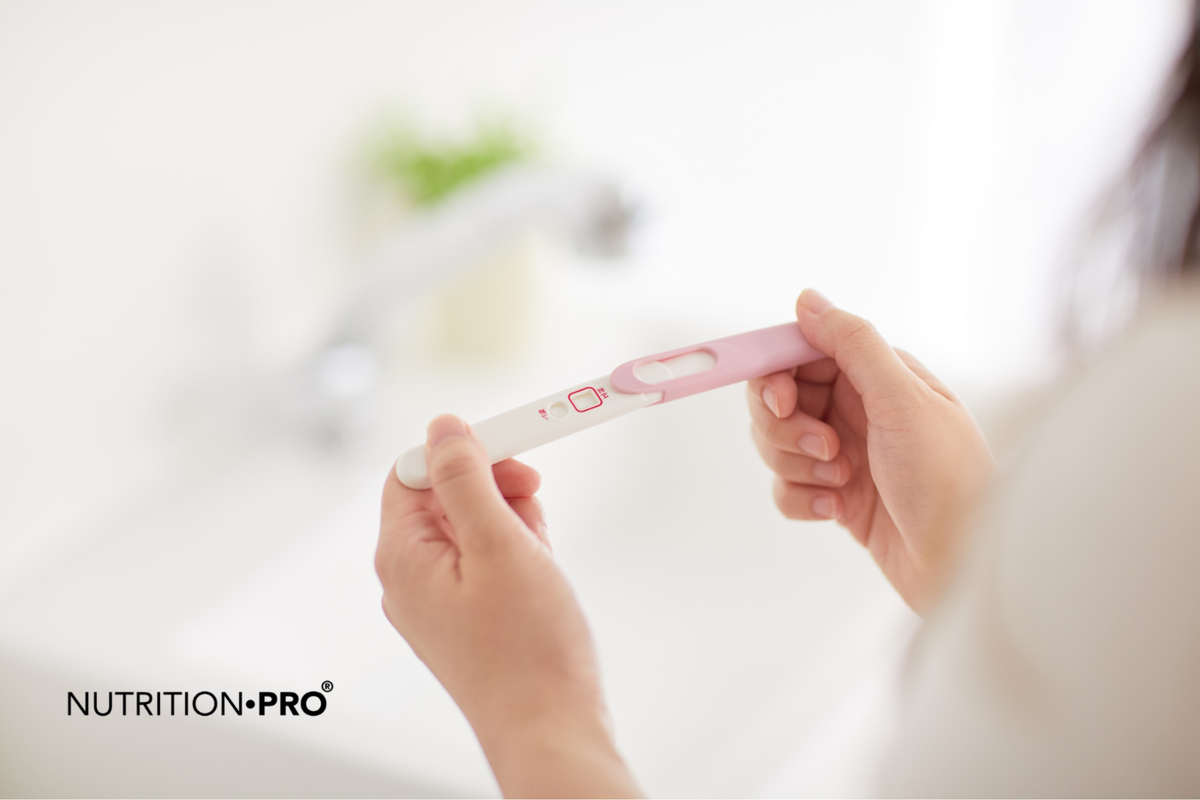
One in ten women has polycystic ovary syndrome, and many learn about it when they try to have a child: irregular cycles since forever, rare or absent ovulation, and a diagnosis that comes with one word, insulin resistance, and a supplement everyone talks about, myo-inositol.
This guide says what studies show about this supplement, and with equal care what they do not show: ten trials on ovulation, nine on insulin, and zero on live births. Then the Cochrane review on antioxidants in subfertile women, and the medical framework that comes first, because PCOS is diagnosed, monitored, and treated.

PCOS affects one in ten women, is diagnosed by a gynecologist, and its core is most often insulin resistance that disrupts ovulation. Myo-inositol : ten trials and 362 women, ovulation multiplied by 2.3, cycle frequency by 6.8 versus placebo; nine trials, fasting insulin and HOMA index decreased, SHBG increased after 24 weeks. Zero trials on live births or miscarriages. Trial doses: 2 to 4 g per day, three to six months.
Antioxidants : Cochrane 2020, 63 trials and 7,760 subfertile women, a signal on pregnancies and live births of low to very low quality, limited funding disclosure. The framework : diagnosis, couple assessment at twelve months, partner semen analysis, lifestyle, and ovulation induction by the physician, which has data on live births. Myo-inositol comes as a complement to this framework.
PCOS: what it is, and why ovulation is missing
The polycystic ovary syndrome is diagnosed on two criteria out of three : irregular or absent cycles, signs of androgen excess, acne, hirsutism, hair loss, or polycystic-appearing ovaries on ultrasound, after excluding other causes, thyroid and prolactin foremost. In the majority of affected women, the driving force is insulin resistance : elevated insulin stimulates androgen production by the ovary and blocks follicle maturation, so that ovulation becomes rare or absent. It is the leading cause of infertility from anovulation. It is also a risk factor for diabetes and long-term metabolic disorders, which makes it a diagnosis to be established with a gynecologist and monitored, beyond the baby-making goal.
Myo-inositol and ovulation: ten trials
Ten randomized trials were included. Overall, 362 women were on inositol, 257 on myo-inositol and 105 on D-chiro-inositol, 179 on placebo and 60 on metformin. Inositol was associated with a significantly improved ovulation rate, relative risk 2.3, and an increased frequency of menstrual cycles, relative risk 6.8, compared to placebo. One study reported the clinical pregnancy rate with inositol versus placebo, relative risk 3.3 with a confidence interval of 0.4 to 27.1, and one study compared it to metformin. No study evaluated live birth rates or miscarriage rates. Inositol appears to regularize cycles, improve ovulation and induce metabolic changes in PCOS; however evidence is lacking for pregnancy, miscarriage, and live birth. A well-designed multicenter trial is justified to provide robust evidence of benefit.
Pundir J, Psaroudakis D, Savnur P, et al. BJOG 2018;125(3):299-308. DOI: 10.1111/1471-0528.14754
Two figures and an absence. The figures: ovulation multiplied by 2.3 and cycles by 6.8, which, for a woman who ovulates two or three times a year, is a real change. The absence: no trial on births, the only result that really matters for a couple, and only one trial on pregnancies, not significant. Ovulating more often is the condition for pregnancy, not its guarantee, and the authors, including Helena Teede who leads international PCOS guidelines, state this plainly.
Myo-inositol and insulin: the mechanism
Nine randomized trials involving 247 cases and 249 controls were included. Significant decreases in fasting insulin and HOMA index were identified after myo-inositol supplementation. Sequential meta-analysis on insulin shows that the cumulative curve crossed the surveillance boundary, providing firm evidence of the intervention's effect. A slight downward trend in testosterone was found, while androstenedione remained unchanged. In subgroup analysis, a significant increase in serum SHBG was observed only in studies where myo-inositol was administered for at least 24 weeks. These results highlight the beneficial effect of myo-inositol on the metabolic profile of women with PCOS, concomitantly reducing their hyperandrogenism.
Unfer V, Facchinetti F, Orrù B, Giordani B, Nestler J. Endocr Connect 2017;6(8):647-658. DOI: 10.1530/EC-17-0243
Myo-inositol is a second messenger of insulin : it participates in the transmission of the insulin signal within the cell, and women with PCOS often have disrupted metabolism of it. By supplementing it, insulin sensitivity improves, insulin levels decrease, androgenic stimulation of the ovary diminishes, and ovulation returns: the mechanism is consistent with the ten trials in the previous section. The caveat: two of the five authors are employees of an inositol manufacturer, which the publication discloses. This does not invalidate the meta-analysis, which covers trials published by others, but it is information the reader should have.
What the trials do not show, and the doses
| What is being sought | What the trials show | Level of evidence |
|---|---|---|
| Insulin, insulin resistance | Decreasing, 9 trials | Closed according to sequential analysis |
| Cycle regularity | Frequency × 6.8 versus placebo | Consistent across trials |
| Ovulation | × 2.3 versus placebo, 10 trials | Significant, heterogeneous |
| Androgens | Testosterone in trend, SHBG increased after 24 weeks | Modest, slow |
| Clinical pregnancy | Single trial versus placebo, not significant | Insufficient |
| Live birth, miscarriage | No trials | Absent |
The trials generally use 2 to 4 g of myo-inositol per day, most often 2 g twice daily, often with 200 to 400 µg of folic acid, for three to six months; slow hormonal effects, such as SHBG, require 24 weeks. Some combine D-chiro-inositol in a 40 to 1 ratio. Our Female Fertility formula provides 1 g of myo-inositol per day, half the low dose from the trials, in a broader combination with vitamin D3, iron, zinc, selenium, vitamins C, E and B9, and maca: this is preconceptional nutritional coverage, not a reproduction of PCOS protocols. A woman who wants the trial dosage can find it in pure myo-inositol, and discuss it with her gynecologist.
Antioxidants: Cochrane
Sixty-three trials and 7,760 subfertile women followed in reproductive clinics were included, comparing oral antioxidants to placebo or no treatment, including N-acetylcysteine, melatonin, L-arginine, myo-inositol, carnitine, selenium, vitamin E, B vitamins, vitamin C, vitamin D with calcium, CoQ10, and omega-3s. Only 27 of the 63 trials declared their funding source. Due to very low quality of evidence, we are uncertain whether antioxidants improve live birth rate, odds ratio 1.81, 13 trials and 1,227 women: in subfertile women with an expected rate of 19 percent, the rate with antioxidants would be 24 to 36 percent. Low-quality evidence suggests that antioxidants could improve clinical pregnancy rate, 35 trials and 5,165 women. No difference in miscarriage, multiple pregnancies, digestive disorders, or ectopic pregnancies. To date, the evidence for oral antioxidants in subfertile women is limited.
Showell MG, Mackenzie-Proctor R, Jordan V, Hart RJ. Cochrane Database Syst Rev 2020;8:CD007807. DOI: 10.1002/14651858.CD007807.pub4
Since publication, seven of the included trials have been retracted and two are the subject of expressions of concern. The editors of Cochrane assessed the impact of their removal and determined that it does not change the conclusions, which will be updated without these studies. This illustrates what this field is like: many small trials, poorly reported funding, and evidence quality that Cochrane qualifies as low to very low. The signal exists, particularly for pregnancies; it does not allow for promises.
The framework, in order
Myo-inositol 1,000 mg, vitamin D3 1,000 IU, folic acid 300 µg, iron 14 mg, zinc 10 mg, selenium 50 µg, vitamins C and E, with maca, in four capsules per day. The micronutrients that recommendations place before pregnancy, and an initial dose of myo-inositol; to reproduce the 2 to 4 g from PCOS trials, pure myo-inositol is supplemented, with the gynecologist.
See Female FertilityOur article on folic acid details why it begins before conception.
Frequently asked questions
What is PCOS and why does it interfere with fertility?
Polycystic ovary syndrome affects approximately one in ten women of reproductive age. It is diagnosed by a gynecologist based on two out of three criteria: irregular or absent cycles, signs of androgen excess, or polycystic-appearing ovaries on ultrasound, after excluding other causes. At the heart of the syndrome, in the majority of affected women, is insulin resistance: elevated insulin stimulates androgen production by the ovary and disrupts follicle maturation, so that ovulation becomes rare or absent. It is the leading cause of infertility from anovulation, and a long-term metabolic risk factor.
Does myo-inositol induce ovulation?
The trials suggest it clearly. The meta-analysis published in the BJOG reviewed ten randomized trials: 362 women on inositol, 179 on placebo, and 60 on metformin. Compared to placebo, inositol multiplied the ovulation rate by 2.3 and cycle frequency by 6.8. Only one trial reported clinical pregnancies, with a non-significant result, and no trial measured live births or miscarriages. The authors conclude that inositol regularizes cycles and improves ovulation, but evidence is lacking for pregnancy and live birth.
Does myo-inositol act on insulin and hormones?
Yes, and that's its mechanism. The meta-analysis published in Endocrine Connections reviewed nine randomized trials, 247 women on myo-inositol and 249 controls. Fasting insulin and HOMA index decreased significantly, with strong evidence for insulin. Testosterone tended to decrease, and SHBG increased in trials lasting at least 24 weeks. Myo-inositol is a second messenger of insulin; by supplementing it, insulin sensitivity improves, which reduces androgenic stimulation of the ovary. Two of the authors are employees of an inositol manufacturer, which the publication discloses.
What dose of myo-inositol in the studies?
Most trials use 2 to 4 g of myo-inositol per day, most often 2 g twice daily, often with 200 to 400 µg of folic acid, for three to six months; effects on SHBG only appear from 24 weeks onward. Our Female Fertility formula provides 1 g of myo-inositol per day, which is half the low dose from trials, in a broader combination with vitamin D3, iron, zinc, selenium, vitamins C, E and B9, and maca; it follows a preconceptional nutritional coverage approach, not a strict reproduction of PCOS trials.
Do antioxidants help female fertility?
Evidence is of low to very low quality. The 2020 Cochrane review gathered 63 trials and 7,760 subfertile women, comparing various antioxidants to placebo, including myo-inositol, melatonin, vitamin E, vitamin D, CoQ10, and omega-3s. For live births, thirteen trials point toward an increase, but quality is very low and the authors express uncertainty. For clinical pregnancies, 35 trials show low-quality evidence in the same direction. Only 27 of the 63 trials declared their funding, and several included studies have since been retracted. Overall, limited evidence.
What to do first with PCOS and a baby plan?
Get a diagnosis from a gynecologist, because irregular cycles have other causes. Have a couple evaluation after twelve months of trying, or six months if you're over 35, and partner's semen analysis at the same time. Discuss with your doctor about ovulation induction, letrozole or clomiphene citrate, which is the standard treatment with data on live births. Diet and physical activity, with a 5 to 10% weight loss when overweight, restore ovulation in some women. Myo-inositol comes as a complement to this framework, not in its place.
What to remember about PCOS and fertility?
That PCOS is a medical diagnosis, the leading cause of anovulation, with insulin resistance at its core. That myo-inositol, at 2 to 4 g per day over several months, improves insulin, regularizes cycles, and multiplies ovulation by 2.3 in ten trials, with no data on live births. That antioxidants have low to very low quality evidence according to Cochrane. That ovulation induction by your doctor and lifestyle are first-line. And that evaluation is done as a couple.
Sources
The studies cited below were identified via PubMed.
- Pundir J, Psaroudakis D, Savnur P, et al. Treatment of anovulation by inositol in women with polycystic ovary syndrome: meta-analysis of randomized trials. BJOG, 2018;125(3):299-308. DOI
- Unfer V, Facchinetti F, Orrù B, Giordani B, Nestler J. Effects of myo-inositol in women with PCOS: meta-analysis of randomized trials. Endocrine Connections, 2017;6(8):647-658. DOI
- Showell MG, Mackenzie-Proctor R, Jordan V, Hart RJ. Antioxidants for female subfertility. Cochrane Database of Systematic Reviews, 2020;8:CD007807. DOI


