

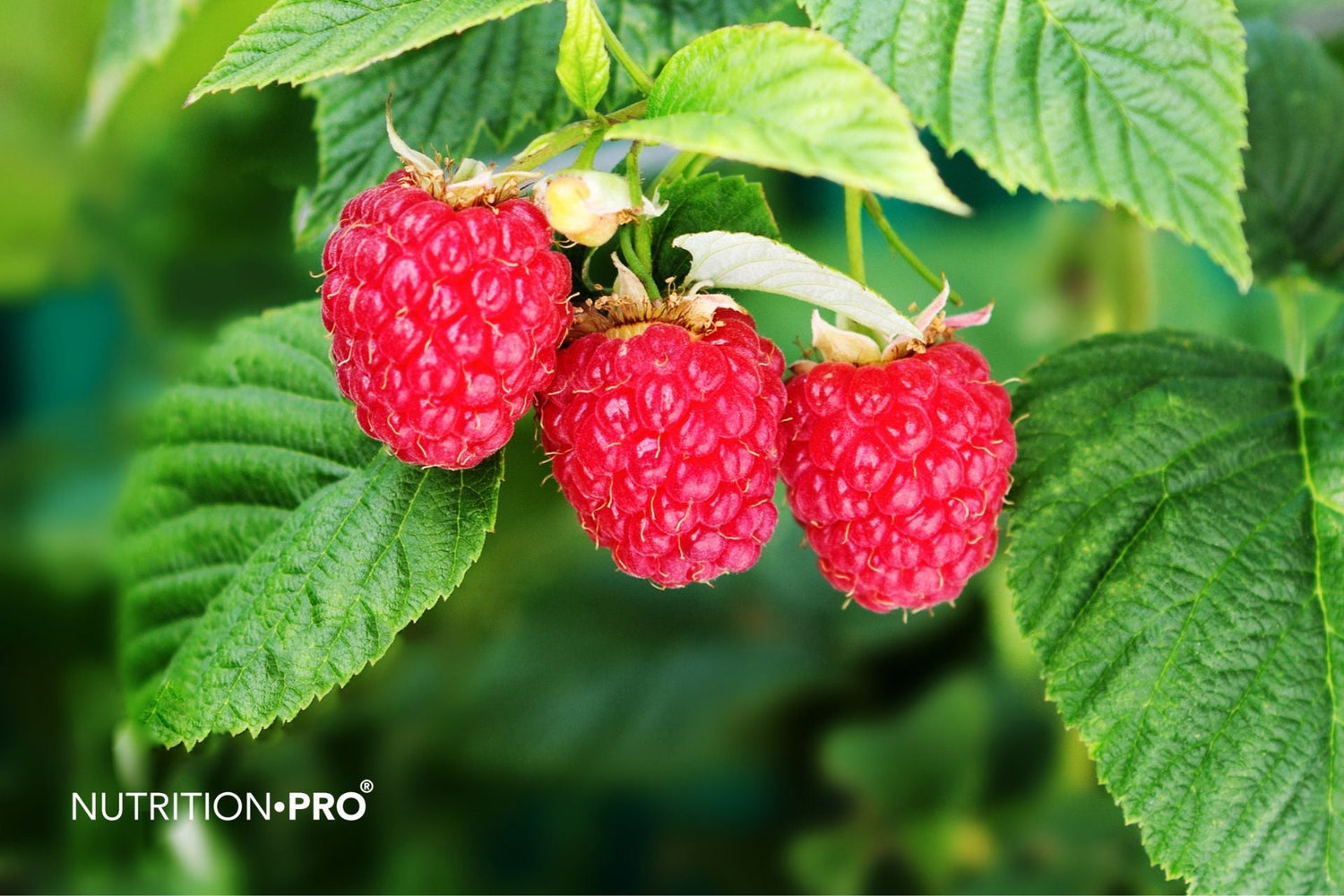
Raspberry leaf is one of the most iconic plants in the feminine wellness tradition: passed down from generation to generation, it has supported the cycle, late pregnancy and postpartum for centuries. Behind this reputation as a "woman's friend," what do its composition and studies really reveal? And most importantly, how can you use it safely, especially when expecting a child?
This comprehensive guide takes an honest look: what raspberry leaf is, the detailed composition of its leaf, its traditional properties, its uses for the cycle, pregnancy, postpartum and menopause, its different forms, infusion preparation, and all precautions. Our approach: clearly distinguish tradition from evidence, without overselling.

The leaves of Rubus idaeus, dried and organic, ready to infuse. A traditional plant to support the feminine cycle, late pregnancy and postpartum, to be used with informed awareness and, if you are pregnant, on medical advice.
Raspberry leaf (Rubus idaeus) is traditionally used for feminine cycle comfort, late pregnancy and postpartum. Rich in tannins, flavonoids, vitamins (C, B group, E) and minerals (iron, calcium, magnesium), it acts on the uterine muscle in the laboratory, but evidence in women remains weak: neither benefit nor risk has been clearly demonstrated (Bowman, BMC Complement Med Ther, 2021). An observational study associated its use with fewer interventions during delivery, without conclusive evidence (Bowman, 2024). Approximately 38% of pregnant women reportedly use it despite this lack of data (Farnaghi, 2022). Golden rule: during pregnancy, never without the advice of your doctor or midwife.
- What is raspberry leaf?
- Composition: tannins, vitamins, minerals
- Traditional properties
- What science says (and doesn't say)
- Cycle, menstruation and premenstrual syndrome
- Raspberry leaf and pregnancy
- Postpartum, breastfeeding and menopause
- Raspberry leaf or other feminine plants?
- In what form should you consume it?
- How to prepare the infusion
- Precautions and contraindications
- Frequently Asked Questions
1. What is raspberry leaf?
The Rubus idaeus, the raspberry plant, is a shrub of the Rosaceaefamily, found both wild and cultivated in temperate regions. While its fruits are well-known, it is the leaves that have a long history of use as an herbal tea, particularly in women's health.
The leaves are generally harvested in spring, before fruiting, then dried away from light to preserve their compounds, and stored in an airtight container. Once steeped, they produce a beverage with a mild and slightly astringenttaste, similar to a light black tea, but caffeine-free, making it an herbal infusion that can be enjoyed at any time of day.
Important note: this is a traditionaluse. The plant has been used for a long time, passed down through experience, but this does not mean its effects are scientifically established. This guide aims to clarify this important distinction.
2. Composition: Tannins, Vitamins, Minerals
Raspberry leaf owes its uses to a fairly rich composition that combines several families of compounds:
- Tannins : compounds with astringent properties that explain some of its traditional uses for comfort, particularly digestive and women's health.
- Flavonoids and other polyphenols : plant-based antioxidants that help combat oxidative stress.
- Fragarine : a compound to which tradition attributes a "toning" effect on uterine muscles.
- Vitamins : notably vitamin C, B-complex vitamins and vitamin E, in small amounts.
- Minerals : iron, calcium, magnesium, potassium and manganese, which gives it a reputation as a remineralizing plant.
It is mainly the tannins, flavonoids and fragarine that warrant attention, the latter being central to the supposed effect on the uterine muscle, studied with results that warrant nuance, as we will see.
3. Traditional properties
Here are the properties that tradition associates with raspberry leaf. They stem from its composition and long-standing use, but, for the most part, are not based on solid clinical evidence: we present them as traditional heritage, not as demonstrated effects.
Astringent
Linked to tannins.
Tannins tighten tissues, which underlies uses for comfort, particularly digestive and feminine comfort.
Uterine tonic
Its flagship reputation.
The plant is traditionally reputed to "tone" the uterine muscle, hence its use in late pregnancy and around the menstrual cycle.
Antispasmodic
Cycle comfort.
A supposed soothing effect on muscles, sought for comfort during menstruation.
Remineralizing
Iron, calcium, magnesium.
Its mineral content gives it a reputation as a supportive plant, particularly throughout the cycle.
Antioxidant
Flavonoids and polyphenols.
Its polyphenols help combat oxidative stress, like many plants.
4. What science says (and does not say)
Let's be transparent: the use of raspberry leaf is very widespread, but its scientific foundation is thin. This is the conclusion of a reference systematic review.
Of 13 studies (from 1941 to 2016), raspberry leaf showed effects on uterine smooth muscle in the laboratory and in animals; in women, studies showed neither clear benefit nor harm, and the level of evidence remains weak.
Bowman R, et al. BMC Complement Med Ther 2021;21:56. DOI: 10.1186/s12906-021-03230-4
A more recent observational study associated raspberry leaf intake with fewer medical interventions and shorter labor, but its authors emphasize: these results cannot be generalized and do not constitute proof of safety or efficacy; a randomized trial remains necessary (Bowman, BMC Complement Med Ther, 2024). To be clear: interesting signals, not certainties. On the regulatory side, no health claim is authorized by the EFSA for this plant. This honesty is precisely what should guide its use.
5. Cycle, periods and premenstrual syndrome
Raspberry leaf traditionally accompanies the menstrual cycle as a whole. Two moments concentrate its uses:
- During periods : for comfort, linked to its supposed astringent and antispasmodic properties. However, dysmenorrhea remains a medical condition in its own right, which cannot be reduced to herbal tea.
- Before periods : as part of premenstrual syndrome (PMS), as a comfort plant among others.
Here too, let's remain measured: specific clinical evidence is very limited. Raspberry leaf fits into an approach of comfort and tradition, and does not replace medical care in cases of very painful periods, irregular cycles or cycle disorders, which warrant medical advice. For period comfort, you can also explore our painful periods infusion andevening primrose and borage oil, or the feminine comfort collection.
Dried and organic Rubus idaeus leaves, to be steeped. To support your cycle, and the end of pregnancy on the advice of your healthcare professional.
Discover the infusion →6. Raspberry leaf and pregnancy
Raspberry leaf owes its fame to a traditional use: consumed as an infusion in late pregnancy, it would "prepare" the uterus for childbirth, by acting on the tone of the uterine muscle and, according to tradition, on labor progression and cervical elasticity. This is a widespread practice: approximately 38% of pregnant women report having used it, even though no efficacy has been scientifically demonstrated (Farnaghi, Aust N Z J Obstet Gynaecol, 2022).
What do we actually know? Studies in women have not demonstrated clear benefits on labor duration, contractions, or the need for interventions. A recent observational study, while encouraging (fewer labor augmentations, epidurals and cesarean sections, shorter labor), cannot be generalized and does not prove safety (Bowman, 2024). In other words, the use is based on tradition and signals, not solid evidence.
In this context, caution takes priority. Tradition reserves raspberry leaf for the third trimester (often mentioned from the 32nd to 34th week onwards), in progressive amounts, and advises against it in early pregnancy. But these guidelines do not replace personalized medical advice. The only responsible approach is to discuss it with your doctor or midwife before considering anything, especially in case of high-risk pregnancy, history of complications, planned cesarean, or ongoing treatment.
7. Postpartum, breastfeeding, and menopause
The feminine uses of raspberry leaf do not stop at pregnancy:
- Postpartum : after childbirth, tradition uses it to support recovery and the return to balance, linked to its supposed astringent and remineralizing properties.
- Breastfeeding : some women consume it during this period, but specific data is limited. Consult your doctor, midwife, or pharmacist before drinking it during breastfeeding.
- Menopause : a plant traditionally associated with the feminine sphere, it can be integrated into a comfort routine during menopause, without a specific effect being demonstrated.
As always with this plant, these uses fall within tradition and comfort, not treatment. In case of bothersome symptoms during menopause or postpartum difficulties, medical advice remains the best course of action.
8. Raspberry leaf or other feminine herbs?
Raspberry leaf is often cited alongside other plants in the feminine sphere. Here are their respective traditional profiles, to situate each one:
| Herb | Traditional profile | Best for |
|---|---|---|
| Raspberry leaf | Uterine tonic, astringent, remineralizing | Cycle, late pregnancy, postpartum |
| Nettle | Highly remineralizing, rich in iron | Vitality, cycle support |
| Lady's mantle | "Woman's herb," astringent | Cycle comfort, PMS |
| Vitex | Associated with hormonal balance | PMS, cycle (professional advice recommended) |
| Evening primrose / borage | Oils rich in essential fatty acids | Female balance, skin |
These plants are not interchangeable and sometimes work together synergistically. Raspberry leaf and nettle, for example, are frequently combined in the same herbal tea. The choice depends on your objective and, for vitex or in case of hormonal treatment, professional advice is recommended. Discover our evening primrose and borage oil and the collection female comfort.
9. What form should you consume it in?
Raspberry leaf comes in several forms, depending on your preferences:
- Dried leaves for infusion (herbal tea) : the traditional form, simplest and most economical, ideal for daily consumption.
- Mother tincture : a more concentrated hydroalcoholic liquid extract, dosed in drops.
- Capsules : convenient for those who don't like the taste of herbal teas or want on-the-go dosing.
- Powder : to incorporate into preparations, less common.
For daily comfort use,infusion remains the reference, such as our organic raspberry leaf infusion, in dried leaves from organic farming.
10. How to prepare the infusion
11. Precautions and Contraindications
Pregnancy : never use raspberry leaf during pregnancy without the advice of your doctor or midwife. Tradition advises against it in early pregnancy and reserves it for the third trimester, but since safety has not been established, only a professional can judge its appropriateness in your situation.
Special Situations : high-risk pregnancy, history of obstetric complications, planned cesarean section, breastfeeding, hormonal treatment, or other medical condition: always seek medical advice. Tannins : at high doses, they can cause digestive discomfort and limit iron absorption during meals, another reason to stick to reasonable amounts.
Used wisely and at the right time, raspberry leaf is an appreciated traditional plant. But on a subject as sensitive as pregnancy, the support of a healthcare professional is not optional: it is the rule.
Frequently Asked Questions
What are the benefits of raspberry leaf?
Raspberry leaf (Rubus idaeus) is traditionally used for comfort during the female cycle, late pregnancy, and postpartum. Rich in tannins, flavonoids, vitamins, and minerals, it has demonstrated effects on the uterine muscle in laboratory studies, but evidence in women remains limited (Bowman, BMC Complement Med Ther, 2021). Its uses are primarily based on tradition.
Does raspberry leaf help with childbirth?
This is its most well-known traditional use, but science does not confirm it: an observational study associated its use with fewer interventions and shorter labor, although these results are not generalizable and no efficacy has been proven (Bowman, 2024). Never use it at the end of pregnancy without the advice of your doctor or midwife.
When should I start drinking raspberry leaf tea during pregnancy?
Tradition reserves it for the third trimester, often from the 32nd to 34th week, increasing gradually. Since the evidence for safety and efficacy is insufficient, the timing and appropriateness must be validated by your doctor or midwife. Do not start anything on your own.
How many cups of raspberry leaf per day?
Tradition often mentions one to three cups per day in late pregnancy, introduced gradually. No dose is scientifically validated: follow the advice of a healthcare professional rather than a general rule.
Is raspberry leaf useful for periods and premenstrual syndrome?
It is traditionally used for comfort during periods and premenstrual syndrome, due to its astringent tannins and a supposed effect on uterine muscles. However, clinical evidence is very limited: this is a traditional use, not a treatment for dysmenorrhea.
Can you drink raspberry leaf tea without being pregnant?
Yes. Outside of pregnancy, raspberry leaf is consumed as a comfort infusion, particularly around your cycle. It is also appreciated for its taste, which is similar to tea, without caffeine. Respect reasonable amounts.
Can you drink raspberry leaf during breastfeeding?
Tradition uses it postpartum to support recovery. During breastfeeding, seek the advice of your doctor, midwife, or a healthcare professional, as specific data is limited.
Is raspberry leaf useful for menopause?
It is among the plants traditionally associated with women's health and can be incorporated into a comfort routine during menopause, without a specific effect being demonstrated. If you experience bothersome symptoms, medical advice remains helpful.
What does raspberry leaf taste like and how do you consume it?
Its taste is sweet and slightly astringent, similar to a light black tea, caffeine-free. It is consumed mainly as an infusion, but also exists as a mother tincture, in capsules or powder form. It can be combined with other plants such as nettle or lemon balm.
What is the difference between raspberry leaf and nettle?
These are two plants with feminine tradition with different profiles: nettle is primarily remineralizing and rich in iron, while raspberry leaf is associated with uterine tone and the end of pregnancy. They are sometimes combined in herbal tea.
Are there precautions or contraindications?
The main precaution concerns pregnancy: no use without medical advice, and tradition advises against it in early pregnancy. In case of obstetric history, high-risk pregnancy, treatment or pathology, professional advice is essential. Tannins may also interfere with digestion at high doses.
- Rubus idaeus
- Botanical name of the raspberry plant, a shrub of the Rosaceae family whose dried leaf is used in infusion.
- Tannins
- Astringent plant compounds, present in raspberry leaf.
- Flavonoids
- Plant antioxidants from the polyphenol family.
- Fragarine
- Compound in raspberry leaf to which tradition attributes an effect on the uterine muscle.
- Astringent
- That tightens tissues; property linked to tannins.
- Uterine muscle (myometrium)
- Smooth muscle of the uterus, whose activity varies throughout the cycle and pregnancy.
- Dysmenorrhea
- Painful periods, a medical condition in its own right.
- Premenstrual syndrome (PMS)
- Set of symptoms occurring in the days preceding menstruation.
- Traditional use
- Use of a plant based on transmitted experience, distinct from a scientifically proven effect.
- Bowman R, Taylor J, Muggleton S, Davis D. Biophysical effects, safety and efficacy of raspberry leaf use in pregnancy: a systematic integrative review. BMC Complement Med Ther 2021;21:56. DOI : 10.1186/s12906-021-03230-4
- Bowman RL, Taylor J, Davis DL. Raspberry leaf (Rubus idaeus) use in pregnancy: a prospective observational study. BMC Complement Med Ther 2024;24:169. DOI : 10.1186/s12906-024-04465-7
- Farnaghi S, Braniff K. Survey of Raspberry Leaf Tea in pregnancy. Aust N Z J Obstet Gynaecol 2022;62(4):506-510. DOI : 10.1111/ajo.13496


