A small golden seed with a singular aroma, fenugreek is one of the most versatile plants in phytotherapy. You find it everywhere: in Indian cuisine, in athletes' routines, in advice to new mothers, or as a blood sugar ally. But between marketing promises and scientific reality, it's hard to know what to believe.
This comprehensive guide sorts through it all without overselling: what fenugreek is, its composition, its benefits for men and women, its role on appetite and weight gain, what studies say about blood sugar and cholesterol, its hair uses, how to consume it, and all the precautions. Each time, we distinguish what is proven from what is tradition.

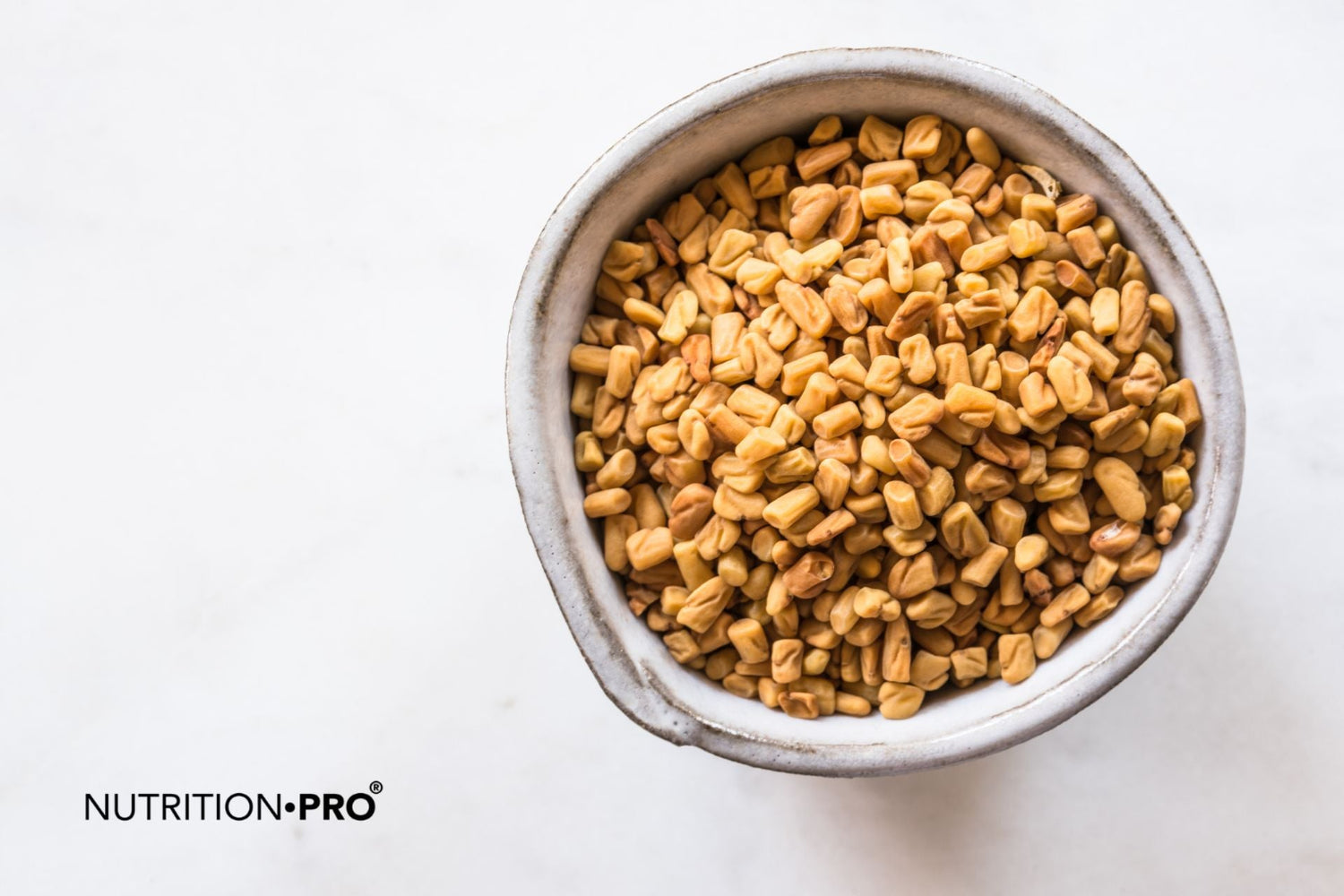
Seeds of Trigonella foenum-graecum, ground into powder, 100% organic. Rich in fiber, protein and active compounds, easy to add to your dishes, beverages and preparations.
Fenugreek (Trigonella foenum-graecum) is a legume with seeds rich in soluble fiber, protein and active compounds (4-hydroxyisoleucine, saponins, phytoestrogens). Its best documented effects concern blood sugar: meta-analyses show a decrease in fasting blood glucose and HbA1c (Kumar, Diabetes Metab Syndr, 2023) and an improvement in lipid profile, with lower LDL and triglycerides (Heshmat-Ghahdarijani, Phytother Res, 2020). In men, an extract increased testosterone over 8 weeks (Wilborn, 2010). For appetite, weight gain, breastfeeding (traditional galactagogue, limited data: Dietz, Pharmacol Rev, 2016) and hair, use remains primarily traditional. Not recommended during pregnancy.
- What is fenugreek?
- Composition and active compounds
- Benefits and properties
- Fenugreek, appetite and weight gain
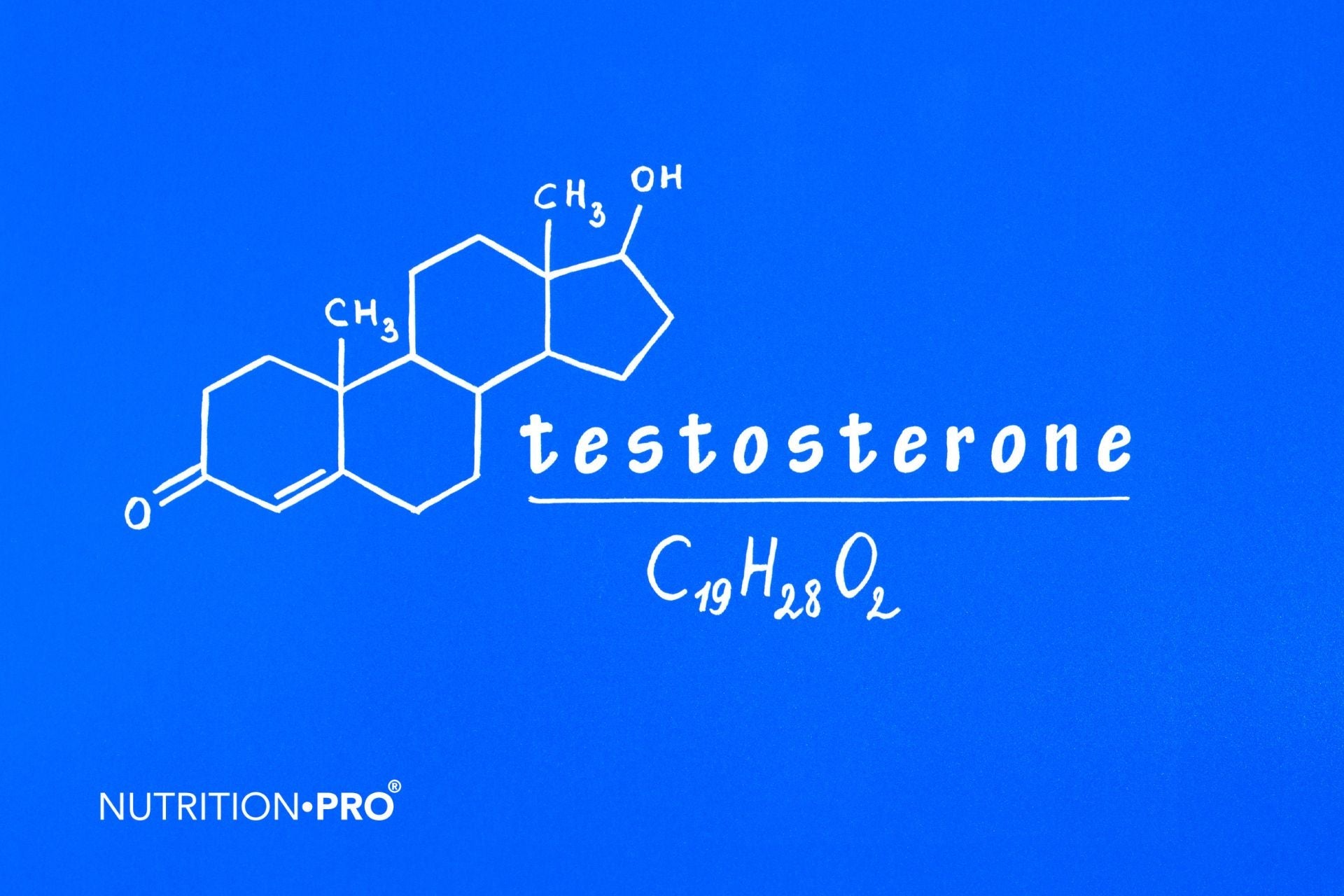
- Fenugreek for men (testosterone)
- Fenugreek for women (breastfeeding, hormones)
- Fenugreek, blood sugar and cholesterol
- Fenugreek, hair and skin
- How to consume fenugreek
- Side effects and precautions
- Frequently asked questions
1. What is fenugreek?
The Trigonella foenum-graecum is an annual herbaceous plant, cultivated since antiquity. Its Latin name means "Greek hay," referring to its ancient forage use. It was already used inancient Egypt, and Hippocrates mentioned its virtues: fenugreek is among the oldest medicinal and culinary plants.
The part used is mainly the seed, light brown in color, from which active compounds are extracted. It is found in the form of whole seeds, powder, or capsules. Its leaves, fresh or dried, also serve as a seasoning in certain cuisines, particularly Indian. Fenugreek has a characteristic odor and taste, both sweet and bitter, often compared to maple syrup or curry, due to an aromatic compound, sotolon.
2. Composition and active compounds
The richness of fenugreek explains the diversity of its uses. Its seeds concentrate several families of compounds:
- Soluble fibers, in particular galactomannan, which slow the absorption of sugars and fats and underlie the effects on blood glucose and lipids.
- Proteins and amino acids, including 4-hydroxyisoleucine, an amino acid that promotes insulin secretion.
- Saponins, particularly diosgenin, and phytoestrogens, plant compounds with weak hormonal activity.
- Vitamins and minerals : B vitamins (including B6), iron and magnesium.
- Antioxidants (flavonoids, caffeic acid) with anti-inflammatory properties.
It is mainly the soluble fibers, 4-hydroxyisoleucine and saponins that attract research attention, as we will see axis by axis.
3. Benefits and properties
To clarify, here is an honest overview classified by level of evidence. Details on each aspect follow in the dedicated sections.
Blood Sugar
The best documented effect.
Meta-analyses show a decrease in fasting blood glucose and HbA1c in type 2 diabetics (Kumar 2023; Suksomboon 2011).
Cholesterol and Triglycerides
Linked to soluble fiber.
A meta-analysis reports a decrease in LDL and triglycerides and an increase in HDL (Heshmat-Ghahdarijani 2020).
Testosterone (Men)
Data still limited.
An extract increased testosterone in trained men over 8 weeks (Wilborn 2010), but evidence remains scarce.
Appetite and Weight Gain
Ancient use.
Traditionally used to stimulate appetite, particularly during recovery, without solid clinical evidence.
Lactation
Traditional galactagogue.
One of the best-known galactagogues, but safety and efficacy studies are lacking (Dietz 2016).
Hair and Skin
Cosmetic use.
Used as a mask for hair and scalp, by tradition, without clinical validation.
4. Fenugreek, Appetite and Weight Gain
It is one of the historical uses of fenugreek: stimulate appetite. Its saponins are believed to promote digestion and bile production, making it traditionally valuable for people recovering from illness, those suffering from appetite loss related to disease or treatment, or those with increased nutritional needs.
Let's be clear: this effect is based on tradition, not on solid clinical evidence. And there is an important distinction: fenugreek's soluble fibers can also promote satiety. Fenugreek is therefore not a "weight-gaining product" in itself. It can support weight gain when the main obstacle is lack of appetite, but weight gain relies above all on a caloric surplus, nutrient-dense foods, and strength training. We detail the entire method in our dedicated guide: how to gain weight healthily.
A traditional seed to easily incorporate into your meals, to support your appetite and vitality on a daily basis.
Discover fenugreek →5. Fenugreek for men (testosterone)
Considered an aphrodisiac and a support for masculine vitality, fenugreek appeals to athletes and men concerned with their muscle tone. What does research say?
In 30 men trained in resistance exercise, taking 500 mg daily of a fenugreek-based extract for 8 weeks increased total and bioavailable testosterone and reduced fat mass percentage, compared to placebo.
Wilborn C, et al. Int J Sport Nutr Exerc Metab 2010;20(6):457-465. DOI : 10.1123/ijsnem.20.6.457
It is an interesting lead, but one to be put in perspective: studies are few in number, often focus on specific extracts and small sample sizes, and results are heterogeneous. Fenugreek is not a guaranteed "testosterone booster," but it can be integrated into a masculine vitality routine, ideally combined with strength training and good lifestyle habits. To learn more, see our 7 foods that support testosterone, and for muscle mass, our guide weight and muscle gain.
6. Fenugreek for women (breastfeeding, hormones)
Fenugreek holds a particular place in the female health sphere, for several reasons:
- Breastfeeding : it is one of the most well-known galactagogues , traditionally used to support milk production. But scientific data is limited and of uneven quality.
- Hormonal balance and cycle : its phytoestrogens give it a traditional use around the menstrual cycle and premenstrual syndrome, again without solid evidence.
- Menopause : it is among the plants sometimes cited for menopausal comfort.
Fenugreek and milk thistle are among the natural galactagogues used by breastfeeding women; however, rigorous studies of safety and efficacy are lacking.
Dietz BM, et al. Pharmacol Rev 2016;68(4):1026-1073. DOI : 10.1124/pr.115.010843
Caution is therefore warranted: if you are breastfeeding, consult your doctor, midwife, or a lactation consultant before taking fenugreek, for the safety of you and your baby. For women's comfort, you can also explore our raspberry leaf, theevening primrose and borage oil or the supplement female fertility.
7. Fenugreek, blood sugar, and cholesterol
It is on metabolism that fenugreek's evidence is most solid, thanks to its soluble fiber, which slows sugar and fat absorption, and 4-hydroxyisoleucine, which supports insulin secretion.
A network meta-analysis of 44 trials ranks fenugreek among plants that significantly reduce fasting blood sugar and affect HbA1c; other meta-analyses confirm a decrease in HbA1c in type 2 diabetics, with caveats related to study heterogeneity.
Kumar S, et al. Diabetes Metab Syndr 2023. DOI: 10.1016/j.dsx.2023.102826 · Suksomboon N, et al. J Ethnopharmacol 2011. DOI: 10.1016/j.jep.2011.07.059
On the lipid side, a meta-analysis of 15 trials showed that fenugreek reduces total cholesterol, LDL and triglycerides, and increases HDL, an effect more pronounced in people with diabetes (Heshmat-Ghahdarijani, Phytother Res, 2020). These results are encouraging, but the authors call for higher quality studies. Key takeaway: fenugreek can be a complementary support for a healthy lifestyle, never a substitute for medical care. For the blood sugar aspect, also see our collection blood sugar.
8. Fenugreek, Hair and Skin
In cosmetics, fenugreek has a long reputation for hair care. Ground into a paste, the seeds release mucilages and nutrients used in masks to add softness to hair and soothe the scalp. It also enters traditional skin preparations, linked to its supposed soothing and antioxidant properties.
As with its other traditional uses, let's be measured: these cosmetic benefits are not based on solid clinical studies. They are part of an appreciated herbal tradition, to be considered as a care routine rather than a treatment.
9. How to Use Fenugreek
Select what applies to you best: your priority path will display instantly. This is a guide, not medical advice.
Fenugreek powder can support your appetite. But the essential factor comes down to caloric surplus and strength training.
Incorporate fenugreek into a routine combining nutrition and strength training. Testosterone data is encouraging but limited.
This is the best-studied area. Fenugreek is a supplement to good lifestyle habits and your medical supervision, never a substitute. See the collection blood sugar.
10. Side effects and precautions
Pregnancy : not recommended, due to possible effects on the uterus. Breastfeeding, medication or medical condition : consult a healthcare professional beforehand.
Allergies : since fenugreek is a legume, it can trigger reactions in cases of allergy to peanuts, chickpeas, or other legumes. Interactions : caution with anticoagulants (increased bleeding risk) and antidiabetic drugs (additive effect on blood sugar). Digestive Effects : at high doses, bloating or diarrhea are possible. Finally, fenugreek can cause a distinctive body odor with no serious consequences.
Used at reasonable doses, outside of the situations mentioned above, fenugreek is generally well tolerated. Like any supplement, it does not replace a balanced diet, and professional advice remains the best approach if in doubt.
Frequently Asked Questions
What are the benefits of fenugreek?
Fenugreek is traditionally used to support appetite and weight gain, male vitality, and lactation. The strongest evidence concerns blood sugar and lipid profile: meta-analyses show that it helps reduce fasting blood glucose and HbA1c (Kumar, Diabetes Metab Syndr, 2023) as well as cholesterol and triglycerides (Heshmat-Ghahdarijani, Phytother Res, 2020). Many of its other uses are based on tradition.
Does fenugreek cause weight gain?
Fenugreek is traditionally used to stimulate appetite, particularly during convalescence, which can facilitate weight gain when eating is difficult. This use is mainly based on tradition: no solid study proves a weight gain effect. It supports an approach based primarily on a caloric surplus.
Does fenugreek increase breast size?
This is a widespread belief, linked to fenugreek's phytoestrogens, but it is not scientifically demonstrated. No reliable study shows that fenugreek increases breast volume. It is best not to use it for this purpose.
Does fenugreek increase testosterone?
A few trials suggest an effect: in trained men, a fenugreek extract increased total and bioavailable testosterone over 8 weeks (Wilborn, Int J Sport Nutr Exerc Metab, 2010). Data remain limited and heterogeneous: this is an interesting lead, not a certainty.
Is fenugreek effective for breastfeeding?
Fenugreek is one of the most well-known traditional galactagogues, but rigorous safety and efficacy studies are lacking (Dietz, Pharmacol Rev, 2016). If you are breastfeeding, seek advice from your doctor, midwife, or lactation consultant before consuming it.
Does fenugreek lower blood sugar?
Yes, it is one of its best-documented effects: meta-analyses show a reduction in fasting blood glucose and HbA1c in people with type 2 diabetes (Kumar 2023; Suksomboon, J Ethnopharmacol, 2011). However, fenugreek never replaces treatment: if you have diabetes, consult your doctor before taking it.
Does fenugreek help lower cholesterol?
A meta-analysis of 15 trials showed that fenugreek reduces total cholesterol, LDL, and triglycerides, and increases HDL, especially in people with diabetes (Heshmat-Ghahdarijani, Phytother Res, 2020). This effect, linked to its soluble fibers, does not replace medical management.
Is fenugreek good for hair?
Fenugreek is traditionally used in cosmetics, as a hair mask, for its mucilages and nutrients. This use is based on tradition and is not validated by solid clinical studies, but it is appreciated for hair and scalp care.
How to consume fenugreek and at what dose?
It is consumed as powder (in dishes, beverages, or yogurts), as a seed infusion, or in capsules. Tradition often mentions a few grams of powder per day. Start with small amounts and increase gradually, following the product instructions.
What are the side effects and contraindications of fenugreek?
Fenugreek can cause digestive disorders and distinctive body odor. It is not recommended during pregnancy, in case of allergy to legumes or peanuts, and can interact with anticoagulants and antidiabetic drugs. If you are on medication or have a health condition, seek medical advice.
Is fenugreek not recommended during pregnancy?
Yes. Fenugreek is traditionally not recommended during pregnancy because of a possible effect on the uterus. If you are pregnant, do not consume it as a supplement without explicit advice from your doctor or midwife.
Why does fenugreek have a distinctive odor?
Fenugreek contains aromatic compounds (including sotolon) that give it a characteristic odor, similar to maple syrup or curry. At high doses, this odor can appear in perspiration; it is harmless and disappears when use stops.
Can you take fenugreek every day?
Yes, at reasonable doses and without contraindications, fenugreek can be consumed daily, ideally in courses. Listen to your digestive tolerance and seek professional advice in case of medication, diabetes, pregnancy, or breastfeeding.
- Trigonella foenum-graecum
- Botanical name of fenugreek, a legume of the Fabaceae family.
- Galactomannan
- Viscous soluble fiber abundant in fenugreek, which slows the absorption of sugars and fats.
- 4-hydroxyisoleucine
- Amino acid from fenugreek that promotes insulin secretion.
- Saponins (diosgenin)
- Plant compounds from fenugreek with studied digestive and hormonal effects.
- Phytoestrogens
- Plant compounds with weak hormonal activity, present in fenugreek.
- Galactagogue
- Substance traditionally used to promote lactation.
- HbA1c
- Glycated hemoglobin, reflecting average blood sugar levels over recent months.
- Sotolone
- Aromatic compound responsible for fenugreek's odor, similar to maple syrup.
- Traditional use
- Use of a plant based on transmitted experience, distinct from a scientifically proven effect.
- Kumar S, et al. Comparative effectiveness of six herbs in the management of glycemic status of type 2 diabetes mellitus patients: a systematic review and network meta-analysis. Diabetes Metab Syndr 2023;17(8):102826. DOI : 10.1016/j.dsx.2023.102826
- Suksomboon N, Poolsup N, Boonkaew S, Suthisisang C. Meta-analysis of the effect of herbal supplement on glycemic control in type 2 diabetes. J Ethnopharmacol 2011;137(3):1328-1333. DOI : 10.1016/j.jep.2011.07.059
- Heshmat-Ghahdarijani K, et al. Effect of fenugreek consumption on serum lipid profile: a systematic review and meta-analysis. Phytother Res 2020;34(9):2230-2245. DOI : 10.1002/ptr.6690
- Wilborn C, et al. Effects of a purported aromatase and 5-alpha-reductase inhibitor on hormone profiles in college-age men. Int J Sport Nutr Exerc Metab 2010;20(6):457-465. DOI : 10.1123/ijsnem.20.6.457
- Dietz BM, Hajirahimkhan A, Dunlap TL, Bolton JL. Botanicals and their bioactive phytochemicals for women's health. Pharmacol Rev 2016;68(4):1026-1073. DOI : 10.1124/pr.115.010843