

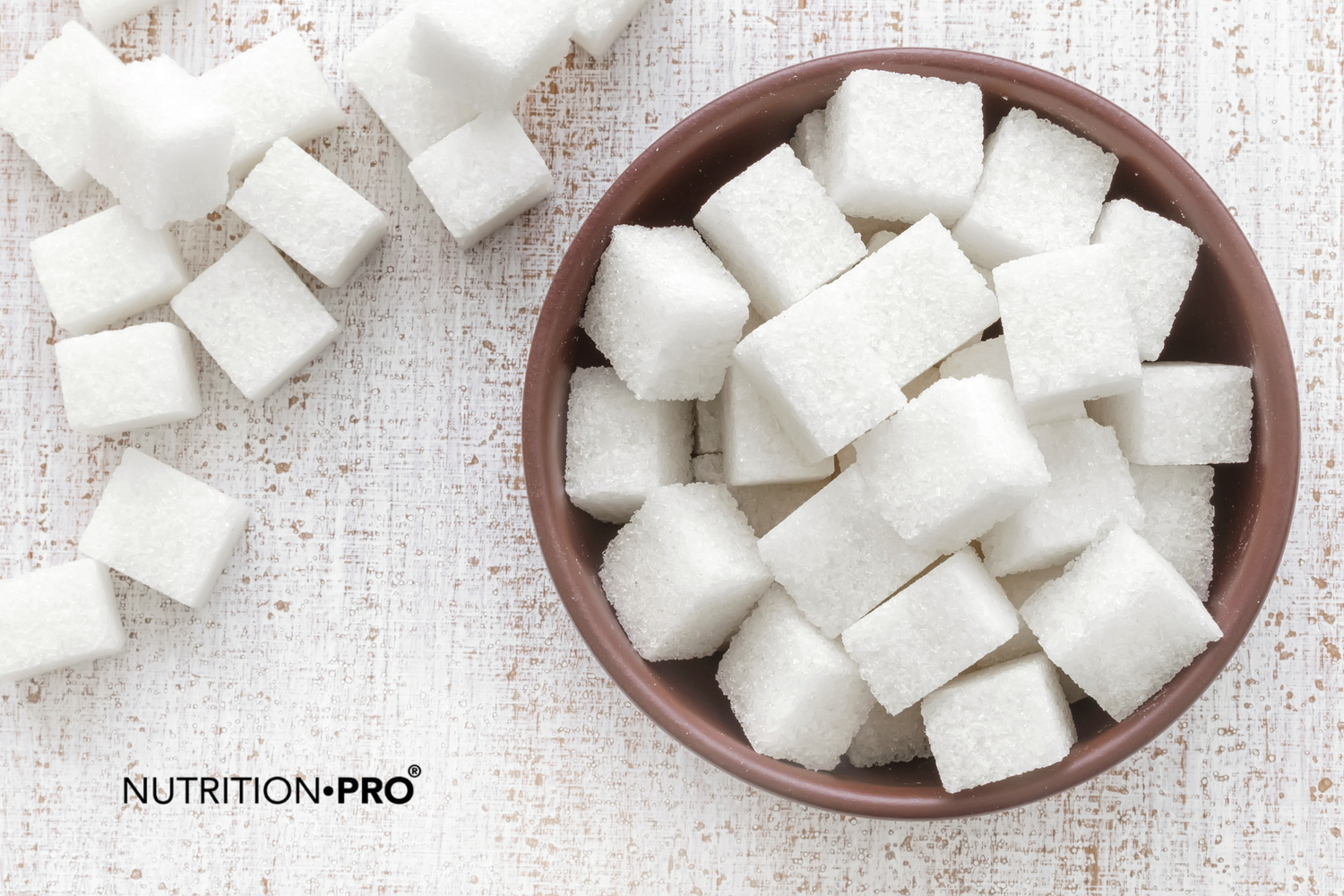
Sugar is the most omnipresent and addictive food component in modern nutrition. In France, average consumption exceeds 95 g/day, or nearly 4 times the WHO recommendation of 25 g/day. According to Hough et al. 2026 in Pharmacological Research, ultra-processed foods rich in refined sugars hijack the brain's reward circuits with neurochemical mechanisms comparable to classical addictive substances. Reducing sugar is not a matter of willpower but of strategy. This guide brings together what science truly validates: the mechanisms of addiction, the methods that work (and those that don't), and the role that plants — useful but not miraculous — can play in a sustainable approach.


In brief: Sugar activates the dopaminergic reward circuits in a manner comparable to addictive substances according to Hough et al. 2026 in Pharmacological Research. Average French consumption (95 g/day) exceeds the WHO recommendation (25 g/day) by 4 times, with over 70% from hidden sugars in processed products. Cravings are fueled by 4 loops: unstable blood sugar (spikes/crashes), lack of sleep (ghrelin ↑, cortisol ↑), chronic stress (cortisol → comfort eating), behavioral anchoring (ritual = sugary dessert).
Concrete action: Validated 4-axis method: (1) stabilize blood sugar (protein + fiber at each meal, post-meal walks, berberine or apple cider vinegar as supplement), (2) meet mechanical satiety needs (konjac before meals — EFSA validated claim, soluble fibers), (3) create substitution rituals (post-meal herbal tea, fruit + nuts as snack), (4) address sleep and stress (major invisible causes). 30-day plan detailed at the end of the article. Plants (herbal tea, berberine, konjac) are complementary tools, not miracle solutions: they don't eliminate cravings on their own but support a holistic approach.
- Why is sugar addictive? Neurobiological mechanisms
- Hidden sugars: how much are you really consuming?
- Signs of sugar addiction (Yale Food Addiction Scale self-test)
- Method 1: Restructure your meals (protein, fiber, glycemic index)
- Method 2: Stabilize your blood sugar (vinegar, berberine, walking)
- Method 3: Addressing mechanical satiety (konjac, soluble fiber)
- Method 4: Breaking the ritual — herbal infusion as a substitution tool
- Method 5: Sleep, stress, cortisol — the invisible causes
- What does (really) science say about anti-sugar plants?
- Concrete 30-day plan to reduce sugar sustainably
1. Why is sugar addictive? Neurobiological mechanisms
Hijacking of the meso-limbic reward circuit by ultra-processed foods
APPLICABLE TO SUGAR
The idea that sugar could be "addictive" has long been controversial. Modern research partially confirms it: while not formally classified as an addiction in the DSM-5, excessive sugar consumption presents neurobiological and behavioral parallels with recognized addictions.
The three systems hijacked by sugar
System 1: The dopaminergic reward circuit. When sugar is consumed, the nucleus accumbens (reward center) releases dopamine. This dopamine spike is responsible for immediate pleasure and behavior memorization. With repetition, the brain adapts: dopamine receptors (D2 especially) decrease in density, which requires increasing amounts to feel the same pleasure — this is tolerance.
System 2: Prefrontal control. The prefrontal cortex is the area that enables impulse inhibition and long-term decision-making. Chronic sugar overconsumption weakens this inhibitory function. In concrete terms: the person knows they shouldn't eat that dessert but eats it anyway. This isn't a lack of willpower — it's a measurable neurobiological alteration.
System 3: The stress axis. Cortisol (stress hormone) stimulates appetite for high-energy density foods, particularly sugar and fat. Sugar then triggers a release of serotonin, creating transient relief that reinforces the stress → sugar association.
The Yale Food Addiction Scale (YFAS) criteria
The YFAS is the reference tool for assessing addictive-type behavior toward food. It is based on DSM-5 criteria for substance addiction. The 7 main criteria:
| YFAS Criterion | Concrete Manifestation |
|---|---|
| Loss of Control | Eating more than planned, unable to stop |
| Persistent Desire or Failed Attempts | Wanting to stop but resuming despite oneself |
| Time Spent | Intrusive thoughts related to sugar, planning |
| Reduction of Activities | Giving up social activities to eat |
| Consumption Despite Consequences | Continuing despite weight gain, fatigue, guilt |
| Tolerance | Need for increasing quantities for the same pleasure |
| Withdrawal | Irritability, fatigue, headaches in case of abrupt cessation |
The presence of at least 3 criteria associated with significant distress points toward a food addiction phenotype. In this case, a multidisciplinary approach (physician, dietitian, specialized psychologist) is often necessary.
2. Hidden Sugars: How Much Are You Really Consuming?
70% of sugar consumed is not in the sugar bowl but in processed products
VS 25g WHO RECOMMENDATION
TheWHO recommends limiting free sugars (added sugars + sugars naturally present in juices and honey) to less than 10% of total caloric intake, ideally less than 5%. For an adult consuming 2000 kcal/day, this corresponds to 25 g/day (ideal) or 50 g/day (maximum), or 6 to 12 sugar cubes.
The French reality is radically different. According to surveys by Santé Publique France, average consumption approaches 95 g/day of added sugars, equivalent to 23 sugar cubes daily. The trap: most of it goes unnoticed.
Map of hidden sugars in typical diet
| Food (typical portion) | Added sugars | Sugar cube equivalent |
|---|---|---|
| 1 can of soda (33 cl) | 35 g | 8.5 cubes |
| 1 flavored fruit yogurt (125 g) | 12 g | 3 cubes |
| 2 tablespoons of ketchup | 8 g | 2 cubes |
| 1 commercial cereal bar | 10 g | 2.5 cubes |
| 1 glass of fruit juice (250 ml) | 22 g | 5.5 cubes |
| 1 container of sweetened applesauce (100 g) | 15 g | 3.5 cubes |
| Industrial sandwich bread (2 slices) | 4 g | 1 cube |
| 1 serving of prepared dish (tomato sauce, lasagna) | 10-15 g | 2.5-3.5 cubes |
| 1 industrial vinaigrette (2 tbsp.) | 5 g | 1.2 cube |
| 1 square of 70% dark chocolate | 2.5 g | 0.6 piece |
The 5 categories of hidden sugars to identify
1. Sugary drinks. Sodas, fruit juices (including "100% pure juice" with no added sugar but rich in free fructose), iced teas, flavored waters, energy drinks. It's the first source of sugar to eliminate. Rapid and visible effect: replace with plain water, sparkling water, unsweetened herbal tea.
2. Sweet dairy products. Flavored yogurts, drinkable yogurts, dairy desserts, sweetened fresh cheese, ice cream. Prefer plain yogurt or plain fresh cheese + homemade addition of fresh fruit or 1 teaspoon of honey if needed.
3. Prepared meals and sauces. Commercial tomato sauces (sugar added to counteract acidity), prepared meals (often 5-10 g of sugar per portion unnoticed), industrial soups, ready-made vinaigrettes. Homemade cooking = complete control.
4. Breads, cereals and breakfast biscuits. Industrial sandwich bread, pastries, children's cereals (up to 35% sugar), cereal bars, breakfast biscuits. The classic French breakfast is often the largest sugar intake of the day.
5. Deli meats and salted products. Hams (except superior ham), sausages, chorizo, processed meat dishes: sugar is added for preservation and taste. Check systematically on labels.
How to decode a label in 30 seconds
The nutrition facts table mentions "of which sugars" per 100 g. Above 5 g of sugar/100 g, it's sweet; above 15 g/100 g, it's very sweet. In the ingredient list, identify the 33+ names of disguised sugar :
Glucose syrup, glucose-fructose syrup, dextrose, maltodextrin, corn syrup, concentrated fruit juice, invert sugar, molasses, maple syrup, agave syrup, honey, rice syrup, wheat syrup, fructose, lactose, maltose, sucrose, panela, rapadura, cane sugar, brown sugar, vergeoise, cassonade, whole sugar, brown sugar. All count as added sugars. If one of these terms appears in the first 3 ingredients, the product is essentially sweetened.
The effect of systematic label reading
Several behavioral studies show that people who commit to systematically reading labels for 2 to 4 weeks reduce their added sugar consumption by 20 to 35%, without any other intervention. It's the "awareness effect": simple knowledge modifies purchasing behavior.
3. Signs of sugar dependency (Yale Food Addiction Scale self-test)
The YFAS self-test adapted in 8 questions to measure your level of dependency
This self-test is inspired by the Yale Food Addiction Scale (YFAS), a scientifically validated tool for identifying addictive-type eating behaviors. It is not a medical diagnosis but a personal reference point to evaluate the intensity of your relationship with sugar.
Answer yes or no to each of the 8 questions:
- I regularly consume more sugar than I would like to, despite my good intentions.
- I have tried to reduce sugar several times without lasting success.
- I often think about the next dessert or sweet treat during the day.
- I continue to consume sugar even when I know it harms me (weight, energy, skin, mood).
- I need increasingly larger amounts to feel the same pleasure.
- When I try to stop, I experience irritability, fatigue, or headaches after 1-2 days.
- I eat sugar to manage stress, fatigue, or negative emotions more than for pleasure.
- I sometimes hide my sugar consumption from those around me, or I consume it in secret.
Interpretation:
- 0-2 yes : Overall healthy relationship with sugar. Moderate reduction is sufficient.
- 3-4 yes : Mild compulsive-type behavior. Structured approach recommended (methods 1-4 in this article).
- 5-6 yes : Probable food addiction phenotype. Consider professional support (registered dietitian, psychologist).
- 7-8 yes : Strong signals of food addiction. Medical consultation and multidisciplinary assessment recommended.
Why the approach differs by profile
A person with 1 or 2 positive criteria can generally succeed at reducing sugar through standard behavioral and nutritional changes described in this article. Conversely, a person with a severe addiction phenotype (5+ criteria) often needs:
- Psychotherapeutic support : cognitive-behavioral therapy (CBT), acceptance and commitment therapy (ACT), work on emotional triggers.
- Nutritional follow-up : registered dietitian specialized in eating behavior disorders.
- Medical assessment : screening for hormonal imbalances, thyroid disorders, metabolic syndrome, magnesium or chromium deficiency.
- Sometimes pharmacological support in case of comorbidities (depression, anxiety, bipolar disorder).
According to Başar Gökcen 2025 in Journal of Eating Disorders, the practice ofmindful eating is inversely correlated with food addiction symptoms and constitutes a major protective factor. It is a skill that can be learned (books, apps, guided programs).
4. Method 1: Restructure Your Meals (Proteins, Fiber, Glycemic Index)
The most powerful lever: breakfast composition and protein rebalancing
AT BREAKFAST
Meal structure is the number 1 underestimated lever in sugar reduction. A breakfast that is mainly carbohydrate-based (sugary cereals, fruit juice, white bread, jam) causes an immediate blood sugar spike followed 2 to 3 hours later by reactive hypoglycemia that triggers an irresistible craving for sugar around 10-11am. The cycle repeats throughout the day.
The 3 pillars of a hunger-prevention meal
Pillar 1: Proteins (20-30 g per meal). Proteins stimulate the secretion of satiety peptides (GLP-1, PYY, CCK), slow gastric emptying, and stabilize blood sugar. Ideal sources at breakfast: eggs (2-3), plain 0% fat cottage cheese (200 g), skyr, fresh cheese, premium ham with no added sugars, chicken breast, tofu, sugar-free almond butter.
Pillar 2: Fiber (10-15 g per meal). Soluble fiber forms a gel in the intestine that slows glucose absorption and smooths the blood sugar curve. Sources: oat flakes (30 g = 3 g fiber), chia seeds (1 tbsp = 5 g fiber), legumes, green vegetables at each meal (2 portions minimum), whole fruits (not as juice), nuts and seeds. Konjac (glucomannan) is a special case: it is the most powerful soluble fiber known.
Pillar 3: Quality fats (10-15 g per meal). Good fats further slow gastric emptying and increase satiety. Sources: extra virgin olive oil, canola or flaxseed oil (omega-3), avocado, nuts and seeds (almonds, walnuts, hazelnuts), seeds (flax, pumpkin, sunflower), olives, fermented cheeses in moderate amounts.
The typical anti-sugar breakfast
| Classic model (problematic) | Anti-sugar model (recommended) |
|---|---|
| Bowl of chocolate cereals (60 g) + milk (200 ml) + 1 glass of orange juice (200 ml) | 2 scrambled eggs + 1 slice of whole grain sourdough bread + 1/2 avocado + unsweetened tea/coffee |
| ~ 45 g of added sugars (11 cubes) | ~ 2 g of added sugars |
| Blood sugar spike at 30 min, drop at 2h, cravings at 10:30am | Stable blood sugar until lunch, no cravings |
| ~ 10 g of protein, low fiber | ~ 18 g of protein, 6 g of fiber, quality fats |
The classic mistake: "I'm not hungry at breakfast"
Many people think they are not hungry when they wake up, but this lack of hunger is itself a signal of a dietary imbalance (heavy dinner, late dinner, very sugary diet the day before with prolonged reactive hypoglycemia). Forcing a protein-rich breakfast for 7 to 10 days progressively restores a normal eating circadian rhythm, and morning hunger returns naturally.
The valid alternative: start the day with a protein drink (200 ml of milk + 1 tbsp almond butter + 1 tbsp plant-based protein powder) or simply shift breakfast to 10am by making it protein-rich (reinforced morning snack). The goal is to avoid starting the day with a blood sugar spike.
5. Method 2: Stabilize Your Blood Sugar (Vinegar, Berberine, Walking)
Three documented levers for flattening the post-meal blood sugar spike
WITH COMBINED INTERVENTIONS
Stabilizing blood sugar doesn't mean lowering it at all costs, but rather flattening post-meal spikes to avoid reactive drops that trigger sugar cravings 2-3 hours later. Three documented interventions are easy to implement.
Lever 1: Apple cider vinegar before meals
Apple cider vinegar — or any vinegar containing acetic acid — taken 15 to 30 minutes before a carbohydrate-rich mealreduces post-prandial blood sugar spike by 20 to 30% according to several studies. The mechanism: acetic acid slows gastric emptying and partially inhibits intestinal disaccharidases (enzymes that break down complex carbohydrates).
Practical dosage: 1 tablespoon (15 ml) diluted in a large glass of water, to be taken 15-30 minutes before lunch and dinner. Or in capsule form: Apple Cider Vinegar Nutrition•pro, dosage according to label (generally 2 capsules before meals). Documented effect to be confirmed in individual contexts — does not replace a comprehensive nutritional approach.
Lever 2: Berberine — the scientifically strongest extract
Berberine is an alkaloid extracted from several plants (Berberis vulgaris, Coptis chinensis). It is by far the plant with the strongest scientific evidence on blood sugar control . According to dozens of cumulative randomized trials, at 1500 mg/day for 8-12 weeks, it improves HbA1c, fasting blood sugar, and postprandial blood sugar in people with prediabetes and type 2 diabetes.Reference dosage:
500 mg × 3/day with meals for 8 to 12 weeks, in renewable courses twice per year. The Berberine Nutrition•pro (97% extract) offers the recognized purity standard. Important precautions: interactions with metformin and antidiabetic drugs (additive effect), interactions with cyclosporine and certain antibiotics. Medical advice recommended if on chronic medication. Lever 3: Post-meal walking — the free intervention
According to several recent studies,
10 to 15 minutes of walking after a meal reduce post-prandial blood sugar spike by 12 to 30% . The mechanism is mechanical: muscle contraction activates GLUT-4 transporters independently of insulin, allowing glucose to enter the muscles.In practice: get up from the table after lunch and dinner, take a walk around the block, walk the dog, or simply move around for 10 minutes at home. It's the intervention
most effective relative to its cost (zero) and its simplicity. Combined with other levers, the cumulative effect is significant. et de sa simplicité. À combiner aux autres leviers, l'effet cumulatif est important.
Synergy of the 3 levers: protocol example
Morning: Upon waking, 1 tablespoon of apple cider vinegar in a glass of water (or 2 capsules). Protein-rich breakfast (method 1).
Midday: 500 mg of berberine with the meal. Balanced meal (proteins + fiber + lipids). 10-15 minute walk after the meal.
Afternoon snack: If genuine hunger: 10 almonds + 1 square of 85% dark chocolate + herbal tea. Otherwise: glass of water or Stop Sugar herbal tea.
Evening: 1 tablespoon of apple cider vinegar 15 minutes before dinner. 500 mg of berberine with the meal. Lighter meal than midday. 10 minute walk after.
Cycle to maintain for 8 to 12 weeks minimum to observe lasting effects. Ideally combined with occasional capillary blood glucose measurements (before meals / 2 hours after) to visually confirm stabilization.
6. Method 3: Achieving mechanical satiety (konjac, soluble fiber)
Konjac and glucomannan: the most satiating fiber in the plant kingdom
OF GLUCOMANNAN IN WATER
Mechanical satiety — the physical sensation of a full stomach — is a powerful and complementary lever to hormonal satiety. When you are truly hungry to the point of craving sugar, increasing gastric content volume with low-calorie and highly satiating foods deactivates sugar cravings.
Konjac glucomannan: the scientific reference
Glucomannan is a soluble fiber extracted from konjac (Amorphophallus konjac), an Asian plant. Its swelling capacity is extraordinary: 1 g of glucomannan absorbs up to 50 ml of water in the stomach, forming a viscous gel that: Massively increases gastric volume
- and stretches mechanoreceptors, signaling satiety to the brain via the vagus nerve. Slows gastric emptying
- , prolonging the sensation of fullness for 3 to 5 hours.Reduces carbohydrate absorption
- and smooths the post-meal blood sugar curve. Modulates the intestinal microbiota
- and increases the production of GLP-1 and short-chain fatty acids that signal satiety. KONJAC AND APPETITE REGULATION
EFSA-Validated Claim for Glucomannan
Glucomannan is one of the very rare fibers to benefit from an official health claim validated by the EFSA(European Food Safety Authority): "Glucomannan contributes to weight loss as part of a calorie-restricted diet" — at a dose of 3 g per day divided into 3 doses of 1 g with a large glass of water, 30 minutes before main meals. Practical Dosage:
1 g of glucomannan (3-4 capsules depending on dosage) with 250-300 ml of water, 30 minutes before each main meal. Always drink a large glass of water with the dose (otherwise the gel forms in the esophagus, risk of obstruction). Avoid in case of dysphagia, digestive stenosis, or swallowing disorders. The
Pure Konjac Nutrition•PRO offers glucomannan at standardized dosage to apply the EFSA protocol. Prioritize for profiles experiencing cravings related to genuine satiety needs (vs purely emotional). Other Satiety-Promoting Soluble Fibers (Synergistic)
Fiber
| Satiety Effect | Food Sources | Glucomannan (konjac) |
|---|---|---|
| Maximal (×50 volume) | Konjac, shirataki, capsules | Psyllium |
| High | Psyllium husks, capsules | Beta-glucans |
| Moderate-High | Oats, barley, mushrooms | Inulin |
| Moderate (prebiotic effect) | Chicory, Jerusalem artichoke, onion, garlic, asparagus | Pectin |
| Moderate | Apple, citrus fruits, berries | Chia/Flax Mucilages |
| Moderate-High | Chia seeds, ground flaxseeds | The recommended daily intake of total fiber is |
25 to 30 g/day ; in France, the actual average is 17 g/day. Gradually increasing (over 2-3 weeks to avoid digestive discomfort) with a focus on soluble fibers is one of the most effective strategies to reduce sugar cravings. ; en France, la moyenne réelle est de 17 g/jour. Augmenter progressivement (sur 2-3 semaines pour éviter les inconforts digestifs) avec un focus sur les fibres solubles est l'une des stratégies les plus efficaces pour réduire les envies de sucre.
7. Method 4: Breaking the ritual — herbal tea as a substitution tool
Replace the sugary ritual with a healthy ritual of equal emotional intensity
A large portion of sugar consumption is not motivated by biological hunger but by ritual : morning coffee and cake, systematic dessert after lunch, a square of chocolate during the evening show, a pastry during the office break. These gestures have become automatic and charged with an emotional function of reward, pause, social pleasure. Abruptly eliminating them creates a ritual void that pushes toward relapse.
The most effective strategy is not to eliminate the ritual but to replace it with a substitution ritual equivalent in emotional intensity. Hot herbal tea, prepared with care, sipped slowly, fulfills exactly this function.
The 7 plants in Nutrition•pro Stop Sugar Herbal Tea
| Organic plant | Documented or traditional function |
|---|---|
| Peppermint | Intense taste break (fresh sensation that suppresses immediate sugar cravings), digestive |
| Fenugreek | Support for postprandial blood sugar balance (Razon 2024), satiety |
| Chicory | Inulin (satiety-promoting prebiotic), digestive comfort, slightly bitter taste (anti-sugar signal) |
| Dandelion root | Natural detoxification functions, digestive comfort |
| Sage | General balance, mild antispasmodic action |
| Eucalyptus | Enhanced taste freshness, sensation of purity |
| Marigold petals (calendula) | Plant-based sweetness, digestive well-being |
What the herbal tea does... and what it doesn't do
What it actually does:
- Creates a taste break that deactivates the immediate sugar craving signal (peppermint + eucalyptus).
- Fills the stomach with hot liquid (250-300 ml per cup), increasing mechanical satiety in a temporary manner.
- Provides a soothing ritual (preparation, waiting, slow sipping) that addresses the sensory and emotional need.
- Supports light blood sugar balance via fenugreek (documented effect at therapeutic doses, more modest at herbal tea doses).
- Promotes digestive comfort (chicory, dandelion, marigold).
What it does not do:
- It does not eliminate an established sugar addiction on its own. No herbal infusion can.
- It does not replace nutritional restructuring (methods 1, 2, 3).
- It does not cause weight loss by itself (no plant "burns" fat).
- It does not correct underlying factors (sleep, stress, hormonal balance).
The honesty of this approach is precisely what makes it a relevant and sustainable tool, integrated into a global strategy rather than isolated as a magic solution.
When and how to drink Stop Sugar infusion
Preparation: 1 heaping teaspoon of blend (approximately 2 g) per 250 ml of simmering water (90°C, not boiling to preserve the plants' essential oils). Steep 5 to 8 minutes covered. Strain. Drink hot or warm, without sugar or sweetener (reminder: the objective is to desensitize your palate).
Strategic moments:
- After lunch and dinner in place of sweetened coffee or dessert — this is when the taste-cleansing effect is strongest and when the ritual becomes established.
- Mid-morning (10am-11am) if experiencing post-breakfast hunger.
- Mid-afternoon (4pm-5pm) to break the afternoon sugar craving (the most frequent one).
- Evening in front of a screen as a replacement for mindless snacking.
Duration of use: no specific limit. The infusion can be consumed daily for several months without known side effects, except individual intolerance to one of the plants (always check personal contraindications).
8. Method 5: Sleep, stress, cortisol — the invisible causes
The hormonal triggers that many ignore and that sabotage all other methods
AFTER NIGHT < 6h
You can perfectly apply methods 1 to 4 and continue to have irresistible sugar cravings. This is often a sign that the invisible triggers — sleep, stress, late eating — have not been addressed. These factors directly disrupt the hormonal regulation of appetite.
Sleep: the most underestimated lever
A night of less than 6 hours of sleep significantly increases cravings for hyper-caloric and sugary foods the next day. Documented mechanisms:
- Increase in ghrelin (hormone that stimulates hunger) by 15 to 28%.
- Decrease in leptin (satiety hormone) by 15 to 18%.
- Increase in morning cortisol which stimulates appetite for high-energy-density foods.
- Decrease in prefrontal cortex activity, thus less ability to resist impulses.
- Increase in activity of reward areas in response to food stimuli.
According to Başar Gökcen 2025 in Journal of Eating Disorders, evening chronotypes present an increased risk of night eating syndrome, itself strongly correlated with food addiction. Conversely, the practice of mindful eating is a major protective factor.
Chronic stress and cortisol
Cortisol is the stress hormone. In the short term, it helps mobilize energy. In the long term (chronic stress), it becomes toxic:
- Direct stimulation of appetite for high-energy-density foods (sugar + fat = comfort food).
- Increase in insulin resistance, thus more unstable blood sugar, thus more sugar cravings.
- Preferential storage of abdominal fat (the infamous visceral fat).
- Sleep disruption (vicious cycle with the previous points).
- Negative modulation of serotonin, which drives the search for "antidepressant" foods like chocolate or candy.
Stress management is not a luxury: it's a full-fledged dietary lever. Documented methods: regular physical activity (30 min/day, 5 times/week), meditation or heart rate variability (10 min/day), quality sleep (7-9h), nature (documented effect), social support.
Late eating and evening snacking
Eating after 9pm-10pm disrupts metabolic circadian rhythm: insulin sensitivity is reduced in the evening, so the same amount of carbohydrates causes a higher and more sustained blood sugar spike. Sleep is then disrupted by this unstable blood sugar. The next day brings fatigue + sugar cravings. The cycle takes hold.
Practical strategy: dine 3 hours before bed minimum, dinner lighter than lunch (prioritize proteins + vegetables, moderate starches), no snacking after dinner — or if truly hungry, opt for low GI foods (plain yogurt + almonds, herbal tea).
If you apply methods 1 to 4 without sufficient results, check these 4 points: (1) Sleep < 7h regularly? Aim for 7-9h with bedtime before 11pm. (2) Stress not managed? Incorporate 10 min/day of decompression activity. (3) Evening meals too late or too heavy? Plan ahead and lighten up. (4) Sedentary lifestyle? Minimum 30 min of moderate physical activity 3-5×/week. Without these 4 foundations, other methods plateau.
9. What does (really) the science say about anti-sugar plants?
Honest review of the evidence: what works, what is emerging, what is traditional
The market for "anti-sugar" supplements is saturated with promises. Scientific reality is more nuanced: no single plant eliminates sugar cravings, but several have documented effects on blood sugar, satiety, or glucose metabolism. Here is an honest review, classified by level of evidence.
High level of evidence (solid human clinical trials)
Berberine. Probably the plant with the strongest evidence on glucose metabolism. According to Yin et al. 2008 in Metabolism, at 1500 mg/day for 12 weeks, it improves fasting blood sugar, HbA1c and insulin sensitivity with efficacy comparable to metformin in some studies. Mechanism: AMP-kinase activation. Indication: pre-diabetic profiles, metabolic syndrome, sugar cravings linked to reactive hypoglycemia. Berberine 97% Nutrition•pro.
Glucomannan (konjac). The only dietary fiber with a validated EFSA claim for weight loss in a calorie-restricted diet (at 3 g/day). According to Li et al. 2025 in International Journal of Biological Macromolecules, glucomannan regulates appetite via the stomach-intestine-brain axis, increases GLP-1 and inhibits orexigenic genes. Indication: mechanical satiety, volume snacking. Pure Konjac Nutrition•pro.
Moderate level of evidence (promising studies, to be confirmed)
Apple cider vinegar (acetic acid). Several trials document a reduction in post-meal blood sugar spike of 15-25% at doses of 15-30 ml before meals. Effect on subjective satiety is moderate. Mechanism: partial disaccharidase inhibition, slowed gastric emptying. Apple Cider Vinegar Nutrition•pro.
Fenugreek (Trigonella foenum-graecum). According to Razon et al. 2024 in Journal of Diabetes Research, the bioactive compounds in fenugreek have strong binding affinity for alpha-glucosidase, suggesting postprandial blood sugar control. Human trials show improvement in postprandial blood glucose at doses of 5 to 10 g of seeds/day. Mechanism: soluble fibers + active compounds (galactomannans, trigonelline).
Cinnamon (Cinnamomum verum / cassia). Multiple meta-analyses show a modest but significant effect on fasting blood glucose (-10 to -29 mg/dL on average) at 1-6 g/day. Effect on HbA1c less consistent. Mechanism: polyphenolic compounds that partially mimic insulin. Note: Cassia cinnamon contains coumarin at high doses; Ceylon cinnamon is preferable for prolonged supplementation.
Level of evidence: weak to moderate (traditional use + limited studies)
Gymnema sylvestre. Ayurvedic plant used for its "sweet taste masking" effect: gymnemic acids temporarily inhibit T1R2/T1R3 sweet taste receptors on the tongue. Real but transient effect (30-60 minutes). Few trials on blood glucose with variable results. Usage: occasional before a meal where one wishes to limit dessert.
Chromium. Trivalent chromium is a cofactor in insulin signaling. Deficiency is rare but can occur in certain profiles (poor diets, intense athletes). Effect on sugar cravings documented in a few studies in subjects with high YFAS phenotype, but poorly reproducible in subjects without deficit. No systematic recommendation.
Peppermint. Documented effect on olfactory and gustatory perception — the sensation of intense coolness "resets" the palate and deactivates immediate sugar cravings. It is one of the active components of theNutrition•pro Stop Sugar Infusion. Psychological and sensory effect rather than biochemical, but very real.
Summary table of plants
| Plant / compound | Level of evidence | Main mechanism |
|---|---|---|
| Berberine | High | AMPK activation, insulin sensitivity |
| Glucomannan (konjac) | High (EFSA claim) | Mechanical satiety, GLP-1 |
| Apple cider vinegar | Moderate | Slows gastric emptying, inhibits disaccharidases |
| Fenugreek | Moderate | Fibers + alpha-glucosidase inhibition |
| Cinnamon | Moderate | Insulin-mimetic polyphenols |
| Gymnema sylvestre | Weak-moderate | Inhibition of sweet taste receptors (transient) |
| Trivalent chromium | Weak (except in case of deficiency) | Cofactor in insulin signaling |
| Peppermint | Sensory | Flavor break, intense freshness |
The "miracle plant" marketing trap
Beware of products that promise "-10 kg effortlessly thanks to X plant," "eliminates sugar cravings in 7 days," "burns fat while you sleep." No plant has these effects on its own. Serious plants are supplements to a comprehensive strategy and their effectiveness depends on the whole picture (nutrition, sleep, stress, physical activity). This is why theStop Sugar Infusion is presented as a ritual support tool, not as a magic solution: it's more honest, and it's what actually works long-term.
stress/boredom trigger
+ behavioral work (meditation, stress management)
reactive hypoglycemia
+ meal restructuring (proteins, fiber)
insufficient volume at meals
30 minutes before meals with a large glass of water
post-workout cravings
+ balanced post-exercise snack
YFAS 5+ criteria
physician + dietitian + specialized psychologist
10. Concrete 30-day plan to reduce sugar sustainably
4 progressive phases to durably transform your relationship with sugar
TO ANCHOR NEW HABITS
Here is the complete plan, applicable by anyone motivated, structured in 4 progressive weeks. The idea: do not change everything at once, but stack healthy habits on stable foundations.
Week 1: Audit and elimination of obvious sources
Objective: become aware of actual consumption and eliminate the most obvious sources.
- Read all labels for 7 days, note in a notebook or app the quantities of added sugars consumed.
- Eliminate all sugary drinks : sodas, fruit juices, iced teas, sweetened coffee/tea. Replace with still water, sparkling water, herbal infusions.
- Clear the pantry of candy, industrial cookies, pastries, sweetened cereals. What isn't there isn't consumed.
- Start Sugar-Stop Infusion 2 cups/day (after lunch + after dinner) as a substitution ritual.
- Walk 10 minutes after each main meal.
Expected discomforts: mild irritability, temporary fatigue, possible headaches on days 3-5 (withdrawal). Drink plenty of water, sleep more, don't worry — it's normal and temporary.
Week 2: Dietary restructuring
Objective: stabilize blood sugar through meal composition.
- Protein-rich breakfast systematic: 20-30 g of protein (eggs, plain Greek yogurt, premium ham, nuts).
- Fiber at every meal : minimum 2 servings of vegetables, whole fruits, legumes 2×/week.
- Quality fats : olive oil, avocado, nuts, omega 3.
- Apple cider vinegar 1 tbsp before lunch and dinner (or capsules).
- Maintenance of the infusion and post-meal walking.
Week 3: Rituals and complementary tools
Objective: consolidate new automatisms and add targeted tools.
- Identify your 3 main emotional triggers (work stress, evening boredom, afternoon fatigue) and prepare alternative responses (walking, water, breathing exercise, infusion).
- If persistent cravings : introduce berberine 500 mg × 3/day with meals, or konjac 1 g × 3/day 30 min before meals.
- Mindful eating practice : eat slowly, without screens, chewing thoroughly. 10-15 minutes per meal minimum.
- Sleep optimization : bedtime before 11pm, no screens 1 hour before bed, cool and dark bedroom. Target 7-8 hours per night.
Week 4: Stabilization and new automatisms
Objective: anchor the changes so they last without conscious effort.
- Assessment of actual consumption : typically -60 to -80% added sugars compared to the starting point.
- Evaluation of benefits : stable energy throughout the day, improved sleep, clearer skin, frequent weight loss of 1 to 3 kg without effort, more stable mood.
- Permission for 1-2 deviations per week without guilt — total rigidity is counterproductive and promotes rebound.
- Maintenance of routines that work (protein-rich breakfast, post-meal walks, ritual infusion).
- Continue plant-based treatments if relevant (berberine 8-12 weeks, konjac as needed).
Beyond 30 days: long-term maintenance
The first 30 days establish new automatic habits. The following 3 to 6 months anchor them durably. Beyond that, the "low added-sugar" eating pattern simply becomes your natural way of eating, without effort. Occasional relapses are normal and don't undermine everything: what matters is the overall trend.
Final tip: keep a light daily log (1 line per day: energy, cravings, sleep, deviations) allows you to visualize progress and identify what works for you. Many free applications exist (Yazio, MyFitnessPal in minimalist mode, simple notes).
Type 1 or Type 2 diabetes : any significant dietary modification or introduction of blood-sugar-lowering plants (berberine, fenugreek, cinnamon at therapeutic doses) must be discussed with your doctor as insulin or oral antidiabetic dosages may require adjustment. Risk of hypoglycemia if not adjusted. Pregnancy and breastfeeding : avoid berberine and glucomannan at therapeutic doses. The Stop Sugar infusion contains plants traditionally advised against during pregnancy (fenugreek at medicinal dose, sage) — prefer to abstain or seek medical advice. Children under 12 years old : educational approach adapted rather than strict protocol. The adult plan does not apply as is. Eating behavior disorders (anorexia, bulimia, binge eating disorder) : do not follow this protocol without specialized support. A restrictive approach may worsen the disorder. Medications : inform your doctor of berberine use (interactions with metformin, certain antibiotics, immunosuppressants). Konjac may reduce absorption of certain medications — space doses by at least 2 hours.
Frequently asked questions about sugar reduction
Is sugar really addictive?
According to Hough et al. 2026 in Pharmacological Research, excessive consumption of ultra-processed products high in refined sugars induces behaviors characteristic of addiction (binge eating, craving, tolerance, withdrawal) accompanied by dopaminergic alterations in the mesolimbic reward circuit. The DSM-5 does not formally recognize sugar addiction as a distinct disorder, but the Yale Food Addiction Scale (YFAS) is widely used in research to identify phenotypes resembling behavioral addiction.
How much sugar does one consume on average per day?
The WHO recommends limiting added sugars to 25 g/day (6 teaspoons) for an adult. In France, average consumption is 95 g/day according to Santé Publique France, which is nearly 4 times the recommendation. The majority comes from hidden sugars in processed products: sauces, ready-made meals, industrial bread, flavored yogurts, beverages, processed meats.
What are the signs of sugar addiction?
According to the Yale Food Addiction Scale criteria, signs include: irresistible cravings several times a day, loss of control over quantities consumed, consumption despite negative consequences (weight gain, fatigue), intrusive thoughts related to sugar, repeated attempts to quit without success, withdrawal syndrome (irritability, fatigue, headaches) during sudden cessation, tolerance (need for increasing quantities to feel pleasure). The presence of at least 3 criteria suggests addictive-type behavior.
Is it better to quit sugar all at once or gradually?
For the majority of people, the gradual reduction over 2 to 4 weeks is more sustainable and better tolerated than quitting abruptly. Sudden cessation can cause a withdrawal syndrome (headaches, irritability, fatigue, intense cravings) that lasts 5 to 10 days and often leads to relapse. Gradual reduction allows the palate to be re-educated and avoids addictive rebound.
Which plants really help reduce sugar cravings?
No single plant eliminates sugar cravings on its own, and you should be wary of products that promise this. A few scientifically interesting leads but to be integrated into a holistic approach: (1) berberine to stabilize post-meal blood sugar, (2) konjac glucomannan for mechanical satiety (validated EFSA claim), (3) apple cider vinegar to moderate the glycemic spike, (4) peppermint and fenugreek as an infusion for an anti-craving ritual. Plants never replace dietary and behavioral restructuring.
How does Stop Sugar Infusion work?
TheStop Sugar Infusion Nutrition•pro combines 7 organic plants (peppermint, fenugreek, chicory, dandelion root, sage, eucalyptus, marigold petals). It works on several complementary levels: peppermint creates a taste break that decreases the attraction to sugar after meals, fenugreek supportspost-meal blood sugar balance (Razon 2024), chicory and dandelion promote digestive comfort. It is a substitution ritual that helps break the automatic dessert or sugary snacking habit.
Does sleep influence sugar cravings?
Yes, and it's one of the most underestimated factors. A night of less than 6 hours significantly increases cravings for high-calorie and sugary foods the next day. Sleep deprivation increases ghrelin (hunger hormone), decreases leptin (satiety hormone), increases cortisol and disrupts the activity of the prefrontal cortex that controls impulses.
Does chronic stress cause sugar cravings?
Yes, directly via cortisol and indirectly via dopamine. Cortisol stimulates appetite for foods rich in immediate energy (sugar and fat). Sugar triggers a rapid release of dopamine and serotonin, creating a feeling of temporary relief that reinforces the stress → sugar association. This is comfort eating. Stress management (sleep, physical activity, meditation) is as important as diet for sustainably reducing sugar intake.
What is the role of blood sugar in sugar cravings?
Central. When you consume a sugary food or high glycemic index food, blood sugar rises rapidly, insulin is secreted massively, and causes a sometimes excessive drop in blood sugar 2 to 3 hours later (reactive hypoglycemia). This drop triggers a new sugar craving. Stabilizing blood sugar is therefore a major lever: balanced meals (proteins + fiber + lipids), moderate glycemic index, vinegar before meals, berberine or cinnamon as supplements.
How long does it take to stop craving sugar?
The first intense cravings generally diminish after 7 to 14 days of strict reduction. Palate re-education (rediscovering the true taste of naturally sweet foods) takes 21 to 30 days. Complete neurobiological desensitization can take 2 to 6 months depending on initial severity. Occasional relapses are normal and don't undermine everything.
Are sweeteners a good alternative to sugar?
Intense sweeteners (aspartame, sucralose, acesulfame K) reduce calories but maintain the taste for sweetness and do not desensitize the palate. Some recent studies suggest they could disrupt the microbiota and insulin response. They remain useful occasionally during transition but are not a long-term strategy. The ideal goal is to progressively reduce the sensation of sweet need, not replace it.
Should you completely stop eating fruit?
No, never. Whole fresh fruits contain fructose but also fiber, vitamins, minerals, and polyphenols that slow sugar absorption and provide documented health benefits. The limit is rather on fruit juices (sugar concentration without fiber), dried fruits in large quantities, and industrial fruit compotes with added sugar. 2 to 3 fresh fruits per day remain recommended.
Does exercise help reduce sugar cravings?
Yes, at several levels. Regular physical activity improves insulin sensitivity (thus stabilizes blood sugar), releases endorphins (natural alternative to sugar's dopamine), reduces stress, and improves sleep. Studies show a reduction in sugar cravings of 20 to 30% in people who engage in 30 minutes of moderate activity 3 to 5 times per week. Walking after meals is particularly effective.
How can you reduce sugar with children at home?
The educational approach without prohibition works better than restriction. A few principles: don't keep candy in plain sight at home, offer positive alternatives (fruits, plain yogurt with honey, nuts and seeds), simply explain how sugar works in the body, limit sugary drinks daily, avoid using sugar as emotional reward. Parental example is the most powerful lever. For children, never strict dieting without medical advice.
Glossary
- YFAS (Yale Food Addiction Scale)
- Reference scientific tool for assessing addictive eating behavior, based on DSM-5 addiction to substance criteria. 7 main criteria (loss of control, withdrawal, tolerance, etc.). 3+ criteria associated with distress suggest a food addiction phenotype.
- Dopamine
- Central neurotransmitter of motivation and pleasure. Released by the nucleus accumbens during sugar consumption, it creates immediate pleasure and reinforces behavior. Repetition leads to a decrease in receptors (tolerance).
- Serotonin
- Neurotransmitter of well-being, mood, and emotional regulation. Sugar temporarily stimulates its release, creating emotional relief that reinforces the stress → sugar association.
- GLP-1 (Glucagon-Like Peptide-1)
- Intestinal hormone secreted after meals that signals satiety to the brain, slows gastric emptying, and stimulates insulin secretion. Major pharmacological target for modern obesity treatments (Ozempic, Wegovy). Naturally stimulated by soluble fibers such as glucomannan.
- Glucomannan
- Soluble fiber extracted from the konjac tuber, capable of absorbing up to 50 times its volume in water. The only dietary fiber with an EFSA-validated claim for weight loss at 3 g/day in a calorie-restricted diet.
- Glycemic Index (GI)
- Measure of how quickly a carbohydrate food raises blood glucose. Low GI (< 55): slow and sustained effect. Moderate GI (55-69). High GI (≥ 70): rapid spike. Not to be confused with glycemic load, which also factors in quantity.
- Mindful eating
- An approach that consists of eating while being fully attentive to sensations, emotions, and bodily signals of hunger and satiety. According to Başar Gökcen 2025, strongly inversely correlated with symptoms of food addiction.
- AMP-kinase (AMPK)
- Central cellular enzyme in the regulation of energy metabolism. Activated by berberine and metformin, it improves insulin sensitivity and reduces hepatic glucose production.
- Free sugars (WHO)
- According to the WHO definition: sugars added by the manufacturer, cook, or consumer + sugars naturally present in honey, syrups, fruit juices, and fruit juice concentrates. Recommended limit: less than 25 g/day for an adult (ideal < 5% of total caloric intake).
- Comfort eating
- Eating behavior consisting of consuming comfort foods (often sugar + fat) in response to negative emotions (stress, sadness, boredom) rather than biological hunger. Central mechanism in maintaining excessive sugar consumption.
Scientific sources
- Hough K, Friuli M, Avena NM, Romano A. The addicted brain: How processed foods hijack reward pathways. Pharmacological Research 2026;224:108097. DOI: 10.1016/j.phrs.2026.108097
- Li S, Chen W, Ma S, Zhou X, Li J, Li B. Expandable konjac fiber modulates appetite and chyme digestion in vivo by stomach-intestine-brain axis. International Journal of Biological Macromolecules 2025;307(Pt 2):142089. DOI: 10.1016/j.ijbiomac.2025.142089
- Razon AH, Alauddin M, Farzana N, Mazumdar S, Amin MR, Tusher MMH, et al. The Intricate Mechanisms of Functional Foods Oyster Mushroom and Fenugreek on Type 2 Diabetic Animal Model. Journal of Diabetes Research 2024;2024:6209785. DOI: 10.1155/jdr/6209785
- Başar Gökcen B. From eveningness to food addiction: exploring the roles of night eating syndrome and mindful eating. Journal of Eating Disorders 2025;13(1):234. DOI: 10.1186/s40337-025-01421-9
- Yin J, Xing H, Ye J. Efficacy of berberine in patients with type 2 diabetes mellitus. Metabolism 2008;57(5):712-717. DOI: 10.1016/j.metabol.2008.01.013


