

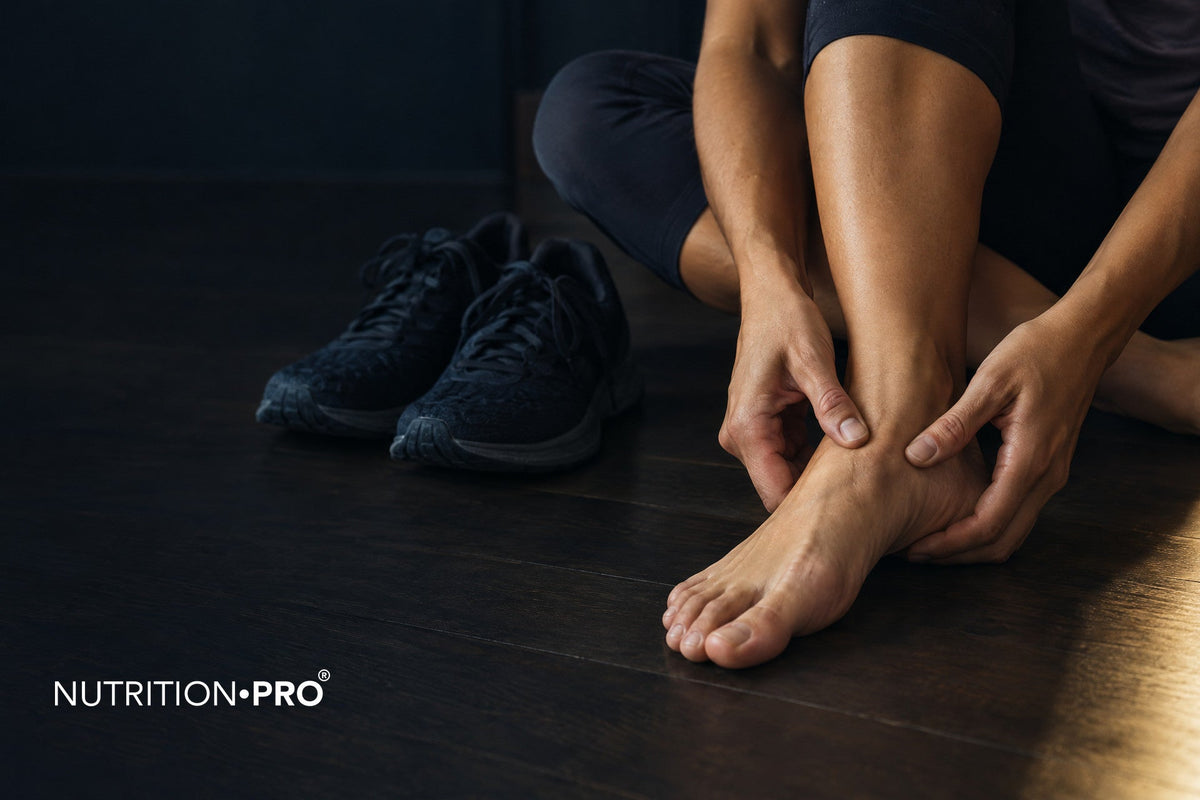
The first step in the morning awakens a sharp pain under the heel, like a point driven into the bone, then it fades with walking and returns after prolonged standing or after a running session: this is the signature of plantar fasciitis, also called plantar aponeurosis. It affects 4 to 7% of the population and accounts for approximately 8% of running-related injuries.
This guide brings together what studies identified via PubMed show: symptoms, risk factors, natural progression, and then treatments evaluated by trials, from stretching to shock waves, from insoles to injections and surgery. A care program and return-to-running protocol concludes the article.

The basics : specific plantar fascia stretching performed significantly better than radial shock waves for first-step pain in patients seen early, taping slightly better than placebo treatment; combined with advice to reduce heel load, they form the foundation of care, to be maintained for 4 to 6 weeks. Heel lifts and insoles provide modest relief, and calf strengthening or massage can complement treatment.
If pain persists : shock waves have the best evidence, with 69.2% pain reduction versus 34.5% under placebo in a 250-patient trial. Corticosteroid injection mainly relieves pain in the first month, PRP appears more durable, and surgery is considered after more than a year. Healing is slow but frequent: 82 out of 100 patients were healed after an average of 47 months in a non-surgical treatment series.
- Plantar fasciitis or aponeurosis: what are we talking about?
- Symptoms and diagnosis: first-step pain
- Frequency and risk factors
- How long does plantar fasciitis last?
- Specific stretching, first-line treatment
- Heavy-load strengthening
- Massaging the plantar arch and calf
- Insoles, shoes, night splints and taping
- Extracorporeal shock waves
- Injections: corticosteroids and PRP
- Weight loss and surgery
- The care program and return-to-running protocol
- Frequently asked questions
Plantar fasciitis or aponeurosis: what are we talking about?
The plantar fascia, or plantar aponeurosis, is a thick sheet of fibrous tissue stretched under the foot, from the inner surface of the calcaneus, the heel bone, to the base of the toes. It supports the arch of the foot and cushions each step. Plantar fasciitis and plantar aponeurosis refer to the same condition, pain at the insertion of this sheet under the heel. Researchers increasingly speak of fasciopathy, as with tendinopathy for tendons, the subject of our article on recurrent tendinitis.
This terminology follows what tissue studies show. In 50 patients operated on for chronic plantar fasciitis, an American team described so-called myxoid degeneration, with fiber fragmentation, without signs of inflammation: a fasciosis rather than fasciitis. On ultrasound, the fascia in painful individuals is on average 2.16 mm thicker than in controls, according to a review of 23 studies, 11 of which were pooled for this measurement, and thickness greater than 4 mm is considered characteristic of the disease.
This bony outgrowth under the heel is significantly more common on X-ray in painful individuals than in controls, with an odds ratio of 8.52 in the same review. It does not, however, explain everything: in a Danish cohort of 174 patients followed for nearly 10 years, 55.5% had one at baseline, its presence did not alter prognosis, and at follow-up 34 to 42% of patients also had one under the other heel: many have one without pain.
Symptoms and diagnosis: the pain of first steps
Pain is located under the heel, on the inner side, where the fascia attaches to the bone. It is most severe at the first steps in the morning or after prolonged sitting, decreases with walking, then returns after prolonged standing. Experts consulted for the best practices guide published in 2021 in the British Journal of Sports Medicine identify it as the most telling sign; some patients compare it to walking on broken glass.
Diagnosis is clinical: history taking, palpation of the fascia insertion, search for calf stiffness. For these experts, imaging confirms rather than establishes the diagnosis; ultrasound measures fascia thickness and searches for a tear. Other causes must be ruled out: contusion of the fatty pad after trauma, bone pain, searched by compressing the heel on the sides, nerve damage, neighboring tendinopathy or inflammatory disease, especially when both heels are affected.
Pain that appeared after a fall or trauma, a swollen, warm or red heel, fever, tingling, burning or numbness in the foot, pain that wakes you at night or persists at rest, pain in both heels associated with back pain or other joint pain: these situations are outside the typical picture and require medical examination.
Frequency and risk factors
In the medical records of 1.9 million Dutch people, incidence reaches 3.83 new cases per 1,000 patients per year (4.64 in women, 2.98 in men). In runners, a review of 8 studies and 3,500 runners ranks it among the three most common injuries (incidence of 4.5 to 10%), along with tibial "shin splints" and Achilles tendinopathy. Over a lifetime, 7 to 10% of the population will suffer from it. Experts from the 2021 guide describe two typical profiles: the overweight person standing 7 to 8 hours a day at work, and the lean runner who does too much, too fast.
In 50 patients compared to 100 controls of the same age and sex, zero or negative ankle dorsiflexion with knee straight (a foot that does not rise beyond a right angle) was associated with an odds ratio of 23.3 compared to flexion of more than 10 degrees. A body mass index greater than 30 was associated with a ratio of 5.6 compared to 25 or less, and spending most of one's workday standing with a ratio of 3.6: three independent factors.
Riddle DL, Pulisic M, Pidcoe P, Johnson RE. J Bone Joint Surg Am 2003;85(5):872-877. DOI: 10.2106/00004623-200305000-00015
Weight consistently emerges: a meta-analysis of 51 studies found an odds ratio of 3.7 for a body mass index greater than 27, the only clinical factor confirmed when studies are pooled, with a stronger association in non-athletes. It emphasizes, however, the lack of evidence supporting several commonly held beliefs about foot shape and mechanics.
These figures come from observational studies, mainly case-control: they describe an association, not a cause. An odds ratio of 3.7 means the odds of having an elevated body mass index is 3.7 times higher in affected individuals than in controls.
For the runner, our guides for preparing a marathon or a trail race detail the building of a progressive training plan.
How long does plantar fasciitis last?
Plantar fasciitis most often heals, but slowly. In an American series of 100 patients treated without surgery and contacted again after an average of 47 months, 82 had no symptoms, 15 retained mild discomfort without limitation, and 3 remained limited, all with bilateral involvement. Overweight, bilateral heel involvement, and late consultation were associated with more persistent symptoms.
Among 174 Danish patients followed for severe plantar fasciitis, of whom 93% had received an injection, the risk of still having symptoms was 80.5% one year after pain onset, 50% after 5 years, and 44% after 15 years. Remaining symptoms were most often mild, around 2.8 out of 10 when running. For every 100 men healed each year, only 49 women were, and patients with both heels affected healed three times more slowly.
Hansen L, Krogh TP, Ellingsen T, et al. Orthop J Sports Med 2018;6(3):2325967118757983. DOI: 10.1177/2325967118757983
This cohort brings together difficult cases seen in a specialized center and does not represent all patients, its authors caution. They note that relapses are frequent, with 31.9% of healed patients experiencing at least one, and that involvement of both heels may indicate an inflammatory disease. In a more recent Danish trial of 180 patients, the foot pain score improved from approximately 45 to 80 out of 100 in one year in all three groups, including with simple advice and a heel cup.
Specific stretching, first-line treatment
The 2021 best practice guideline reviewed 51 high-quality trials, involving 4,351 participants, compared against the input of 14 experts and 40 patients. It places at the heart of treatment, along with patient-tailored education, specific stretching of the plantar fascia, substantially superior to radial shock waves for initial step pain in the short term in early-presenting patients (effect size 1.21), and taping, superior to sham treatment (0.47), knowing that by convention 0.2 designates a small effect, 0.5 a medium effect, and 0.8 a large effect. Calf stretching alone showed no independent effect.
Among 101 patients suffering for at least 10 months, 8 weeks of specific plantar fascia stretching, performed seated, reduced severe pain and morning first-step pain more than weight-bearing Achilles tendon stretching, with less limitation and greater satisfaction. All also received prefabricated soft insoles and three weeks of anti-inflammatory treatment.
DiGiovanni BF, Nawoczenski DA, Lintal ME, et al. J Bone Joint Surg Am 2003;85(7):1270-1277. DOI: 10.2106/00004623-200307000-00013
The benefit lasts: two years later, after all patients adopted this stretching, 94% of the 66 patients reviewed had less pain and 77% no longer felt limited in their leisure activities. Among patients seen within the first six weeks, a 102-patient trial compared 8 weeks of specific stretching to three radial shock wave sessions: 65% were satisfied with stretching versus 29% with shock waves at two months, an advantage maintained at four months, with both groups converging at 15 months.
The technique is performed seated: cross the painful leg over the other knee, grasp the toes and pull them toward the shin until you feel the arch tighten. This can be combined with fascia and calf stretching using a towel passed under the forefoot with knee extended. In a Thai trial published in 2026, among patients practicing this stretch (10 times 30 seconds, one session per day) with sham laser, first-step pain decreased from 57 to 27 mm on a 100-point scale in three weeks, with no control group without stretching; the other group's laser provided no additional benefit.
Heavy-load strengthening
Among 48 patients with ultrasound-confirmed fasciitis, all fitted with insoles, single-leg heel raises with a rolled towel under the toes, every other day, improved foot function index by 29 more points at 3 months than daily plantar fascia stretching. At 1, 6, and 12 months, no difference appeared between groups.
Rathleff MS, Mølgaard CM, Fredberg U, et al. Scand J Med Sci Sports 2015;25(3):e292-e300. DOI: 10.1111/sms.12313
What follows calls for caution: in the Danish trial of 180 patients, adding this strengthening to advice and a heel cup did not further reduce pain at 12 weeks, and the 2021 guideline had not yet found high-quality trials on progressive strengthening.
The technique, as described in these trials: standing with the forefoot on a step or book, a rolled towel under the toes, rise onto the ball of the foot then lower slowly. Use the heaviest load possible without exceeding 8 repetitions maximum (a load lifted at most 8 times): progress to one leg, then add a weighted backpack. Perform as many sets as possible with 2 minutes rest, every other day, accepting tolerable pain, and continue for 4 weeks once results are satisfactory. Our guide to building muscle details the basics of strength training.
Strengthening supplements stretching without replacing it, and requires consistency: in the Danish trial, patients completed 71 to 74% of planned sessions.
Massaging the plantar arch and calf
Several trials tested massage as a complement to stretching. Among 69 patients, 8 sessions of deep calf muscle massage over 4 to 6 weeks, with nerve mobilization exercises and self-stretching, improved foot function more than ultrasound combined with the same stretching: +15 points versus +6. Among 60 patients, adding manual work on painful calf points to self-stretching reduced pain more and improved physical function after one month.
Myofascial release, slow deep massage, reduced pain and disability by 72.4% in 4 weeks versus 7.4% with sham ultrasound among 66 patients, and by 60.6% at 12 weeks. Among 50 patients, one foam roller session on the calf and under the plantar arch reduced pain and improved ankle flexibility immediately after, with no significant difference from a stretching session. These trials are small and short, but point in the same direction.
In these trials, apart from rollers, massage was performed by a therapist; self-massage by hand has not been evaluated. It can be practiced for a few minutes after exercise: the thumb glides along the plantar arch from heel to toes, then the hands knead the calf. To facilitate the technique, our Joint Gelwith camphor and devil's claw offers a light, non-greasy texture and a gentle warming sensation: a hazelnut-sized amount on the sensitive area, massaged in circular motions until absorbed, 1 to 2 times daily.
Insoles, shoes, night splints and taping
In a trial conducted in 15 centers among 236 patients all performing stretches, a silicone heel cup improved 95% of its group patients in 8 weeks, versus 72% with stretching alone and 68% with custom orthosis. Against sham insoles, the effect is more modest: among 135 patients, prefabricated and custom insoles improved function by 7.5 to 8.4 points on a 100-point scale at 3 months, with no effect at 12 months; a meta-analysis of 19 trials concludes a small effect on pain between 7 and 12 weeks (0.27), with no advantage for custom-made, which the 2021 guideline reserves for patients with poor progress.
Its experts recommend comfortable, cushioned shoes with a slightly higher heel than forefoot, and advise against barefoot walking and flat shoes without support. In the laboratory, among 29 affected women, a shoe with a softer polyurethane sole and 14 mm heel-to-forefoot height difference reduced peak pressure under the heel by 15% compared to a rubber-soled shoe with 4 mm difference.
Low-Dye taping, an adhesive strapping that supports the arch, reduced first-step pain by 12.3 mm on a 100-point scale in one week among 92 patients compared to sham treatment. Night splints, which maintain ankle flexion during sleep, give mixed results: one month of splint improved 88% of patients who completed a small 37-patient crossover trial, but among 40 patients suffering for an average of 25 months, adding it to exercises did not perform better than exercises alone.
| Device | Result | Study |
|---|---|---|
| Silicone heel cup and stretching, 8 weeks | 95% of patients improved, compared to 72% with stretching alone and 68% with custom orthotics | Pfeffer, 1999 |
| Prefabricated or custom insoles | +7.5 to +8.4 points of function on a scale of 100 at 3 months, nothing at 12 months | Landorf, 2006 |
| Shoe with flexible sole and 14 mm heel drop | −15% maximum pressure under the heel | Franettovich Smith, 2025 |
| Low-Dye taping, 1 week | −12.3 mm pain on first steps on a scale of 100 | Radford, 2006 |
| Night splint alone, 1 month | 88% of patients who completed the trial improved, out of 37 enrolled | Powell, 1998 |
| Night splint and exercises, 3 months | No better than exercises alone | Wheeler, 2017 |
Extracorporeal shock wave therapy
Extracorporeal shock wave therapy consists of acoustic impulses applied to the heel with a probe, in three sessions one week apart in most trials. The 2021 guideline recommends it when basic care is insufficient after 4 to 6 weeks: these are the best-supported complementary treatments, with minimal adverse effects, even though the sessions are uncomfortable.
In 250 patients with chronic plantar fasciitis, three weekly sessions of focused shock waves without local anesthesia reduced heel pain by 69.2% at 12 weeks, compared to 34.5% with placebo treatment. Only transient pain and swelling were observed, and the authors estimate the success rate between 50 and 65%.
Gollwitzer H, Saxena A, DiDomenico LA, et al. J Bone Joint Surg Am 2015;97(9):701-708. DOI: 10.2106/JBJS.M.01331
Radial shock waves produce similar results: in 245 patients, three sessions reduced pain by 72.1% compared to 44.7% with placebo at 12 weeks, with 61.0% success compared to 42.2%, and a more marked advantage at one year. Combined with stretching, they perform better than alone: in 152 patients suffering for over a year despite at least three treatments, 59% were satisfied at two months with the combination, compared to 32%, a difference that disappeared at two years. In patients seen early, conversely, stretching alone performed better.
Injections: corticosteroids and PRP
Corticosteroid heel injection remains very commonly practiced. The Cochrane review, which compiled 39 studies and 2,492 adults, concludes that it could reduce pain slightly up to one month, by 6.38 points on a scale of 100 compared to placebo or no treatment, a benefit at the threshold of what a patient perceives, then not at all between 1 and 6 months.
In 180 patients, adding calf strengthening and ultrasound-guided corticosteroid injection to advice and a silicone heel cup improved pain by 9.1 points on a scale of 100 more at 12 weeks, below the threshold of 14.1 points considered clinically important. Twice as many patients considered themselves satisfied with their condition at 12 weeks, 21 compared to 11, but at 6 and 12 months the three groups no longer differed, around 80 on a scale of 100 at one year.
Riel H, Vicenzino B, Olesen JL, et al. Br J Sports Med 2023;57(18):1180-1186. DOI: 10.1136/bjsports-2023-106948
In a series of 765 patients from the 1990s, 51 fascia ruptures were recorded, 44 of them after injection. Initial pain often disappeared, but other problems emerged, arch pain, nerve damage, stress fractures, and half of the patients retained poor or fair results after 27 months. The Cochrane review reports 2 ruptures and 3 infections among 699 injected patients, a risk probably underreported; the Danish cohort, where 93% of patients had been injected under ultrasound guidance, observed neither rupture nor fat pad atrophy.
PRP, a platelet-rich plasma prepared from the patient's blood, acts more slowly. In a double-blind trial of 115 patients, pain decreased rapidly after the corticosteroid then plateaued, whereas it decreased more gradually with PRP to end lower at one year: 84.4% of patients had improved by at least 25%, compared to 55.6% under corticosteroid. A meta-analysis of 15 studies confirms the advantage of PRP for pain from 3 months to one year, with no difference at one month, while highlighting the poor quality of many studies.
Weight loss and surgery
Weight is the factor most consistently associated with plantar fasciitis. We did not identify a randomized trial testing weight loss, but a Cleveland Clinic study provides insight: among 163 patients who underwent obesity surgery, whose body mass index dropped from 45 to 34.8 on average, 90% saw their plantar fasciitis disappear. Without a control group, this is an association, which aligns with expert opinion: less weight means less load on the fascia. Our article on calories to aim for weight loss details the calculation.
Surgery is only considered after the failure of well-conducted treatment. In 40 patients suffering for more than a year, with isolated calf stiffness, proximal lengthening of the medial gastrocnemius muscle combined with stretching was compared to stretching alone: at six years, functional score of 88.9 versus 78.6 out of 100 and pain of 2.5 versus 5.5 out of 10, excluding 7 patients who crossed over to the surgery group. According to a review of 26 studies and 978 feet, partial section of the fascia by endoscopy raises this score from 55.7 to 89.6 on average, with 8.9% of complications, including 4.2% pain recurrence.
| Treatment | What the trials show | Study |
|---|---|---|
| Focused shock waves, 3 sessions | −69.2% pain reduction at 12 weeks, compared to −34.5% under placebo | Gollwitzer, 2015 |
| Shock waves and stretching | 59% of patients satisfied at 2 months, compared to 32% without stretching | Rompe, 2015 |
| Corticosteroid injection | −6.38 points pain reduction out of 100 up to one month, no further effect after | David, 2017 |
| PRP versus corticosteroids | 84.4% of patients improved by at least 25% at one year, compared to 55.6% | Peerbooms, 2019 |
| Gastrocnemius lengthening and stretching | Score of 88.9 versus 78.6 with stretching alone, at 6 years | Riiser, 2024 |
| Fascia section by endoscopy | Score from 55.7 to 89.6 out of 100, with 8.9% of complications | Ward, 2025 |
The care program and return to running
This program covers basic care and the steps from the 2021 guide when healing is slow. Experts recommend being guided by pain, reducing training loads that aggravate it, and breaking up long periods of standing.
In the Danish cohort, almost all patients who retained symptoms had stopped running out of fear of relapse. Gradual return to activity, guided by pain levels, remains the approach supported by experts; pain that develops can also signal overall training load that is too high, as explained in our article on fatigue and overtraining.
Shockwave therapy : uncomfortable sessions, temporary pain and swelling. Corticosteroid injection : rare risk of fascia rupture, which could increase with repeated injections. Taping : side effects most often mild to moderate and brief. Surgery : 8.9% complication rate for endoscopic fascia release. If you have diabetes or inflammatory disease, consult your doctor before any treatment.
A 200 ml gel with camphor and devil's claw, with a light, non-greasy texture that provides a gentle warming sensation. A dab on the plantar arch or calf, circular massage until absorbed, 1 to 2 times daily: ideal for massaging areas used during exercise.
View the Joint GelOur article on joint pain reviews its causes and studied solutions.
Frequently asked questions
Plantar fasciitis and plantar aponeurosis inflammation: what's the difference?
None: both terms refer to the same condition affecting the plantar fascia, or plantar aponeurosis, under the heel. Researchers also use the term fasciopathy, because the tissue degenerates rather than becoming inflamed.
What is the most effective treatment for plantar fasciitis?
First, specific plantar fascia stretching, taping, and advice to reduce load on the heel for 4 to 6 weeks. If pain persists, shockwave therapy has the best evidence. Corticosteroid injections mainly provide short-term relief, and surgery remains a last resort.
How long does plantar fasciitis last?
Often several months. In a series of 100 patients treated without surgery, 82 were healed after an average of 47 months. In a cohort of severe cases, the risk of persistent symptoms was 80.5% at one year and 50% at 5 years, most often mild. Healing is slower in women and when both heels are affected.
What causes plantar fasciitis?
Repeated overload of the plantar fascia. Studies link it to limited ankle flexion, overweight, and prolonged standing at work, and experts add that in runners, load increased too quickly. These are associations, not proven causes.
What exercises help treat plantar fasciitis?
First, specific plantar fascia stretching daily: sitting down, pull your toes toward your shin. In a trial of 101 patients, it performed better than Achilles tendon stretching for first-step pain. Slow, heavy calf raises every other day accelerated progress at 3 months in another trial.
What insoles and shoes for plantar fasciitis?
A silicone heel cup is a simple option: combined with stretching, it improved 95% of patients in its group in 8 weeks, versus 72% with stretching alone, in a trial of 236 patients, and custom-made does not outperform prefabricated. Experts recommend cushioned shoes with a slightly higher heel than forefoot, and avoiding barefoot walking.
Can you run with plantar fasciitis?
Yes, by adapting your load and guiding yourself by pain, as experts recommend: reduce the volume that worsens symptoms, then increase it in stages. Practical marker: first-step pain the next morning should not increase.
Are shockwave treatments effective for plantar fasciitis?
Yes, for established pain: in a trial of 250 patients, three focused shockwave sessions reduced pain by 69.2% at 12 weeks, versus 34.5% under placebo. They are offered when basic care is insufficient after 4 to 6 weeks.
Is corticosteroid injection effective against plantar fasciitis?
It mainly provides short-term relief: according to the Cochrane review, pain decreases slightly up to one month, then the difference disappears. It carries a rare risk of fascia rupture. PRP, slower to act, gave better results at one year in several trials.
Are there home remedies for plantar fasciitis?
Some simple measures have been tested: stretching the arch daily and wearing a heel cup. Massage by a therapist, especially of the calf, gave encouraging results in small trials. Experts also recommend avoiding barefoot walking.
What to do when plantar fasciitis does not heal?
Have the diagnosis verified, then return to basics rigorously. Shockwave therapy combined with stretching satisfied 59% of patients who had already tried at least three treatments. As a last resort, after more than one year, surgical lengthening of the gastrocnemius muscle, combined with stretching, performed better than stretching alone at 6 years in 40 patients with tight calves.
Sources
The studies cited below were identified via PubMed.
- Lemont H, Ammirati KM, Usen N. Plantar fasciitis: a degenerative process (fasciosis) without inflammation. Journal of the American Podiatric Medical Association, 2003;93(3):234-237. DOI
- McMillan AM, Landorf KB, Barrett JT, et al. Diagnostic imaging of chronic plantar heel pain: systematic review and meta-analysis. Journal of Foot and Ankle Research, 2009;2:32. DOI
- Hansen L, Krogh TP, Ellingsen T, et al. Long-term prognosis of plantar fasciitis: 5 to 15 year follow-up of 174 patients with ultrasound examination. Orthopaedic Journal of Sports Medicine, 2018;6(3):2325967118757983. DOI
- Morrissey D, Cotchett M, Said J'Bari A, et al. Management of plantar heel pain: best practice guidance based on systematic review, expert opinion and patient values. British Journal of Sports Medicine, 2021;55(19):1106-1118. DOI
- Rasenberg N, Bierma-Zeinstra SM, Bindels PJ, et al. Incidence, prevalence and management of plantar heel pain: retrospective cohort study in general practice in the Netherlands. The British Journal of General Practice, 2019;69(688):e801-e808. DOI
- Lopes AD, Hespanhol Júnior LC, Yeung SS, Costa LO. What are the main musculoskeletal injuries related to running? A systematic review. Sports Medicine, 2012;42(10):891-905. DOI
- Riddle DL, Pulisic M, Pidcoe P, Johnson RE. Risk factors for plantar fasciitis: a matched case-control study. The Journal of Bone and Joint Surgery. American Volume, 2003;85(5):872-877. DOI
- van Leeuwen KDB, Rogers J, Winzenberg T, van Middelkoop M. A higher body mass index is associated with plantar fasciopathy: systematic review and meta-analysis of various clinical and imaging risk factors. British Journal of Sports Medicine, 2016;50(16):972-981. DOI
- Wolgin M, Cook C, Graham C, Mauldin D. Conservative treatment of plantar heel pain: long-term follow-up. Foot and Ankle International, 1994;15(3):97-102. DOI
- Riel H, Vicenzino B, Olesen JL, et al. Does corticosteroid injection combined with exercise, or exercise alone, add to the effect of advice and a heel lift in plantar fasciopathy? A randomized clinical trial. British Journal of Sports Medicine, 2023;57(18):1180-1186. DOI
- DiGiovanni BF, Nawoczenski DA, Lintal ME, et al. Specific plantar fascia stretching improves outcomes in patients with chronic heel pain: a prospective randomized study. The Journal of Bone and Joint Surgery. American Volume, 2003;85(7):1270-1277. DOI
- DiGiovanni BF, Nawoczenski DA, Malay DP, et al. Specific plantar fascia stretching improves outcomes in chronic plantar fasciitis: a prospective clinical trial with two-year follow-up. The Journal of Bone and Joint Surgery. American Volume, 2006;88(8):1775-1781. DOI
- Rompe JD, Cacchio A, Weil L, et al. Specific plantar fascia stretching versus radial shock waves as initial treatment of plantar fasciopathy. The Journal of Bone and Joint Surgery. American Volume, 2010;92(15):2514-2522. DOI
- Jitpimolmard N, Ouemphancharoen P, Arayawichanon P. Efficacy of high-intensity laser combined with plantar fascia stretching in plantar fasciitis: a randomized double-blind trial versus sham treatment. JMIR Rehabilitation and Assistive Technologies, 2026;13:e77419. DOI
- Rathleff MS, Mølgaard CM, Fredberg U, et al. Heavy load strengthening improves outcomes in patients with plantar fasciitis: a randomized controlled trial with 12-month follow-up. Scandinavian Journal of Medicine and Science in Sports, 2015;25(3):e292-e300. DOI
- Saban B, Deutscher D, Ziv T. Deep massage of the posterior calf muscles combined with nerve mobilization exercises in the treatment of heel pain: a pilot randomized clinical trial. Manual Therapy, 2014;19(2):102-108. DOI
- Renan-Ordine R, Alburquerque-Sendín F, de Souza DPR, et al. Efficacy of manual therapy of myofascial trigger points combined with a self-stretching protocol in plantar heel pain: a randomized controlled trial. The Journal of Orthopaedic and Sports Physical Therapy, 2011;41(2):43-50. DOI
- Ajimsha MS, Binsu D, Chithra S. Efficacy of myofascial release in the management of plantar heel pain: a randomized controlled trial. The Foot, 2014;24(2):66-71. DOI
- Ranbhor AR, Prabhakar AJ, Eapen C. Immediate effect of foam rolling on pain and ankle range of motion in patients with plantar fasciitis: a randomized controlled trial. Hong Kong Physiotherapy Journal, 2021;41(1):25-33. DOI
- Pfeffer G, Bacchetti P, Deland J, et al. Comparison of custom-made and prefabricated orthotics in the initial treatment of proximal plantar fasciitis. Foot and Ankle International, 1999;20(4):214-221. DOI
- Landorf KB, Keenan AM, Herbert RD. Efficacy of foot orthotics in the treatment of plantar fasciitis: a randomized trial. Archives of Internal Medicine, 2006;166(12):1305-1310. DOI
- Whittaker GA, Munteanu SE, Menz HB, et al. Foot orthotics and plantar heel pain: a systematic review and meta-analysis. British Journal of Sports Medicine, 2018;52(5):322-328. DOI
- Franettovich Smith MM, van den Hoorn W, van den Hoek A, et al. Immediate effects of shoe design on plantar pressures, impact forces, and comfort in women with plantar heel pain. Journal of Foot and Ankle Research, 2025;18(2):e70055. DOI
- Radford JA, Landorf KB, Buchbinder R, Cook C. Efficacy of low-Dye taping in the short-term treatment of plantar heel pain: a randomized trial. BMC Musculoskeletal Disorders, 2006;7:64. DOI
- Powell M, Post WR, Keener J, Wearden S. Effective treatment of chronic plantar fasciitis with dorsiflexion night splints: a randomized prospective crossover study. Foot and Ankle International, 1998;19(1):10-18. DOI
- Wheeler PC. Adding a night splint to home rehabilitation provides no significant benefit in chronic plantar fasciitis: a randomized single-blind trial. BMJ Open Sport and Exercise Medicine, 2017;3(1):e000234. DOI
- Gollwitzer H, Saxena A, DiDomenico LA, et al. Clinically relevant efficacy of focused extracorporeal shock wave therapy in the treatment of chronic plantar fasciitis: a randomized controlled multicenter study. The Journal of Bone and Joint Surgery. American Volume, 2015;97(9):701-708. DOI
- Gerdesmeyer L, Frey C, Vester J, et al. Radial shock waves are safe and effective in resistant chronic plantar fasciitis: a randomized multicenter confirmation study versus placebo. The American Journal of Sports Medicine, 2008;36(11):2100-2109. DOI
- Rompe JD, Furia J, Cacchio A, et al. Radial shock waves alone are less effective than when combined with specific plantar fascia stretching in patients with chronic heel pain. International Journal of Surgery, 2015;24(Pt B):135-142. DOI
- David JA, Sankarapandian V, Christopher PR, et al. Corticosteroid injections in the treatment of heel pain in adults. The Cochrane Database of Systematic Reviews, 2017;6(6):CD009348. DOI
- Acevedo JI, Beskin JL. Complications of plantar fascia ruptures associated with corticosteroid injections. Foot and Ankle International, 1998;19(2):91-97. DOI
- Peerbooms JC, Lodder P, den Oudsten BL, et al. Beneficial effect of platelet-rich plasma on pain in plantar fasciitis: a randomized controlled double-blind multicenter trial. The American Journal of Sports Medicine, 2019;47(13):3238-3246. DOI
- Hohmann E, Tetsworth K, Glatt V. Platelet-rich plasma versus corticosteroids in the treatment of plantar fasciitis: a systematic review and meta-analysis. The American Journal of Sports Medicine, 2021;49(5):1381-1393. DOI
- Boules M, Batayyah E, Froylich D, et al. Effect of surgical weight loss on plantar fasciitis and healthcare utilization. Journal of the American Podiatric Medical Association, 2018;108(6):442-448. DOI
- Riiser MO, Husebye EE, Hellesnes J, Molund M. Six-year outcomes of medial gastrocnemius lengthening combined with stretching versus stretching alone in chronic plantar fasciitis. Foot and Ankle International, 2024;45(1):1-9. DOI
- Ward L, Mercer NP, Azam MT, et al. Results of endoscopic treatment of plantar fasciitis: a systematic review. Foot and Ankle Specialist, 2025;18(2):193-201. DOI


