

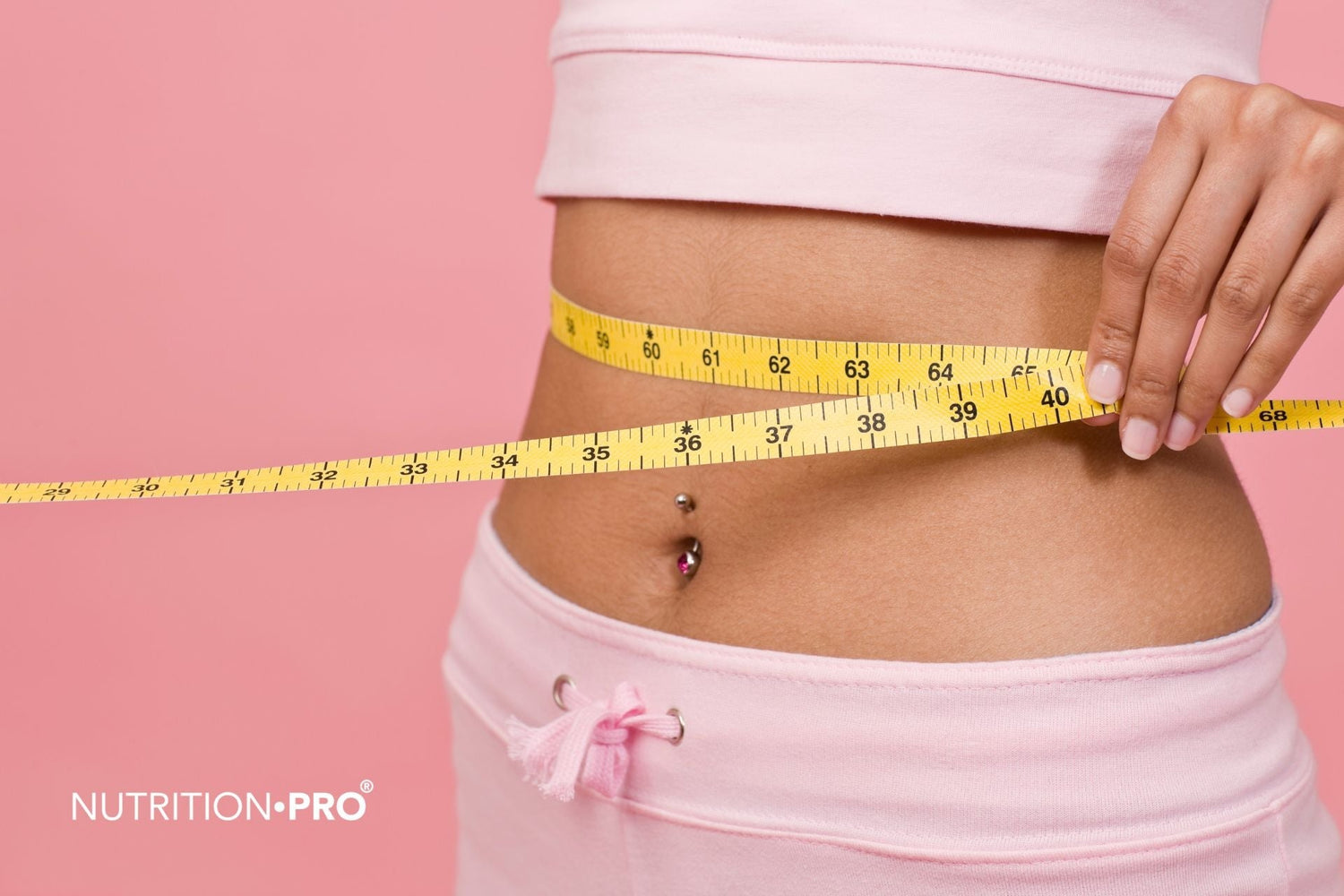
"To lose weight, you have to exercise." It's one of the most persistent beliefs—and one of the most discouraging for those lacking time, motivation, or mobility. Good news: science says otherwise. Weight loss is primarily determined by what's on your plate, and exercise, however beneficial for overall health, is not its main driver.
This comprehensive guide sets the record straight with evidence: why you can lose weight without exercise, why nutrition takes priority, which levers actually work (and which are overrated), how to manage hunger—the #1 key—the real role of supplements (without magic promises), and why weight loss slows over time. All without extreme dieting or guilt.

Green tea, guarana, L-carnitine, piperine, capsaicin, kola nut and chromium. A formula that supports metabolism, as part of adapted nutrition (and not as a replacement for it).
Yes, you can lose weight without exercise: weight loss is primarily based on caloric deficit, which means nutrition (Hall, Gastroenterology, 2017). Exercise alone results in only about 2 kg of weight loss on average and mainly serves overall health and weight maintenance (Swift, Prog Cardiovasc Dis, 2014). Levers that work without exercise: a gentle deficit, more protein and fiber for satiety (Kerksick, J Int Soc Sports Nutr, 2017; Brum, Appetite, 2016), and daily activity or NEAT (Müller, Curr Obes Rep, 2016). Supplements can help with satiety or metabolism, but never replace proper nutrition. Realistic pace: 0.5 to 1 kg per week.
- Can you really lose weight without exercise?
- Why nutrition trumps exercise
- The levers that work without exercise
- The #1 key: managing hunger
- Moving without "exercising": NEAT
- Supplements that can help (without miracles)
- Why weight loss slows: metabolism adapts
- A typical week without exercise
- The mistakes that sabotage results
- Which approach based on your profile?
- Frequently asked questions
1. Can you really lose weight without exercise?
The answer is clear: yes, you can lose weight without exercise. This may be surprising, given how widespread the opposite message is, but this is what the data shows. Weight loss follows a simple principle, the energy balance: you lose weight when you expend more energy than you consume (Hall, Gastroenterology, 2017). Yet what weighs most heavily in this equation isfood intake, much easier to reduce than expenditure is to increase.
Exercise, meanwhile, has a more modest effect on the scale than commonly believed. A landmark review concludes that, unless exercise volume is very high, physical activity causes only modest weight loss, averaging around 2 kg (Swift, Prog Cardiovasc Dis, 2014). This does not mean exercise is useless, quite the opposite: it is excellent for cardiovascular health, mood, and maintaining lost weight. But to lose weight, it's your plate that decides.
2. Why diet trumps exercise
Imagine: a pastry or a few squares of chocolate quickly represent 250 to 300 calories. To "burn" them through exercise, you would often need nearly an hour of brisk walking. Conversely, not consuming them takes zero minutes and zero physical effort. This is the whole logic of caloric deficit : it is far more effective to act on the input than on the output.
This is why relying solely on exercise often disappoints: lots of effort, little results on the scale, and sometimes increased hunger that cancels out the expenditure. The winning strategy without exercise therefore consists of creating a gentle and sustainable caloric deficit through diet, then protecting it by managing hunger. To structure a comprehensive approach, our guide lose weight sustainably details the method step by step.
3. The levers that work without exercise
Here are the truly useful levers when you don't exercise, ranked by impact. No need to do everything at once: start with the first two, the most powerful.
A gentle caloric deficit
The engine of weight loss.
Slightly reducing intake (portions, sugary drinks, snacking) is enough to trigger loss, without drastic dieting (Hall, Gastroenterology, 2017).
More protein
Satiety and muscle maintenance.
Protein is more satiating and helps preserve muscle mass during weight loss (Kerksick, J Int Soc Sports Nutr, 2017).
More fiber
Natural appetite suppressant.
Fiber prolongs satiety and reduces hunger between meals (Brum, Appetite, 2016).
Daily activity (NEAT)
Move without doing sport.
Walking, stairs, standing: non-exercise energy expenditure truly weighs in the balance (Müller, Curr Obes Rep, 2016).
Hydration
A simple reflex.
Drinking water helps distinguish hunger from thirst and limit caloric beverages.
Sleep
Useful, without being magical.
Sleep deprivation disrupts appetite, but its direct effect on weight remains uncertain in trials (Yu, Sleep Breath, 2019).
4. Key #1: managing hunger
This is the crux of the matter. The main reason for failing at a weight loss approach is not lack of exercise, it's hunger, which causes people to crack and give up. Good news: you can control it without iron willpower, by adjusting your meal composition.
- Protein first : eggs, fish, lean meat, legumes, dairy products. They are the most satiating and protect muscle (Kerksick, J Int Soc Sports Nutr, 2017).
- Fiber next : vegetables, fruits, whole grains, and if needed a dedicated fiber like psyllium, which forms a satiating gel in the stomach (Brum, Appetite, 2016).
- Volume : foods rich in water and fiber fill the stomach for few calories.
This is precisely where certain natural aids find their place, in support of satiety. We'll get to that, and our dedicated guide natural appetite suppressant compares the options.
A 6-in-1 formula (green tea, guarana, chromium…) to support your metabolism alongside proper nutrition. Never in place of a balanced meal.
Discover ActifMinceur →5. Move without "doing sport": NEAT
There is a way to increase your energy expenditure without "doing sport": NEAT, that is, thermogenesis related to non-exercise activities. Walking to get around, taking the stairs, gardening, doing housework, standing rather than sitting: all these micro-expenditures add up and weigh in the daily energy balance (Müller, Curr Obes Rep, 2016).
The advantage is twofold: accessible to everyone, with no constraints or equipment, and it integrates into daily life without thinking about it. A few high-yield habits:
- Walk whenever possible, aim for a daily step goal and increase it gradually.
- Take the stairs instead of the elevator.
- Get off one stop earlier, park further away.
- Get up regularly when working seated, take phone calls standing.
Daily walking is arguably the best "non-sport" there is: gentle, sustainable, and effective as a complement to your diet.
6. Supplements that can help (without miracles)
Let's be clear from the start: no supplement replaces appropriate nutrition, and none will "melt away" fat on its own. On the other hand, some can support your approach, especially on the critical point without exercise: satiety. Here's an honest overview.
| Support | What it does | What it doesn't do |
|---|---|---|
| Konjac (glucomannan) | Swells in the stomach and supports satiety; glucomannan benefits from an EFSA claim for weight loss support as part of a calorie-restricted diet (3 g/day). | Does not eliminate the need to reduce calorie intake. |
| Psyllium | Soluble fiber that prolongs satiety, supports digestive transit and cholesterol levels (Brum, Appetite, 2016). | Does not directly act on fat. |
| Green tea and guarana (caffeine) | Support metabolism and alertness; actual effect on weight but modest (Tabrizi, Crit Rev Food Sci Nutr, 2018). | No "weight loss" claim recognized by EFSA. |
| Drainage agent | Acts on water retention and comfort. | Does not cause loss of body fat (it's water). |
To explore each avenue further: our guides guarana and weight loss, green tea and weight loss and blonde psyllium detail what science says, without exaggeration. Combined formulas like ActifMinceur bring together several of these active ingredients in a single product, to support appropriate nutrition.
7. Why weight loss slows: your metabolism adapts
Many become discouraged when weight loss slows after a few weeks. This is a normal and well-documented phenomenon: adaptive thermogenesis. Faced with a deficit, the body lowers its energy expenditure to preserve its reserves, as if defending an equilibrium point (Müller, Curr Obes Rep, 2016).
The wrong response would be to keep cutting calories further, at the risk of giving up or losing muscle. The right responses are those we've already covered: maintain high protein to protect muscle (and therefore metabolism), maintain NEAT, and accept that weight loss happens in stages. Patience and consistency beat intensity.
8. A typical week without exercise
9. The mistakes that sabotage your efforts
Several mistakes can completely undo your efforts, or worse, promote weight regain:
- Extreme diets : too restrictive, they cause muscle loss, intensify metabolic adaptation and almost always end in yo-yo effect.
- Skipping meals : this often triggers uncontrollable hunger and compensations later in the day.
- Betting everything on a supplement : no product can compensate for an unbalanced diet. Aids are supports, not solutions.
- Drinking your calories : sodas, juices, sugary drinks and alcohol add up without satisfying you.
- Weighing yourself every day : weight fluctuates (water, digestion); weekly tracking is more accurate and less discouraging.
10. Which approach for your profile?
Select what applies to you best: your priority path displays instantly. This is a guideline, not medical advice.
Load your meals with protein and fiber, and rely on a satiety aid like konjac or psyllium. Also see our natural appetite suppressant.
Priority: NEAT
Priority: comfort A draining agent works on water retention and bloating sensation (but not on fat mass). To be combined with appropriate nutrition. See the.
Frequently Asked Questions
Can you really lose weight without exercising?
Yes. Weight loss depends first and foremost on a caloric deficit, that is, on diet, far more than on exercise (Hall, Gastroenterology, 2017). Exercise alone produces only modest weight loss, approximately 2 kg on average, and serves mainly for health and maintenance (Swift, Prog Cardiovasc Dis, 2014). You can therefore lose weight without exercise by focusing on what you eat.
How long does it take to lose weight without exercise?
Regular and sustainable weight loss is around 0.5 to 1 kg per week, or 2 to 4 kg per month, with a moderate caloric deficit. Going faster exposes you to weight regain and muscle loss. Consistency trumps speed.
Can you lose weight just by walking?
Walking and daily activity (NEAT) truly increase energy expenditure and facilitate a caloric deficit (Müller, Curr Obes Rep, 2016). Combined with appropriate nutrition, walking is an excellent tool without "doing exercise," but it works mainly as a complement to your diet.
Can you lose weight without changing your diet at all?
That's unrealistic. Since weight loss relies on a caloric deficit, some dietary adjustment is almost always necessary. The good news: it can be gentle and gradual (portions, protein, fiber) rather than a drastic diet.
What is the most important lever for losing weight without exercise?
Managing hunger. Increasing protein and fiber prolongs satiety and reduces intake without frustration (Kerksick, J Int Soc Sports Nutr, 2017; Brum, Appetite, 2016). This is the number one lever when you're not relying on exercise.
Do supplements cause weight loss without exercise?
No supplement causes weight loss on its own. Some support the approach by promoting satiety (konjac, psyllium) or supporting metabolism (caffeine from green tea and guarana, modest effect: Tabrizi, Crit Rev Food Sci Nutr, 2018). These are aids to a deficit, never substitutes for appropriate nutrition.
Why can't I lose weight anymore even though I'm being careful?
Because your body adapts: when there's a deficit, it reduces its energy expenditure to defend its weight, creating plateaus (Müller, Curr Obes Rep, 2016). The solution isn't to eat less all the time, but to adjust (protein, NEAT, sleep) and be patient.
Does lack of sleep cause weight gain?
Observational studies link lack of sleep to weight gain, but controlled trials don't confirm a clear effect on weight (Yu, Sleep Breath, 2019). Getting good sleep remains helpful for better appetite regulation, without being a miracle solution.
- Caloric deficit
- A state where you expend more energy than you consume; this is the condition for weight loss.
- Energy balance
- The difference between calories consumed and calories expended over a period of time.
- NEAT
- Energy expended through daily activities outside of exercise: walking, stairs, housework, standing.
- Adaptive thermogenesis
- Reduction in energy expenditure in response to weight loss, which helps the body defend its weight and explains plateaus.
- Satiety
- The sensation of fullness that reduces food intake; promoted by protein and fiber.
- Basal metabolism
- Energy expended at rest for vital functions; partly linked to muscle mass.
- Hall KD, et al. Energy balance and its components: implications for body weight regulation. Gastroenterology 2017;152(7):1718-1727. DOI : 10.1053/j.gastro.2017.01.052
- Swift DL, et al. The role of exercise and physical activity in weight loss and maintenance. Prog Cardiovasc Dis 2014;56(4):441-447. DOI : 10.1016/j.pcad.2013.09.012
- Kerksick CM, et al. International Society of Sports Nutrition position stand: nutrient timing. J Int Soc Sports Nutr 2017;14:33. DOI : 10.1186/s12970-017-0189-4
- Brum JM, et al. Satiety effects of psyllium in healthy volunteers. Appetite 2016;105:27-36. DOI : 10.1016/j.appet.2016.04.041
- Müller MJ, Enderle J, Bosy-Westphal A. Changes in energy expenditure with weight gain and weight loss in humans. Curr Obes Rep 2016;5(4):413-423. DOI : 10.1007/s13679-016-0237-4
- Yu H, et al. Experimental sleep restriction effect on adult body weight: a meta-analysis. Sleep Breath 2019;23(4):1341-1350. DOI : 10.1007/s11325-019-01828-0
- Tabrizi R, et al. The effects of caffeine intake on weight loss: a systematic review and dose-response meta-analysis. Crit Rev Food Sci Nutr 2018. DOI : 10.1080/10408398.2018.1507996


