

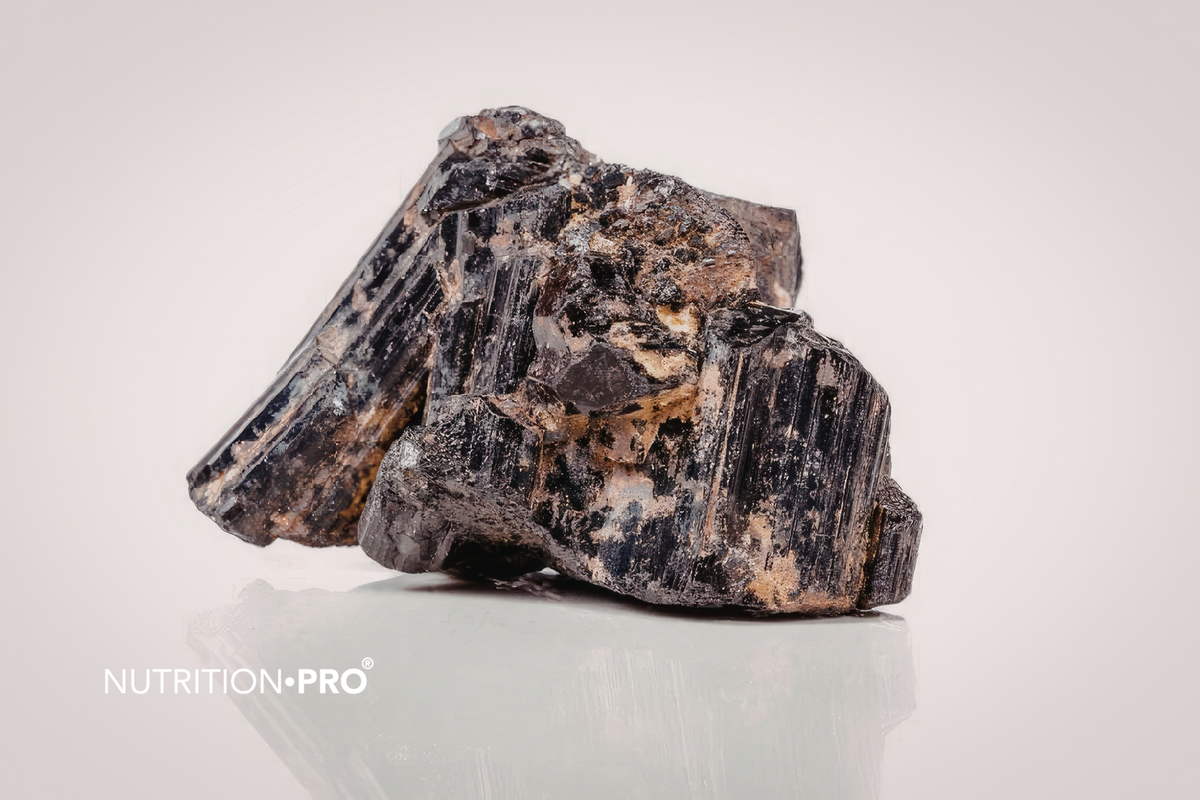
How much does shilajit really cost, and where to buy it without getting scammed? The French market makes the question legitimate: according to our market study published in 2026, prices recorded in August 2026 range from €0.83 to €2.70 per gram depending on the brand, a spread of 1 to 3.2 for what is presented as the same product. More troubling: of 13 brands analyzed, only 2 published a viewable certificate of analysis, and 85% sold without any proof. This guide gives you the actual price ranges by format, the right reflex for price per gram, a comparison of purchasing channels (brand website, pharmacy, marketplaces), the five market pitfalls, and the method for reading a certificate. For benefits and usage, see our complete shilajit guide.
The prices (recorded August 2026): resin €25 to €67 for 30 g, capsules €12 to €36 per box, entry-level gummies. Per gram: €0.83 to €2.70/g, spread of 1 to 3.2 between brands. The two thresholds: caution below €12 (difficult to fund purification, testing and traceability at this price), marketing beyond €50 per 30 g (the markup buys storytelling, not proof).
Where to buy: brand's official website (maximum traceability) or pharmacy (controlled listing; our shilajit is distributed there via Redcare). Marketplaces: beware of counterfeits, verify seller identity. The criterion that sets everything apart: the viewable certificate of analysis before purchase, published by only 2 brands out of 13 in August 2026, including Nutrition•pro with its Eurofins certificates.
- How much does shilajit really cost in 2026
- The right approach: convert everything to price per gram
- Two warning thresholds: caution below €12, marketing above €50
- Where to buy: brand website, pharmacy, marketplaces
- Shilajit in pharmacies: what you need to know
- The 5 market pitfalls to avoid
- How to read a certificate of analysis
- What about organic shilajit?
How much does shilajit really cost in 2026
ACCORDING TO BRANDS (AUGUST 2026)
First finding from our 2026 market study : there is no "one" price for shilajit, but a spectacularly wide range for products presented in nearly identical ways. The price ranges recorded in August 2026:
| Format | Price range recorded (August 2026) | Per gram benchmark |
|---|---|---|
| Pure resin (30 g container) | €25 to €67 | €0.83 to €2.23/g |
| Capsules (box) | €12 to €36 | Variable depending on extract per capsule, up to €2.70/g equivalent |
| Liquid (bottle) | Mid-range | To be calculated based on dissolved resin weight |
| Gummies | Entry-level | Often low dosage, misleading price per gram |
All forms combined, the market ranges from €0.83 to €2.70 per gram, a ratio of 1 to 3.2 between entry-level and premium products. And the most important thing is not this gap, but what it fails to cover: proven quality. Of the 13 brands surveyed, only 2 published a consultable analysis certificate. In other words, 85% of the market asks customers to pay between €25 and €67 per jar based solely on packaging.
The right reflex: reduce everything to price per gram
A jar at €32 and a jar at €45: which is cheaper? Impossible to say without one piece of information: the weight. The first might be 20 g (€1.50/g) and the second 40 g (€1.12/g). List price compares nothing; price per gram compares everything.
The method, in three cases:
- Resin : price ÷ grams in the jar. A 30 g jar at €39.99 = €1.33/g
- Capsules : add the weight of resin or extract per capsule (indicated on the label) × number of capsules, then divide the price by this total. A box without this per-capsule information is already a red flag for opacity
- Liquid : convert to the weight of dissolved resin announced per bottle
This reflex disarms the two classic illusions in the aisle: the "bargain price" that hides a small quantity, and the large premium jar whose price per gram is actually reasonable. It also allows you to compare different formats against each other, which marketing carefully avoids doing on your behalf.
Two thresholds: caution below €12, marketing beyond €50
The lower threshold: below €12 per jar or box, be cautious. Properly purified resin (raw shilajit is harvested loaded with impurities), analyzed batch by batch by a third-party laboratory and traced to its harvest zone has an unavoidable cost. Below this threshold, something has necessarily been cut from the chain: purification, analysis, or the material itself. A slashed price without a consultable certificate is not a bargain, it's a gamble.
The upper threshold: beyond €50 per 30 g, you're paying for the story. Beyond this level (surveyed August 2026), the extra cost rarely finances measurable additional quality: it finances packaging, altitude storytelling and exclusivity claims. The proof is in the study's figures: high price does not systematically come with a published certificate. Paying more doesn't buy proof.
Between the two, the zone €1 to €1.80 per gram concentrates products that fund seriousness without charging for myth. That's where the comparison should happen, certificate in hand.
Where to buy: brand website, pharmacy, marketplaces
| Channel | Traceability | Price | Vigilance |
|---|---|---|---|
| Official brand website | Maximum: direct circuit, identified batches, accessible certificates | Often the best, without distribution markup | Verify that the brand publishes its analyses |
| Pharmacy (physical and online) | High: controlled referencing, structured circuit | Comparable, sometimes slightly higher | Variable availability depending on pharmacies |
| Marketplaces | Variable: entirely dependent on the seller | Attractive in appearance | Real risk of counterfeiting: verify the seller's identity |
The point that deserves to be stated frankly: the marketplaces are not to be banned, but they shift the responsibility of verification onto you. The same product can be sold on them by the brand itself, by an authorized distributor, or by an opaque third-party seller offloading who knows what. Shilajit, a successful product, is among documented counterfeiting targets. Before buying on a marketplace: exact seller identity, correspondence with the brand, access to the batch certificate. At the slightest doubt, switch to the direct circuit or pharmacy.
Shilajit in pharmacy: what you need to know
"Shilajit pharmacy" is one of the most frequent searches on the subject, and it deserves a precise answer rather than a complacent yes. The reality on the ground: shilajit remains a niche product that not all pharmacies stock. Depending on your pharmacy, you'll find it on the shelf, by order, or not at all.
Three concrete ways to buy it through the pharmaceutical circuit:
- On the shelf, in pharmacies that have stocked a brand: then verify the same criteria as elsewhere (certificate, origin, fulvic acid content), the pharmacy channel guaranteeing the circuit, not the composition
- By order : most pharmacists can order a product stocked by their wholesalers; provide the exact name of the brand and product
- In online pharmacy : the channel that combines pharmaceutical oversight and availability. This is the channel through which Nutrition•pro shilajit is distributed, via the Redcare network, in addition to our site
The real advantage of the pharmacy channel is not a lower price (it is comparable, sometimes slightly higher), but a controlled referencing that effectively excludes opportunistic sellers from marketplaces. For those who favor this channel, it's a real filter.
The 5 market pitfalls to avoid
MAKE YOU WALK AWAY
- 1. The absence of a verifiable certificate. Trap number one, and the most widespread: 85% of the brands surveyed sold without proof. A mention of "laboratory tested" without an accessible, dated document linked to a batch proves nothing. If the certificate is not verifiable before purchase, consider it non-existent.
- 2. The fulvic acid content not displayed. This is the standardization marker for shilajit. Its absence prevents any objective comparison between products. And its counterpart is equally a trap: spectacular percentages that cannot be verified, without third-party analysis to confirm them.
- 3. Vague origin. "From the purest mountains" is not an origin. A serious brand specifies its harvesting zone and stands behind it in its traceability. Geographic vagueness almost always accompanies analytical vagueness.
- 4. False exclusivity claims. The "only true shilajit," the "unique authentic resin": these claims found on the market are factually false and signal marketing willing to do anything. Trust is earned through documents, not superlatives.
- 5. Slashed price. Below the suspicion threshold (approximately €12, recorded August 2026), the economic equation for a purified, analyzed, and traced resin doesn't add up. The discount pays for the absence of something, and you won't know what.
For the complete checklist of selection criteria beyond price, see our guide how to choose quality shilajit, and for usage precautions, our article shilajit dangers and contraindications.
How to read a certificate of analysis
The certificate of analysis (or COA) is the document that separates the 2 transparent brands from the other 11. But you need to know how to read it. The five verifications:
| Point to verify | What is expected | Alert signal |
|---|---|---|
| The laboratory | An identifiable third-party laboratory (Eurofins, for example) | "In-house" analysis or lab not found |
| The batch number | Matches the batch printed on your jar | Generic document without batch number |
| The date | Recent analysis, consistent with the batch | Recycled old certificate |
| Heavy metals | Lead, arsenic, mercury, cadmium below regulatory thresholds | Missing lines or thresholds not specified |
| Fulvic acids | Measured content, consistent with the label | Marketing percentage without measurement |
Heavy metal testing is not an administrative detail: raw shilajit is harvested in mountains laden with mineral impurities, and it is precisely the purification, attested by analysis, that makes the difference between a consumable resin and raw material. This is why we publish our Eurofins certificates, batch by batch, verifiable before purchase.
And organic shilajit?
"Organic shilajit" is a massive search term, and it rests on an understandable misconception: organic certification regulates agricultural production (crops, livestock, processing), whereas shilajit is a mineral-organic mountain exudate, neither cultivated, nor raised, nor harvested in the agricultural sense. The "organic" claims that appear on certain packaging therefore largely fall into the marketing register, playing on the mental association organic = pure.
What the consumer is looking for behind this word is legitimate: purity. And it is proven differently: through analysis of contaminants (heavy metals below thresholds), traced origin of the harvesting zone, and the measured fulvic acid content. In other words, the true "label" of shilajit is the certificate of analysis, and it alone. A green logo without a consultable COA protects less than a COA without a logo.
Which format for your profile
Once the budget and channel are chosen, there remains the format. The three options, each with its profile:


This guide covers price and purchase channels. Shilajit is a dietary supplement: for dosage, precautions, and contraindications, consult our dedicated article on dangers and contraindications before starting any first course. Third-party prices cited correspond to August 2026 surveys and may change. A dietary supplement does not replace a varied and balanced diet or a healthy lifestyle. In case of treatment or health condition, seek the advice of a healthcare professional.
Frequently asked questions about shilajit price and purchase
Price
What is the price of shilajit in 2026?
According to August 2026 surveys of 13 French brands: €0.83 to €2.70 per gram, or a range of 1 to 3.2. In practice: resin €25 to €67 for 30 g, capsules €12 to €36 per box, gummies at the entry level. The sticker price means nothing without calculating it per gram.
Why such price gaps between brands?
The 1 to 3.2 gap cannot be explained by measurable quality: only 2 brands out of 13 published a certificate, 85% sold without proof. Part of it comes down to real costs (origin, purification, analysis), another part to pure positioning. The certificate, not the price, should guide your purchase.
Is cheap shilajit necessarily bad?
Not necessarily, but below approximately €12 (August 2026 survey), caution is warranted: at that price it is difficult to cover purification, third-party analysis, and traceability. Without a consultable certificate, a low price is a warning sign, not a good deal.
Is expensive shilajit necessarily better?
No. Above approximately €50 for 30 g, the price increase is mainly marketing: packaging, storytelling, exclusivity. The surveys show that the high price is not systematically accompanied by a published certificate. Paying more does not buy you proof.
How do you calculate the price per gram?
Price ÷ grams of resin. A 30 g jar at €39.99 = €1.33/g. For capsules, convert to the weight of resin or extract per capsule indicated on the label. This is the only way to compare resin, capsules, and liquid fairly.
Where to buy
Can you buy shilajit at a pharmacy?
Yes, but availability on shelves varies greatly: shilajit remains a niche product. Two options: ordering through your pharmacist, or online pharmacies. Nutrition•pro shilajit is distributed in pharmacies via the Redcare network, in addition to our website.
Where to buy safely?
Two channels offer the best traceability: the brand's official website (direct circuit, identified batches, accessible certificates) and the pharmacy (controlled referencing). On marketplaces, verify that the seller is the brand or an authorized distributor.
Is shilajit on marketplaces reliable?
Not always: third-party sellers there have highly variable credibility, and shilajit is a counterfeit target. Verify the seller's exact identity, correspondence with the brand, and access to the batch certificate. At the slightest doubt: direct circuit or pharmacy.
How to recognize a counterfeit?
Warning signs: price significantly below market, third-party seller with no verifiable link to the brand, approximate visuals, no batch number, missing or generic certificate. Serious resin is traceable end-to-end.
Should you buy from the brand's website?
It's the safest channel: direct circuit, traceable batches, accessible certificates, and often the best value for money without distribution markup. The pharmacy remains the trusted alternative for in-store advice.
Quality and pitfalls
What is a certificate of analysis and why is it decisive?
A third-party lab document certifying, batch by batch, the composition and absence of contaminants. It's the only objective proof of quality. As of August 2026, only 2 brands out of 13 published it: its availability for consultation before purchase is the criterion that sets the market apart.
What to check on a certificate?
Five points: identifiable third-party lab, batch number matching your product, recent date, heavy metals (lead, arsenic, mercury, cadmium) below thresholds, fulvic acid content measured. A document without batch number or date, or issued by the brand itself, carries less weight.
Is fulvic acid content a price criterion?
It's a legitimate comparison criterion: as a standardization marker, it must be displayed and measured. Without it, no objective comparison is possible. Be wary, however, of spectacular percentages that cannot be verified without third-party analysis.
Does organic shilajit exist?
Organic certification regulates agricultural production; shilajit is a mineral-organic exudate from mountains, neither cultivated nor harvested in the agricultural sense. Organic claims therefore amount largely to marketing. The true criterion for purity is the certificate of analysis: heavy metals below thresholds, traced origin, measured fulvic acids.
What are the most common pitfalls?
The five documented by the August 2026 study: missing certificate (85% of market), fulvic acid content not displayed, unclear origin, false exclusivity claims, slashed price. Each one should steer you away.
Formats
Resin, capsules, or liquid: which format to choose?
Pure resin is the reference for purists: raw, dosable, best price per gram. Capsules offer convenience and fixed dosing. Liquid eases intake for those bothered by the texture. Gummies, at the entry level, remain a pleasure product with often low dosing.
What is PrimaVie® shilajit?
A patented extract of purified and standardized shilajit, used in published clinical studies. Its advantage: consistent and documented composition, batch after batch, in capsule form. The most standardized option on the market, as a complement to traditional resin.
Will shilajit prices change?
Demand is rising sharply, pushing the market toward aggressive entry-level products on one side and marketing premium on the other. The price ranges in this guide reflect August 2026 data and will be updated. The lasting reflex: compare per gram and demand the certificate.
Glossary
- Certificate of Analysis (COA)
- A third-party lab document certifying, batch by batch, a product's composition and absence of contaminants. The only objective proof of shilajit quality.
- Price per gram
- Product price divided by grams of resin (or equivalent extract). The only honest basis for comparison between formats and brands.
- Fulvic acids
- Family of organic compounds in shilajit, used as a standardization marker. Their content must be measured and displayed.
- Mineral-organic exudate
- Nature of shilajit: a substance derived from mountain rock, neither cultivated plant nor animal, which makes agricultural organic certification unsuitable.
- PrimaVie®
- Patented extract of purified and standardized shilajit, used in published clinical studies.
Sources
- Nutrition•pro. Shilajit in France in 2026: price, transparency and demand, the first market study. Data collected in August 2026 on 13 brands. Read the full study
- Nutrition•pro. Eurofins analysis certificates for shilajit, available on product pages. View the resin sheet


