

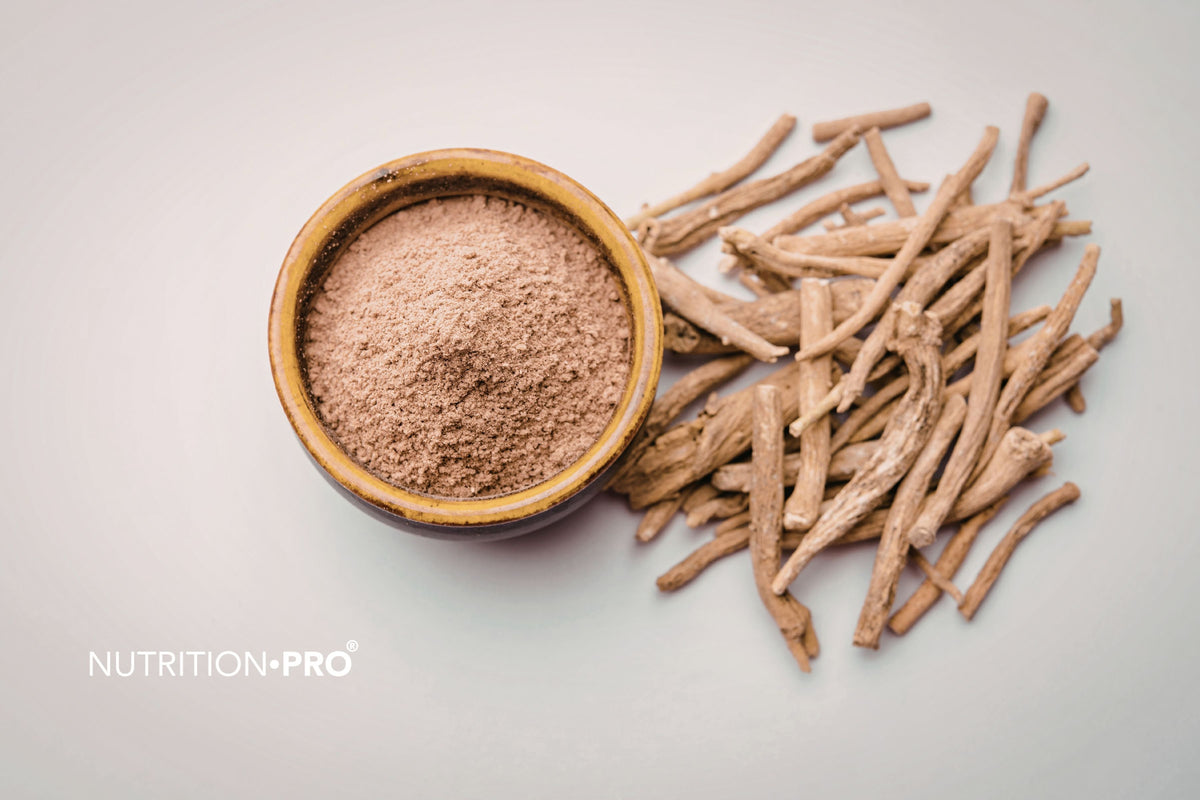
Type " ashwagandha danger " and you'll find two worlds that don't speak to each other. On one side, sites selling the plant that never mention the slightest risk. On the other, alarmist articles waving the Danish ban and a few cases of hepatitis without ever specifying how many people are affected or under what circumstances. In between, a reader who simply wanted to know if they can take a capsule in the evening without harming themselves.
We sell ashwagandha. This article won't be any more lenient because of it, because a customer wrongly reassured is a customer we're putting at risk. So we did the opposite: review all available data, randomized trials as well as published adverse event cases, read the ANSES opinion carefully, and state what emerges. The answer comes down to two sentences. In healthy adults, at the doses studied, ashwagandha has good tolerability and serious cases are rare. But there are specific profiles for whom it is not recommended, and this is something to know before opening a box, not after.

The question of extract quality is central to this issue. Our formula uses KSM-66®, a standardized root extract, from organic farming and traced from cultivation to capsule, at 660 mg per day, the range used in clinical trials.
Randomized trials on ashwagandha total more than two thousand participants, and their conclusion on safety is consistent: mild adverse effects, essentially digestive and drowsiness, with no signal of severity. A trial specifically designed for safety, conducted in 80 healthy volunteers at 600 mg per day for eight weeks, found no abnormalities in liver or thyroid function tests and no adverse effects. In parallel, thirteen cases of liver damage have been published worldwide, and ANSES recorded eight reports in France between 2009 and 2023. These cases exist, they are serious, and their analysis is enlightening: the liver damage is cholestatic in type, it occurs between two and twelve weeks, it resolves upon discontinuation in people without liver disease, and all three reported deaths occurred in patients who already had chronic liver disease. The plant also slightly stimulates the thyroid, which helps in subclinical hypothyroidism but disrupts an already overactive thyroid. Practical conclusion: ashwagandha is not an innocuous product; it is not recommended for pregnant and nursing women, minors, and people with liver, thyroid, or heart disease, and it remains reasonable for a healthy adult who respects the dose, duration, and checks their medications.
- Where the fear comes from: the ANSES opinion, Denmark, alarmist headlines
- What randomized trials show
- The trial designed solely to test safety
- The liver: published cases and what they really tell us
- Recognizing liver damage and knowing when to stop
- The thyroid: helpful for some, to be avoided for others
- The heart: what the only published case says
- Emotional blunting: what we know and what we don't
- Pregnancy, breastfeeding, feminine hormones
- Drug interactions
- Profiles who should not take it
- How to reduce risk when taking it
- The benefit-risk balance, honestly
- Frequently asked questions
1. Where the fear comes from: ANSES opinion, Denmark, alarmist headlines
The wave of articles about ashwagandha dangers has an identifiable origin. In April 2021, the fraud prevention authority refers the matter to ANSES to assess risks associated with the consumption of preparations of Withania somnifera in dietary supplements. The Agency issued its opinion in April 2024, published in June, under reference 2021-SA-0077. It followed eight reports of adverse effects collected by the French nutrivigilance system between 2009 and 2023, and is based on evaluations already conducted in Germany, Denmark, and the Netherlands.
What the opinion states in the text: the safety of the plant is not sufficiently documented to guarantee risk-free use, questions remain about genotoxicity and possible endocrine effects, and traditional use as an abortifacient is reported. Consequently, ANSES advises against ashwagandha supplements:
- for pregnant and breastfeeding women ;
- for persons under 18 years of age ;
- for persons with thyroid, liver, or heart disease, or hyperandrogenism ;
- for persons under sedative treatment or with depressant effects on the central nervous system.
It also recommends caution when driving vehicles or operating machinery, due to the risk of drowsiness, and advises against combining with alcohol and other central nervous system depressants.
Ashwagandha is not banned in France. Withania somnifera appears on the list of plants authorized in dietary supplements consolidated by the DGCCRF in 2019, and is not considered a novel food since it was consumed in Europe before 1997. A precautionary opinion targeting specific populations is not a general ban: this is a nuance that many articles overlook. European positions actually differ: Denmark and Germany advise against its use, Poland imposes maximum doses, Belgium and Italy allow it without particular restrictions.
The figure of eight reports must also be put into perspective. That is few, over fourteen years and for a product that has become one of the best-selling supplements in France. However, nutrivigilance relies on spontaneous reporting, and underreporting is massive: eight reported cases do not mean eight cases occurred. This figure therefore proves neither safety nor danger. It indicates an order of magnitude, and that alone is useful to avoid confusing a rare risk with a common one.
2. What randomized trials show
Before discussing rare cases, we must look at what happens when ashwagandha is given to hundreds of people under controlled conditions, with a placebo group and systematic collection of adverse effects. This is what randomized trials do, and there are many on this plant.
Twelve eligible articles, totaling 1,002 participants aged 25 to 48 years, were included. Ashwagandha supplementation significantly reduced anxiety (standardized mean difference of minus 1.55) and stress level (minus 1.75) compared to placebo. Non-linear dose-response analysis indicates a favorable effect on stress at a dose of 300 to 600 mg per day. The authors note that the certainty of evidence was low for both criteria, and that higher-quality studies remain necessary to firmly establish the clinical efficacy of the plant.
Akhgarjand C, Asoudeh F, Bagheri A, et al. Phytother Res 2022;36(11):4115-4124. DOI: 10.1002/ptr.7598
Three other syntheses point in the same direction and, most importantly, document tolerance. A 2024 meta-analysis covering nine trials and 558 patients finds a decrease in perceived stress, Hamilton anxiety scale, and serum cortisol, noting that four studies reported mild to moderate adverse effects and that adverse effects associated with ashwagandha are limited, while calling for more data on prolonged use (Arumugam, Explore, 2024). A meta-analysis on sleep, covering five trials and 400 participants, concludes with significant improvement, more pronounced in insomniacs, from 600 mg per day and eight weeks of use, noting thatno serious side effects were reported (Cheah, PLoS One, 2021). A fourth one, in 2024, confirms the results on anxiety and sleep parameters (Fatima, Hum Psychopharmacol, 2024).
Two important caveats must be mentioned here. First, the quality of the trials is moderate : modest sample sizes, significant heterogeneity, many studies conducted in India by teams close to manufacturers, and certainty of evidence qualified as weak by the authors themselves. Second, these trials generally last eight to twelve weeks : they tell us little about the safety of continuous use over several years, which ANSES also points out. This does not invalidate the short-term safety signal; it limits its scope.
3. The trial designed solely to test safety
Most trials measure efficacy and monitor safety as a secondary concern. This one does the opposite: it was designed to answer the question "what happens in the blood of healthy people taking ashwagandha for two months?". This is precisely the question someone asks when searching "ashwagandha liver danger".
In this randomized, double-blind, placebo-controlled study with parallel groups, 80 healthy participants (40 men, 40 women) were randomly assigned to receive 300 mg of ashwagandha root extract or an identical placebo, twice daily, orally, for 8 weeks. The primary safety endpoints were evaluation of hematological parameters, serum biochemical analysis including assessment of hepatotoxicity, and thyroid function parameters. The results showed no adverse effects in any of the treated volunteers. No statistically significant changes or abnormalities were observed for the parameters considered, including the thyroid hormone profile, in both groups. No adverse events were reported by any study participant.
Verma N, Gupta SK, Tiwari S, Mishra AK. Complement Ther Med 2021;57:102642. DOI: 10.1016/j.ctim.2020.102642
Eighty people is too small a number to detect a rare event: if a serious effect occurs in one person out of ten thousand, no trial of this size will detect it. This study therefore does not prove the absence of risk, and its authors themselves conclude on the need for longer studies at varied doses. What it establishes is more modest but valuable: at the usual dose and over two months, ashwagandha does not disrupt neither liver enzymes, nor thyroid hormones, nor blood cell count in healthy adults. In other words, the liver damage mentioned in alarmist articles is not a common phenomenon found in the general population: these are rare and individual reactions, which the following section details.
In a dossier where product variability is one of the risk factors, the source of the extract matters. Our Ashwagandha KSM-66® uses a standardized root extract, from organic farming, at 660 mg per day, the range used in clinical trials. Two vegetable capsules, allergen-free.
Discover Ashwagandha KSM-66® →Not recommended for pregnant and nursing women, those under 18 years old, and in cases of thyroid, hepatic, or cardiac disease. Looking for an alternative? See our Rhodiola.
4. The liver: published cases, and what they really tell us
This is the heart of the matter, the one fueling the search "ashwagandha liver danger". Two case series are referenced, and they must be read in detail rather than simply retaining the word "hepatitis".
Five cases of hepatic injury attributed to supplements containing ashwagandha were identified, three collected in Iceland in 2017-2018 and two from the American drug-induced liver injury surveillance network. The mean age was 43 years. All patients developed jaundice and symptoms such as nausea, lethargy, itching, and abdominal discomfort, after a delay of 2 to 12 weeks. The hepatic injury was cholestatic or mixed type. Itching and bilirubin elevation were prolonged, lasting 5 to 20 weeks. No patient developed liver failure. Liver tests normalized within one to five months in four patients, with the fifth patient lost to follow-up. Chemical analysis confirmed the presence of ashwagandha in the supplements; no other toxic compound was identified.
Björnsson HK, Björnsson ES, Avula B, et al. Liver Int 2020;40(4):825-829. DOI: 10.1111/liv.14393
This first series draws a clear profile: an idiosyncraticreaction, that is, unpredictable and individual-specific, not dose-related, of the same type as those caused by certain common medications. It is dramatic for the patient, prolonged, but it resolves upon discontinuation. The second series, from India, is more severe, and this is the one cited by alarmist articles without providing the proper context.
Of 23 patients with ashwagandha-related hepatic injury between January 2019 and December 2022, the authors report 8 patients whose injury is related to a single-ingredient preparation. The cohort was predominantly male and cholestatic hepatitis was the most common presentation. Five patients had underlying chronic liver disease; three presented with acute-on-chronic liver failure, and these three patients died during follow-up. In the others, hepatic injury was prolonged, but nonetheless spontaneously resolved. Chemical analysis revealed only natural compounds from the plant, with no adulteration or contamination.
Philips CA, Valsan A, Theruvath AH, et al. Hepatol Commun 2023;7(10):e0270. DOI: 10.1097/HC9.0000000000000270
Three lessons follow from this, and they are decisive in determining whether you are concerned.
5. Recognizing liver damage and knowing when to stop
Yellowing of the whites of the eyes or skin, even slight, visible in daylight. This is the most specific sign and requires immediate medical consultation.
Abnormally dark urine, tea or cola-colored, while drinking normally, and pale stools, lighter than usual.
Widespread itching without skin rash, often intense and occurring at night: in published cases, this was one of the most troubling and prolonged symptoms.
Unusual fatigue, nausea, loss of appetite or discomfort under the right rib cage, especially if these signs appear within three months of starting the supplement.
What to do: stop the supplement immediately, do not resume it to "see if it's the cause," and consult while bringing the bottle. A simple liver function test, transaminases, alkaline phosphatase, gamma-GT and bilirubin, will determine the answer within a few days. In published cases among people without liver disease, stopping was sufficient and everything returned to normal, even though it took one to five months.
A word about routine testing : no recommendation requires measuring liver enzymes before or during an ashwagandha supplement course in a healthy person, and the ratio between cost, anxiety generated, and benefit does not justify it for two or three months of use. However, if you have any history of liver problems, if you take medications with hepatic metabolism, or if you consume alcohol regularly, the question deserves to be discussed with your doctor before starting, and their answer will probably be to advise against it.
6. The thyroid: beneficial for some, to be avoided for others
This is the point most poorly addressed by French articles on the subject, which classify ashwagandha either among "thyroid boosters" or among "thyroid poisons." The reality is more nuanced: the plant drives the thyroid toward increased activity, and it all depends on where you're starting from.
Fifty subjects presenting elevated TSH (4.5 to 10 microinternational units per liter), aged 18 to 50 years, were randomly assigned to receive either ashwagandha root extract (600 mg per day) or placebo for eight weeks. Treatment significantly improved serum TSH, T3, and T4 levels compared to placebo, and significantly normalized thyroid indices over the period. Four out of fifty subjects reported some mild and temporary adverse effects: one in the ashwagandha group, three in the placebo group.
Sharma AK, Basu I, Singh S. J Altern Complement Med 2018;24(3):243-248. DOI: 10.1089/acm.2017.0183
This result is favorable, and it is consistent with a study conducted in bipolar patients where thyroid indices were monitored for safety reasons: patients taking ashwagandha saw their thyroxine increase by 7 to 24%, while those on placebo saw it decrease. The authors drew two symmetrical conclusions: vigilance is warranted regarding hyperthyroidism, and this property could represent a clinical opportunity in subclinical hypothyroidism (Gannon, J Ayurveda Integr Med, 2014).
The downside exists, documented by two published cases. A 73-year-old woman developed thyrotoxicosis revealed by supraventricular tachycardia, after two years of self-treatment with ashwagandha extract for hypothyroidism; everything returned to normal, both symptoms and laboratory values, when the supplement was stopped (Kamal, Cureus, 2022). A healthy 47-year-old Japanese man presented with silent thyroiditis two months after starting the plant, with fatigue, night fevers, weight loss, and diarrhea; again, stopping was sufficient (Hayashi, Cureus, 2024).
7. The heart: what the only published case tells us
"Ashwagandha heart danger" regularly appears in searches, and the answer is more reassuring than the question might suggest. No randomized trial has demonstrated cardiac toxicity, no arrhythmias appear in the adverse effect lists of meta-analyses, and the dedicated safety trial found no abnormalities in vital parameters, including heart rate and blood pressure.
The only published case linking ashwagandha to arrhythmia is that, already mentioned, of the 73-year-old patient whose supraventricular tachycardia was the consequence of thyrotoxicosis, itself attributed to the plant. In other words, the causal chain passes through the thyroid: it is not the heart muscle that is attacked, but an excess of thyroid hormones that accelerates it. This does not make the event any less real, but it indicates where to direct vigilance.
Two other points deserve to be known. Ashwagandha would have a slight blood pressure-lowering effect, often cited but poorly demonstrated in humans: as a precaution, anyone already treated for hypertension should discuss this with their doctor, as the additive effects could cause blood pressure to drop. And its sedative effect, which is quite real, justifies ANSES's recommendation regarding driving. In summary: if you have known heart disease, arrhythmia, or are on cardiac medication, the plant is not advised, not because a danger has been proven, but because no one has demonstrated the opposite in your situation.
8. Emotional blunting: what we know and what we don't
The search query "ashwagandha emotional danger" did not exist five years ago. It comes from forums and social networks, where users describe the same experience in similar words: indifference, detachment, the impression of being less affected by what should matter, including positive things. Some appreciate it in the first few days and become concerned after a few weeks.
We must be clear about the state of knowledge: no clinical trial has evaluated this phenomenon. It does not appear in the adverse effect lists of meta-analyses, which may mean it is rare, or simply that it has never been investigated, since the scales used measure anxiety and stress, not emotional richness. Therefore, no frequency can be stated, and anyone who provides one is making it up.
The hypothesis remains pharmacologically plausible. Reviews dedicated to the plant's neuropsychiatric applications describe an action on the GABAsystem, the primary brake of the nervous system, as well as modulation of glutamate and other neurotransmitters (D'Cruz, Expert Rev Clin Pharmacol, 2022). Now, affective blunting is a known and documented effect of other substances that enhance this same brake, from benzodiazepines to certain antidepressants. That a plant acting in part through this pathway would produce in some individuals an attenuation that extends from anxiety to all affects is hardly absurd.
In practice, three recommendations. If you experience this flattening, there is nothing dangerous about it and it disappears upon stopping within a few days. Try first reducing the dose or taking it only in the evening rather than stopping immediately: many describe the sensation at higher doses but not at moderate doses. And if the effect persists or bothers you, stop: a plant supposed to help you live better serves no purpose if it cuts you off from what you are experiencing. This is moreover a point that our comparative article Rhodiola versus ashwagandha addresses: rhodiola, more invigorating than sedative, often suits better those who fear this effect.
9. Pregnancy, breastfeeding, female hormones
This is the clearest contraindication of this entire report, and one on which there is no debate. Two reasons combine. The first is traditional and documented : in Ayurvedic medicine, ashwagandha root has been used as an abortifacient, a use that ANSES explicitly notes in its opinion. The second is methodological: no solid safety data exists in pregnant women, no trial having obviously been conducted in this population. When a plant has an abortifacient reputation and no reassuring data, the conclusion is self-evident.
The same logic applies tobreastfeeding, where it is unknown what passes into the milk, and to under 18 years old, whom ANSES includes in the advised-against populations: the hormonal development of adolescence and a plant that modulates the stress axis and thyroid do not mix well in the absence of data.
If you are taking ashwagandha and discover you are pregnant, the right answer is simple: stop and talk about it with your doctor or midwife, without panicking. Reported cases of complications are nonexistent in recent literature, and early discontinuation is exactly what should be done.
Outside of these situations, the plant does not call for particular vigilance in women, with one exception: ANSES advises against it in cases ofhyperandrogenism, an excess of male hormones of which polycystic ovary syndrome is the most common cause. The reason lies in the possible endocrine effects of the plant, particularly on testosterone, documented in men in fertility trials. If you are concerned, ask your gynecologist's opinion before any use. For cycle comfort, other approaches exist, which we detail in our dedicated formulas.
10. Drug interactions
| Treatment | Expected interaction | Recommendation |
|---|---|---|
| Sedatives, sleep aids, benzodiazepines, alcohol | The sedative effect of ashwagandha adds up: excessive drowsiness, decreased alertness | Association advised against by ANSES. Caution while driving even without associated treatment |
| Thyroid hormones (levothyroxine) | The plant stimulates thyroid function and may unbalance an adjusted treatment | Advised against. If taken despite this, TSH monitoring is essential |
| Antidiabetic agents | Possible hypoglycemic effect that adds to the treatment | Prior medical opinion and blood sugar monitoring |
| Antihypertensive agents | Possible hypotensive effect, poorly demonstrated but plausible, which may add up | Medical opinion, blood pressure monitoring at the start of treatment |
| Immunosuppressants | Ashwagandha has immune-stimulating properties, likely to counteract the treatment | Advised against in case of treated autoimmune disease or transplant |
| Scheduled surgery | Sedative effect adding to anesthesia, uncertainties about coagulation | Discontinuation at least two weeks before the procedure, and inform the anesthesiologist |
A methodological note: most of these interactions are established on laboratory data and pharmacological reasoning, not on clinically documented series of accidents. This does not make them theoretical, but explains why they are formulated in terms of caution rather than absolute prohibition. The useful reflex is the same as for any supplement: show the box to your pharmacist with your list of treatments. It's free, it takes two minutes, and it's the most effective verification available.
11. Profiles who should not take it
This list may seem long. It is no longer than that of common medications that no one considers dangerous, and it has the merit of being precise: outside these seven situations, a healthy adult who respects the dose and duration is in the framework where clinical trials found no concerning signal.
12. How to reduce risk when taking it
13. The benefit-risk balance, honestly
Let's take up both sides. On the side of Benefits, four meta-analyses converge on a reduction in stress, anxiety, and improved sleep, with the added benefit of a measurable decrease in cortisol. These are real effects, found against placebo, which few plants can claim. However, the authors themselves describe the certainty of the evidence as weak, the trials are small, often conducted by teams linked to manufacturers, and the effects, while statistically significant, remain modest at the individual level. Ashwagandha helps, it does not transform.
On the side of risks, thirteen well-documented hepatic cases in the worldwide literature, eight French reports over fourteen years, two thyroid cases, and a long list of theoretical precautions. The risk is rare, but it is not zero, it is unpredictable in the individual, and it becomes serious in those whose liver is already compromised.
The honest conclusion is therefore neither "it is dangerous" nor "it is risk-free," but something more useful: it is an active plant. A product that lowers cortisol, improves sleep, and modifies thyroid hormones is not colored water, and it would be inconsistent to expect real effects from it while believing it incapable of adverse effects. This activity is the reason to buy it and the reason to respect it.
In practice: if you are a healthy adult, without treatment, outside the seven situations listed above, a two to three-month course of a standardized extract at usual dose exposes you to a very low risk and a possible benefit for stress and sleep. If you are in one of these situations, no marketing argument should convince you otherwise, and our job is to tell you this rather than sell you a box. For what the plant truly delivers, read our article on the 10 benefits proven by science ; to choose an extract, our comparison of KSM-66, Sensoril and Shoden.
Our Ashwagandha KSM-66® is a standardized root extract from organic farming, at 660 mg per day, within the range of clinical studies. Two vegetable capsules, to be taken during a meal, for a two to three-month course.
Discover Ashwagandha KSM-66® →Not recommended for pregnant and nursing women, those under 18 years old, and in cases of thyroid, hepatic, or cardiac disease. Also discover our Rhodiola and our collection stress and sleep.
Choose the situation that best matches yours: the answer appears just below.
This is exactly the population of clinical trials, where tolerance was good in over two thousand participants and where the dedicated safety trial found no hepatic or thyroid abnormalities. Respect the studied framework: a standardized extract, 300 to 600 mg per day during a meal, two to three months then a break. Show the box to your pharmacist if you are taking anything else, even occasionally. And know the signs that require stopping: unusual fatigue, dark urine, itching, yellowing of the eyes. Outside of this, the documented risk concerns you very little.
You may have seen the trial showing normalization of thyroid indices in subclinical hypothyroidism, and it is real. But it was conducted under medical supervision with regular testing, in untreated patients, which has nothing to do with self-medication. The plant pushes the thyroid toward activity: it can unbalance adjusted levothyroxine, and two cases of thyrotoxicosis have been published. ANSES advises against ashwagandha in any thyroid disease, and we concur. If your goal is stress or sleep, other options exist: magnesium, rhodiola, or our collection stress and sleep. Talk to your endocrinologist.
First question: are you in one of the seven advised-against situations, particularly liver, thyroid, or heart disease, pregnancy, or sedative treatment? If yes, stop and talk to your doctor. Second question: do you have symptoms? Unusual fatigue, nausea, dark urine, itching, yellowing of the whites of the eyes, in the three months following the start of the course. If yes, stop and consult with the box. Third question: how long have you been taking it without interruption? Beyond three months, take a break, not out of fear but because long-term data is lacking. If all three answers are reassuring, there is no reason to worry: the serious cases published concern thirteen people worldwide, almost all with a liver already diseased.
Pregnancy and breastfeeding are the clearest contraindications in this entire report: ashwagandha root has traditional use as an abortifacient and no safety data exists in these situations. ANSES formally advises against it, as well as for those under 18 years old, whose hormonal development is not suited to a plant that modulates the stress axis and thyroid. If you are taking it and have just discovered a pregnancy, stop and report it to your doctor or midwife: early discontinuation is the right approach and there is no reason to panic. For stress during pregnancy, non-pharmacological measures and advice from your healthcare professional take priority over any supplement.
This test provides guidance; it does not replace professional medical advice.
Frequently asked questions about ashwagandha dangers
Is ashwagandha dangerous?
Not for the majority of healthy adults, but it is not suitable for everyone. In randomized trials, which total more than two thousand participants, tolerance is good and reported adverse effects are mild: digestive disorders, drowsiness, headaches. A trial specifically designed to test safety, conducted in 80 healthy volunteers over eight weeks, found no abnormalities in liver or thyroid function tests and no adverse effects. In parallel, rare but real cases of liver damage have been published, and ANSES advises against this plant for several specific populations. The question is therefore not whether it is dangerous in absolute terms, but whether you are among those who should avoid it.
What exactly does ANSES say about ashwagandha?
ANSES published in 2024 an opinion (reference 2021-SA-0077) following eight reports of adverse effects collected in France between 2009 and 2023. The Agency does not conclude that demonstrated dangerousness exists but rather that safety is insufficiently documented, relying notably on German, Danish, and Dutch evaluations. It advises against consumption of supplements containing ashwagandha for pregnant and breastfeeding women, those under 18 years old, people with thyroid, liver, or heart conditions, in cases of hyperandrogenism, and people undergoing sedative or central nervous system depressant treatment. It also recommends caution when driving vehicles, due to the risk of drowsiness.
Is ashwagandha toxic to the liver?
Cases of liver damage have been published, and they must be taken seriously, but they are rare and their profile is instructive. A first series of five cases from Iceland and the American surveillance network described cholestatic-type liver damage, with jaundice and prolonged itching, occurring two to twelve weeks after starting use: no patient developed liver failure and test results normalized within one to five months. A second Indian series involving eight cases is more severe, but with a decisive point: five patients already had chronic liver disease, and the three deaths occurred in this group. In the others, the liver damage regressed spontaneously. This is why any known liver disease is a contraindication.
What are the signs of liver damage to watch for?
Unusual fatigue, nausea, loss of appetite, discomfort under the right rib cage, dark urine, pale stools, widespread itching without rash, and especially yellowing of the skin or whites of the eyes. These signs generally appear between two and twelve weeks after starting the supplement. If present, stop the supplement immediately and consult a doctor, telling them precisely what you were taking: a simple liver function test will resolve the question. In published cases, stopping the supplement was sufficient to reverse the liver damage in people without pre-existing liver disease.
Is ashwagandha dangerous for the thyroid?
It slightly stimulates thyroid function, which is beneficial for some and problematic for others. A randomized trial conducted in fifty people with subclinical hypothyroidism showed normalization of thyroid indices after eight weeks at 600 milligrams per day. Conversely, one study observed discrete increases in thyroxine under ashwagandha, and two cases of thyrotoxicosis have been published, both resolved upon stopping the plant. The logic is consistent: what helps a sluggish thyroid disrupts one that is already overactive. ANSES therefore advises against this plant in case of any thyroid condition.
Does ashwagandha present a danger to the heart?
No direct cardiac toxicity has been demonstrated. The only published case linking ashwagandha with heart rhythm disorder involved a 73-year-old woman who developed supraventricular tachycardia in the context of thyrotoxicosis, after two years of self-treatment: it was therefore the thyroid that affected the heart, not the plant directly, and everything returned to normal upon stopping. ANSES nonetheless advises against ashwagandha for people with heart conditions, as a precaution and because data are lacking in this population. If you have a known heart problem or take medication for your heart, your doctor's advice is essential.
Can ashwagandha cause emotional numbness or blunting of emotions?
This is an effect reported by users on forums, described as a sensation of emotional flattening: less stress, but also less drive and pleasure. No clinical trial has measured this phenomenon, and there is therefore neither frequency data nor certainty about its existence. A plausible explanation lies in the plant's mechanism, which acts notably on the GABA system, the brain's natural brake, as do other calming substances for which emotional blunting is a known effect. In practice: if you experience this sensation, it disappears upon stopping, and it is better to reduce the dose or stop than to persist.
Is ashwagandha dangerous during pregnancy?
It is formally advised against during pregnancy and breastfeeding. Two reasons combine: the plant has traditional use as an abortifacient in Ayurvedic medicine, and no solid safety data exists in pregnant women, which is sufficient to exclude its use during a period when the precautionary principle is paramount. ANSES explicitly advises against it in these situations, as well as for those under 18 years old. If you are taking it and discover a pregnancy, stop and discuss it with your doctor or midwife, without excessive worry: early discontinuation is the right answer.
What are the drug interactions of ashwagandha?
The main ones concern medications that slow the nervous system, such as benzodiazepines, sleep aids, certain antidepressants, and alcohol, whose sedative effect can be increased. To these are added thyroid hormones, whose balance can be modified, antidiabetic medications, as the plant can lower blood sugar, blood pressure treatments, and immunosuppressants, as ashwagandha has stimulating properties on immunity. Particular caution is also warranted before surgical procedures: it is recommended to stop two weeks before. In all these cases, medical or pharmacist advice precedes taking the supplement.
Who should not take ashwagandha?
According to ANSES: pregnant and breastfeeding women, those under 18 years old, people with thyroid, liver, or heart conditions, people with hyperandrogenism, and those undergoing sedative or central nervous system depressant treatment. To this list are added, given published cases and known mechanisms, people with autoimmune disease on immunosuppressants, those who consume alcohol heavily, and those who must undergo surgery within two weeks. Outside these situations, a healthy adult can consider a course after verifying their current medications.
What are the most common side effects of ashwagandha?
In clinical trials, they are mild and infrequent: digestive disorders (nausea, loose stools, abdominal pain), drowsiness, headaches, and sometimes dry mouth. Drowsiness explains the recommendation for caution when driving. These effects often appear at the beginning of the course and diminish, and they cease upon stopping or reducing the dose. Taking the extract during a meal significantly improves digestive tolerance.
How to take ashwagandha while limiting risks?
Five simple rules. Choose a standardized and traceable extract rather than powder of unknown quality, as analysis of published cases has not found adulteration, but product variability remains considerable. Respect the doses from the trials, namely 300 to 600 milligrams of extract per day. Take during a meal. Limit duration to two or three months, with a break afterward, as most trials did not exceed twelve weeks. And verify your current medications with a doctor or pharmacist before starting.
Is ashwagandha banned in France?
No. Withania somnifera appears on the list of plants admitted in dietary supplements as consolidated by DGCCRF, and the plant is not considered a novel food since it was consumed in Europe before 1997. ANSES issued in 2024 a precautionary opinion advising against its use for certain populations, which is very different from a ban. Other European countries have chosen more restrictive approaches: Denmark and Germany advise against its use, Poland imposes maximum doses. In France, marketing remains authorized, with strengthened labeling recommendations.
- Ashwagandha (Withania somnifera)
- Plant from Ayurvedic medicine, classified among adaptogens, whose root is used in extract form for stress, anxiety, and sleep. No health claims are currently authorized in Europe.
- Withanolides
- Family of active compounds in the plant, used to standardize extracts. Their content varies considerably depending on the part used, origin, and extraction process.
- Nutrivigilance
- French surveillance system for adverse effects related to dietary supplements, based on spontaneous reports. Eight reports concerning ashwagandha were collected between 2009 and 2023.
- Idiosyncratic liver injury
- Unpredictable liver reaction specific to an individual and independent of dose, as opposed to dose-dependent toxic injuries. This is the mechanism found in published cases of ashwagandha-related liver damage.
- Cholestasis
- Blockage or slowing of bile flow, resulting in jaundice, intense itching, dark urine, and pale stools. This is the most common presentation in reported cases.
- Acute-on-chronic liver failure
- Sudden decompensation of an already diseased liver, with severe prognosis. This explains the excess mortality observed in patients with preexisting liver disease.
- Thyrotoxicosis
- Excess circulating thyroid hormones, causing weight loss, palpitations, nervousness, diarrhea, and heat intolerance. Two cases have been reported with ashwagandha, which resolved upon discontinuation.
- Hyperandrogenism
- Excess of male hormones in women, with polycystic ovary syndrome being the most common cause. ANSES advises against ashwagandha in this situation.
- Verma N, Gupta SK, Tiwari S, Mishra AK. Safety of ashwagandha root extract: a randomized, placebo-controlled study in healthy volunteers. Complement Ther Med. 2021;57:102642. doi:10.1016/j.ctim.2020.102642
- Akhgarjand C, Asoudeh F, Bagheri A, et al. Does ashwagandha supplementation have a beneficial effect on the management of anxiety and stress? A systematic review and meta-analysis of randomized controlled trials. Phytother Res. 2022;36(11):4115-4124. doi:10.1002/ptr.7598
- Arumugam V, Vijayakumar V, Balakrishnan A, et al. Effects of ashwagandha (Withania somnifera) on stress and anxiety: a systematic review and meta-analysis. Explore (NY). 2024;20(6):103062. doi:10.1016/j.explore.2024.103062
- Cheah KL, Norhayati MN, Husniati Yaacob L, Abdul Rahman R. Effect of ashwagandha (Withania somnifera) extract on sleep: a systematic review and meta-analysis. PLoS One. 2021;16(9):e0257843. doi:10.1371/journal.pone.0257843
- Fatima K, Malik J, Muskan F, et al. Safety and efficacy of Withania somnifera for anxiety and insomnia: systematic review and meta-analysis. Hum Psychopharmacol. 2024;39(6):e2911. doi:10.1002/hup.2911
- Björnsson HK, Björnsson ES, Avula B, et al. Ashwagandha-induced liver injury: a case series from Iceland and the US Drug-Induced Liver Injury Network. Liver Int. 2020;40(4):825-829. doi:10.1111/liv.14393
- Philips CA, Valsan A, Theruvath AH, et al. Ashwagandha-induced liver injury: a case series from India and literature review. Hepatol Commun. 2023;7(10):e0270. doi:10.1097/HC9.0000000000000270
- Sharma AK, Basu I, Singh S. Efficacy and safety of ashwagandha root extract in subclinical hypothyroid patients: a double-blind, randomized placebo-controlled trial. J Altern Complement Med. 2018;24(3):243-248. doi:10.1089/acm.2017.0183
- Gannon JM, Forrest PE, Roy Chengappa KN. Subtle changes in thyroid indices during a placebo-controlled study of an extract of Withania somnifera in persons with bipolar disorder. J Ayurveda Integr Med. 2014;5(4):241-245. doi:10.4103/0975-9476.146566
- Kamal HI, Patel K, Brdak A, Heffernan J, Ahmad N. Ashwagandha as a unique cause of thyrotoxicosis presenting with supraventricular tachycardia. Cureus. 2022;14(3):e23494. doi:10.7759/cureus.23494
- Hayashi M, Hamada H, Azuma SI, Hayashi K. Painless thyroiditis by Withania somnifera (ashwagandha). Cureus. 2024;16(3):e55352. doi:10.7759/cureus.55352
- D'Cruz M, Andrade C. Potential clinical applications of ashwagandha (Withania somnifera) in medicine and neuropsychiatry. Expert Rev Clin Pharmacol. 2022;15(9):1067-1080. doi:10.1080/17512433.2022.2121699. ANSES, opinion on risks associated with the use of Withania somnifera (L.) Dunal preparations in dietary supplements, request 2021-SA-0077, April 2024, anses.fr.


