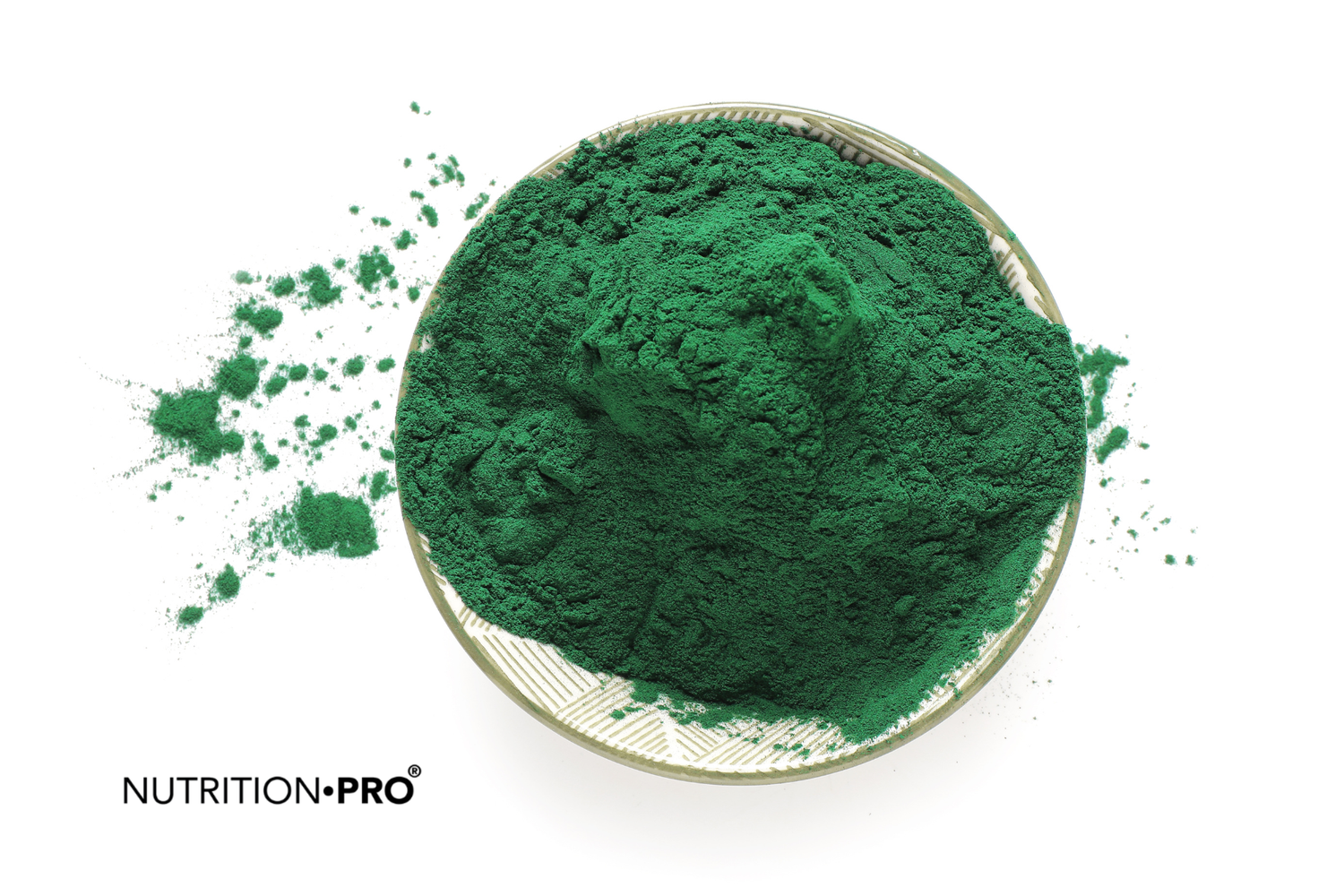
You have a sachet of spirulina powder in your cupboard and you're not quite sure what to do with it? Consuming it as-is is technically possible but not very pleasant to the taste (pronounced algae flavor). The good news: there are 6 simple ways to incorporate it into your daily routine, from the quickest (lemon water) to the most creative (pesto, hummus). This article reviews the best pairings, appropriate dosages, and 3 signature recipes to transform spirulina into a daily ally without gustatory burden. For scientific benefits, see our article on 10 proven benefits.

Four practical guidelines. (1) Daily dosage : 1 to 3 g (1/3 to 1 teaspoon) per day for nutritional use. (2) Taste : pronounced and easy to mask with a sweet fruit (pineapple, banana), an acidic juice (lemon, orange), or an aromatic beverage (matcha). (3) Cooking : avoid above 60 °C to preserve phycocyanin. (4) Storage : opaque container, away from light and moisture, max 25 °C. For scientifically proven benefits, see our dedicated article.
Why consume spirulina powder rather than tablets?
| Criterion | Powder | Tablets |
|---|---|---|
| Dosage flexibility | Excellent | Limited |
| Cost per gram | More economical | More expensive |
| Convenience (transport) | Moderate | Excellent |
| Taste | Pronounced (to mask) | Neutral |
| Recipe use | Ideal | Not suitable |
| Ideal for | Cooking, sport, high doses | Daily use, travel, beginners |
How to dose spirulina daily
| Profile | Daily dosage | Teaspoon equivalent |
|---|---|---|
| Beginner (first week) | 1 g | 1/3 level tsp |
| Daily nutritional usage | 2-3 g | 2/3 to 1 teaspoon level |
| Athlete (endurance, recovery) | 3-5 g | 1 to 1.5 teaspoons |
| Targeted effect (lipids, blood pressure) | 4-8 g | 1.5 to 2.5 teaspoons |
| Children 3-12 years old | 0.5-1 g | 1/6 to 1/3 teaspoon |
The 6 best ways to consume spirulina
Morning recipes: smoothies and fresh beverages
- 1 ripe banana (ideally very ripe for sweetness)
- 150 g fresh or frozen pineapple chunks
- 200 ml plant-based milk (almond or oat preferred)
- 1 level teaspoon spirulina powder (3 g)
- 1 tsp honey or agave syrup (optional)
- 3-4 ice cubes
- Blend banana, pineapple and plant-based milk for 30 seconds (smooth texture).
- Add spirulina, honey and ice cubes. Blend for 15 seconds.
- Serve immediately. Spirulina will settle if the smoothie sits.
- 500 ml sparkling water, well chilled
- 1 yellow lemon (freshly squeezed juice)
- 1 teaspoon spirulina powder
- 1 tablespoon honey or 6 drops of stevia
- A few fresh mint leaves (optional)
- In a large pitcher, squeeze the lemon and add the honey. Whisk to dissolve.
- Add spirulina and whisk vigorously (essential to avoid lumps).
- Pour sparkling water slowly to preserve the bubbles.
- Add mint, serve with ice cubes. Consume quickly.
Savory recipes: incorporating spirulina into dishes
Always add spirulina cold at the end of preparation, never during cooking. Strong aromatic flavors (garlic, herbs, lemon, olive oil) effectively mask the algae taste. Spirulina provides an intense green color that can be an aesthetic asset.
- 1 large bunch of fresh basil (40 g)
- 50 g pine nuts (or cashews for budget-friendly option)
- 2 garlic cloves
- 50 g grated Parmesan
- 100 ml extra virgin olive oil
- 1 level teaspoon spirulina powder (3 g)
- 1 tablespoon lemon juice
- Salt, pepper
- Blend basil, pine nuts, garlic, and Parmesan coarsely.
- Pour olive oil in a thin stream while continuing to blend until creamy consistency is achieved.
- Add spirulina, lemon juice, salt, and pepper. Blend for 10 seconds.
- Store in the refrigerator in a jar covered with a thin layer of olive oil. Keeps for 5 days. Ideal on pasta, toast, salads.
- 1 can cooked chickpeas (240 g drained)
- 2 tablespoons tahini (sesame paste)
- 1 garlic clove
- 3 tablespoons olive oil
- Juice of half a lemon
- 1 level teaspoon spirulina powder
- 1/2 teaspoon ground cumin
- Salt, pepper, 2-3 tablespoons cold water
- Blend chickpeas, tahini, garlic, olive oil, and lemon juice.
- Add spirulina, cumin, salt, pepper, and cold water one tablespoon at a time until desired texture is reached.
- Serve with a drizzle of olive oil and sesame seeds. Ideal as an appetizer with raw vegetables or pita bread.
Precautions and storage
Check the statements that apply to you. The most suitable method will display based on your profile.
Based on your profile, start with the simplest methods : lemonade or fruit juice for beginners, daily smoothie for those accustomed to liquid breakfasts. If you travel frequently, prioritize tablets. For creative and economical use, opt for powder. For detailed scientific benefits, see our dedicated article.
Which format according to your situation
you don't like the algae taste
more convenience, no taste
and make smoothies
maximum flexibility
need for high dosage
economical in the long term
or forget your supplements
portable format
(oxidative stress, skin)
in concentrated powder
Spirulina is generally well tolerated but certain profiles should avoid it : phenylketonuria (presence of phenylalanine), active autoimmune diseases, uncontrolled hyperthyroidism, anticoagulant or immunosuppressant treatments without medical advice, pregnancy and breastfeeding (precautionary principle).
For the detailed list of proven benefits, clinical dosages and complete precautions, see our dedicated scientific article.
Frequently Asked Questions
Can you drink spirulina powder in plain water?
Technically yes, but the algae taste comes through very strongly. Pair it with fruit juice, lemonade or a smoothie to mask the taste while preserving nutrients. If you prefer plain water, add a few drops of lemon and a touch of honey to soften the flavor. Drink quickly to avoid sediment.
How much spirulina powder per day?
Nutritional use: 1-3 g/day (1/3 to 1 level teaspoon). Targeted effect (lipids, blood pressure): 3-8 g/day for 8-12 weeks. Sports: 3-5 g/day. Start with 1 g in the first week to assess tolerance. Split into 2 doses if taking a higher amount.
Should you take spirulina in the morning or evening?
Rather in the morning or before 4 PM. B vitamins and energizing compounds may disrupt sleep in some sensitive individuals. Ideal at breakfast (smoothie, latte) or as an afternoon snack. For athletes, 30-60 minutes before training.
Does spirulina powder mix well with hot beverages?
Yes but with caution. Above 60°C, phycocyanin and certain vitamins may degrade. Favor lukewarm beverages (40-50°C) or add spirulina at the end of preparation after removing from heat. Lukewarm plant-based lattes are ideal.
How do you mask the taste of spirulina?
Four tips: (1) Very sweet and acidic fruit (pineapple, mango, berries). (2) Beverage with strong flavor (orange juice, lemonade, matcha). (3) Aromatic flavors (mint, ginger, honey). (4) Savory dishes with bold flavors (garlic pesto, spiced hummus, mustard vinaigrette). Avoid neutral flavors.
Spirulina powder or tablets: what's the difference?
Same nutrients, different formats. Powder : flexible, economical, ideal for recipes. Tablets : convenient, precise dosage, easy to transport. Start with tablets to assess tolerance, switch to powder for advanced uses (sports, high doses, recipes).
How long does spirulina powder keep?
6 to 12 months after opening under proper storage conditions. Sensitive to light, humidity, and heat. Store in original opaque packaging, tightly sealed, in a dry and cool place (max 25 °C). Khaki-green or brown color or unpleasant odor = discard.
Can you cook with spirulina (oven cooking)?
Possible but not recommended. Prolonged heat above 70 °C degrades phycocyanin. For savory recipes, add cold at the end of preparation. If cooking is necessary (pizza, soup, meatballs), accept partial nutrient loss. Spirulina will then mainly serve as a natural colorant.
Can children consume spirulina powder?
Yes from age 3, in appropriate doses. 3 to 12 years: 0.5 to 1 g per day (1/6 to 1/3 tsp). Mix into a sweet fruit smoothie to mask the taste. Check for algae allergies. For pregnancy and breastfeeding, apply precautionary principle: avoid unless advised by a doctor.
What are the best fruits to pair with spirulina?
Top 5: (1) Pineapple (sweet + acidic), (2) Banana (sweet, creamy), (3) Mango (very sweet, exotic), (4) Berries (fruity intensity), (5) Orange and lemon (acidity). Avoid neutral fruits (pear, white grape). Pairing 1 sweet + 1 acidic gives the best result.
Glossary
- Spirulina powder
- Ground and dehydrated form of the cyanobacterium Arthrospira platensis, with no excipients. Dark blue-green color is a sign of freshness. Use in smoothies, juices, savory recipes. 1 level teaspoon ≈ 3 g.
- Phycocyanin
- Blue antioxidant pigment-protein that is the signature of spirulina (12-18% of dry weight). Sensitive to heat above 60 °C and to light. Retains all its properties in cold or lukewarm beverages.
- Standard dosage
- Recommended daily quantity for nutritional use: 1 to 3 g (1/3 to 1 level tsp). For targeted effect documented in meta-analyses: 3 to 8 g/day for 8 to 12 weeks.
- Gastric emptying
- The rate at which food leaves the stomach into the intestine. Spirulina powder in a smoothie is absorbed faster than in tablets. To be taken into account for sports use (quick-digesting drink before exercise).
- Digestive tolerance
- The body's ability to integrate a new food or supplement without adverse effects. For spirulina, starting with 1 g/day for 1 week allows you to assess tolerance and avoid bloating or nausea.