

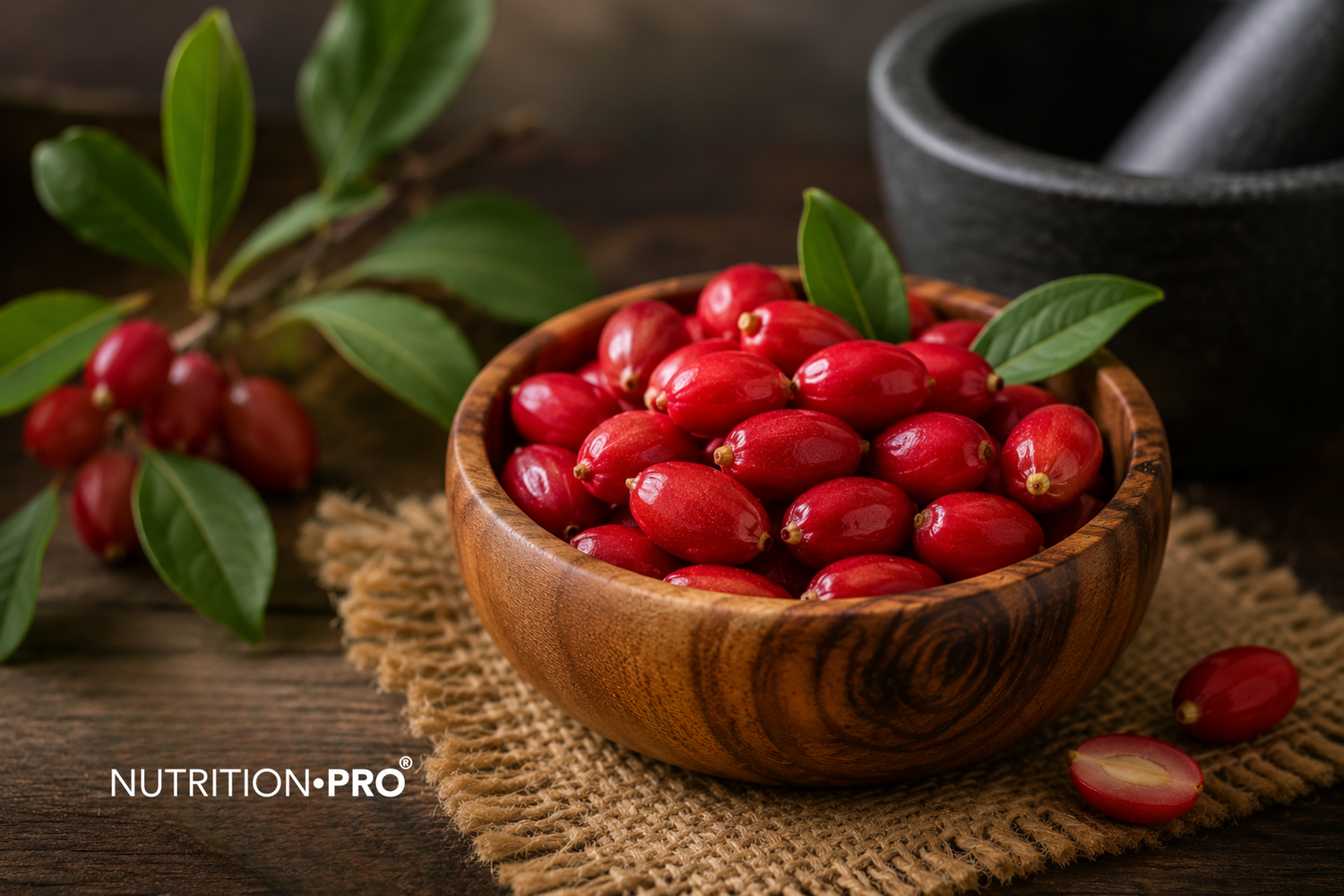
The miracle berry, or Synsepalum dulcificum, is a small red fruit native to West Africa, famous for containing miraculin, a glycoprotein with surprising properties.
Capable of temporarily transforming acidic flavors into sweet sensations, this berry is considered a remarkable natural alternative to sugar. This distinctive feature makes it a valuable ally not only for reducing sugar consumption, but also for assisting in weight loss strategies, by offering a solution to satisfy sweet cravings without the associated calories.
Used for centuries by local populations in Africa to sweeten bitter foods, the miracle berry was only introduced to Western knowledge in the 18th century by European botanist Chevalier des Marchais. Its discovery opened the way to new perspectives in the field of nutrition and health, offering a natural and effective method for managing sugar intake.
Origin and botany
Geographic origin
The miracle berry, a mysterious and intriguing fruit, has its roots in the tropical regions of West Africa, particularly in Ghana and Nigeria. There, farmers cultivate this unique shrub, the Synsepalum dulcificum, which grows in rich, well-drained soils.
The shrub thrives in the hot, humid tropical climate, helping local communities harness its incredible natural sweetening properties for centuries. This specific geographic area offers the perfect environment, with a combination of warmth and regular rainfall, for the shrub to reach its full maturity.
Botanical characteristics
The miracle berry shrub is characterized by its modest size, reaching approximately 5 meters in height. Its evergreen, oval and glossy leaves display a vibrant green color that illuminates tropical landscapes. The small white flowers adorning the shrub are followed by brilliant red berries. Each berry contains a seed and pulp that contains the miraculin, the substance responsible for its unique sweetening power. The texture of the berries is smooth, offering a first impression of subtle flavor before the magic of miraculin takes effect, transforming acidic tastes into a true festival of sweetness.
The properties of the miracle berry
When the miracle berry is consumed, miraculin coats the taste receptors on the tongue.
In the presence of acidic foods, this glycoprotein modifies the way the receptors send signals to the brain. Thus, acidic flavors are perceived as sweet, transforming the taste of lemon into something as sweet as honey. This effect typically lasts between 30 minutes and two hours, depending on each person's sensitivity and the amount of berries consumed. After this time period, the taste receptors return to their normal function.
This temporary transformation of flavors is what makes miraculin particularly valuable for those seeking to reduce their sugar consumption without sacrificing taste satisfaction.
Research continues to discover new applications for miraculin, both in the culinary field and in the food industry, where its potential as a natural sweetener could meet growing demand for healthier alternatives to sugar.
In what form should you consume it?
The miracle berry comes in different forms to meet the needs of each consumer.
Here are the main ways to consume it, depending on your preferences and culinary goals:
- Fresh fruit : The first way to enjoy the miracle berry is to consume it fresh. Slowly chew the pulp, making sure to coat your tongue well to activate miraculin. It's a direct experience that immediately reveals its effects on acidic foods.
- Powder : Miracle berry powder is another more convenient way to consume it. It is obtained by drying and then grinding the fruits. Sprinkle the powder directly on your tongue or mix it in a little water to enjoy its benefits. It's easy to dose and keeps longer than fresh fruit.
- Tablets : Tablets are also a popular and easily accessible form. They dissolve quickly on the tongue, releasing miraculin that coats your taste buds. They're ideal for travel, tastings with friends, or as a quick kitchen solution.
- Liquid extracts : Less common, liquid extracts are nonetheless very practical to use. Just a few drops are enough to activate your taste receptors, making them perfect for incorporating miraculin into beverages or sauces.
- Processed products : With the growing popularity of the miracle berry, companies now offer prepared products, such as chocolate bars, jams, and syrups. While these products are often more expensive, they offer a simple way to enjoy this unique taste experience.
Whatever form you choose, the miracle berry can become a valuable ingredient in your kitchen, transforming your meals while helping you reduce your sugar consumption. Try several methods to find the one that best suits your needs and culinary creativity!
How to use it?
Using the miracle berry is both simple and fun, but requires some knowledge to maximize its potential. Here are some practical tips for incorporating it into your kitchen:
- Fruit preparation : The miracle berry can be consumed in different forms. You can chew it freshly picked, grind it into powder, or use tablets available in some specialty stores. Whatever form you choose, make sure the product coats your tongue well before tasting other foods.
- Pair it with acidic foods : The true magic of the miracle berry works when you combine it with naturally acidic foods. Try tasting lemons, grapefruits, or even balsamic vinegar. You'll be amazed to discover their unprecedented sweet flavor.
- Experiment in recipes : Replace sugar in vinaigrettes or tart sauces for a sweet taste without added sugar. You can also create desserts such as lemon tarts, grapefruit sorbets, or yogurts without sweeteners.
- Create unique beverages : Use the miracle berry to transform your drinks. Prepare cocktails made with lime juice or kombucha, smoothies with tart berries, or even a cup of black coffee transformed into a sweeter experience.
- Fun and educational : Organize a tasting with friends to discover together the amazing effects of the miracle berry. It's an excellent way to raise awareness about reduced sugar consumption while having a fun and educational time.
- Note the duration of the effect : Keep in mind that the effect of miraculin lasts only 30 minutes to two hours. For a complete meal, plan ahead and serve acidic dishes within this time window so everyone can maximize the sweet flavor.
What foods should you use miraculin with?
Miraculin offers a unique taste experience, transforming acidic flavors into sweet delights.
Here are some food suggestions to use it with for surprising results:
- Citrus fruits : Lemons, limes, grapefruits, and oranges are the obvious first choices. Coat your tongue with miraculin, then taste a slice of lemon: you'll be surprised by its sweet taste without acidity.
- Tropical fruits : Fruits like pineapple, kiwi, or acai berries become even more enjoyable thanks to miraculin. Kiwi loses its sharp edge to transform into a naturally sweet bite.
- Tomatoes : Yes, tomatoes! These fruits often used as vegetables reveal an interesting sweet profile after miraculin application. They become ideal for innovative salads or sauces.
- Vinaigrettes : Try miraculin with a vinaigrette made with wine vinegar or apple cider vinegar. The sauce will take on a sweet taste that will perfectly balance salads.
- Plain yogurts : Add miraculin to unsweetened plain yogurt to discover a flavor reminiscent of sweet desserts. It softens the acidity while maintaining a pleasant texture.
- Beverages : Use miraculin with beverages like lemonade, kombucha, tea, or even black coffee. It will sweeten their taste while offering an alternative to artificial sweeteners.
- Fermented foods : Sauerkraut and other fermented vegetables, often high in acidity, become unexpectedly sweet with miraculin.
- Pickles and other marinated vegetables : Pickles or marinated vegetables, such as onions or carrots, can be pleasantly transformed with miraculin. Their acidity transforms into sweetness, creating surprising appetizers.
- Hot sauces : Hot sauces, like sriracha or marinated peppers, take on a new sweet dimension. They retain their spiciness while adding an interesting sweetness.
- Cheeses : Try miraculin with strong-flavored cheeses like blue cheese, goat cheese, or even Parmesan. Their flavor profile subtly changes for a unique result.
- Acidic soups : Certain Asian or European soups made with tomatoes, lemongrass, or tamarind can be sweetened with miraculin, creating a harmonious contrast.
- Seafood dishes : Seafood prepared with lemon or vinegar-based sauces, like ceviche, gain sweetness without losing their freshness.
- Vegetable juices : Vegetable juices, such as celery or tomato juice, can benefit from miraculin to create original sweet-savory smoothies.
- Dried fruits : Try pairing miraculin with dried fruits like cranberries or apricots. Their flavor balances with a sweet note without being overly sugary.
- Dark chocolate : Combine miraculin with bitter dark chocolate to discover new sweetness without added sugar.
By exploring these foods with miraculin, you will discover a whole new world of flavors. Experiment, combine, and let your imagination guide you toward original and healthy flavor combinations!
Other applications and uses
Culinary use
The use of the miracle berry in cooking opens a new world of creativity for chefs and food enthusiasts. By allowing acidic dishes to be transformed into sweet delicacies without adding refined sugar, it enables the design of innovative recipes that meet current tastes and preferences. Imagine a lemon mousse with the sweetness of honey or a fruit salad made with grapefruits and kiwis, without any bitterness.
Chefs can also incorporate it into sauces, dressings, and beverages to create unique flavor combinations while significantly reducing the amount of traditional sugar.
Application in the food industry
In the food industry, miraculin from the miracle berry has immense potential. In addition to satisfying consumers seeking a healthier diet, it allows producers to develop new ranges of low-sugar products. For example, sugar-free beverages, low-calorie desserts, or sauces without artificial sweeteners could become commonplace.
These innovations are particularly important as concerns about obesity and sugar-related diseases continue to grow. Miraculin-based products offer companies an opportunity to meet this demand while remaining competitive in the sugar alternative market.
Can miraculin replace sugar?
Comparison with other natural sweeteners
Miraculin presents a unique advantage over other natural sweeteners such as honey, maple syrup, yacon syrup or stevia.
Unlike these, which add their own flavor to your dishes, miraculin transforms acidic foods already present by giving them a sweet taste. It contains no calories and leaves no pronounced aftertaste. Moreover, unlike honey or agave, which can still affect blood sugar levels, miraculin is ideal for people with diabetes or those following a low-glycemic diet.
However, it does not provide the texture or volume of sugar in recipes, making it better suited for dishes where sweetness is the primary goal, without requiring structural support.
Impact on Recipes
Replacing traditional sugar with miraculin in recipes requires some adjustments. Since miraculin only acts on acidic foods, it is not a direct sugar substitute in terms of cooking and texture. For example, in cakes, it will not help create the desired consistency. However, in fruit salads, beverages, sorbets, or sauces, it excels by providing a sweet flavor without calories.
It also offers the possibility of revisiting classic recipes by experimenting with healthier alternatives. You could create a balsamic vinegar vinaigrette that wouldn't need honey, or plain yogurt without sweetener, but with tart berries that transform into sweetness thanks to miraculin.
In summary, miraculin can advantageously replace sugar in certain specific situations, while providing a unique taste experience. However, its ability to modify taste is conditioned by the presence of acidity, which limits it to specific dishes.
Nutritional and Dietary Benefits
Nutritional Value
The miracle berry is a small nutritional gem. Very low in calories and fat, it naturally fits into dietary regimens aimed at maintaining a healthy weight. This vibrant red fruit is also a rich source of vitamin C, a powerful antioxidant that helps strengthen the immune system. Furthermore, it contains other antioxidants that protect cells against free radicals, offering support for overall health.
Use in Dietary Regimens
Thanks to its natural sweetening power and zero calories, the miracle berry is a perfect choice for those following low-calorie, paleo, or ketogenic (keto) diets. It can help reduce dependence on refined sugar by offering a healthy alternative. For people seeking to reduce their sugar consumption, the miracle berry allows them to enjoy naturally sweetened desserts and beverages without guilt. It is a valuable ally in the quest for balanced nutrition.
Precautions and Side Effects
Contraindications
Despite its benefits, the miracle berry is not suitable for everyone. People suffering from allergies to exotic fruits or having specific gastrointestinal disorders should avoid consuming it. If you have any doubts about a potential reaction, consult a healthcare professional before trying this fruit.
Potential Side Effects
Side effects are rare, but excessive consumption of the miracle berry can cause stomach aches or slight mouth irritation in some sensitive individuals. Moderation is therefore recommended, especially for new consumers discovering this fruit.
Conclusion
The miracle berry, and its key component, miraculin, present considerable potential as a natural sweetener, transforming our taste experience and opening new perspectives in cooking.
This unique fruit replaces traditional sugar in many dishes by temporarily modifying our perception of taste. Whether you are a chef seeking innovation or a consumer wishing to reduce sugar consumption, miraculin offers a practical alternative. The miracle berry can transform acidic foods into an explosion of sweetness while adapting perfectly to paleo and keto diets.
Although it is not a direct sugar substitute in all recipes, its temporary effect on taste receptors allows cooks to revisit the classics. Its natural sweetening power and low caloric content make it an essential ally for people seeking to reduce their dependence on artificial sweeteners and refined sugars. Adopting the miracle berry in your kitchen is an invitation to experiment with unexpected flavors, to surprise your palate, and to enjoy healthier eating.


