

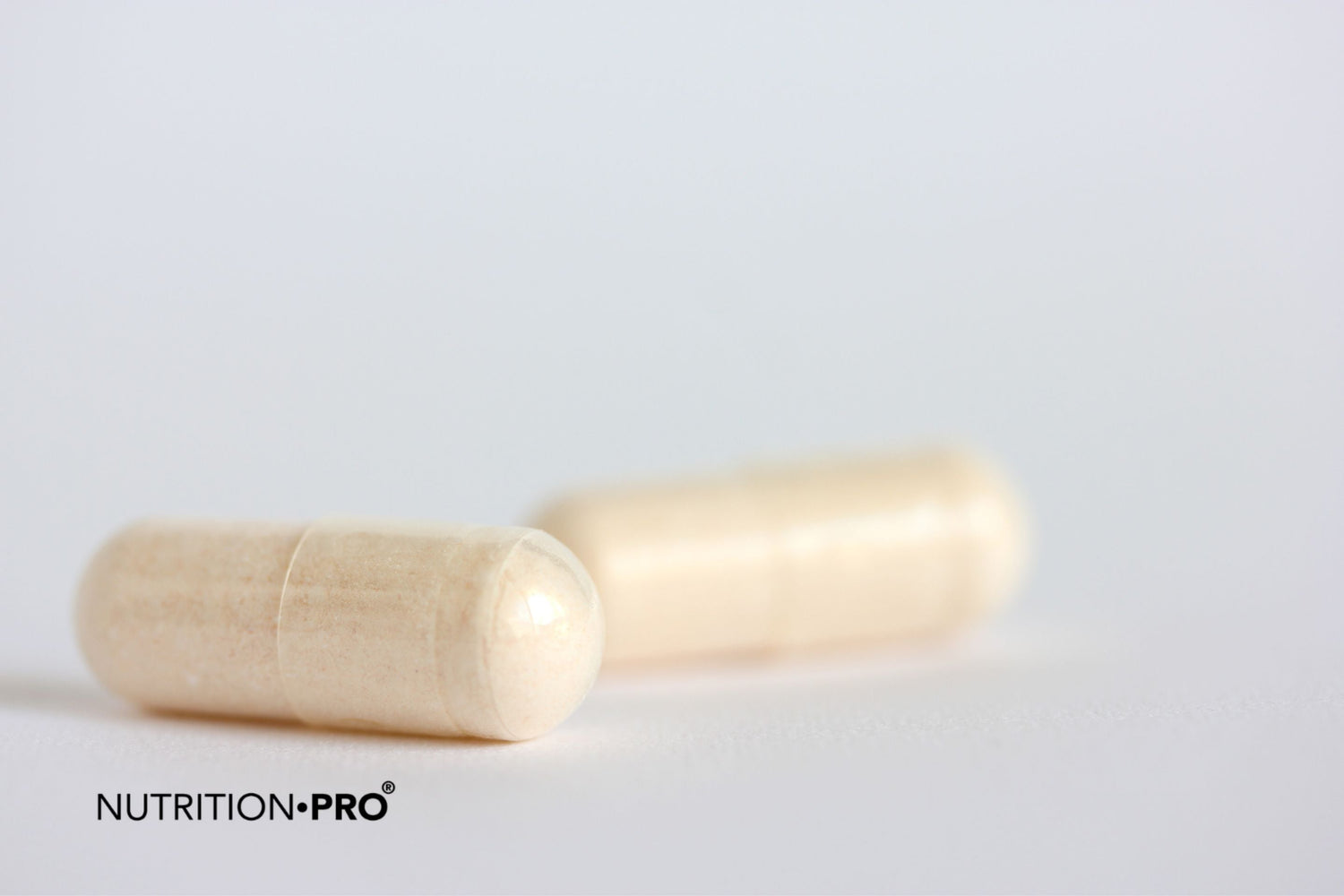
Konjac sometimes raises concerns. Between alarmist articles, negative reviews online, and rumors of bans, many people hesitate to use it. Yet, European health authorities (EFSA, European Commission) broadly authorize konjac dietary supplements and report no major safety concerns in their recent assessments.
This article takes an honest look honestly and without alarmism at the real risks of konjac, the rare contraindications, and most importantly at the frequent confusion between two very different products : gummy candies (which caused problems in the past) and dietary supplement capsules (which have an entirely different safety profile).

Pure Konjac — 120 capsules
Root extract ofAmorphophallus konjac in capsule form. Form widely authorized under European regulations for dietary supplements.
- Capsule form: dissolves normally in the stomach
- Made in France in accordance with applicable standards
- Gluten-free, lactose-free, titanium dioxide-free
- Compliant with DGCCRF traceability requirements
Konjac in capsule, powder, pasta and rice form is authorized in France and throughout the European Union. The EFSA, in its official 2017 re-evaluation (Mortensen et al.), identified no safety concerns at reported usage levels.
The confusion stems from one specific product : mini-cup jelly candies, withdrawn from the European market in 2003 due to a mechanical choking hazard. These candies have nothing to do with dietary supplement capsules, which dissolve normally in the stomach.
For the vast majority of healthy adults, konjac-based supplements have an excellent safety profile. The rare precautions concern individuals with pre-existing digestive conditions or those taking certain medications.
- Is konjac dangerous? The honest answer
- Where does the confusion come from? The story of jelly candies
- Why capsules are safe: what the authorities say
- Mild side effects: what can happen, what is rare
- Konjac in France: what is actually permitted
- Why so many negative reviews online? The analysis
- The three profiles that should exercise caution
- Decision table: yes or no for you?
- For skeptics: the complete historical context
- FAQ
Is konjac dangerous? The honest answer
Many alarmist articles circulate about konjac, often because they conflate two products with entirely different risk profiles: the mini-cup jelly candies (which have been banned) and the food supplements in capsule form (which are authorized and widely consumed).
The scientific reality is simpler than it appears: konjac is not an inherently dangerous ingredient. It is a specific physical form (the mini-cup jelly candies) that posed a mechanical risk, and only that form. The food supplement in capsule form follows a perfectly standard digestive pathway.
Where does the confusion come from? The story of jelly candies
A unique physical form at fault
The mini-cup jelly candies (jelly mini-cups) are a traditional confectionery from Southeast Asia. Their distinctive feature: a gel very firm, very slippery and virtually insoluble in saliva. Designed to be sucked directly from their cups, they could sometimes be inhaled without sufficient chewing.
Several regulators (Australia, the United States, Canada, and then Europe) successively banned these products in the 2000s. The European Commission ruled in March 2002 with an immediate suspension, which was converted into a permanent ban by Directive 2003/52/EC on June 18, 2003.
"This act withdraws the authorisation to use the food additive E 425 konjac in mini-cups of jelly in order to protect human health. Furthermore, the use of konjac in any other jelly confectionery is also withdrawn, as it may present the same risk." Procedure 2002/0201(COD), Directive 2003/52/EC.
European Parliament, OEIL database. Official Act 2003
What the directive does NOT say
A crucial point, too often glossed over in alarmist articles: Directive 2003/52/EC applies only to "jelly confectionery". It says nothing against:
- The dietary supplement capsules
- The konjac powder used as a food thickener
- The shirataki noodles and konjac rice
- The konnyaku blocks traditional
The EFSA, in its Mortensen 2017 re-evaluation report, explicitly confirmed that the danger stemmed from the physical form of the candy (size, firmness, method of consumption) and not from the molecule itself.
Why capsules are safe: what the authorities say
Three key mechanical differences
If you objectively compare a konjac capsule and a konjac jelly candy, the differences are enormous:
- The capsule dissolves in the stomach, not in the mouth. The contents have no contact with the airways.
- The glucomannan it contains is in powder form, not in the form of a pre-formed gel.
- The capsule is small and standardized, glides easily down the esophagus with a little water, unlike mini-cups of 20 to 30 mL designed to be swallowed in one gulp.
The method of consumption is also different: a capsule is swallowed with water, which ensures the glucomannan is hydrated once in the stomach, where it needs to act. No gel forms in the throat.
The 2017 EFSA Assessment: a favorable signal
In 2017, theEFSA (European Food Safety Authority) published a comprehensive re-evaluation of konjac additives (E425 i and E425 ii). This re-evaluation is conducted regularly for all food additives and represents the European scientific standard for safety.
"The scientific panel concludes that at the reported exposure levels, the use of konjac gum (E 425 i) and konjac glucomannan (E 425 ii) as food additives raises no safety concern, with the exclusion of uses already restricted by European legislation." Report published in EFSA Journal, June 2017.
Mortensen A, Aguilar F, Crebelli R, et al. EFSA Journal. 2017;15(6):e04864. DOI: 10.2903/j.efsa.2017.4864
In plain terms: for European scientific authorities, konjac-based dietary supplements at normal usage doses raise no safety concerns.
Mild side effects: what may occur, what is rare
Frequent and mild effects (and how to avoid them)
- Abdominal bloating at the start of a course (often resolved within a few days)
- Intestinal gas related to the normal colonic fermentation of fiber
- Temporary change in bowel habits (softer or more regular stools)
- Feeling of gastric fullness after taking (this is even the desired effect for satiety)
These effects are common to all soluble fibers and are not specific to konjac. They almost always disappear after a few days of digestive adjustment, by following the manufacturer's recommendations and drinking enough water.
Very rare effects
In exceptional cases and in predisposed individuals (see below), more pronounced effects have been described in the literature: intense abdominal pain, severe digestive disorders. These cases remain statistically extremely rare and concern almost exclusively people with known contraindications or improper use of the product.
Konjac in France: what is actually permitted
What is banned in Europe (and therefore in France)
- The mini-cup jelly candies containing additive E425 (since 2003)
- Extended in 2004 to all gelling additives (E400-E418) in mini-cups, as a precautionary measure
What remains permitted and widely sold
- Konjac-based dietary supplement capsules containing konjac
- Konjac powder and flour used in cooking or as a thickener
- Konjac shirataki pasta and konjac rice (deli or health food aisle)
- Traditional konnyaku blocks in their traditional form
The DGCCRF (Directorate General for Competition, Consumer Affairs and Fraud Control) in France regularly monitors these products. Controls focus on traceability, purity and compliance with labeling requirements, in accordance with EU Regulation 432/2012. No restrictions apply to konjac-based dietary supplements sold in compliance with current standards.
Why so many negative reviews online? The analysis
Type 1: weight loss disappointment
Many negative reviews come from people who expected rapid weight loss without changing their diet. Konjac is a satiety support tool, not a standalone fat burner. Without modifying caloric intake, its effect on weight remains modest. This is not a flaw in the product — it is simply a case of misaligned expectations.
Type 2: temporary digestive discomfort
Bloating, gas, discomfort. These effects are common to all soluble fibers introduced too abruptly. They generally disappear with a gradual introduction and adequate hydration. Many negative reviews come from users who started too aggressively and gave up after a few days, without giving their body time to adjust.
Type 3: confusion with jelly candy
Some reviews mention "bans" or serious accidents without specifying that these refer to konjac jelly candies removed from the European market since 2003, and not capsules or powder. This confusion amplifies the perception of danger, when in reality the two products have absolutely nothing in common.
The three profiles that should exercise caution
Konjac capsules are safe for the majority of healthy adults, but three categories should take precautions or seek medical advice before using it:
Profile 1 — People with digestive conditions
Konjac forms a viscous gel in the stomach, which is the desired effect for satiety. However, this gel may cause issues in cases of:
- Known digestive stenosis (narrowing of the esophagus, stomach, or intestine)
- History of intestinal obstruction
- Active gastric or duodenal ulcer in progression
- Chronic inflammatory bowel disease (Crohn's disease, ulcerative colitis) during a flare-up
- Severe digestive motility disorders (gastroparesis, pseudo-obstruction)
Profile 2 — People taking certain medications
Konjac may delay the absorption of certain medications by slowing digestive motility. The main interactions involve:
- Levothyroxine (Levothyrox®) : risk of reduced effectiveness of thyroid treatment
- Oral anticoagulants (VKA, DOAC): INR monitoring recommended
- Oral antidiabetics and insulin : risk of hypoglycemia due to additive effect on blood sugar levels
If you are taking any of these medications, seek advice from your doctor or pharmacist and space out doses by at least 1 to 2 hours.
Profile 3 — Pregnancy, breastfeeding, children
- Pregnant and breastfeeding women : not recommended as a precaution, insufficient safety data
- Children under 12 years old : not recommended without medical prescription
- Elderly individuals with swallowing difficulties : exercise particular caution
Decision chart: is it right for you?
For skeptics: the complete historical context
If you want to understand in detail where konjac's bad reputation comes from, here is the complete historical context, without sidestepping the facts.
Accidents involving gelled candies (1995–2008)
In Japan, in the early 2000s, several choking accidents linked to mini-cup konjac jelly candies were recorded. According to the official report FS/455/2010 of the Food Safety Commission of Japan, several fatal cases were documented between 1995 and 2008, primarily among elderly individuals (approximately 85% of victims) and young children. These accidents involved exclusively hard-shell candies that were sucked in without sufficient chewing.
The main manufacturer MannanLife temporarily suspended production in October 2008 and reformulated its products into a drinkable form to eliminate the mechanical risk. These candies have since been sold with explicit warnings in Japan, and remain banned in the European Union.
The global regulatory response
Several countries successively banned mini-cup konjac jelly candies: Australia (1985), United States (FDA alerts, early 2000s), Canada (2002), European Union (March 2002, then permanently in 2003). These bans target only the gelled candy form, never other food forms.
Dietary supplements: a different path
At the time these candies were being withdrawn from the market, konjac-based dietary supplements continued to be authorized and studied. The EFSA even recognized a health claim in 2010 linking glucomannan to weight loss (Q-2009-00373). In 2017, its full reassessment confirmed the absence of any concerning safety signal for these forms of use.
This clear distinction between "banned candies" and "authorized and scientifically validated dietary supplements" is the key to understanding why konjac is not inherently dangerous, but why one particular physical form of it was.
FAQ — All your questions about konjac and its risks
Are konjac capsules dangerous?
No, not for the majority of healthy adults. Konjac capsules are widely authorized in France and throughout the European Union. The EFSA, in its Mortensen 2017 reassessment report, identified no safety concerns at the reported exposure levels. The rare risks (intestinal obstruction) primarily concern individuals with pre-existing digestive conditions.
Why do people say konjac is dangerous?
The confusion stems from mini-cup gelled candies, banned in the European Union by Directive 2003/52/EC due to a mechanical choking hazard. These candies have nothing to do with dietary supplement capsules, which dissolve in the stomach and do not present this risk.
Is konjac really banned in France?
No, konjac is NOT banned in France. The powder, capsules, noodles (shirataki), rice, and konjac blocks are perfectly legal and commercially available. Only mini-cup gelled candies containing additive E425 have been banned throughout the European Union since 2003.
What are the possible side effects?
The most common ones are mild and transient: bloating, gas, slight changes in bowel movements at the start of a course. These are common to all soluble fibers and disappear with gradual introduction and adequate hydration.
Can konjac cause intestinal obstruction?
The risk theoretically exists, but remains exceptional. It mainly concerns people suffering from digestive stenosis, ulcers, a history of abdominal surgery, or inflammatory bowel disease. For a healthy adult with good digestive health consuming konjac according to recommendations with adequate hydration, this risk is extremely low.
Is konjac harmful to the liver or kidneys?
No. No scientific data suggests any hepatic or renal toxicity of konjac at the doses used in dietary supplements. Glucomannan is not absorbed into the bloodstream — it acts locally in the digestive tract and is eliminated unchanged. This characteristic makes it particularly safe from a metabolic standpoint.
Can konjac interact with my medications?
Yes, interactions are possible with levothyroxine, oral anticoagulants, antidiabetic medications, and insulin. Konjac may slow the absorption of certain medications by altering digestive motility. If you are undergoing treatment, seek advice from your doctor or pharmacist and space out doses by at least 1 to 2 hours.
Is konjac inadvisable during pregnancy?
As a precaution, yes. Safety data in pregnant and breastfeeding women are insufficient to conclude complete safety, as is the case with most dietary supplements.
Can I give konjac to my child?
Konjac is not recommended for children under 12 years of age without medical prescription. The mechanical risk of choking is higher in young children whose chewing and swallowing abilities are still developing.
Is konjac dangerous in the long term?
No scientific data suggests any long-term toxicity of konjac at the doses used in dietary supplements. The EFSA re-evaluated additive E425 in 2017 and identified no signal of chronic toxicity. Health authorities do, however, recommend sequential courses rather than permanent use, as a general precautionary principle.
How can I identify a quality konjac product?
Opt for dietary supplements manufactured in France or Europe, compliant with European regulations, with full traceability. Check that the label includes the required legal information and contraindications. Be wary of imported products without certification, particularly konjac jelly candies still sold illegally through certain unofficial channels.
What should I do if I experience unusual symptoms?
In the event of severe abdominal pain, vomiting, cessation of bowel movements, or breathing difficulties, seek medical attention immediately. These situations remain exceptional when dietary supplements are used correctly. For mild digestive discomfort (bloating, gas), a few days' pause followed by a gradual reintroduction is generally sufficient.
- Glucomannan
- A polysaccharide soluble fiber extracted from the root ofAmorphophallus konjac. Exceptional water-absorbing capacity (up to 50 times its own weight). The main component responsible for the satiety effect.
- E425
- European code for the konjac additive, designating konjac gum (E425i) and konjac glucomannan (E425ii). Authorized as a thickener and gelling agent in many foods, except in gelled confectionery products since 2003.
- EFSA
- European Food Safety Authority. An independent body that scientifically evaluates the safety of food additives and ingredients in Europe. Submits its recommendations to the European Commission.
- Digestive stenosis
- An anatomical narrowing of a segment of the digestive tract. Constitutes a relative contraindication to konjac consumption due to the risk of worsening through viscous gel formation.
- Mini jelly cup (jelly mini-cup)
- An individual gelled candy in a small plastic cup of 20 to 30 mL, made with a gelling additive such as konjac. The original cause of choking accidents, banned in the European Union since 2003. Completely unrelated to dietary supplements in capsule form.
- Mortensen A, Aguilar F, Crebelli R, et al. Re-evaluation of konjac gum (E 425 i) and konjac glucomannan (E 425 ii) as food additives. EFSA Journal. 2017;15(6):e04864. DOI: 10.2903/j.efsa.2017.4864
- European Parliament and Council. Directive 2003/52/EC of 18 June 2003 amending Directive 95/2/EC as regards the conditions of use of the food additive E 425 konjac. Official Journal of the European Union. Official document
- European Commission. Decision 2002/247/EC of 27 March 2002 suspending the placing on the market and importation of jelly confectionery containing the food additive E 425 konjac.
- Commission Regulation (EU) No 432/2012 of 16 May 2012 establishing a list of permitted health claims made on foods.
- EFSA Panel. Scientific Opinion on the substantiation of a health claim related to konjac mannan (glucomannan) and reduction of body weight. Q-2009-00373. EFSA Journal. 2010;8(10):1798.
- Onakpoya I, Posadzki P, Ernst E. The efficacy of glucomannan supplementation in overweight and obesity. J Am Coll Nutr. 2014;33(1):70-78. DOI : 10.1080/07315724.2014.870013
- Food Safety Commission of Japan. Risk Assessment Report FS/455/2010 — "Choking accidents caused by foods". Official report (PDF)


