

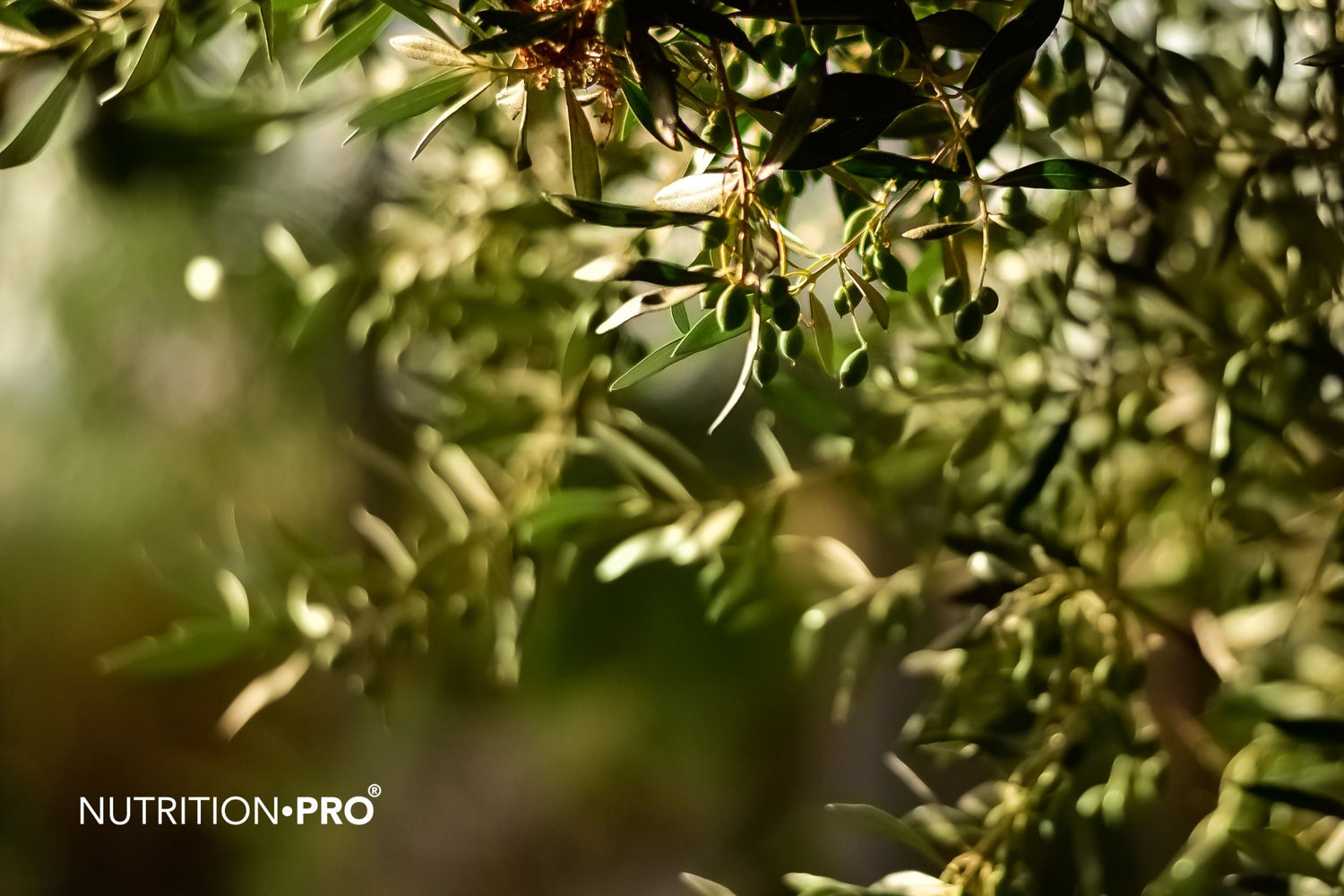
Symbol of the age-old Mediterranean, the olive leaf (Olea europaea) ) is today one of the most thoroughly studied plants in cardiovascular phytotherapy. Behind its traditional uses lies a key molecule:oleuropein, a polyphenol whose efficacy has been demonstrated by several randomized clinical trials.
Blood pressure, cholesterol, blood sugar, immunity, liver health: this article reviews the 8 scientifically documented benefits of olive leaf, its various forms of use (herbal tea, capsules, extract), and the precautions you should know. All cited sources are verified on PubMed.

Olive leaf herbal tea: 100 g
Olive leaves (Olea europaea) carefully selected, hand-harvested, and slow-dried to preserve their botanical quality.
View the herbal tea →The olive leaf is a Mediterranean plant whose activity is primarily based onoleuropein, an antioxidant polyphenol. According to Susalit et al. 2011 in Phytomedicine, a standardized extract lowers systolic pressure by approximately 11.5 mmHg over 8 weeks, an efficacy comparable to Captopril in stage 1 hypertensive patients.
According to Lockyer et al. 2017 in the European Journal of Nutrition, the polyphenol-rich extract also reduces total cholesterol, LDL, and triglycerides. Regarding blood sugar, Wainstein et al. 2012 (Journal of Medicinal Food) and de Bock et al. 2013 (PLoS One) demonstrated improved insulin sensitivity and a reduction in HbA1c in type 2 diabetic patients.
Olive leaf infusion offers a gentle and traditional form of use, while standardized extracts in capsules concentrate a higher dose of oleuropein. Some precautions are necessary when taking antihypertensive, antidiabetic, or anticoagulant medications.
- The olive tree (Olea europaea): a thousand-year-old tree
- Active composition: oleuropein and polyphenols
- Benefit #1: Blood pressure
- Benefit #2: Antioxidant activity
- Benefit #3: Blood sugar and insulin sensitivity
- Benefit #4: Cholesterol and lipid profile
- Benefit #5: Natural immunity
- Benefit #6: Liver and detoxification
- Benefit #7: Metabolism and weight management support
- Benefit #8: Nervous system and well-being
- Which form to choose? Infusion, capsules, extract
- How to prepare an olive leaf infusion
- Side effects and contraindications
- Decision table: which form is right for you?
- FAQ
The olive tree (Olea europaea): a thousand-year-old tree
Theolive tree is one of the most iconic trees of the Mediterranean basin. Cultivated for at least 6,000 years according to archaeological evidence found in the Levant and Crete, it has accompanied the entire history of Mediterranean civilizations, both for its fruit (the olive) and for its oil.
While olives and olive oil are today celebrated for their benefits as part of the Mediterranean diet, it is actually the olive leaves that contain the highest concentration of bioactive compounds. Traditional Mediterranean medicines (Greek, Andalusian, Moroccan, Levantine) already used these leaves in decoction to treat fevers, support circulation, or soothe certain digestive ailments.
Modern scientific research, from the 1990s onward, began isolating and characterizing the molecules responsible for these traditional effects. Today, several randomized clinical trials have validated these historical uses, particularly regarding blood pressure, glucose metabolism, and lipid metabolism.
Active composition: oleuropein and polyphenols
Oleuropein: the signature molecule
<<<26>>> Oleuropeinoleuropéine is a secoiridoid specific to the Oleaceaefamily. It represents up to 6 to 9% of the dry weight of olive leaves in the most concentrated varieties, compared to only 0.005 to 0.12% in ripe olives. This molecule, both bitter and bioactive, is responsible for the majority of the pharmacological effects observed in clinical studies.
Once ingested, oleuropein is partially hydrolyzed in the digestive tract into hydroxytyrosol, another highly active polyphenolic molecule, considered one of the most potent natural dietary antioxidants identified to date.
Other active compounds
- Hydroxytyrosol : major antioxidant, with the ability to cross the blood-brain barrier
- Tyrosol : complementary antioxidant
- Luteolin and apigenin : flavonoids with anti-inflammatory and vasoprotective properties
- Rutin : flavonoid that strengthens the resistance of blood capillaries
- Oleanolic acid and maslinic acid : triterpenes studied for their hepatoprotective and anti-inflammatory potential
- Verbascoside : complementary antioxidant
This phytochemical complexity is an important characteristic: the efficacy of olive leaf rarely relies on a single isolated molecule, but rather on the synergy between oleuropein and the other compounds present in the full extract.
Hypotensive effect: inhibition of the converting enzyme and vasodilation
Effect validated by randomized double-blind trial vs. Captopril
Oleuropein acts on blood pressure through several complementary mechanisms. First, it partially inhibitsangiotensin-converting enzyme (ACE), a mechanism identical to that of medications such as Captopril. It then promotes endothelial nitric oxide (NO) production, a powerful natural vasodilator produced by the blood vessels themselves. Khayyal et al. 2002 in Arzneimittelforschung demonstrated this mechanism in an animal model of L-NAME-induced hypertension (a NO synthase inhibitor). Finally, its antioxidant activity preserves arterial flexibility and limits vascular stiffness associated with oxidative stress.
Randomized double-blind trial vs. Captopril in 232 stage 1 hypertensive patients. Olive leaf extract (EFLA 943, 500 mg 2x/day) reduced systolic pressure by 11.5 ± 8.5 mmHg and diastolic pressure by 4.8 ± 5.5 mmHg over 8 weeks, with no significant difference compared to Captopril (12.5 to 25 mg 2x/day). A significant reduction in triglycerides was additionally observed in the olive group but not in the Captopril group.
Susalit E, Agus N, Effendi I, et al. Phytomedicine. 2011;18(4):251-258. DOI: 10.1016/j.phymed.2010.08.016
Randomized controlled crossover trial in 60 pre-hypertensive men (SBP 121–140 mmHg). Olive leaf extract (136 mg of oleuropein and 6 mg of hydroxytyrosol per day) over 6 weeks reduced 24-hour systolic pressure by 3.33 mmHg and diastolic pressure by 2.42 mmHg vs. placebo, with a parallel decrease in total cholesterol (-0.32 mmol/L), LDL (-0.19 mmol/L) and triglycerides (-0.18 mmol/L).
Lockyer S, Rowland I, Spencer JPE, et al. European Journal of Nutrition. 2017;56(4):1421-1432. DOI : 10.1007/s00394-016-1188-y
Antioxidant power: protection of lipoproteins and endothelial cells
Hydroxytyrosol and oleuropein, two of the most potent dietary antioxidants ever identified
Thehydroxytyrosol, an active metabolite of oleuropein, exhibits one of the highest ORAC (Oxygen Radical Absorbance Capacity) values among known dietary antioxidants, surpassing that of vitamin C and vitamin E in certain in vitro tests. Its protective action targets in particular LDL lipoproteins (by limiting their oxidation, a key step in atherosclerosis) and the endothelial cells that line the interior of blood vessels. This antioxidant activity is one of the mechanistic foundations underlying the cardiovascular benefits observed in clinical trials.
Hypoglycemic effect: reduced carbohydrate absorption and enhanced insulin sensitivity
Validated by randomized trial in 79 type 2 diabetics + cohort of 46 overweight men
The action of olive leaf on blood sugar levels is based on two complementary mechanisms. First, Wainstein et al. demonstrated in vivo and in an animal model a reduction in starch digestion and absorption at the intestinal level. This inhibition limits post-meal blood sugar spikes. Second, de Bock et al. identified a significant improvement in insulin sensitivity (Matsuda method) and a 28% increase in pancreatic beta cell responsiveness in overweight subjects at risk of metabolic syndrome. These two mechanisms make olive leaf a noteworthy support within a nutritional approach to glycemic imbalances.
Randomized controlled trial involving 79 adults with type 2 diabetes. Olive leaf extract (500 mg/day, 14 weeks) significantly reduced HbA1c and fasting insulin levels compared to placebo. The effect is attributed in particular to a reduction in starch digestion and intestinal absorption, as demonstrated in complementary animal models.
Wainstein J, Ganz T, Boaz M, et al. Journal of Medicinal Food. 2012;15(7):605-610. DOI: 10.1089/jmf.2011.0243
Randomized crossover trial involving 46 middle-aged (46 years) overweight men (BMI 28). Supplementation with olive leaf polyphenols (51.1 mg oleuropein + 9.7 mg hydroxytyrosol/day) for 12 weeks improved insulin sensitivity by 15% and pancreatic beta cell responsiveness by 28% compared to placebo.
de Bock M, Derraik JGB, Brennan CM, et al. PLoS One. 2013;8(3):e57622. DOI: 10.1371/journal.pone.0057622
Lipid-lowering effect: reduction in LDL, total cholesterol and triglycerides
Distinct dual metabolic action compared to conventional antihypertensive agents
The lipid-lowering effect of olive leaf stems from both theantioxidant activity of polyphenols (which limit LDL oxidation, the initiating step of atherosclerosis) and hepatic mechanisms (modulation of cholesterol metabolism at the liver level). This is a particularly notable characteristic of this plant: it acts simultaneously on blood pressure AND on lipid profile, two major cardiovascular risk factors, whereas most antihypertensive medications are lipid-neutral. To learn more about cholesterol, check out our guide 11 plants and nutrients validated for high LDL cholesterol.
Broad-spectrum antimicrobial activity
Documented in vitro action against bacteria, viruses and yeasts
The in vitro studies have highlighted the activity of oleuropein against a wide range of pathogens. The mechanism is based on the destabilization of microbial membranes and theinhibition of the synthesis of certain viral proteins. Traditional indications include immune support during the winter period, support for mild ENT conditions and digestive comfort in cases of microbiome imbalance. From a clinical standpoint, randomized human trials remain limited and larger-scale studies are needed to confirm these uses.
Liver support: antioxidant and anti-inflammatory
Mechanisms studied in preclinical models of steatosis and hepatotoxicity
Preclinical models show that oleuropein and hydroxytyrosol can protect hepatocytes from oxidative stress and certain hepatotoxic effects. Research has also explored their role in models of non-alcoholic fatty liver disease, an increasingly common condition linked to metabolic syndrome. Without constituting a treatment, olive leaf represents an interesting potential support as part of a holistic approach to liver wellness, to be explored in particular in our articles from the detoxification.
Indirect metabolic support: stable blood sugar and lipid oxidation
No direct "slimming" claim, but documented metabolic action
Olive leaf does not directly cause weight loss. However, by stabilizing blood sugar levels and improving insulin sensitivity, it can limit insulin spikes and the resulting accumulation of adipose tissue. This indirect action is consistent with the Mediterranean nutritional model, which de facto combines the consumption of olives, olive oil and other sources of polyphenols for an overall metabolic effect. Best combined with a balanced diet and regular physical activity for tangible results.
Antioxidant neuroprotection: crossing the blood-brain barrier
Active research avenue in brain health and aging
Polyphenols are rarely able to cross the blood-brain barrier, which limits their action on the central nervous system. Hydroxytyrosol is an exception: its small size and chemical nature allow it to reach brain tissue. Preclinical research is exploring its role in protection against neuronal oxidative stress and the modulation of certain inflammatory markers linked to cognitive aging. This is a promising research avenue, but one that still requires confirmation through larger-scale human clinical trials.
Which forms to choose? Infusion, capsules, extract
| Form | Active compound concentration | Preferred use | Advantages |
|---|---|---|---|
| Infusion (dried leaves) | Moderate (depending on steeping time) | Daily ritual, general cardiovascular wellness | Pleasant taste, hydration, traditional method, affordable price |
| Capsules (standardized extract) | High (titrated oleuropein) | Targeted courses, following a precise protocol | Stable dose, consistent with clinical studies, easy to take |
| Mother tincture | High (hydro-alcoholic) | Personalized phytotherapy guidance | Concentrated, rapid absorption, dosing in drops |
| Powder | Variable | Incorporation into preparations (smoothies, yogurts) | Flexibility of use, long shelf life |
For the majority of people looking for a gentle and traditional daily support, infusion remains the most accessible and most enjoyable option. It fits naturally into a wellness ritual that is easy to incorporate and offers a delicate, plant-based taste. For more targeted goals (following a protocol inspired by clinical studies, for example), the standardized extracts in capsules provide superior concentration and consistency of oleuropein.
How to prepare an olive leaf infusion
When should you drink olive leaf tea? The infusion can be enjoyed at any time of day. Many users appreciate a cup in the morning to start the day or in the mid-afternoon as a coffee alternative. Avoid consuming it late in the evening if you are sensitive to any potential mild stimulating effect.
Side effects and contraindications
Possible side effects
- Mild digestive discomfort at the start of a course (gastric sensation, transient bloating)
- Temporary feelings of fatigue related to a natural drop in blood pressure
- Transient headaches in the first few days, generally resolving on their own
- Dry mouth sensation in some individuals
- Pronounced bitter taste from oleuropein (individual variation in perception)
Contraindications and precautions
- Hypotension or chronic low blood pressure: risk of worsening
- Antihypertensive treatment (ACE inhibitors, sartans, beta-blockers, diuretics): possible additive effect
- Antidiabetic treatment (metformin, sulfonylureas, insulin): risk of hypoglycemia due to additive effect
- Oral anticoagulants (VKA, DOAC): possible interaction to be monitored
- Pregnancy and breastfeeding : not recommended as a precaution (insufficient data)
- Children : use not recommended without medical advice
- Scheduled surgery : discontinue at least 2 weeks before
If in doubt, and particularly if you are on long-term medication, always seek the advice of your primary care physician or pharmacist before starting a prolonged olive leaf course.
Decision table: which form is right for you?
FAQ: all your questions about olive leaf
What are the main benefits of olive leaf?
According to clinical studies published on PubMed, olive leaf (Olea europaea) has documented benefits on blood pressure (Susalit et al. 2011, Phytomedicine), lipid profile (Lockyer et al. 2017, European Journal of Nutrition), insulin sensitivity (de Bock et al. 2013, PLoS One) and glycemic balance (Wainstein et al. 2012, Journal of Medicinal Food). Its main active compound is oleuropein, an antioxidant polyphenol.
Does olive leaf really lower blood pressure?
Yes, several randomized clinical trials confirm this. The study by Susalit et al. published in Phytomedicine in 2011 showed that a standardized extract (500 mg twice daily) reduced systolic pressure by approximately 11.5 mmHg over 8 weeks in stage 1 hypertensive patients, demonstrating efficacy comparable to Captopril.
How do you prepare an olive leaf infusion?
Heat water to 90–95°C (without a rolling boil), place dried olive leaves in a teapot or filter, pour over the hot water, steep covered for 8 to 10 minutes, then strain. The infusion can be enjoyed plain or enhanced with lemon or honey.
What is the best form of olive leaf?
It depends on the intended use. The infusion is suitable for a daily wellness ritual and traditional consumption. Standardized extracts in capsules provide a more precise and stable amount of oleuropein, as typically used in clinical studies. Mother tincture and powder offer more concentrated alternatives.
What are the side effects of olive leaf?
Olive leaf is generally well tolerated at traditional doses. Reported side effects are rare and mild: slight digestive discomfort, a passing feeling of fatigue related to blood pressure reduction, and headaches at the start of a course. Caution is advised in cases of hypotension, or when taking antihypertensive or antidiabetic medication.
Is olive leaf compatible with my medications?
Interactions are possible, particularly with antihypertensives (additive effect on blood pressure), antidiabetics (additive effect on blood sugar), and anticoagulants. If you are undergoing treatment, consult your doctor or pharmacist before starting a course.
Can olive leaf be taken during pregnancy?
As a precaution, olive leaf is not recommended during pregnancy or breastfeeding, due to insufficient data on its safety in these populations. This precaution is common to most plants used in active herbal medicine.
Does olive leaf help with weight loss?
A direct effect on weight loss has not been demonstrated in clinical studies. However, olive leaf may indirectly support weight management through its action on carbohydrate metabolism (de Bock 2013) and lipid metabolism (Lockyer 2017), as part of a balanced diet and regular physical activity.
When should you drink olive leaf tea?
Olive leaf infusion can be enjoyed at any time of day. Many users appreciate a cup in the morning to start the day or in the mid-afternoon as a coffee replacement. Avoid drinking it late in the evening if you are sensitive to any potential stimulating effect.
Does olive leaf protect the liver?
Several preclinical studies (animal and cellular models) suggest a hepatoprotective effect of oleuropein, linked to its antioxidant activity. Human data still need to be confirmed by larger-scale clinical trials, but the potential is well documented in the scientific literature.
Does olive leaf strengthen the immune system?
Oleuropein and hydroxytyrosol exhibit antibacterial and antiviral properties documented in vitro against various pathogens (Helicobacter pylori, respiratory viruses, Candida). Human clinical trials remain limited, but the potential as an immune support is regularly being studied.
What is the difference between the olive and the olive leaf?
The olive is the fruit, rich in oil (monounsaturated fatty acids) and used primarily in food. The olive leaf is the plant organ richest in oleuropein and other polyphenols, and it is the part used in herbal medicine. The active compounds and their applications are therefore very different.
How long should an olive leaf course last?
Clinical studies generally use courses lasting 6 to 14 weeks (Lockyer 2017: 6 weeks, Susalit 2011: 8 weeks, Wainstein 2012: 14 weeks). For traditional use as an infusion, regular consumption over a few weeks to several months remains compatible with good tolerability.
Is olive leaf infusion as effective as capsules?
Effectiveness depends on the polyphenol concentration. Clinical studies generally use standardized capsule extracts (titrated for oleuropein content) to ensure a stable dose. The infusion delivers a more variable amount but remains relevant for daily traditional use and a wellness ritual. For highly targeted goals, standardized extracts offer greater reproducibility.
Is olive leaf good for the gut?
The polyphenols in olive leaf exert broad-spectrum antimicrobial activity in vitro, including against Helicobacter pylori involved in certain gastric pathologies. It may also favorably modulate the composition of the intestinal microbiota according to several preclinical studies. Clinical data in humans remain preliminary on this aspect.
Can olive leaf infusion and capsules be combined?
Combining both forms may enhance the expected effects (particularly on blood pressure). If you are already following a protocol with standardized capsules, exercise caution when adding infusions and monitor your blood pressure. In the case of medical treatment, advice from a healthcare professional is recommended.
- Oleuropein
- Secoiridoid polyphenol present in high concentration in the olive leaf (up to 6–9% of dry weight). The primary active compound responsible for the cardiovascular, antioxidant, and hypoglycemic effects documented in clinical studies.
- Hydroxytyrosol
- Active metabolite of oleuropein, formed through digestive hydrolysis. One of the most potent dietary antioxidants identified, capable of crossing the blood-brain barrier.
- Olea europaea
- Scientific name of the common olive tree, a Mediterranean tree of the Oleaceae family cultivated for 6,000 years for its fruit, its oil, and its traditional therapeutic properties.
- ACE (Angiotensin-Converting Enzyme)
- Key enzyme of the renin-angiotensin system regulating blood pressure. A major therapeutic target of antihypertensive medications such as Captopril. Oleuropein partially inhibits this enzyme.
- Polyphenol
- Family of plant molecules characterized by the presence of multiple phenolic rings. Present in large quantities in fruits, vegetables, and certain medicinal plants, they generally exhibit antioxidant and anti-inflammatory properties.
- Secoiridoid
- Sub-family of iridoids, bitter plant molecules characteristic of certain botanical families including the Oleaceae. Oleuropein is the best-known secoiridoid found in the olive leaf.
- HbA1c (Glycated Hemoglobin)
- Biological marker reflecting the average blood glucose level over the past 2 to 3 months. A key indicator for diabetes monitoring. Olive leaf extract has demonstrated a significant reduction in HbA1c in the Wainstein 2012 study.
- Susalit E, Agus N, Effendi I, et al. Olive (Olea europaea) leaf extract effective in patients with stage-1 hypertension: comparison with Captopril. Phytomedicine. 2011;18(4):251-258. DOI: 10.1016/j.phymed.2010.08.016
- Lockyer S, Rowland I, Spencer JPE, Yaqoob P, Stonehouse W. Impact of phenolic-rich olive leaf extract on blood pressure, plasma lipids and inflammatory markers: a randomised controlled trial. European Journal of Nutrition. 2017;56(4):1421-1432. DOI: 10.1007/s00394-016-1188-y
- Wainstein J, Ganz T, Boaz M, et al. Olive leaf extract as a hypoglycemic agent in both human diabetic subjects and in rats. Journal of Medicinal Food. 2012;15(7):605-610. DOI: 10.1089/jmf.2011.0243
- de Bock M, Derraik JGB, Brennan CM, et al. Olive (Olea europaea L.) leaf polyphenols improve insulin sensitivity in middle-aged overweight men: a randomized, placebo-controlled, crossover trial. PLoS One. 2013;8(3):e57622. DOI: 10.1371/journal.pone.0057622
- Khayyal MT, el-Ghazaly MA, Abdallah DM, et al. Blood pressure lowering effect of an olive leaf extract (Olea europaea) in L-NAME induced hypertension in rats. Arzneimittelforschung. 2002;52(11):797-802. DOI : 10.1055/s-0031-1299970


