

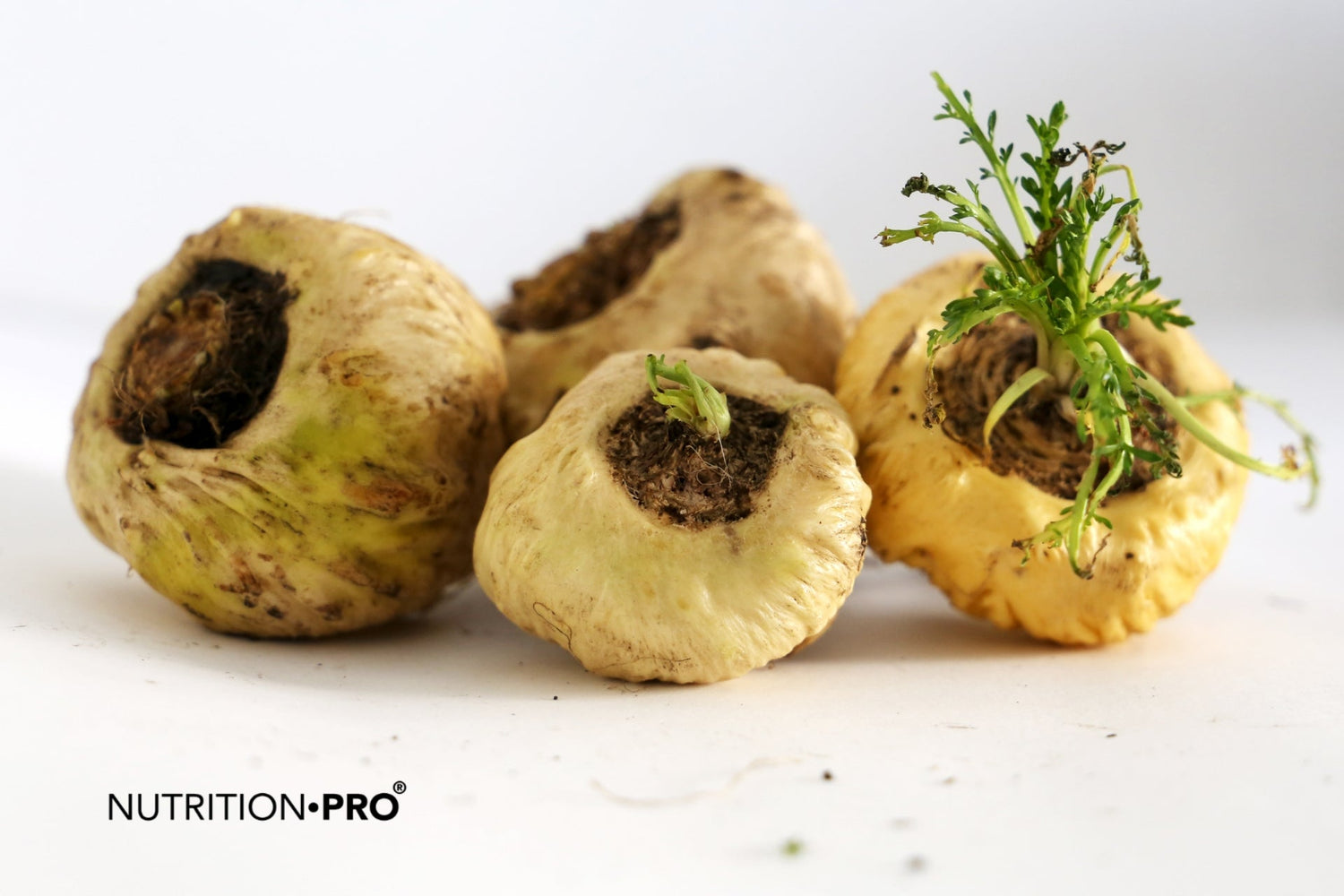
The maca, nicknamed the " Peruvian ginseng ", has been cultivated for over 2,000 years on the Andean highlands, at altitudes exceeding 4,000 meters. A traditional aphrodisiac of the Incas, it has experienced worldwide interest explosion since the 2000s, driven by more than 30 randomized clinical trials and 3 meta-analyses published in leading medical journals.
But behind the enthusiasm, many misconceptions circulate: does maca increase testosterone? Which color to choose between yellow, red, and black? Why are some macas "gelatinized" and is it really important? Which form to prefer: powder or capsules? And above all, what does science actually say about its benefits for libido, fertility, menopause, or energy?
This cornerstone guide brings together all available scientific data in 2026 on Lepidium meyenii, clearly distinguishing clinically demonstrated effects, probable benefits, and unfounded marketing claims. You will find the 4 angles that the French SERP overlooks : why maca improves libido without modifying testosterone, the key role of macamides and macaenes (the true active molecules), why gelatinization changes everything about bioavailability, and an honest scientific comparison of the three colors.


Proven Benefits: maca improves male and female libido (Shin 2010, Cochrane meta-analysis), reduces menopausal symptoms (Lee 2011, Maturitas) and improves sperm quality (Lee 2016, Alcalde 2020). Effects appear within 2 weeks (libido) and stabilize at 8-12 weeks.
No hormonal effect: contrary to popular belief, maca does not increase testosterone or estrogen (Gonzales 2002, Andrologia). Its action works through unique compounds — the macamides and macaenes — which act on the central nervous system without disrupting hormonal balance. Excellent safety profile.
Practical Choice: validated dose 1,500 to 3,000 mg/day, for 8 to 12 weeks, preferring organic, Peruvian, gelatinized maca. The yellow variety is versatile for most; black for male fertility; red for female/bone health. Powder is more economical for longer courses; capsules are more convenient for consistency.
- What exactly is maca?
- Active molecules: macamides, macaenes and glucosinolates
- Yellow, red or black maca: honest scientific comparison
- The 8 benefits validated by science
- Why maca improves libido without affecting testosterone
- Gelatinization: why raw maca isn't enough
- Powder or capsules: what to choose?
- Dosage: 1500 to 3000 mg/day, 8 to 12 week course
- Precautions, contraindications and side effects
- Self-test: is maca right for you?
- Your 8-week action plan
- FAQ: all your questions
What exactly is maca?
Maca maca (Lepidium meyenii) is a plant cruciferous native to the high plateaus of the Peruvian Andes, where it has been cultivated for over 2,000 years at extreme altitudes (3,800 to 4,500 meters). Its root, resembling a small turnip, is the only food that grows in such harsh conditions: extreme temperature fluctuations, violent winds, poor soil, intense UV radiation.
A botanically exceptional plant
Maca belongs to the Brassicaceae family (formerly cruciferous), like cabbage, radish, turnip or mustard. This membership explains its richness in glucosinolates, sulfur compounds characteristic of this botanical family. But maca also possesses compounds that are specific to it and found in no other plant: the macamides and the macaenes (details in the next section).
Its complete scientific name is Lepidium meyenii Walpers, sometimes also named Lepidium peruvianum Chacón by certain Peruvian botanists. The plant measures 10 to 20 cm tall, and the consumed part is the hypocotyl tuber, that is to say the swollen root that resembles a bulging radish with a color ranging from cream yellow to deep purple depending on phenotypes.
2,000 years of traditional use
Pre-Incan civilizations were already cultivating maca over 2 millennia ago. The Incas considered it sacred and reserved it for their warriors (for endurance before combat) and their elite (as an aphrodisiac). After the Spanish conquest in the 16th century, chroniclers reported its massive use among Andean populations for fight livestock infertility at high altitude — an effect observed that science has since confirmed in humans and animals.
For centuries, maca was consumed essentially locally, in cooked or dried form. It was only from the 2000s onward that it experienced international expansion thanks to the first Peruvian clinical studies (Gonzales et al.) that documented its effects on libido and sperm quality. Since 2005, maca has officially been one of the seven flagship products classified by the Peruvian State as symbols of its agri-food heritage.
A root with exceptional nutritional profile
Dehydrated maca contains on average:
- 59% carbohydrates (mainly starch)
- 10-11% proteins, rich in essential amino acids (lysine, methionine, leucine)
- 9% fiber
- 2-2.2% lipids including the famous macamides
- Numerous minerals : iron, calcium, magnesium, potassium, zinc, copper, manganese
- <<<19>>> vitamins vitamines : C, B1, B2, B6, B12, niacin
- <<<22>>> specific bioactive compounds composés bioactifs spécifiques : macamides, macaenes, glucosinolates, polyphenols, sterols
It is this exceptional nutritional density that justifies its classification as a superfood in the strict sense — a term often misused, but which here corresponds to a documented reality.
Active molecules: macamides, macaenes and glucosinolates
Here is the scientific angle that virtually no French website covers correctly. When we talk about "active principles of maca," we often mistakenly think of plant hormones or mysterious flavonoids. The reality is more precise and more interesting: maca possesses three families of bioactive molecules, two of which are exclusive to it.
1. Macamides — the signature molecules
<<<35>>> Macamides macamides are lipid compounds (fatty acids combined with an amine, N-benzylamide) specific to Lepidium meyenii. They are not found in any other known plant. Discovered in 2003, they are today considered the main responsible agents for the pharmacological effects of maca, particularly on the central nervous system.
According to Ulloa Del Carpio et al. 2024 in Frontiers in Pharmacology, a comprehensive review published recently, macamides exert neuroprotective, anti-inflammatory, immunoregulatory and antioxidant effects, and indirectly modulate neurotransmitters involved in libido and mood [DOI : 10.3389/fphar.2024.1360422]. This particularity explains why maca improves libido without altering sex hormones : it acts higher up, at the brain level.
The most studied macamides are N-benzyloleamide, N-benzyllinoleamide and N-benzylpalmitamide. Their content in maca varies according to phenotype (color), cultivation altitude, drying process and especially gelatinization.
2. Macaenes — unique unsaturated fatty acids
<<<15>>> Macaenes macaenes are polyunsaturated fatty acids also exclusive to maca. Discovered by Peruvian researchers Zheng et al. as early as the late 1990s, they were first identified as the compounds responsible for the empirically observed "energizing" effect noted by users. Subsequent research showed that they participate in synergy with macamides in the neurochemical and nutritional effects of the root.
Their identification represents one of the major phytochemical discoveries of the 2000s: before that, maca was considered a simple nutritive root; after, as a medicinal plant with a unique bioactive profile.
3. Glucosinolates — the common family of cruciferous vegetables
<<<24>>> Glucosinolates glucosinolates are sulfur-containing compounds found in all Brassicaceae (cabbage, radish, broccoli, mustard). In maca, more than a dozen have been identified, including glucotropaeolin and m-methoxyglucotroeolin. Hydrolyzed into isothiocyanates during digestion, they have antioxidant, anti-inflammatory and chemopreventive effects.
Caution: glucosinolates are also responsible for potential goitrogenic effects (interference with the thyroid) when consumed in large quantities in raw form. This is why people with active thyroid disease should seek medical advice before using maca. Gelatinization significantly reduces the content of active glucosinolates, which improves tolerance.
What this changes in practice
Understanding maca's composition allows three practical conclusions:
- The benefits do not rest on a single compound but on a synergy of macamides + macaenes + glucosinolates. This is why an isolated extract is less effective than standardized whole root.
- The effects are neurochemical and nutritional, not hormonal. Maca does not mimic estrogen or testosterone — it works differently.
- <<<39>>> Gelatinization gélatinisation changes the balance of these molecules: it preserves macamides/macaenes, degrades excess glucosinolates, and globally improves bioavailability and tolerance. It is one of the most important quality criteria — detailed below.
Yellow, red, or black maca: honest scientific comparison
On the French SERP, one often reads a marketing shortcut: "red = women, black = men, yellow = versatile". The scientific reality is more nuanced. According to Gonzales et al. 2009 in Forschende Komplementarmedizin [DOI : 10.1159/000264618], each color has a distinct pharmacological profile — but not all effects are validated at the same level of evidence.
What color really means
Yellow, red and black maca is not a different species : these are the three main phenotypes of the same plant (Lepidium meyenii), which grow side by side on high plateaus and are distinguished by the color of their tuber. Their chemical composition varies modestly: macamide profile, glucosinolate content, presence of anthocyanins (for red and black). These variations explain the differential effects observed in studies.
Typical distribution of a Peruvian harvest: 60 to 70% yellow maca, 20-25% red, 10-15% black. This is why yellow is the most studied — and therefore the one whose effects are best documented.
The scientific comparison table (vs. marketing)
| Criterion | Yellow maca | Red maca | Black maca |
|---|---|---|---|
| Share of harvest | 60-70% | 20-25% | 10-15% |
| Human clinical studies | Majority | Limited | A few RCTs |
| Libido effect | RCT validated | Probable | Probable |
| Mood / memory effect | Validated | Moderate | Validated |
| Semen quality | Moderate | No effect | Best effect |
| Prostate (animal) | Moderate | Observed effect | No effect |
| Bone density | Moderate | Animal only | Unknown |
| Anthocyanins (antioxidants) | Low | High | High |
| Taste | Sweet, caramel | Tart | More pronounced |
| For whom? | The majority — default choice | Women, preventive osteoporosis | Male fertility ♂, memory, athletes |
Our practical recommendation
- You're discovering maca, general use: start with yellow maca. It's the most studied, versatile, well-tolerated, and the most affordable. It's the intelligent default choice for 80% of users.
- Objective: male fertility (sperm quality): opt for black maca. This is the parameter where it has shown the best results in clinical studies.
- Objective: menopausal woman, sensitive hormonal context: red maca provides more antioxidant anthocyanins and has shown beneficial effects in animal models on bone density. For menopausal symptoms, all three colors have shown effects, with yellow remaining the most documented in humans.
- Multicolor maca ("tri-color"): some manufacturers offer a blend of all three. This is a reasonable approach that combines the benefits, provided that the quality of each phenotype is respected.
Good to know: Organic Maca Nutrition•pro is mainly composed of Peruvian yellow maca, gelatinized, to offer the best compromise between tolerance / clinical evidence / cost for the majority of user profiles.
The 8 benefits validated by science
Not all the claims heard about maca are equivalent. Some are based on Cochrane meta-analyses and several randomized clinical trials; others remain at the stage of animal studies or empirical observations. Here are the 8 benefits ranked by level of evidence, from the most solid to the most suggestive.
This is the best documented effect of maca. According to the meta-analysis by Shin et al. 2010 published in BMC Complementary and Alternative Medicine [DOI: 10.1186/1472-6882-10-44], four randomized clinical trials studied maca for sexual function. Two of them showed a significant effect on sexual desire in healthy adult men and in menopausal women (1,500 to 3,000 mg/day for 8 to 12 weeks), another showed improvement in men with mild erectile dysfunction.
Improvement appears as early as 2 weeks, becomes marked at 8 weeks, and concerns both spontaneous desire and perceived sexual activity. Crucial point: this effect occurs without any modification of sex hormones (testosterone, estradiol, LH, FSH, prolactin remain unchanged). Details explained in the dedicated section below.
According to the systematic review by Lee et al. 2011 published in Maturitas [DOI: 10.1016/j.maturitas.2011.07.017], four randomized clinical trials evaluated maca in peri- or post-menopausal women. All showed a favorable improvement on reference clinical scales: Kupperman Menopausal Index and Greene Climacteric Score.
Improved symptoms include: hot flashes, mood swings, irritability, sleep disturbances, decreased libido, fatigue. The effective dosage is 2 g per day on average, for 6 to 12 weeks. The effect is gradual and requires a minimum of 6 weeks to be fully felt. Unlike hormone replacement therapy, maca does not modify estrogen levels — making it an interesting alternative for women who cannot or prefer not to use HRT.
According to the systematic review by Lee et al. 2016 published in Maturitas [DOI: 10.1016/j.maturitas.2016.07.013], five studies (including 3 RCTs) reported favorable effects of maca on seminal parameters in healthy and infertile men: ejaculate volume, sperm concentration, motility, morphology.
More recently, Alcalde and Rabasa 2020 in Andrologia [DOI: 10.1111/and.13755] conducted a double-blind RCT in 69 infertile men (asthenozoospermia or mild oligozoospermia) receiving 2 g/day of maca or placebo for 12 weeks. Result: a significant improvement in sperm concentration (15.04 vs 10.16 million/mL, p = 0.011), with no change in volume or motility.
Black maca remains the color of choice for this specific parameter. For couples undergoing fertility treatment, maca can support the process in synergy with other supports such as zinc, vitamin C, or coenzyme Q10.
The "adaptogenic" effect of maca is one of the most reported by users: sustained energy, better resistance to effort, easier recovery, sensation of lasting tone without coffee-type stimulation. An adaptogenic plant helps the body adapt to stress without creating overstimulation. Ulloa Del Carpio et al. 2024 (Frontiers in Pharmacology) confirm this anti-fatigue effect in several preclinical studies and clinical observations.
Amateur and professional athletes consume it particularly for its effect on endurance and recovery. A pilot study showed improved cycling performance in amateurs taking 2 g/day of maca for 14 days. The mechanism appears to rely on optimization of cellular energy metabolism (mitochondria) and macamides at the level of the central nervous system.
Several clinical trials reported a reduction in depression, anxiety, and mental fatigue in menopausal women taking maca, independent of effects on hot flashes. Preclinical studies show that macamides interact with the endocannabinoid system and modulate serotonergic neurotransmission — which aligns with the effect empirically observed by many users outside menopause.
Good to know: maca can be used in synergy with other adaptogenic plants such asashwagandha (for stress) or rhodiola (for resistance to mental stress). It obviously does not replace antidepressant treatment in the case of characterized depression.
Several studies in rodents have shown that maca, particularly black maca, improves memory performance and partially reverses deficits induced by scopolamine or age. Macamides act as inhibitors of FAAH (the enzyme that breaks down anandamide, a key endocannabinoid for memory and mood), a mechanism that could explain the observed cognitive effects.
In humans, the data remain suggestive but consistent: improved concentration, reduced "brain fog," better resistance to cognitive fatigue. Insufficient evidence level for prevention of age-related cognitive decline, but an interesting profile as a complement to other approaches.
Several studies in ovariectomized rats (a model of menopause) have shown that maca, particularly red maca, helps preserve bone mineral density and stimulate bone formation. These results are promising for the prevention of postmenopausal osteoporosis, but to date no high-quality human clinical trial has confirmed this effect.
For bone health documented in humans, it is better to rely on the classic pillars: calcium, vitamin D, vitamin K2, weight-bearing physical activity. Maca can complement this approach without replacing it.
Beyond its pharmacological effects, maca provides nutritionally 10-11% complete proteins, essential amino acids (lysine, methionine), minerals (iron, zinc, calcium, magnesium, manganese), and B vitamins. Over long-term courses, it usefully supplements a diet lacking in certain micronutrients — particularly in athletes, vegetarians, seniors, or people in recovery.
It is this nutritional density, more than its specific pharmacological effects, that made it a staple food for Andean populations for millennia.
Why maca improves libido without affecting testosterone
This is one of the points where the French SERP is most confusing. Some sites claim "maca increases testosterone"; others write the opposite. The scientific consensus, however, has been clear since 2002: maca improves libido without modifying sexual hormones. This angle is crucial to understanding its mechanism — and to reassure about its hormonal safety.
The evidence: no measurable hormonal effect
Several clinical trials have measured directly blood levels of sexual hormones before and after maca intake. Unanimous verdict: no significant modification.
- According to Gonzales et al. 2002 (Andrologia) in healthy adult men receiving 1,500 or 3,000 mg/day of maca for 12 weeks: no change in testosterone, estradiol, LH, FSH, or prolactin, despite significant improvement in sexual desire.
- According to the review Gonzales et al. 2009 (Forschende Komplementarmedizin) covering multiple RCTs [DOI: 10.1159/000264618]: "Serum levels of testosterone, estradiol, LH, FSH, and prolactin were not affected." Maca improves libido and fertility independently of the classical hormonal axis.
- According to Ulloa Del Carpio et al. 2024 (Frontiers in Pharmacology) [DOI: 10.3389/fphar.2024.1360422]: the comprehensive 2024 review confirms maca's non-hormonal profile, with a mechanism attributed to macamides and central neurochemical modulation.
So how does it work?
If maca doesn't act on sexual hormones, how does it explain its effect?
Researchers propose three complementary mechanisms, all documented at varying levels of evidence:
- 1. Central neurochemical action. Macamides inhibit FAAH, the enzyme that breaks down anandamide (a natural endocannabinoid involved in pleasure, mood, and desire). This inhibition prolongs endocannabinoid signaling and could explain the libido + well-being effect.
- 2. Neurotransmitter modulation. Preclinical studies suggesting an effect on dopamine and serotonin — key neurotransmitters of desire and motivation.
- 3. Adaptogenic and nutritional effect. Stress reduction, improved energy, supply of zinc, amino acids, and B vitamins (cofactors in hormonal synthesis without modifying final levels).
Practical consequence: an exceptional safety profile
This "non-hormonal" characteristic has three concrete implications for users:
- No disruption of hormonal balance in case of prolonged use. Unlike phytoestrogens (soy, red clover), maca has no measurable estrogenic effect.
- Compatible with a female hormonal cycle with no risk of imbalance. Nevertheless, as a precaution, it remains inadvisable in cases of known hormone-dependent cancer.
- Compatible with an athlete on hormonal cycle pause (in "post-cycle therapy" for example), as it does not interfere with recovery of endogenous testosterone production.
In summary: maca is a "functional andro-mimetic". It provides the subjective benefits traditionally attributed to a testosterone increase (energy, libido, performance, mood) without having the hormonal signature. It is one of its major assets.
Gelatinization: why raw maca is not enough
Here is a quality criterion virtually absent from French search results, yet it is essential for bioavailability, digestive tolerance, and real efficacy. The gelatinization has nothing to do with industrial "gelification": it is a traditional Peruvian process that transforms raw maca into digestible and active maca.
What is gelatinization, concretely?
<<<11>>> Gelatinization gélatinisation is a pre-cooking process at low pressure and low temperature (typically 70-80°C under partial vacuum) applied to dried and ground maca root. The term comes from the transformation of native starch (in difficult-to-digest crystalline form) into gelatinized starch (in amorphous and soluble form). No gelatin is added — the name simply comes from the texture obtained.
It is an ancestral traditional Peruvian practice: Andeans never consume raw maca. They cook it, sun-dry it, sometimes boil it before consumption. Modern manufacturers have industrialized this process to produce standardized "gelatinized maca."
The 4 changes caused by gelatinization
- 1. Hydrolysis of native starch. The crystalline starch in raw maca is poorly digestible and ferments in the colon, causing bloating and gas in many people. Gelatinization hydrolyzes this starch, makes it immediately assimilable, and significantly improves digestive tolerance.
- 2. Reduction of excess glucosinolates. Raw glucosinolates (sulfur compounds from cruciferous vegetables) can, in large quantities, interfere with thyroid function ( goitrogeniceffect). Low-pressure cooking partially degrades these compounds, reducing the risk without destroying the active principles.
- 3. Increased bioavailability of macamides. Comparative studies: gelatinized maca shows increased bioavailability of 30 to 60% for macamides and macaenes (the true active molecules) compared to raw maca. More effect for the same dose.
- 4. Nutrient concentration. The associated dehydration concentrates minerals and vitamins: gelatinized maca is approximately 4 times more nutritionally dense than fresh root, at equal weight.
How to recognize true gelatinized maca?
When purchasing, systematically check for:
- The mention "gelatinized" or "gelatinized" on the label or product sheet (and not just "organic" or "Peruvian")
- The texture : gelatinized powder is finer, more homogeneous, less "pasty" when in contact with water
- Thesmell : sweet caramel, light malt. Raw maca has a more vegetal smell, sometimes pungent
- The taste : milder, slightly sweet (notes of caramel or hazelnut). Raw maca is more astringent
- Origin Peruvian, Junín plateau or Cerro de Pasco ideally
- Certification organic (conventional maca may contain pesticide residues)
Good to know: the Organic Maca Nutrition•pro is gelatinized according to traditional process, certified organic, sourced from the Peruvian highlands. These criteria are not a detail: they determine the real effectiveness of your course of treatment. A raw maca at $10 may seem economical, but with 30 to 60% less bioavailability and an increased risk of bloating, it actually costs more per unit of real effect obtained.
Powder or capsules: which to choose?
Both forms are equivalent in terms of biological effectiveness, provided they are gelatinized, organic, and of comparable quality. The choice is made on three practical criteria: dosage flexibility, ease of intake, and budget for long-term courses of treatment. Here is an honest comparison.
| Criterion | Maca powder | Maca capsules |
|---|---|---|
| Biological effectiveness | Identical if gelatinized | Identical if gelatinized |
| Dosage precision | Measuring spoon (~3-5 g) | Exact (500 mg/capsule) |
| Taste | Sweet caramel, noticeable | None |
| Quick intake | Preparation (5 min) | With a glass of water |
| Travel / displacement | Bulky | Very convenient |
| Cost per effective dose | More economical | Slightly more expensive |
| Long-term course (3-6 months) | Very suitable | Suitable |
| Daily regularity | Requires remembering to prepare | Easier to forget? No |
| Culinary versatility | Smoothies, yogurts, porridge | None |
| Busy people | Less suitable | Ideal |
Our recommendation by profile
- You're starting out and hesitant: begin with capsules. Taking them is simple, the dosage is precise, you won't risk making a mistake. If the course suits you, you can switch to powder for the rest.
- Long-term course (3-6 months): powder powder is unbeatable on the value-for-money ratio and allows you to fine-tune the dose based on how you feel.
- You travel a lot or forget easily: capsules capsules. You carry them in a small pill organizer, you take them in 5 seconds with any glass of water.
- You enjoy food rituals: powder powder. In a morning smoothie with a banana, in honey yogurt, in porridge — the ritual strengthens regularity and compliance.
- Person sensitive to caramel notes: capsules capsules. Some people don't like the slight caramel note, which can become tedious during a long-term course.
- Couple in simultaneous treatment: capsules capsules, simpler to dose separately. Or the powder to be divided into fixed doses.
In practice, many users combine both : powder at breakfast (smoothie, porridge) and capsules on the go or for a second dose during the day. This is entirely possible.
Dosage: 1500 to 3000 mg/day, treatment course of 8 to 12 weeks
The dose validated by the majority of clinical trials is between 1500 and 3000 mg of maca per day, to be taken 2 or 3 times with meals, over a treatment course of 8 to 12 weeks minimum. Here are the precise protocols according to your objective.
The basic protocol (all indications)
- Week 1-2: start at 1 g/day (either 2 capsules of 500 mg or ½ teaspoon of powder) to assess digestive tolerance and stimulating effect (some feel energy as early as day 3, it's better to take the dose in the morning and at noon).
- Week 3-8: increase to 1.5 to 3 g/day, divided into 2 or 3 doses with meals. This is the effective dose.
- Week 9-12: continue at the same dose to consolidate the effects.
- Break: after 12 weeks, take a break of 2 to 4 weeks before resuming if necessary. As with any adaptogenic plant, avoid continuous intake at full dose for more than 3 months.
Adapt according to objective
| Objective | Dose | Duration | Notes |
|---|---|---|---|
| Libido (male or female) | 1.5 to 3 g/day | 8-12 weeks | Effects from 2 weeks, maximum at 8 weeks |
| Menopause symptoms | 2 g/day | 3-6 months | Regular breaks recommended |
| Male fertility | 2 to 3 g/day of black maca | Minimum 12 weeks | Combine with zinc, selenium, CoQ10 |
| Vitality / energy | 1.5 to 2 g/day | 4-8 weeks | Take in the morning and at noon (never in the evening) |
| Mood / well-being | 1.5 to 3 g/day | Minimum 8 weeks | Evaluate progressively |
| Athletic performance | 2 to 3 g/day | 4-12 weeks | With regular training |
When should you take maca during the day?
Maca has a mild stimulating effect in the majority of users. To avoid any interference with sleep:
- Dose 1 (essential): at breakfast — promotes daytime energy
- Dose 2: at lunch — reinforces the effect
- Dose 3 (if high dose): in the afternoon (4 PM), no later
- Absolutely avoid: after 5 PM, unless you tolerate it perfectly and have no sleep disturbances
If you are sensitive (insomnia, restlessness), reduce to a single morning dose and increase gradually.
With or without meals?
Both work. Taking it with meals improves digestive tolerance (less bloating) and bioavailability of macamides (lipid compounds better absorbed in the presence of dietary fats). This is our default recommendation.
Precautions, contraindications and side effects
Maca is generally very well tolerated. Adverse effects are rare and mild. However, certain situations require particular attention or contraindication. Here are the cases to know about before starting a course.
Possible side effects (rare and mild)
- Digestive issues : bloating, gas, especially at the beginning of treatment or with raw maca (non-gelatinized). Solution: reduce the dose, take with meals, choose gelatinized maca.
- Mild insomnia if taken late (stimulant effect). Solution: take only in the morning and midday.
- Headaches rare, transient, at the beginning of treatment. Generally disappear on their own.
- Moderate elevation of blood pressure beyond 600 mg/day in certain sensitive individuals (rare, observed in normotensive subjects). Solution: do not exceed 3 g/day, monitor blood pressure if there is a history.
- Elevation of ASAT (aspartate aminotransferase) beyond 600 mg/day according to some observations. No proven liver toxicity at recommended doses, but monitor in case of liver disease.
Cases where maca is not recommended
- Pregnancy and breastfeeding: as a precaution, in the absence of sufficient data on fetal and neonatal safety. Traditional uses report consumption during pregnancy in cooking, but concentrated dietary supplements are not recommended.
- Active thyroid disease (hypo or hyperthyroidism, Hashimoto's, Graves' disease) : maca contains glucosinolates potentially goitrogenic. Gelatinization reduces this risk, but as a precaution, consult your endocrinologist.
- Hormone-dependent cancers (breast, ovary, prostate, endometrium) : although maca has no measurable hormonal effect, as a maximum precaution, use is not recommended without oncological advice.
- Uncontrolled high blood pressure : risk of moderate blood pressure elevation at high doses. Monitor blood pressure if you start a course.
- Children and adolescents: use not recommended in the absence of pediatric data.
- Allergy to Brassicaceae (cabbage, radish, mustard) : avoid as a cross-reactivity precaution.
- Severe liver disease : monitoring recommended if prolonged treatment at high dose.
Drug interactions
Maca has no documented major drug interactions, but a few combinations warrant caution:
- Antihypertensive agents : possible effect on blood pressure at high doses. Monitoring recommended.
- Hormones (HRT, birth control, thyroid treatments) : no measured interaction, but medical advice recommended.
- Anticoagulants : at high and prolonged doses, the vitamin K content of maca could theoretically interfere. INR monitoring if treatment with vitamin K antagonists.
- SSRI antidepressants : no known interaction, and several studies have even shown a beneficial effect of maca on the decrease in libido induced by SSRIs. Discuss with your doctor.
Self-assessment: is maca right for you?
Rather than guessing, identify your dominant profile by checking what applies to you. The tool will display the personalized recommendation at the end of the test: main objective, maca color, optimal format and suggested treatment duration.
Your 8-week action plan
To get the most out of a maca course, structure your approach over 8 weeks minimum by following this progressive protocol. Adapt according to your profile and how you feel.
Week 1-2 — Progressive start
- Dose : 1 g/day (2 capsules or ½ teaspoon of powder), one morning dose
- Objective : assess digestive tolerance and stimulating effect. Some experience energy boost by day 3-5.
- Note : take at breakfast with a fat source (yogurt, avocado, nut butter) to optimize macamide absorption.
- Signals to observe : sleep (quality?), digestion (bloating?), energy level during the day.
Week 3-4 — Dose increase
- Dose : 1.5 to 2 g/day, split into 2 doses (morning + midday)
- Objective : reach the effective dose. First effects on libido (if that's your goal) may appear at 2 weeks.
- Note : avoid any intake after 5 p.m.
Week 5-8 — Efficacy Phase
- Dose : 2 to 3 g/day depending on your goal (3 g for male fertility or marked menopause symptoms)
- Objective : consolidation of effects. It is during this period that benefits stabilize.
- Self-evaluation at W6 and W8 : assess your target symptom (libido, energy, mood, etc.). Note concrete changes.
Week 9-12 (optional) — Consolidation
- If you see benefits and want them to be more profound: continue for 4 more weeks at the same dose.
- For male fertility specifically, 12 weeks are a minimum (one complete spermatogenesis cycle).
After — Break and Maintenance
- Take a break of 2 to 4 weeks after each course of 2 to 3 months.
- Resumption is possible if the need arises: 2-3 courses per year suits most people.
- For sustained routine effect: maintenance dose of 1 to 1.5 g/day continuous use remains possible in well-tolerant individuals.
FAQ: all your questions about maca
What are the proven benefits of maca?
Three benefits have been validated by meta-analyses : libido (Shin 2010, BMC), menopause symptoms (Lee 2011, Maturitas), and sperm quality (Lee 2016, Maturitas).
Other effects are documented at more modest levels of evidence: vitality, mood, endurance, memory, nutritional profile. Maca does not act like a medication but as an adaptogen and a nutrient-dense supplement.
Does maca increase testosterone?
No. Several clinical trials (Gonzales 2002, Gonzales 2009 review) measured testosterone, estradiol, LH, FSH, and prolactin before and after maca intake: no significant changes. The libido effect works through other mechanisms (macamides, central neurochemical modulation), not through hormonal elevation.
Paradoxically, this is one of its strengths: it delivers the subjective benefits traditionally associated with increased testosterone (energy, libido) without the hormonal signature or risks.
What is the effective dosage of maca?
1,500 to 3,000 mg per day, divided into 2 or 3 doses with meals, for a minimum of 8 to 12 weeks.
Gradual start over 2 weeks at 1 g/day, then increase to target dose. Effects on libido visible at 2 weeks, on menopause at 6-8 weeks, on sperm at 12 weeks. Beyond 3 g/day, no additional demonstrated benefit and risk of blood pressure elevation in certain sensitive individuals.
Yellow, red, or black maca: which one to choose?
According to Gonzales 2009 (PubMed review):
- Yellow : the most versatile and most studied. Default choice for the majority of users. 60-70% of Peruvian production.
- Black : better effects on sperm quality and memory. Ideal for male fertility.
- Red : effects on prostate (animal models) and bone density. Often preferred in female contexts.
If you're uncertain: yellow maca by default. It is the best documented in humans.
What is gelatinized maca and does it matter?
Yes, it's fundamental. Gelatinization is a low-pressure pre-cooking process (70-80°C) that transforms the native starch in raw maca into digestible starch. Without this process, maca can cause bloating, gas, digestive discomfort, and its bioavailability is reduced by 30 to 60%.
Gelatinization contains no gelatin and has nothing to do with industrial processing. It is an ancient traditional Peruvian practice. Always check for the mention "gelatinized" or "gelatinized" on the label before purchasing.
Maca powder or capsules: which one to choose?
Both forms are equivalent in biological efficacy if they are gelatinized and of comparable quality.
- Powder : more economical for long-term treatments, versatile in the kitchen (smoothies, yogurts, porridge), light caramel flavor.
- Capsules : precise dosage, tasteless, convenient for travel, ideal for consistency.
Many users combine both : powder in the morning as a ritual, capsules at lunch for practicality.
How long does it take for maca to work?
The timeline depends on the desired effect:
- Subjective vitality : 3 to 7 days in sensitive responders
- Libido : noticeable improvement at 2 weeks, maximum at 8 weeks
- Menopause : effect at 6 weeks, stabilization at 12 weeks
- Sperm quality : minimum 12 weeks (spermatogenesis cycle)
- Mood : 2 to 4 weeks
Allow 8 to 12 weeks to fully evaluate the benefits.
Does maca have side effects?
At recommended doses (1,500-3,000 mg/day) and with quality gelatinized maca, adverse effects are rare and mild :
- Bloating and gas (especially at the beginning of treatment or with raw maca)
- Mild insomnia if taken late (stimulating effect)
- Transient headaches (rare)
- Moderate elevation of blood pressure above 600 mg/day in some individuals
No hepatic or renal toxicity has been documented at usual doses.
Is maca suitable for pregnant women?
No, not recommended as a precaution during pregnancy and breastfeeding. Insufficient data on fetal and neonatal safety, despite traditional Peruvian use of fresh root in cooking.
For female fertility in conception planning (before pregnancy), maca may be considered — but discontinue as soon as pregnancy is confirmed.
Can you take maca while on blood pressure medication?
Possible but requires caution and medical advice. At high doses (beyond 600 mg/day according to some observations), maca can moderately elevate blood pressure in sensitive individuals. If you are taking antihypertensive medication: start at a low dose (1 g/day), monitor blood pressure during treatment, and discuss with your doctor.
In the majority of cases, maca at moderate doses (1-2 g/day) remains compatible with stabilized blood pressure treatment.
Does maca affect the thyroid?
Maca contains glucosinolates, sulfur compounds potentially goitrogenic in large quantities (interfering with iodine uptake). Gelatinization significantly reduces this content.
At recommended doses and with gelatinized maca, thyroid risk is very low. However, in case of active thyroid disease (hypothyroidism on Levothyrox, hyperthyroidism, Hashimoto's, Graves' disease), consult your endocrinologist before starting a treatment course.
Can maca be combined with other adaptogens?
Yes, several synergistic combinations are documented and well-tolerated:
- Maca + ashwagandha : libido + stress resistance + sleep
- Maca + rhodiola : physical vitality + mental resilience
- Maca + ginseng : energy + male libido
- Maca + shilajit : Andean + Himalayan tradition, andromimetic profile
However, limit to 2-3 adaptogens maximum simultaneously to avoid cumulative stimulating effects. Start gradually.
Can maca help with decreased libido from antidepressants?
Yes, this is one of the best-documented benefits in this niche. According to several studies (notably Dording 2008, CNS Neurosci Ther), maca at 3 g/day showed significant improvement in libido in patients (men and women) on selective serotonin reuptake inhibitors (SSRIs), without modifying the antidepressant effect.
Discuss this with your psychiatrist or primary care physician before starting. Maca should never replace an ongoing antidepressant treatment.
Should breaks be taken during the treatment course?
Yes, this is recommended for adaptogens in general. The standard schedule:
- Course : 8 to 12 weeks
- Break : 2 to 4 weeks
- Resume : if needed, renewed
This helps prevent potential tolerance and reinitialize the body's sensitivity to active compounds. 2-3 courses per year are suitable for the majority.
Is maca compatible with a sports cycle or post-cycle?
Very good compatibility. Since maca does not affect endogenous testosterone, it does not disrupt HPA axis recovery in post-cycle therapy. It provides energy and nutritional support without interfering with natural hormonal balance.
For athletes in a mass-building cycle, it is an interesting supplement to combine with creatine, BCAAs and quality proteins. It is not an anabolic and does not eliminate the need for structured training or adequate protein intake.
Raw maca vs gelatinized: do I really need the gelatinized version if I have no digestive issues?
Even without digestive discomfort, gelatinized remains preferable because it offers 30 to 60% superior bioavailability of macamides and macaenes (the true active molecules). At equal doses, you get more effect.
Moreover, gelatinization reduces excess glucosinolate content, which improves long-term tolerance and limits potential goitrogenic effect. The price difference is minimal — no reason to skip it.
Can you take maca for life?
Traditional Andean use has integrated it almost daily into the diet for 2,000 years, at moderate doses. As a concentrated dietary supplement, caution recommends cycles with breaks rather than continuous full-dose intake.
A maintenance dose of 1 to 1.5 g/day continuously (equivalent to enriched food intake) remains possible for well-tolerant users. Beyond that, alternate cycles of 8-12 weeks and breaks of 2-4 weeks.
What are the best times to start a maca cure?
Three ideal windows:
- Spring (March-May) : coming out of winter, expected energy boost, ideal for vitality
- Autumn (September-November) : preparation for winter, immune and energy support
- Before a goal (competition, exam, busy period, fertility journey): start 8 to 12 weeks before
Summer is less advisable if you tend toward insomnia (stimulating effect + short nights = poor combination).
- Lepidium meyenii
- Scientific name of maca. Plant of the Brassicaceae family (cruciferous) cultivated on the Peruvian highlands at altitudes above 4,000 m. Sometimes named Lepidium peruvianum Chacón.
- Adaptogen
- A plant that helps the body adapt to stress (physical, mental, environmental) without over-stimulating it. Criteria: non-specific effect, normalizing action, low toxicity. Maca, ashwagandha, rhodiola and ginseng are part of this category.
- Macamides
- Lipid compounds (fatty acids + benzylamine) specific to maca, considered the main active molecules. Act on the central nervous system via the endocannabinoid system, without modifying sex hormones.
- Macaenes
- Polyunsaturated fatty acids exclusive to maca, identified by Peruvian researchers in the 1990s. Synergy with macamides for pharmacological effects.
- Glucosinolates
- Sulfur-containing compounds characteristic of the Brassicaceae family (cabbage, radish, mustard). Antioxidant and chemopreventive effects, but potentially goitrogenic in large quantities.
- Gelatinization
- Traditional Peruvian low-pressure pre-cooking process (70-80°C) that transforms native maca starch into digestible starch. Improves bioavailability by 30 to 60% and reduces digestive upset.
- Goitrogenic
- A substance that interferes with thyroid function by blocking iodine uptake. Present in its raw state in all Brassicaceae. Cooking and gelatinization reduce this effect.
- Shin BC, Lee MS, Yang EJ, Lim HS, Ernst E. Maca (L. meyenii) for improving sexual function: a systematic review. BMC Complementary and Alternative Medicine. 2010;10:44. DOI: 10.1186/1472-6882-10-44
- Lee MS, Shin BC, Yang EJ, Lim HJ, Ernst E. Maca (Lepidium meyenii) for treatment of menopausal symptoms: A systematic review. Maturitas. 2011;70(3):227-33. DOI : 10.1016/j.maturitas.2011.07.017
- Lee MS, Lee HW, You S, Ha KT. The use of maca (Lepidium meyenii) to improve semen quality: A systematic review. Maturitas. 2016;92:64-69. DOI : 10.1016/j.maturitas.2016.07.013
- Alcalde AM, Rabasa J. Does Lepidium meyenii (Maca) improve seminal quality? Andrologia. 2020;52(10):e13755. DOI : 10.1111/and.13755
- Gonzales GF, Gonzales C, Gonzales-Castañeda C. Lepidium meyenii (Maca): a plant from the highlands of Peru — from tradition to science. Forschende Komplementarmedizin. 2009;16(6):373-80. DOI : 10.1159/000264618
- Ulloa Del Carpio N, Alvarado-Corella D, Quiñones-Laveriano DM, et al. Exploring the chemical and pharmacological variability of Lepidium meyenii: a comprehensive review of the effects of maca. Frontiers in Pharmacology. 2024;15:1360422. DOI : 10.3389/fphar.2024.1360422
- Gonzales GF, Cordova A, Vega K, Chung A, Villena A, Gonez C, Castillo S. Effect of Lepidium meyenii (MACA) on sexual desire and its absent relationship with serum testosterone levels in adult healthy men. Andrologia. 2002;34(6):367-72.
- Yi F, Tan XL, Yan X, Liu HB. In silico profiling for secondary metabolites from Lepidium meyenii (maca) by the pharmacophore and ligand-shape-based joint approach. Chinese Medicine. 2016;11:42. DOI : 10.1186/s13020-016-0112-y
- Dording CM, Fisher L, Papakostas G, Farabaugh A, Sonawalla S, Fava M, Mischoulon D. A double-blind, randomized, pilot dose-finding study of maca root (L. meyenii) for the management of SSRI-induced sexual dysfunction. CNS Neuroscience & Therapeutics. 2008;14(3):182-91.
- Stone M, Ibarra A, Roller M, Zangara A, Stevenson E. A pilot investigation into the effect of maca supplementation on physical activity and sexual desire in sportsmen. Journal of Ethnopharmacology. 2009;126(3):574-6.
- Health Canada — Maca (Lepidium meyenii) monograph. Directorate of Natural and Non-prescription Health Products, 2018.
- ANSES — Opinion on food supplements containing adaptogenic plants. National Food Safety Agency.
- EFSA — Compendium of botanicals reported to contain naturally occurring substances of possible concern for human health (entry Lepidium meyenii).


