

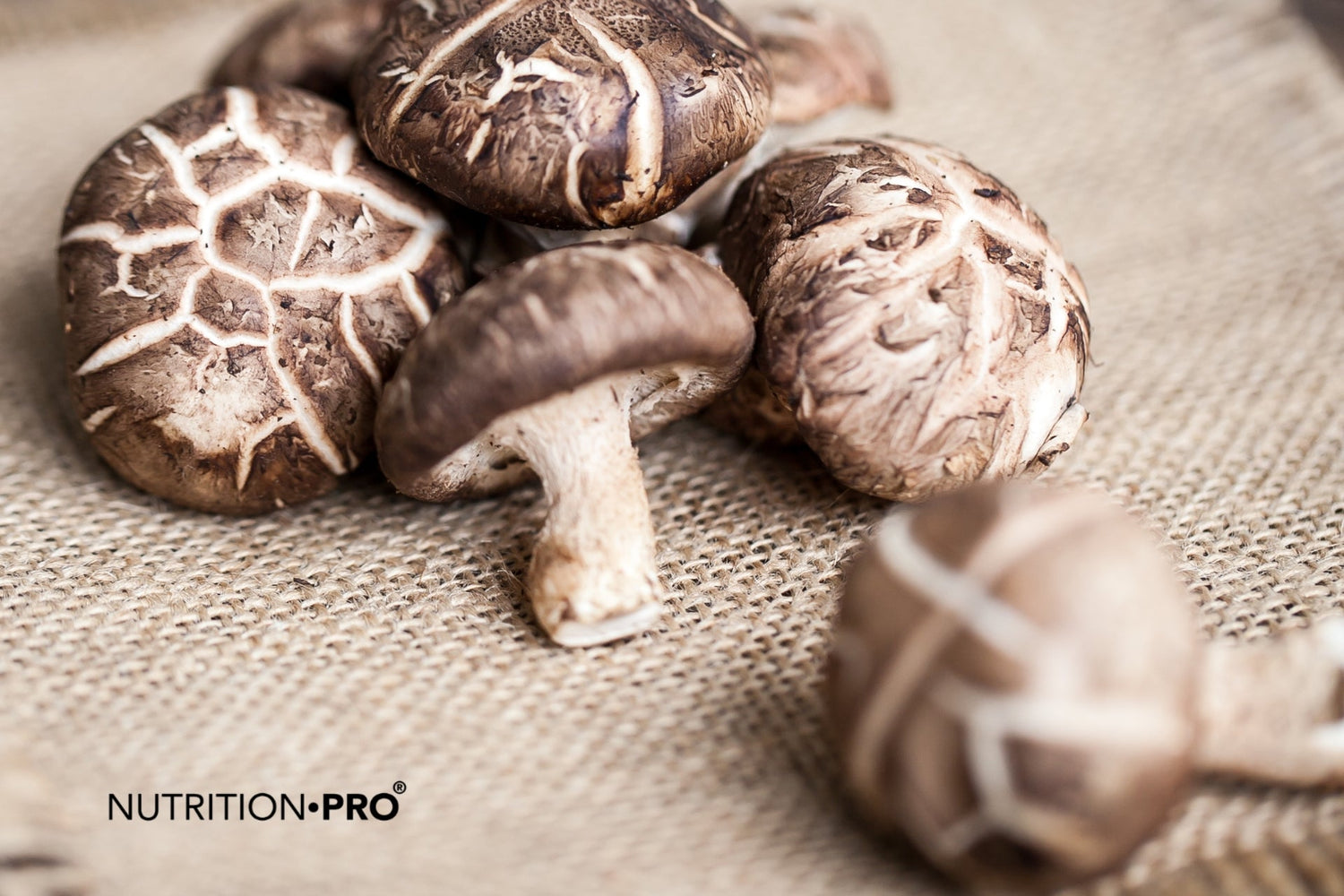
The Shiitake (Lentinula edodes) is one of the most consumed medicinal mushrooms in the world, both a daily food in Asian cuisine and a dietary supplement recognized for its immune properties. In Japan, its extract — lentinan — has been officially used intravenously as an adjuvant in oncology since 1985.
What the science actually says: according to an RCT published in 2015 in the Journal of the American College of Nutrition, 4 weeks of daily Shiitake consumption (5-10 g/day) significantly increase γδ-T immune cells by 60% and double NK-T cells in healthy adults. But be warned: 2 PubMed case reports document a characteristic flagellate dermatitis following raw or undercooked Shiitake consumption — a risk that virtually all French websites overlook. In this guide: the — un risque que la quasi-totalité des sites français passe sous silence. Dans ce guide : les , the dermatitis risk you absolutely need to know about, AHCC in Japanese oncology, and the 8-12 week protocol to safely benefit from Shiitake., le risque dermatite à connaître absolument, l'AHCC en oncologie japonaise, et le protocole 8-12 semaines pour profiter du Shiitake en sécurité.

Pivot human study: according to Dai et al. 2015 in the Journal of the American College of Nutrition, an RCT in 52 healthy adults demonstrated that daily Shiitake consumption (5 or 10 g/day) for 4 weeks significantly improves immunity: γδ-T cell proliferation +60% (p<0.0001), NK-T cells doubled (p<0.0001), elevation of salivary IgA (mucosal immunity) and reduction in CRP (systemic inflammation). This is one of the strongest clinical human studies on the immunity of a functional mushroom. NK-T multipliées par 2 (p<0,0001), élévation de l'IgA salivaire (immunité muqueuse) et réduction de la CRP (inflammation systémique). C'est l'une des études cliniques humaines les plus solides sur l'immunité d'un champignon fonctionnel.
Mechanism and safety: according to Vetter 2023 in Foods, the lentinan is the signature beta-glucan of Shiitake, used in Japan as an adjuvant intravenous medication in oncology since 1985. WARNING: according to Gofman 2024 in Cureus and Luber 2015 in Dermatology Online Journal, consumption of raw or undercooked Shiitake raw or undercooked can cause characteristic flagellate dermatitis (itchy linear streaks). Lentinan is heat-labile: always cook fresh Shiitake at above 60°C for at least 15 minutes. Nutrition•pro capsules undergo heat treatment that eliminates this risk.
- Shiitake: from ancient Japan to modern science
- Lentinan, eritadenine, ergothioneine: the science
- The 6 documented benefits: overview
- Benefit #1 — Immunity (Dai 2015, +60% γδ-T)
- Benefit #2 — Documented antiviral activity
- Benefit #3 — Cholesterol and cardiovascular health
- Benefit #4 — Antioxidant and anti-inflammatory
- Benefit #5 — Intestinal health and microbiota
- Benefit #6 — Adjuvant oncology support (AHCC)
- Myth: "Shiitake = natural antibiotic"
- Flagellate dermatitis risk — the essential safety angle
- Why Shiitake must be properly cooked (eritadenine)
- Precautions and contraindications
- Self-test: Is Shiitake right for you?
- 8-12 week seasonal protocol
- Personalized decision table
- FAQ — All your questions
Shiitake: from ancient Japan to modern science
The Shiitake (Lentinula edodes) is an edible mushroom native to East Asia, cultivated for over 1,000 years and used in traditional Chinese and Japanese medicine for 2,000 years. Today it is the second most cultivated mushroom in the world after the button mushroom, and the first in documented medicinal value.
Etymology reveals its natural habitat
The name Shiitake comes from Japanese 椎茸, composed of shii (椎, the pasania oak) and take (茸, mushroom) — literally "pasania oak mushroom". This name reveals its natural habitat: Shiitake grows in saprophytic symbiosis on dead trunks of hardwood trees (oaks, beeches, chestnuts) in the humid temperate forests of East Asia.
This ecological specificity long limited its cultivation to natural forests in Japan, China, and Korea. From the 13th century onward, Japanese farmers developed a controlled inoculation technique on oak logs — a method still used today to produce "premium" Shiitake cultivated on wood (genmu), distinct from industrial Shiitake cultivated on compacted sawdust.
An ancient documented medicinal use
Shiitake appears in Chinese medical texts as early as the Ming Dynasty (1368-1644). The famous physician Wu Rui (吴瑞) describes it in his Materia Medica (1620) as a qi tonic, supporting vitality, energy and longevity. In Japan, Shiitake was consumed by samurai and emperors for its energetic properties before long battles or journeys.
Western modern use dates back to the 1960s-1970s, when the first Japanese researchers (Chihara, Maeda) isolated and purified lentinan from Shiitake, demonstrating its immunomodulatory activity. In 1985, intravenous lentinan received official authorization from the PMDA (Japanese equivalent of the ANSM) as an adjuvant in the treatment of advanced gastric cancer.
Western popularization
In the 1990s-2000s, Shiitake exploded in the West in two forms: functional food (culinary mushroom recognized for its health properties) and dietary supplement in capsules of concentrated extract. Today, Shiitake is part of the "Top 5" most consumed medicinal mushrooms worldwide, alongside Reishi, Lion's Mane, Cordyceps and Chaga — the 5 species in the Nutrition•pro cluster.
See also our complete functional mushroom guide to position Shiitake among the 5 major species.
Lentinan, eritadenine, ergothioneine: the science of Shiitake
Shiitake owes its properties to three families of major active compounds working synergistically: lentinan (immunomodulation recognized by human RCTs), eritadenine (cholesterol-lowering agent unique to Shiitake), and ergothioneine (exceptional antioxidant with a dedicated transporter in our cells).
Lentinan: the signature immune active
The lentinan is the signature polysaccharide of Shiitake. Its chemical structure: β-(1→3)-D-glucan with β-(1→6) branches. It is precisely this triple helix three-dimensional structure that determines its biological activity — according to Vetter 2023 in Foods, "the biological effect of beta-glucan molecules is proportional to the integrity of their tertiary structure".
Primary mechanism: lentinan is recognized by Dectin-1 receptors expressed on the surface of macrophages, neutrophils and dendritic cells. This recognition activates a signaling cascade (Syk-CARD9-NF-κB pathway) that modulates innate immunity:
- Stimulation of phagocytosis by macrophages
- Balanced production of cytokines (IL-4, IL-10, TNF-α, IL-1α — documented in Dai 2015)
- Activation of γδ-T and NK-T cells (lymphocytes specialized in antitumor and early antiviral defense)
- Improvement of mucosal immunity (increased salivary IgA)
Eritadenine: the overlooked cholesterol active
Theeritadenine (also called lentinacinone) is a nitrogen-containing compound unique to Shiitake, first isolated in 1965 by Chibata. Its structure resembles adenine (purine base of DNA/RNA). Cholesterol-lowering mechanism documented in animal studies:
- Inhibition of hepatic S-adenosylhomocysteine hydrolase <<<38>>> Modulation of
- Modulation du homocysteine metabolism
- Modification of the pathways of Hepatic methylation
- Reduction of total plasma cholesterol and LDL in animals
It is a mechanism completely different from statins (which inhibit HMG-CoA reductase). Human clinical evidence remains limited, but eritadenine is one of the reasons why regular Shiitake consumption is associated with better cardiovascular health in several Asian epidemiological studies.
Ergothioneine: the exceptional antioxidant
<<<8>>> Ergothioneineergothionéine is a particularly remarkable sulfur-containing amino acid: it is one of the only antioxidants for which the human body has a dedicated transporter (OCTN1/SLC22A4), suggesting an important physiological role. Yet ergothioneine cannot be produced by animals — it must be supplied through diet, primarily via mushrooms.
Shiitake is one of the richest dietary sources of ergothioneine. Its antioxidant activity is exceptional:
- Neutralizes hydroxyl radicals (the most damaging)
- Neutralizes peroxynitrites (involved in neuroinflammation)
- Protects mitochondria from oxidative stress
- Associated with successful aging in several observational studies
AHCC: the standardized oncology extract
<<<27>>> AHCCAHCC (Active Hexose Correlated Compound) is a standardized extract of Shiitake mycelium, developed in Japan in the 1980s. Composition: partially acetylated α-glucan oligosaccharides. According to Kamiyama 2022 in Integrative Cancer Therapies, a clinical trial in 25 patients after hepatectomy for hepatocellular carcinoma documented a 2-year recurrence-free survival rate of 55.2% with AHCC as adjuvant therapy — an encouraging result that deserves confirmation by controlled RCTs.
AHCC has been used for over 30 years in Japan in adjuvant oncology under specialized medical prescription. It is not equivalent to a standard Shiitake extract in capsules — it is a distinct standardized pharmaceutical preparation used in a specific medical context.
The 6 documented benefits: overview
Here are the 6 areas for which research has documented an effect of Shiitake. Benefit #1 (immunity) is solidly validated by a pivotal human RCT (Dai 2015). The others are based on a mix of preclinical evidence, animal studies, and documented traditional use. We state this honestly for each benefit.
Immunity: γδ-T cells +60% and NK-T cells multiplied by 2
Pivotal RCT Dai 2015 — daily Shiitake vs placebo in 52 healthy adults, multiple immune markers.
This is the best-documented benefit of Shiitake in human RCT. According to Dai et al. 2015 in Journal of the American College of Nutrition, 4 weeks of daily Shiitake consumption significantly improves multiple markers of innate and mucosal immunity in healthy adults — an exceptional result for its methodological rigor in a functional mushroom.
The Dai 2015 RCT — rigorous protocol
According to Dai et al. 2015, the protocol included 52 participants in good health (men and women, 21-41 years old). Design: parallel-arm randomized trial. Participants consumed either 5 g, or 10 g of dry Shiitake (Lentinula edodes) daily for 4 weeks. Blood, salivary, and serum samples were taken before and after the treatment course.
The measured parameters were remarkably comprehensive for a nutritional study:
- Proliferation and activation of γδ-T cells (T lymphocytes specialized in barrier immunity)
- Proliferation of NK-T cells (Natural Killer T lymphocytes, early antitumoral and antiviral defense)
- Secretory salivary IgA (marker of mucosal immunity)
- Serum CRP (marker of systemic inflammation)
- Cytokine profile secreted by immune cells
Results — significant across multiple axes
After 4 weeks of daily supplementation (DOI : 10.1080/07315724.2014.950391) :
- Proliferation of γδ-T cells : +60 % (p<0.0001) — highly significant result
- Proliferation of NK-T cells : ×2 (p<0.0001) — doubling
- Enhanced capacity to express activation receptors by these cells (improved effector function)
- Elevated salivary IgA — strengthened mucosal immunity
- Reduced serum CRP — lowered systemic inflammation
- Modulated cytokine profile : increased IL-4, IL-10 (anti-inflammatory), TNF-α and IL-1α
Understanding γδ-T and NK-T cells
These two cell populations are specialized lymphocytes at the interface between innate and adaptive immunity. They play a crucial role in :
- First-line defense against viral and bacterial infections
- Antitumor surveillance (early elimination of abnormal cells)
- Mucosal defense (intestine, lungs, skin, genital tract)
- Regulation of low-grade chronic inflammation
An improvement in their proliferation and activation in healthy adults means a reinforced defense capacity against seasonal pathogens, post-intense exercise immune fatigue, or periods of chronic stress.
Who this is particularly relevant for
- People experiencing recurrent ENT infections in winter
- Seniors with immunity weakened by age (immunosenescence)
- Intensive athletes exposed to the post-exercise immune "open window"
- Travelers and expatriates in new microbial environments
- Family caregivers and exposed professionals
Documented antiviral activity via beta-glucans
Lentinan and glycoproteins modulating innate antiviral response, particular interest during cold season.
According to Arunachalam et al. 2022 in Food Chemistry Advances, several preclinical studies document antiviral activity of Shiitake compounds — lentinan, specific glycoproteins, polysaccharides — particularly against enveloped viruses (seasonal respiratory virus families).
Documented antiviral mechanisms
Shiitake's antiviral activity relies on several complementary pathways:
- Activation of innate immunity : γδ-T cells and NK-T cells activated by lentinan are on the front line against viral infections
- Stimulation of type I interferon production (IFN-α/β), major endogenous antivirals
- Interference with viral entry into cells: certain Shiitake glycoproteins can block attachment of enveloped viruses to cellular receptors
- Modulation of inflammatory response post-infection (limits cytokine storm)
Broad documented antiviral spectrum
According to Arunachalam 2022 and preclinical literature, Shiitake compounds have shown activity against several viral families in cellular and animal studies:
- Herpes simplex virus (HSV-1, HSV-2)
- Influenza virus (seasonal flu)
- Seasonal respiratory viruses (various types)
- Hepatitis B (older Japanese studies)
- Coronavirus (interest studied post-2020)
The context: the post-exercise immune "open window"
Intense and prolonged physical exercise (marathon, ultra-trail, high training volume) temporarily creates an "open window" of immunosuppression in the 3 to 72 hours that follow. During this period, the risk of respiratory viral infection is increased in athletes. Shiitake (like other functional mushrooms) can be an interesting support in this context.
See also our Cordyceps performance guide which addresses this same issue from a sports perspective.
Important: the honest nuance
The majority of antiviral evidence is preclinical (cultured cells, animal models). Human RCTs on specific viral infections remain limited. Shiitake is not an antiviral medication : it does not replace prescribed antivirals (oseltamivir for influenza, specific antivirals for herpes, etc.) and does not treat an active infection. Its value lies in prevention and supporting natural immunity.
Coherent cold season synergy: Organic Propolis (documented antibacterial and antiviral), Organic Acerola (natural vitamin C), 100% plant-based Vitamin D3 (critical cofactor for immunity).
Cholesterol and cardiovascular health via eritadenine
Unique active compound in Shiitake — a different and complementary mechanism to conventional statins.
Shiitake contains an exclusive compound called eritadenine (or lentinacine), documented in animal studies for its cholesterol-lowering effects. It is one of Shiitake's most unique actives, completely absent from other functional mushrooms — a true cardiovascular differentiator in the category.
The eritadenine mechanism — different from statins
According to available animal studies, eritadenine acts through inhibition of S-adenosylhomocysteine hydrolase (SAHH) in the liver. This mechanism:
- Modifies the hepatic methylation cycle (S-adenosylmethionine / S-adenosylhomocysteine)
- Modifies the phosphatidylcholine metabolism, a major lipid in lipoproteins
- Reduces hepatic VLDL secretion (LDL precursor)
- Decreases total cholesterol and plasma LDL in animals
It is a completely different mechanism of statins (which inhibit HMG-CoA reductase to block hepatic cholesterol synthesis). Eritadenine acts downstream, on lipid transport and export, without interfering with mitochondrial cholesterol synthesis — thus potentially without the muscle effects (myalgias) associated with statins.
Beta-glucans — second cardio axis
As a complement to eritadenine, beta-glucans from Shiitake act as prebiotic soluble fibers with a documented cholesterol-lowering effect. Mechanisms:
- Binding to bile salts in the intestine → increased fecal elimination → the liver must draw on blood cholesterol to reform bile salts → reduction in plasma cholesterol
- Fermentation by the microbiota into short-chain fatty acids (SCFA), including propionate which inhibits hepatic cholesterol synthesis
- Satiety effect: slow the absorption of dietary lipids
EFSA officially recognizes that "beta-glucans contribute to the maintenance of normal cholesterol levels" from 3 g/day — an intake difficult to achieve from mushrooms alone but facilitated by combining them with other sources of beta-glucans (oats, barley).
Honest limitations
Specific human clinical evidence for Shiitake on cholesterol remains limited. Most solid data come from animal studies and a few small-scale intervention studies. The observed effects are moderate (5-15% LDL reduction depending on protocols), far less than those of statins (40-60% reduction).
Shiitake is not a substitute for cholesterol-lowering treatment prescribed in cases of confirmed dyslipidemia or high cardiovascular risk. It can be a complement in a holistic approach (Mediterranean diet, physical activity, omega-3s, stress management). Coherent synergy: Organic spirulina (phycocyanin), Nutrition•pro Antioxidants (vit E, selenium).
Antioxidant and anti-inflammatory via ergothioneine
Exceptional antioxidant with a dedicated cellular transporter in the human body — evidence of a physiological role.
Theergothioneine from Shiitake is one of the most remarkable antioxidants known in nutrition. Unique feature: the human body has a specific cellular transporter (OCTN1/SLC22A4) for this molecule, which suggests an important physiological role — whereas no animal can synthesize it. Shiitake is one of the richest dietary sources.
Why ergothioneine is exceptional
Three characteristics distinguish ergothioneine from other dietary antioxidants (vitamin C, E, polyphenols):
- Unusual oxidative stability : unlike vitamin C which degrades rapidly, ergothioneine remains stable in physiological conditions
- Dedicated transporter : OCTN1 is specifically expressed in tissues with high oxidative risk (red blood cells, liver, kidney, brain, ovaries)
- Broad antioxidant spectrum : neutralizes hydroxyl radicals (the most damaging), peroxynitrites (involved in neuroinflammation), singlet oxygen
The association with successful aging
Several observational studies have associated high blood levels of ergothioneine with:
- Successful cognitive aging (preservation of memory and executive functions)
- Lower incidence of neurodegenerative diseases (Alzheimer's, Parkinson's)
- Better cardiovascular profile
- Overall longevity in certain cohorts
Important: these are observational data (associations, not causality). Rigorous human RCTs with pure ergothioneine are limited. But the body of evidence is sufficiently consistent to consider Shiitake as an interesting nutritional support in a comprehensive anti-aging approach.
The anti-inflammatory effect confirmed in RCT
Good news on the anti-inflammatory side: according to Dai et al. 2015, the pivotal RCT documented a reduction in serum CRP (C-Reactive Protein) after 4 weeks of daily Shiitake. CRP is the most widely used marker of systemic inflammation in clinical practice — its decrease means an effective reduction in chronic low-grade inflammation.
Combined with improvement in the cytokine profile (increased anti-inflammatory IL-4, IL-10), Shiitake appears as a true modulator of chronic inflammation — different from NSAIDs which block acute inflammation but can in the long term unbalance immunity.
Intestinal health and microbiota via prebiotic beta-glucans
Fermentation by the microbiota into short-chain fatty acids — support for the gut-immunity axis.
Shiitake beta-glucans (including lentinan) are prebiotic soluble fibers indigestible by human enzymes but fermented by the intestinal microbiota into short-chain fatty acids (SCFA) — direct support of intestinal health and indirect support of immunity via the gut-immunity axis.
Fermentation into short-chain fatty acids
During digestion, beta-glucans pass through the stomach and small intestine without being absorbed. Upon reaching the colon, they are fermented by microbiota bacteria (Bacteroidetes, Firmicutes) into short-chain fatty acids (SCFA) : acetate, propionate, butyrate. These SCFAs play several beneficial roles:
- Butyrate : primary energy source for colonic epithelial cells (colonocytes), maintains intestinal barrier integrity
- Propionate : inhibits hepatic lipogenesis, contributes to cholesterol regulation
- Acetate : peripheral energy substrate, modulates satiety via intestinal hormones
- Modulation of intestinal immunity : SCFAs stimulate regulatory T cells (Tregs) which control inflammation
The gut-immunity axis — why it's central
Approximately 70% of the immune system is associated with the digestive tract (GALT, Gut-Associated Lymphoid Tissue). A balanced microbiota is associated with better overall immune defense. Shiitake therefore acts on immunity through two complementary pathways:
- Direct pathway: lentinan absorbed → Dectin-1 → activation of immune cells (measured by Dai 2015)
- Indirect pathway: fermented beta-glucans → SCFA → positive modulation of microbiota and GALT
This dual pathway explains why Shiitake has a more sustained and balanced immune effect than punctual stimulating supplements (such as high-dose vitamin C in short-term courses).
Who it's relevant for
- People with chronic digestive discomfort (bloating, irregular transit)
- People in post-antibiotic recovery (destabilized microbiota)
- People with tendency toward recurrent ENT infections (weakened gut-immunity axis)
- Low-fiber diets (ultra-processed modern diet)
Adjuvant oncological support — AHCC in Japan for 30+ years
Strict medical context — never as a replacement for conventional oncological treatment, always under oncologist's advice.
Shiitake has a documented role in Japanese integrative oncology medicine, in two specific forms: intravenous lentinan (medication approved by PMDA since 1985 for advanced gastric cancer) andAHCC (Active Hexose Correlated Compound, standardized mycelium extract used as a complement to chemotherapy for over 30 years). Strict medical context — not for general public use.
The Kamiyama 2022 study — hepatectomy for hepatocellular carcinoma
According to Kamiyama et al. 2022 in Integrative Cancer Therapies, a clinical study evaluated AHCC as adjuvant therapy in 25 patients with advanced hepatocellular carcinoma (BCLC stage A and B) following curative hepatectomy. Protocol: AHCC 1 g three times daily for 2 years (DOI: 10.1177/15347354211073066).
Results:
- Recurrence-free survival at 2 years : 55.2% (with treatment history)
- Serum albumin recovering to preoperative level at 6 months
- Lymphocyte percentage maintained stable during follow-up
- Inflammatory prognostic scores (IBPS) maintained at favorable levels
- No toxicity or adverse effects reported in all patients
Important study limitations
Methodological integrity: the Kamiyama 2022 study presents significant limitations :
- Design non-randomized, uncontrolled, open-label (no placebo, no control group)
- Sample limited (25 patients)
- Study single-armed (single arm)
- The results are encouraging but preliminary — the authors themselves call for confirmatory RCTs
The broader context of use in oncology
In Japan, AHCC has been used for over 30 years as an adjuvant for:
- Supporting immune function in chemotherapy patients (reducing iatrogenic immunosuppression)
- Improving tolerance to intensive treatments (quality of life, fatigue, nausea)
- Maintaining nutritional status (preserving albumin, muscle mass)
- Potentially preventing certain recurrences (preliminary evidence)
Strict editorial position
For anyone undergoing active chemotherapy, immunotherapy, radiotherapy, or other cancer treatment:
- MANDATORY consultation with the treating oncologist before any supplementation
- Use only as complementary therapy, never as a replacement for medical treatment
- Monitoring of potential interactions with chemotherapy/immunotherapy
- Shiitake in consumer capsule form is not equivalent to standardized pharmaceutical-grade AHCC
Shiitake in consumer dietary supplement form may be an interesting nutritional support for patients post-treatment (under monitoring, outside active chemotherapy) only with the oncologist's approval. It does not treat cancer and any marketing discourse claiming otherwise is a form of dangerous misinformation.
The myth: "Shiitake = natural antibiotic"
On many naturopathy websites, Shiitake is presented as a "natural antibiotic" that could replace medical antibiotics. This representation is scientifically false and potentially dangerous — here's why.
Where the myth comes from
Three elements fuel this myth:
1. In vitro antimicrobial activity — Several compounds in Shiitake (lentinan, oligosaccharides, certain peptides) have shown antibacterial activity in cell studies against pathogens such as Staphylococcus aureus, Escherichia coli, Streptococcus mutans. But this activity is very modest in concentration and does not reproduce the rapid bactericidal effect of a systemic antibiotic.
2. Documented immune stimulation — The 2015 Dai RCT demonstrates improved antibacterial immunity (γδ-T cells, NK-T cells, mucosal IgA). But "boosting immunity" ≠ "killing pathogenic bacteria once infection is established".
3. Asian tradition — Shiitake was used in traditional medicine for various "infections". But pre-antibiotic traditional medicine had no other options: this is not proof of equivalence with modern antibiotics.
Why it's false and dangerous
Shiitake is not an antibiotic in the medical sense of the term:
- It does not kill pathogenic bacteria by direct contact like penicillin or cephalosporins
- Its action is chronic and preventive (immune support), not acute and curative
- It has no effect on serious bacterial infections (pneumonia, meningitis, septicemia) that require urgent antibiotic treatment
- No bactericidal blood concentration is achieved at normal human doses
The danger of delaying treatment
Replacing a prescribed antibiotic with Shiitake in case of confirmed bacterial infection can:
- Allow the infection to become severely complicated (progression to septicemia, abscess, systemic complications)
- Lead to chronic infections poorly treated
- Cause an emergency hospitalization in cases that could have been resolved simply
The right approach
Shiitake has real utility in a comprehensive immune support strategy:
- Prevention of winter upper respiratory infections in vulnerable individuals
- Support of immunity during periods of stress, fatigue, and unfavorable seasonal conditions
- Complement to a healthy lifestyle (sleep, nutrition, physical activity)
- Recovery following an infectious episode (as a complement, not as a replacement)
In case of high fever, clear localized infection (bacterial sore throat, otitis, suspected pneumonia), medical consultation is mandatory — Shiitake is not an alternative to antibiotics when they are medically indicated.
Flagellate dermatitis risk — the essential safety angle
This is the information that almost no French article provides, and which can nonetheless prevent an unpleasant and lasting skin reaction (up to 3 weeks). Consumption of raw or undercooked Shiitake raw or undercooked can cause characteristic flagellate dermatitis in approximately 2% of consumers. Here is everything you need to know.
Published case reports clearly
Case No. 1 — Luber and Ackerman 2015 (Dermatology Online Journal). An 84-year-old woman presented after 5 days with a linear pruritic skin rash forming arciform and linear patterns on the limbs, neck and trunk. Diagnosis: flagellate shiitake mushroom dermatitis related to Shiitake consumption the day before symptom onset [PMID: 26437171].
Case No. 2 — Gofman, Shapiro and Elias 2024 (Cureus). A 31-year-old African American man presented with a progressive flagellate rash with linear erythematous pruritic lesions on the face, trunk and upper limbs, following Shiitake consumption. Clinical diagnosis (biopsy does not provide specificity; only dietary history allows for diagnosis). Spontaneous resolution over 3 weeks, symptomatic treatment: topical corticosteroids + oral antihistamines (DOI : 10.7759/cureus.55437).
The mechanism: heat-labile lentinan
Shiitake flagellate dermatitis is caused by lentinan itself — the beta-glucan responsible for beneficial immune effects. Paradox: Shiitake's therapeutic compound is also the culprit. Proposed mechanism:
- Lentinan is a heat-labile polysaccharide (heat-sensitive)
- Raw or undercooked, it reaches the body in its intact active form
- In predisposed individuals (approximately 2% of the population), it triggers a Type IV hypersensitivity reaction delayed (24-48 hours)
- Prolonged cooking above 60°C denatures the lentinan and eliminates this risk
Characteristic clinical manifestations
Shiitake flagellate dermatitis presents very typical characteristics allowing for clinical diagnosis:
- Linear erythematous lesions in parallel streaks resembling whip marks
- Intense itching (pruritus)
- Typical location : trunk, upper limbs, sometimes neck and face
- Onset : 24-48 hours after consumption of raw/undercooked Shiitake
- Duration : generally 3 weeks, spontaneous resolution
- Sometimes residual hyperpigmentation in pigmented skin
Risk factors
The probability of developing Shiitake flagellate dermatitis is increased by:
- Consumption of raw Shiitake (mushroom carpaccio "trendy," mushroom tartare)
- Consumption of insufficiently cooked Shiitake (quick pan-frying, short microwave cooking)
- Consumption of large quantities (abundant Asian cooking with Shiitake)
- Individual susceptibility (atopic tendency, immune sensitivity)
The 2026 recommendation for safe use
For fresh Shiitake food consumption :
- Mandatory cooking above 60°C for at least 15 minutes
- Recommended cooking: stir-fried/pan-fried over high heat for 8-10 minutes minimum, or slow braised cooking for 20 minutes
- Absolutely avoid raw preparations (carpaccio, marinades without cooking, smoothies)
- For sensitive skin: test with a small amount before a substantial meal
- In case of suspected rash 24-48 hours after: consult a doctor and mention the consumption
For supplementation in Nutrition•pro capsules : no risk of flagellate dermatitis. The manufacturing process (drying, extraction, encapsulation) involves temperatures that completely denature lentinan in its allergenic form, while preserving its immunomodulatory activity (which operates through a different biological pathway once absorbed and recognized by Dectin-1).
Reassuring perspective
Flagellate dermatitis affects approximately 2% of consumers of raw/undercooked Shiitake. For normal consumption of well-cooked Shiitake or in capsule form, the risk is zero. This information is not meant to frighten but to inform honestly — something most French websites avoid out of fear of hindering sales.
We prefer complete transparency that allows you to cook Shiitake safely, rather than misleading marketing that would hide a risk that is nonetheless well-documented in international medical literature (several dozen published case reports).
Why Shiitake must be well-cooked (beyond dermatitis)
Beyond the risk of flagellate dermatitis, there are other technical reasons why well-cooked Shiitake is preferable to raw — namely the bioavailability of active compounds and digestibility.
Chitin in fungal cell walls
Mushrooms (and Shiitake in particular) have cell walls composed of chitin, a complex polysaccharide that human digestive enzymes cannot effectively break down. Prolonged high-temperature cooking:
- Softens the chitin and facilitates its breakdown during chewing and digestion
- Releases intracellular compounds (modified lentinan, eritadenine, ergothioneine)
- Improves bioavailability of water-soluble or lipid-soluble active compounds
- Reduces digestive discomfort (bloating, excessive fermentation)
Eritadenine and cooking
Theeritadenine (cholesterol-lowering) is heat-stable (unlike lentinan). Prolonged cooking of Shiitake therefore preserves eritadenine well while eliminating the risk of dermatitis. Good news for fans of well-cooked culinary Shiitake.
Ergothioneine and cooking
<<<7>>> Ergothioneineergothionéine is also thermostable. It resists normal Shiitake cooking without difficulty. You maintain the antioxidant effect intact.
Practical cooking tips
To get the most out of dietary Shiitake:
- Minimal cooking : 8 to 10 minutes sautéed over high heat (hot oil, turning regularly)
- Ideal cooking : 15 to 20 minutes sautéed over medium heat, or in long-duration simmering (soups, broths)
- Traditional Asian cooking : Dried Shiitake rehydrated then simmered 30+ minutes in broth
- Avoid : short microwave (often insufficient), raw salads, simple marinades without cooking
- Tip : preserve the rehydration broth from dried Shiitake (rich in soluble compounds) to flavor dishes and sauces
For capsule supplementation, no cooking concerns: the active compounds were extracted and stabilized during manufacturing.
Precautions and contraindications
Beyond the risk of flagellate dermatitis (raw consumption), Shiitake presents a few general precautions to know before any supplementation.
1. Mushroom allergy — Absolute contraindication
Like all medicinal mushrooms, Shiitake is contraindicated in people allergic to mushrooms. If you have previously had a reaction to another mushroom (Reishi, Lion's Mane, button mushrooms, oyster mushrooms), seek medical advice before supplementation. Reactions can be cutaneous, respiratory (bronchospasm), or digestive.
2. Active autoimmune diseases
Since Shiitake is immunomodulatory and stimulates the proliferation of γδ-T and NK-T cells, its use is not recommended in cases of active autoimmune disease flare (systemic lupus erythematosus, rheumatoid arthritis, active multiple sclerosis, inflammatory bowel diseases in acute phase). In stable phase and under treatment, medical advice is recommended.
3. Immunosuppressive treatment
The immunomodulatory beta-glucans in Shiitake may theoretically counteract the effect of immunosuppressants prescribed to transplant recipients, those with autoimmune diseases on biotherapy, or those with blood disorders. Specialist physician consultation is mandatory before any supplementation.
4. Anticoagulant treatment — Monitor closely
A few preclinical studies suggest that Shiitake may have a mild antiplatelet effect (less pronounced than Reishi). If you are taking an anticoagulant (VKA, DOAC such as Eliquis, Xarelto, Pradaxa) or an antiplatelet agent (aspirin, clopidogrel), Report Shiitake intake to your doctor for monitoring. Discontinuation recommended 2 weeks before any scheduled surgery.
5. Pregnancy and breastfeeding
Clinical data in pregnant women are insufficient for Shiitake in concentrated extracts. As a precaution, supplementation should be avoided during pregnancy and breastfeeding. Food consumption of well-cooked Shiitake remains safe with no known risk (except individual allergies).
6. Diabetes under treatment
Shiitake may have a mild hypoglycemic effect via beta-glucans (fiber-like effect). For diabetics on insulin or sulfonylureas, blood sugar monitoring at the start of treatment. No contraindication but caution is advised; any adjustment should be discussed with your endocrinologist.
7. Possible adverse effects at recommended doses
At recommended doses (500 mg - 1 g/day in capsules), adverse effects are rare and mild:
- Mild digestive discomfort at the start of treatment (generally resolved within 1-2 weeks)
- Transient bloating related to beta-glucan fermentation
- Rare headaches
- Rare allergic reactions in people sensitive to mushrooms
Self-test: Is Shiitake right for you?
Check the statements that apply to you. Your dominant profile will guide you toward the most relevant use of Shiitake — and toward the most coherent synergies for your situation.
8 to 12 week seasonal protocol
Here is a structured protocol for integrating Shiitake as a seasonal immunity cure, or as a long-term cardio-metabolic approach.
Phase 1 (Weeks 1-2) — Starting and Adaptation
- Check for contraindications (mushroom allergy, immunosuppressive treatment, anticoagulant)
- Shiitake: 1 capsule/day (500 mg) in the morning or at noon with meals for 2 weeks to assess digestive tolerance
- Normal hydration 1.5-2 L/day
- Keep a simple journal: note immune response, energy levels, infection frequency
- For fresh Shiitake food consumption: always cook for at least 15 minutes at over 60°C (reminder: flagellate dermatitis)
Phase 2 (Weeks 3-8) — Full Dose and Synergies
- Shiitake: 2 capsules/day (1 g) in the morning/at noon with meals
- Maintenance of hydration 1.5-2 L/day
- Synergies according to profile:
- Immunity profile: + Organic Propolis + Organic Acerola + 100% Plant-Based Vitamin D3
- Cardio profile: + Nutrition•pro Antioxidants + Mediterranean diet
- Anti-aging profile: + Nutrition•pro Antioxidants + other mushrooms from the cluster
- Gut profile: + diet rich in varied fibers and fermented foods
- Assessment at 8 weeks: note perceived changes compared to baseline
Phase 3 (Weeks 9-12) — Consolidation and Summary
- Continue Shiitake 2 capsules/day
- For the cardio profile: control lipid panel at 12 weeks (total cholesterol, LDL, HDL, triglycerides)
- Overall assessment at 12 weeks: if net benefit → maintenance cure (2-3 months/year of Shiitake). If no difference: review the entire approach
- Pause of minimum 4 weeks before any potential new cycle
Seasonal strategy within the mushroom cluster
Shiitake integrates ideally within a seasonal rotation of the 5 functional mushrooms from the Nutrition•pro cluster:
- Fall-Winter (October-March): Shiitake + Chaga (antioxidant + maximum immunity)
- Spring (April-June): Cordyceps (performance, energy after winter)
- Summer-stress (July-September): Reishi (calm, nighttime recovery)
- Year-round : Lion's Mane according to cognition goals
To learn more, see our complete functional mushrooms guide (parent pillar) which details the cluster complementarities.
Personalized decision table
IF / THEN summary to quickly decide on the approach suited to your situation.
FAQ — All Your Questions
Is Shiitake really effective for immunity?
Yes, it is one of the functional mushrooms with the most robust human clinical evidence. According to Dai et al. 2015 in Journal of the American College of Nutrition, an RCT in 52 healthy adults demonstrated that daily Shiitake consumption (5 or 10 g/day) for 4 weeks significantly increases γδ-T cells by 60% (p<0.0001), doubles NK-T cells (p<0.0001), elevates salivary IgA (mucosal immunity) and reducesCRP (systemic inflammation). This is the pivotal human study for Shiitake. Can Shiitake cause a skin reaction? Yes, it is
Shiitake flagellate dermatitis
, documented by several PubMed case reports (Luber 2015, Gofman 2024). It manifests as red, itchy linear streaks 24-48 hours after consumption of Shiitake raw or undercooked. Cause: lentinan is heat-labile and triggers a hypersensitivity reaction in approximately 2% of consumers. ABSOLUTE RULE: always cook fresh Shiitake above 60°C for at least 15 minutes. Nutrition•pro capsules undergo a thermal process that completely eliminates this risk. What dose of Shiitake should I take?Recommended dosage for
Nutrition•pro Shiitake
1 to 2 capsules per day (500 mg to 1 g) , ideally with a meal. The pivotal Dai 2015 RCT used 5 to 10 g/day of whole dried Shiitake — equivalent to approximately 1 to 2 g/day of concentrated extract in capsules. Start with 1 capsule/day for 1 week to assess digestive tolerance, then increase to 2 capsules. Treatment courses of 8 to 12 weeks with breaks of at least 4 weeks. : Does Shiitake help lower cholesterol?Shiitake contains a unique compound called
eritadenine
, documented in animal studies for its cholesterol-lowering effects through inhibition of S-adenosylhomocysteine hydrolase (a mechanism different from statins). Shiitake beta-glucans may also contribute to cholesterol reduction via their prebiotic fiber effect. Note: specific human RCTs on Shiitake and cholesterol remain limited. Effects observed in animal studies are promising but do not replace cholesterol-lowering treatment prescribed for confirmed dyslipidemia. What is lentinan and why is it important?Lentinan
Qu'est-ce que le lentinane et pourquoi est-il important ?
Le lentinane is a specific beta-glucan from Shiitake (β-(1→3)-D-glucan with β-(1→6) branches), first isolated in 1969 by Chihara in Japan. According to Vetter 2023 in Foods, it is the main active compound responsible for the immunomodulatory properties of Shiitake. It is recognized by Dectin-1 receptors on innate immune cells and activates their function (phagocytosis, cytokine production). In Japan, purified intravenous lentinan has been used in oncology since 1985, with official PMDA approval for advanced gastric cancer.
Shiitake and Vitamin D: What Synergy?
Shiitake is one of the rarest natural food sources of vitamin D (in D2 form, ergocalciferol), produced when the caps are exposed to sunlight during growth or drying. The synergy with vitamin D3 supplementation (more bioavailable form) is consistent for immunity: vitamin D directly modulates immune cell functions (T lymphocytes, macrophages). Synergistic Combination Nutrition•pro: Shiitake + 100% Plant-Based Vitamin D3 for comprehensive immune support.
Is Shiitake Suitable for People Undergoing Chemotherapy?
The subject is nuanced. In Japan,AHCC (Active Hexose Correlated Compound), a standardized extract of Shiitake mycelium, has been used for over 30 years as an adjuvant in oncology. A Kamiyama 2022 study in Integrative Cancer Therapies documented its benefit in recurrence prevention after hepatectomy for hepatocellular carcinoma. HOWEVER: for anyone undergoing active chemotherapy, immunotherapy, or ongoing oncological treatment, MANDATORY consultation with your referring oncologist before supplementation. Over-the-counter Shiitake capsules are not equivalent to pharmaceutical-grade AHCC. Never as a replacement for conventional medical treatment.
How Long Does It Take to See Shiitake's Effects?
According to Dai et al. 2015, immune effects (γδ-T cells, NK-T cells, salivary IgA, CRP) are measurable after 4 weeks of daily use. For felt clinical effects (resistance to winter ENT infections, energy), expect 8 to 12 weeks of continuous use. Shiitake is a chronic-action supplement, not an acute immune stimulant like high-dose vitamin C. Keeping a simple journal allows you to objectively evaluate changes in infection frequency, recovery time, and energy quality.
- Lentinula edodes (Shiitake)
- Edible mushroom native to East Asia, cultivated for over 1,000 years on pasania oak logs (shii in Japanese). Second most cultivated mushroom in the world after the button mushroom. Used in traditional Chinese and Japanese medicine for 2,000 years for its energetic and immune properties.
- Lentinan
- Polysaccharide β-(1→3)-D-glucan with β-(1→6) branching, first isolated in 1969 by Chihara from Shiitake. Signature beta-glucan of Lentinula edodes. Recognized by Dectin-1 receptors on innate immune cells. In Japan, purified intravenous lentinan has been approved as an adjuvant medication in oncology (advanced gastric cancer) since 1985. Thermolabile: destroyed by prolonged cooking at high temperature.
- Eritadenine (lentinacine)
- Nitrogen-containing compound unique to Shiitake (Lentinula edodes), an adenine analog. First isolated in 1965 by Chibata. Cholesterol-lowering mechanism: inhibition of S-adenosylhomocysteine hydrolase, which modifies homocysteine metabolism and hepatic methylation, resulting in reduced plasma cholesterol in animals. Different and complementary mechanism to statins.
- Ergothioneine
- Sulfur-containing antioxidant amino acid produced by certain mushrooms and bacteria, but not by animals. The human body has a specific transporter (OCTN1/SLC22A4), suggesting an important physiological role. Shiitake is one of the richest dietary sources. Exceptional antioxidant activity: neutralizes hydroxyl radicals, peroxynitrites, singlet oxygen. Protects mitochondria from oxidative stress.
- AHCC (Active Hexose Correlated Compound)
- Standardized extract of Shiitake (Lentinula edodes) mycelium, developed in Japan in the 1980s. Composed of partially acetylated α-glucan oligosaccharides. Used in Japanese oncology as an adjuvant for over 30 years to support immunity in patients undergoing chemotherapy and radiotherapy. According to Kamiyama 2022, clinical study of 25 patients after hepatectomy for hepatocellular carcinoma: 2-year recurrence-free survival = 55.2%. Can only be used under oncological guidance as adjuvant support.
- γδ-T Cells (gamma-delta T cells)
- Specialized T lymphocytes representing 1 to 5% of circulating T cells, but up to 50% of mucosal lymphocytes (intestine, skin, lungs). First line of defense against viral and bacterial infections, early antitumor surveillance. Activated by fungal beta-glucans via Dectin-1 receptors. According to Dai et al. 2015, daily Shiitake increases their proliferation by 60% in humans within 4 weeks.
- Shiitake Flagellate Dermatitis
- Type IV hypersensitivity skin reaction documented by several case reports (Luber 2015 in Dermatology Online Journal, Gofman 2024 in Cureus). Typical manifestation: linear red and itchy streaks resembling whip marks, on the trunk, limbs, and sometimes the face. Appears 24-48 hours after consumption of RAW or UNDERCOOKED Shiitake. Cause: thermolabile lentinan. Affects approximately 2% of consumers. Spontaneous resolution in 3 weeks. Preventable by prolonged cooking (15+ minutes above 60°C) or consumption in thermostable capsules.
- Dai X, Stanilka JM, Rowe CA, Esteves EA, Nieves C, Spaiser SJ, Christman MC, Langkamp-Henken B, Percival SS. Consuming Lentinula edodes (Shiitake) Mushrooms Daily Improves Human Immunity: A Randomized Dietary Intervention in Healthy Young Adults. Journal of the American College of Nutrition 2015;34(6):478-487. Parallel RCT in 52 healthy adults (21-41 years) consuming 5 or 10 g/day of Shiitake for 4 weeks: γδ-T cell proliferation increased by 60% (p<0.0001), NK-T cells multiplied by 2 (p<0.0001), salivary IgA increased (mucosal immunity), serum CRP reduced (inflammation). Pivotal reference human study of Shiitake. DOI: 10.1080/07315724.2014.950391
- Vetter J. The Mushroom Glucans: Molecules of High Biological and Medicinal Importance. Foods 2023;12(5):1009. Detailed review of major fungal beta-glucans (lentinan from Shiitake, pleuran, grifolan, schizophyllan, krestin). Three-dimensional triple helix structure, mechanisms of action via Dectin-1 receptors, dosage methods (Congo red vs enzymatic). Biological effect proportional to the integrity of tertiary structure. DOI: 10.3390/foods12051009
- Arunachalam K, Sasidharan SP, Yang X. A concise review of mushrooms antiviral and immunomodulatory properties that may combat against COVID-19. Food Chemistry Advances 2022;1:100023. Review of antiviral and immunomodulatory properties of several medicinal mushrooms including Shiitake. Active compounds: lentinan, glycoproteins, terpenoids, lectins. Documented activity against HSV, influenza, seasonal respiratory viruses, hepatitis B, coronavirus. DOI: 10.1016/j.focha.2022.100023
- Gofman J, Shapiro L, Elias MD. Recognizing Flagellate Erythema in Skin of Color: A Case of Shiitake Dermatitis. Cureus 2024;16(3):e55437. Case report of a 31-year-old African American man presenting with flagellate dermatitis (hyperpigmented erythematous linear lesions) after shiitake consumption. Clinical diagnosis, non-specific biopsy. Spontaneous resolution in 3 weeks. Symptomatic treatment: topical corticosteroids + antihistamines. DOI: 10.7759/cureus.55437
- Luber AJ, Ackerman LS. Flagellate shiitake mushroom dermatitis. Dermatology Online Journal 2015;21(8):13030. Case report of an 84-year-old woman presenting with pruritic skin eruption in arciform and linear patterns (flagellate), diagnosed as flagellate dermatitis from shiitake following consumption the day before symptom onset. [PMID: 26437171]
- Kamiyama T, Orimo T, Wakayama K, Kakisaka T, Shimada S, Nagatsu A, Asahi Y, Aiyama T, Kamachi H, Taketomi A. Preventing Recurrence of Hepatocellular Carcinoma After Curative Hepatectomy With Active Hexose-correlated Compound Derived From Lentinula edodes Mycelia. Integrative Cancer Therapies 2022;21:15347354211073066. Clinical single-armed study in 29 patients (25 followed) with hepatocellular carcinoma treated with AHCC 1 g three times daily for 2 years after curative hepatectomy. Recurrence-free survival at 2 years: 48-55%. No toxicity or adverse effects reported. Confirmatory RCTs needed. DOI: 10.1177/15347354211073066
- EFSA Health Claims Register. Authorized health claims for beta-glucans. European Food Safety Authority. Beta-glucans contribute to the maintenance of normal cholesterol levels (3 g/day minimum). Specific claims for lentinan and eritadenine from Shiitake are not yet formalized in Europe.


