

- 1. Why does diet influence venous circulation?
- 2. Foods that promote good circulation
- 3. Foods to limit or avoid
- 4. Practical tips for a "venotonic" plate
- 5. When diet is not enough: supplements & support
- FAQ — Diet & heavy legs
- Scientific references
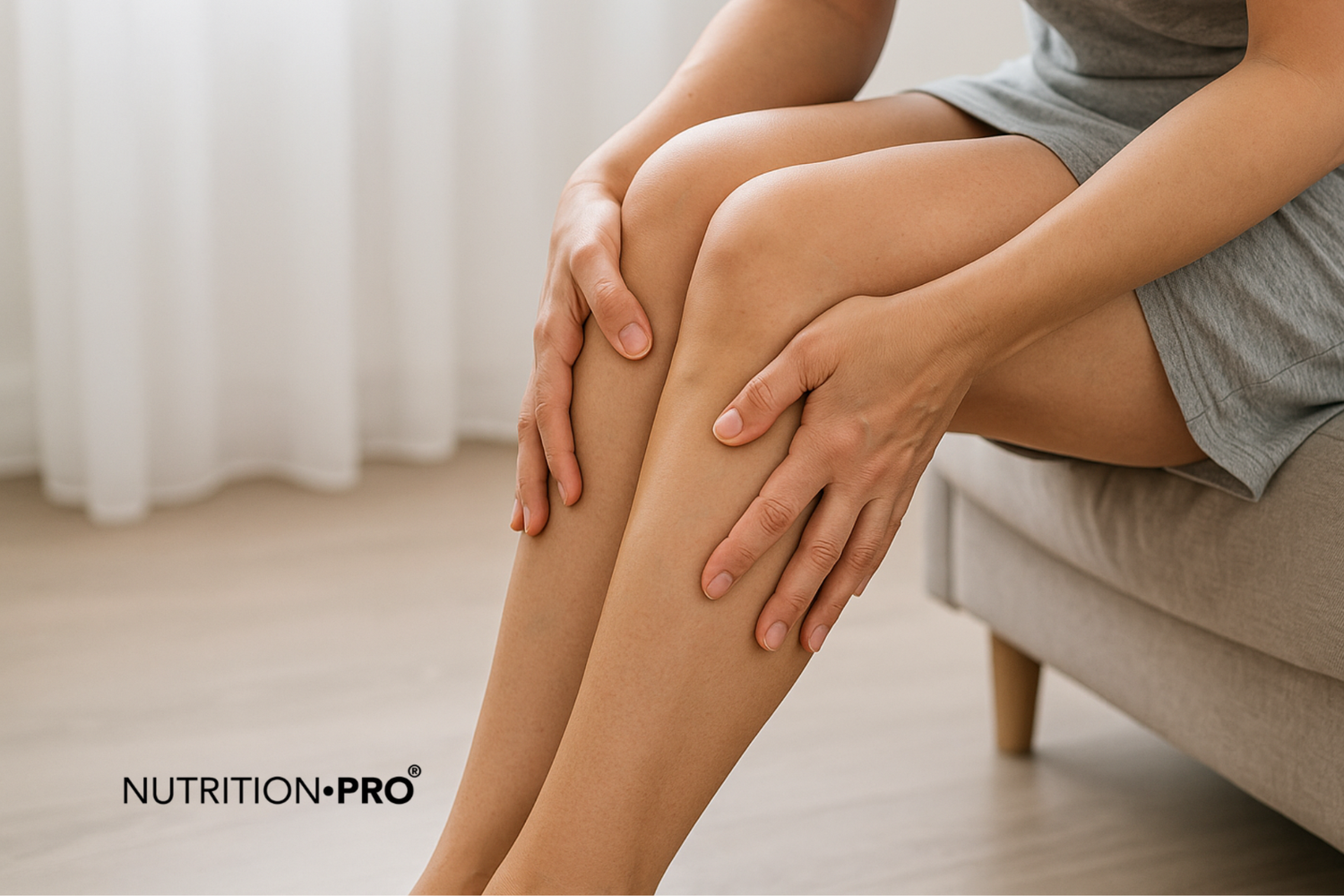
The sensation of heavy legs affects a large portion of the population, particularly when it is hot, after long hours spent standing or sitting, or during certain periods of life such as pregnancy. This symptom, often dismissed, nonetheless reflects a venous return imbalance, and it can become a genuine daily discomfort. While the role ofphysical activity, compression stockings or posture in improving circulation is frequently mentioned, another equally essential factor is sometimes overlooked: diet.
In reality, what we eat directly influences blood circulation and vein health. A diet too high in salt can promote water retention and accentuate swelling around the ankles. An excess of refined sugars or saturated fats maintains chronic inflammation that weakens venous walls and slows blood return. Conversely, a plate rich in protective nutrients, antioxidants and flavonoids from fruits, vegetables and plants helps strengthen veins, improve their tone and promote fluid circulation.
Diet also plays a key role in weight regulation, which is a major determinant in the pressure exerted on the legs. Excess weight increases the mechanical load supported by the veins, while dietary balance promotes better circulatory lightness. Finally, hydration, often considered a minor detail, is actually fundamental: a properly hydrated body transports blood more efficiently, limits viscosity and reduces stagnation in the lower limbs.
Thus, daily dietary choices are not neutral when it comes to preventing or relieving heavy legs. They can intensify discomfort or, conversely, become a powerful tool to improve quality of life. Adopting adapted nutrition is not about following a strict or restrictive diet, but about directing habits toward nutrients that support circulation and reducing those that impede venous return.
This article proposes to explore in depth the links between diet and venous health, to understand the mechanisms at play, to identify beneficial or conversely problematic foods, and to learn how to build a balanced plate that helps restore lighter legs.

1. Why does diet influence venous circulation?
Blood circulation is a complex system that depends not only on the cardiac pump and the tone of blood vessels , but also on the quality of blood and its balance in nutrients, water and minerals. However, diet plays a crucial role in each of these parameters. Poor eating habits can worsen the sensation of heavy legs, while a balanced plate can, conversely, support venous return and limit discomfort.
The impact of salt and water retention
Salt, or more precisely sodium , is one of the primary dietary factors involved in the sensation of heavy legs. When consumed in excess, it promotes hydrosodium retention : the body retains more water to maintain the balance between sodium and potassium. This retention causes tissue swelling, particularly around the ankles and calves, areas where blood already tends to stagnate. This is how a meal that is too salty can intensify the sensation of heaviness and swelling by the evening itself.
The role of hydration
Conversely, proper hydration promotes blood fluidity. A dehydrated body makes blood more viscous, which complicates its progression through the veins and increases the workload on the circulatory system. The veins, already fragile or dilated, must then withstand additional pressure. Drinking sufficient water thus helps reduce venous stasis and limit swelling.
Protective micronutrients
Certain nutrients play a protective role directly on blood vessels. The flavonoids , found in red fruits, citrus fruits and cocoa, strengthen the venous wall and improve its elasticity. The vitamin C , by participating in collagen synthesis, contributes to maintaining a solid and resistant vascular wall. The vitamin E and omega-3 exert an anti-inflammatory and blood-thinning effect, notably reducing the risk of blood stagnation.
The potassium , found in bananas, avocados and green vegetables, counterbalances the effects of sodium and helps regulate blood pressure. Conversely, a potassium deficiency promotes water retention and intensifies circulatory discomfort.
Body weight and mechanical load
Diet also influences weight management, which has a direct impact on the legs. Excess weight exerts additional mechanical pressure on the lower limbs, impairs venous return and increases the likelihood of varicose veins or edema. A balanced diet, rich in fiber, fruits and vegetables, contributes to maintaining a stable weight and thus relieves the load imposed on the veins.
Low-grade chronic inflammation
An increasing number of studies show that modern eating habits, too high in refined sugars, saturated fats and ultra-processed products, maintain low-grade chronic inflammation. This inflammation, subtle yet permanent, weakens vascular walls, reduces their elasticity and promotes venous dilation. Conversely, a diet rich in antioxidants and polyunsaturated fatty acids exerts a protective effect on microcirculation.
A direct influence on quality of life
Finally, one must not overlook the bigger picture: an unbalanced diet leads to fatigue, digestive heaviness and loss of energy, all factors that limit physical activity and promote sedentary behavior. This vicious cycle indirectly contributes to venous stagnation. Conversely, a diet rich in fresh, colorful foods and micronutrients maintains a sense of vitality, encouraging greater movement, which stimulates circulation.
2. Foods that promote good circulation
A well-chosen diet can become a true natural ally to prevent the sensation of heavy legs. Certain foods provide the nutrients necessary for maintaining venous tone, to the blood fluidity and to the limitation of edema. Regularly incorporated into meals, they form a solid foundation for improving circulatory health.
Red fruits: a treasure trove of anthocyanins
Red fruits (blueberries, raspberries, blackberries, blackcurrants) are particularly rich in anthocyanins, pigments with powerful antioxidant properties. These molecules strengthen the capillary walls, limit excessive permeability and reduce edema phenomena. Clinical studies have shown that their regular consumption improves microcirculation and decreases the sensation of heaviness in the legs.
A small bowl of blueberries or a handful of raspberries added to breakfast can already help support circulation.
Citrus fruits and vitamin C
Citrus fruits (oranges, lemons, grapefruits) provide a precious dose of vitamin C, essential for the synthesis of collagen, the structural protein of venous walls. Good collagen availability helps maintain more elastic veins and those more resistant to dilation. Vitamin C also acts as an antioxidant, neutralizing free radicals that weaken tissues.
A glass of warm lemon water in the morning or a few orange segments as a snack are simple and effective contributions.
Green vegetables and potassium-rich foods
Green vegetables (spinach, kale, broccoli, zucchini) contain potassium, a mineral that helps regulate fluid balance. Potassium counterbalances excess sodium and thus limits water retention, a major aggravating factor of heavy legs. Furthermore, the fiber they contain promotes good digestion, reducing abdominal pressure that can impede venous return.
Fatty fish and omega-3s
Fatty fish (salmon, sardine, mackerel, herring) are rich in omega-3s, essential fatty acids that thin the blood and reduce vascular inflammation. They promote the flexibility of cell membranes, including those of endothelial cells that line blood vessels. Consuming two servings of fatty fish per week thus helps improve circulation and protect the cardiovascular system as a whole.
Nuts and seeds and healthy fats
The nuts, almonds, hazelnuts provide unsaturated fatty acids, vitamin E and polyphenols, all beneficial elements for venous health. Vitamin E is a major antioxidant that protects cell membranes from oxidation, while unsaturated fatty acids contribute to vascular flexibility.
A small handful of unsalted nuts as a snack can advantageously replace a sugary snack and support circulation.
Legumes: balanced intake
<<<6>>> lentils, chickpeas, beans lentilles, pois chiches, haricots are an excellent source of fiber, plant-based proteins and minerals. They help maintain stable weight, reduce blood sugar spikes and promote regular digestion. By reducing constipation and abdominal pressure, they indirectly facilitate venous return.
Cocoa and dark chocolate
<<<10>>> Cocoa cacao, rich in flavonoids, has a beneficial effect on circulation. Consumed in the form of dark chocolate (minimum 70% cocoa), it helps improve endothelial function and reduce vessel rigidity. However, be careful not to overindulge, as it remains calorie-dense.
To support your venous circulation, vary the colors on your plate. Each color of fruit or vegetable corresponds to different antioxidants that strengthen veins and improve microcirculation.
The importance of variety
No single food is a miracle solution on its own. It is the combination of a wide diversity of fresh, colorful and minimally processed products that ensures complete intake of protective nutrients. The more varied the diet, the more pronounced the benefits for venous circulation.
3. Foods to limit or avoid
If certain foods are true allies of circulation, others in turn weaken the veins, accentuate water retention or maintain chronic inflammation. They are not necessarily to be completely banned, but their consumption should be reduced, especially in people prone to heavy legs.
Salt and processed products
<<<31>>> Salt sel is the number one enemy of venous circulation when consumed in excess. By increasing water retention, it causes swelling and accentuates the sensation of heaviness. The problem does not come only from the salt shaker at the table, but especially from processed products : ready-made meals, cured meats, industrial cheeses, sauces, savory crackers.
Reducing salt does not mean eating bland food: it is possible to enhance flavors with aromatic herbs, spices or a drizzle of lemon juice.
Saturated fats and fried foods
A diet rich in saturated fats (fatty meats, processed meats, excessive butter, fast-food products) promotesvascular inflammation and stiffening of venous walls. Fried foods also worsen the phenomenon by providing oxidized fats that impair microcirculation.
Favoring gentle cooking methods such as steaming, oven-baking, or boiling helps limit this harmful effect.
Refined sugars and ultra-processed products
<<<12>>> Sugary drinks boissons sucrées, industrial pastries and candy generate blood sugar spikes, triggering an inflammatory reaction that weakens blood vessels. Over the long term, an overly sugary diet increases the risk of excess weight, which mechanically increases pressure on the veins.
Limiting these products daily and preferring natural sources of sugar (fresh fruit, unsweetened compotes, moderate dark chocolate) is a better option.
Alcohol
<<<19>>> Alcoholalcool, in excess, causes dehydration that thickens the blood and slows circulation. It also enhances venous dilation, especially during hot periods. Moreover, it provides many empty calories, indirectly contributing to weight gain.
An occasional glass may be tolerated, but it is recommended to favor water, herbal infusions, or diluted natural juices to support circulation.
Foods too high in hidden salt
Beyond industrial products, certain foods considered "healthy" can contain much added salt:
- soy sauces or certain marinades,
- canned goods (vegetables, fish),
- certain industrial breads or rusks.
Vigilance on labels is therefore essential to avoid excessive intake.
<<<30>>> Ready-made meals plats préparés, processed meats, fried foods and sugary drinks worsen water retention and perpetuatechronic inflammation. Limiting their consumption is essential for relieving heavy legs.
Balance rather than restriction
It is important to remember that diet should remain a source of pleasure. The goal is not to categorically ban certain foods, but to reduce their frequency and quantity to preserve circulatory balance. By gradually replacing processed products with homemade preparations, favoring light cooking methods, and relearning how to season with herbs and spices, you can effectively reduce dietary factors that worsen heavy legs, without feeling deprived.
4. Practical tips for a "venotonic" plate
Knowing which foods to prioritize and which to limit is an important step. But to transform this knowledge into concrete results, you need to know how to compose your meals on a daily basis. A "venotonic" plate is one that eases circulation, supports venous wall integrity, and limits water retention. Here are practical and applicable tips.
Building a balanced meal
A balanced meal for circulation is based on three pillars:
- a source of protein (fish, legumes, lean poultry, eggs),
- a generous portion of vegetables rich in fiber, minerals, and antioxidants,
- a source of complex carbohydrates (whole grains, sweet potato, quinoa) to provide energy without causing blood sugar spikes.
Adding a quality fat source (olive oil, canola oil, handful of nuts) completes the meal and provides the fatty acids necessary for vascular flexibility.
Sample day
- Breakfast : a bowl of plain yogurt with blueberries, a few almonds, and a drizzle of honey, accompanied by unsweetened herbal tea.
- Lunch : grilled salmon fillet, quinoa, and green vegetable salad dressed with canola oil.
- Snack : an apple and a handful of unsalted cashews.
- Dinner : lentil soup with seasonal vegetables, whole grain bread slice, and citrus fruit salad for dessert.
This example illustrates that a venotonic diet can remain varied, flavorful, and simple to prepare.
Tips for reducing salt without sacrificing taste
Many people associate reducing salt with a loss of flavor. Yet it is possible to compensate by using:
- fresh aromatic herbs (parsley, basil, cilantro),
- spices épices (turmeric, ginger, cumin),
- citrus juices (lemon, orange),
- mild vinegars (balsamic, apple cider).
These alternatives add flavor complexity while preserving venous health.
The importance of consistency
A healthy meal now and then is not enough. It is consistency that matters. Adopting a vein-protective diet means repeating these good choices day after day, until they become a natural habit.
Associated hydration
A plate goes hand in hand with a glass. Drinking throughout the day, even without feeling thirsty, is essential. Alternating water, fresh herbal teas, and homemade infused waters (with cucumber or lemon slices) allows you to vary your pleasures while supporting circulation.
For better venous circulation, include at least two servings of vegetables and one serving of fruits rich in antioxidants at each meal. Consistency is key to achieving lasting results.
Combining diet and lifestyle habits
Finally, it must not be forgotten that diet works in synergy with other habits. A balanced plate becomes more effective when combined with regular physical activity, maintaining a stable weight, and simple gestures such as leg elevation or applying cool showers. This holistic approach allows for lasting relief from heavy legs.
5. When diet is not enough: supplements and medical support
Diet plays a major role in preventing and relieving heavy legs, but it does not always constitute a sufficient solution, especially when symptoms are marked or persistent. In this case, it may be helpful to combine targeted supplementation and, if needed, appropriate medical follow-up.
Venotonic plants
Certain plants are recognized for their ability to strengthen the venous wall and improve microcirculation:
- Red grape vine , rich in anthocyanins, reduces capillary permeability and relieves the sensation of heaviness.
- Horse chestnut , thanks to aescin, exerts an anti-edematous and venous tonic action.
- Witch hazel possesses astringent and anti-inflammatory properties that soothe tissues.
- Ginkgo biloba improves peripheral circulation and limits disorders related to venous stasis.
These extracts are available in capsule form, as herbal teas, or as standardized extracts. Their use should be considered carefully and, ideally, supervised by a healthcare professional.
Nutritional supplements
In addition to plants, certain specific nutrients can enhance the effects of a balanced diet:
- Vitamin C for collagen synthesis,
- Vitamin E for its antioxidant effect,
- Omega-3 to improve blood fluidity and reduce inflammation,
- Magnesium and potassium to balance water retention and support muscle contraction.
They do not replace food, but can supplement it during periods of accumulated needs (hot weather, circulatory fatigue, long travel).
Medical follow-up
When heavy legs become chronic, it is important to consult a general practitioner or a phlebologist . This specialist can recommend:
- wearing compression stockings ,
- a venous assessment by Doppler ultrasound,
- venotonic medication treatments if necessary.
Medical follow-up makes it possible to distinguish simple discomfort from true chronic venous insufficiency , in order to prevent complications (varicose veins, phlebitis).
A venous Doppler ultrasound is the reference examination for analyzing venous return . Painless and quick, it allows detection of venous insufficiency and proposal of appropriate treatment.
Conclusion
Diet plays a central role in the prevention and relief of heavy legs . Every dietary choice influences circulation: excess salt or refined sugars intensify water retention and inflammation, while a plate rich in fruits, vegetables, fiber, healthy fats and antioxidants promotes more effective venous return.
It's not about following a restrictive diet, but rather adopting regular and varied eating habits . Incorporating venotonic foods into your daily routine, limiting ultra-processed products, ensuring proper hydration and combining this with gentle physical activity allows you to regain lighter legs and sustainably improve quality of life.
And while diet is the first step, don't hesitate to complement it with venotonic plants or medical guidance in case of persistent symptoms. Because venous health relies on a holistic approach, where your plate plays a key role.
Which fruits are most beneficial for circulation?
Red berries and citrus fruits are particularly rich in flavonoids and vitamin C, excellent for strengthening the venous wall.
Should salt be completely eliminated?
No, salt is essential in small quantities. The goal is to limit excess, particularly from prepared dishes and processed foods.
Is chocolate allowed?
Yes, in dark chocolate form (70% minimum), as it contains beneficial flavonoids. To be consumed in moderation.
Are dietary supplements always necessary?
Not necessarily. They are useful if your diet doesn't meet your needs or in case of venous fragility, but they never replace a balanced diet.
Which dishes should be prioritized daily?
Simple and varied meals: fatty fish, legumes, green vegetables, fresh fruits, olive or canola oil, combined with proper hydration.
- Chopra A, et al. Dietary flavonoids and vascular health: a review. Nutrients. 2021; 13(4): 1442. doi: 10.3390/nu13041442
- Kakkos SK, Nicolaides AN. Efficacy of micronized purified flavonoid fraction on chronic venous disease. Int Angiol. 2018; 37(4): 303–314.
- Ziaja D, Chudek J, et al. Chronic venous disease and quality of life. Int Angiol. 2011;30(4):338–344.
- Alguire PC, Scovell S. Prevention and management of venous diseases of the lower limbs. N Engl J Med. 2017; 377: 356–366. doi: 10.1056/NEJMra1610778
- Manach C, et al. Bioavailability and bioefficacy of polyphenols in humans. Am J Clin Nutr. 2005;81(1 Suppl):230S–242S.


