

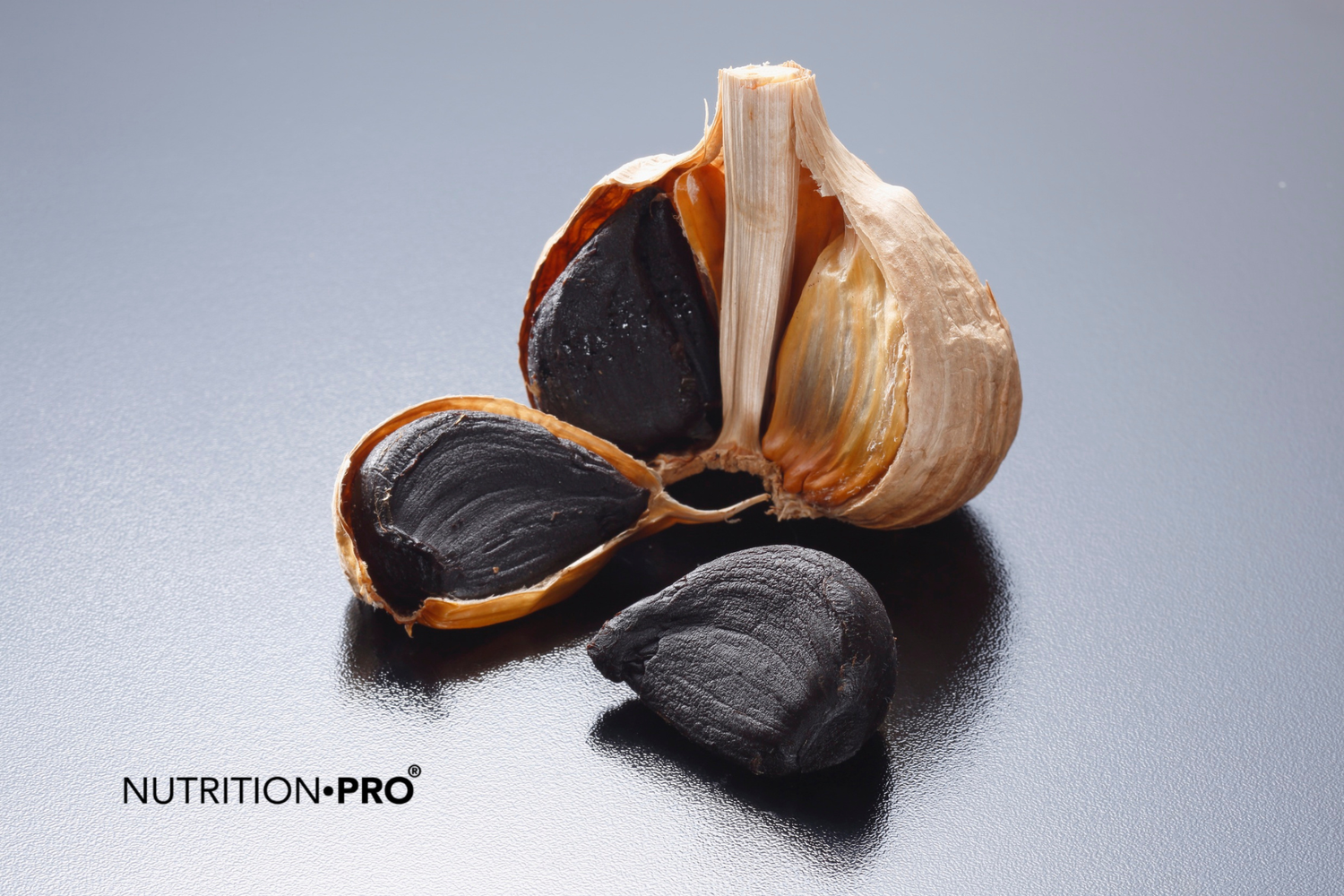
Theblack garlic (Allium nigrum), still relatively unknown to the general public, is a food with multiple benefits that is gaining in popularity. Obtained through the fermentation of white garlic, it offers not only a unique flavor but also significant health benefits. In this article, we will explore the origin of black garlic, its manufacturing process, and the advantages it provides, supported by scientific studies.
Discover our black garlic extract and enjoy its benefits! Click here
Origin and manufacturing process of black garlic
Black garlic is an ingredient that has attracted growing interest in recent years, both for its taste properties and its health benefits. Yet it is an ancient product, whose origins date back several centuries in Asia.
Origin of black garlic: An ingredient from Asia
Black garlic originates from Asia, particularly from Japan, Korea, and China, where it has been consumed for centuries. The first mentions of black garlic date back to traditional Asian medicine, where it was used for its therapeutic properties.
In Korea, it is renowned for its revitalizing effects and its beneficial action on longevity. Buddhist monks are said to have used it to strengthen their physical and mental resistance. In Japan, black garlic was often consumed by samurai before battles, due to its energizing properties and its action on endurance. In China, it was integrated into traditional pharmacopeia to strengthen the immune system and protect the body against disease.
It is only recently that black garlic has become known in the West, thanks to the rising popularity of superfoods and growing interest in functional nutrition.
Manufacturing process: The transformation of white garlic into black garlic
Black garlic is obtained through a natural fermentation process, also called the Maillard reaction. Contrary to popular belief, it is not genetically modified garlic, nor a specific garlic variety. It is simply derived from ordinary white garlic, subjected to specific conditions of temperature and humidity for several weeks.
Here are the main steps in black garlic production:
1. Selection of garlic bulbs
The process begins with the selection of quality white garlic. Ideally, organic garlic is used, free from pesticides and chemical treatments. The most commonly used varieties are common white garlic (Allium sativum) and certain varieties richer in sulfur compounds, such as purple garlic or pink garlic.
2. Controlled fermentation
The garlic heads are placed in a warm and humid environment, generally between 60 and 90°C with relative humidity maintained between 70 and 90%. This fermentation lasts between 2 and 4 weeks, depending on the methods used and the desired characteristics.
This process is carried out in specific enclosures, called "maturation chambers," where humidity and temperature are strictly controlled. Some producers use special ovens or ceramic vessels for more uniform fermentation.
3. Maillard reaction: the chemical transformation
During fermentation, a series of biochemical reactions take place, the most important of which is the Maillard reaction. This phenomenon is responsible for the change in color, texture, and flavor of the garlic.
- Darkening of the cloves : The Maillard reaction causes a progressive browning of the garlic, which eventually becomes black.
- Modification of texture : The garlic becomes softer and more tender, with a slightly sticky consistency and a melting texture reminiscent of candied fruit.
- Transformation of taste : The garlic loses its pungency and pronounced flavor, to develop softer and more complex aromas, reminiscent of licorice, balsamic vinegar, or caramel.
4. Aging and Drying
After fermentation, black garlic is left to mature for several more weeks to stabilize its aromas and improve its shelf life. This phase also allows it to further concentrate its bioactive compounds.
Finally, it is packaged in various forms: whole bulbs, peeled cloves, or powder to be used as a dietary supplement or culinary ingredient.
The different manufacturing methods of black garlic
Depending on the producers and traditions, black garlic manufacturing can vary slightly. Here are some common methods:
- Asian artisanal method : Garlic is aged in ceramic jars or bamboo baskets, placed in warm and humid cellars.
- Industrial method : Use of fermentation chambers with controlled temperature and humidity for a faster and more uniform process.
- Homemade method : Some people make their own black garlic using rice cookers maintained at low temperature for several weeks.
Why does this process enhance garlic's benefits?
Fermentation does more than just change the appearance and taste of garlic; it also improves its health benefits. Indeed, this process leads to:
- An increase in antioxidants : Black garlic contains up to 2 times more antioxidants than white garlic, thanks to the transformation of certain sulfur compounds into more stable bioactive substances.
- Better nutrient absorption : Black garlic is more digestible and better assimilated by the body, thus reducing the risk of gastric irritation sometimes associated with raw white garlic.
- A reduction in side effects : Unlike white garlic, black garlic does not cause unpleasant body odor after consumption.
With this carefully controlled manufacturing, black garlic becomes both a gastronomic and therapeutic ingredient, appreciated for its subtle aromas and nutritional benefits.
The differences between black garlic and white garlic
Black garlic and white garlic come from the same plant, Allium sativum, but they present major differences due to the fermentation process that black garlic undergoes. These distinctions concern their visual and taste aspects, their nutritional composition as well as their effects on health.
1. A transformation through fermentation
The main difference between black garlic and white garlic lies in their production method. White garlic is simply harvested and dried before being consumed. In contrast, black garlic is obtained through a process of fermentation at controlled temperature and humidity, which typically lasts between 2 and 4 weeks.
This fermentation profoundly transforms the garlic. The Maillard reaction, which occurs during this process, causes the cloves to blacken and modifies the chemical composition of the garlic. This phenomenon is responsible for the softer and more tender texture of black garlic as well as its mellowed and slightly sweet taste.
2. A completely different taste and odor
White garlic is renowned for its taste strong and pungent, with a very pronounced flavor that can linger long in the mouth. Its sulfurous odor is also very characteristic and can leave a marked breath after consumption.
In contrast, black garlic does not have a sharp taste and does not emit a strong odor. Its flavor is much milder and subtle, with notes of licorice, balsamic vinegar, and candied fruits. This transformation makes black garlic easier to incorporate into recipes, even for those who do not appreciate white garlic.
3. An optimized nutritional composition
The fermentation of garlic significantly modifies its biochemical composition. White garlic contains sulfur compounds, such as allicin, which give it its antimicrobial properties and pungent taste. However, allicin is an unstable molecule that degrades rapidly.
In contrast, black garlic contains more stable compounds such as S-allyl-cysteine (SAC), which possesses more powerful antioxidant and cardiovascular effects. Fermentation also increases the concentration of polyphenols, thereby reinforcing its protective properties against oxidative stress and inflammation.
4. A different impact on digestion and tolerance
White garlic, although beneficial for health, can sometimes be difficult to digest, particularly in people suffering from a sensitive digestive system. It can cause bloating or intestinal disorders due to its high content of fructans and irritating sulfur compounds.
Black garlic, thanks to its fermentation, is much more digestible. Its irritating compounds are transformed into substances that are gentler on the body. It can thus be consumed more easily, even by people with fragile digestion. Moreover, unlike white garlic, it does not cause strong breath after consumption.
5. Enhanced benefits through fermentation
White garlic is recognized for its numerous health-promoting properties, notably its antimicrobial effects, its action on cholesterol, and its impact on the immune system. However, black garlic offers even more pronounced advantages due to its increased richness in antioxidants and in stabilized sulfur compounds.
Black garlic possesses an antioxidant power two times higher than that of white garlic, which gives it more effective protection against cellular aging and inflammatory diseases. It plays a key role in the prevention of cardiovascular disease, the regulation of blood pressure and the strengthening of the immune system.
6. Different culinary and medicinal uses
White garlic is commonly used in cooking for its powerful flavor. It is often consumed raw, minced or cooked, and is a component of many traditional recipes. However, some people may be deterred by its overly strong flavor or its effect on breath.
Black garlic, thanks to its mild and sweet taste, is a prized ingredient in gourmet cuisine. It can be consumed as-is, as a purée, incorporated into sauces or marinades. Its subtle aroma allows for adding an umami touch to dishes, without overpowering other flavors.
As a dietary supplement, black garlic is often preferred for its amplified benefits and better digestive tolerance. It is available in the form of cloves, extracts or capsules, and is perfectly suited for people seeking a health benefit without the drawbacks of white garlic.
In summary: a super-food optimized by fermentation
Black garlic and white garlic share a common base, but fermentation completely transforms their taste, digestibility and health benefits.
- Black garlic is milder, sweeter and does not leave a strong odor on the breath.
- It is richer in antioxidants and bioactive compounds beneficial for heart, immunity and inflammation.
- It is easier to digest and better tolerated by sensitive individuals.
- It is a powerful ally in cooking and phytotherapy, with enhanced action on health.
Thus, whether for its unique taste or its benefits to the body, black garlic stands out as an optimized and accessible alternative to traditional white garlic.
The next section of the article will address in detail the benefits of black garlic, supported by scientific studies.
The benefits of black garlic: a super-food with multiple virtues
Black garlic, derived from the fermentation of white garlic, is recognized for its numerous health benefits. This transformation amplifies certain properties of garlic, particularly through the increase in bioactive compounds such as S-allyl-cysteine (SAC). In this section, we will explore in detail the advantages of black garlic, drawing on scientific studies to support each point.
1. Powerful antioxidant properties
The fermentation of white garlic into black garlic results in a significant increase in its antioxidant content. These compounds play a crucial role in neutralizing free radicals, responsible for oxidative stress and cellular aging. A Korean study demonstrated that the antioxidants present in black garlic can protect cells against oxidative stress.
2. Improved cardiovascular health
Several studies have highlighted the beneficial effects of black garlic on the cardiovascular system. It has been observed that the consumption of black garlic can help reduce blood pressure in hypertensive individuals.
Furthermore, black garlic contributes to the balance of blood cholesterol by decreasing LDL (bad cholesterol) levels and increasing HDL (good cholesterol) levels.
3. Anti-inflammatory effects
Black garlic possesses notable anti-inflammatory properties. Stable sulfur compounds, such as S-allyl-cysteine, present in greater quantities after fermentation, play a key role in reducing inflammatory processes. These compounds can inhibit inflammatory mediators, thus helping to attenuate the body's inflammatory responses.
4. Immune system strengthening
By stimulating the production of white blood cells, black garlic helps strengthen the immune system. Its immunostimulant effect has indeed been demonstrated in various studies, suggesting better resistance of the body against infections.
5. Antimicrobial properties
Black garlic retains the antimicrobial properties of fresh garlic, with increased efficacy against certain bacteria and fungi. Research has shown that compounds present in black garlic can inhibit the growth of various pathogens, thus contributing to the prevention of infections.
6. Liver Protection
Preliminary studies suggest that black garlic may offer liver protection against damage caused by toxins. This hepatoprotection is attributed to its antioxidant properties and its ability to modulate liver enzymes, thereby helping to maintain healthy liver function.
7. Improved Cognitive Performance
Thanks to its antioxidant and anti-inflammatory properties, black garlic could play a role in protecting the brain against age-related cognitive decline. Research indicates that regular consumption of black garlic can improve memory and cognitive functions, although further studies are needed to confirm these effects.
In conclusion, black garlic stands out for its multitude of health benefits, supported by scientific research. Its incorporation into the diet can thus contribute to the prevention of various diseases and to the improvement of overall well-being.
Conclusion: Black Garlic, a Treasure of Health Benefits
Black garlic is much more than a simple alternative to white garlic. Thanks to its unique fermentation process, it offers enhanced nutritional and therapeutic benefits, making it a true superfood. Its high antioxidant power, its protective effects on the heart, its anti-inflammatory action and its beneficial impact on the immune system make it a valuable ally for daily health.
In addition to its exceptional properties, its mild and subtle taste makes it a prized ingredient in the kitchen, allowing you to enjoy its benefits without the drawbacks of white garlic. Furthermore, its good digestive tolerance and the absence of persistent odor make it an ideal choice for those who wish to benefit from garlic's virtues without discomfort.
Whether in the form of whole cloves, powder, or dietary supplements, black garlic deserves a prominent place in a balanced diet focused on well-being. Incorporating this ingredient into your daily routine can be an excellent strategy to naturally strengthen your health.
Take Action!
To learn more, why not try black garlic in your diet, or explore dietary supplements suited to your needs? Discover our tips and recipes to fully enjoy its benefits and optimize your well-being!
Complete FAQ on Black Garlic: Everything You Need to Know
Black garlic raises many questions due to its relative novelty and unique properties. Here is a complete frequently asked questions (FAQ) section to answer the main questions people are asking online:
What is Black Garlic?
Black garlic is obtained by subjecting white garlic bulbs to moderate heat (approximately 60°C) and controlled humidity for several weeks. This process, called the Maillard reaction, transforms the garlic by giving it a black color, a soft texture, and a sweet taste with notes of balsamic vinegar or licorice.
What are the benefits of black garlic?
Black garlic is recognized for its antioxidant properties, helping combat cellular aging. It also has protective effects on the cardiovascular system, aids in regulating cholesterol, and strengthens the immune system. Additionally, it presents anti-inflammatory properties and may have protective effects on the liver.
How to consume black garlic?
Black garlic can be consumed as-is, added to culinary dishes to enhance flavor, or taken in the form of dietary supplements. In cooking, it is used to add a sweet and umami touch to various preparations, from appetizers to desserts.
What is the difference between black garlic and white garlic?
Black garlic is white garlic that has undergone a controlled aging process, modifying its color, texture, and taste. Unlike white garlic, black garlic has a mild and sweet flavor, without the pungent odor characteristic of fresh garlic. Moreover, it is richer in antioxidants and compounds beneficial for health.
How to store black garlic?
For optimal storage, it is recommended to keep black garlic in a cool, dry place away from light. Stored this way, it can be kept for several months. Some sources also suggest storing it in the refrigerator to extend its shelf life.
Does black garlic have side effects or contraindications?
Black garlic is generally well tolerated. However, due to its anticoagulant properties, it is advised that people taking anticoagulant medications consult a healthcare professional before consuming it regularly.
Where to buy black garlic?
Black garlic is available in natural food stores, specialty grocery shops, and online. It is important to choose quality products, ideally certified organic, to fully benefit from its health benefits.
Can black garlic be made at home?
Yes, it is possible to prepare black garlic at home by maintaining white garlic bulbs at a temperature of approximately 60°C with controlled humidity for several weeks. This can be accomplished using a heating cabinet or a rice cooker. However, the process requires time and careful monitoring to ensure optimal results.
Is black garlic fermented?
Contrary to popular belief, black garlic is not fermented. The black color and unique flavor result from the Maillard reaction, a chemical reaction between the sugars and amino acids in garlic during its aging at controlled heat.
This FAQ aims to provide clear and concise answers to the most common questions about black garlic. For more detailed information, it is recommended to consult specialized sources or contact healthcare professionals.


