- 1. Understanding the link between shilajit and energy
- 2. The mechanisms of action of shilajit on vitality
- 3. The timeframes observed according to users
- 4. Factors that influence the speed of effects
- 5. Testimonials and available clinical data
- 6. How to optimize the effectiveness of shilajit?
- 7. Limitations and precautions for use
- 8. Conclusion
- 9. FAQ
- 10. Scientific references
In a society where chronic fatigue has become commonplace, the search for natural solutions to regain energy is more relevant than ever. Constant stress, disrupted sleep, unbalanced diet… the causes of persistent exhaustion are multiple and affect both body and mind. In light of this, many people are turning to natural supplements intended to restoreenergy and vitality in a sustainable manner.
Among these, shilajit holds a special place. A mineral resin used for centuries in Ayurvedic medicine, it is traditionally considered a "destroyer of weakness." Today, it is generating renewed interest for its potential to support energy and performance, both physical and mental. Yet one question frequently arises: How long does it really take to feel the effects of shilajit?
This article aims to provide answers to this question. We will first explore the mechanisms by which shilajit may act on vitality, then examine what timeframes are observed, the factors that can influence the speed of its effects, as well as the available scientific data and testimonials. Finally, we will present the precautions to know in order to use it safely and under the best conditions.

1. Understanding the link between shilajit and energy
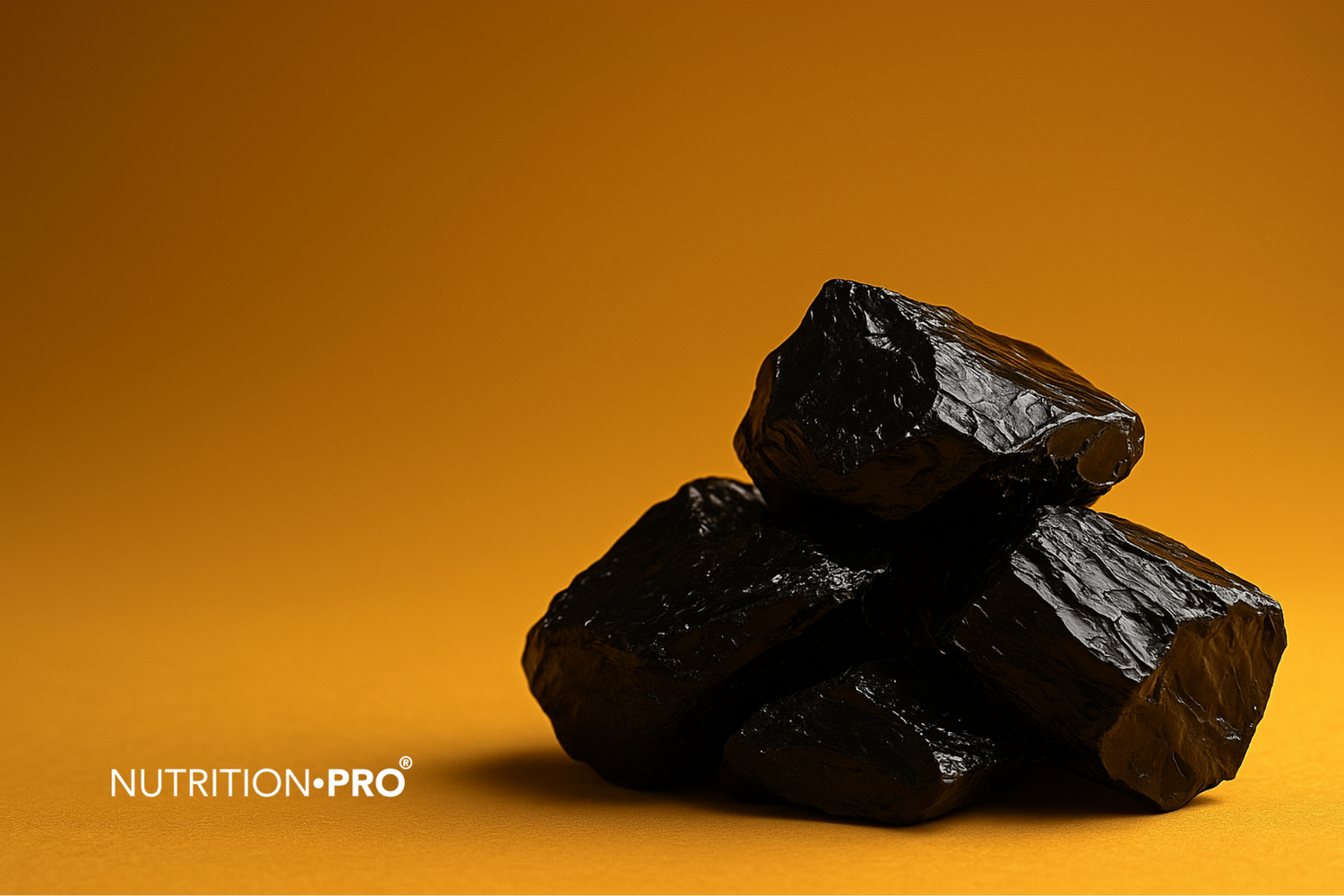
<<<26>>> Shilajit shilajit is a substance unique in its origin and composition, and this is precisely what explains why it is so often associated with vitality. To understand this link, it is essential to examine how our body produces and manages its energy, as well as how shilajit might intervene in this process.
Energy: a vital need
Energy is not merely a sensation of dynamism or strength. Biologically, it rests on the ability of our cells to produce and useATP (adenosine triphosphate), the true "cellular fuel." Without ATP, no vital function is possible: neither muscle contraction, nor nerve transmission, nor brain activity. When this system fails, the consequences immediately translate into fatigue, lack of concentration, loss of motivation, and sometimes even a feeling of profound exhaustion.
Shilajit in tradition
In Ayurvedic medicine, shilajit is considered a rasayana, that is, a substance of global regeneration, capable of restoring vital force and prolonging longevity. It is described as an ally of the body in situations of weakness, intense effort, or convalescence. This ancient perspective aligns with the modern problem of chronic fatigue and the search for natural solutions to improve energy.
A composition that nourishes vitality
The richness of shilajit in fulvic acid, minerals, antioxidants and small bioactive molecules makes it a concentrated source of nutrients particularly interesting for supporting energy production. These elements contribute to:
- improving the absorption of nutrients necessary for metabolism,
- protect cells from oxidative stress,
- support mitochondrial function, where ATP is produced.
The link between fatigue and cellular imbalance
Fatigue, whether physical or mental, often stems from cellular imbalance: micronutrient deficiency, oxidative stress, mitochondrial dysfunction, or hormonal disruptions. Shilajit, with its unique profile, positions itself as a natural modulator capable of restoring part of this balance.
In summary, the connection between shilajit and energy is not merely a belief inherited from traditional practices: it is grounded in biological and nutritional logic. Shilajit provides cells with the elements necessary to produce energy more efficiently and sustainably, making it a particularly interesting supplement against modern fatigue.
2. The mechanisms of action of shilajit on vitality
If shilajit is regularly presented as an energy support, it is not solely because of its traditional use. Scientific research today allows us to better understand the mechanisms by which this resin could act on vitality and fatigue reduction.
Support for cellular energy production
The energy we feel daily depends directly on the production ofATP by mitochondria. Fulvic acid, abundant in shilajit, appears to play a key role in this process. It acts as a vector that facilitates the electron exchanges necessary for ATP synthesis. In other words, it helps cells produce energy more efficiently, which can translate into better endurance and reduced fatigue.
Protection against oxidative stress
One of the major causes of chronic exhaustion is oxidative stress, generated by an excess of free radicals. Shilajit contains natural antioxidants (notably dibenzopyrones) capable of neutralizing these free radicals. By protecting muscle, nerve, and brain cells, it contributes to maintaining more stable energy over time.
Improvement of nutrient absorption
The fulvic acid contained in shilajit also has "carrier" properties. It facilitates the assimilation and utilization of minerals and vitamins essential to energy metabolism. This improved bioavailability of nutrients allows the body to fully exploit dietary intake, thus optimizing cellular function.
Influence on the nervous system
Fatigue is not limited to a lack of physical strength. It also results from nervous system imbalance. Shilajit appears to have a modulatory effect on the nervous system, promoting better management of stress and anxiety. This would partly explain its perceived impact on alertness and mental clarity.
Adaptogenic hypothesis
Finally, shilajit is often classified among adaptogens. This category groups substances that help the body better adapt to constraints, whether physical or psychological. Thanks to the combination of its energetic, antioxidant, and nutritional effects, shilajit could improve overall resistance to prolonged fatigue situations.
We can therefore understand why shilajit is perceived as a comprehensive vitality support. It remains to address a crucial question for users: how long does it take before you actually feel these effects?
3. The timelines of action observed according to users
When it comes to a natural supplement like shilajit, one of the most frequent questions is: "How long before I notice a difference?" Unlike immediate stimulants such as caffeine, shilajit does not act within hours. Its effects build progressively, at the body's pace, and vary from person to person.
Short-term effects (a few days to 2 weeks)
Some users report a slight improvement in tone from the first days, particularly a sensation of mental clarity and a reduction in nervous fatigue. However, these early experiences remain subjective and are not universal. They could be linked to better assimilation of certain minerals thanks to fulvic acid.
Medium-term effects (2 to 4 weeks)
The majority of testimonies concur in indicating that the first significant effects generally appear between the 2nd and 4th week of regular use. At this stage, people report:
- faster recovery after exercise,
- improved physical endurance,
- progressive reduction in chronic fatigue,
- renewed motivation and concentration.
These timelines are explained by the fact that shilajit works deeply on cellular mechanisms and not as a one-off stimulant.
Long-term effects (6 to 8 weeks and beyond)
With continued use, shilajit appears to consolidate its benefits. Users report a more stable energy balance, better stress resistance and an overall sensation of increased vitality. However, this type of lasting improvement requires consistency in intake and appropriate lifestyle habits.
Shilajit does not act as an immediate stimulant. On average, users report noticeable effects on energy between 2 and 4 weeks of regular use, with stabilization of benefits around 6 to 8 weeks.
These variable timelines raise an important question: why do some people feel the effects faster than others? This is what we will explore in the next section.
4. Factors that influence how quickly effects appear
The speed at which shilajit's effects appear varies greatly from person to person. Several parameters explain these differences, related to both product quality, consumption method, and individual profile.
Product quality and form
Purity plays a major role. Unpurified shilajit or that mixed with other substances delivers fewer active principles, and may contain contaminants. Extracts standardized in fulvic acid are more reliable and offer more consistent results. Form also matters: resin, closer to the raw material, is often considered more effective than certain under-dosed powders or capsules.
Dosage and consistency
Too low a dosage leads to slower effects, whereas excess does not necessarily accelerate benefits and increases the risk of side effects. Consistency is essential: daily doses, ideally at the same time, improve regularity and increase the chances of feeling effects between 2 and 4 weeks.
Time of intake and food context
Shilajit is often better tolerated and more effective when taken in the morning. In some people, taking it with a small amount of fat improves digestive comfort and bioavailability. Adequate hydration is also essential to support its effects.
Individual factors
Nutritional status, age, and lifestyle strongly influence the speed of response. Micronutrient deficiencies can slow its action. Older people sometimes respond more slowly, while chronic stress, poor sleep quality, or intense training load can mask the effects.
Microbiota and digestive tolerance
The state of the intestinal microbiota can affect nutrient assimilation and thus the speed of effects. If digestive discomfort appears, splitting the dose or changing the dosage form can help maintain the necessary consistency.
Pathologies and interactions
Certain pathologies (anemia, thyroid disorders, sleep apnea) can delay or mask shilajit's effects. Similarly, certain medications or stimulants like caffeine can blur the perception of benefits.
Expectations and evaluation
Unrealistic expectations ("effects in 48 hours") often lead to disappointment. To better appreciate progress, it is useful to regularly note your energy level, recovery after exercise, and concentration. This allows you to perceive improvements that are sometimes gradual but very real.
5. Testimonials and available clinical data
Shilajit benefits from a long tradition of use and, for the past few decades, growing scientific research interest. Alongside empirical data from users, several studies have attempted to objectively measure its effects on energy and vitality.
User testimonials
Feedback reported by consumers generally converge:
- Many describe a renewed sense of energy and motivation after 2 to 4 weeks of regular use.
- Some emphasize a better muscle recovery after exertion and a reduction in muscle soreness.
- Others highlight a cognitive impact : increased concentration, prolonged alertness and a sense of mental clarity.
- Some users report experiencing no notable effects, which may be linked to product quality or their initial health status.
These testimonials, while valuable for understanding consumer perception, remain subjective and heterogeneous.
Clinical studies on energy
Scientific research on shilajit, still limited, suggests a potential role in combating fatigue. Certain studies have shown:
- an increase in ATP production thanks to fulvic acid,
- an improvement in physical exercise tolerance,
- a reduction in perceived fatigue during training or recovery programs.
Cognitive data and overall vitality
Other research has examined the effects of shilajit on cognitive functions and overall vitality. They report improvements in memory, attention and stress resistance, particularly in older adults. However, sample sizes remain small, which limits the scope of these findings.
Limitations of current research
The majority of studies were conducted in India or Russia, with variable methodologies. Available clinical trials often involve fewer than 100 participants and a duration of less than three months. While results are promising, they require confirmation through more rigorous and larger-scale research.
6. How to optimize shilajit effectiveness?
Shilajit does not act as an immediate stimulant. Its effects build over time and depend on several conditions. To maximize its benefits for energy and vitality, it is important to adopt certain best practices.
Choose a quality product
The first step is to ensure the purity and traceability of the product. The criteria to prioritize are:
- a clear statement on the fulvic acid content,
- a Certificate of Analysis (COA) attesting to the absence of heavy metals,
- an identified origin and a respectful purification process.
Poor quality shilajit risks failing to produce the expected effects, or even causing discomfort.
Respect dosage and consistency
Consistency is essential. Shilajit should be consumed every day at the same time, ideally in the morning. It is advisable to:
- start with small doses to test tolerance,
- adjust progressively based on needs and recommendations,
- maintain a course of at least 6 to 8 weeks before evaluating results.
Combine shilajit with good lifestyle habits
The supplement alone cannot compensate for a lack of sleep or unbalanced nutrition. To optimize its effectiveness:
- prioritize regular and restorative sleep,
- maintain a nutrient-rich diet (fruits, vegetables, quality proteins),
- ensure adequate hydration,
- practice moderate physical activity which naturally stimulates cellular energy.
Adapt intake to your personal context
Each body responds differently. Some people find better digestive comfort by taking shilajit with a light meal, while others prefer consuming it on an empty stomach. The key is finding the rhythm that allows good tolerance and consistency in taking it.
To get the most out of shilajit, combine its daily intake with a balanced lifestyle. The supplement acts as a support, but it is the synergy with sleep, nutrition, and stress management that enables visible and lasting results.
7. Limitations and precautions for use
Although shilajit is increasingly recognized for its potential on energy and vitality, it is essential to keep in mind its limitations and the necessary precautions for safe use.
Scientific limitations
Research on shilajit remains incomplete. Available studies often present small sample sizes, short durations, and variable methodologies. This means that while results are promising, they are insufficient to establish definitive scientific proof of its effectiveness against chronic fatigue.
Risks related to product quality
The shilajit market is saturated with counterfeits and products of questionable quality. Some unpurified samples contain heavy metals or harmful substances. The lack of certification or traceability represents a major health risk.
Contraindications
Certain populations should avoid consuming shilajit or seek medical advice beforehand:
- pregnant or breastfeeding women,
- children and adolescents,
- people suffering from chronic diseases (kidney failure, heart disorders, uncontrolled diabetes),
- patients undergoing heavy medication therapy.
Possible side effects
When purified and consumed at recommended doses, shilajit is generally well tolerated. However, some users report:
- minor digestive issues (nausea, diarrhea),
- palpitations in case of overdose,
- rare allergic reactions.
A support, not a miracle solution
Finally, it is important to emphasize that shilajit should not be considered as a sole or instant solution. It acts as a supplement that supports the body, but does not replace a healthy lifestyle or medical care in cases of severe or pathological fatigue.
Never buy shilajit without analysis certification. Avoid excessive dosages from the start and do not use it as a substitute for medical treatment or a balanced lifestyle.
Conclusion
Shilajit is a fascinating natural substance from the mountains that has endured through the centuries while maintaining its reputation for supporting vitality. While traditional uses describe it as a "destroyer of weakness," modern science is beginning to explore its mechanisms: support for ATP production, protection against oxidative stress, improved nutrient assimilation, and overall adaptogenic effect.
However, its effects are not immediate. Most users notice progressive improvement, generally noticeable after 2 to 4 weeks of regular use, and consolidated after 6 to 8 weeks. This timeframe reflects the profound nature of shilajit: it is not a quick stimulant, but a supplement that works deeply on cellular and metabolic balance.
However, it is important to note its limitations: variable quality of products available on the market, still insufficient research, and the necessity of an adapted lifestyle to fully benefit from it. Shilajit is therefore not a miracle solution, but rather a natural ally that, when used properly, can effectively support a strategy against fatigue and energy optimization.
Does shilajit work immediately on energy?
No. The first effects are generally perceived between 2 and 4 weeks of regular use, then stabilize around 6 to 8 weeks.
What is the best time of day to take it?
Morning or early in the day. Some people prefer to take it with a light snack for digestive comfort.
Should it be taken on an empty stomach or with a meal?
Both are possible. If you have a sensitive stomach, taking it with a light meal can improve tolerance.
How long should an effective course last?
A duration of 6 to 8 weeks is commonly recommended before evaluating results, with a break afterwards if needed.
Should I avoid certain products or medications at the same time?
As a precaution, seek medical advice if you are undergoing treatment. Limit late stimulants (caffeine) that blur the perception of effects.
How do you choose quality shilajit?
Prioritize a purified and traceable product with a Certificate of Analysis (COA) confirming the absence of heavy metals and fulvic acid content.
- Carrasco-Gallardo C, Guzmán L, Maccioni RB. Shilajit: A natural phytocomplex with potential procognitive activity. International Journal of Alzheimer's Disease. 2012.
- Schepetkin IA, Khlebnikov AI, Ah SY, et al. Shilajit: Mineral resin and its medicinal potential. Phytotherapy Research. 2009.
- Agarwal SP, Khanna R, Karmarkar R, et al. Shilajit: A panacea for high-altitude problems. International Journal of Pharmacology. 2007.
- Biswas TK, et al. Clinical evaluation of purified Shilajit on fatigue and related symptoms. Journal of Ethnopharmacology. 2010.
- Ghosal S, et al. Chemical constituents of Shilajit and their chemical characterization. Indian Journal of Indigenous Medicine. 1991.