

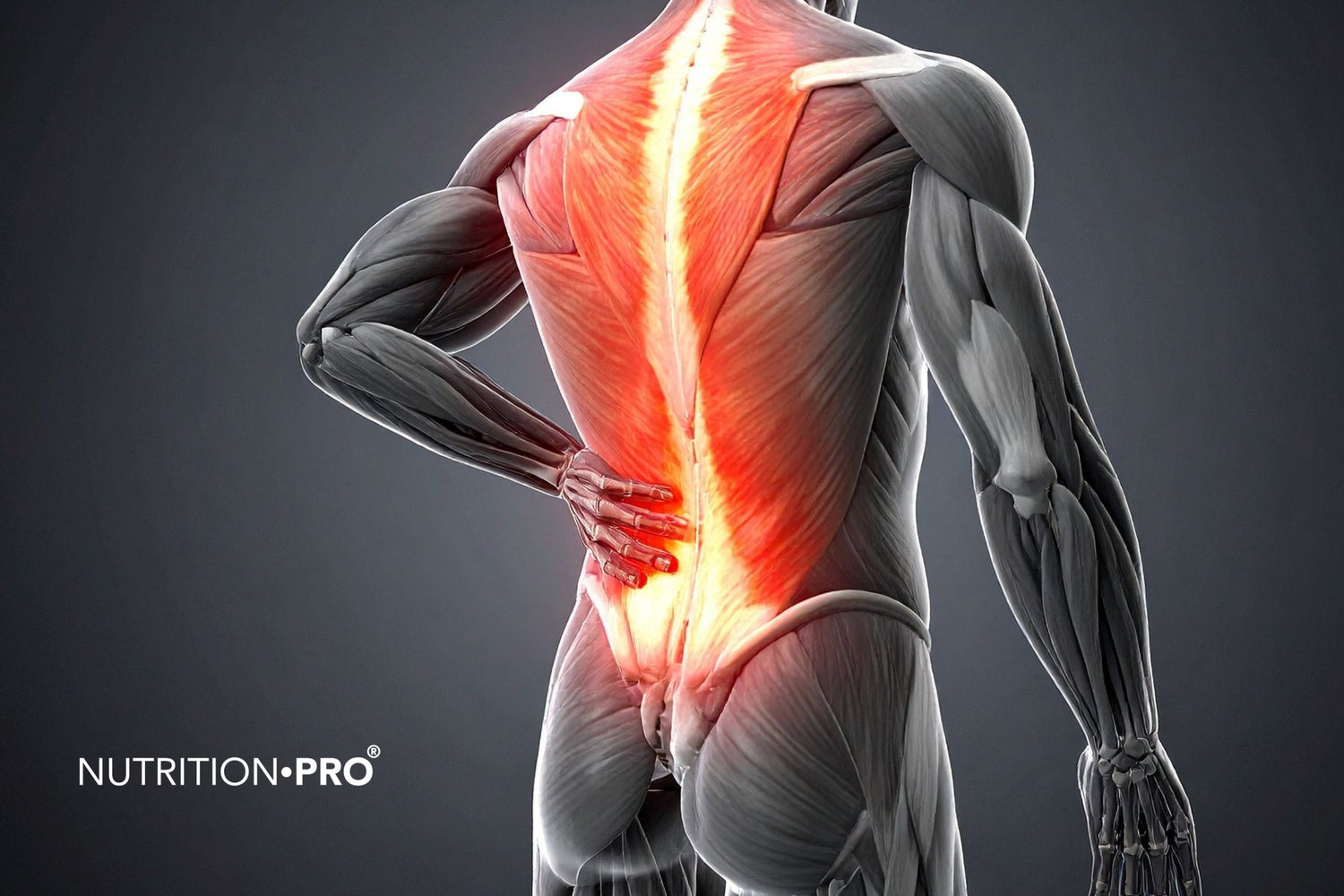
Muscle soreness affects everyone: occasional athlete, regular trainer, gym beginner, weekend gardener. Yet most of the advice circulating online is scientifically wrong or useless : stretching (no effect on DOMS according to a 2021 meta-analysis), anti-inflammatory drugs (which compromise muscle recovery in the medium term), complete rest (often less effective than active recovery). This guide reviews the 12 recovery levers most extensively studied, ranked by level of scientific evidence (Cochrane meta-analyses and systematic reviews 2020–2025), and provides a precise 72-hour protocol to optimize muscle recovery after intense exercise. We also cover what doesn't work — and what may even be harmful in the long run.


The scientific essentials in 5 key points. (1) Muscle soreness (DOMS) peaks between 24 and 72 hours after exercise, resolving within 5–7 days. (2) BCAA 5–10g/day significantly reduces DOMS at 24/48/72/96h (Salem 2024, meta-analysis of 18 RCTs). (3) Cold water immersion 10–15 min at 11–15°C immediately post-exercise reduces DOMS and CK (Wang 2025, network meta-analysis of 55 RCTs). (4) Sleep 7–9h = primary recovery lever (GH secretion during deep sleep). (5) Common mistakes : ibuprofen 1200 mg/day compromises hypertrophy by 50% (Lilja 2017), post-exercise stretching has no effect on DOMS (Afonso 2021), complete rest is less effective than light active recovery.
- What is muscle soreness? The physiological mechanism of DOMS
- How long does muscle soreness last?
- Hierarchy of methods according to level of scientific evidence
- Nutrition: the non-negotiable foundation of recovery
- Dietary supplements: what meta-analyses say
- Hydration and electrolytes: the underestimated lever
- Sleep: the most powerful lever
- Mechanical techniques: massage, foam rolling, compression
- Cryotherapy, cold baths, contrast hot-cold therapy
- Post-exercise stretching: myth or reality?
- Active recovery vs complete rest
- Common mistakes that prolong muscle soreness
- Optimal recovery protocol over 72 hours
- Self-assessment: which type of recovery suits you?
1. What is muscle soreness? The physiological mechanism of DOMS
The 4-phase mechanism
Phase 1: Mechanical micro-damage (0–24h). Exercise, particularly eccentric, generates micro-tears in muscle fibers, primarily at the level of the Z-discs and sarcomere. These micro-injuries are normal and constitute the adaptation signal: without micro-trauma, there is no hypertrophy or strengthening.
Phase 2: Inflammatory response (8–48h). Immune cells (neutrophils, then macrophages) flood the site of micro-damage. They release pro-inflammatory cytokines (IL-6, TNF-alpha) and prostaglandins, responsible for the sensitization of nociceptors (pain receptors) in the muscles. It is this inflammation that creates the characteristic painful sensation.
Phase 3: Edema and infiltration (24–72h). Local edema increases intramuscular pressure and intensifies pain during movement. Blood markers of muscle damage (creatine kinase, myoglobin, lactate dehydrogenase) reach their peak.
Phase 4: Repair and adaptation (48h–7 days). Muscle satellite cells (muscle stem cells) proliferate and differentiate into new fibers. Protein synthesis is stimulated. The repaired muscle is more resistant to similar effort: this is therepeated bout effect (the same exercise causes significantly less soreness the second time around).
Muscle soreness is not caused by lactic acid. Lactate is fully metabolized within 2 hours post-exercise. Nor is it a serious injury (unlike a muscle tear or strain). It does not indicate that a workout "was good": a trained athlete can progress without systematic soreness, and a beginner can experience intense soreness without greater benefit. It is a signal of unaccustomed effort, not a marker of training effectiveness.
Why certain types of exercise cause more muscle soreness
Eccentric efforts (muscle lengthening under tension: going downstairs, braking while running, the negative phase of a weightlifting movement) generate 5 to 10 times more muscle soreness than concentric (shortening) or isometric efforts. This is why hiking downhill often causes more soreness than an equivalent uphill climb. Downhill running, plyometric jumps, and the negative phase in strength training are the main sources of DOMS.
Other factors increase the intensity of muscle soreness:
- Exercise novelty : an unfamiliar movement generates more DOMS than a familiar one.
- Training volume : doubling your usual volume multiplies muscle soreness.
- Maximum intensity : pushing your strength or cardio limits amplifies micro-tears.
- Environmental conditions : heat, extreme cold, dehydration.
- Individual factors : genetics, age, nutritional status, previous night's sleep.
2. How long does muscle soreness last?
| Post-exercise timeframe | Phase | Pain intensity | Biological markers |
|---|---|---|---|
| 0 to 8 hours | Silent phase | None or very low | Lactate ↑ (eliminated), CK normal |
| 8 to 24 hours | Onset | Mild to moderate, stiffness | CK ↑, IL-6 ↑ |
| 24 to 48 hours | Peak intensity | Maximal, strength reduced by 20-50% | CK peak, CRP ↑, myoglobin ↑ |
| 48 to 72 hours | Plateau / onset of regression | Moderate, mobility still reduced | CK still elevated, inflammation |
| 72 to 96 hours | Marked regression | Mild, strength recovered to 80-90% | Markers declining |
| 5 to 7 days | Complete resolution | Absent | Full normalization |
Seek medical attention immediately if: intense localized pain that appeared suddenly during exercise (likely muscle tear), marked and persistent swelling of a limb, very dark urine (color of strong tea or cola) suggestive of rhabdomyolysis, pain persisting beyond 7-10 days without improvement, associated fever, asymmetric pain with unilateral edema (suspected deep vein thrombosis following intense exercise). Rhabdomyolysis is a rare but serious medical emergency, to be considered in cases of unusual extreme exertion followed by dark urine and severe muscle weakness.
3. Hierarchy of methods according to level of scientific evidence
Quality sleep (7-9h)
The most powerful and most overlooked lever
Growth hormone secretion during deep sleep, protein synthesis, inflammatory regulation, neuromuscular consolidation. No supplement can compensate for sleep debt. Effect: very significant, not quantifiable but decisive.
Adequate protein intake
1.4 to 2.0 g/kg/day depending on training intensity
Substrate for muscle synthesis and tissue repair. Whey isolate post-workout, eggs, meat, fish, legumes. Well-documented effect on recovery and adaptation. Effect: major.
BCAAs (branched-chain amino acids)
Salem 2024, meta-analysis of 18 RCTs, Sports Med Open
Significant reduction in DOMS at 24h (g = -1.34), 48h (g = -1.75), 72h (g = -1.82) and 96h (g = -0.82) post-exercise. Dose-response effect: the higher the dose and the longer the duration, the greater the effect. Effect: large to very large.
Cold water immersion (cryotherapy)
Wang 2025, network meta-analysis of 55 RCTs, Front Physiol
Cold water immersion 10-15 min at 11-15°C: SMD = -1.45 on DOMS, significant improvement in jump performance and reduction in CK. More effective than most other recovery modalities. Effect: large. Note: chronic use may limit muscular adaptations in strength training.
Light active recovery
Walking, leisure cycling, easy swimming for 20-30 min
Superior to complete rest. Promotes circulation, metabolic waste clearance and nutrient delivery. At 30-50% of maximum VO2 max. Effect: moderate but consistent.
Magnesium (bisglycinate)
Cofactor in more than 300 enzymatic reactions
Neuromuscular regulation, contraction-relaxation, ATP production, protein synthesis. 70% of French people have insufficient intake. 300-400 mg/day in the evening. Effect: indirect but significant as a cofactor.
Sports massage
Davis 2020, BMJ Open Sport, meta-analysis of 29 RCTs
Statistically significant effect on DOMS and flexibility, but clinically moderate. No effect on strength, jump, sprint or endurance. Effect: small to moderate. Useful as a complement, not a replacement.
Omega-3s (EPA + DHA)
Modulatory anti-inflammatory action without inhibiting adaptation
Reduction of inflammatory markers (CRP, IL-6) and improvement in subjective recovery. Advantage over NSAIDs: does not compromise muscular adaptation. 2-3 g/day EPA+DHA on an ongoing basis. Effect: moderate, additive over the long term.
Compression / Pneumatic Compression Therapy
Wisniowski 2022, J Clin Med, meta-analysis of 12 RCTs
SMD = -0.33 on muscle soreness. Effect on performance non-significant. Compression socks 15-20 mmHg or pneumatic compression boots. Effect: small but significant.
Turmeric (standardized curcumin)
Natural anti-inflammatory without the harmful effects of NSAIDs
Several RCTs show a reduction in DOMS and inflammatory markers. 500-1000 mg of curcuminoids per day. Bioavailability optimized with piperine or phytosomal forms. Effect: small to moderate.
Post-exercise stretching
Afonso 2021, Front Physiol, meta-analysis of 11 RCTs
No statistically significant effect on DOMS at 24, 48 or 72h vs passive rest. This does not mean it is useless (flexibility, mobility) but does not prevent or relieve muscle soreness. A popular belief scientifically debunked. Effect on DOMS: none.
Ibuprofen (NSAIDs) regular doses
Lilja 2017, Acta Physiologica
Provides short-term relief BUT compromises muscle hypertrophy. 8 weeks of ibuprofen 1200 mg/day cut muscle mass gains in half (3.7% vs 7.5%). Post-exercise inflammation is necessary for adaptation. To be avoided with regular use by athletes.
4. Nutrition: the non-negotiable foundation of recovery
Protein: the fundamental substrate
Proteins provide the amino acids necessary for muscle protein synthesis, and therefore for the repair of micro-damage that causes muscle soreness. Requirements vary according to activity level:
- Sedentary : 0.8 g/kg/day (ANSES recommended dietary intake).
- Moderate exercise (3 sessions/week) : 1.2-1.4 g/kg/day.
- Regular intensive sport : 1.4-1.6 g/kg/day.
- Strength training / hypertrophy goal : 1.6-2.0 g/kg/day.
- Active senior (sarcopenia) : 1.2-1.5 g/kg/day to preserve lean mass.
Optimal timing : 20 to 40 g of quality protein within 2 hours following exercise, ideally rich in leucine (minimum 3 g), the amino acid that triggers protein synthesis. The whey isolate is the best-studied form for this purpose: rapid digestion, plasma amino acid peak within 30-60 minutes, optimal leucine ratio. For vegetarian or vegan profiles, aim for legume + grain combinations to obtain a complete essential amino acid profile.
Total protein intake is more important than post-workout timing alone, but distribution matters too. Prioritize 4 meals with 20-40 g of protein each, rather than one 100 g meal and three 10 g meals. This keeps protein synthesis regularly stimulated over 24 hours. Example for 80 kg, 1.6 g/kg/day = 128 g/day: breakfast 30 g (eggs, Greek yogurt) + lunch 35 g (chicken, fish) + post-workout snack 25 g (whey) + dinner 38 g (steak, legumes, cheese).
Carbohydrates: replenishing glycogen
Muscle glycogen (the stored form of carbohydrates in muscle) is largely depleted during intense or prolonged exercise. Its replenishment is essential for recovery and subsequent performance. Recommended intakes:
- Moderate exercise (1h) : 3-5 g/kg/day of carbohydrates.
- Prolonged exercise (1-3h) : 5-7 g/kg/day.
- Very long or multi-session exercise : 7-10 g/kg/day.
Quality sources: rice, whole grain pasta, sweet potato, quinoa, fruit, legumes. Avoid fast sugars and ultra-processed products that promote inflammation and fat storage. Immediate post-workout (0-1h): carbohydrate/protein ratio of 3:1 or 4:1 (for example 60 g carbohydrates + 20 g protein).
Anti-inflammatory micronutrients
Diet can modulate post-exercise inflammation through polyphenols, antioxidants and omega-3s. Foods to prioritize:
- Berries (blueberries, raspberries, blackberries, cherries): anthocyanins, documented effect on DOMS.
- Dark green vegetables (spinach, kale, broccoli): magnesium, vitamins, polyphenols.
- Turmeric and ginger : recognized anti-inflammatory action.
- Fatty fish (salmon, mackerel, sardines): omega-3 EPA + DHA.
- Nuts and seeds (walnuts, almonds, hazelnuts): magnesium, vitamin E.
- Green tea : catechins, polyphenols.
- Dark Chocolate 70%+ : flavonoids, magnesium.
Hydration: too often overlooked
A loss of just 2% of body weight in water already reduces performance and increases perceived muscle soreness. Recommended intake for athletes: 35-40 mL/kg/day as a baseline + sweat compensation (500 mL to 1 L per hour of intense effort). Include electrolytes (sodium, potassium, magnesium) for prolonged efforts or in high heat conditions.
5. Dietary Supplements: What Meta-Analyses Tell Us
BCAAs: the 2024 meta-analysis as a reference
<<<20>>> BCAAs BCAA are among the best-documented supplements for reducing muscle soreness. The 2:1:1 ratio (twice as much leucine as isoleucine and valine) is the most studied and most physiologically relevant (leucine being the primary trigger of protein synthesis).
Recommended Protocol :
- Dosage : 5 to 10 g/day, ideally split into 2 doses (morning + post-workout).
- Timing : begin 2 to 3 days before a planned intense effort, continue for 4 to 5 days after.
- For regular training : continuous daily intake or 6-8 week cycles.
- With or without food : both work; taken fasted for a faster plasma peak.
Whey Protein Isolate
Whey isolate is the most extensively studied form of protein for post-workout recovery. Benefits: complete essential amino acid profile, high leucine ratio (10-12% of total AAs), rapid digestion (30-60 min). 20 to 40 g within 2 hours of exercise is the standard. For lactose-intolerant individuals, opt for isolate (lactose < 1%) or plant-based proteins (pea, rice, hemp).
Magnesium: the essential cofactor
Magnesium is involved in over 300 enzymatic reactions, including protein synthesis, muscle contraction and relaxation, ATP production, and nervous system regulation. A French study showed that 70% of French people have intakes below recommended levels (ANSES). This subclinical deficiency is common among athletes (increased sweat losses, higher consumption).
Optimal form : magnesium bisglycinate has the highest bioavailability (40-50% vs. 4-10% for oxide) and excellent digestive tolerance. Dosage: 300-400 mg of elemental magnesium per day, ideally in the evening to benefit from the soothing effect on sleep. See our dedicated article on magnesium and cardiovascular health to learn more.
Omega 3 (EPA + DHA)
Omega 3s modulate post-exercise inflammation without suppressing it, which favorably distinguishes them from NSAIDs. Benefits: improved subjective recovery, reduction of CRP and IL-6, possible effect on muscle protein synthesis in older subjects. Dosage: 2 to 3 g/day of combined EPA + DHA. Opt for oils certified with a low TOTOX score (a freshness marker, as oxidation diminishes the benefits). See our complete omega 3 comparison guide for the optimal choice.
Curcumin: the natural anti-inflammatory
Several clinical trials suggest a reduction in DOMS and inflammatory markers (CK, IL-6) with curcumin, the primary active compound in turmeric. Major advantage over NSAIDs: modulated anti-inflammatory action, without suppressing muscular adaptation. Limitation: very low native bioavailability (1-2% absorbed). Solutions: combination with piperine (black pepper extract, increases absorption x20), phytosomal forms (Meriva, Theracurmin), or consumption with a fat source.
Dosage: 500-1000 mg of curcuminoids per day, taken continuously during intensive training phases.
Vitamin D: supplement if deficient
Vitamin D plays a role in muscle function and protein synthesis. A deficiency (serum level < 30 ng/mL) is associated with reduced muscle strength and impaired recovery. 80% of the French population is deficient in winter. Test serum 25(OH)-vitamin D levels. If deficient: supplementation of 1000-2000 IU/day (D3 forms more effective than D2). Continuously for sedentary individuals in winter, on an as-needed basis for athletes with regular sun exposure.
Cordyceps: a little-known sports adaptogen
The cordyceps (adaptogenic mushroom) has shown effects on VO2 max, endurance and recovery in several RCTs. Interesting for endurance-focused individuals looking to complement their nutritional strategy. Modest to moderate effect, complementary to the fundamentals.
6. Hydration and electrolytes: the underestimated lever
How to know if you are well hydrated
The most reliable indicator is the color of your urine throughout the day: clear to light straw yellow = adequate hydration. Dark yellow = dehydration. Another simple test: weigh yourself before and after a session. Any weight loss corresponds to water loss and must be compensated for. Drink 1.5 L for every kilogram lost.
Electrolytes: not just sodium
Sweat losses primarily contain sodium (1-2 g/L of sweat), but also potassium, magnesium, calcium and chlorides. For efforts lasting > 60 minutes or in high heat conditions, a sports drink with electrolytes is relevant. Target composition: 0.5-1 g sodium/L + 30-60 g carbohydrates/L for prolonged efforts.
Drinking excessive amounts of pure water during prolonged exercise can cause hyponatremia (abnormally low blood sodium levels), which is particularly dangerous in ultra-endurance events (slow marathon, ultra-trail). Symptoms: confusion, headaches, nausea, and in severe cases seizures and cerebral edema. For efforts lasting > 3 hours, always combine fluid intake with electrolytes (mineral salts), and never drink pure water alone.
7. Sleep: the most powerful lever
The numbers that should scare you
Just one 4-hour night already reduces muscle protein synthesis by 18%. Several nights of sleep debt decreases performance by 7 to 15% depending on the discipline. Morning testosterone drops by 10-15% after a week of 5 hours of sleep. Needs vary by age and activity level:
- Sedentary adult : 7-9 hours.
- Regular exerciser : 8-10 hours (elite athletes often sleep 9-11h).
- Teenager : 8-10 hours.
- Senior : 7-8 hours (quality more important than quantity).
Optimizing sleep quality for recovery
Environment : cool room (18-19°C), total darkness (blackout curtains or sleep mask), silence (earplugs if necessary), suitable mattress and pillow.
Consistency : going to bed and waking up at the same times, including on weekends. The circadian rhythm is sensitive to variations.
Pre-bedtime : no screens 1h before bed (blue light inhibits melatonin), no caffeine after 2pm, light dinner 2-3h beforehand, a lukewarm shower can help you fall asleep.
Morning : exposure to daylight within 30 minutes of waking to resynchronize the circadian rhythm.
Natural sleep aids : magnesium bisglycinate 300-400 mg 1h before bed (effect on deep sleep quality). For more significant issues, the option to add 1 mg melatonin or herbs such as passionflower, valerian or saffron.
8. Mechanical techniques: massage, foam roller, compression
Sports massage
Optimal protocol according to the literature: post-exercise massage within 2 to 24 hours, 10 to 30 minutes depending on the area, moderate pressure (avoid seeking pain). Delayed massage (24–48h post-exercise) remains useful but with a more modest effect. One session per week with a physiotherapist or several daily self-massages are both valid options.
Foam roller (self-massage)
The foam roller is an accessible tool for self-massage by rolling body weight over a foam cylinder. Documented effects: improved mobility, subjective reduction in muscle soreness, sensation of muscular release. Protocol: 5 to 10 minutes per major muscle group (quadriceps, hamstrings, calves, back, glutes), 1 to 3 times per day on the days following intense exercise.
Compression and pressotherapy
Accessible options:
- Compression socks / sleeves 15–20 mmHg: to be worn 2 to 4 hours post-exercise. Low cost, easy to use.
- Pneumatic pressotherapy boots : sequential dynamic compression of the legs, sessions of 20–30 minutes. Higher cost (rental or physiotherapy clinic) but likely superior effect.
- Muscular compression bandages : to be applied to targeted areas (quadriceps, calves) post-exercise.
9. Cryotherapy, cold bath, hot-cold contrast
How to practice effective cold water immersion
Standard protocol :
- Prepare a bath or tub with cold water + ice, at 11-15°C (thermometer recommended).
- Immersion up to the shoulders or at least up to mid-thigh, within 30 minutes of completing the effort.
- Duration: 10 to 15 minutes. Beyond this: risk of hypothermia with no additional benefit.
- Exit gradually, dry off, and dress warmly.
- Drink something warm afterward to help the body temperature return to normal.
Contrast water therapy
Alternating warm immersion (38-40°C, 1-2 min) and cold immersion (10-15°C, 30-60 sec), repeated 3 to 5 times. Documented effects on circulation, venous return, and perceived recovery. Slightly less effective than pure cold water immersion on DOMS, but more tolerable and less aggressive.
Whole-body cryotherapy
Exposure of the entire body to temperatures of -110 to -140°C for 2-3 minutes in a cryotherapy chamber. Limited data on actual effectiveness vs. traditional cold water immersion. Advantage: short duration, no prolonged discomfort. Disadvantage: high cost (€50-80 per session), limited accessibility. To be considered as an option, not a necessity.
An important nuance emerges from recent literature: systematic use of cold water immersion after every session may limit long-term muscular adaptations, particularly hypertrophy. Post-exercise inflammation is partly necessary for muscle remodeling. Recommendation: use cold water immersion during competition or periods of significant overload, but avoid it after every session during a muscle-building phase (strength training, hypertrophy). For endurance athletes or those in a pre-competitive phase, regular use remains relevant.
10. Post-exercise stretching: myth or reality?
Why does this belief persist?
The idea that "stretching relieves soreness" is based on several misconceptions:
- Confusion between stiffness and soreness : stretching temporarily improves mobility and creates a feeling of relief, but does not reduce micro-tears or the underlying inflammation.
- Placebo effect : the attention paid to the body and the sense of well-being after stretching creates a perceived relief, without any objective reduction in DOMS.
- Sports tradition : a practice taught for decades, difficult to challenge.
- Real but different benefits : improve flexibility, joint mobility and body awareness. These are valid reasons to stretch, but not for muscle recovery.
When stretching remains relevant
Stretching is still useful for:
- Building long-term flexibility (dedicated sessions, static stretches held for a minimum of 30 seconds).
- Improving joint mobility specific to a sport.
- Mental recovery and body awareness (relaxation effect).
- Preparing a warm-up with dynamic stretches (not static stretches before exercise).
But not to reduce soreness: the time spent stretching post-workout would be better used for foam rolling, gentle active recovery, or simply eating well and getting enough sleep.
11. Active Recovery vs. Complete Rest
Why staying still isn't the answer
Complete rest after intense exercise can paradoxically prolong soreness through several mechanisms:
- Circulatory stagnation : reduced blood flow to damaged muscles, slowing the elimination of inflammatory waste products.
- Joint stiffness : immobility increases the sensation of stiffness, which subjectively amplifies pain.
- Undrained edema : post-exercise swelling resolves more quickly with light movement than with immobility.
- Psychological effect : total sedentary behavior can amplify the perception of fatigue.
Active Recovery Protocol
- The day after an intense effort : 20-30 minutes of moderate walking, leisure cycling, or easy swimming. Intensity at which breathing remains easy (talk test: being able to hold a conversation).
- D+2 and D+3 : depending on recovery, continue gentle activities or gradually resume lower-intensity training.
- Cross-training : alternating the muscle groups engaged (for example, swimming after a heavy running session) allows you to stay active without worsening soreness.
- Gentle yoga or mobility work : a relevant alternative, but avoid highly demanding yoga styles such as Ashtanga or Bikram, which can prolong muscle soreness.
12. Common Mistakes That Prolong Muscle Soreness
Mistake 1: Reaching for Ibuprofen by Default
Ibuprofen and other NSAIDs (ketoprofen, diclofenac, naproxen) provide short-term relief but inhibit cyclooxygenase, an enzyme required for the production of prostaglandins involved in muscle regeneration. Consequences: reduced muscular adaptation, hypertrophy reduced by half at maximum OTC doses over 8 weeks, and possible delayed healing.
Recommendation : do not take NSAIDs routinely for ordinary muscle soreness. If pain is exceptionally debilitating, use them on a one-off basis only (1-2 days maximum). To relieve tolerable pain, prefer paracetamol (analgesic effect without anti-inflammatory impact).
Mistake 2: Prolonged Complete Rest
See previous section: light active recovery is superior to complete rest. Remaining totally immobile for 48-72 hours prolongs the sensation of stiffness and the perceived duration of muscle soreness.
Mistake 3: Dehydration
Many athletes stay hydrated during exercise but stop after the effort. Yet fluid losses continue (residual sweating, urination, breathing). Prolonged dehydration increases blood viscosity, slows the elimination of muscular waste products, and amplifies perceived muscle soreness.
Mistake 4: Poor Sleep After Exercise
Post-match or post-race drinking, late-night screen time, unmanaged stress: these are all factors that degrade deep sleep quality, the primary driver of recovery. Alcohol in particular is detrimental: it suppresses REM sleep, disrupts growth hormone secretion, causes dehydration, and increases systemic inflammation. An occasional drink isn't a disaster, but avoid systematically celebrating intense efforts with alcohol.
Mistake 5: Returning Too Soon
Repeating the same intense session while muscle soreness is still significant and strength is reduced yields no benefit: adaptations are compromised, injury risk increases, and recovery slows. Practical rule: do not perform intense quality work on a muscle whose strength has not recovered to at least 90% (subjective estimate or simple test: if your usual performance drops by more than 10%, don't push it).
Mistake 6: Eating Too Little After Exercise
Skipping the post-workout meal "to avoid gaining weight" or "because you're not hungry" deprives muscles of essential substrates (amino acids for protein synthesis, carbohydrates for glycogen replenishment). Force a light meal (yogurt + fruit + a handful of nuts, for example) even if you don't feel hungry.
Mistake 7: Stacking Supplements Without a Clear Strategy
Piling up supplements without logic (10–15 different products) does not optimize recovery. A coherent strategy is far more effective: BCAAs or whey post-workout, magnesium in the evening, omega-3s on an ongoing basis. Fundamentals first (nutrition, sleep, hydration), supplements for optimization.
13. Optimal 72-Hour Recovery Protocol
14. Self-assessment: which type of recovery suits you?
0-2 boxes checked : light profile, natural recovery is sufficient. Possible optimizations with magnesium and hydration. 3-5 boxes : significant room for improvement. Prioritize: 7-9h sleep + protein intake + stopping NSAIDs. Useful supplements: BCAAs, magnesium. 6-8 boxes : recovery strategy needs to be completely rebuilt. Follow the full 72h protocol, restructure nutrition, sleep and stop self-medicating with NSAIDs. Our Muscle Recovery collection is designed for these profiles.
15. Adaptations based on your situation
(1-2 sessions / week)
optional supplements
(3-4 sessions / week)
systematic active recovery
(5+ sessions / week)
+ regular massage / physiotherapy
hypertrophy goal
avoid NSAIDs and systematic cold baths
ultra-trail, marathon
omega-3 + curcumin on an ongoing basis
enhanced protocol for the first 4 weeks
vitamin D + active recovery
immediate carbohydrate reloading
rule out structural injury
vitamin B12 + algae omega-3
Frequently asked questions
How long does muscle soreness last?
Precise timeline : onset 8-24h after exercise, peak intensity between 24 and 72h (most commonly at 48h), complete resolution within 5-7 days. Beyond 7 days or worsening instead of improvement: seek medical advice (suspected structural injury).
How can you relieve muscle soreness quickly?
There is no method to make it disappear completely, but several strategies can reduce it. BCAAs 5-10g/day (Salem 2024), cold bath 10-15 min at 11-15°C immediately post-exercise (Wang 2025), sleep 7-9h, hydration, light activity rather than total rest, moderate massage.
Should you stretch after exercise to prevent muscle soreness?
No. According to Afonso 2021 meta-analysis of 11 RCTs, no statistically significant effect on DOMS at 24, 48 or 72h vs passive rest. Useful for flexibility and mobility, not for muscle recovery.
Is ibuprofen effective against muscle soreness?
Provides short-term relief but compromises muscular adaptation. According to Lilja 2017, 8 weeks of ibuprofen 1200 mg/day reduced hypertrophy by half (3.7% vs 7.5%). Prefer paracetamol if a painkiller is needed, or allow the natural process to run its course.
Does cold water immersion really work?
Yes, it is one of the best-validated methods. Optimal protocol according to Wang 2025 (network meta-analysis of 55 RCTs): 10-15 min at 11-15°C for DOMS, or 5-10°C for CK. To be performed within 30 min post-exercise. Caution: chronic use may limit muscular adaptations in strength training.
Are BCAAs effective against muscle soreness?
Yes, one of the best-documented supplements. According to Salem 2024 meta-analysis of 18 RCTs: significant reduction in DOMS at 24h (g = -1.34), 48h (g = -1.75), 72h (g = -1.82), 96h (g = -0.82). Dosage: 5-10 g/day, ideally started 2-3 days before intense exercise.
Should you rest or move after intense exercise?
Light movement (active recovery) is superior to complete rest. 20-30 min of aerobic activity at 30-50% VO2 max promotes circulation and elimination of metabolic waste. Not to be confused with resuming intense training (to be avoided).
Does massage relieve muscle soreness?
Modestly. According to Davis 2020 meta-analysis of 29 RCTs: statistically significant effect on DOMS and flexibility, but clinically moderate. 10-15 min of post-exercise massage or 5-10 min of foam rolling per muscle group. Useful as a complement.
How much protein after exercise?
20-40 g within 2h post-exercise, rich in leucine (3 g minimum). Total daily intake: 1.4-2.0 g/kg/day depending on intensity. Spread across 4 meals. Whey isolate optimal for post-session timing (plasma peak 30-60 min).
Is magnesium useful against muscle soreness?
Yes, as a cofactor. Regulates more than 300 enzymatic reactions (protein synthesis, contraction-relaxation, ATP). 70% of French people are deficient (ANSES). Bisglycinate 300-400 mg/day in the evening for its effect on sleep as well.
Do omega-3s reduce muscle soreness?
Probably yes, through modulated anti-inflammatory action. Advantage over NSAIDs: does not suppress muscular adaptation. 2-3 g/day EPA+DHA continuously (effects after 2-4 weeks). Prefer oils certified with low TOTOX.
Is sleep truly the main lever?
Yes, by far. Deep sleep = growth hormone secretion, tissue repair, protein synthesis. Deprivation increases cortisol, reduces testosterone, increases inflammation. No supplement can compensate for sleep debt. Goal: 7-9h, with quality as the priority.
Does compression speed up recovery?
Modestly. According to Wisniowski 2022 meta-analysis of 12 RCTs: SMD = -0.33 on DOMS. Compression socks at 15-20 mmHg worn 2-4h post-exercise. Pneumatic compression boots for a more pronounced effect. Additional component.
Turmeric and muscle soreness: does it work?
Yes, modestly. Several RCTs show reduction in DOMS and inflammatory markers. 500-1000 mg curcuminoids/day. Bioavailability optimized with piperine or phytosomal forms. Advantage over NSAIDs: no inhibition of adaptation.
Should you take supplements to recover?
Not necessarily. The pillars are: nutrition, hydration, sleep, stress management. If supplementing, in order of evidence level: protein (whey), BCAAs, magnesium, omega-3s, curcumin, vitamin D if deficient.
How can you prevent muscle soreness next time?
5 principles: maximum +10% progression per week, thorough warm-up 10-15 min, cool-down 5-10 min, proper hydration, post-session nutritional intake. Regular repetition of the same effort = adaptation (repeated exposure effect).
Muscle soreness that won't go away: what should you do?
Beyond 7-10 days without improvement: medical consultation. Suspect structural injury (tear, strain), rhabdomyolysis (if urine is very dark), chronic inflammation. Imaging may be considered: ultrasound or MRI if necessary.
BCAAs or whey: which should you choose?
Ideally both. Whey = complete profile of 20-25 g protein + high leucine content, ideal for post-workout meals. BCAAs = concentrated form of leucine/isoleucine/valine, beneficial pre-, during, and post-workout. If budget is limited: whey first.
Ice bath at home: how to do it?
Bathtub + cold water + ice cubes. A thermometer is essential to target 11-15°C. Immersion up to the shoulders or mid-thighs, 10-15 minutes maximum. Exit gradually, dress in warm clothing, drink a hot beverage. Alternative: long cold shower with a final 5-minute cold phase.
Foam roller or massage stick?
Both work. Foam roller : uses body weight pressure, ideal for legs, back, and large muscle groups. Massage stick : uses manual pressure, ideal for arms, calves, and targeted areas. 5-10 minutes per muscle group, 1-3 times per day on post-workout days.
Glossary
- DOMS (Delayed Onset Muscle Soreness)
- Muscle soreness with delayed onset. Muscular pain appearing 8-24 hours after unaccustomed exercise, caused by micro-tears and a local inflammatory response. Peaks at 24-72 hours, resolves within 5-7 days.
- Eccentric exercise
- The phase of movement where the muscle lengthens under tension (descending stairs, braking while running, the negative phase in weight training). Generates 5-10 times more muscle soreness than concentric exercise.
- Creatine kinase (CK)
- Enzyme released into the bloodstream during muscle damage. Peaks at 24-48 hours after intense exercise. Standard biological marker of muscle injury.
- BCAAs (Branched-Chain Amino Acids)
- Branched-chain amino acids: leucine, isoleucine, valine. Represent approximately 35% of the essential amino acids in muscle. Leucine is the primary trigger for protein synthesis.
- Muscle Protein Synthesis (MPS)
- The process of building new muscle proteins. Primary mechanism of adaptation to training. Stimulated by exercise combined with amino acid intake (leucine).
- Growth Hormone (GH)
- Pituitary hormone secreted primarily during deep sleep (stages 3-4). Main regulator of tissue repair and protein synthesis in adults.
- Repeated bout effect
- Muscle adaptation to repeated exercise: the second time the same effort is performed, soreness is significantly reduced. An essential protective phenomenon.
- Rhabdomyolysis
- Massive destruction of muscle fibers releasing compounds that are toxic to the kidneys (myoglobin). A rare but serious medical emergency. Signs include: dark tea-colored urine, severe muscle weakness, and extreme pain.
- NSAIDs (Non-Steroidal Anti-Inflammatory Drugs)
- Medications that reduce inflammation (ibuprofen, ketoprofen, naproxen, diclofenac). Provide short-term relief but compromise muscular adaptation when taken at regular and prolonged doses.
- VO2 max
- Maximum oxygen consumption during exercise. Indicator of aerobic capacity. Light active recovery = 30-50% of VO2 max.
Scientific sources
- Salem A, Ben Maaoui K, Jahrami H, et al. Attenuating Muscle Damage Biomarkers and Muscle Soreness After an Exercise-Induced Muscle Damage with Branched-Chain Amino Acid (BCAA) Supplementation: A Systematic Review and Meta-analysis with Meta-regression. Sports Med Open 2024;10(1):42. DOI: 10.1186/s40798-024-00686-9
- Wang H, Wang L, Pan Y. Impact of different doses of cold water immersion (duration and temperature variations) on recovery from acute exercise-induced muscle damage: a network meta-analysis. Front Physiol 2025;16:1525726. DOI: 10.3389/fphys.2025.1525726
- Xiao F, Kabachkova AV, Jiao L, et al. Effects of cold water immersion after exercise on fatigue recovery and exercise performance - meta analysis. Front Physiol 2023;14:1006512. DOI: 10.3389/fphys.2023.1006512
- Davis HL, Alabed S, Chico TJA. Effect of sports massage on performance and recovery: a systematic review and meta-analysis. BMJ Open Sport Exerc Med 2020;6(1):e000614. DOI: 10.1136/bmjsem-2019-000614
- Afonso J, Clemente FM, Nakamura FY, et al. The Effectiveness of Post-exercise Stretching in Short-Term and Delayed Recovery of Strength, Range of Motion and Delayed Onset Muscle Soreness: A Systematic Review and Meta-Analysis of Randomized Controlled Trials. Front Physiol 2021;12:677581. DOI: 10.3389/fphys.2021.677581
- Wisniowski P, Cieslinski M, Jarocka M, et al. The Effect of Pressotherapy on Performance and Recovery in the Management of Delayed Onset Muscle Soreness: A Systematic Review and Meta-Analysis. J Clin Med 2022;11(8):2077. DOI: 10.3390/jcm11082077
- Lilja M, Mandic M, Apro W, et al. High doses of anti-inflammatory drugs compromise muscle strength and hypertrophic adaptations to resistance training in young adults. Acta Physiol 2017;222(2):e12948. DOI: 10.1111/apha.12948
- Moore E, Fuller JT, Bellenger CR, et al. Effects of Cold-Water Immersion Compared with Other Recovery Modalities on Athletic Performance Following Acute Strenuous Exercise in Physically Active Participants: A Systematic Review, Meta-Analysis, and Meta-Regression. Sports Med 2022;53(3):687-705. DOI: 10.1007/s40279-022-01800-1
- ANSES (French Agency for Food, Environmental and Occupational Health & Safety). Recommended nutritional intakes - proteins, magnesium, omega-3. anses.fr


