

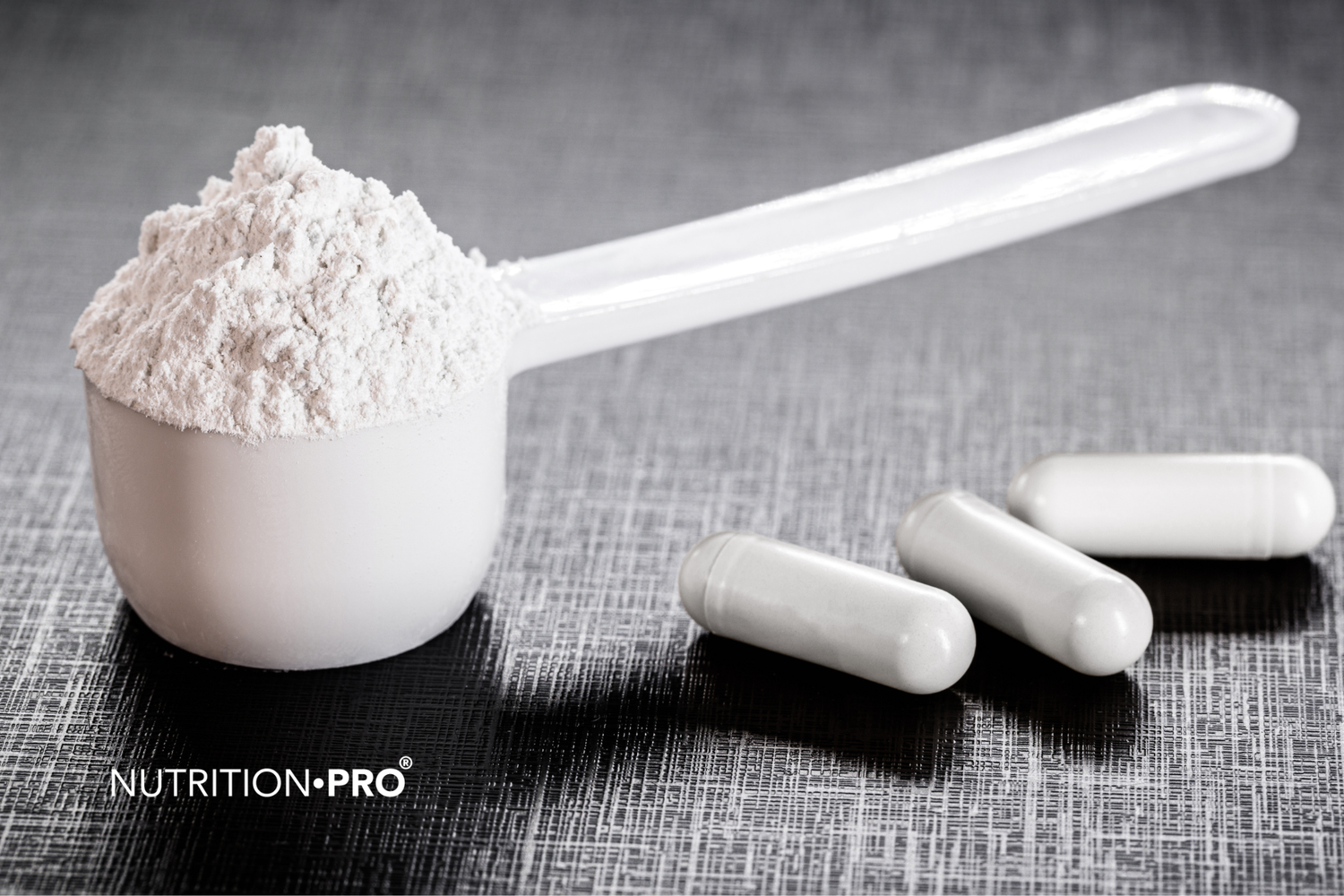
Creatine is the most studied dietary supplement in the world : over 500 scientific publications, around thirty meta-analyses, and a clear international consensus. And yet, it remains surrounded by persistent myths: "it damages your kidneys," "it makes you bloat," "it's a performance-enhancing drug"… None of these claims hold up against the 2021–2024 literature.
This guide puts under the microscope everything science actually proves about creatine (meta-analyses Wang 2024, Burke 2023, Prokopidis 2023) and debunks the misconceptions still circulating on forums and social media. By the end, you'll know exactly: how much to take, when, in what form, and for which athletic or health profile creatine really makes a difference.

Creatine Creapure® — 120 capsules
The world's leading patented creatine monohydrate, in a convenient capsule format for daily use. Purity ≥ 99.99%, anti-doping certified.
View Creapure® →
Creatine Powder — 300 g
Pure creatine monohydrate in powder form, the optimal format for athletes with flexible dosing and the best quantity-to-price ratio. Mix with water, protein shake, or juice.
View the powder →In brief — Key takeaways
Proven effects: according to Wang et al. 2024 in Nutrients (23 RCTs), creatine monohydrate combined with training increases upper body strength by +4.4 kg and leg strength by +11.35 kg in adults < 50 years old (p < 0.001).
Dosage: 3 to 5 g/day of creatine monohydrate, every day, for an unlimited duration. Optional loading phase.
Safety: the international ISSN consensus (Antonio 2021, JISSN) confirms the absence of renal, hepatic, or hair follicle toxicity at recommended doses.
Cognitive bonus: according to Prokopidis 2023 in Nutrition Reviews, significant improvement in memory (SMD +0.88) in adults aged 66–76.
Article summary
- What exactly is creatine?
- Strength and muscle mass: what the meta-analyses say
- The mechanism of action: ATP and phosphocreatine explained
- Dosage: how much, when and how to take creatine
- Monohydrate vs HCL, ethyl ester, Kre-Alkalyn®: which form to choose
- The Creapure® label: why it's the global gold standard
- Specific profiles: women, seniors, endurance athletes
- Cognitive effects: memory, mental fatigue, and brain performance
- Safety and 5 myths debunked by science
- Synergies and optimal combinations with other supplements
- Self-assessment: which creatine format is right for you?
- Personalized decision table
- FAQ — All your questions answered
Creatine, an amino acid naturally synthesized by the body
Kidneys, liver, pancreas: 1-2 g/day produced internally, supplemented by diet and supplementation.
The creatine is an amino acid derivative naturally produced by your body (liver, kidneys, pancreas) at approximately 1 to 2 g per day. It is stored 95% in your skeletal muscles in the form of phosphocreatine, where it plays a key role in the production of immediate energy for short, intense efforts.
Creatine is synthesized from three amino acids by your body: arginine, the glycine and methionine. It was first identified in 1832 by French chemist Michel Eugène Chevreul, who isolated it from meat juice — hence its name (from the Greek kreas, "meat").
Dietary sources: why food alone is never enough
Your natural creatine intake comes primarily from animal products: beef, pork, herring, salmon. A 200 g steak contains approximately 1 g of creatine, but cooking destroys 20 to 50% of it. To reach the 3 to 5 g/day required for muscle saturation, you would need to consume 1 to 2 kg of raw or lightly cooked meat every day — which is simply not feasible.
This is what makes supplementation relevant, particularly for vegetarians and vegans whose natural muscle stores are lower than those of omnivores (Burke et al. 2003, Medicine & Science in Sports & Exercise : 117 mmol/kg vs 130 mmol/kg dry muscle, approximately 10% less).
Muscle stores: 120 to 160 g distributed throughout the body
A 70 kg adult permanently stores approximately 120 g of creatine (up to 160 g with supplementation), of which 95% is found in skeletal muscle. The remainder is located in the brain, heart, and testes. These reserves are constantly replenished through endogenous synthesis + dietary intake + any supplementation.
The goal of supplementation is not to increase creatine beyond these physiological values, but to saturate stores to their natural maximum. Once saturated, muscles have the maximum phosphocreatine available for high-intensity efforts — which explains the gains observed in strength and power.
Strength and muscle mass: +11 kg on leg press confirmed by meta-analysis
23 randomized controlled trials, 509 participants: strong evidence for strength and hypertrophy.
WANG 2024, NUTRIENTS
The landmark 2024 meta-analysis on creatine combined with resistance training in adults < 50 years confirms substantial gains: +4.43 kg in upper-body strength and +11.35 kg in lower-body strength (1RM) vs placebo. Supplementation is statistically significant (p < 0.001) and clinically meaningful.
Muscle strength meta-analysis — 23 RCTs, 509 participants
« Compared with a placebo, creatine supplementation combined with resistance training significantly increased upper-body (WMD = 4.43 kg, p < 0.001) and lower-body strength (WMD = 11.35 kg, p < 0.001). Creatine supplementation with resistance training enhances upper- and lower-body muscle strength in adults aged < 50, with greater benefits likely to be seen in males than females. »
Wang Z, Qiu B, Li R, et al. Nutrients 2024;16(21):3665. DOI: 10.3390/nu16213665
Effect on muscle mass confirmed by MRI
Beyond strength, muscle hypertrophy is also confirmed. According to Burke et al. 2023 in Nutrients, a rigorous meta-analysis including 10 studies with direct measurement by MRI, CT scan, or ultrasound (the most precise methods for measuring muscle) demonstrated a beneficial effect of creatine on muscle thickness in the arms and legs vs. placebo + training alone.
Hypertrophy measured by MRI/CT scan — 10 RCTs, 44 outcomes
« The results suggest that creatine supplementation combined with RT promotes a small increase in the direct measures of skeletal muscle hypertrophy in both the upper and lower body. Analyses of the moderating effects indicated a small superior benefit for creatine supplementation in younger compared to older adults. »
Burke R, Piñero A, Coleman M, et al. Nutrients 2023;15(9):2116. DOI: 10.3390/nu15092116
Muscle recovery between sessions
Creatine also accelerates phosphocreatine resynthesis between sets, which translates into less pronounced muscle fatigue and an increased capacity to sustain repeated bouts of intense effort. In practical terms: you complete more reps at the same weight, or you recover faster between sets — two mechanisms that explain increases in training volume and therefore gains in muscle mass.
Mechanism of action: creatine regenerates ATP in under one second
The phosphagen system is the fastest energy source in the human body — and creatine is its cornerstone.
Creatine works by recycling ATP (adenosine triphosphate, the cellular energy currency). During intense effort, ATP is consumed within seconds. Phosphocreatine stored in the muscles donates its phosphate group to ADP to regenerate fresh ATP — an ultra-rapid cycle that extends the capacity for intense effort by only a few seconds, but crucial ones in strength and speed sports.
The phosphagen system in detail
Your muscles have 3 energy systems available depending on the duration and intensity of the effort:
Phosphagen (ATP-PCr) — 0 to 10 seconds
The fastest system, activated instantly for brief, explosive efforts.
Stored ATP + phosphocreatine. Immediate ATP regeneration via PCr (a directly available reserve).
100 m sprint, maximal strength lift, jump, throw, first reps of a heavy squat, explosive start.
Direct and maximal. The more saturated your muscles are with creatine, the longer the phosphagen system holds out before depletion.
Anaerobic lactic — 10 seconds to 2 minutes
Anaerobic glycolysis: takes over when the phosphagen system is depleted.
Muscle glycogen (stored sugars). Rapid ATP production with lactic acid accumulation.
400 m sprint, squat set with moderate to heavy load (8-15 reps), tabata, short HIIT.
Indirect. Supports recovery between sets by accelerating phosphocreatine resynthesis during rest periods.
Aerobic — beyond 2 minutes
Oxidation of carbohydrates and fats: the dominant long-term endurance system.
Glycogen + fatty acids + trace proteins, oxidized in the presence of oxygen. Slow but near-unlimited ATP production.
Long-distance running, marathon, road cycling, long-distance swimming, endurance sports.
Marginal. Benefits limited to intermediate sprints and pace changes in endurance sports.
Why creatine doesn't do it all: the 10-second limit
Phosphocreatine is the fastest energy reserve but also the most limited. Even when fully saturated, it only covers the first 10 seconds of maximal effort. Beyond that, glycolysis and then aerobic metabolism take over — which is why combining creatine with a quality whey protein and consistent protein intake is key for overall muscle development.
Dosage: 3 to 5 g per day, every day, with no mandatory cycling
Optional loading phase: 20 g/day × 5-7 days, then maintenance at 3-5 g/day indefinitely.
ISSN 2021 CONSENSUS
The dosage validated by the international ISSN consensus (Antonio 2021, JISSN) is 3 to 5 g of creatine monohydrate per day, to be taken daily, regardless of training day. An optional loading phase (20 g/day × 5-7 days) allows muscle saturation to be reached in 1 week rather than 3-4 weeks with the standard dose.
The standard protocol: 3-5 g/day continuously
The simplest method, validated by all meta-analyses: 3 to 5 grams per day, to be taken every day (training AND rest days), ideally with a meal to benefit from the insulin spike that promotes creatine absorption in the muscles.
With this protocol, your muscle stores reach saturation in 3 to 4 weeks. The first strength and muscle volume gains appear within this window. Benefits then plateau and are maintained as long as supplementation continues.
The loading phase protocol: 1 week of acceleration
For athletes in a hurry or in competition preparation, the loading phase allows muscles to saturate more quickly: 20 g/day split into 4 doses of 5 g for 5 to 7 days, followed by the maintenance phase at 3–5 g/day.
Without loading phase — The minimalist method
A gradual approach, recommended by default for 90% of athletes.
3 to 5 g/day in a single dose, every day. Available in capsule or powder form.
3 to 4 weeks to fully saturate muscle stores to their maximum.
Simple, cost-effective, with no risk of digestive discomfort. Final gains are identical to the loading protocol over the long term.
With loading phase — The accelerated method
For athletes in competition preparation or eager to see the first effects.
20 g/day split into 4 doses of 5 g (morning, noon, afternoon, evening) for 5 to 7 days.
3 to 5 g/day in a single dose after the loading phase, long-term.
+ Saturation reached in 1 week instead of 3–4. − Risk of digestive discomfort (transient bloating) in some individuals sensitive to high doses.
Should you take breaks or cycle creatine?
No. According to the ISSN consensus, no scientific study justifies taking cyclical breaks from creatine supplementation. Your muscle stores naturally deplete over 4 to 6 weeks if you stop — causing you to lose the accumulated benefits. The best strategy is continuous intake at a standard dose for as long as you wish to maintain the effects.
When to take creatine: before, during, or after training?
According to Forbes et al. 2021 in Nutrients, the exact timing has no significant impact on long-term gains. What matters is daily consistency. A slight preference for taking it after training with a carbohydrate-rich meal or protein shake is consistent with physiology (insulin spike promoting absorption), but the practical effect remains marginal.
Dosing strategies — seniors meta-analysis
"Creatine supplementation only on training days significantly increases lean mass and strength vs placebo. Protocols with or without a loading phase are both effective for lean mass and strength in older adults."
Forbes SC, Candow DG, Ostojic SM, et al. Nutrients 2021;13(6):1912. DOI: 10.3390/nu13061912
Monohydrate, HCL, ethyl ester, Kre-Alkalyn®: monohydrate wins
500+ studies vs <20 for alternative forms: creatine monohydrate dominates without competition.
On the market, there are 4 main forms of creatine: monohydrate, hydrochloride (HCL), ethyl ester (EE), and Kre-Alkalyn®. All meta-analyses (Antonio 2021, Wang 2024, Burke 2023) confirm the same conclusion: creatine monohydrate is the most studied, most effective, and least expensive form. Alternative forms provide no proven superior clinical benefit.
| Form | Studies | Efficacy | Solubility | Relative price |
|---|---|---|---|---|
| Monohydrate | 500+ | Reference ★★★★★ | Good (lukewarm water) | $ (reference) |
| HCL (Hydrochloride) | < 10 | Equivalent to monohydrate | Excellent | $$$ |
| Ethyl ester (EE) | < 5 | Demonstrably inferior | Variable | €€ |
| Kre-Alkalyn® | < 10 | Equivalent to monohydrate | Good (stabilized pH) | €€€ |
Creatine Monohydrate — The Absolute Gold Standard
A form studied for several decades, the foundation of all positive meta-analyses on creatine.
Over 500 clinical studies, with confirmed efficacy and safety across all profiles. Unbeatable price, available everywhere, easy anti-doping certifications (Creapure®).
Average solubility in cold water (best mixed in warm water with thorough stirring). A few rare cases of digestive discomfort at high doses.
Everyone. It is the scientific standard and the best unrivaled efficacy-to-price ratio.
Creatine HCL (Hydrochloride) — Premium Marketing
A more soluble form, marketed as causing "less bloating" and requiring "lower doses."
Excellent solubility in cold water, rapid absorption. Suitable for individuals highly sensitive to the transient bloating associated with monohydrate.
Very few studies (fewer than 10), none of which have demonstrated clinical superiority vs. monohydrate at equivalent doses. Generally more expensive than monohydrate, for a scientifically equivalent result.
Individuals who have experienced marked digestive intolerance to monohydrate. Otherwise, choose monohydrate (unbeatable efficacy-to-price ratio).
Creatine Ethyl Ester — To Be Avoided
A form marketed as "better absorbed," but science says otherwise.
Ethyl ester rapidly degrades into creatinine in the stomach before intestinal absorption — a degraded compound with no muscular activity whatsoever.
The Spillane et al. 2009 study published in the Journal of the International Society of Sports Nutrition (30 subjects, 7 weeks) demonstrated that creatine ethyl ester is less effective than monohydrate for increasing serum and muscle creatine concentrations, and produces no superior benefits on body composition, muscle mass, strength, or power.
No one. No scientific reason to choose this form.
Kre-Alkalyn® — pH-stabilized, limited interest
"Buffered" alkaline pH form, marketed as stable and requiring no loading phase.
The alkaline pH (12) would protect creatine from gastric degradation. Promise: zero bloating + effective at lower doses.
The Jagim et al. 2012 study in the Journal of the International Society of Sports Nutrition (36 subjects, 28 days) demonstrated that no dose of Kre-Alkalyn® (recommended or equivalent to monohydrate) produces greater improvements in muscle creatine content, body composition, strength, or anaerobic capacity than standard monohydrate.
Digestively sensitive individuals who have not tolerated monohydrate. Otherwise, monohydrate remains the best choice.
Evidence-based conclusion: from a scientific standpoint, creatine monohydrate stands in a league of its own. All other forms are either equivalent (HCL, Kre-Alkalyn®) at a significantly higher price, or clearly inferior (ethyl ester). That is why the NUTRITION•PRO range offers 2 monohydrate formats with the guarantee of the Creapure®brand, the premium label detailed in the following section.
The Creapure® label: purity ≥ 99.99% and Kölner Liste® certification
Made in Germany by AlzChem, a patented process guaranteeing the absence of contaminants (dicyandiamide, creatinine, thiourea).
INDEPENDENT ANALYSIS
Creapure® is the world's most recognized registered trademark for creatine monohydrate, manufactured in Germany by AlzChem using a patented process guaranteeing a minimum purity of 99.99%. Creapure® is listed on the Kölner Liste®, Germany's leading reference program that regularly tests supplements for substances banned by WADA — which is why Creapure® is used as a raw material by the majority of professional sports nutrition brands. Final manufacturers may also add additional certifications (Informed-Sport, NSF Certified for Sport) to their finished products using Creapure®.
Why purity matters so much
Creatine monohydrate is generally synthesized chemically from sarcosine and cyanamide. The industrial process can leave manufacturing residues in the final product:
- Dicyandiamide (DCD) : an intermediate synthesis byproduct, suspected of adverse long-term effects.
- Creatinine : a degraded, inactive form of creatine, with no muscular benefit whatsoever.
- Thiourea : a sulfur-based compound, considered potentially toxic above certain thresholds.
- Heavy metals : lead, cadmium, and mercury that may originate from industrial-grade raw materials.
Low-cost creatines (often manufactured in China) may contain up to 1–2% impurities, meaning 10 to 20 times more than Creapure®. Across 3 to 5 g of creatine taken daily over a lifetime, this difference is far from insignificant.
Official Creapure® certification and finished product certifications
AlzChem has Creapure® itself certified by the Kölner Liste® (Cologne List), a leading German program managed by the Rhineland Olympic Support Center. Brands that use Creapure® as a raw ingredient can then have their finished product certified by Informed-Sport or NSF Certified for Sport — these last two certifications depend on the final manufacturer, not on Creapure® as an ingredient.
The official Creapure® certification
Program managed by the Rhineland Olympic Support Center (Cologne List®), recognized worldwide by athletes.
Regular testing for anabolic steroids, stimulants, and other common doping substances. AlzChem submits every batch of Creapure® to these tests at the Olympiastützpunkt Rheinland laboratory.
The benchmark for German high-performance athletes and increasingly adopted across Europe. Note: creatine is not on the list of substances prohibited by WADA; the certification confirms the absence of doping contaminants.
Finished product certification (added by brands)
A leading international program, but covering the finished packaged product, not the raw ingredient.
Batch-by-batch testing of the finished product for over 255 substances prohibited by anti-doping organizations (including WADA). Full audit of the packaging facility by LGC Group (ISO/IEC 17025 accredited laboratory).
Recognized by numerous professional sports federations (NFL, MLB, UFC, NCAA, as well as the rugby unions of England, Scotland, Wales, and Australia). Verification should be done on the brand's finished product, not on Creapure® itself.
North American finished product certification
NSF International Certified for Sport program, the benchmark standard in the United States.
Testing for over 270 substances prohibited by the NFL, MLB, NHL, and PGA Tour. Unannounced audits at the packaging facility.
The reference standard for American professional sports. Like Informed-Sport, this is a finished product certification, not a certification of the raw ingredient Creapure®.
The Creapure® Creatine by Nutrition•pro is certified with this triple label, guaranteeing that no athlete risks a false positive during an anti-doping test. This is a particularly important argument for athletes competing in federated sports.
Women, seniors, endurance athletes: creatine adapts to every profile
2021 meta-analyses: documented gains in senior women (211 participants) and specific endurance benefits through recovery.
Creatine is not just for male bodybuilders. Women (Dos Santos 2021, Nutrients : 211 senior participants), seniors (Forbes 2021, Nutrients : lean mass and strength gains), and even endurance athletes (recovery between sessions) all experience documented benefits. Profile and goal determine the optimal protocol.
Women in strength training or fitness
The science is clear: creatine is just as effective in women as in men.
According to Dos Santos et al. 2021 in Nutrients (10 RCTs, 211 senior women), significant upper body strength gains confirmed; upper body and lower body gains observed in studies of at least 24 weeks.
3 to 5 g/day of creatine monohydrate, same as for men. No adjustment needed.
Creatine does not cause "bloating" in the negative sense. Intramuscular water retention (1–2 kg in the first few weeks) is a sign of effectiveness, not fat gain.
Seniors 60+ and sarcopenia
A validated prevention tool against age-related muscle loss.
According to Forbes et al. 2021 (meta-analysis, Nutrients), creatine + resistance training significantly increases lean mass and strength in seniors vs. training alone.
The Prokopidis 2023 meta-analysis (Nutrition Reviews) confirms a marked improvement in memory (SMD +0.88) in individuals aged 66-76, with no effect observed in young adults.
3 to 5 g/day, ideally combined with a resistance exercise program 2-3×/week to maximize benefits. See our Vitality & Energy collection.
Endurance athlete (running, cycling, triathlon)
Indirect but real benefits through recovery and intermediate sprints.
Improved power output during short sprints and surges (pace changes). Enhanced recovery between intense sessions.
No benefit on VO2max or pure endurance performance (marathon, 100 km cycling). Water retention (1-2 kg) may be a drawback for runners where the power-to-weight ratio matters.
3 g/day is sufficient for most endurance athletes. Combine with a quality whey protein and magnesium bisglycinate.
Strength athlete and bodybuilder
The prime profile for which creatine has been studied for 30 years.
+4.4 kg upper body strength, +11.35 kg leg strength (Wang 2024). Muscle hypertrophy confirmed by MRI (Burke 2023). Increased training volume.
5 g/day on a continuous basis, with an optional loading phase if results need to be accelerated before a competition or intensive training camp.
Creatine + whey protein + BCAAs + structured caloric intake. See our Muscle Gain collection.
Vegetarian or vegan
The profile that benefits most markedly from supplementation.
Vegetarians/vegans have lower muscle creatine stores than omnivores (approximately 10% less according to Burke et al. 2003), as they consume virtually none through their diet.
According to Burke et al. 2003 (Med Sci Sports Exerc, 8 weeks, 41 subjects), muscle creatine retention after supplementation is more pronounced in vegetarians than in omnivores — they start from a lower baseline and therefore benefit from a greater absolute increase.
Creapure® creatine is 100% plant-based (chemical synthesis with no animal products), perfectly suited to strict vegan diets.
Brain and cognition: +0.88 SMD on memory in seniors
The brain consumes 20% of the body's total energy: creatine plays the same energy role there as it does in muscles.
PROKOPIDIS 2023, NUTRITION REVIEWS
Beyond muscles, creatine also acts in the brain, a major energy consumer (20% of total energy expenditure). According to Prokopidis et al. 2023 in Nutrition Reviews, a meta-analysis of 10 randomized trials (8 included in the meta-analysis) shows a modest but significant overall effect on memory in healthy adults (SMD +0.29), with a highly pronounced effect in adults aged 66-76 (SMD +0.88) and no effect in young adults (SMD +0.03, non-significant).
Memory meta-analysis — 10 RCTs, 8 included in meta-analysis
« Creatine supplementation improved measures of memory compared with placebo. Subgroup analyses revealed a significant improvement in memory in older adults (66-76 years) (SMD = 0.88; 95%CI, 0.22-1.55; p = 0.009) compared with their younger counterparts (11-31 years) (SMD = 0.03; p = 0.72). Creatine dose (≈ 2.2-20 g/d), duration of intervention (5 days to 24 weeks), sex, or geographical origin did not influence the findings. »
Prokopidis K, Giannos P, Triantafyllidis KK, et al. Nutrition Reviews 2023;81(4):416-427. DOI: 10.1093/nutrit/nuac064
Why the brain benefits from creatine
Like muscles, the brain relies heavily onATP to function. Neurons also have their own phosphocreatine stores — the brain being one of the main organs (along with the heart and testes) where creatine is concentrated outside of skeletal muscle. When these stores are saturated, the brain has access to a buffer energy reserve for intensive cognitive tasks or under conditions of fatigue.
Documented cognitive effects
- Short-term memory : significant improvement in seniors, more marginal in young adults.
- Processing speed : positive effects documented under conditions of sleep deprivation or mental stress.
- Mental fatigue : improved performance at the end of the day or after prolonged cognitive effort.
- Vegetarian profiles : particularly pronounced cognitive effects (naturally lower brain reserves).
Emerging research: creatine and neurodegenerative diseases
Exploratory studies are examining the potential role of creatine in the prevention of Parkinson's and Alzheimer's disease, due to its neuroprotective properties. The results are promising but preliminary: it is too early for clinical recommendations, but creatine's excellent safety profile makes it a subject of major interest in gerontology. A dedicated satellite article will explore this topic further in the near future.
Safety and 5 myths debunked by the 2021 ISSN consensus
11 international expert researchers co-sign an official consensus reviewing the 12 most persistent misconceptions.
The international consensus published by 11 expert researchers (Antonio et al. 2021, JISSN) definitively settles most of the misconceptions still circulating on forums and social media. Based on more than 500 publications, creatine monohydrate is confirmed to be safe and effective at recommended doses in healthy individuals.
ISSN International Consensus — 11 experts, 500+ studies evaluated
« Supplementing with creatine is very popular amongst athletes and exercising individuals for improving muscle mass, performance and recovery. Accumulating evidence also suggests that creatine supplementation produces a variety of beneficial effects in older and patient populations. Evidence-based research shows that creatine supplementation is relatively well tolerated, especially at recommended dosages (i.e. 3-5 g/day or 0.1 g/kg of body mass/day). »
Antonio J, Candow DG, Forbes SC, et al. Journal of the International Society of Sports Nutrition 2021;18(1):13. DOI: 10.1186/s12970-021-00412-w
The 5 most persistent myths
Myth #1 — "Creatine damages your kidneys"
"If you take creatine, your kidneys will suffer in the long run."
The ISSN consensus (Antonio et al. 2021, JISSN) confirms theabsence of kidney damage in healthy individuals at recommended doses (3–5 g/day), based on over 500 evaluated scientific publications, including multi-year follow-up studies.
Creatine is eliminated in urine in the form of creatinine, which is a biological marker of kidney function. Supplementation slightly increases urinary creatinine without causing kidney damage, but this can skew certain routine blood tests.
If you have a pre-existing kidney condition, consult your doctor before supplementing. For everyone else, no demonstrated risk.
Myth #2 — "Creatine is an anabolic steroid"
"It's cheating, it's doping, it's banned."
Creatine is neither a hormone nor a steroid. It is an amino acid derivative naturally produced by the body. No sports federation in the world bans it : not WADA, not the IOC, not any national federation.
Eating a steak increases your creatine stores. Drinking coffee increases your alertness. Neither is a performance-enhancing drug. Creatine as a dietary supplement follows the same logic: it's a nutrient, not a drug.
Myth #3 — "Creatine causes cramps and dehydration"
"They say creatine makes you dehydrate faster and gives you more cramps."
No solid scientific evidence links creatine to an increased risk of dehydration or cramps. According to Antonio 2021, some studies even suggest that creatine improves cellular hydration and may prevent cramps.
Creatine draws water into the muscles (a beneficial form of retention). This retention was mistakenly interpreted as water being "stolen" from the rest of the body. False: it is additional water absorbed and redirected to the muscles.
Drink 2 to 2.5 L of water per day during supplementation, and more during intense exercise or in hot conditions.
Myth #4 — "Creatine causes hair loss"
"A study showed that it increases DHT and causes hair to fall out."
This rumor stems froma single study (van der Merwe et al. 2009, Clinical Journal of Sport Medicine) on 20 college rugby players, which observed a +56% increase in DHT after 7 days of loading phase, remaining +40% above baseline after 14 days of maintenance (p < 0.001). This study has never been replicated, and most importantly, no study has demonstrated a causal link between creatine and actual hair loss.
The 2021 ISSN consensus and most specialists consider this link to be unproven and unlikely. No meta-analysis supports this common misconception.
Myth #5 — "You need to cycle with breaks"
"I've been told I need to do 8 weeks on / 4 weeks off so my muscles don't adapt."
No study demonstrates a need for cycling or breaks. The ISSN consensus instead recommends continuous use at standard doses to keep muscle stores permanently saturated.
Your muscle creatine stores return to baseline in 4 to 6 weeks, and you lose the accumulated benefits. No rebound effect, no benefit to stopping.
Cycling with breaks is useful for certain supplements that affect hormones (testosterone, cortisol). Creatine has no hormonal effect — therefore no reason to cycle.
Synergies: whey, BCAAs, magnesium, carbohydrates to maximize effects
Combining creatine with other validated nutrients multiplies its benefits on strength, mass, and recovery.
Creatine works in synergy with several other supplements whose effectiveness is also scientifically validated. The most relevant combinations: whey protein (protein synthesis), BCAAs (recovery), magnesium (muscle function) and fast-acting carbohydrates (optimized absorption via insulin).
Creatine + Whey Protein — The Winning Duo
The most studied and most cost-effective combination for lean muscle gain.
Creatine = energy to lift heavier. Whey = the building blocks to repair and build muscle after training.
3-5 g of creatine + 20-30 g of whey mixed in 200-300 ml of water, to be consumed within 30 minutes post-workout.
Creatine + BCAAs — For Recovery Between Sessions
Faster recovery between intense training sessions.
Creatine = energy replenishment. BCAAs (leucine, isoleucine, valine) = limits muscle catabolism during exercise and supports protein synthesis.
5 g of creatine in the morning + 5-10 g of BCAAs during or right after training. Continuous use during intensive training phases.
BCAA 2.1.1 Capsules or BCAA 2.1.1 Powder 300g. See our complete guide on BCAAs.
Creatine + Magnesium — Optimal Neuromuscular Function
Magnesium is a cofactor in over 300 enzymatic reactions, including muscle contraction.
Magnesium is essential for muscle contraction and ATP production. A deficiency (common among athletes) limits performance even with optimal creatine intake.
Creatine 3-5 g/day + 300-400 mg of magnesium bisglycinate/day. Bisglycinate is better absorbed than other forms and does not cause digestive issues.
Magnesium+ 120 Capsules — high-absorption magnesium bisglycinate.
Creatine + Fast-Acting Carbohydrates — Optimized Absorption
A simple tip to enhance muscular creatine absorption through insulin.
Insulin (triggered by carbohydrates) opens GLUT4 transport channels and promotes the uptake of creatine into muscle cells.
Take creatine with a carbohydrate-rich meal (rice, pasta, fruit, smoothie). The benefit is modest but real.
Athletes in a muscle-building phase who already consume large amounts of carbohydrates — a natural benefit. See Lean Gainer Mass for muscle-building profiles.
Interactive self-assessment
Which creatine format is right for you?
Check the statements that apply to you. Personalized recommendation at the end.
0 / 12 statements selected
Profile A — Capsule format
Profile B — Powder format
Profile C — Competitive athlete / anti-doping compliance
Profile D — Senior or cognitive health focus
Decision chart: find your protocol in 30 seconds
Depending on your primary goal, your profile, and your budget, the optimal protocol varies slightly. This decision chart summarizes the recommendations validated by meta-analyses for each case.
(curiosity, gradual muscle building)
(competition preparation, intensive training camp)
(federation, anti-doping control)
(sarcopenia prevention + cognition)
(naturally lower baseline stores)
FAQ — All your questions about creatine
Is creatine really effective?
Yes, it is one of the most evidence-backed dietary supplements in the world. The Wang 2024 meta-analysis (23 RCTs, 509 participants, Nutrients) confirms +4.4 kg in upper body strength and +11.35 kg in lower body strength in adults under 50 combining creatine monohydrate + resistance training.
What is the recommended dose?
3 to 5 g/day of creatine monohydrate, to be taken every day (training AND rest days), ideally with a meal. Optional loading phase: 20 g/day for 5–7 days to saturate stores more quickly.
Is creatine harmful to the kidneys?
Not in healthy individuals. The international ISSN consensus (Antonio 2021, JISSN) confirms no kidney damage at recommended doses based on more than 500 studies. Caution only if pre-existing kidney condition: consult your doctor.
Does creatine cause weight gain?
Yes, slightly (+1–2 kg in the first few weeks) due to intramuscular water retention, not fat gain. This is a sign of effectiveness: water retained in the muscles supports performance and recovery. No fat gain whatsoever.
Should you do a loading phase?
It's optional. With loading phase (20 g/day × 5-7 days, in 4 doses): saturation within 1 week. Without loading phase (3-5 g/day directly): saturation in 3-4 weeks. Identical end result.
Should you take creatine before or after training?
It doesn't matter. What counts is daily consistency. Taking it after training with a carbohydrate-rich meal may slightly improve absorption via insulin, but the long-term effect is identical regardless of timing.
Should you take creatine on rest days?
Yes. Creatine is stored in the muscles and must remain fully saturated at all times to deliver benefits. A daily dose even on non-training days keeps stores at their maximum.
Can women take creatine?
Yes, without restriction. The Dos Santos 2021 meta-analysis (10 RCTs, 211 senior women, Nutrients) confirms significant strength gains in women after ≥24 weeks of supplementation combined with resistance training. Same dosage as men (3-5 g/day).
Which creatine to choose: monohydrate, HCL, ethyl ester, or Kre-Alkalyn®?
Creatine monohydrate, without hesitation. It is the most studied form (> 500 studies), the most effective, and the least expensive. Alternative forms (HCL, EE, Kre-Alkalyn®) offer no proven superior clinical benefit and are generally more expensive.
Should you cycle creatine with breaks?
No. No study justifies taking breaks. The ISSN consensus recommends continuous intake at the standard dose. If you stop, your muscle stores return to normal within 4-6 weeks and you lose the benefits.
Is creatine a performance-enhancing drug?
No. Creatine is neither a steroid nor a hormone. No sports federation in the world bans it (WADA, IOC, national federations). It is a nutrient naturally produced by the body and found in meat.
Does creatine cause hair loss?
Not proven. This rumor stems froma single unreplicated study (van der Merwe et al. 2009, 20 college rugby players) that observed an increase in DHT (+56% after 7 days, +40% after 14 days). No subsequent study has demonstrated a causal link between this rise in DHT and actual hair loss. The ISSN consensus considers this link unlikely.
Does creatine improve memory?
Yes, especially in older adults. The Prokopidis 2023 meta-analysis (Nutrition Reviews) shows a significant improvement in memory (SMD +0.88) in adults aged 66-76. A more modest effect is observed in younger adults.
How long before you see results?
Without a loading phase : 3-4 weeks to saturate stores and observe the first strength and mass gains. With loading phase : 1 week. Maximum benefits at 8-12 weeks.
Can creatine be taken for life?
Yes. Long-term follow-up studies (5+ years) in athletes and seniors have identified no adverse effects from continuous use at recommended doses (3-5 g/day). Creatine can be sustainably integrated into a daily routine.
Is creatine compatible with other supplements?
Yes, perfectly. Creatine combines ideally with whey protein, with BCAAs, with magnesium bisglycinate, and all standard sports nutrition supplements. See the complete Sports Nutrition collection.
Is creatine suitable for vegetarians and vegans?
Yes, and it is even particularly recommended. Vegetarians/vegans have muscle creatine stores 20-30% lower than omnivores (no meat). Supplementation provides them with even greater gains than omnivores. Creapure® is 100% plant-based (chemical synthesis).
Are there any side effects?
Creatine is extremely well tolerated. Potential adverse effects are rare and mild: transient bloating at high doses (loading phase), slight beneficial water retention (1-2 kg). No serious side effects documented at recommended doses in healthy individuals.
Is creatine suitable for children and adolescents?
The 2021 ISSN consensus confirms safety in adolescents who practice sports. However, for general precautionary reasons, supplementation is generally recommended from 18 years of ageonwards, unless otherwise advised by a medical professional and under specialized sports supervision.
Glossary — The 7 key terms to know
- ATP (Adenosine Triphosphate)
- A molecule that stores and releases energy used by all cells in the body. It is the "energy currency" of muscles, the brain, and all active tissues.
- Phosphocreatine (PCr)
- The storage form of creatine in muscles, capable of donating its phosphate group to ADP to rapidly regenerate ATP. An ultra-fast energy reserve mobilizable in less than one second.
- Meta-analysis
- A study that combines the results of several randomized clinical trials (RCTs) on the same subject to obtain a more statistically reliable answer. The highest level of scientific evidence.
- 1RM (One Repetition Maximum)
- The maximum load an athlete can lift once on a given movement (squat, bench press…). The universal reference for measuring strength.
- Sarcopenia
- Progressive and generalized age-related loss of muscle mass and strength, beginning around age 50 and accelerating after 65. A major factor in frailty and loss of independence in older adults.
- SMD (Standardized Mean Difference)
- A statistical measure expressing the size of an effect between two groups. Convention: SMD > 0.2 = small effect, > 0.5 = moderate, > 0.8 = large effect. Allows comparison across studies using different units of measurement.
- Creapure®
- Registered trademark of creatine monohydrate manufactured in Germany by AlzChem using a patented process guaranteeing a purity of ≥ 99.99%. Listed on the Kölner Liste® (Rhineland Olympic Center program), certifying the absence of doping contaminants.
Going further
Core supplements
Core supplements
Protein synergy
Recovery synergy
Mineral synergy
Performance synergy
Shopify Collection
Sports nutrition — All our performance supplements (30 products)
Shopify Collection
Shopify Collection
Shopify Collection
Anti-aging — Specially formulated for sarcopenia and senior vitality
Related article
Related article
Related article
Related article
Scientific sources (7 meta-analyses and consensus)
- Wang Z, Qiu B, Li R, Han Y, Petersen C, Liu S, et al. Effects of Creatine Supplementation and Resistance Training on Muscle Strength Gains in Adults <50 Years of Age: A Systematic Review and Meta-Analysis. Nutrients 2024;16(21):3665. DOI: 10.3390/nu16213665
- Burke R, Piñero A, Coleman M, Mohan A, Sapuppo M, Augustin F, et al. The Effects of Creatine Supplementation Combined with Resistance Training on Regional Measures of Muscle Hypertrophy: A Systematic Review with Meta-Analysis. Nutrients 2023;15(9):2116. DOI : 10.3390/nu15092116
- Forbes SC, Candow DG, Ostojic SM, Roberts MD, Chilibeck PD. Meta-Analysis Examining the Importance of Creatine Ingestion Strategies on Lean Tissue Mass and Strength in Older Adults. Nutrients 2021;13(6):1912. DOI : 10.3390/nu13061912
- Dos Santos EEP, de Araújo RC, Candow DG, Forbes SC, Guijo JA, de Almeida Santana CC, et al. Efficacy of Creatine Supplementation Combined with Resistance Training on Muscle Strength and Muscle Mass in Older Females: A Systematic Review and Meta-Analysis. Nutrients 2021;13(11):3757. DOI : 10.3390/nu13113757
- Prokopidis K, Giannos P, Triantafyllidis KK, Kechagias KS, Forbes SC, Candow DG. Effects of creatine supplementation on memory in healthy individuals: a systematic review and meta-analysis of randomized controlled trials. Nutrition Reviews 2023;81(4):416-427. DOI : 10.1093/nutrit/nuac064
- Antonio J, Candow DG, Forbes SC, Gualano B, Jagim AR, Kreider RB, et al. Common questions and misconceptions about creatine supplementation: what does the scientific evidence really show? Journal of the International Society of Sports Nutrition 2021;18(1):13. DOI : 10.1186/s12970-021-00412-w
- Gielen E, Beckwée D, Delaere A, De Breucker S, Vandewoude M, Bautmans I. Nutritional interventions to improve muscle mass, muscle strength, and physical performance in older people: an umbrella review of systematic reviews and meta-analyses. Nutrition Reviews 2021;79(2):121-147. DOI : 10.1093/nutrit/nuaa011


