Retinol: Why Is It So Prized as a Dietary Supplement?

Rétinol : Pourquoi est-il si prisé en tant que complément alimentaire ?
N
The Nutrition•pro team
Article based on 2 major publications · Cochrane Database, Science · Our methodology

The retinol is one of the most emblematic cosmetic actives in modern dermatology. But in capsule form, as oral vitamin A, it plays a completely different role — and one far less understood by the general public. Confusion, exaggerated marketing claims, underestimation of precautions: the topic is saturated with approximations.

What science actually says: vitamin A is essential for maintaining normal skin, vision, and immune system function. But it is also a fat-soluble vitamin with a narrow therapeutic window — between deficiency and excess, the right dosage is precise. In this guide: the 5 proven benefits recognized by EFSA and meta-analyses, clear distinction between topical and oral retinol, and the essential precautions often overlooked (pregnancy, smokers, liver).

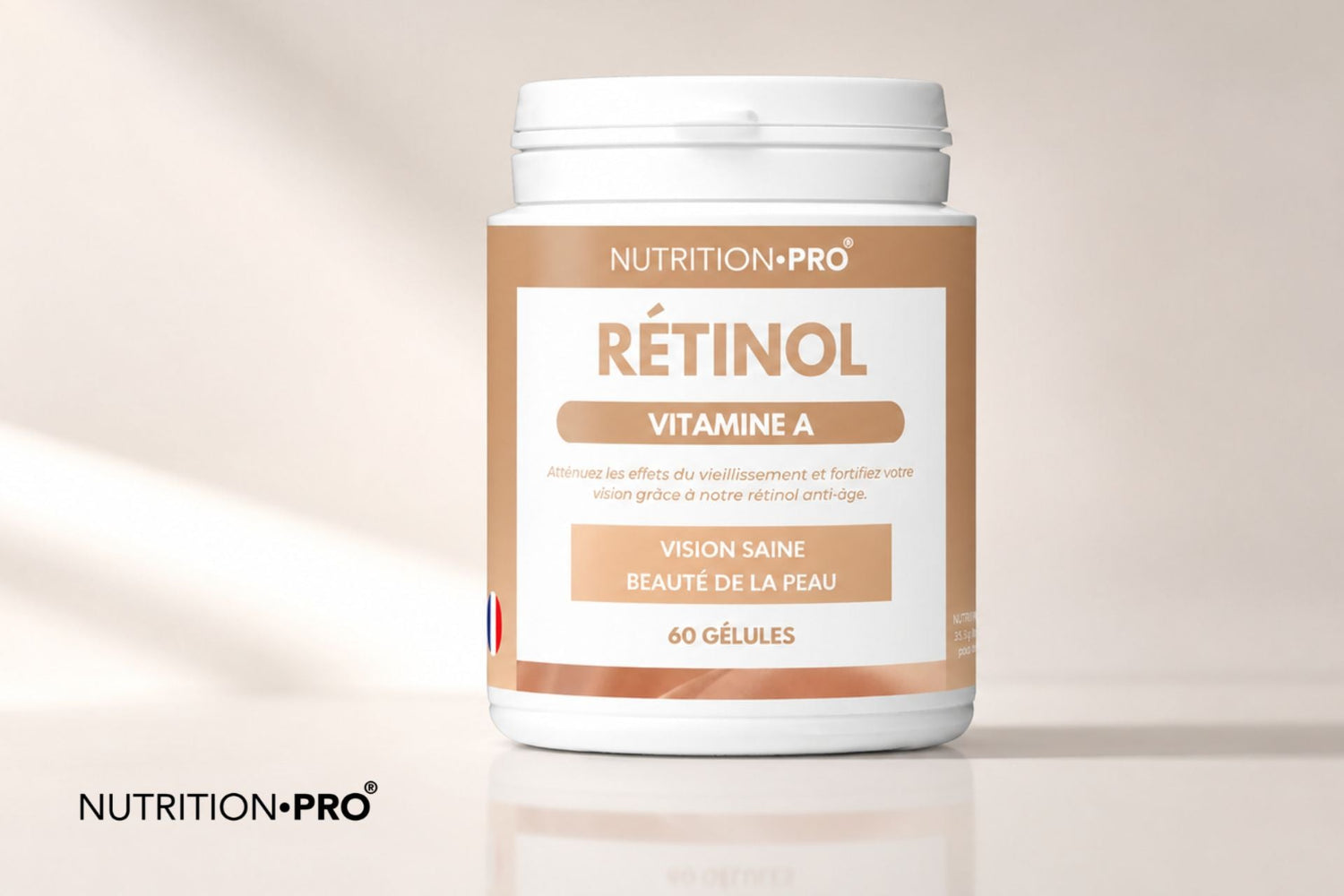
Retinol Vitamin A — 60 capsules

1,000 µg of vitamin A per capsule (125% NRV). 2-month course to support skin, vision, and immunity.

View Retinol →

Marine Collagen Naticol® — 120 capsules

Bioactive peptides + hyaluronic acid. Anti-aging synergy consistent with retinol, which stimulates its synthesis.

View Marine Collagen →
IN BRIEF

Proven Vitamin A: according to Imdad et al. 2022 in Cochrane Database, a meta-analysis of 47 randomized trials on 1,223,856 children demonstrated that vitamin A supplementation reduces all-cause mortality by 12% and night blindness by 68% in deficiency areas — data that establish the essential role of this vitamin.

Immune mechanism: according to Bang et al. 2021 in Science, vitamin A is delivered by SAA proteins to intestinal myeloid cells via the LRP1 receptor — a key step in adaptive immunity and immunoglobulin A production.

i
Health information. Vitamin A is a fat-soluble vitamin with a narrow therapeutic window. Supplementation is CONTRAINDICATED during pregnancy (proven teratogenic risk), pregnancy planning, and in individuals with severe liver disease. Special caution is warranted in smokers (CARET, ATBC studies). Never exceed the ANSES upper safety limit of 3,000 µg/day, from all sources combined (diet + supplements). Any prolonged supplementation warrants professional health advice.
750µg
ANSES RDA
ADULT/DAY
1.2M
CHILDREN COCHRANE
(IMDAD 2022)
-12%
MORTALITY
IN DEFICIENCY AREAS
3000µg
SAFETY LIMIT
ANSES/DAY

Retinol and Vitamin A: Clearing up the confusion

<<<34>>> retinol rétinol is the active form of vitamin A, a fat-soluble vitamin essential for body function. The word "retinol" is used both in cosmetics (anti-aging creams) and in nutrition (capsules) — which is why there is constant confusion among the general public.

A family of molecules, a single name

Under the name "vitamin A" are grouped several related forms: retinol (alcohol form, the most active), retinal (aldehyde form, essential for vision), retinoic acid (acid form, acts on gene expression in cells). All originate from the same precursor and convert between each other in the body according to needs.

Two dietary sources

Vitamin A is found in two forms in food. Preformed vitamin A (retinol and retinyl esters) comes from animal products: liver, egg yolk, butter, fatty fish. It is directly usable by the body. Provitamin A carotenoids (beta-carotene, alpha-carotene) come from orange, yellow, or green vegetables (carrot, sweet potato, spinach). The body converts them to retinol, but this conversion is slow and incomplete — approximately 12 µg of dietary beta-carotene to generate 1 µg of retinol.

This difference explains why vegetarians and vegans may have lower intakes of active vitamin A despite a diet rich in colorful vegetables.

Topical retinol vs oral vitamin A: 2 different approaches

The most common mistake: thinking that a retinol dietary supplement can replace an anti-aging cream. This is false. These are two distinct uses of the same molecular family, with different mechanisms of action, concentrations, and objectives. Understanding this distinction is the first step toward making an informed choice.

WHAT THE SCIENCE REALLY SAYS

Topical retinol: targeted local action

Creams, serums, and anti-aging products containing retinol act directly on the epidermis. Concentrated at 0.1 to 1% in consumer formulations, topical retinol penetrates the superficial layers of the skin, stimulates cell renewal (turnover), increases collagen production by dermal fibroblasts, and accelerates exfoliation of dead cells. Visible effects: reduction of wrinkles, skin texture smoothing, complexion evening, reduction of pigmentation spots.

It is the option best documented for visible signs of localized skin aging. Dermatologists have prescribed it for over 30 years (medical form: tretinoin, retinoic acid).

Oral vitamin A: systemic nutritional action

A vitamin A capsule has a completely different objective: to maintain normal nutritional status of this essential vitamin, and support the biological functions that depend on it globally. When you ingest 1,000 µg of retinol, the molecule is absorbed by the intestine with dietary lipids, transported by chylomicrons to the liver which stores most of it, and released according to the body's needs — to the eyes, immune system, mucous membranes, and yes, the skin too but via general blood circulation.

Oral vitamin A supports skin from within (collagen production, mucous membrane hydration), but it cannot concentrate its action on a specific wrinkle the way a topically applied cream does.

The two approaches are complementary

For a coherent anti-aging strategy, internal nutrition and targeted external care work together. The dietary supplement fuels cellular biological processes; the cream acts at high local concentration on areas to be treated. Neither one alone is sufficient for optimal results.

This is why we also offer a range of topical care products (hyaluronic acid serum, caviar cream) alongside our Retinol Vitamin A in capsules and our Marine Collagen Naticol® hyaluronic acid.

The 5 proven benefits: overview

EFSA (European Food Safety Authority) has validated 5 official health claims for vitamin A in dietary supplements. These claims are based on solid scientific data accumulated since the discovery of vitamin in the 1910s. Here are the 5 authorized benefits and their current level of evidence.

1
Vision and eye health
Visual pigment, night vision, corneal integrity.
Key component of retinal rhodopsin. Deficiency = night blindness, xerophthalmia.
EFSA claim
2
Skin and cellular renewal
Epidermal turnover, mucosal integrity.
Stimulates fibroblasts, promotes collagen synthesis, supports skin hydration.
EFSA claim
3
Immunity and defenses
Lymphocyte maturation, mucosal IgA production.
Molecular mechanism elucidated in 2021 (Bang et al., Science).
Bang 2021 · Science
4
Cell growth and differentiation
Regulates the expression of hundreds of genes.
Retinoic acid = central transcription factor for development.
Gene mechanism
5
Antioxidant and cellular protection
Neutralizes free radicals involved in aging.
Complementary action of vitamins C, E and zinc.
Antioxidant synergy
1

Vision and eye health: the historical function

Visual pigment and night vision — vitamin A's first discovered role.

According to EFSA health claims, vitamin A contributes to the maintenance of normal vision. It is even the first scientifically documented role, identified as early as the 1910s during the study of nutritional deficiencies. Without retinol, the eye cannot produce rhodopsin, an essential pigment for vision in low light conditions.

Night vision and adaptation to darkness

Vitamin A plays a central role in the retinal visual cycle. When a photon of light strikes the retina, it triggers the isomerization of retinal bound to opsin — triggering the nerve signal interpreted as "vision". For this cycle to renew, the body must have a constant supply of bioavailable retinol. The first sign of deficiency is night blindness (difficulty seeing in dim light, discomfort while driving at night).

According to Imdad et al. 2022 in Cochrane Database, a meta-analysis of 47 RCTs including 1,223,856 children demonstrated that vitamin A supplementation in areas of deficiency reduces night blindness by 68% and the onset of Bitot's spots by 58% (DOI : 10.1002/14651858.CD008524.pub4).

Protection of the cornea and ocular mucous membranes

Beyond rhodopsin, vitamin A maintains the integrity of corneal and conjunctival tissues. Severe deficiency causes xerophthalmia (pathological dry eye) and can lead to irreversible corneal ulceration. It is the leading cause of preventable blindness in children in developing countries according to the WHO.

For adults in developed countries without deficiency, vitamin A contributes to daily visual comfort and vision maintenance. For more targeted support in cases of visual fatigue or specific pathology (AMD), the Visioptine by Nutrition•pro is a comprehensive formula dedicated to eye health.

2

Skin and cellular renewal: beauty from within

Supports the biological processes of skin turnover and collagen production.

The EFSA officially recognizes that vitamin A contributes to the maintenance of normal skin. This claim reflects the central role of retinol in keratinocyte differentiation (epidermal cells), mucous membrane integrity, and collagen synthesis by dermal fibroblasts.

The key role of fibroblasts

<<<27>>> Fibroblasts fibroblastes are the architect cells of the skin. They produce collagen (firmness), elastin (elasticity), and hyaluronic acid (hydration). With age, their activity naturally declines: at 50 years old, we produce approximately 50% less collagen than at 20 years old. This is one of the main causes of skin aging.

Retinoic acid, the active form derived from retinol, acts as a nuclear transcription factor that binds to RAR and RXR receptors on fibroblasts. It activates the expression of type I collagen genes and inhibits metalloproteinases that degrade this collagen — a dual beneficial effect on the skin matrix.

Synergy with marine collagen

This is where the combination of oral retinol + marine collagen makes full sense. Retinol stimulates the capacity for collagen synthesis, marine collagen provides the raw material in the form of bioactive absorbable peptides. The Marine Collagen Naticol® + hyaluronic acid in capsules also provides hyaluronic acid to support dermal hydration — a coherent trio that we detail in our complete marine collagen dosage guide.

For combined hair/nails/skin profiles, the Sublimator® by Nutrition•pro is a complete synergistic alternative formula.

3

Immunity and defenses: the mechanism elucidated in 2021

Vitamin A is at the heart of intestinal immunity and IgA production.

According to Bang et al. 2021 in Science, the molecular mechanism linking vitamin A to adaptive immunity has been clarified: SAA proteins (Serum Amyloid A) deliver retinol to intestinal myeloid cells via the LRP1 receptor, enabling maturation of T and B lymphocytes and immunoglobulin A production (DOI: 10.1126/science.abf9232).

Vitamin A drives mucosal immunity

EFSA recognizes that vitamin A contributes to the normal functioning of the immune system. In concrete terms, retinol intervenes at several levels: maintaining the integrity of mucosal barriers (intestine, lungs, urinary tract), production of immunoglobulin A (first defense against mucosal pathogens), maturation of regulatory T lymphocytes and differentiation of dendritic cells.

The work of Bang et al. 2021 in Science revealed a key mechanism: SAA proteins, induced by the intestinal microbiota, capture retinol and deliver it specifically to intestinal immune cells producing retinoic acid. Without this delivery system, intestinal adaptive immunity collapses. This explains why vitamin A deficiency greatly increases the risk of digestive and respiratory infections.

Protective effect in deficiency zones — not in well-nourished adults

According to Imdad et al. 2022 (Cochrane), vitamin A supplementation in children in deficiency areas reduces all-cause mortality by 12% and diarrhea morbidity by 15%. Important: these spectacular benefits concern deficient populations. In the Western adult consuming sufficient vitamin A-rich foods, supplementation at nutritional dose (1,000 µg/day) maintains optimal status without demonstrated major additional benefit.

For targeted immune support, the Multivitamins and Minerals formula or the Zinc 60 capsules can be coherent alternatives or complements (zinc participates in the same visual and immune cycle as vitamin A).

★ 125% NRV PER CAPSULE
Retinol Vitamin A — 60 capsules
125% NRV per capsule. 2-month course to support the maintenance of normal skin, normal vision and a normal immune system (EFSA claims). Made in France.
See Retinol →
4

Cell growth and differentiation

Retinoic acid regulates the expression of hundreds of genes.

Vitamin A, via its active metaboliteretinoic acid, acts as a true molecular hormone. It binds to specific nuclear receptors (RAR, RXR) and regulates the expression of over 500 genes involved in cell proliferation and differentiation.

An essential gene regulator

This action on DNA explains the major importance of vitamin A during periods of rapid growth — embryogenesis, bone growth, epithelial renewal. It also explains its dual nature: beneficial at normal doses, teratogenic at high doses during pregnancy (see precautions section).

In adults, retinoic acid continues to drive the renewal of high-turnover tissues: skin, respiratory mucosa, intestinal, and urogenital tissues. Maintaining optimal nutritional status in vitamin A is therefore important for daily tissue regeneration.

5

Antioxidant and cellular protection

Neutralizes free radicals in synergy with vitamins C, E, and zinc.

Vitamin A possesses antioxidant properties: it neutralizes certain reactive oxygen species involved in cellular aging. This action complements other nutritional antioxidants (vitamins C, E, selenium, zinc, polyphenols).

Synergy with other antioxidants

Antioxidant efficacy relies on a coordinated network: a single vitamin has limited effect, it is the combination that creates effective defense. Vitamin A is regenerated by vitamin E, which is itself regenerated by vitamin C. Zinc and selenium activate endogenous antioxidant enzymes (SOD, glutathione peroxidase).

This is why the Antioxidants 60 capsules complex from Nutrition•pro combines multiple cofactors for synergistic action. For balanced overall intake, the Multivitamins and Minerals formula covers all necessary antioxidant cofactors.

Who really needs a vitamin A supplement?

In developed countries, severe vitamin A deficiencies are rare thanks to dietary diversity. However, certain profiles present an increased risk of sub-optimal status that justifies targeted supplementation — while others conversely must strictly avoid it.

Profiles likely to benefit

1. Strict vegans and vegetarians. Preformed vitamin A (retinol) is exclusively of animal origin. Plant carotenoids convert slowly and incompletely. Targeted supplementation can fill this gap.

2. People with fat absorption disorders. Inflammatory bowel diseases, cystic fibrosis, chronic pancreatitis, bariatric surgery — all decrease absorption of fat-soluble vitamins. Medical advice essential.

3. People consuming few vitamin A-rich foods. Very little liver (the densest source), few egg yolks, little whole dairy products, few fatty fish, few orange or dark green vegetables.

4. People seeking comprehensive anti-aging support. As a complement to a beauty routine (marine collagen, external care), oral vitamin A can support cellular renewal mechanisms.

Profiles that MUST NOT supplement

1. Pregnant women or those planning pregnancy. Absolute contraindication — see detailed precautions below.

2. Smokers. Major caution — see detailed precautions below.

3. People with severe liver disease. Vitamin A is stored in the liver; excess can worsen liver disorders.

4. People undergoing systemic retinoid treatment (isotretinoin for severe acne, acitretin for psoriasis). Cumulative risk of toxicity.

5. Children and adolescents without medical advice (specific needs different from adults).

Dosage: RDA, limits and therapeutic window

Vitamin A has one of the narrowest therapeutic windows among vitamins: the effective dose and the toxic dose are separated by only a factor of 3-4. This is why strict adherence to dosage is non-negotiable.

Reference intakes (RDA) ANSES 2016

According to theANSES (National Food Safety Agency), the vitamin A reference intakes for the adult population are 750 µg/day for men and 650 µg/day for adult women. Requirements may increase during breastfeeding (1,300 µg/day according to ANSES) but should be met through diet, not supplementation. The Nutrition•pro capsule provides 1,000 µg, or 125% of the NRV (European Nutrient Reference Value).

The upper safety limit

ANSES and EFSA set the upper safety limit for adults at 3,000 µg/day, from all sources combined (diet + supplements). Beyond this, the risk of hypervitaminosis A increases: digestive disorders, dry skin, hair loss, bone pain, and long-term liver damage. Pregnant women should not exceed 1,500 µg/day according to French public health recommendations.

Optimal absorption

Since vitamin A is fat-soluble, its absorption requires the presence of dietary fats. Taking the capsule with a meal containing some fat (olive oil, butter, nuts, fish) optimizes absorption — up to 80-90% versus 30-40% on an empty stomach. Morning breakfast or midday are ideal times.

The myth: oral vitamin A replaces anti-aging creams

A frequent question: "If I take retinol in capsules, can I stop using my cream?" The honest answer, counterintuitive for a supplement seller: no. Here's why — and how both approaches complement rather than compete with each other.

WHAT THE SCIENCE ACTUALLY SAYS

Why a supplement doesn't replace a cream

When you ingest 1,000 µg of retinol, this amount is diluted throughout the entire body volume (approximately 70 liters for an adult). The liver captures the majority for storage and redistribution according to the body's physiological priorities. The fraction that reaches the skin via the bloodstream is very low in local concentration.

Conversely, a retinol cream at 0.3% applied to the face delivers a concentration several hundred times higher directly on the epidermis, where it must act. It is this local concentration that explains the recognized dermatological efficacy of topical retinol on wrinkles, spots, and texture.

What each form does best

Topical retinol excels at: facial wrinkles, localized photoaging, pigmentation spots, uneven skin texture, mild to moderate acne in adults.

Oral vitamin A excels at: maintaining optimal nutritional status, supporting global functions (vision, immunity, mucous membranes), providing synergy with collagen and other nutrients.

The coherent approach: combining intelligently

A complete anti-aging strategy combines both: internal nutrition supports cellular biological processes (collagen synthesis, epidermal renewal), while targeted external care acts at high concentration on specific areas. Neither alone is sufficient. The hyaluronic acid serum from Nutrition•pro is a coherent topical option alongside an oral Retinol treatment.

Essential precautions: pregnancy, smokers, liver

Vitamin A is effective and requires strict precautions. It is a fat-soluble vitamin with a narrow therapeutic window. Here are the contraindications and precautions you must absolutely know before any supplementation — what many e-commerce sites keep silent about.

ESSENTIAL PRECAUTIONS

1. Pregnancy and pregnancy planning — ABSOLUTE CONTRAINDICATION

Hypervitaminosis A during pregnancy is a proven teratogenic factor : it can cause serious fetal malformations (heart, nervous system, ears, face). Retinol supplementation is strictly CONTRAINDICATED during pregnancy and pregnancy planning, as well as in women of childbearing age without reliable contraception. Pregnant women obtain their vitamin A through balanced diet — avoiding liver, an extremely concentrated source (100 g of beef liver = 7,000 to 12,000 µg, far exceeding the limit).

2. Smokers — MAJOR CAUTION

The CARET (1996) and ATBC (1994) studies, two major clinical trials involving tens of thousands of participants, demonstrated that high-dose beta-carotene supplementation increases lung cancer risk by 20 to 28% in smokers and former smokers. Although this data primarily concerns high-dose beta-carotene, EFSA and ANSES recommend as a precaution that smokers avoid any vitamin A and beta-carotene supplementation. If you smoke: consult your doctor before taking any.

3. Liver disease — MANDATORY MEDICAL ADVICE

Vitamin A is stored 90% in the liver. Any chronic liver disease (hepatitis, cirrhosis, severe steatosis) impairs this storage and increases the risk of hepatic toxicity. Supplementation should only be considered after medical advice and liver assessment.

4. Systemic retinoid medications — CONTRAINDICATION

If you are takingisotretinoin (Roaccutane® and generics, for severe acne),acitretin (Soriatane® for psoriasis) or any other systemic retinoid, vitamin A supplementation is strictly contraindicated. The risk of cumulative teratogenic effects and toxicity would be major.

5. Breastfeeding — Caution

During breastfeeding, vitamin A requirements are increased but should be met through maternal diet. Supplementation at nutritional dose (≤ 1,000 µg/day) may be considered after medical advice, never at high dose.

6. Possible side effects

At the correct nutritional dose, vitamin A is well tolerated. Excessive or prolonged supplementation may cause: fatigue, headaches, digestive disorders (nausea, vomiting), dry skin, hair loss, joint or bone pain. If these symptoms appear: stop and consult a doctor.

Self-test: do you need retinol?

Check the statements that apply to you. Your dominant profile will guide you toward the most suitable approach — or toward a possible contraindication.

INTERACTIVE SELF-ASSESSMENT
Is retinol right for you?
12 quick statements — check those that apply to you. Your dominant profile appears automatically below.
A · Anti-aging: 0/3
B · Deficiency: 0/3
C · Vision: 0/3
D · Contraindic.: 0/3
PROFILE A — ANTI-AGING SUPPORT
PROFILE B — DEFICIENCY RISK
PROFILE C — VISUAL SUPPORT
PROFILE D — CONTRAINDICATIONS
Check at least 2 statements to discover your dominant profile.

How to incorporate vitamin A into your beauty routine

Here is a structured 3-month protocol for integrating vitamin A as a dietary supplement in a coherent anti-aging approach — respecting precautions and intelligently combining internal supplementation and external skincare.

Phase 1 (Week 1-2) — Verification and start

  • Verify absence of contraindications (pregnancy, smoking, liver condition, retinoids)
  • Comparative photos in neutral lighting (front and profile), facial measurements
  • Retinol Vitamin A 1 capsule/day with meals (lunch ideally, with a little fat)
  • Daily SPF 30+ sunscreen (vitamin A increases photosensitivity)

Phase 2 (Week 3-8) — Complete synergy

  • Continue Retinol 1 capsule/day
  • Add Marine Collagen Naticol® + hyaluronic acid (4 capsules/day or 10 g powder)
  • Hyaluronic acid serum Morning and evening topical application
  • Hydration 1.5-2 L water/day, 7-8 hours sleep

Phase 3 (Week 9-12) — Evaluation and adjustment

  • Continue full routine
  • Comparative photos At 12 weeks vs. initial photos
  • Evaluation : if net benefit → maintenance course (2-3 months/year of Retinol). If no difference: review overall approach (other limiting factors: sleep, stress, diet)

Personalized decision table

IF / THEN summary to quickly decide on the approach suited to your situation.

IF YOUR SITUATION… THEN THE APPROACH…
IF you are pregnant / planning pregnancy / breastfeeding
THEN no supplementation. Balanced diet only, avoiding liver. For skin: marine collagen (no pregnancy contraindication).
IF you smoke or recently smoked
THEN major caution. No vitamin A or beta-carotene supplementation without medical advice. Favor dietary vitamin A.
IF you are taking Accutane or systemic retinoid
THEN absolute contraindication. Risk of major toxic accumulation. No supplementation during treatment and 1 month after.
IF you seek global anti-aging effects
THEN Retinol + Marine collagen synergy + external care (hyaluronic acid serum). 3-month course, daily sun protection.
IF you are strict vegan / vegetarian
THEN Retinol is relevant. Beta-carotene to retinol conversion is insufficient in many. 1 capsule/day with a little fat.
IF you want targeted visual support
THEN Visioptine rather than Retinol alone. Complete formula vitamin A + lutein + zeaxanthin + zinc.
IF you have liver disease
THEN medical advice is mandatory. Vitamin A is stored 90% in the liver. Liver panel before any supplementation.

FAQ — All your questions

What is the difference between topical retinol and vitamin A capsules?

These are two distinct uses of the same molecule. Topical retinol (creams, serums) acts locally on the epidermis — it penetrates superficial layers, stimulates cell renewal, and reduces wrinkles and spots. Oral vitamin A (capsules) corrects nutritional status and supports global biological functions: vision, immunity, skin from within. Both uses are complementary, never interchangeable.

What is the safe daily dose of vitamin A?

According to ANSES, reference intakes are 750 µg/day for adult men and 650 µg/day for adult women. The safety upper limit set by ANSES and EFSA is 3,000 µg/day, from all sources combined (diet + supplements). Nutrition•pro capsule provides 1,000 µg, or 125% of the RNI — an effective and safe dose for non-pregnant adults.

Is vitamin A dangerous during pregnancy?

Yes, at high doses. Hypervitaminosis A during pregnancy is a proven teratogenic factor — it can cause serious fetal malformations. Retinol supplementation is CONTRAINDICATED during pregnancy and when planning pregnancy. Pregnant women should obtain their vitamin A solely through a balanced diet, avoiding liver (which is very high in vitamin A). Any supplementation must be validated by a physician.

Can oral retinol replace an anti-aging cream?

No. The two have different and complementary mechanisms of action. Topical retinol acts directly on the skin surface, with high local concentration. Oral vitamin A supports the skin from within by correcting nutritional deficiencies and fueling cellular renewal processes on a systemic scale. An effective anti-aging routine often combines both approaches.

Can smokers take vitamin A?

Major caution. The CARET and ATBC studies showed that high-dose beta-carotene supplementation in smokers increases the risk of lung cancer. For pure retinol at nutritional dose (1,000 µg/day), EFSA does not formally contraindicate it in smokers, but recommends caution. Smokers should prioritize dietary vitamin A and discuss any supplementation with a physician.

How long should you take vitamin A as a supplement?

For a beauty/anti-aging effect, a 3-month course is recommended to observe initial skin results. Possibility of maintenance courses 2 to 3 months per year. Since vitamin A is fat-soluble, it is stored in the liver — prolonged and continuous year-round intake is neither necessary nor recommended in non-deficient adults.

Can retinol be combined with marine collagen?

Yes, it is actually a coherent and synergistic combination. Retinol stimulates collagen production by skin fibroblasts. Providing hydrolyzed marine collagen directly supplies the bioactive peptides necessary for this synthesis. According to recent meta-analyses, marine collagen significantly improves skin elasticity and hydration — a result amplified by the stimulating action of oral retinol.

To learn more
Glossary — Key terms to know
Retinol
Active alcoholic form of vitamin A. Precursor to other forms (retinal, retinoic acid). Present in foods of animal origin (liver, egg yolk, butter, fatty fish) and in dietary supplements.
Vitamin A
Generic name for a family of related molecules (retinol, retinal, retinoic acid). Essential fat-soluble vitamin. ANSES reference intakes: 750 µg/day men, 650 µg/day women. Upper safety limit: 3,000 µg/day.
Beta-carotene
Provitamin A carotenoid found in orange, yellow, and dark green plant foods (carrots, sweet potatoes, spinach). Converted to retinol by the intestine with approximately 1/12 efficiency. High-dose supplementation in smokers is associated with increased risk of lung cancer (CARET, ATBC studies).
Fat-soluble
Describes a vitamin that dissolves in fats and requires dietary lipids for absorption. Vitamins A, D, E, K are fat-soluble. They are stored in the liver and adipose tissue — hence the risk of accumulation and toxicity at high doses, unlike water-soluble vitamins which are eliminated through urine.
Retinoic acid
Most active form of vitamin A. Acts as a molecular hormone by binding to nuclear receptors RAR and RXR. Regulates the expression of over 500 genes involved in growth, cell differentiation, and immunity. Form used in dermatology (topical tretinoin).
Teratogen
An agent capable of causing malformations in the embryo or fetus. Hypervitaminosis A is a proven teratogen — hence the absolute contraindication for retinol supplementation during pregnancy.
Rhodopsin
A photosensitive pigment present in the rod cells of the retina. Composed of opsin (protein) and retinal (aldehyde form of vitamin A). Enables vision in low light conditions. Vitamin A deficiency blocks its synthesis, causing night blindness.
Scientific Sources — Verified Studies and Authorities
  1. Imdad A, Mayo-Wilson E, Haykal MR, Regan A, Sidhu J, Smith A, Bhutta ZA. Vitamin A supplementation for preventing morbidity and mortality in children from six months to five years of age. Cochrane Database of Systematic Reviews 2022;3(3):CD008524. Meta-analysis of 47 RCTs involving 1,223,856 children demonstrating a 12% reduction in all-cause mortality, 68% reduction in night blindness, and 58% reduction in Bitot's spots in vitamin A deficiency areas. DOI: 10.1002/14651858.CD008524.pub4
  2. Bang YJ, Hu Z, Li Y, Gattu S, Ruhn KA, Raj P, Herz J, Hooper LV. Serum amyloid A delivers retinol to intestinal myeloid cells to promote adaptive immunity. Science 2021;373(6561):eabf9232. Molecular mechanism of retinol delivery to intestinal immune cells via SAA and LRP1 — a key step in adaptive immunity and IgA production. DOI: 10.1126/science.abf9232
  3. EFSA Health Claims Register. Authorized health claims for vitamin A. European Food Safety Authority. Vitamin A contributes to: the maintenance of normal skin, the maintenance of normal vision, the normal function of the immune system, cell specialization, normal iron metabolism.
  4. ANSES. Update of PNNS reference values — Study of links between food group consumption and risk of chronic nutritional diseases. ANSES Opinion 2016. Vitamin A reference intakes: 750 µg/day (adult male), 650 µg/day (adult female). Upper safety limit: 3,000 µg/day.
  5. CARET (Beta-Carotene And Retinol Efficacy Trial) and ATBC (Alpha-Tocopherol Beta-Carotene Cancer Prevention Study). Historical demonstration of increased lung cancer risk in smokers supplemented with high-dose beta-carotene — basis for current EFSA and ANSES warnings.
  6. World Health Organization (WHO). Vitamin A deficiency: global prevalence and supplementation guidelines. Geneva. Reference source on global prevalence of vitamin A deficiency (190 million children under five years affected) and preventive supplementation protocols in at-risk areas.

Reading next

L'extrait de pépins de pamplemousse : un supplément naturel aux multiples vertus
Fer bisglycinate vs autres formes de fer : une comparaison détaillée