

Info
Foods that Lower Blood Pressure: Salt, Potassium, DASH, What the Evidence Shows
Diet is by far the most effective non-pharmacological intervention for blood pressure. Here's what meta-analyses show: DASH at nearly 7 mmHg, salt which acts linearly without a threshold, dietary p...
Nutrition Under GLP-1 Treatment: Protein, Muscle and Micronutrients
One quarter of the weight lost under these treatments is lean mass, and the consensus review published in Obesity Reviews mentions muscle loss equivalent to twenty years of aging in eighteen months...
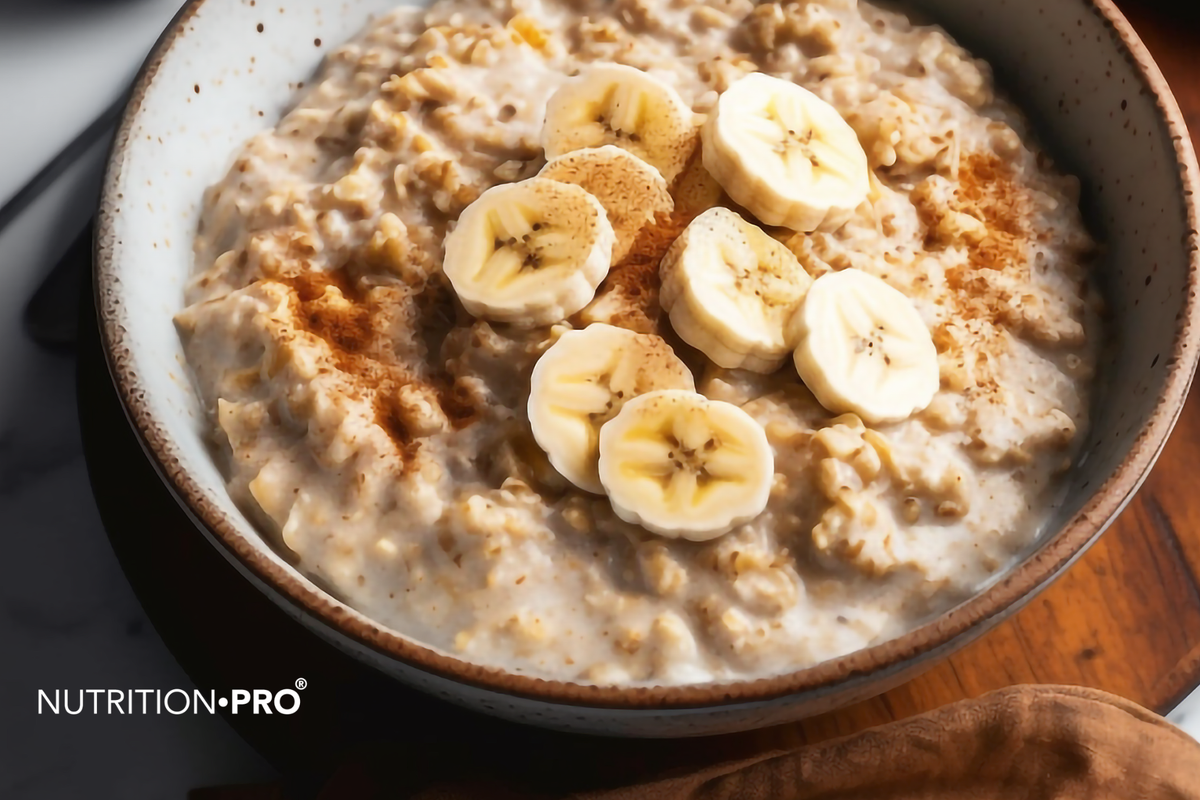
Homemade Gainer: Recipes, What It's Worth, and When to Buy a Commercial Gainer
Yes, a weight gainer can be made at home with oats, a banana, milk and a protein source, and it's worth a store-bought gainer on what matters. Three calibrated recipes, the true calorie-by-calorie ...
Dry Bulk vs Dirty Bulk: What the Only Randomized Trial Shows
The debate between lean bulk and dirty bulk has had an experimental answer since 2023: 21 trained practitioners, eight weeks, a surplus of 5% or 15%. Same muscle thickness, same squat, more skin fo...
Boost Testosterone Naturally: What Studies Really Show
90% of "testosterone boosters" claim to increase it; one quarter have data to back it up. Two systematic reviews sorted through them: most do nothing. This guide explains how testosterone actually ...
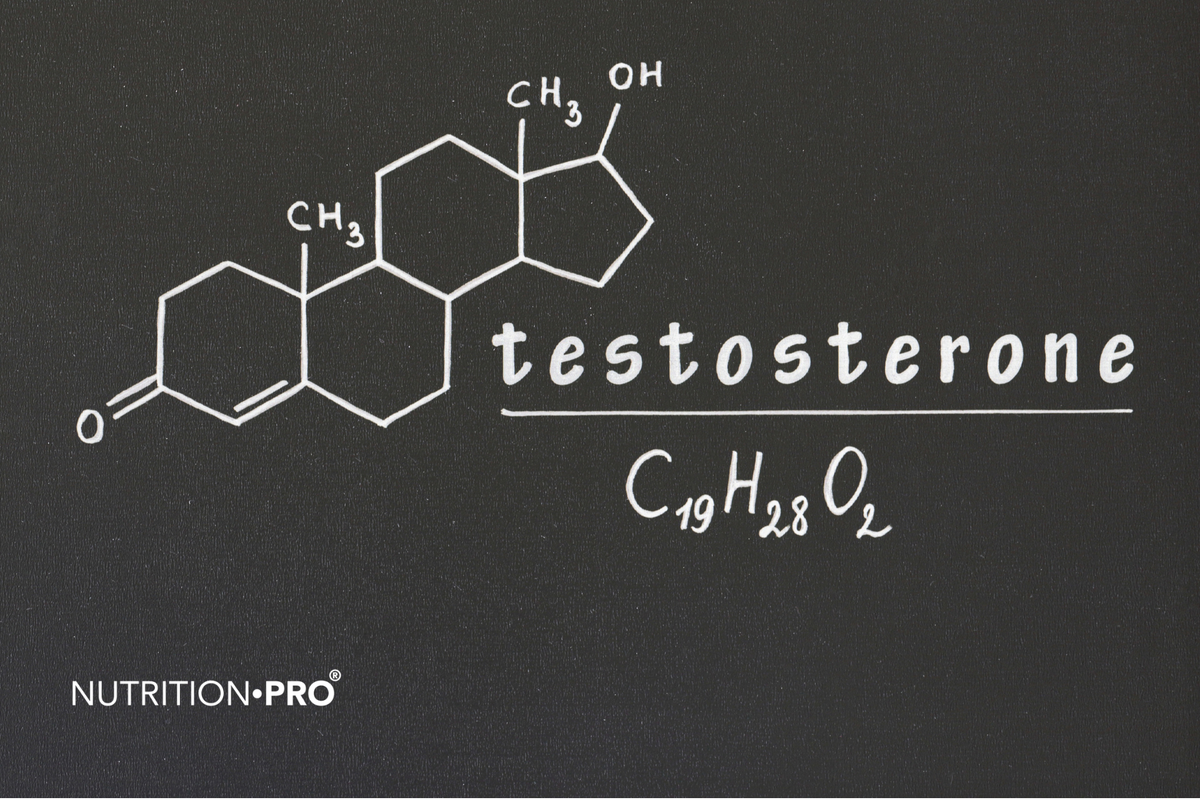
Low Testosterone: Symptoms, Testing and When to See a Doctor
Among 3,369 men aged 40 to 79, only three symptoms were found to be specifically linked to low testosterone, and they are neither fatigue nor mood. The thresholds that define late-onset hypogonadis...
I Can't Gain Weight: What Science Says About Hardgainers
Sixteen volunteers overfed by 1,000 kcal per day for eight weeks: fat gain varied tenfold. The Science study explaining it, the NEJM study on twelve pairs of twins showing the genetic component, an...
Gainer: What It Really Does, Who It's For, and What Studies Show
The only randomized trial comparing a small and large caloric surplus during eight weeks of strength training concluded that a large surplus primarily builds fat. The reference meta-analysis on pro...
Libido: maca, tribulus, ginseng, what the studies actually show
Eighty percent of supplements for male sexuality have no expected efficacy according to a university analysis. What maca has shown in men and menopausal women, what tribulus has shown in 67 women w...
Collagen Loss After 25: Myth or Reality? What Studies Show
Collagen loss with age has been measured since 1975, and it accelerates at menopause. The figure of 25 years is a convention. What fibroblasts actually do as they age, the vicious cycle of fragment...
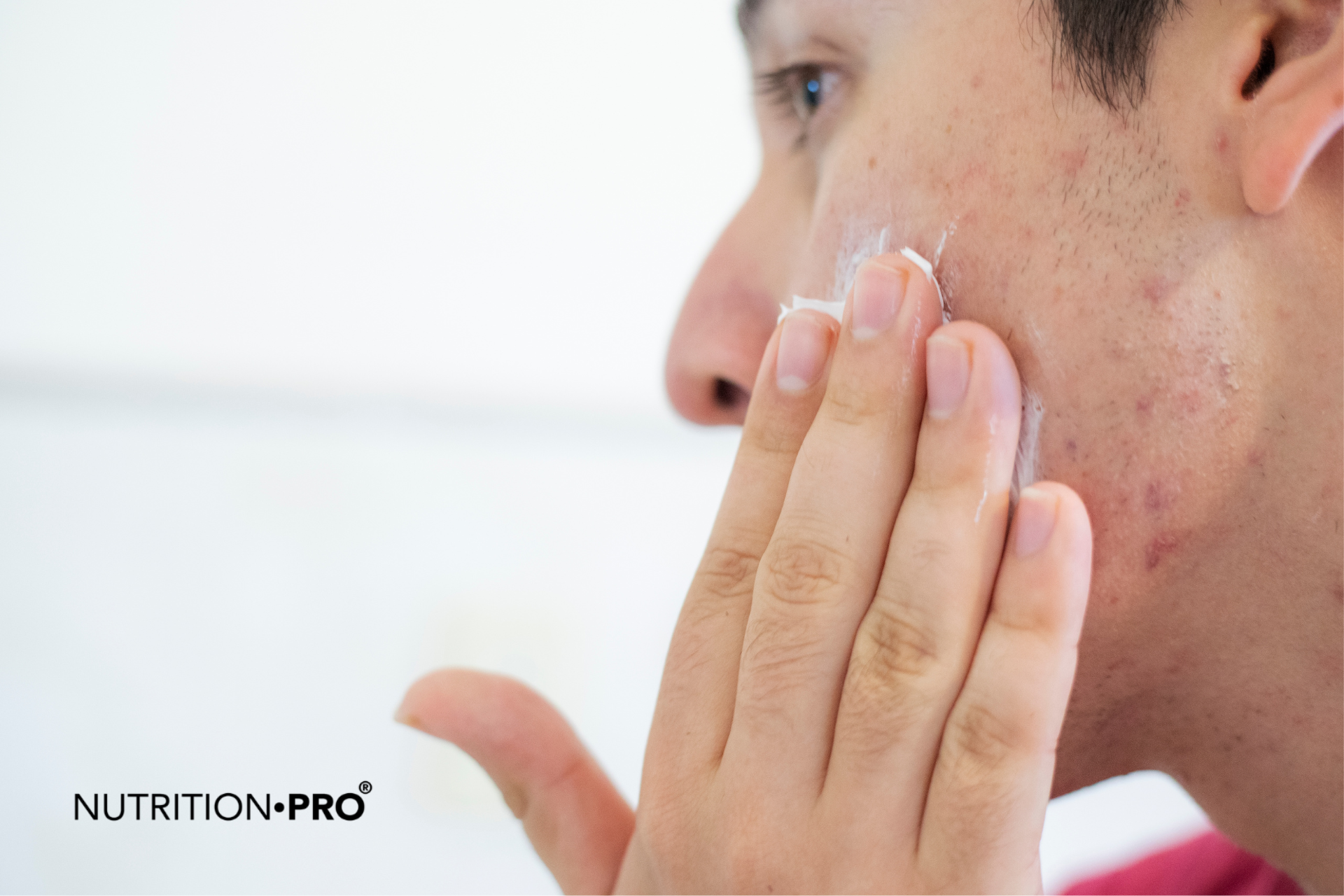
Zinc and Acne: Dosage, Form, Duration, What the Meta-Analysis Shows
Zinc is the only acne-fighting supplement with a dedicated meta-analysis. What it measured, why acne-prone skin is locally deficient in zinc according to Harvard research, zinc's role in reducing a...
Cortisol: What It Really Is, What Disrupts It, and What Studies Show
"Cortisol face" doesn't exist: the puffy face associated with cortisol is actually a symptom of a disease affecting 2 to 8 people per million. What stress truly disrupts is your cortisol rhythm, an...
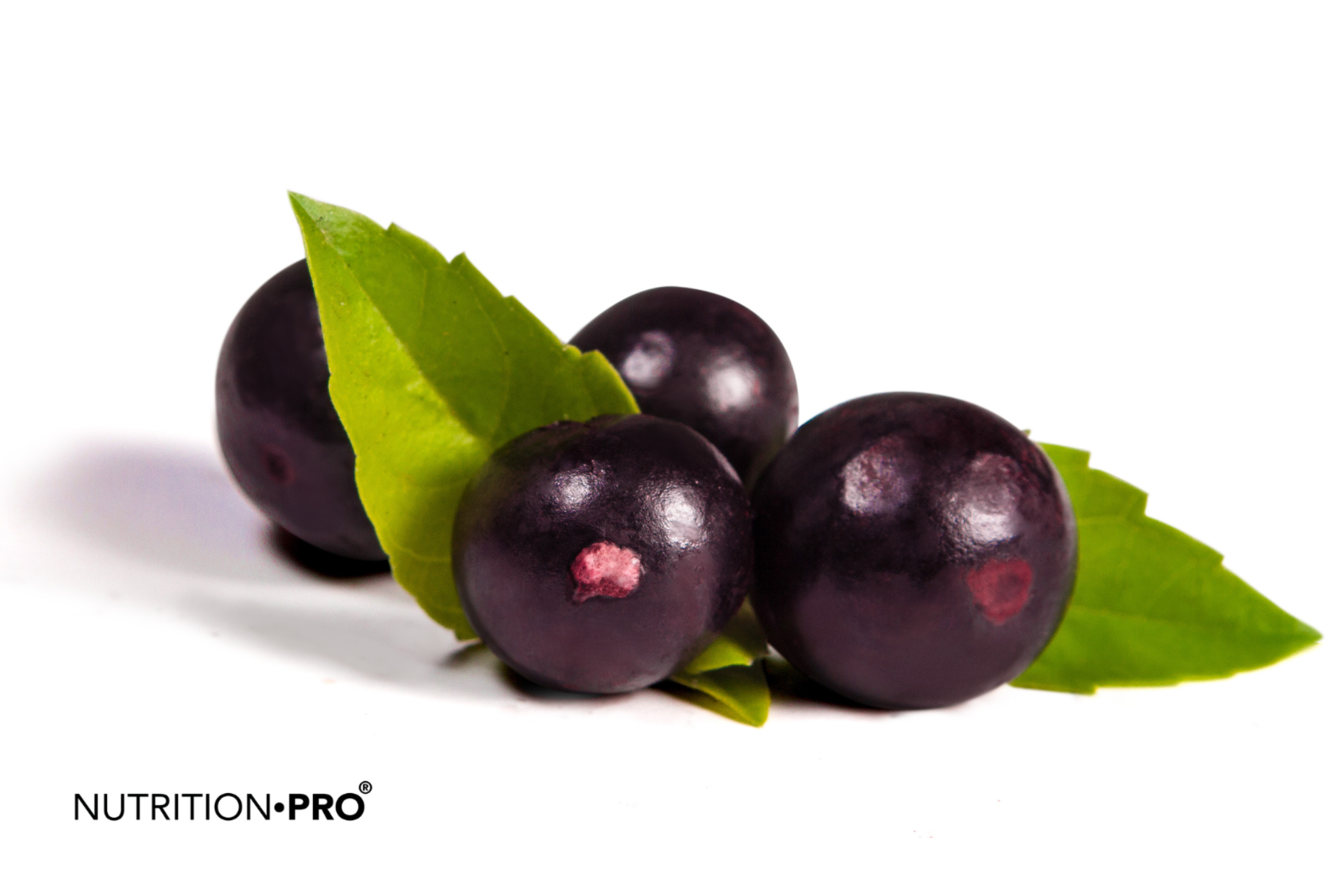
Acai and Athletic Recovery: What the Data Shows
A real signal, in its rightful place: fifth recovery lever, after sleep, proteins, training load, and energy intake.
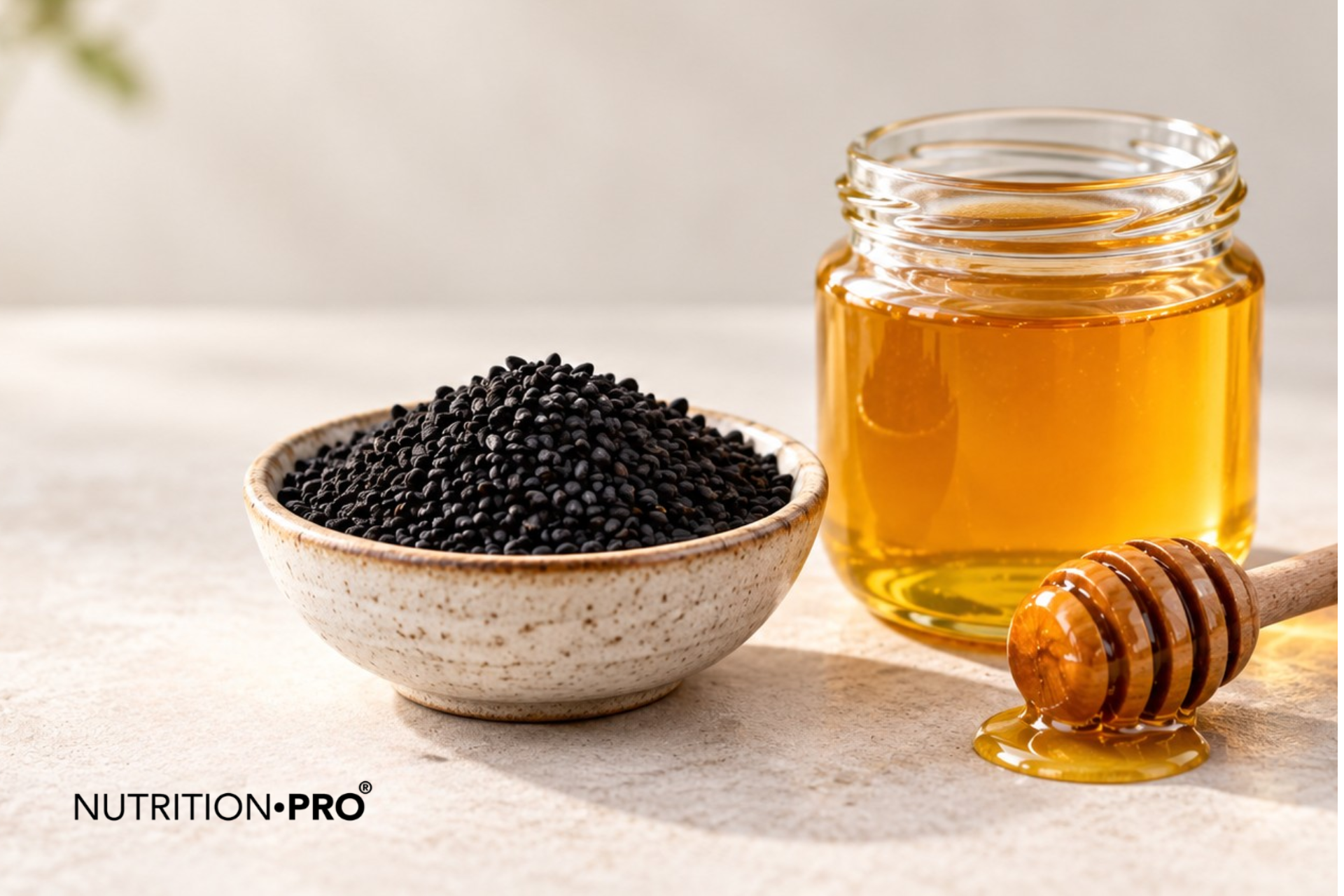
Black Seed and Honey: What Clinical Trials Show, and How to Prepare Them
The traditional combination of nigella and honey has two randomized trials to its credit, for dyspepsia and respiratory infection, while nigella alone has solid meta-analyses on blood glucose, bloo...
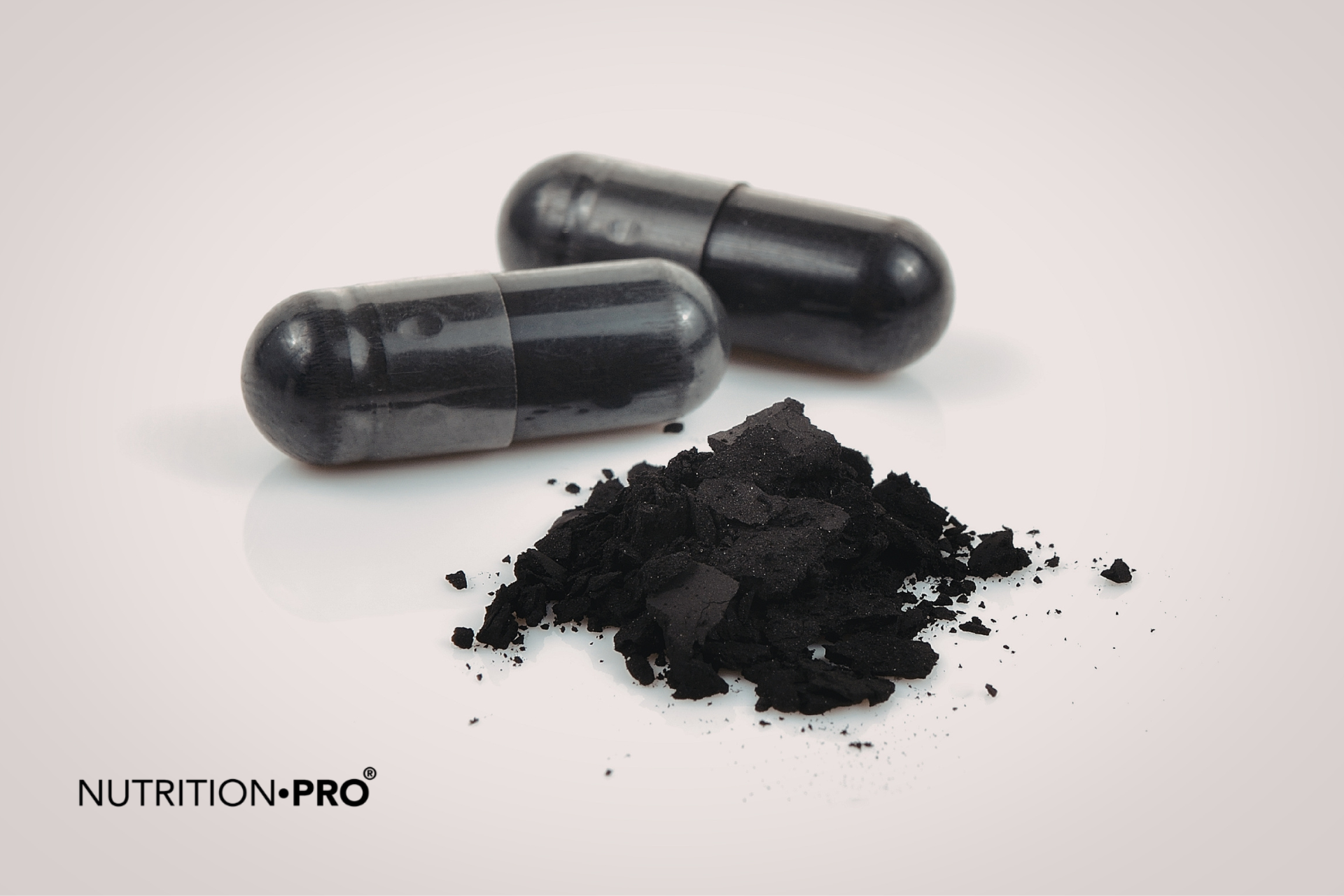
Griffonia (5-HTP): Benefits, Dosage and Precautions, What the Research Really Shows
Griffonia owes everything to the 5-HTP from its seeds, the direct precursor of serotonin. Forty years of clinical trials: mood (a 2020 meta-analysis and a trial against fluoxetine), sleep (12-week ...

5-HTP, Sleep and Mood: What the Studies Really Show
Griffonia's 5-HTP is the direct precursor of serotonin, which itself is a precursor of melatonin. A 12-week trial in seniors, a double-blind trial against fluoxetine, a meta-analysis: what the tria...
Griffonia (5-HTP): Dangers, Side Effects and Interactions
Dose-dependent nausea, serotonin syndrome, pregnancy, combination with carbidopa, historical contaminants: the true safety profile of 5-HTP, what clinical trials say, published cases and tolerance ...

Matcha vs Coffee: What L-Theanine Really Changes, Study Included
The caffeine in matcha and that in coffee are the same molecule. A five-arm crossover trial compared theanine alone, caffeine alone, the two together, tea, and placebo, measuring brain activity. Th...

Matcha Tea: Benefits, Preparation and What the Research Really Shows
A Japanese study found why certain matchas reduce stress while others don't: it all comes down to a specific ratio between caffeine and theanine, which shading and harvest determine. What studies s...
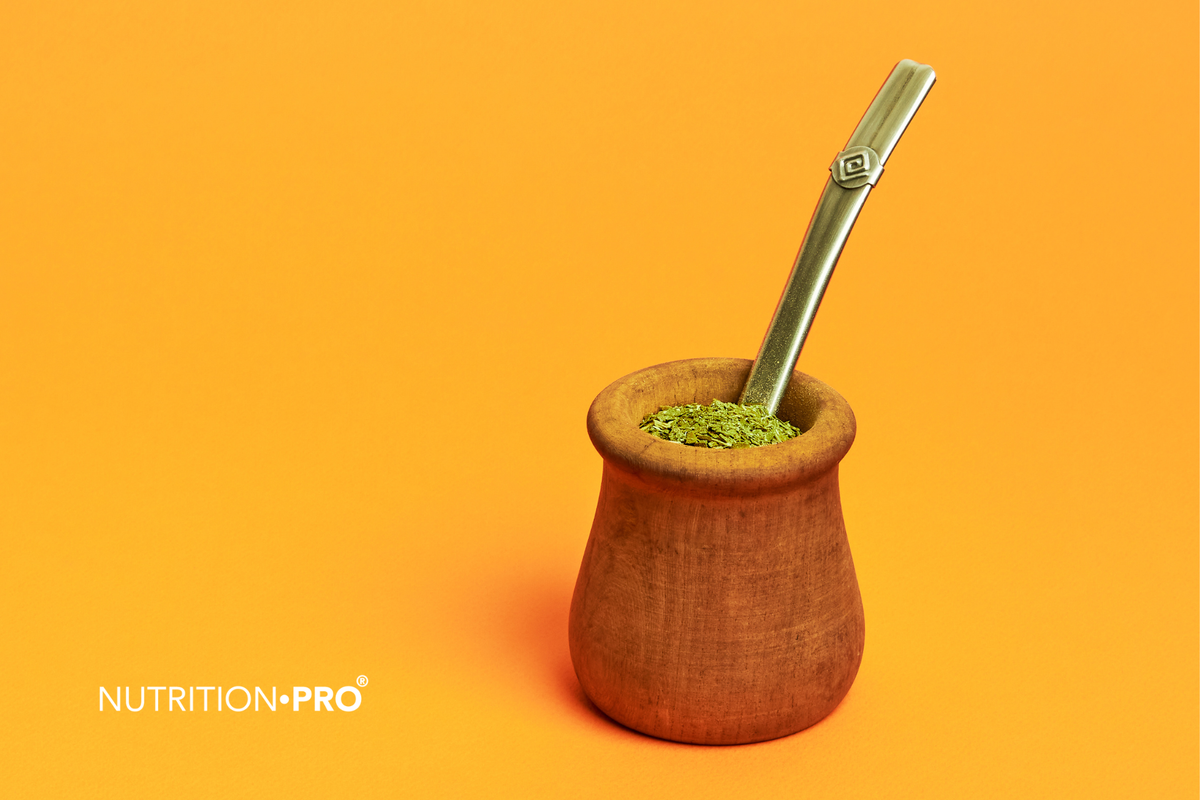
Mate (yerba mate): Benefits, Preparation and the Temperature Question
A systematic review of 32 studies examines what yerba mate truly changes: metabolism, lipids, alertness, performance. And a subject often sidestepped—water temperature and drying method—where the l...
 Études indépendantes
Ce que dit la science sur les compléments alimentaires, les régimes et le déficit calorique
Nous avons épluché la littérature scientifique pour apporter de vraies réponses sur ces sujets saturés de promesses. L'objectif est simple : offrir une vision objective, chiffrée et vérifiable, plutôt que des certitudes marketing.
- 01 Shilajit in France in 2026: Price, Transparency and Demand, the First Market StudyFirst French market study on shilajit: 1.8 million searches analyzed, price benchmark across 13 brands, and transparency audit of certificates of analysis. Data collected August 2026.
- 02 Semaglutide (Ozempic, Wegovy) vs Glucomannan (Konjac): A Scientific ComparisonRigorous comparison between semaglutide (Ozempic, Wegovy) and glucomannan (Konjac): efficacy, safety, cost, sustainability. Two tools for two audiences: medication for confirmed obesity, supplement to help maintain an ordinary caloric deficit.
- 03 Top 10 Dietary Supplements for Weight Loss: Summary of 18 Meta-AnalysesObjective ranking of 10 dietary supplements for weight loss based on 18 meta-analyses. Net effect vs placebo, GRADE evidence level, tolerance and overall score. Glucomannan, green tea and caffeine rank at the top.
- 04 How Much Does Each Diet Cost? Comparative Analysis of 14 Popular DietsEconomic analysis of 14 dietary regimens in France: weekly cost, annual cost increase, and cost per kilogram lost. Based on average prices from major retailers and cross-referenced with efficacy measured in scientific literature.
- 05 Meta-analysis of 14 Diets: Synthesis of 12 Major Meta-analysesComparative synthesis of 14 popular diets (Mediterranean, ketogenic, DASH, Dukan, low-carb, intermittent fasting...) based on 12 meta-analyses published between 2010 and 2024. Weight loss, metabolic markers, dropout rates, and long-term benefits, compared objectively.
- 06 Weight Loss Supplements vs Calorie Deficit: How Many Calories Do You Need to Burn to Lose a Kilogram?Rigorous comparison of the effectiveness of simple caloric deficit versus the most popular weight loss supplements, based on scientific literature. Synthesis of 10 meta-analyses and kinetic modeling by the NIH.
THEY TALK ABOUT US


