

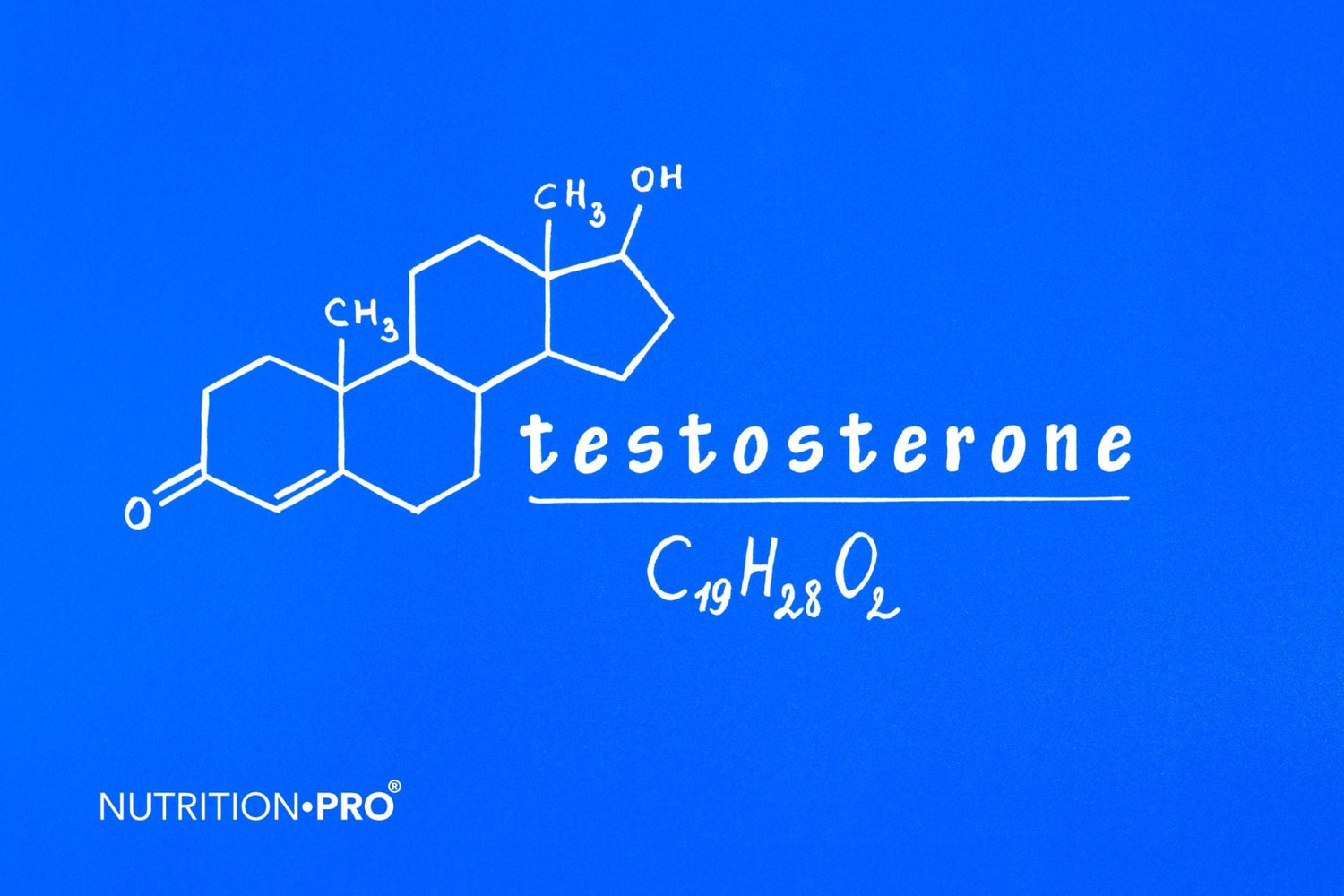
"How to increase your testosterone" is one of the most asked—and most misinformed—questions about men's health: the web is flooded with miracle "boosters" that mostly fail to deliver on their promises. The truth is simpler, and more encouraging: the levers that actually work are within your reach, and rely first and foremost on your lifestyle.
This comprehensive guide sorts fact from fiction, with evidence to back it up: the role of testosterone and why it declines, how to know if yours is low, the truly effective levers (weight, exercise, sleep, stress, alcohol, micronutrients), an honest take on supplements, myths to debunk, a concrete 4-week plan, what medical treatment is, and above all when to see a doctor. No exaggerated promises.

A seed traditionally associated with male vitality, to integrate into a routine where lifestyle remains the primary lever. 100% organic, in powder form.
Testosterone is supported first and foremost by lifestyle. The proven levers: lose excess fat, as weight loss raises testosterone in overweight men (Corona, Eur J Endocrinol, 2013); get enough sleep, as a week of reduced sleep lowers it by 10-15% (Leproult, JAMA, 2011); do strength training without overtraining; limit alcohol, whose excess reduces testosterone (Smith, Expert Rev Endocrinol Metab, 2023); and correct zinc or vitamin D deficiency. On the supplements front, let's be honest: a review of 52 studies shows that most "boosters," including tribulus, do not increase testosterone (Morgado, Int J Impot Res, 2023). Ashwagandha is an exception with a modest effect (Lopresti, 2023). And no, soy does not lower testosterone (Reed, Reprod Toxicol, 2021). Persistent symptoms require medical advice.
- Testosterone: role and why it declines
- How to know if it's low
- The proven levers (overview)
- Losing excess fat
- What sport, and the overtraining trap
- Sleep and stress
- Alcohol, tobacco and endocrine disruptors
- Diet and micronutrients
- Supplements: what works, what doesn't
- Myths to debunk
- Your 4-week plan
- Medical treatment and andropause
- When to consult a doctor
- Frequently asked questions
1. Testosterone: its role and why it declines
Testosterone plays a central role in men: libido and sexual function, muscle mass and strength, bone density, fat distribution, energy, mood, and body hair. Its production is controlled by a hormonal axis running from the brain (hypothalamus and pituitary gland) to the testes. Its levels vary throughout the day (higher in the morning) and across the lifespan. After the thirties, testosterone declines slowly, by approximately
1% per year on average: this is physiological. But several factors accelerate this decline or worsen it: excess weight (adipose tissue converts testosterone to estrogens), lack of sleep ,chronic stress ,sedentary lifestyle , excessivealcoholconsumption, tobacco use, certain nutritional deficiencies, and various diseases or medications. The good news: most of these factors are modifiable, and that is the entire purpose of this guide.2. How to know if it's low
Key takeaways
decrease in libido ,erectile dysfunction , persistentfatigue , loss of muscle mass and strength, fat gain (especially abdominal), low mood or motivation, and sleep disturbances. However, be cautious: these symptoms are
non-specific and may have many other causes (fatigue, stress, depression, sleep apnea, thyroid disorders, etc.). The only way to know is a blood test measuring testosterone , prescribed and interpreted by a doctor, ideally performed in the morning and confirmed by a second test. Do not rely on self-diagnosis or an at-home test: this is the starting point for serious management.3. Proven strategies (overview)
Key takeaways
Before any supplement, it's habits that make the difference. Here are the levers truly supported by science, ranked by importance. Details follow in dedicated sections.
Lose excess fat
Most effective if overweight.
Weight loss raises testosterone in overweight men (Corona 2013). The greater the loss, the greater the increase.
Sleep sufficiently
Simple and powerful.
A week of reduced sleep lowers testosterone by 10 to 15% (Leproult 2011). Aim for 7 to 9 hours.
Move, in moderation
Muscle and composition.
Strength training supports vitality; overtraining, conversely, lowers testosterone.
Limit alcohol, manage stress
Two common obstacles.
Excess alcohol and chronic stress (cortisol) both lower testosterone.
Zinc and vitamin D
Useful only if lacking.
Correcting a deficiency helps; supplementing when levels are normal provides no additional benefit.
Certain supplements
Modest effect at best.
Ashwagandha has a modest effect; most "boosters" have none (see below).
4. Lose excess fat
It is the number one lever for many men, because adipose tissue lowers testosterone by converting it to estrogens, via an enzyme called aromatase. The logical consequence: losing it raises testosterone.
Weight loss, whether through caloric restriction or surgery, significantly increases total testosterone in overweight men; the magnitude of the increase is greater the more weight is lost.
Corona G, et al. Eur J Endocrinol 2013;168(6):829-843. DOI: 10.1530/EJE-12-0955
In practice: achieving a healthy weight is the priority if you have fat to lose, particularly around the belly. There's no need for extreme diets: gradual and sustainable weight loss through balanced nutrition and physical activity is sufficient to trigger the effect. To structure your approach, see our guides lose weight and, for muscle, gain weight and muscle.
5. What exercise, and the overtraining trap
Sport is an ally, provided you hit the right balance. Three key points:
- Strength training (resistance training) is the most beneficial: it improves muscle mass and body composition, and triggers acute hormonal elevations. Its effect on baseline testosterone remains moderate, but combined with fat loss, it forms part of the foundation.
- Regular physical activity (walking, daily movement) combats sedentary behavior, which itself is associated with lower levels.
- The overtraining trap : too much volume, too much intensity, insufficient recovery, or marked energy deficit (training hard while eating too little) can cause testosterone to drop . Extreme endurance sports pursued without adequate recovery are at risk.
The right balance: 2 to 4 strength training sessions per week, daily walking, and above all adequate recovery (sleep, rest days, appropriate caloric intake). If you feel exhausted, unmotivated, and your performance is stalling despite training, it may be a sign of overtraining: see our article on fatigue or overtraining.
6. Sleep and stress
Sleep is massively underestimated. Yet most testosterone is produced at night, and sleep deprivation has a rapid and measurable effect.
In young, healthy men, just one week of sleep restricted to approximately 5 hours per night reduced daytime testosterone by 10 to 15%.
Leproult R, Van Cauter E. JAMA 2011;305(21):2173-2174. DOI: 10.1001/jama.2011.710
Aim for 7 to 9 hours of quality sleep is therefore one of the most effective actions: consistent sleep schedules, a dark and cool bedroom, limited screens in the evening, and management of any sleep apnea (which lowers testosterone). The same logic applies to chronic stress : it raises cortisol, which acts opposite to testosterone. Reducing stress (physical activity, breathing exercises, recovery time, social life) indirectly supports your levels. Adaptogenic plants such asashwagandha or rhodiola can support stress management, as we see below.
7. Alcohol, tobacco and endocrine disruptors
Beyond weight, sleep and exercise, environment and habits impact testosterone.
Low to moderate acute alcohol consumption may transiently increase testosterone, but high consumption, especially chronic, reduces it through stress axis activation, inflammation, and oxidative stress.
Smith SJ, Lopresti AL, Fairchild TJ. Expert Rev Endocrinol Metab 2023;18(2):155-166. DOI: 10.1080/17446651.2023.2184797
Concretely: reduce alcohol (especially repeated excessive consumption) is one of the simplest adjustments. Tobacco harms vascular and hormonal health and is worth quitting. Finally, endocrine disruptors (certain plastics like BPA, pesticides, pollutants) are suspected of affecting male hormones: without becoming paranoid, you can limit exposure by favoring glass containers, avoiding heating food in plastic, and washing fruits and vegetables.
8. Diet and Micronutrients
Diet primarily acts as a foundation, preventing deficiencies and supporting a healthy weight. A few solid principles:
- Adequate healthy fats : cholesterol is the precursor of steroid hormones, including testosterone. Very low-fat diets can be counterproductive; prioritize olive oil, fatty fish, eggs, and nuts.
- Sufficient protein, which supports muscle mass and body composition, without excess.
- Zinc : necessary for testosterone production. Correcting it helps in case of deficiency (poor diet, athletes who sweat heavily); taking it with normal status provides no benefit. Sources: oysters, meat, pumpkin seeds.
- Vitamin D : low levels are associated with lower testosterone; supplementation is mainly useful in case of deficit, which is common in winter. Testing allows for adjustment.
- Magnesium : involved in numerous functions, including sleep quality and recovery; adequate intake is helpful, particularly for athletes.
- Boron and omega-3s are sometimes mentioned; data remains limited, but correct dietary intake (fatty fish for omega-3s) fits into good overall health habits.
For details on relevant foods, see our dedicated article on 7 foods that support testosterone, our guide on zinc and our articles on omega-3s.
A traditional seed to integrate into careful lifestyle habits, your primary lever for vitality.
Discover fenugreek →9. Supplements: What Works, What Doesn't
This is where marketing promises concentrate, and disappointments follow. A recent systematic review examined 52 studies and 27 supplements presented as "boosters": most show no effect on total testosterone (Morgado, Int J Impot Res, 2023). Here is an honest overview, product by product.
| Supplement | Effect on testosterone | Key takeaway |
|---|---|---|
| Ashwagandha | Possible modest effect (free testosterone ↑ in men, Lopresti 2023) | Primarily valuable for stress and fatigue. |
| Zinc / Vitamin D | Useful only in case of deficiency | Unnecessary if your levels are normal. |
| Magnesium | Indirect (sleep, recovery) | Useful especially for athletes or with low intake. |
| Fenugreek | Limited and mixed evidence | Vitality support, not a guaranteed booster. |
| Maca | Does not increase testosterone | Acts on libido and energy, not on T. |
| Tribulus | Does not increase testosterone (Morgado 2023) | Traditional use for libido, which is different. |
| D-aspartic acid (DAA) | No convincing effect | Heavily marketed, poorly supported in trained men. |
| Boron | Preliminary data | Not to be over-interpreted. |
| Shilajit | Preliminary avenue in case of low testosterone | Data still limited. |
The lesson is clear: no supplement replaces lifestyle levers, and many oversold "boosters," like tribulus, do not act on testosterone, but may have value for libido, which is another matter. If vitality and tone interest you, red ginseng, the fenugreek orashwagandha can support a healthy lifestyle, without exaggerated claims. Discover our selection in the libido and fertility.
10. Myths to debunk
"Soy feminizes and lowers testosterone"
A meta-analysis of 41 studies concludes that neither soy nor isoflavones affect total or free testosterone in men (Reed 2021). You can consume them without concern.
"You must avoid eggs and cholesterol"
Cholesterol is the precursor to testosterone. As part of a balanced diet, eggs and healthy fats are not to be demonized.
"Abstinence boosts testosterone"
At most, small transient variations have been described. There is no evidence of a lasting and significant effect on levels.
"This booster will double my testosterone"
A review of 52 studies contradicts this: most "boosters" have no effect (Morgado 2023). Be wary of spectacular claims.
11. Your 4-week plan
Select what suits you best: your priority focus will appear immediately. This is a guide, not medical advice.
The most effective lever for you: lose excess fat and do strength training. Our guide muscle and the vitality collection can help.
Aim for 7 to 9 hours of sleep and reduce stress. An adaptogen like ashwagandha or rhodiola can support your approach.
Check zinc and vitamin D, limit alcohol, maintain realistic expectations about supplements, and consult if symptoms appear.
12. Medical treatment and andropause
With age, some men experience a more marked decline, sometimes called andropause or age-related androgen deficiency. When symptoms are clear and testing confirms low testosterone, the doctor investigates the cause and may, in certain cases, propose testosterone treatment (TRT), in various forms (gels, injections).
A few essential points, without going into prescription details:
- TRT is a medical decision, reserved for confirmed and symptomatic deficiencies, with prior assessment and regular monitoring.
- It involves precautions : it can in particular reduce fertility (decrease in sperm production), and requires monitoring (prostate, blood, etc.).
- This is not a comfort or muscle-building product : the misuse of hormones or steroids outside a medical context is dangerous.
For most men without proven deficiency, it is the lifestyle levers in this guide that matter. After age 50, the approach is the same, with special attention to weight and activity: see our guide how to lose weight after 50.
13. When to consult
You experience marked and persistent symptoms : significant decrease in libido, erectile dysfunction, unusual fatigue, muscle loss, low mood. These signs may suggest hypogonadism (testosterone deficiency) or another cause (thyroid, depression, sleep apnea, medication side effect). A doctor can order a test, investigate the cause, and recommend appropriate treatment. Supplements and lifestyle changes do not replace this diagnosis, and self-medication with hormones is dangerous.
Frequently asked questions
How can I naturally increase my testosterone?
The most effective levers are lifestyle-related: lose excess fat (obesity lowers testosterone, and losing weight raises it; Corona, Eur J Endocrinol, 2013), do strength training in moderation, get enough sleep (sleep deprivation lowers testosterone; Leproult, JAMA, 2011), limit alcohol, manage stress, and correct any zinc or vitamin D deficiency. Supplements have a much more modest effect.
Which foods increase testosterone?
No single food dramatically boosts testosterone. What matters is a balanced diet, sufficient in protein and healthy fats (cholesterol is a hormone precursor), and providing enough zinc, vitamin D, and magnesium. See our dedicated article on foods that support testosterone.
Does exercise increase testosterone?
Strength training and physical activity cause a temporary increase in testosterone and improve body composition, which indirectly supports levels. The effect on baseline testosterone remains modest, and excess (overtraining, energy deficit) can actually lower it.
Can overtraining lower testosterone?
Yes. Too much volume or intensity, insufficient recovery, or inadequate calorie intake relative to expenditure can lower testosterone. Recovery (sleep, rest days, adequate nutrition) is part of training.
Does ashwagandha increase testosterone?
A few studies suggest it might: in overweight, stressed men, ashwagandha increased free testosterone compared to placebo (Smith, Lopresti, J Psychopharmacol, 2023). The effect remains modest and ashwagandha is mainly valuable for stress and fatigue.
Does zinc increase testosterone?
Zinc is necessary for testosterone production, but supplementation only raises levels if you have a deficiency. If your zinc status is normal, taking more provides no additional benefit. The same applies to vitamin D.
Does magnesium increase testosterone?
Magnesium mainly supports sleep and recovery, which can indirectly help. A direct and marked effect on testosterone is not established; it is mainly useful if intake is low or in athletes.
Does maca increase testosterone?
No. Maca is appreciated for libido and energy, but studies do not show it increases testosterone. It's a good example of a useful plant, but not for this particular parameter.
Does tribulus increase testosterone?
No, despite its reputation. A systematic review of supplements marketed as testosterone boosters shows that most, including tribulus, do not increase total testosterone (Morgado, Int J Impot Res, 2023). Tribulus retains traditional use for libido, which is different.
Does soy lower testosterone?
No. A meta-analysis of 41 studies concludes that neither soy nor isoflavones affect total or free testosterone, nor estrogen, in men (Reed, Reprod Toxicol, 2021). This is one of the most persistent myths on the subject.
Does alcohol lower testosterone?
Low and occasional consumption has little effect, but high consumption, especially chronic, lowers testosterone (Smith, Expert Rev Endocrinol Metab, 2023). Reducing alcohol is a simple and beneficial step.
At what age does testosterone begin to decline?
Testosterone decreases gradually from the thirties onward, at an average rate of about 1% per year. This is a slow and natural decline; a rapid drop or marked symptoms warrant medical advice.
What are the symptoms of low testosterone?
Decreased libido, fatigue, loss of muscle mass, fat gain, low mood, or erectile dysfunction may suggest low testosterone. These signs are not specific: only a blood test prescribed by a doctor can confirm the diagnosis.
Does sleep deprivation lower testosterone?
Yes. One week of reduced sleep (approximately 5 hours per night) lowers daytime testosterone by 10 to 15% in young, healthy men (Leproult, JAMA, 2011). Adequate sleep is one of the simplest levers.
How long does it take to increase testosterone?
Lifestyle effects build over several weeks to a few months: improved sleep, gradual fat loss, regular strength training. There is no instant solution; consistency is key.
Is there a truly effective natural "booster"?
No supplement rivals lifestyle interventions. Among those studied, ashwagandha shows modest effects, and shilajit is a promising option in cases of low testosterone; most other "boosters" have no demonstrated effect (Morgado, 2023).
When should you consult for low testosterone?
Consult if you experience persistent symptoms (low libido, significant fatigue, erectile dysfunction, low mood). Low testosterone may result from hypogonadism or another medical condition, which must be diagnosed and managed by a healthcare professional, not through self-medication.
- Testosterone
- The primary male sex hormone, produced mainly by the testicles; affects libido, muscle, energy, and mood.
- Hypogonadism
- Testosterone deficiency of medical origin, to be diagnosed and managed by a doctor.
- Andropause
- Age-related decline in testosterone in men, sometimes accompanied by symptoms.
- TRT
- Testosterone replacement therapy, reserved for confirmed and symptomatic deficiencies, under medical supervision.
- Cortisol
- Stress hormone that acts opposite to testosterone when chronically elevated.
- Aromatase
- Enzyme that converts some testosterone into estrogens, more active in cases of excess body fat.
- Adaptogen
- Plant (ashwagandha, rhodiola) believed to help the body better resist stress.
- Endocrine disruptor
- Substance that interferes with the hormonal system (certain plastics, pesticides).
- Hormone precursor
- A molecule from which the body produces a hormone; cholesterol is the precursor of testosterone.
- Corona G, Rastrelli G, Monami M, et al. Body weight loss reverts obesity-associated hypogonadotropic hypogonadism: a systematic review and meta-analysis. Eur J Endocrinol 2013;168(6):829-843. DOI : 10.1530/EJE-12-0955
- Leproult R, Van Cauter E. Effect of 1 week of sleep restriction on testosterone levels in young healthy men. JAMA 2011;305(21):2173-2174. DOI : 10.1001/jama.2011.710
- Morgado A, Tsampoukas G, Sokolakis I, et al. Do "testosterone boosters" really increase serum total testosterone? A systematic review. Int J Impot Res 2023;36(4):348-364. DOI : 10.1038/s41443-023-00763-9
- Smith SJ, Lopresti AL, Fairchild TJ. Exploring the efficacy and safety of a novel standardized ashwagandha root extract (Witholytin) in adults experiencing high stress and fatigue: a randomized, double-blind, placebo-controlled trial. J Psychopharmacol 2023;37(11):1091-1104. DOI : 10.1177/02698811231200023
- Reed KE, Camargo J, Hamilton-Reeves J, Kurzer M, Messina M. Neither soy nor isoflavone intake affects male reproductive hormones: an expanded and updated meta-analysis of clinical studies. Reprod Toxicol 2021;100:60-67. DOI : 10.1016/j.reprotox.2020.12.019
- Smith SJ, Lopresti AL, Fairchild TJ. The effects of alcohol on testosterone synthesis in men: a review. Expert Rev Endocrinol Metab 2023;18(2):155-166. DOI : 10.1080/17446651.2023.2184797


