

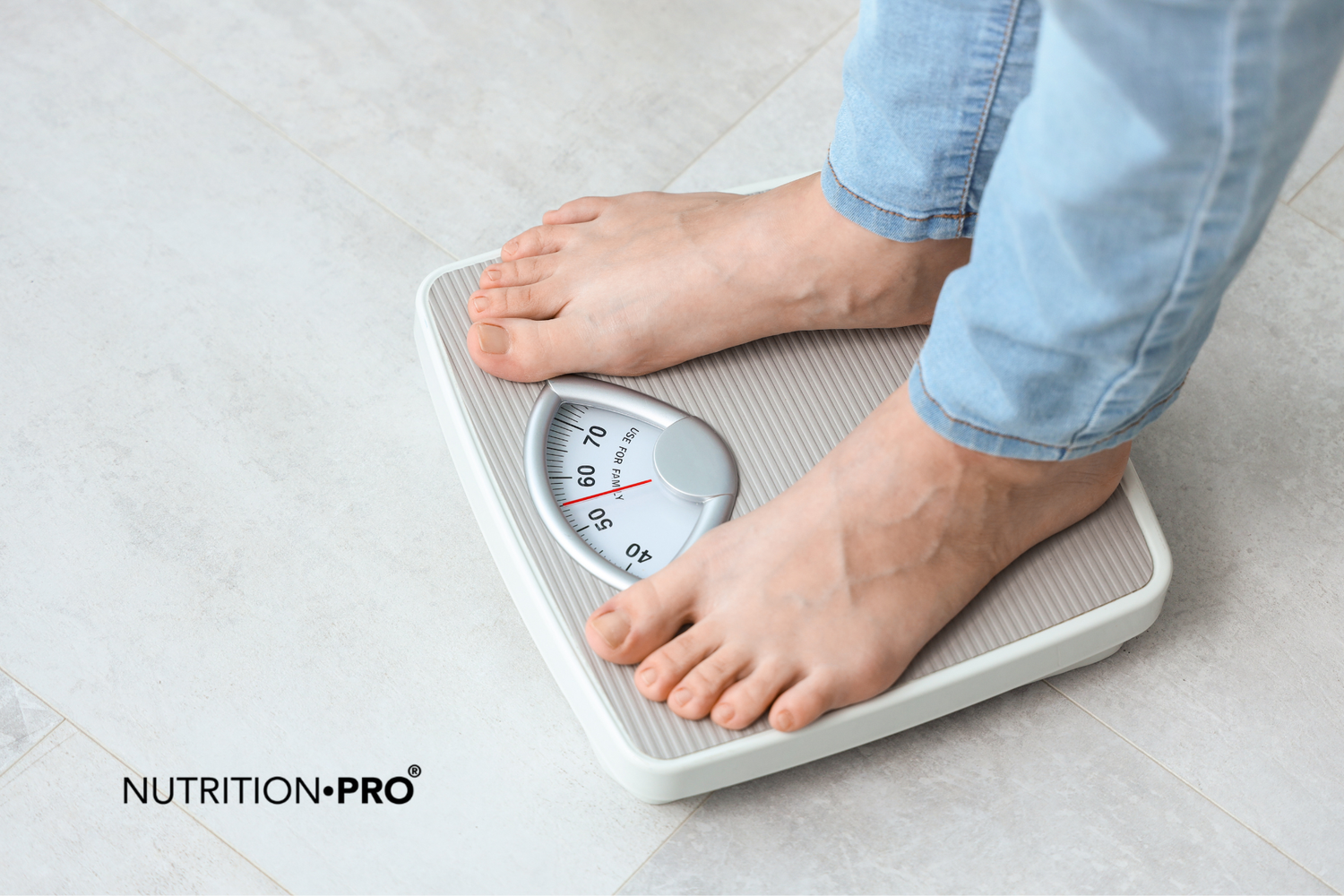
After 50, metabolism, hormones, and muscle mass change: the strategies that worked at 30 no longer function. Based on 6 scientific studies (Nutrients, Maturitas, J Mid-life Health), this guide explains why the body resists and provides the concrete protocol that works: proteins 1.2 g/kg, muscle strengthening and targeted actives.
In brief: after 50, basal metabolism drops by 5 to 10% per decade due to muscle loss (sarcopenia) and hormonal changes. The golden rule validated by McCarthy & Berg in Nutrients 2021: 1.2 to 1.5 g of protein/kg/day (vs 0.8 g of the RDA) combined with 2-3 muscle strengthening sessions per week. A moderate caloric deficit of 300-500 kcal/day is sufficient.
Concrete action: aim for progressive weight loss of 0.3 to 0.6 kg/week. According to Yang et al. 2024 in Maturitas, a simple 3% loss of initial body weight already reduces the risk of fatty liver disease by 31%. Waist circumference (<88 cm women, <102 cm men) is a better indicator than weight alone.

- Why does metabolism slow down after 50?
- The strict diet trap: accelerated muscle loss
- Proteins, your absolute priority (1.2 to 1.5 g/kg)
- Sarcopenia: why lifting weights is non-negotiable
- Insulin resistance: the double glycemic trap
- Hormones and visceral fat: what really changes
- Sleep, the underestimated variable in 50+ weight loss
- Low-grade chronic inflammation
- Fatty liver and weight loss: −3% changes everything
- Why your previous diets no longer work
- Complete protocol and recommended combinations
- Self-test: what are your specific barriers?
- Frequently asked questions
Why does metabolism slow down after age 50?
Muscle loss (sarcopenia), the decline in sex hormones, and decreased spontaneous activity combine to reduce basal metabolism by several hundred kcal per day.
Basal metabolism drops 5 to 10% per decade after age 30, but the decline accelerates after 50 due to three combined factors: muscle mass loss (sarcopenia), decline in sex hormones, and decreased spontaneous activity. According to Ko & Jung 2021 in Nutrients, the drop in estrogen in women leads to a decrease in β-oxidation of fatty acids, shifting metabolism from a breakdown mode to a storage mode.
The basal metabolism represents approximately 60 to 70% of daily energy expenditure. It is the energy your body burns even at rest to maintain vital functions (breathing, circulation, body temperature, brain function). This expenditure depends essentially on your muscle mass, because muscle is a metabolically active tissue that consumes 3 times more energy at rest than adipose tissue.
After 50, several phenomena combine. Muscle loss, or sarcopenia, begins as early as age 30 at approximately 3 to 8% per decade, but accelerates after 50 to reach 1 to 2% per year in sedentary individuals. This silent muscle wasting, often invisible because compensated by fat gain, mechanically reduces basal metabolism by several hundred calories per day.
Meanwhile, the decline in sex hormones profoundly alters energy metabolism. According to Ko & Jung in Nutrients 2021, the loss of estrogen after menopause downregulates the expression of genes involved in β-oxidation of fatty acids, which prevents fats released by lipolysis from being used as an energy source. The body then stores more than it burns, independent of caloric intake.
"After menopause, the drop in estradiol leads to decreased expression of β-oxidation genes, increases adipogenesis, and redirects adipose tissue toward the visceral area, creating metabolic conditions favorable to storage."
Ko SH, Jung Y. Nutrients 2021;13(12):4556. DOI: 10.3390/nu13124556
The third factor is often overlooked: the decline in spontaneous unplanned activity (NEAT: Non-Exercise Activity Thermogenesis). With age, we move less in our daily lives without realizing it: fewer steps, less fidgeting, more sedentary postures. This decline can represent 200 to 400 kcal less per day, equivalent to a hidden deficit that paradoxically transforms into fat storage due to lack of elimination mechanisms.
How can we compensate for this slowdown?
The good news is that this slowdown is not inevitable. Three levers can maintain or even increase basal metabolism after age 50: increase muscle mass through resistance training with weights (see truth 4), increase protein intake which has a high thermic effect (thermic effect 25-30% vs 5-10% for carbohydrates), and support energy expenditure through active ingredients such as green tea and caffeine present in Actifminceur®.
The trap of overly strict dieting: accelerated muscle loss
A severe caloric deficit (>500 kcal/day) after age 50 destroys muscle as quickly as fat. Menopausal women and seniors are particularly at risk.
A severe caloric deficit (>500 kcal/day) after age 50 destroys muscle just as fast, or even faster, than fat. According to McCarthy & Berg 2021 in Nutrients, seniors and menopausal women are particularly at risk of losing lean mass during restrictive dieting. The consequence: a metabolism that slows down even more, and a yo-yo effect almost guaranteed when the diet stops.
The logic "the less I eat, the more weight I lose" is counterproductive after age 50. When the caloric deficit becomes severe, the body draws on all available reserves, including muscle. Now, losing muscle after age 50 is doubly problematic: (1) it lowers basal metabolism and promotes weight regain, (2) it increases the risk of falls, fractures, frailty and impairs quality of life.
According to McCarthy & Berg 2021 in Nutrients, several population groups are particularly vulnerable to lean mass loss during dieting: postmenopausal women, older adults, individuals with metabolic syndrome, and athletes. Without specific precautions (high protein + resistance training), up to 25% of weight lost can be muscle instead of target fat.
"Without specific intervention, weight loss is accompanied by loss of adipose tissue but also of lean mass, particularly muscle. Protein intake above 0.8 g/kg/day and the inclusion of resistance exercises preserve this compartment, separately or synergistically."
McCarthy D, Berg A. Nutrients 2021;13(7):2473. DOI: 10.3390/nu13072473
The ideal caloric deficit after age 50 is between 300 and 500 kcal per day, never more. This moderate deficit allows progressive weight loss of 0.3 to 0.6 kg per week, which will be predominantly composed of fat rather than muscle. Over 6 months, this represents 8 to 15 kg of true fat mass loss, which transforms your silhouette and metabolic health without damaging your metabolism.
"Miracle" diets below 1200 kcal for women or 1500 kcal for men after age 50 should be avoided at all costs. They cause adaptive slowdown of metabolism that can persist for several months after stopping the diet, explaining spectacular weight regain in 3 to 6 months.
The modern approach consists of reshaping your silhouette rather than losing raw weight. This means losing fat while gaining or maintaining muscle. Initially, the number on the scale may stagnate, but waist circumference decreases, clothes fit loosely, and energy levels improve. This is a sign that body composition is changing favorably.
Proteins, your absolute priority (1.2 to 1.5 g/kg)
Official RDA recommendations (0.8 g/kg) are insufficient for those over 50 pursuing weight loss. The threshold for stimulating muscle protein synthesis increases to 25-30 g per meal.
After age 50, protein requirements increase: 1.2 to 1.5 g/kg/day (vs 0.8 g from the standard RDA). For a 70 kg woman, this represents 84 to 105 g of protein/day. According to Lin et al. 2020 in Clinical Nutrition, achieving this dose in sarcopenic subjects significantly increases muscle mass after 12 weeks, regardless of source (food or whey + leucine + vit D).
Why are proteins so crucial after 50? Three major reasons. First, they trigger muscle protein synthesis, a mechanism that weakens with age (anabolic resistance). To stimulate this synthesis in a 50+ individual, a threshold of 25 to 30 g of protein per meal is required, compared to 15 to 20 g in a younger person. Second, they have the most powerful satiety effect of the three macronutrients. Third, they have the highestthermic effect : 25-30% of protein calories are expended just to digest them.
How should you distribute proteins throughout the day?
Rather than a large intake at dinner and nothing in the morning, it is crucial to spread proteins across 3 to 4 meals. A landmark study showed that at equivalent total intake, regular distribution (3×30 g) stimulates muscle synthesis more than unbalanced distribution (10g/15g/65g). In practice:
| Meal | Target 25-30 g of protein | Practical examples |
|---|---|---|
| Breakfast | 25 g | 3 eggs + 1 Greek yogurt, or bowl of 0% cottage cheese (250 g) + oat flakes |
| Lunch | 30 g | 120 g of chicken or fish, or 150 g of lentils + 1 egg, or 200 g of cottage cheese |
| Snack | 20 g | 1 scoop of Whey Isolate, or handful of almonds + 150 g skyr |
| Dinner | 25 g | 100 g of fish + legumes, or 150 g tofu + quinoa, or 5% lean ground beef 120 g |
The quality of proteins matters too. Animal proteins (meat, fish, eggs, dairy products) have a complete amino acid profile and excellent bioavailability. Plant proteins (legumes, tofu, tempeh) are excellent but must be combined (legumes + grains) to provide all essential amino acids. Leucine is the key amino acid that triggers muscle protein synthesis: its most concentrated source is whey protein.
Reaching 1.2 to 1.5 g/kg of protein per day at 50+ can be difficult without supplementation. Our Whey Isolate with 90% pure protein, low in carbs and fat, is the most effective option to reach your daily threshold without overloading calories. Rich in leucine, ideal as a snack or post-workout.
See Whey Isolate €39.99 →Sarcopenia: why lifting weights is non-negotiable
Protein intake alone without resistance training does not improve strength or lean mass in postmenopausal women. Only the combination of proteins + strength training works.
According to Kuo et al. 2022 (meta-analysis Nutrients), protein supplementation alone does NOT preserve muscle mass in postmenopausal women. Only the combination of proteins + resistance training (RT) significantly improves bicep strength and lean mass of the lower limbs. Cardio alone is insufficient.
If you only take one thing away from this article: after age 50, strength training with weights becomes as important as nutrition. Without it, your dietary efforts won't be enough, and you may even worsen muscle loss by following a diet without accompanying training.
"In postmenopausal women, whey protein supplementation combined with resistance training significantly improves bicep strength (SMD 0.68) and lean mass of the lower limbs (SMD 1.10). Without resistance training, no significant effect on muscle mass is observed."
Kuo YY, Chang HY, Huang YC, Liu CW. Nutrients 2022;14(19):4210. DOI: 10.3390/nu14194210
<<<36>>> Sarcopenia sarcopénie is a syndrome characterized by progressive loss of muscle mass, strength, and function. It affects approximately 10% of those 60-70 years old and up to 50% after 80 years old, but its biological foundations are established as early as 40-50 years. Sarcopenia is reversible with an appropriate protocol, but it requires strength training with weights, not just cardio.
What strength training program after age 50?
No need to become a weightlifter. The minimum effective program to preserve and rebuild muscle after age 50 is:
- 2 to 3 sessions per week of 30 to 45 minutes each
- Compound exercises : squats (legs), push-ups or bench press (chest/arms), rows/lat pulldown (back), planks (core)
- 3 to 4 sets of 8 to 12 repetitions per exercise, with a load that allows you to maintain proper form
- Progressive progression : increase the load or number of repetitions every 2 to 3 weeks
- 48-hour recovery between two sessions targeting the same muscle groups
Cardio (walking, cycling, swimming) remains useful for cardiovascular health, but it does not preserve muscle mass. If you had to choose between cardio and strength training after age 50, strength training wins by a wide margin for sustainable weight loss and metabolic health. The ideal is of course to combine both: 2 strength sessions + 2 to 3 cardio sessions per week.
If you've never done strength training, start with 2 sessions per week using just your body weight (squats, wall push-ups, planks). After 4 weeks, add resistance bands or light dumbbells of 1 to 3 kg. Progression should be slow but steady. A personal trainer for 4 to 6 starter sessions can make the difference in learning proper form without getting injured.
Insulin resistance: the double blood sugar trap
From ages 70-74 onward, the prevalence of diabetes in women catches up to that of men. Insulin sensitivity drops, creating a vicious cycle of blood sugar spike-insulin spike-storage.
After age 50, and particularly during perimenopause, insulin sensitivity decreases in women, and prediabetes rates skyrocket. According to Lim et al. 2025 in Diabetes Obes Metab, from ages 70-74 onward, the prevalence of diabetes in women catches up to or even exceeds that of men. This insulin resistance creates a vicious cycle: blood sugar spike → insulin spike → fat storage → increased resistance.
Insulinresistance is one of the most underestimated mechanisms of weight gain after age 50. In practical terms: with equal carbohydrate intake, your body requires more insulin at 50 than it did at 30 to get glucose into your cells. This chronic hyperinsulinemia has two direct detrimental effects on weight.
On one hand, insulin is a storage hormone. The higher it is, the more your body stores fat in adipocytes and blocks their release. On the other hand, these repeated insulin spikes subsequently trigger sharp drops in blood sugar that trigger cravings and sugar cravings, creating a vicious cycle that is nearly impossible to break through willpower alone.
How to stabilize blood sugar after age 50?
Four levers have proven effectiveness:
The order of foods on your plate
Eating proteins and fiber first (vegetables, legumes), then only carbohydrates, significantly reduces the post-meal blood sugar spike according to several controlled studies.
Post-Meal Walking
Walking 10 to 15 minutes after each meal activates muscle glucose uptake and reduces blood sugar spikes. More effective post-meal than fasting, and accessible to everyone.
Apple Cider Vinegar Before Meals
The acetic acid in apple cider vinegar slows gastric emptying and improves insulin sensitivity. 2025 meta-analysis on 789 patients: documented effect at 15-30 ml/day before main meals.
Berberine, Natural Alternative to Metformin
Berberine activates AMPK like metformin, improves insulin sensitivity and reduces fasting blood glucose. Particularly valuable for prediabetic profiles after age 50, at 500 mg 2 to 3 times daily.
Our ultra-concentrated 97% berberine activates AMPK, the sentinel enzyme of energy metabolism. It improves insulin sensitivity, reduces postprandial blood glucose and supports visceral fat loss in 50+ profiles with insulin resistance or prediabetes. To be combined with a high-fiber diet.
See Berberine 97% $34.99 →For profiles where blood sugar is central (prediabetes, intense sugar cravings), Glycemine® combines several synergistic active ingredients (cinnamon, gymnema, chromium) that work on sugar absorption and insulin sensitivity. It's a targeted supplement for 50+ insulin resistance profiles.
Hormones and Visceral Fat: What Really Changes
The drop in estrogen redistributes adipose tissue toward the abdominal area, independent of total weight gain. A woman at constant weight can see her waistline increase.
The drop in estrogen in women and testosterone in men causes a redistribution of adipose tissue toward the abdominal area. According to Fenton 2021 in the Journal of Mid-life Health, this visceral fat is metabolically active: it secretes pro-inflammatory cytokines and worsens insulin resistance. A woman at constant weight can see her waistline increase by 5 to 8 cm during perimenopause.
For women, perimenopause (typically between ages 45 and 55) followed by menopause involves a drop in estrogen and a relative increase in androgens. This hormonal shift has a direct impact on fat distribution : areas sensitive to estrogen (hips, thighs, buttocks) lose fat while the abdominal area, sensitive to androgens, accumulates it. This is called the transition from a "gynoid" silhouette (pear-shaped) to an "android" silhouette (apple-shaped).
For men, the phenomenon is more gradual: testosterone decreases by approximately 1% per year starting at age 30 (andropause), which reduces muscle mass and promotes visceral storage. Theandropause is not as sudden as menopause, but it has comparable cumulative effects on body composition after age 50.
"Menopause is associated with significant changes in body composition and the accumulation of peri-abdominal or visceral fat. These changes increase the overall burden of obesity and its associated cardiometabolic risks."
Fenton A. J Midlife Health 2021;12(3):187-192. DOI: 10.4103/jmh.jmh_123_21
Visceral fat is not merely an energy reserve: it is a metabolically active organ that secretes hormones and inflammatory molecules. The more it accumulates, the more it worsens insulin resistance, increases blood pressure, and promotes atherosclerosis. This is why waist circumference is a better predictor of cardiovascular risk than BMI after age 50.
Should hormone therapy (HRT) be taken to lose weight?
According to the review Porada et al. 2023 in Endokrynologia Polska, hormone replacement therapy (HRT) at menopause reduces visceral fat accumulation, preserves lean mass, and improves the lipid profile. However, gynecological and endocrinological medical societies do not recommend HRT specifically for weight loss or obesity prevention. HRT should be discussed with a physician for debilitating menopausal symptoms (hot flashes, sleep disturbances, vaginal dryness), and its possible metabolic benefit comes as an additional benefit.
For women seeking natural support, the Menopause Bio Nutrition•pro combines hops, sage, blackcurrant, lemon balm, and maca to support hot flashes and hormonal balance. This supplement does not replace HRT but can help women in menopausal transition live this period more comfortably and maintain quality sleep (a key variable in weight loss, see truth 7).
Sleep, an underestimated variable in weight loss after 50
Sleep deprivation increases ghrelin (hunger) and decreases leptin (satiety), which drives eating an average of 300 to 400 kcal more the next day.
Poor sleep quality after age 50 increases ghrelin (hunger) by 15% and decreases leptin (satiety) by 16%, which drives eating an average of 300 to 400 kcal more the next day. Elevated nighttime cortisol also promotes visceral storage. According to Fenton 2021, sleep deprivation and sleep disorders are involved in menopausal weight gain.
After age 50, sleep quality deteriorates: shortened duration, frequent awakenings, reduced deep sleep. For perimenopausal women, nighttime hot flashes worsen the phenomenon. These sleep disturbances are not trivial for weight loss: they profoundly alter the hormones that regulate appetite and storage.
Three main mechanisms link sleep and weight gain:
- Increased ghrelin, the hunger hormone secreted by the stomach. A night of less than 6 hours increases ghrelin the next day, which drives increased eating.
- Decreased leptin, the satiety hormone secreted by adipocytes. Less leptin = fewer signals to stop eating.
- Elevated nighttime cortisol, the stress hormone that promotes abdominal storage and insulin resistance.
How to optimize sleep after age 50?
A few simple but powerful rules:
| Practice | Target | Benefit |
|---|---|---|
| Regular bedtime | ±30 min/day | Synchronizes circadian rhythm |
| No screens 1h before | Blue light | Increases endogenous melatonin |
| Cool bedroom | 18-19 °C | Reduces nighttime awakenings |
| Last meal | 3h before bedtime | Prevents reflux and nighttime digestion |
| Magnesium | 300-400 mg in the evening | Promotes muscle relaxation and sleep onset |
| Ashwagandha | 600 mg KSM-66® | Reduces nighttime cortisol |
<<<22>>> magnesium bisglycinate magnésium bisglycinate is particularly beneficial after age 50: it has a muscle relaxant and neuromuscular effect, and the bisglycinate form offers the best absorption with excellent digestive tolerance (unlike oxide or citrate which can cause loose stools).
<<<25>>> Ashwagandhaashwagandha is an Ayurvedic adaptogenic herb that regulates cortisol. Several clinical studies show that it reduces salivary cortisol by 20 to 30% in 8 to 12 weeks, which improves sleep quality and indirectly promotes visceral fat loss. It is a particularly relevant active ingredient for stressed 50+ profiles or those under high mental load.
The winning combination for 50+ profiles experiencing chronic stress and disrupted sleep. Ashwagandha (in the evening) regulates cortisol, magnesium bisglycinate (at bedtime) relaxes muscles and promotes sleep onset. A good night's sleep = lowered ghrelin, restored leptin, fewer cravings the next day. Supplement for 1 to 2 months for stable results.
See Ashwagandha €29.99 →Low-grade chronic inflammation
Inflammaging is the silent inflammation that develops with age. CRP, IL-6, TNF-α markers increase and worsen insulin resistance and fat storage.
After age 50, the body tends to develop a state of low-grade chronic inflammation ("inflammaging"). This silent inflammation, fueled by visceral fat and an imbalanced microbiota, worsens insulin resistance and fat storage. Reducing it involves diet (omega-3s, polyphenols, fibers), visceral mass loss, and microbiota support.
<<<40>>> inflammaginginflammaging is a key concept for understanding weight loss plateaus after age 50. It is a chronic, silent inflammatory state that gradually develops with age. Its markers (ultra-sensitive CRP, IL-6, TNF-α) increase over the years, particularly in people with abdominal obesity. This inflammation creates a vicious cycle: visceral fat → inflammatory cytokines → insulin resistance → increased storage.
To break this cycle, several nutritional levers work:
- Omega-3 EPA/DHA : 1 to 2 g per day (fatty fish 2-3 times/week, or supplementation). Natural anti-inflammatories that reduce ultra-sensitive CRP by 15 to 30%.
- Polyphenols : green tea, coffee (moderate), unsweetened cocoa, berries, extra virgin olive oil. Powerful antioxidant action.
- Soluble fiber and prebiotics : 25 to 30 g of fiber per day minimum. Nourish the good bacteria in the microbiome that produce short-chain fatty acids with anti-inflammatory properties.
- Multi-strain probiotics : restore microbiome diversity, which declines with age.
The intestinal microbiome plays a crucial role in weight regulation. An imbalanced microbiome (dysbiosis) promotes caloric extraction from food, inflammation, and insulin resistance. The Probiomix Nutrition•pro combines 12 probiotic strains (Lactobacillus, Bifidobacterium) with prebiotics to restore this balance. A 1 to 2-month course is recommended, particularly after antibiotics or in cases of digestive disorders.
Psyllium, a key fiber after age 50
The blonde psyllium is one of the most effective soluble fibers for weight management after age 50. It forms a gel in the stomach that slows digestion, increases satiety, reduces cholesterol absorption, and nourishes the microbiome. 10 g per day (2 tablespoons) in a large glass of water, taken at least one hour apart from medications.
Fatty liver and weight loss: −3% changes everything
Abdominal fat accumulates first in the liver after age 50. A weight loss of just 3% already significantly reduces the risk of non-alcoholic fatty liver disease.
According to Yang et al. 2024 in Maturitas, a weight loss of just 3% in postmenopausal women reduces the risk of non-alcoholic fatty liver disease (NAFLD) by 31%. Abdominal fat accumulates first in the liver after age 50, creating a silent fatty liver that worsens insulin resistance. The good news: this is the fat that disappears first when you lose weight.
Non-alcoholic fatty liver disease (NAFLD) now affects more than 25% of French adults, and its prevalence explodes after age 50. Yet, it is a silent disease, often discovered by chance through blood work (elevated transaminases) or ultrasound. It is closely linked to abdominal obesity, insulin resistance, and metabolic syndrome.
"In perimenopausal women, weight loss of 3% or more is associated with a 31.1% reduction in the risk of non-alcoholic fatty liver disease. A reduction in waist circumference of 5% or more is associated with a 14.2% reduction in risk."
Yang C, Chen S, Feng B, Lu Y, Wang Y, Liao W, Wu S, Wang L. Maturitas 2024;192:108148. DOI: 10.1016/j.maturitas.2024.108148
This figure is crucial to understand: you don't need to lose 10 or 15 kg to transform your metabolic health after age 50. Losing 3 to 5% of your current weight (around 2.5 to 4 kg for an 80 kg person) already significantly reduces liver fat, improves insulin sensitivity, lowers blood pressure, and improves lipid profile.
For the liver, two natural actives have an excellent scientific basis:
- Milk Thistle (silymarin 75%) : classic hepatoprotective antioxidant, supports hepatocyte regeneration and detoxification function.
- Apple Cider Vinegar : its acetic acid activates hepatic AMPK and promotes oxidation of liver fats.
Our Ultra-concentrated Milk Thistle at 75% silymarin is the ally for 50+ profiles who want to support their liver: early non-alcoholic fatty liver, past unbalanced diet, long-term medications. Silymarin is the most scientifically documented hepatoprotective active. A 1 to 2-month course recommended twice a year.
View Milk Thistle €29.99 →Why your previous diets no longer work
Metabolism is less flexible, hormones more unpredictable, inflammation more pronounced. The modern 50+ approach targets body recomposition, not gross weight loss on the scale.
Severe hypocaloric diets that worked at 30 years old now destroy your muscle and worsen your hormonal imbalances after 50. Metabolism is less flexible, hormones more unpredictable, inflammation more pronounced. The modern 50+ approach targets body recomposition (lose fat while gaining or maintaining muscle), not gross weight loss on the scale.
If you lost 10 kg easily at 30 with a simple "I eat less and walk more," and the same approach no longer works at 55, it's not a lack of willpower. It's that the rules of the game have changed. Metabolism is less flexible, hormonal response less favorable, insulin resistance more pronounced. What was effective becomes insufficient, even counterproductive.
The modern 50+ approach comes down to 6 pillars:
- High Protein (1.2-1.5 g/kg/day) to preserve muscle.
- Strength Training 2-3 times/week to stimulate lean mass.
- Moderate Caloric Deficit (300-500 kcal/day max) to avoid muscle loss.
- Blood Sugar Stabilization through food order, post-meal walking, and targeted actives.
- Restorative Sleep 7-8 hours to regulate ghrelin/leptin/cortisol.
- Adapted Metrics : waist circumference, strength, energy, quality of life, not just the number on the scale.
Body Recomposition: What Does It Change?
Body recomposition is losing fat while gaining muscle. On the scale, weight may plateau for several weeks. But waist circumference decreases, clothes become loose, energy improves, strength increases. This is the operating mode that delivers the best long-term results after 50, even if it requires changing your perspective: stop weighing yourself daily, measure waist circumference every 15 days instead, take before/after photos, track strength on a few key exercises.
Complete Protocol: the recommended combination according to your profile
Not all 50+ profiles are identical. Here are the combinations of active ingredients and practices we recommend based on the main barrier you identify:
Self-test: what are your specific 50+ barriers?
Your personalized profile and recommendations will appear here as you progress.
Your metabolic profile is fairly well preserved. A standard approach (balanced nutrition and regular activity) may be sufficient. Increase your protein intake to 1.2 g/kg/day and add 2 muscle-strengthening sessions per week to maintain your gains. Our 100% Whey Isolate is your ally for reaching your protein threshold easily.
You are experiencing metabolic slowdown and several typical barriers of the 50+ age group. The complete protocol from this article applies perfectly to you. Start with : Evolution Program + Actifminceur® + protein intake of 1.2 to 1.5 g/kg + 2 muscle-strengthening sessions per week.
A step-by-step approach is recommended. Step 1 (1 month) : stabilize sleep and stress with Ashwagandha KSM-66® + Magnesium+. Step 2 (1 month) : target blood sugar with Berberine 97% + Apple Cider Vinegar. Step 3 : implement moderate caloric deficit and muscle strengthening. Consult your doctor if you are taking medications (diabetes, hypertension, hormones).
Frequently asked questions: losing weight after 50
Why is it harder to lose weight after age 50?
After 50, several factors converge: a decrease in basal metabolic rate of 5 to 10% per decade due to muscle loss (sarcopenia), a drop in estrogen in women and testosterone in men which promotes visceral fat storage, increased insulin resistance, and chronic low-grade inflammation.
According to Ko & Jung 2021 in Nutrients, these hormonal and metabolic changes explain the average spontaneous weight gain of 0.5 kg per year after menopause. The good news: these mechanisms are reversible with an adapted approach (high protein intake, muscle strengthening, sleep and blood sugar management).
How much does metabolism really decline after age 50?
A major 2021 study (Pontzer et al., Science) challenged the widespread belief in linear slowdown starting at age 30. In reality, basal metabolic rate adjusted for body composition remains stable between ages 20 and 60, then declines by approximately 0.7% per year after age 60. The perceived slowdown before age 60 is mainly explained by loss of muscle mass and a decrease in spontaneous unscheduled activity (NEAT), not by an intrinsic decline in cellular metabolism.
Practical conclusion: preserving muscle after 50 is strategy #1 for maintaining an active metabolism.
How much weight can you reasonably lose after age 50?
A realistic and safe goal is 0.3 to 0.6 kg per week, or 5 to 10% of initial body weight over 4 to 6 months. According to Yang et al. 2024 in Maturitas, weight loss of just 3% in postmenopausal women is already sufficient to reduce the risk of non-alcoholic fatty liver disease by 31%. There is no need to aim for rapid weight loss that would destroy muscle and further slow metabolism.
Beyond the number on the scale, waist circumference is a crucial indicator: aim for less than 88 cm in women and less than 102 cm in men.
How much protein do you need to eat to lose weight after age 50?
According to McCarthy and Berg 2021 (Nutrients), the recommended protein intake for weight loss after age 50 is 1.2 to 1.5 g per kg of body weight per day, which is significantly above the classic 0.8 g/kg RDA. This higher dose preserves muscle mass during caloric deficit and protects against sarcopenia.
For a 70 kg woman, this represents 84 to 105 g of protein per day spread across 3 or 4 servings of 20 to 30 g each. For an 85 kg man: 102 to 127 g per day. 100% Whey Isolate is a convenient supplement to reach these thresholds without overloading calories.
Should you eliminate carbohydrates after age 50?
No. Eliminating an entire food group is rarely sustainable. Rather, it's about choosing low glycemic index carbohydrates (legumes, whole grains, vegetables), consuming them in moderate quantities (40 to 50 g per meal) and placing them after proteins and fiber on your plate to reduce the glycemic spike.
A moderately low-carb approach (100 to 150 g of carbohydrates per day) can be beneficial for insulin-resistant profiles, but is not essential. Most important: avoid added sugars, sugary drinks, ultra-processed products and commercial fruit juices.
Is intermittent fasting a good idea after age 50?
Intermittent fasting can be beneficial after age 50 provided you follow three rules: (1) maintain high protein intake during the eating window (1.2 to 1.5 g/kg), (2) avoid overly long fasts (>16 hours) that accelerate muscle loss, (3) maintain resistance training. The 14/10 or 16/8 protocol is generally well tolerated and improves insulin sensitivity.
Not recommended in case of treated diabetes, history of eating disorders, pregnancy, or if you take medications at fixed times with food. The NUTRITION•PRO Fasting Program offers a tailored protocol.
What foods should you absolutely avoid after age 50 for weight loss?
The #1 enemies are hidden added sugars (sodas, commercial fruit juices, cookies, flavored yogurts, store-bought sauces), ultra-processed products (NOVA 4), industrial trans fats (pastries, commercial fried foods), andalcohol (empty calories + disrupts sleep and blood sugar).
No need to ban them completely, but reduce them to rare occasions. The 80/20 rule works well: 80% whole and minimally processed foods, 20% flexibility.
Is exercise really essential to lose weight after age 50?
Exercise, and more specifically resistance training, muscle strengthening with weights, is non-negotiable after age 50. According to the Kuo et al. 2022 meta-analysis (Nutrients) on postmenopausal women, protein intake alone without resistance training improves neither muscle strength nor lean mass.
It is the combination protein + strength training that preserves muscle mass during weight loss and maintains an active metabolism over the long term.
How much exercise should you do per week after age 50?
The effective minimum is: 2 to 3 strength training sessions of 30 to 45 minutes + 2 to 3 moderate cardio sessions (brisk walking, cycling, swimming) of 30 to 45 minutes. That's 4 to 6 sessions per week in total.
If you're starting out, begin small: 2 sessions per week of 20 minutes each. Consistency trumps intensity. Increase gradually over 6 to 8 weeks.
Cardio or strength training: what should you choose if you must choose?
If you had to choose between the two after age 50, strength training wins out for sustainable weight loss and metabolic health. It preserves muscle mass, increases basal metabolic rate, improves insulin sensitivity, and protects against sarcopenia and falls.
Cardio remains beneficial for cardiovascular health and acute calorie expenditure, but does not preserve muscle. The ideal remains to combine both.
Is walking enough to lose weight after age 50?
Walking is excellent for cardiovascular health, post-meal blood sugar stabilization, and mental well-being, but it is insufficient alone to preserve muscle mass and accelerate fat loss after age 50. 10,000 steps per day are an excellent foundation, but should be supplemented with strength training 2 to 3 times per week for lasting results.
Which dietary supplements are helpful for weight loss after age 50?
The most relevant supplements address the specific barriers after age 50:
- Actifminceur® : green tea + guarana, supports energy expenditure
- Berberine 97% : regulates postprandial blood sugar and insulin sensitivity
- Apple cider vinegar : supports satiety and hepatic AMPK
- Magnesium bisglycinate : combats stress and improves sleep
- Ashwagandha KSM-66® : regulates cortisol and sleep
- Whey Isolate : reach 1.2-1.5 g/kg of protein easily
No supplement replaces diet and physical activity. They can overcome specific barriers to facilitate weight loss.
Is Actifminceur® really effective at 50 years old?
Actifminceur® combines 4 targeted actives: green tea (EGCG catechins that activate lipolysis), guarana (long-lasting caffeine for energy expenditure), garcinia cambogia (HCA for satiety) and chromium (cofactor for insulin sensitivity). These actives are particularly beneficial after 50 when metabolism slows down and insulin resistance increases.
Like any supplement, its effectiveness depends on consistent use : balanced nutrition, moderate caloric deficit, muscle strengthening. Without these pillars, no fat burner works. With them, it accelerates and facilitates results. Course 1 to 3 months.
Can berberine replace metformin?
Both berberine and metformin activate AMPK, the key enzyme in energy metabolism. Several comparative studies suggest effectiveness similar on fasting blood glucose and HbA1c in type 2 diabetic subjects. However, berberine is not a medication and cannot replace a prescribed medical treatment.
For prediabetic profiles or with early-stage insulin resistance, berberine can be an interesting natural support, to discuss with your doctor if you are already taking antidiabetic medications to avoid interactions (risk of hypoglycemia).
Why do we specifically gain belly fat during menopause or andropause?
The drop in estrogen in women and testosterone in men redistributes adipose tissue from the lower body (thighs, hips) to the abdominal area, where it accumulates as visceral fat around organs. According to Fenton 2021 (J Midlife Health), this redistribution occurs independent of total weight gain.
A woman at constant weight can see her waist circumference increase by 5 to 8 cm during perimenopause. This visceral fat is particularly harmful because it is metabolically active and inflammatory.
Should you take hormones (HRT) to lose weight during menopause?
According to the review by Porada et al. 2023 (Endokrynol Pol), HRT reduces visceral fat accumulation and preserves lean mass, but gynecological and endocrinological societies do not specifically recommend it for weight loss. HRT should be discussed with a doctor for debilitating menopause symptoms.
For weight loss, the priority levers remain diet, exercise, and sleep quality. The Menopause Bio Nutrition•pro offers a complementary natural approach (hops, sage, blackcurrant, lemon balm, maca).
Does andropause really exist in men after 50 years old?
Yes, but it is more progressive than menopause. Testosterone decreases by approximately 1% per year starting from age 30, and some men develop genuine late-onset hypogonadism with symptoms: decreased libido, fatigue, loss of muscle mass, abdominal fat gain, mood disturbances.
A blood test (total and free testosterone, SHBG, LH) with your doctor allows you to confirm a possible deficiency. In case of clear symptoms, a consultation is recommended. Natural actives such as ashwagandha and certain plants can support masculine vitality as a complement.
How to measure your progress other than on the scale?
After 50, the weight on the scale is an incomplete indicator. Prioritize several complementary measurements:
- Waist circumference (at navel level): best indicator of visceral fat
- Before/after photos monthly, same clothing, same lighting
- Clothing : jeans that are loose or button up easily
- Strength and endurance : how many push-ups/squats you can do
- Subjective energy and sleep quality
- Blood tests : fasting blood glucose, HbA1c, lipid profile, liver enzymes (transaminases)
Measure every 15 days, not every day, to avoid stress from natural fluctuations (water, hormonal cycle, sodium).
How long does it take to see results after 50?
The first signs felt (energy, sleep quality, digestion) generally appear within 2 to 4 weeks. Visible changes to your body (looser clothing, smaller waist) within 6 to 8 weeks. Significant changes on the scale and body composition within 3 to 6 months.
Patience is key: a 50+ protocol delivers lasting results, not dramatic ones in 15 days. And what is built in 6 months stands the test of time, unlike crash diets that produce yo-yo effects.
What to do in case of a weight loss plateau?
Plateaus are normal after 4 to 8 weeks of weight loss, and particularly frequent after 50. Effective strategies:
- Increase protein to 1.5 g/kg if you were at 1.2
- Add a muscle-building session
- Check your sleep (quality + 7-8 hours duration)
- Do a refeed cycle: 1 to 2 days per week at normal calorie intake to restart leptin
- Check for hidden calories (oils, sauces, alcohol, dried fruits)
- Change your exercise stimulus (new exercise, intensity)
If the plateau lasts more than 6 weeks despite these adjustments, consult a doctor to check thyroid hormones, cortisol, and fasting blood glucose.
To Go Further
Glossary of key terms
- Sarcopenia
- Progressive loss of muscle mass, strength, and function related to aging. Begins at age 30 at a rate of 3 to 8% per decade, accelerates after age 50 at 1-2% per year in sedentary individuals. Reversible with high protein intake and resistance training.
- Basal metabolic rate
- Minimum energy expended by the body at rest to maintain vital functions (breathing, circulation, body temperature, brain function). Represents 60 to 70% of daily energy expenditure. Depends primarily on muscle mass.
- Insulin resistance
- Diminished ability of insulin to transport glucose into cells. The body compensates by producing more insulin, which promotes fat storage and cravings. First step toward prediabetes and type 2 diabetes.
- Visceral fat
- Adipose tissue located around abdominal organs, distinct from subcutaneous fat. Metabolically active, it secretes pro-inflammatory cytokines and worsens insulin resistance. High waist circumference = high visceral fat.
- NAFLD (Non-alcoholic fatty liver disease)
- Accumulation of fat in liver cells in people who do not consume excessive alcohol. Affects 25% of French adults. Linked to abdominal obesity and insulin resistance. Reversible with weight loss of only 3 to 5%.
- Leucine
- Essential branched-chain amino acid (BCAA) that triggers muscle protein synthesis via the mTOR pathway. Its most concentrated source is whey protein. Particularly important after age 50 as anabolic resistance requires a higher threshold.
- Inflammaging
- State of chronic low-grade inflammation that progressively develops with age. Main markers: ultra-sensitive CRP, IL-6, TNF-α. Worsens insulin resistance and fat storage. Reduced by omega-3s, polyphenols, fiber, and visceral fat loss.
Scientific sources
- Ko SH, Jung Y. Energy Metabolism Changes and Dysregulated Lipid Metabolism in Postmenopausal Women. Nutrients. 2021 Dec 20;13(12):4556. DOI: 10.3390/nu13124556
- Fenton A. Weight, Shape, and Body Composition Changes at Menopause. J Midlife Health. 2021;12(3):187-192. DOI: 10.4103/jmh.jmh_123_21
- Yang C, Chen S, Feng B, Lu Y, Wang Y, Liao W, Wu S, Wang L. Association between menopause, body composition, and nonalcoholic fatty liver disease: A prospective cohort in northern China. Maturitas. 2024 Nov 13;192:108148. DOI: 10.1016/j.maturitas.2024.108148
- Porada D, Gołacki J, Matyjaszek-Matuszek B. Obesity in perimenopause - current treatment options based on pathogenetic factors. Endokrynol Pol. 2023 Nov 23;74(6). DOI: 10.5603/ep.96679
- McCarthy D, Berg A. Weight Loss Strategies and the Risk of Skeletal Muscle Mass Loss. Nutrients. 2021 Jul 20;13(7):2473. DOI: 10.3390/nu13072473
- Kuo YY, Chang HY, Huang YC, Liu CW. Effect of Whey Protein Supplementation in Postmenopausal Women: A Systematic Review and Meta-Analysis. Nutrients. 2022 Oct 10;14(19):4210. DOI: 10.3390/nu14194210
Biomedical sources from the PubMed database (NCBI). All cited studies have been verified and carry no retraction notice as of May 10, 2026.
The Nutrition•pro team · Article based on 6 clinical studies published in Nutrients, Maturitas, Journal of Mid-life Health and Endokrynologia Polska. Published May 10, 2026 · Last updated May 10, 2026 · Reading time 22 min · Our editorial methodology
This article is for informational purposes and does not replace personalized medical advice. Before making any major changes to your diet, physical activity, or supplementation, particularly if you are taking medications (antidiabetic, antihypertensive, hormonal, anticoagulant) or suffering from a chronic condition, consult your healthcare provider. Dietary supplements do not replace a varied and balanced diet or regular physical activity.


