

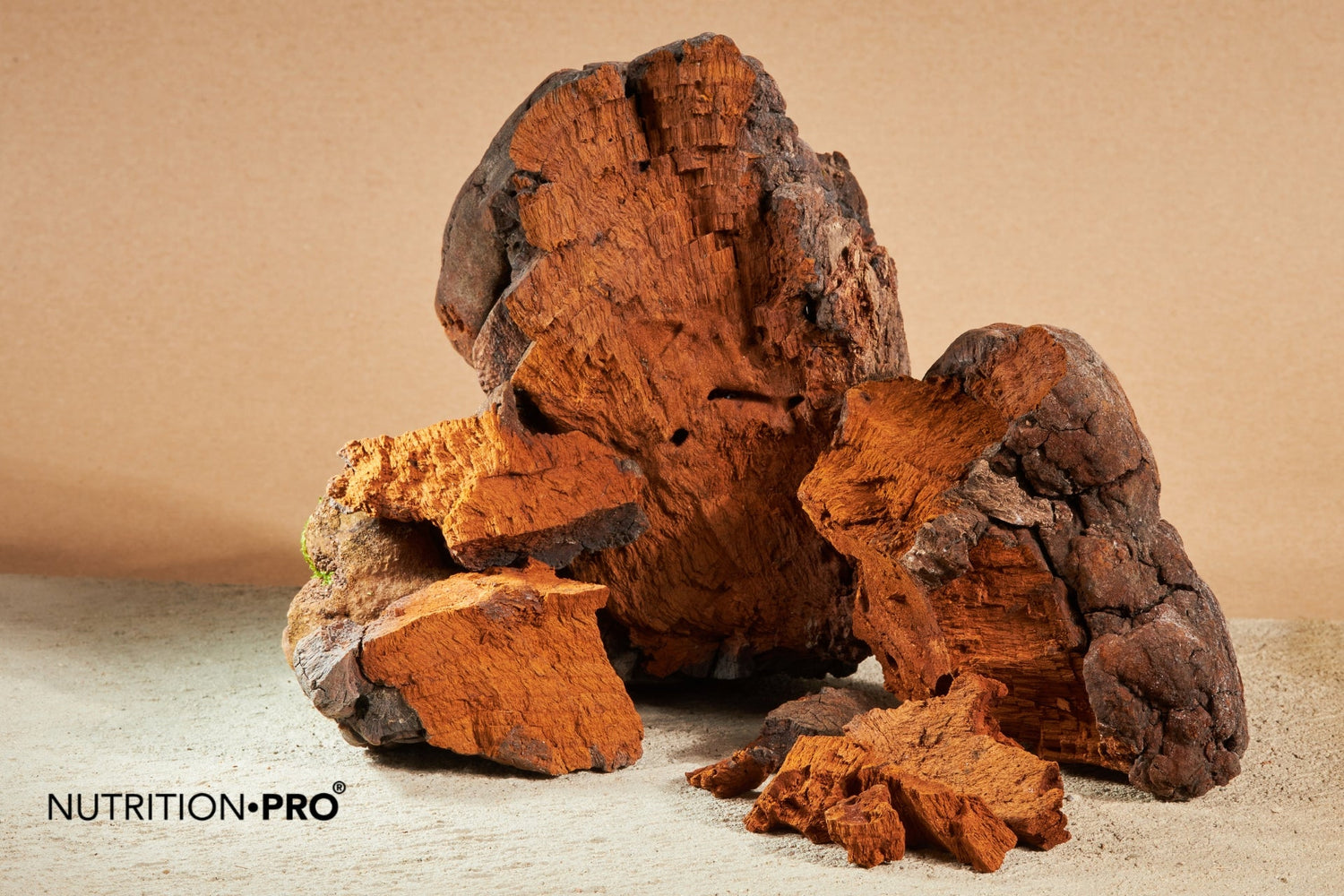
The Chaga (Inonotus obliquus) has become one of the most high-profile functional mushrooms in recent years. Nicknamed "the black diamond of the forest," "the king of antioxidants," or "the mushroom of immortality," it is the subject of often exaggerated marketing claims — and risks that most French articles pass over in silence.
What science really says: according to 2023-2026 reviews published in Mycology and Nutrients, Chaga exhibits exceptional antioxidant activity, documented immunomodulatory properties, and promising potential in glycemic regulation. However, 2 case reports published in international medical journals document cases of severe oxalate nephropathy linked to prolonged excessive consumption. In this guide: the 5 documented benefits, the essential safety angle on oxalates, the difference between wild and cultivated Chaga, and the 8 to 12-week protocol at measured dosage to benefit from Chaga without taking risks.

Recognized antioxidant activity: according to Ern et al. 2023 in Mycology, Chaga (Inonotus obliquus) exhibits one of the strongest documented antioxidant activities among medicinal mushrooms, thanks to its unique combination of IOP polysaccharides, fungal melanins, polyphenols, and triterpenes such as betulin. According to Zhang et al. 2026 in Nutrients, its polysaccharides also exhibit documented immunomodulatory, hypoglycemic, and hepatoprotective effects in preclinical studies.
But beware of oxalate risk: according to Lee et al. 2020 in Journal of Korean Medical Science, Chaga can contain up to 14.2 g of oxalates per 100 g — an extremely high level. Two published case reports (Kwon 2022 in Medicine and Lee 2020) document severe oxalate nephropathies in regular consumers of 10 to 15 g/day for several months. 2026 Recommendation: moderate dosage 500 mg-1 g/day, abundant hydration, absolute contraindication in case of history of kidney disease.
- Chaga: why all the buzz around the "black diamond"?
- Polysaccharide IOPs, melanins, betulin: the science
- The 5 documented benefits: overview
- Benefit #1 — Exceptional antioxidant activity
- Benefit #2 — Immune support (IOPs and Dectin-1)
- Benefit #3 — Glycemic modulation
- Benefit #4 — Anti-inflammatory activity
- Benefit #5 — Hepatic support and gut-axis health
- Myth: "Chaga = miracle anti-cancer remedy"
- Oxalate risk and kidney health — the essential safety perspective
- Wild vs. cultivated Chaga: ecological crisis and quality
- Precautions and contraindications
- Self-assessment: Is Chaga right for you?
- 8-12 week protocol at measured dose
- Personalized decision chart
- FAQ — All your questions answered
Chaga: why all the buzz around the "black diamond"?
The Chaga (Inonotus obliquus) is a unique parasitic fungus that grows primarily on white birches in cold boreal and temperate forests — Siberia, Canada, Scandinavia, Finland, Northern Russia. Recognizable by its appearance as a fissured and cracked black mass resembling burnt charcoal, it is very far removed from the classic image of a cap mushroom.
A birch parasite that's not so common
Unlike most medicinal mushrooms that form seasonal caps (Lion's Mane, Reishi, Shiitake), Chaga does not produce classical "fruiting bodies." What is actually harvested is a sclerotium — a compact and hard fungal resistance structure that the mushroom develops on the trunk of a living birch tree over 10 to 20 years. The actual fruiting body (basidiocarp) only appears after the host tree dies.
This ultra-slow growth on living trees explains three essential characteristics: its black appearance (melanin pigments that protect the mushroom from UV radiation and extreme cold), its richness in bioactive compounds (progressive concentration over years), and its rarity in the wild state (non-renewable resource).
A history rooted in traditional medicine
The use of Chaga in traditional medicine dates back at least to the 16th century in Siberian and Finnish regions. According to Ern et al. 2023 in Mycology, documented folk traditions record its use for "gastrointestinal cancers, diabetes, bacterial infections and liver diseases" (DOI: 10.1080/21501203.2023.2260408).
In Russia, Chaga (бефунгин / befungin) has been officially recognized since 1959 in the national pharmacopeia to support patients in digestive oncology — only as an adjuvant and not as a primary treatment. This historical recognition fueled the modern buzz around its alleged anti-cancer properties, which we will nuance later in this article.
Modern Western popularization
Contemporary Western enthusiasm dates back to the publication of Aleksandr Solzhenitsyn's book "The Cancer Ward" in 1968, where the author — himself a cancer patient treated in a Soviet hospital — mentions Chaga tea as a folk remedy. But it was especially in the 2010-2020s that Chaga exploded globally, driven by wellness, biohacking and "superfood" communities that made it an Instagram star and e-commerce bestseller.
Today, the global Chaga market represents several hundred million euros annually, with demand far exceeding natural availability — hence the emergence of controlled cultivation and, unfortunately, numerous counterfeits.
IOP polysaccharides, melanins, betulin: the science of Chaga
Chaga owes its properties to four major families of active compounds acting synergistically: IOP polysaccharides (immunomodulation + antioxidation), fungal melanins (powerful natural antioxidants), triterpenes including betulin (anti-inflammatory, preclinical anti-cancer), and polyphenols (complementary antioxidants).
IOP polysaccharides: the flagship actives
The IOPs (Inonotus Obliquus Polysaccharides) are heteropolysaccharides rich in β-glucans, structurally complex. According to Cui et al. 2026 in International Journal of Biological Macromolecules, their "structural diversity underlies their immunomodulatory, antioxidant and gut-organ axis-mediated activities" (DOI: 10.1016/j.ijbiomac.2026.150953).
The Zhang et al. 2026 review published in Nutrients specifies that IOPs present a "diversity of biological activities including gut microbiota-modulating, hypoglycemic, immunomodulatory, antitumoral, antioxidant, hypolipidemic and antiviral effects" (DOI: 10.3390/nu18071125).
Primary mechanism: IOPs are recognized by Dectin-1 and TLR (Toll-Like Receptors) receptors of innate immune cells (macrophages, neutrophils, dendritic cells). This activation modulates cytokine production, supports innate defense, and improves the resolution of low-grade chronic inflammation.
Fungal melanins: antioxidant pigments
The characteristic black color of Chaga comes from its fungal melanins, complex biological pigments formed from phenolic acids. Contrary to common belief, melanins are not exclusive to skin or hair — they also exist in fungi and certain bacteria, where they play a protective role against UV radiation and oxidative stress.
These fungal melanins exhibit exceptional antioxidant capacity documented in preclinical studies. They effectively neutralize free radicals (reactive oxygen species, ROS) and protect cells from chronic oxidative stress involved in aging and numerous degenerative pathologies.
Betulin: the birch legacy
Chaga absorbs and concentrates in its tissues betulin, a pentacyclic triterpene abundant in birch bark (which moreover owes its characteristic white color to this compound). Betulin and its metabolite,betulinic acid, exhibit anti-inflammatory, antiviral and antitumoral activities documented in preclinical studies.
These betulin properties fueled much of the Chaga "anticancer" marketing. Important: the data are essentially preclinical (cell culture, animal models). No human randomized clinical trials have confirmed anticancer effects of Chaga (see dedicated section below).
Complementary polyphenols
Chaga also contains a variety of polyphenols (phenolic acids, flavonoids) that complement its antioxidant profile. This diversity of active compounds explains why Chaga exhibits one of the highest ORAC values (in vitro measure of antioxidant capacity) documented in foods — often cited as vastly superior to açai berries, blueberries or other "superfoods" promoted for their antioxidant potential.
Important nuance: ORAC values are in vitro measurements that do not systematically translate into in vivo antioxidant benefits in humans. The absorption, metabolism, and actual bioavailability of each compound vary considerably. ORAC is a useful indicator but is insufficient to validate a health effect.
The 5 documented benefits: overview
Here are the 5 areas for which research has documented an effect of Chaga. We deliberately limited the list to 5 truly defensible benefits — the majority of data comes from preclinical studies (cells, animals) and scientific reviews. Rigorous human RCTs remain rare, which we honestly emphasize.
Exceptional Antioxidant Activity
Unique combination of melanins + polyphenols + IOPs, ORAC among the highest documented.
Theantioxidant activity is the most well-known and best-documented property of Chaga. According to Ern et al. 2023 in Mycology, several preclinical studies attribute this antioxidant potency to the "unique combination of polysaccharides, triterpenes, polyphenols and lignin metabolites".
Why Oxidative Stress Matters
Oxidative stress is an imbalance between the production of free radicals (reactive oxygen species, ROS) and the body's antioxidant defenses. When free radicals are in excess, they damage cell membrane lipids, proteins and DNA — a process involved in cellular aging, chronic inflammation and numerous degenerative pathologies (cardiovascular, neurodegenerative, cancer, type 2 diabetes).
Dietary antioxidants (vitamins C and E, polyphenols, carotenoids, certain minerals) complement endogenous defenses (glutathione, superoxide dismutase, catalase). Chaga provides a particularly rich family of synergistic antioxidants.
The 4 Families of Chaga Antioxidants
According to available scientific literature, Chaga combines 4 families of antioxidants that work in a complementary manner:
- Fungal Melanins — black pigments resistant to chronic oxidative stress, exceptional free radical neutralization capacity
- Polysaccharides IOPs — beyond their immunomodulatory effects, they demonstrate direct documented antioxidant activity
- Triterpenes (including betulin) — capacity to modulate endogenous antioxidant cellular pathways (notably Nrf2 activation)
- Polyphenols and Phenolic Acids — classic antioxidants reinforcing the overall effect
The ORAC Nuance to Know
Chaga is often presented with spectacular ORAC values (sometimes 36,000 to 50,000 μmol TE/100g, far exceeding any fruit or superfood). These figures deserve an honest perspective:
ORAC is an in vitro measurement of the antioxidant capacity of an extract in a test tube. It does not systematically reflect in vivo antioxidant activity in humans, which depends on intestinal absorption, hepatic metabolism and cellular bioavailability of compounds. This is moreover why the U.S. Department of Agriculture (USDA) withdrew its official ORAC database in 2012, considering this method insufficiently predictive of health effects in humans.
Chaga nonetheless remains one of the most antioxidant-rich dietary supplements documented — its real clinical value is probably notable, even if it does not literally correspond to the raw ORAC figures published.
Immune support via IOPs and Dectin-1
Polysaccharides recognized by Dectin-1 receptors of innate immune cells.
Chaga polysaccharides, like those of all functional mushrooms, are recognized by Dectin-1 receptors of innate immune cells (macrophages, neutrophils, dendritic cells). This recognition activates intelligent modulation of the immune system — not overactivation.
The Dectin-1 mechanism explained
<<<14>>> Dectin-1 Dectin-1 is a lectin receptor specialized in recognizing β-glucans from fungal cell walls. When activated by Chaga's IOPs, a cellular signaling cascade (Syk-CARD9-NF-κB pathway) triggers:
- Improved phagocytosis by macrophages (pathogen elimination)
- Balanced cytokine production (TNF-α, IL-6, IL-10) — neither excess nor deficit
- Better antigen presentation by dendritic cells to T lymphocytes
- Strengthened innate immunity without excessive inflammation
What the Zhang 2026 review documents
According to Zhang et al. 2026 in Nutrients, IOPs present immunomodulatory activities documented in preclinical studies. The mechanism involves not only Dectin-1 but also TLR2 and TLR4 receptors (Toll-Like Receptors), which are other innate immunity sensors. This dual activation explains why Chaga's IOPs have a particularly broad immunomodulatory profile.
Important: specific human clinical evidence for Chaga on immunity remains limited. The majority of data are preclinical (cultured cells, animals). The concepts of immunomodulation by fungal beta-glucans are scientifically sound, but extrapolation to specific clinical benefits in humans requires more RCTs.
For whom it's relevant
Chaga's immune support can be an asset for: people facing recurrent ENT infections in winter, seniors with immunity weakened by age, people under chronic stress with altered immunity, intensive athletes facing the "open window" post-exercise. Coherent synergy with Organic Acerola (natural vitamin C — at moderate dose, see oxalates section), Organic propolis and Multivitamins (zinc, selenium, vit D).
Glycemic modulation and insulin sensitivity
Hypoglycemic IOP activity documented in animal studies — promising but limited data in humans.
Chaga demonstrates hypoglycemic activity documented in preclinical studies. According to Zhang et al. 2026, IOP polysaccharides have "hypoglycemic and hypolipidemic" effects documented in animals. The proposed mechanisms are multiple and promising, but human RCTs specific to Chaga remain rare.
The proposed hypoglycemic mechanisms
Several pathways explain Chaga's glycemic effect in animals:
- Improved insulin sensitivity — muscle and fat cells respond better to insulin, facilitating blood glucose uptake
- Protection of pancreatic β-cells — Chaga's antioxidant activity preserves insulin-producing cells against oxidative stress
- Modulation of intestinal microbiota — a balanced microbiota is associated with better glycemic regulation, and IOPs are documented fungal prebiotics
- Moderate inhibition of intestinal α-glucosidase — slowing the absorption of simple carbohydrates post-meal
Who it's relevant for
Chaga's glycemic benefit may concern:
- People with early-stage insulin resistance (without diagnosed diabetes)
- People with metabolic syndrome (elevated waist circumference + borderline blood sugar)
- Type 2 diabetes prevention as part of a comprehensive approach (diet, physical activity, stress management)
- People experiencing sugar cravings and post-meal blood sugar fluctuations
Important precautions
For diabetic patients on treatment (metformin, sulfonylureas, insulin), blood sugar monitoring at start of treatment and advice from an endocrinologist is essential. Theoretical risk of additive hypoglycemia if treatment is not adjusted. Chaga does not replace an antidiabetic treatment prescribed — it can be an interesting complement in a comprehensive approach, never a substitute.
Note: Chaga's glycemic modulation has not been demonstrated by rigorous large-scale human RCTs. Preclinical data are promising but clinical extrapolation requires caution and individual vigilance.
Anti-inflammatory activity via NF-κB and COX-2
Betulin and IOPs modulating major pro-inflammatory pathways — basis of low-grade chronic inflammation.
Low-gradechronic inflammation is today recognized as a factor involved in many modern pathologies: cardiovascular, metabolic, neurodegenerative, joint, dermatological. Chaga presents documented anti-inflammatory activity in preclinical studies through several complementary mechanisms.
The modulated inflammatory pathways
According to Ern et al. 2023 in Mycology, Chaga presents documented anti-inflammatory activities via modulation of several major cellular signaling pathways:
- NF-κB pathway — central transcription factor of inflammation, whose excessive activation is involved in low-grade chronic inflammation
- COX-2 (cyclooxygenase 2) — enzyme producing pro-inflammatory prostaglandins, target of conventional NSAIDs
- Production of pro-inflammatory cytokines (TNF-α, IL-6, IL-1β) — downward modulation in case of excessive inflammation
- Activity of 5-LOX (5-lipoxygenase) — producer of inflammatory leukotrienes
Chaga's anti-inflammatory active compounds
Several compounds contribute to the overall anti-inflammatory effect:
- Betulin and betulinic acid — direct NF-κB and COX-2 modulation documented in cellular studies
- IOP polysaccharides — immunomodulatory effect that balances the inflammatory response
- Polyphenols and phenolic acids — antioxidants that reduce oxidative stress that induces inflammation
- Fungal melanins — neutralization of pro-inflammatory free radicals
For whom it is relevant
An integrated anti-inflammatory approach with Chaga may be relevant for: people with documented low-grade chronic inflammation (elevated high-sensitivity CRP), moderate joint pain non-acute inflammatory, chronic fatigue with an inflammatory component, chronic dermatological conditions (atopic dermatitis, moderate psoriasis — always as a complement to medical supervision).
Coherent synergy with organic Turmeric (curcumin, documented NF-κB inhibitor) and the Antioxidants Complex Nutrition•pro (vitamins C, E, zinc, selenium).
Hepatic support and gut-liver axis
Modulation of the intestinal microbiota and hepatoprotection documented in preclinical studies.
According to Cui et al. 2026 in International Journal of Biological Macromolecules, IOPs exhibit activities "mediated by the gut-organ axis", notably the gut-liver axis. This lesser-known but important dimension of Chaga complements its profile as an antioxidant and immunomodulatory supplement.
The gut-liver axis explained
Thegut-liver axis refers to the close biological communications between the intestine (and its microbiota) and the liver. Everything we absorb through the intestine passes through the liver via the portal vein before reaching general circulation. The liver filters toxins, transforms nutrients, and conditions our overall metabolic health.
When the intestinal microbiota becomes imbalanced (dysbiosis), it can produce toxins (LPS, bacterial lipopolysaccharides) that enter the portal circulation and stress the liver. Over time, this low-grade hepatic inflammation contributes to non-alcoholic fatty liver disease (NAFLD/MASLD), insulin resistance, and various metabolic imbalances.
How Chaga works
Chaga IOPs exhibit documented bidirectional action in animal models:
- Positive modulation of the intestinal microbiota — increased short-chain fatty acid (SCFA) producing beneficial bacteria
- Reduced intestinal permeability ("leaky gut") — preservation of epithelial barrier integrity
- Direct hepatoprotection — reduction of hepatic oxidative stress and hepatic inflammation
- Modulation of lipid metabolism — documented hypolipidemic effect in animal models
Important precaution
Chaga can be an interesting hepatic support for individuals in good overall health. However, in cases of confirmed liver disease (hepatitis, cirrhosis, diagnosed NAFLD/MASLD), medical advice is mandatory before any supplementation. The liver is the primary organ for metabolizing dietary supplements — an already compromised liver may react unpredictably.
Coherent synergies for comprehensive support: Detoxification Collection (21 products) including notably classical hepatic draining agents (milk thistle, artichoke), and organic Spirulina (antioxidant chlorophyll and phycocyanin).
The myth: "Chaga = miraculous anti-cancer remedy"
This is the most widespread deceptive marketing around Chaga. On social media and many e-commerce sites, Chaga is presented as a "natural remedy for cancer" with selective citations from preclinical studies. The scientific reality is very different — here's what you need to know.
The origin of the myth
Three elements fuel this myth:
1. Traditional Russian use — Chaga has been officially used in the USSR and then in Russia since 1959 as an adjuvant in digestive oncology (gastritis, certain gastric tumors). But this recognition is limited to complementary use, never as a replacement for primary treatment.
2. Solzhenitsyn's novel — "Cancer Ward" (1968) mentions Chaga tea as a folk remedy among cancer patients. With the book being widely distributed, it contributed to spreading this image in popular culture.
3. Preclinical studies on betulin — Betulin and betulinic acid show documented antitumor activities on cultured cancer cells and in animals. These results were abusively extrapolated to humans by marketers.
What science honestly says in 2026
According to Ern et al. 2023 in Mycology, the documented antitumor activities concern "preclinical" studies — that is, cultured cancer cells or animal models. No randomized clinical trial in humans has demonstrated the effectiveness of Chaga alone as an anti-cancer treatment.
This absence of human clinical evidence is essential to understand: among hundreds of natural compounds active in preclinical studies, only a fraction confirms its effectiveness in human RCTs. Biological conditions (intestinal absorption, hepatic metabolism, tissue bioavailability, drug interactions) substantially alter results between the laboratory and patients.
The danger of "anti-cancer" marketing
Presenting Chaga as an "anti-cancer remedy" can lead patients to:
- Delay or abandon effective medical treatment (chemotherapy, immunotherapy, surgery, radiotherapy) — with potentially dramatic human cost
- Consume excessive doses of Chaga in hopes of amplifying the effect — exposing to documented oxalate risks in case reports (see next section)
- Spend significant sums on products without clinical validation
- Negatively interact with ongoing cancer treatment — a still poorly documented risk
Legitimate use in cancer patients
For people who have or have had cancer and wish to use Chaga as support:
- Mandatory discussion with the treating oncologist before any supplementation Use
- Usage nutritional supplement only, never as a replacement for medical treatment
- Monitoring of potential interactions with ongoing chemotherapy or immunotherapy
- Increased vigilance regarding dosage and oxalate risk, particularly in cases of renal history
Chaga may have value as nutritional support in certain patients, but it is not, and will never be, an anticancer remedy in itself. Any marketing claim to the contrary constitutes misinformation and can endanger lives.
Oxalate risk and kidneys — the essential safety angle
This is the information that almost no French article provides, yet it could prevent serious harm. Chaga contains an exceptionally high oxalate content — up to 14.2 g per 100 g according to measurements documented by Lee et al. 2020. Two case reports published in international medical journals document severe oxalate nephropathies in consumers of Chaga at high prolonged doses.
Published case reports in full
Case No. 1 — Kwon et al. 2022 (Medicine, Baltimore). A 69-year-old man developed acute kidney injury with nephrotic syndrome after consuming 10 to 15 g/day of Chaga powder and 500 mg/day of vitamin C for 3 months. Renal biopsy: calcium oxalate crystal deposits in tubules, tubular atrophy, acute oxalate nephropathy. Recovery of kidney function after hemodialysis and high-dose corticosteroid therapy (DOI: 10.1097/MD.0000000000028997).
Case No. 2 — Lee et al. 2020 (Journal of Korean Medical Science). A 49-year-old Korean man developed end-stage renal failure requiring dialysis after prolonged consumption of Chaga powder over several years to treat chronic atopic dermatitis. Renal biopsy: chronic tubulo-interstitial nephritis with oxalate crystal deposits. The Chaga powder consumed by the patient measured 14.2 g of oxalates per 100 g — an extremely high level for a food product (DOI: 10.3346/jkms.2020.35.e122).
Understanding the oxalate mechanism
<<<34>>> Oxalates oxalates are compounds naturally present in many foods (spinach, beets, rhubarb, dried fruits, dark chocolate, black tea, certain nuts). Normally, their moderate consumption is well tolerated. But at high prolonged doses, oxalates:
- Are absorbed at the intestinal level (variable proportion depending on the individual, increased in case of simultaneous vitamin C intake or calcium deficiency)
- Circulate in the blood then are filtered by the kidneys to be eliminated in the urine
- In the renal tubules, combine with calcium to form crystals ofcalcium oxalate
- These crystals can obstruct the tubules (obstructive nephropathy), form kidney stones or cause chronic inflammation of renal tissue
Aggravating factors to know about
The oxalate risk of Chaga is worsened by several often-overlooked factors:
- Simultaneous high-dose vitamin C — vitamin C is partially metabolized into oxalates in the body. In the Kwon 2022 case, the patient was simultaneously taking Chaga + 500 mg/day of vitamin C, which likely aggravated the accumulation
- Insufficient hydration — low urine volume concentrates oxalates in the urine, promoting crystallization
- History of kidney stones — a predisposed terrain that is already fragile
- Dietary calcium deficiencies — sufficient dietary calcium binds oxalates in the intestine and reduces their absorption
- Inflammatory bowel diseases (Crohn's, ulcerative colitis) — increase intestinal absorption of oxalates
- Preexisting kidney insufficiency — reduces the body's capacity to eliminate oxalates
The 2026 recommendation for safe use
Given these findings, here is our recommendation to benefit from Chaga without risk:
- Strict moderate dosage : 500 mg to 1 g per day maximum (1 to 2 capsules of Chaga Nutrition•pro). NEVER exceed these doses without specialized medical advice
- Abundant hydration : 1.5 to 2 liters of water minimum per day during the treatment course to maintain sufficient urine volume
- Time-limited treatment courses : 8 to 12 weeks maximum, followed by breaks of at least 4 weeks
- Sufficient dietary calcium intake (dairy products, calcium-rich mineral waters, green vegetables) to bind oxalates in the intestine
- Avoid high simultaneous doses of vitamin C (>500 mg/day). A physiological dose of acerola remains compatible
- Absolute contraindication in case of history of kidney stones, chronic kidney insufficiency, inflammatory bowel diseases
- Biological monitoring recommended in case of prolonged treatment course: urea, creatinine, calciuria/oxaluria on medical prescription
- Immediate discontinuation in case of lower back pain, hematuria, changes in urination — medical consultation
Reassuring perspective
Case reports concern very high doses (10-15 g/day) over several months to years. At moderate doses (500 mg-1 g/day) with sufficient hydration and without predisposing factors, the risk for a healthy person remains low. This information is not intended to discourage but to inform honestly — which the vast majority of French websites carefully avoid doing so as not to frighten their customers.
We prefer complete transparency that allows you to make an informed decision, rather than misleading marketing that would hide risks that are nonetheless documented in international medical literature.
Wild vs cultivated Chaga: ecological crisis and quality
Wild Chaga takes 10 to 20 years to develop on a living birch tree. Explosive global demand has led to destructive and unsustainable harvesting that threatens the resource. The development of modern controlled cultivation provides an ethical and qualitative solution — here's how to navigate between these two options.
The ecological crisis of wild Chaga
Wild Chaga poses a major sustainability problem:
- Ultra-slow growth : 10 to 20 years required for a sclerotium to reach an exploitable size
- No rapid regeneration : unlike fungi with annual fruiting, Chaga does not "regrow" after harvesting
- Destructive harvesting : collection with an axe typically damages the host tree, sometimes fatally
- Explosive global demand : according to estimates, demand today exceeds natural regeneration by several orders of magnitude in Russia, Siberia, Canada
Observed consequences: progressive disappearance of mature sclerotia in several traditionally productive regions (particularly Estonia, Latvia, Finland), appearance of "green" harvests (immature sclerotia with low active compound content), pressure on boreal forests already weakened by climate change.
Modern controlled cultivation
To address this ecological pressure and demand, several cultivation technologies have been developed:
- Culture on sterilized birch chips — reproduces Chaga's natural environment on woody substrate, cultivation duration 6 to 18 months
- Bioreactor culture on liquid medium — mycelium production under controlled conditions, duration 2 to 4 months (but quality differs from wild sclerotium)
- Controlled inoculation on living birch trees in plantation — approach under development, more sustainable but still long duration (5-10 years)
How to verify the quality of commercial Chaga
4 quality criteria to verify on the label:
1. Explicit mention of "fruiting body" or "sclerotium" — the authentic sclerotium contains the highest concentration of active compounds. Mycelium cultivated in bioreactor has a different and less clinically documented profile.
2. Absence of "mycelium on grain" — mycelium culture on rice, oat or sorghum substrate, followed by grinding of the whole. The final product contains 60-80% residual starch and only traces of active compounds — widespread fraud.
3. Measured beta-glucan content — ideally >15% for authentic sclerotium, measured by β-glucan assay vs specific α-glucan to exclude residual starch.
4. Traceable origin and controlled manufacturing — prioritize Chaga from traceable European supply chains with independent laboratory controls to exclude contamination from heavy metals, pesticides, and microbiological agents.
The Chaga Nutrition•pro is derived from authentic fruiting body (sclerotium), dosed at 500 mg per capsule, manufactured in Europe with independent laboratory controls.
Precautions and contraindications
Beyond the oxalate risk addressed in a dedicated section, Chaga presents several contraindications and important precautions to know before any supplementation.
1. History of kidney disease — Absolute contraindication
In case ofhistory of kidney stones (at any point in life), ofchronic kidney insufficiency, of known nephropathy or of kidney transplant, Chaga is contraindicated. The oxalate risk is too significant in an already fragile kidney condition. No exceptions, no "small doses" — there are other safer antioxidants for these profiles.
2. Inflammatory bowel diseases
People with Crohn's disease, ulcerative colitis (UC) or other chronic inflammatory bowel diseases present increased intestinal absorption of oxalates. The risk of oxalate accumulation is increased. Medical advice from a gastroenterologist is mandatory before any supplementation.
3. Anticoagulant treatment
Preclinical studies suggest that Chaga may have a slight antiplatelet effect. If you are taking an anticoagulant (VKA such as warfarin, DOAC such as Eliquis, Xarelto, Pradaxa, antiplatelet agents such as aspirin or clopidogrel), inform your doctor of Chaga use for monitoring and possible adjustment. Discontinuation recommended 2 weeks before any scheduled surgery.
4. Antidiabetic treatment
The hypoglycemic effect documented in preclinical studies may potentiate an antidiabetic treatment (metformin, sulfonylureas, insulin). Glycemic monitoring recommended at the start of treatment and possible adjustment to discuss with your endocrinologist. No absolute contraindication, but caution is warranted.
5. Pregnancy and breastfeeding
Clinical data in pregnant women are insufficient for Chaga in concentrated extracts. As a precaution, supplementation should be avoided during pregnancy and breastfeeding. Occasional consumption of Chaga tea may be tolerated but concentrated capsules should be avoided in case of doubt.
6. Mushroom allergy — Absolute contraindication
Like all medicinal mushrooms, Chaga is contraindicated in people allergic to mushrooms. Skin, respiratory, or digestive reactions are possible. If you have already experienced a reaction to another mushroom, seek medical advice.
7. Immunosuppressive treatment
Chaga's immunomodulatory polysaccharides can theoretically counteract the effects of immunosuppressants prescribed to transplant recipients, people with autoimmune diseases on biotherapy, or those with blood disorders. Specialist physician's opinion required before any supplementation.
8. Possible side effects at reasonable doses
At recommended doses (500 mg-1 g/day), side effects are rare and mild:
- Mild gastrointestinal discomfort at the beginning of treatment (usually resolved within 1-2 weeks)
- Marked bitter taste if consumed as powder or decoction
- Mild hypoglycemia to be monitored in sensitive individuals
- Allergic reactions rare in people sensitive to mushrooms
Self-test: Is Chaga right for you?
Check the statements that apply to you. Your dominant profile will guide you toward the most relevant use of Chaga — and toward the most coherent synergies for your situation.
Protocol 8 to 12 weeks at measured dose
Here is a structured protocol to integrate Chaga while respecting oxalic safety while benefiting from documented antioxidant and immunomodulatory effects.
Phase 1 (Week 1-2) — Start and adaptation
- Verify absence of contraindications (kidney history, IBD, at-risk treatments)
- Chaga: 1 capsule/day (500 mg) in the morning with food for 2 weeks to assess digestive tolerance
- Hydration as priority : 1.5 to 2 liters of water minimum per day throughout the treatment
- Keep a simple journal: note felt vitality, skin quality, sleep, infections avoided
- Simultaneously avoid high doses of vitamin C (>500 mg/day) and foods very rich in oxalates in large volumes (spinach, beet, rhubarb)
Phase 2 (Week 3-8) — Full Dose and Synergies
- Chaga: 2 capsules/day maximum (1 g) in the morning or divided between morning/midday
- Maintaining hydration 2 L/day
- Optional based on profile: add Organic Turmeric (complementary anti-inflammatory), or Antioxidants Nutrition•pro (vitamins C, E, zinc, selenium at physiological doses)
- Evaluation at 8 weeks: note changes experienced compared to baseline (Phase 1)
Phase 3 (Week 9-12) — Consolidation and Assessment
- Continue Chaga 1-2 capsules/day
- In case of prolonged treatment: consider biological assessment (urea, creatinine, electrolytes, calciuria/oxaluria on medical prescription)
- Evaluation at 12 weeks: if net benefit → maintenance course (2-3 months/year of Chaga). If no difference: review the entire approach
- Minimum 4-week break before any potential new cycle
Seasonal rotation with the functional mushroom cluster
Chaga integrates ideally into a seasonal rotation of functional mushrooms :
- Fall-Winter : Chaga (antioxidant + immunity) + Lion's Mane (cognition)
- Spring-Summer : Cordyceps (performance, energy) + Reishi (stress)
- Busy Period : Shiitake (targeted immunity)
To explore further the functional mushroom ecosystem, see our complete functional mushrooms guide (parent pillar).
Personalized Decision Table
IF / THEN summary to quickly decide on the approach suited to your situation.
FAQ — All your questions
Is Chaga dangerous for the kidneys?
Chaga contains a high level of oxalates. According to Lee et al. 2020 in Journal of Korean Medical Science, one measurement documented up to 14.2 g of oxalates per 100 g of Chaga. Two published clinical cases (Kwon 2022 in Medicine and Lee 2020) report oxalic nephropathies in regular consumers (10-15 g/day for several months to years). At moderate doses (500 mg to 1 g/day), the risk is low in a person without kidney disease, but abundant hydration (1.5 to 2 L/day) is essential. Absolute contraindication in case of history of kidney stones or renal insufficiency.
Is Chaga really a powerful antioxidant?
Yes, Chaga is recognized for its very high antioxidant activity. According to Ern et al. 2023 in Mycology, several preclinical studies document exceptional antioxidant activity attributed to the unique combination of polysaccharides (IOPs), fungal melanins, polyphenols and triterpenes. According to Zhang et al. 2026 in Nutrients, Chaga polysaccharides demonstrate documented capacity to neutralize free radicals and reduce cellular oxidative stress. Note: the majority of antioxidant data come from in vitro and animal studies — human RCTs remain rare.
What dose of Chaga should I take?
Given the oxalate risk, we recommend a moderate dose: 500 mg to 1 g per day (1 to 2 capsules of Chaga Nutrition•pro), ideally with a meal and at least 1.5 to 2 L of water daily. Documented cases of oxalate nephropathy involve doses significantly higher (10-15 g/day) maintained for several months. NEVER exceed 2 capsules per day, and favor treatment courses of 8 to 12 weeks maximum with 4-week breaks.
Can Chaga and vitamin C be combined?
The combination should be used with caution. Vitamin C is partially metabolized into oxalates in the body. In the Kwon 2022 case report, the patient was simultaneously taking 10-15 g/day of Chaga AND 500 mg/day of vitamin C — the combination may have contributed to renal oxalate accumulation. At reasonable doses (Chaga 500 mg/day + Acerola 500 mg/day), the risk is low but real in sensitive or predisposed individuals. Avoid high simultaneous doses (>1 g/day of vitamin C + Chaga).
Is wild Chaga better than cultivated?
Not necessarily. Wild Chaga (Inonotus obliquus) takes 10 to 20 years to develop on birch, and global demand leads to destructive and unsustainable harvests that endanger the resource. Modern controlled cultivation allows standardization of active compounds (polysaccharides, betulin, melanins) with independent quality controls to exclude contamination (heavy metals, pesticides). Prefer Chaga from authentic fruiting body (black sclerotium), whether wild or cultivated, rather than mycelium grown on grain.
Does Chaga cure cancer?
No. Chaga is a dietary supplement, not a medication. Preclinical studies (cell cultures, animals) have shown promising antitumor activities for some of its compounds (betulin, polysaccharides). But according to Ern et al. 2023, no randomized human clinical trials have demonstrated anticancer effects in humans. Chaga may provide nutritional support in certain individuals (on oncologist advice), but NEVER replaces conventional anticancer treatment. Any marketing claiming otherwise constitutes misinformation and may endanger lives.
Does Chaga help regulate blood sugar?
Preclinical data are promising but limited in humans. According to Zhang et al. 2026 in Nutrients, Chaga's IOP polysaccharides demonstrate documented hypoglycemic activity in animals, with improved insulin sensitivity and reduced fasting blood glucose. Probable mechanism: modulation of intestinal microbiota and antioxidant activity protecting pancreatic β cells. For diabetics on treatment, monitor blood glucose at the start of the treatment course and discuss any adjustment with your diabetologist.
How long before you see effects from Chaga?
Chaga is a supplement with chronic action, not an acute stimulant. Antioxidant and immunomodulatory effects typically develop over 4 to 8 weeks of continuous treatment at 500 mg-1 g/day. For effects on low-grade chronic inflammation or blood sugar regulation, allow 8 to 12 weeks. Keeping a simple journal allows you to objectively evaluate changes in vitality, skin quality, and frequency of winter infections.
- Inonotus obliquus (Chaga)
- Parasitic mushroom of white birches in boreal and cold temperate forests (Siberia, Canada, Scandinavia). Known as "Chaga" in Russian (from "tchaga"), it forms a black sclerotium on the trunk of host trees. Ultra-slow growth (10-20 years) on living trees, a non-renewable resource with limited regeneration.
- Sclerotium
- Compact and hard fungal resistance structure, formed by the aggregate of mycelium and host cells. In Chaga, it develops on the birch trunk over 10 to 20 years, forming the characteristic fissured black mass. This is the medicinal part of Chaga, containing the highest concentration of bioactive compounds.
- IOPs (Inonotus Obliquus Polysaccharides)
- Heteropolysaccharides rich in β-glucans specific to Chaga. Complex structure with β-(1→3), β-(1→6) and β-(1→4) bonds that determine their biological activity. According to Zhang et al. 2026, they demonstrate immunomodulatory, antioxidant, hypoglycemic and hepatoprotective activities documented in preclinical studies.
- Fungal melanin
- Black biological pigments formed from phenolic acids, responsible for the characteristic black color of Chaga. Demonstrate exceptional antioxidant capacity as documented. Protect the mushroom from UV radiation and extreme oxidative stress in natural conditions (Nordic climates).
- Betulin
- Pentacyclic triterpene abundant in birch bark (giving it its characteristic white color). Precursor of betulinic acid. Demonstrates documented anti-inflammatory, antiviral and antitumoral activity in preclinical studies. Chaga, as a birch parasite, absorbs and concentrates betulin in its tissues.
- ORAC (Oxygen Radical Absorbance Capacity)
- In vitro method for measuring total antioxidant capacity of a food, expressed in μmol Trolox equivalent per gram. Chaga exhibits ORAC values among the highest documented. Limitation: an in vitro indicator that does not systematically reflect antioxidant activity in vivo in humans. The USDA discontinued its official ORAC table in 2012.
- Oxalate nephropathy
- Kidney damage due to accumulation of calcium oxalate crystals in the renal tubules. Can be acute (acute kidney injury) or chronic (tubulointerstitial nephritis, potentially progressing to end-stage renal disease). Documented in consumers of Chaga at high prolonged doses by Kwon 2022 and Lee 2020. Aggravating factors: high prolonged doses, insufficient hydration, concurrent vitamin C, fragile renal status.
- Ern PTY, Quan TY, Yee FS, Yin ACY. Therapeutic properties of Inonotus obliquus (Chaga mushroom): A review. Mycology 2023;15(2):144-161. Systematic review of Chaga's therapeutic properties: anti-inflammatory, antioxidant, anticancer, anti-diabetic, hepatoprotective, anti-fatigue, antibacterial, antiviral. Identification of major bioactive compounds: polysaccharides, triterpenoids, polyphenols, lignin metabolites. DOI : 10.1080/21501203.2023.2260408
- Zhang S, Zhang W, Wu X, Li S, Shi D, Li H, Liu T, Gong A. Inonotus obliquus Polysaccharides: Preparation, Structural Characteristics, Structure-Activity Relationships, Biological Activities and Applications. Nutrients 2026;18(7):1125. 2026 review on IOP polysaccharides: microbiota modulation, hypoglycemic effects, immunomodulatory, antitumoral, antioxidant, hypolipidemic and antiviral activities. Overall favorable safety profile. DOI : 10.3390/nu18071125
- Cui M, Wang X, Yu T, Ma H, Xin J, Zhang X. Preparation, bioactivities, structure-activity relationships, applications, and safety concerns of Inonotus obliquus polysaccharides: A review. International Journal of Biological Macromolecules 2026;350:150953. 2026 review on extraction, purification and bioactivities of IOPs. Activities mediated by the gut-organ axis documented. Addresses safety and standardization concerns. DOI : 10.1016/j.ijbiomac.2026.150953
- Łysakowska P, Sobota A, Wirkijowska A. Medicinal Mushrooms: Their Bioactive Components, Nutritional Value and Application in Functional Food Production-A Review. Molecules 2023;28(14):5393. Review of medicinal mushrooms including Chaga, bioactive profile, nutritional value, functional food applications. Identifies Chaga among the richest sources of immunomodulatory β-glucans. DOI : 10.3390/molecules28145393
- Kwon O, Kim Y, Paek JH, Park WY, Han S, Sin H, Jin K. Chaga mushroom-induced oxalate nephropathy that clinically manifested as nephrotic syndrome: A case report. Medicine (Baltimore) 2022;101(10):e28997. Case report: 69-year-old man who developed acute kidney injury with nephrotic syndrome after 3 months of Chaga consumption at 10-15 g/day + vitamin C 500 mg/day. Biopsy: calcium oxalate deposits, acute oxalate nephropathy with minimal glomerular lesion. DOI : 10.1097/MD.0000000000028997
- Lee S, Lee HY, Park Y, Ko EJ, Ban TH, Chung BH, Lee HS, Yang CW. Development of End Stage Renal Disease after Long-Term Ingestion of Chaga Mushroom: Case Report and Review of Literature. Journal of Korean Medical Science 2020;35(19):e122. Case report: 49-year-old man who developed end-stage renal disease after prolonged consumption of Chaga for atopic dermatitis. Documented measurement: 14.2 g of oxalates per 100 g of Chaga consumed. Estimated daily intake 2 to 5 times higher than usual dietary oxalic acid intake. DOI: 10.3346/jkms.2020.35.e122
- EFSA Health Claims Register. Authorized health claims for beta-glucans. European Food Safety Authority. Beta-glucans contribute to the maintenance of normal cholesterol levels (minimum 3 g/day). Specific claims for fungal beta-glucans and IOP polysaccharides have not yet been formalized in Europe.


